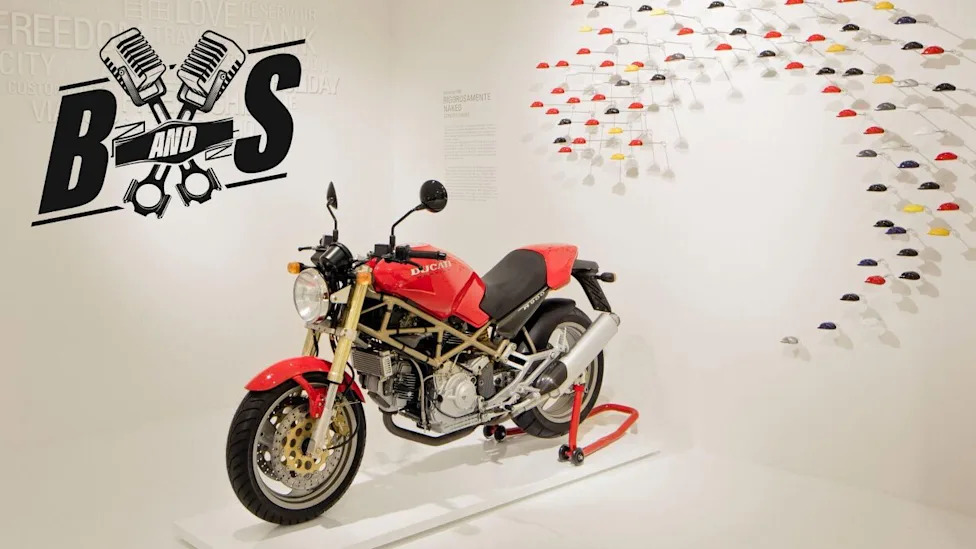
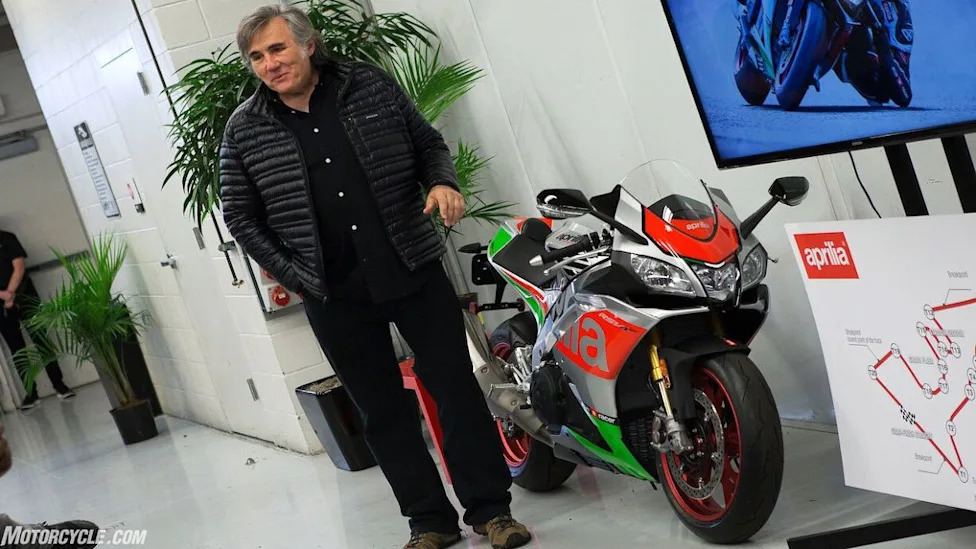
bore stoke breakout galluzzi stripped the plastic saved ducatiIn the early 1990s, Ducati was staring into a financial abyss. The iconic Italian brand was heavily in debt and desperately needed a commercial miracle. That miracle didn't arrive wrapped in aerodynamic, high-tech racing fairings. Instead, it came entirely stripped naked.The machine was the Ducati Monster, and the man behind it was Argentine designer Miguel Galluzzi.The Era of "Soap Bar" AerodynamicsTo understand how radical the Monster was, one has to look at the landscape of late-1980s motorcycle design. Driven by Japanese hyper-sports trends, the industry was obsessed with complete aerodynamic bodywork. Motorcycles were wrapped entirely in plastic fairings.AdvertisementAdvertisementWhile manufacturers used aerodynamics as a selling point, Galluzzi saw it as a cost-cutting shortcut that sterilized the soul of the machine."The '80s was about aerodynamics," Galluzzi recalls. "Everything was supposed to be soft, like a soap bar. It was a way to make bikes cheaper because you would get the plastic, but everything inside could be painted black. In my spirit, I wanted to see what's underneath - that feeling of seeing the engine, understanding what the pieces do."The Photocopy That Changed HistoryThe spark for the Monster came when Galluzzi's studio received its very first Xerox photocopy machine capable of blowing images up to A3 size. Galluzzi found a Japanese motorcycle magazine featuring a completely stripped, component-view side profile of a Ducati 851 superbike.He blew the image up on the copier, placed a sheet of tracing paper over the exposed chassis, and sketched a minimalist concept: a massive engine, a trellis frame, a fuel tank, a seat, and a set of wide handlebars.AdvertisementAdvertisementWhen he showed the sketch to his manager, the initial corporate response was dismissive: "Go back to your seat and keep working."The blueprint was incredibly simple: Handlebar + Seat + Engine = The Essential Motorcycle."This Is It"Galluzzi kept pushing. During a slow summer period in the early '90s, he and fabricator Fabio Montanari built a crude, hand-formed aluminum prototype. When they finally presented the finished motorcycle to international distributors, the room was completely baffled. Executives stood around the machine, waiting for the design team to bring out the missing body panels and fairings."They were expecting pieces that were missing," Galluzzi laughs. "I said, 'No, no, no. This is it. That's just the bike.'"AdvertisementAdvertisementThe Monster went into production and immediately became an international cultural phenomenon. Its success was driven by a highly effective power-to-weight ratio, high-end brakes, and a low seat height (unheard of for sports platforms at the time) that opened up sport riding to a massive demographic of female motorcyclists. By blending raw mechanical beauty with accessible performance, the Monster didn't just create the modern naked-bike segment - it single-handedly kept Ducati's factory doors open.Check out the Bore & Stoke episode with Miguel Galluzzi here to listen to the full interview.Become a Motorcycle.com insider. Get the latest motorcycle news first by subscribing to our newsletter here.