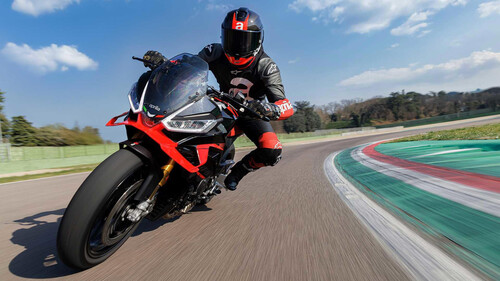
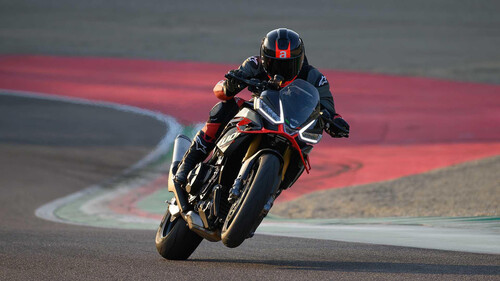
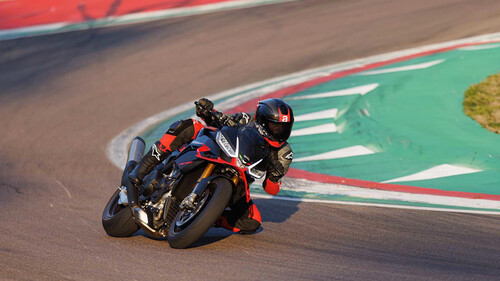
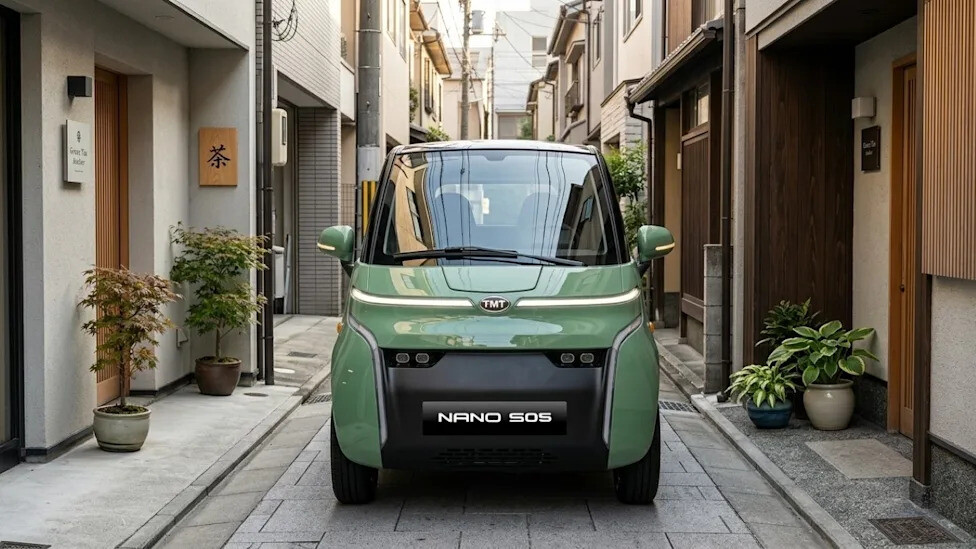
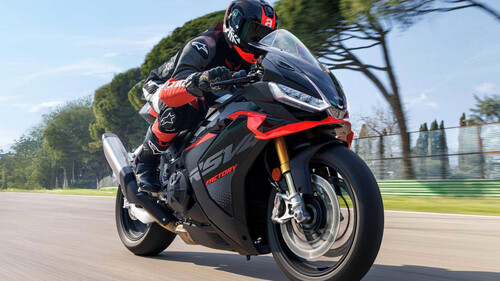
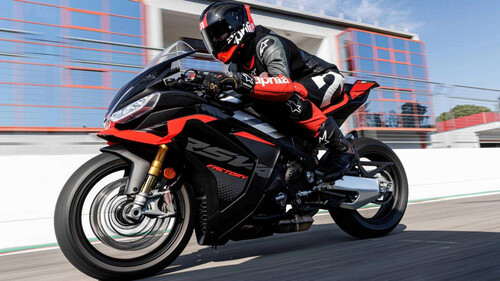
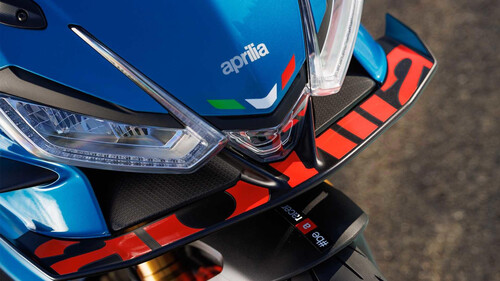
Matthew Carter · 4 months ago@matthewcarter31Bore & Stoke Breakout: Dynamic Aero & Winglets: Innovation or Gimmick? Liked by+15 othersApriliaPiaggioPost commentRelated PostsGen Z Loves The Honda Gold Wing But My Vespa Road Trip Proved Smaller Bikes Can Be More Exciting 26 · Kayla Wright · 1 months ago10 bikes that rarely lose owners to other brands 32 · Daniel Gagnon · 4 months agoVespa Just Trademarked Its Shape, So How Vespa-Like Is Too Vespa-Like Now? 81 · Oliver Smith · 1 months ago10 motorcycles that deliver more fun than their price suggests 37 · Mia Walker · 4 months agoThe French Army Tapped Vespa To Make This Tiny Tactical War Machine For Its Paratroopers 53 · Liam Campbell · 1 months agoBore & Stoke Breakout: The Secret Story Behind the Aprilia RSV4 89 · Hannah Wilson · 4 months agoThe Adorable Vespa 400 Microcar Was Taken From Us Because Piaggio Thought It'd Be Better To Focus On The Scooters 50 · Logan Hall · 1 months ago10 motorcycles that still make sense in an expensive economy 28 · Carter Smith · 4 months agoMoto Guzzi Opens Its Massive New Factory and Museum Facility To The Public This Weekend, And For Its Anniversary 47 · Chloé Gagnon · 1 months ago10 of the coolest motorcycle decals and liveries we've ever seen 92 · Emily Mitchell · 4 months agoMoto Guzzi's renovated Lake Como headquarters welcomes a pilgrimage of motorcycle-bound aficionados 12 · Hannah Rogers · 1 months ago10 motorcycles that are shockingly good in heavy traffic 11 · Kayla Smith · 4 months agoMoto Guzzi Re-Opens Mandello del Lario Factory 35 · Logan Roy · 1 months agoThe performance naked that makes sports bikes feel unnecessary 69 · Leo Côté · 4 months agoAs electric two-wheelers gain a foothold, Belgian startup Any bets on cargo space 18 · Morgan Young · 1 months agoThe midweight sports bike that feels better than a liter bike on the street 79 · Amélie Tremblay · 4 months agoTMT Motors readies Nano S05 as cheapest EV in Vietnam – report 48 · Matthew Gagnon · 2 months ago10 bikes that deliver premium features without premium pricing 59 · Sarah Hill · 4 months ago12 Of The Best Motorcycles For Senior Riders 74 · Henry Lewis · 2 months ago10 motorcycles that still feel modern after 10 years 56 · Jacob Morgan · 4 months ago




 +15 others