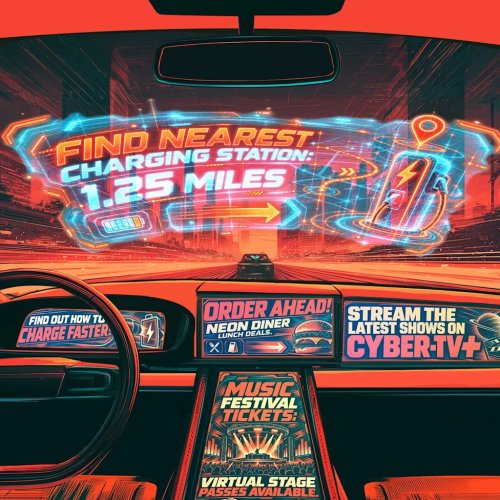
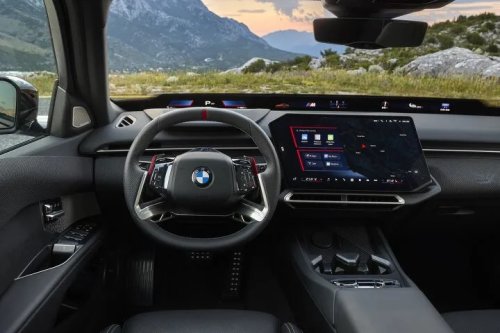
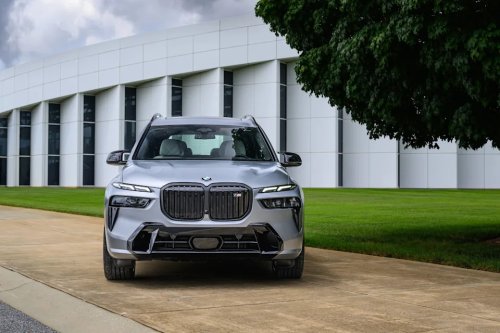
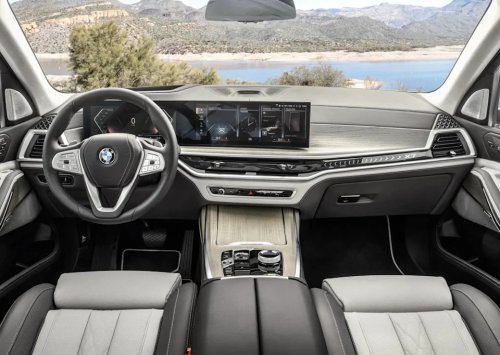
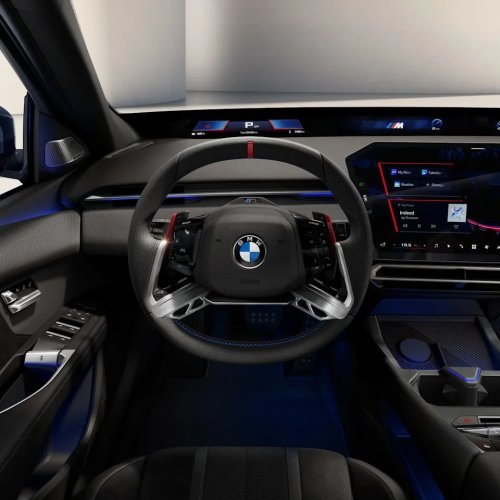
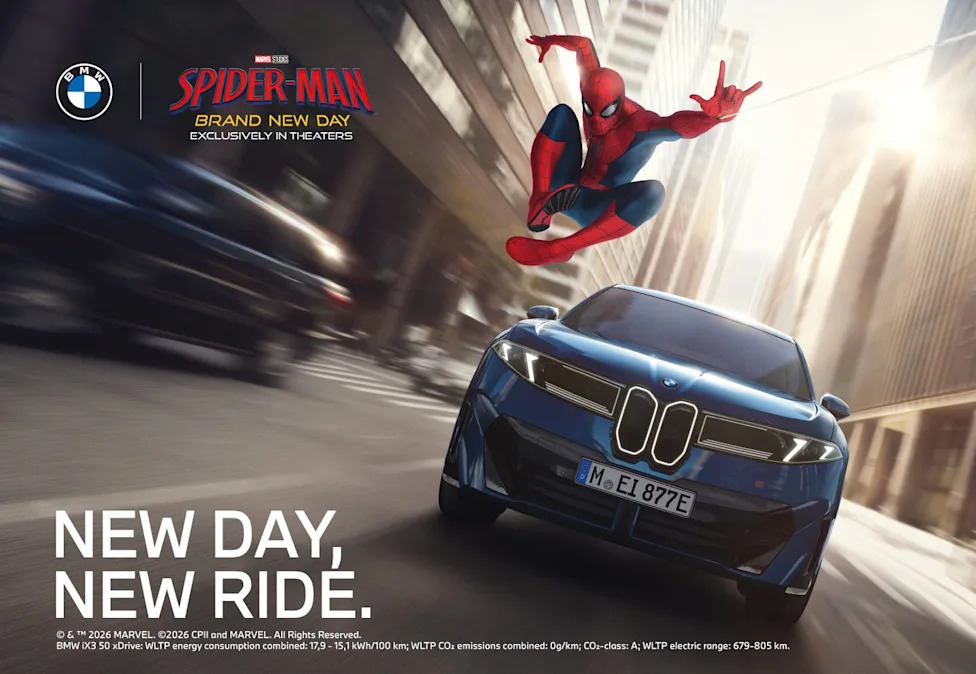
BMW's Spider-Man Promo Has Drivers Seeing RedVCG - Getty ImagesOne automaker has just taken this connected-car, software-defined vehicle, modern-mobility nonsense a step too far.Three years after BMW executives said the inside of a car was "a private space" and not a place for advertising, the automaker is facing backlash for rolling out a Spider-Man promotion to infotainment screens around the world.The move raises concerns that automakers are turning vehicle dashboards into rolling billboards for their literal captive audiences.AdvertisementAdvertisementThe ad campaign, which launched July 27 and runs through August 10, displays a banner on the infotainment screens of certain BMW models built after July 2020 in more than 70 countries. If you tap the banner, you'll get subjected to a full-screen Spider-Man commercial, one that also hijacks the vehicle's audio system and ambient lighting, all as part of a global marketing partnership with Sony Pictures and Marvel.BMW describes the feature as a limited-time themed experience delivered through its Festive App rather than a traditional advertisement. The company notes that the animation only plays after a driver actively selects the on-screen prompt and is intended to celebrate the film, which also features BMW vehicles.A current ad for the new Spider-Man film.BMWMany owners and commentators, however, don't exactly agree.The backlash stems in part from comments made by BMW executives in 2023, when the company publicly rejected the idea of selling advertising on dashboard displays. At the time, Stephan Durach, BMW Group's senior vice president for connected company development, said the vehicle interior was not somewhere the company envisioned playing commercials. Seems the automaker has since changed its tune.AdvertisementAdvertisementThe controversy also reminds critics of BMW's previous attempt to sell a subscription program for heated seats, one of the earliest examples of automakers attempting to make money off of software-enabled vehicle features after purchase. Although the Spider-Man campaign does not charge owners or lock vehicle functions behind a paywall, critics see it as another example of manufacturers using connected vehicles to create new revenue opportunities.The debate comes as automakers increasingly develop vehicles that use over-the-air updates to add features and services long after a car leaves the showroom. That evolution has also opened the door to in-car commerce, subscription services, and, as BMW owners have learned, "digital experiences" that venture beyond traditional automotive functions.BMW maintains that the Spider-Man experience is a one-off promotion tied to a broader film partnership rather than the start of an ongoing in-car advertising strategy. Still, the reaction illustrates how sensitive consumers have become to commercial content appearing in vehicles they already own.




















 +31 others