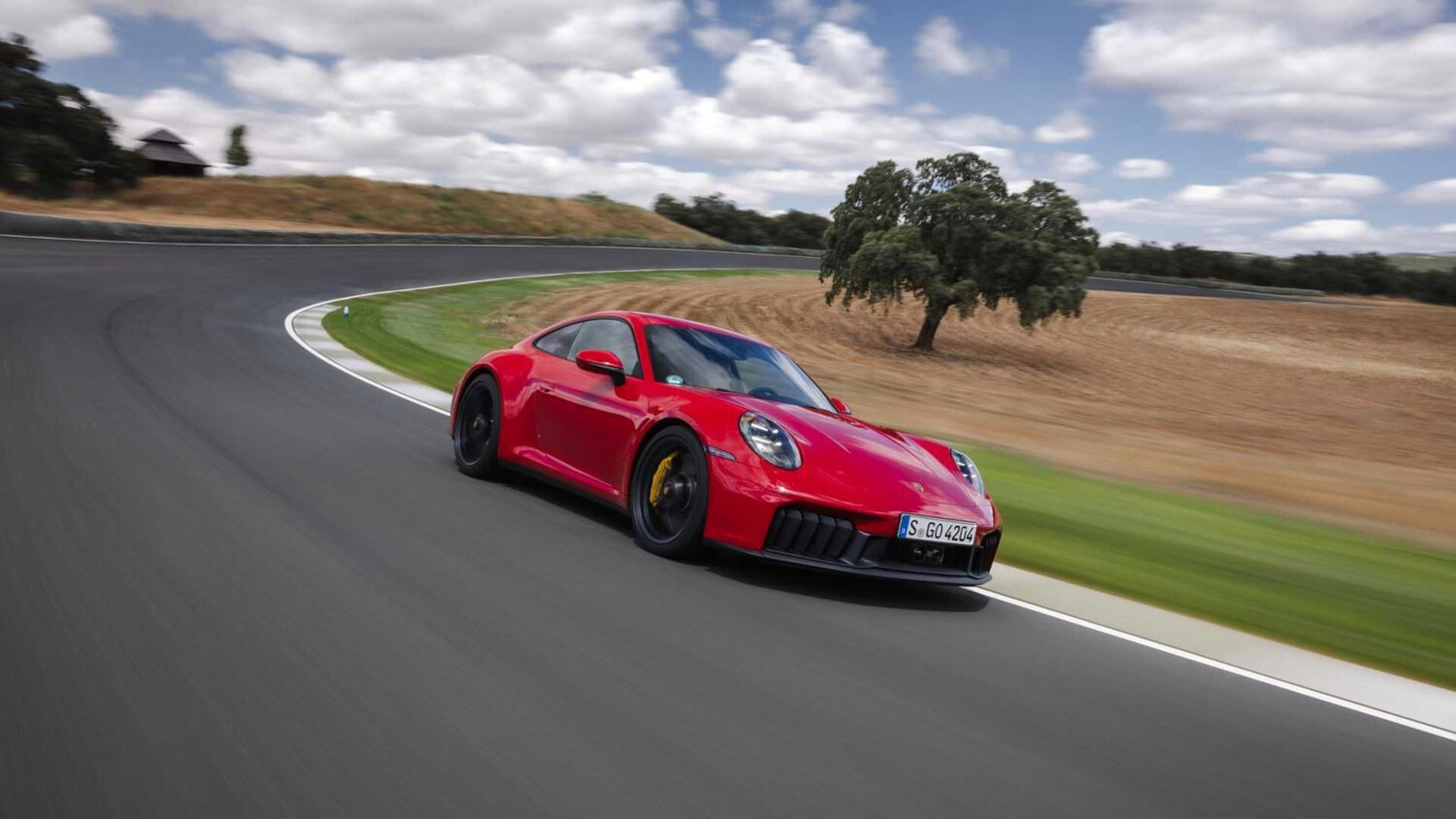
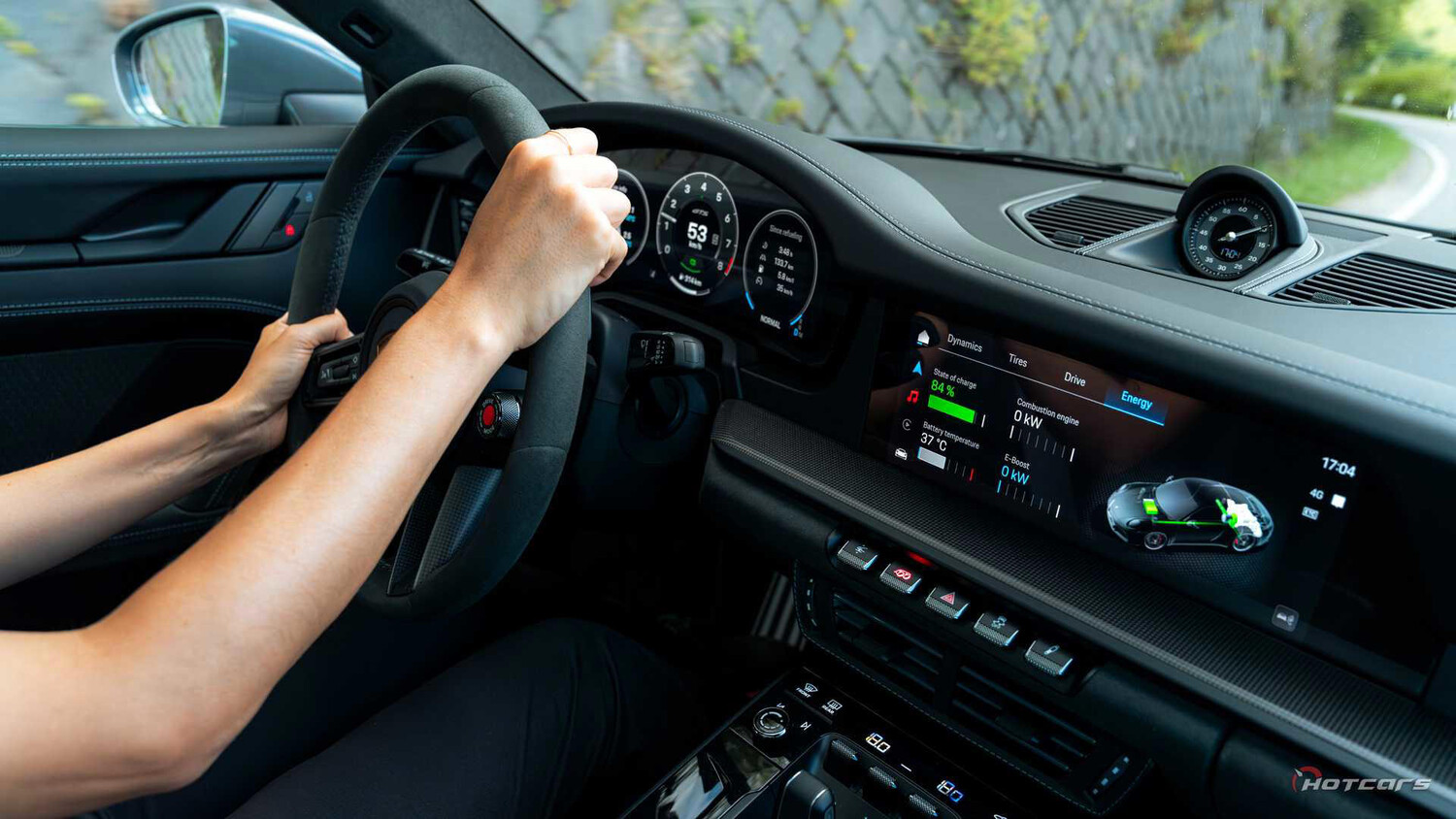
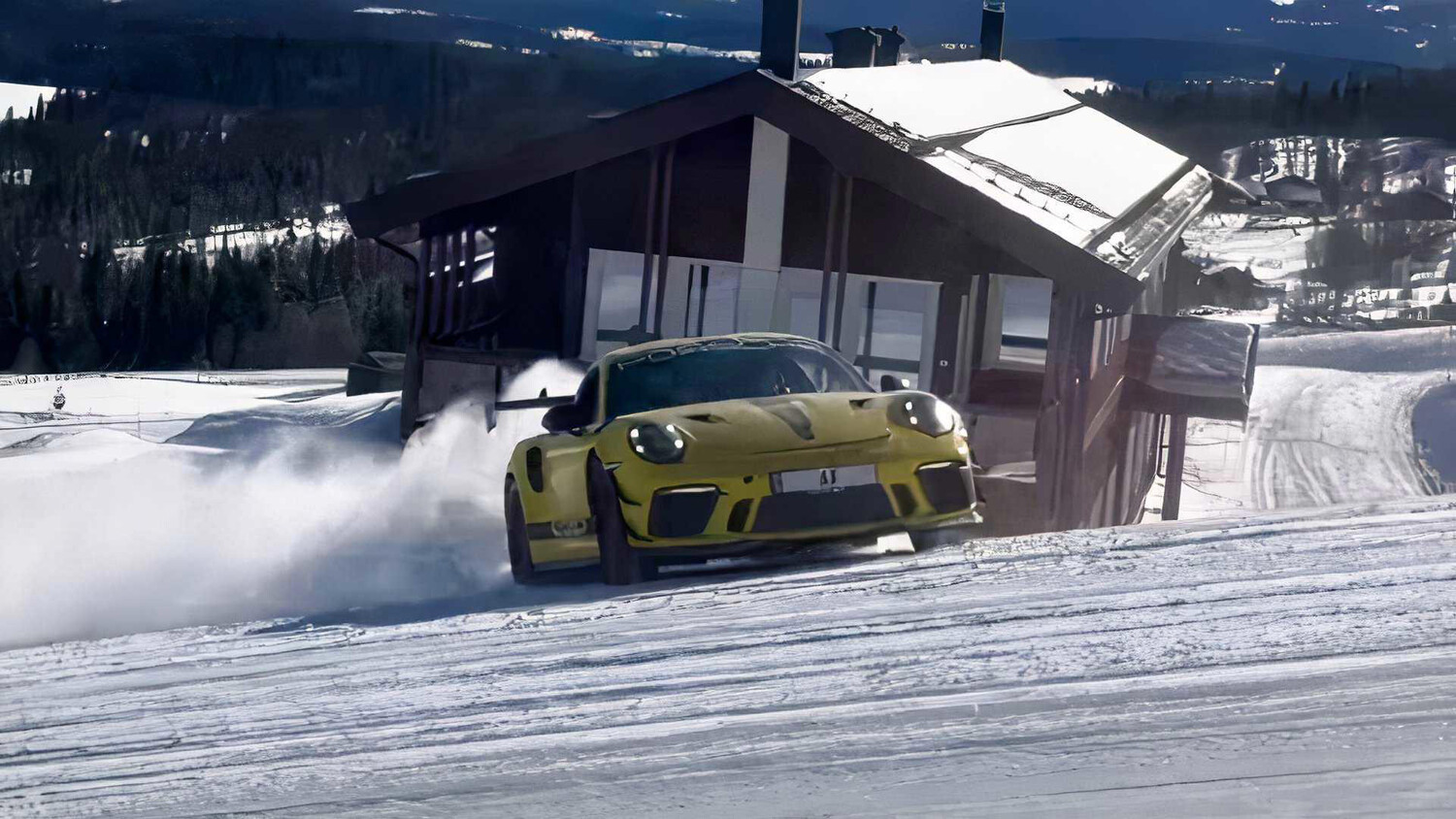
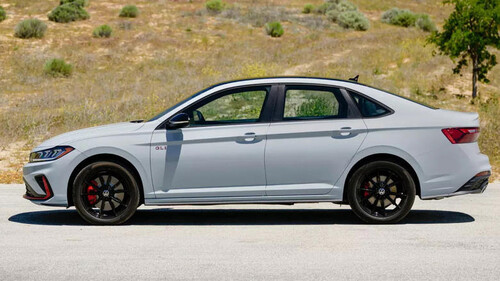
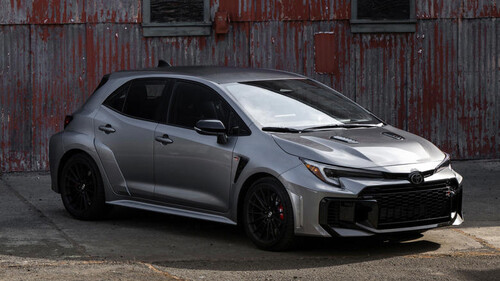
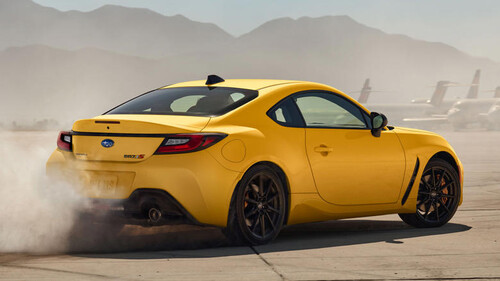
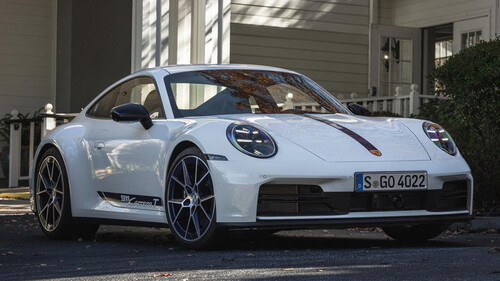
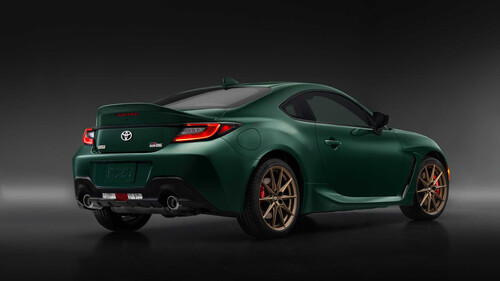
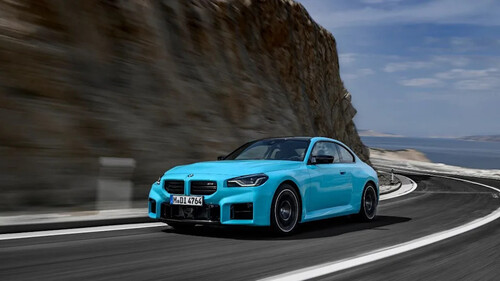
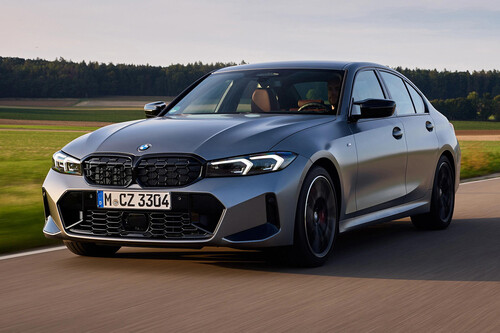
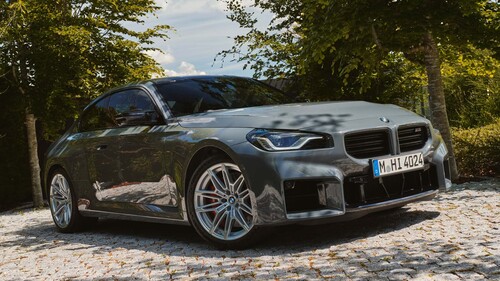
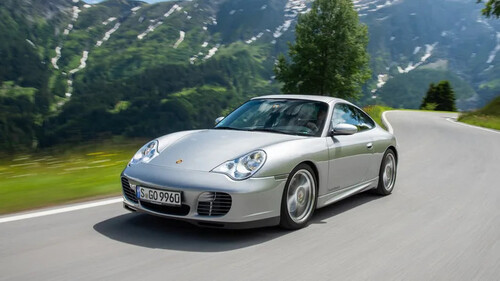
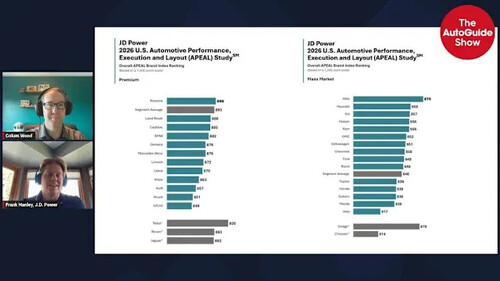
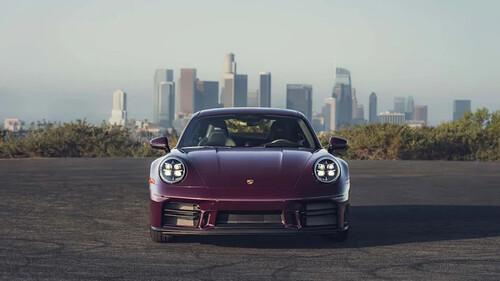
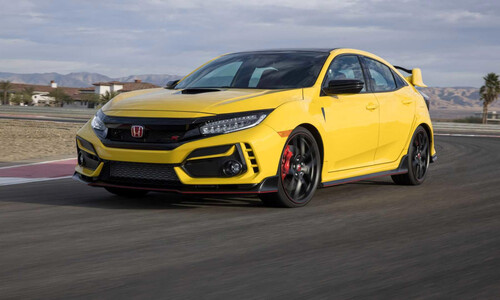
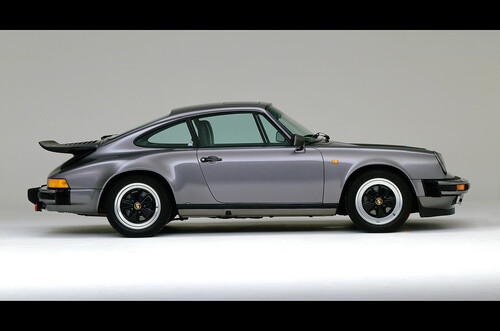
Every enthusiast has heard this pitch before. Buy this car, the brochure says, and you get the best of both worlds — a sports car that belongs on a racetrack and a daily driver that won't make your Monday commute miserable. It sounds great in a brochure and almost believable at a dealership. Then reality hits — a pothole on the interstate, forty-five minutes of gridlock, a grocery run in the rain — and the compromise shows itself fast.Most cars that promise this balance end up delivering a watered-down version of both things, satisfying neither the enthusiast nor the commuter. The stiff suspension that feels alive on a canyon road beats you up on the highway. The exhaust note that sounds glorious at 6,000 rpm becomes a nuisance at 6:30 a.m. So, does a car actually exist that nails both briefs—completely, without excuses? It does. But finding it means first understanding what each brief truly demands. What Makes A Car Worth Driving Every Day? Ayesh Seneviratne / HotCarsA real driver's car isn't about horsepower numbers on a spec sheet. It starts with steering that tells you exactly what the front tires are doing in real time—communicative, weighted, and honest. It needs a chassis that stays neutral and balanced through a fast corner, rewarding the driver rather than just carrying them through. And it needs an engine that responds immediately to throttle inputs — not half a second later through software filters. Above all, it's the feeling that the car and driver are working together, not against each other. That feeling is either there or it isn't — and you know within the first mile. What Daily Usability Actually Means In 2025 PorscheDaily usability in the real world means a ride that handles American roads — and American roads are rough — without punishing your spine on every expansion joint. It means an interior quiet enough at 70 mph to hold a conversation, practical enough for a laptop bag and a week's groceries, and comfortable enough to make a two-hour drive feel easy rather than exhausting. Then there's reliability — the kind that means oil changes and tires are the full extent of your service visits for 50,000 miles. Most automakers treat these two lists as direct opposites. The cars that understand they don't have to be are the ones worth talking about. The Contenders That Actually Got There (Almost) Via: Toyota The Toyota GR86 is the purist's answer—228 horsepower and 184 pound-feet of torque pushing a rear-wheel-drive chassis that weighs just over 2,800 lbs. The steering is sharp and honest, the manual gearbox is a highlight, and the chassis rewards commitment on a back road in a way that cars costing twice as much often don't. Where it falls short is in everyday life. The firm ride gets punishing on long highway stretches, the cabin feels its price point, and 228 horsepower starts running out of breath when you need real highway punch. BMW M2: The Strongest Argument, But Not Quiet Enough BMW The S58 twin-turbo inline-six inside the BMW M2 sends 473 horsepower and 406 pound-feet of torque to the rear wheels—enough to embarrass almost anything at a stoplight and plenty on a back road. Body control is tight without beating you up, and the car never feels intimidating around town despite its performance credentials. But it's wide, heavy by sports car standards, and expensive to service. Its layers of electronic systems can create a subtle disconnect between driver and machine that undercuts the raw engagement it's supposed to deliver. It's an excellent car. It's just not the complete answer. Honda Civic Type R: The Practical Argument Honda The Honda Civic Type R makes an almost unbeatable case at its price point—315 horsepower, 310 pound-feet of torque, a limited-slip differential, and Honda's legendary reliability all wrapped in a practical hatchback body. It's track-capable straight out of the box and comfortable enough to commute every single day without complaint. But front-wheel drive places a natural ceiling on driver engagement that no amount of engineering can fully overcome. The feel and balance of a properly dialed-in rear-wheel-drive chassis simply can’t be fully replicated when the driven wheels are also responsible for steering. At $45,000+, that limitation starts to matter. The Porsche 911: Over Six Decades Of Cracking The Code Porsche The 2025 Porsche 911 Carrera starts at $120,100 and produces 388 horsepower and 331 lb-ft of torque from a twin-turbocharged 3.0-liter flat-six — now running larger turbos from the GTS and an intercooler sourced from the 911 Turbo. In real-world testing, it covers 0–60 mph in 3.5 seconds and runs the quarter mile in 11.7 seconds at 117 mph.Those are numbers that overlap with dedicated supercars costing two or three times as much. What they don't tell you is how the 911 delivers them—without aggression, drama, or any sense of strain. It doesn't feel fast the way most fast cars feel fast. It feels inevitable. Press the throttle, and the response is immediate, linear, and completely confidence-inspiring in a way that makes 388 horsepower feel entirely manageable rather than intimidating.The eight-speed PDK transmission is a big part of why the 911 works so well in both worlds. In Normal mode, it's smooth, unobtrusive, and easy to live with in traffic. Flip it to Sport, and it holds gears longer, responds to paddle inputs instantly, and transforms the entire character of the car without you having to do anything else. It's one of the best dual-clutch gearboxes on the market — and in a car that promises to do everything, having a transmission that genuinely adapts to the moment matters more than most people realize. Steering And Chassis That Set The Industry Benchmark Claire-Kaoru Sakai, Ayesh Seneviratne / HotCars The 911's steering is its most celebrated quality, and every bit of the reputation is deserved. It's weighty, accurate, and communicative in a way that almost nothing else in production today can match — a genuine two-way conversation between driver and road at every speed.The rear-engine layout puts weight over the rear axle for exceptional traction, keeps the nose light and direct through corners, and holds the overall footprint compact enough to make city driving genuinely manageable. The chassis pulls 1.07g on the skidpad and stays neutral and composed throughout. It's a car that invites you to explore its limits rather than punishing you for getting close to them — and that combination of accessibility and ability is what makes the 911 genuinely special. Living With The 911: Where It Pulls Away Completely Car and Driver The 2025 911 cabin features a fully digital instrument cluster, a 10.9-inch touchscreen with wireless Apple CarPlay and Android Auto, heated and ventilated front seats, and dual-zone climate control — all standard. The controls are laid out with enough physical switches to keep things intuitive, and the materials throughout feel appropriately premium without tipping into ostentatious territory. The rear-engine layout frees up a usable frunk that most two-door sports cars simply don't offer. The compact footprint makes city parking far less stressful than the performance figures would suggest. And the rear seats — tight as they are — handle a jacket, a laptop bag, or a small grocery haul without complaint. For a car this fast, the practicality is genuinely remarkable. A Very Reliable Sports Car Haakonz, Instagram The 911 carries a J.D. Power reliability rating of 89 out of 100 — tied for first among luxury performance vehicles. For a twin-turbocharged car producing 388 horsepower and 331 pound-feet of torque, that number is extraordinary. It means the 911 isn't just fast and engaging—it's dependable in the way that a car you drive every single day needs to be. Fuel economy lands at 18 mpg city and 25 mpg highway. The adaptive suspension absorbs rough surfaces with a composure that embarrasses many luxury sedans. Running costs are significant but predictable — and the 911 holds its value better than almost anything else in this segment, which makes the ownership equation more reasonable than the sticker price alone suggests. So, What Is The Verdict? Porsche The Porsche 911 Carrera is the definitive answer to this question — and it has been since 1963. The GR86 is the right buy for the budget purist willing to live with its daily limitations for the purity of the experience. The Civic Type R is the most practically impressive option in the group. The M2 is the performance bargain — brutal, fast, and more livable than its reputation suggests. None of them, though, do what the 911 does. It doesn't ask you to compromise on ride quality to get handling. It doesn't ask you to accept an unreliable car in exchange for performance. It doesn't ask you to give anything up at all. That's not a common achievement in this segment — it's a genuinely rare one.You get in on a Monday morning with 388 horsepower sitting quietly beneath you, and you feel none of the tension between the car you want and the car you need. Then Saturday comes. You find the first open road. And you remember in about four seconds exactly why you bought it. That's the formula. Porsche cracked it over sixty years ago. Nobody has convincingly beaten them since.Sources: Porsche, Toyota, BMW, Honda, J.D. Power