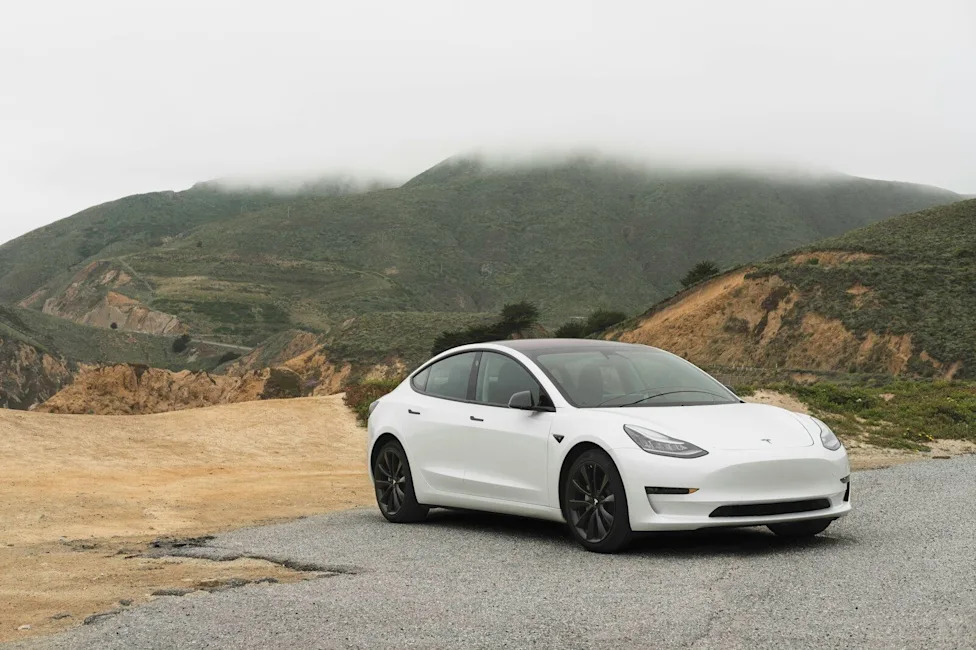
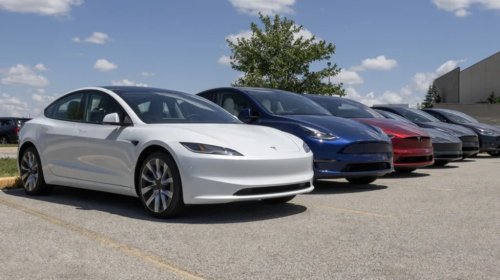
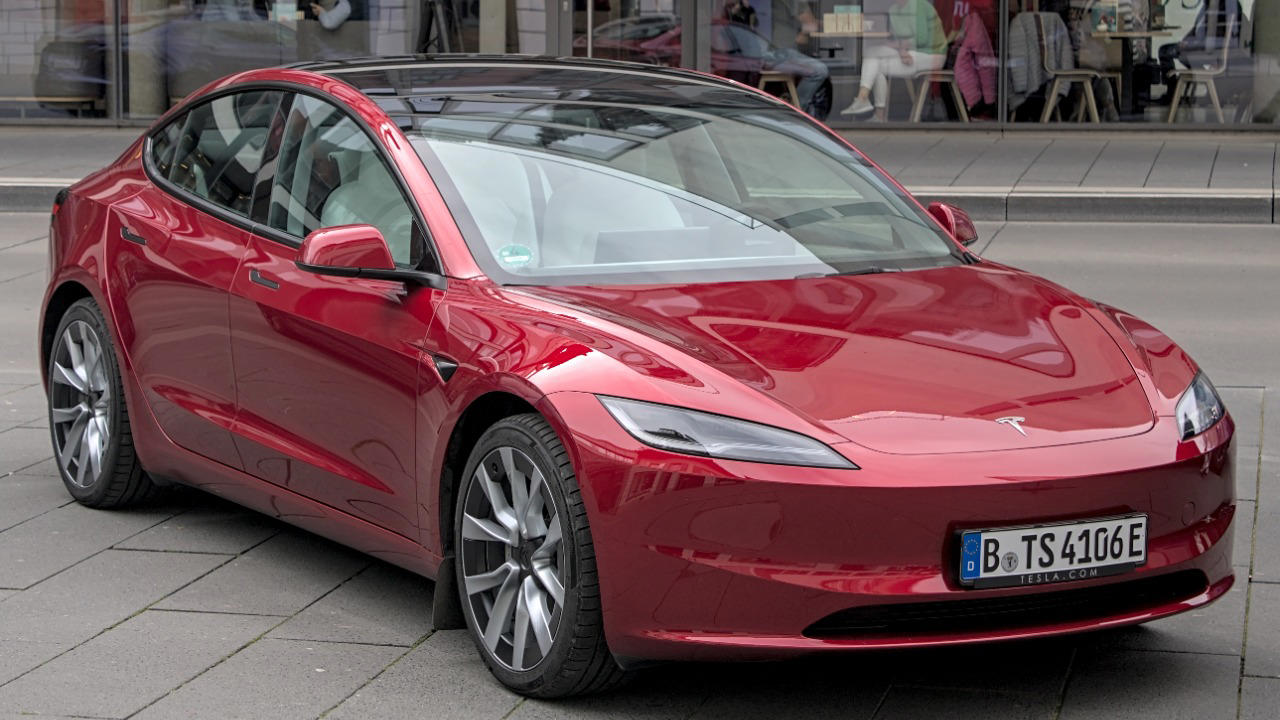
US regulator rejects petition seeking recall of 2.26M TeslasWhen a U.S. safety regulator rejected a petition to recall 2.26 million Teslas over alleged unintended acceleration, it offered a rare, clear answer in a debate that has hung over electric vehicles for years. The National Highway Traffic Safety Administration, or NHTSA, found no safety defect in Tesla’s one-pedal driving system and declined to force a sweeping recall, even as it keeps other probes into the company open. Whether you own a Tesla, are thinking about buying one, or simply follow how regulators police advanced car tech, that decision shapes how you judge risk, software updates, and the balance of power between data and driver complaints. What NHTSA actually decided on the 2.26 million Teslas The National Highway Traffic Safety Administration reviewed a defect petition that targeted about 2.26 million Tesla vehicles and claimed that the company’s one-pedal driving and related systems caused unintended acceleration. In its formal response, NHTSA concluded there was no electronic defect and that the incidents at issue were consistent with drivers pressing the accelerator instead of the brake. The agency’s decision, described in detail in a recent NHTSA summary, means there is no recall tied to this petition and no requirement for Tesla to reengineer one-pedal mode. That conclusion aligns with a broader explanation NHTSA has offered in defect investigations, where pedal misapplication is often linked to human error rather than software failure. In this case, the agency reviewed vehicle logs, incident data, and how Tesla’s control systems respond to pedal inputs before determining that the record did not support a mechanical or software fault. Why the unintended acceleration petition was so high profile The petition that NHTSA rejected was framed as one of the largest defect claims ever aimed at Tesla. It sought a recall of 2.26 million vehicles across multiple model lines, arguing that the company’s design and software allowed sudden, unwanted acceleration. A detailed account of the denial is available through an analysis titled NHTSA Denies Tesla, which walks through how the agency weighed those claims. For drivers, the scale of the petition matters because it shows how a single theory about software behavior can threaten nearly an entire fleet. Had NHTSA agreed that a defect existed, Tesla would have faced one of the most extensive safety campaigns in U.S. automotive history, with direct consequences for how your car behaves after mandatory updates. How this decision fits into Tesla’s broader recall record Even with this petition closed, you should not confuse NHTSA’s finding with a clean bill of health for every Tesla system. The company has issued multiple safety campaigns, including a separate action where Tesla, the Elon Musk led automaker, began recalling nearly 700,000 vehicles, including the Cybertruck and select Model 3 and Mod variants, over problems with the tire pressure warning system. That separate recall shows how software-heavy vehicles can still need traditional fixes when monitoring systems fail to warn about low tire pressure. The contrast is instructive. In the tire pressure case, data and testing supported a defect finding. In the one-pedal case, NHTSA’s review did not identify a comparable failure pattern, so the agency drew a line between genuine hardware or software faults and incidents tied to driver behavior. What the ruling means for Tesla owners and shoppers If you already drive a Tesla, the immediate takeaway is that your car will not be pulled in for a recall tied to unintended acceleration based on this petition. You can keep using one-pedal driving without expecting a forced software change from this specific investigation. A separate market update on Tesla shares notes that a U.S. safety regulator recently closed the defect petition covering about 2.26 million vehicles after finding no safety related defect, which investors read as a short term positive. For potential buyers, the ruling removes one major cloud over the brand, at least around unintended acceleration. It does not, however, remove your responsibility to understand how one-pedal driving changes the way you modulate speed. You still need to learn how regenerative braking feels, how quickly the car slows when you lift off the accelerator, and how to avoid confusing that behavior with automatic braking. Regulatory pressure is not going away Even as NHTSA declined to order a recall for unintended acceleration, Tesla remains under scrutiny in other areas. One ongoing focus is the company’s driver assistance systems. A separate safety review has pulled about 3.2 M vehicles into an engineering analysis of Tesla’s Full Self Driving system, a separate process that can still result in future recalls. Another report notes that the ruling on unintended acceleration gives Tesla a reprieve, but also stresses that regulators continue to examine its automated driving package. For you, that means future software updates to driver assistance features may still arrive under regulatory pressure, even if one-pedal driving remains untouched. How investors and markets are reading the decision Financial filings show that large investors track these regulatory moves closely. One disclosure about Swiss Life Asset Management Ltd described how it grew its stock position in Tesla, Inc. TSLA, while also referencing that a U.S. safety regulator had closed the defect petition without finding a safety defect. That same filing is linked through a Swiss Life Asset share, underscoring how the regulatory outcome feeds directly into portfolio decisions. Another market update lists key Tesla news for the week and highlights that Tesla is reportedly negotiating to buy about $2.9 billion worth of assets, while also tracking insider moves such as Wilmington Savings Fund Society FSB Sells shares. For you as a retail investor, the combination of a favorable safety ruling and expansion plans can change how you weigh risk versus growth in any Tesla position. Why safety advocates still urge caution Consumer attorneys and safety advocates argue that you should not treat any single NHTSA decision as a final verdict on everyday risk. One legal analysis of Tesla crash cases notes that, broadly, manufacturers are increasing safety recalls to keep technology reliable and urges that Consumers should remain about whether vehicles require updates or recall interventions. In practice, that means checking your car’s software status, reading release notes, and monitoring NHTSA’s recall database, rather than assuming that a high profile petition denial means every system is flawless. If you are involved in a crash, logs and update history can matter as much as the mechanical condition of your car when you pursue an insurance claim or legal action. How one-pedal driving changes your role behind the wheel The heart of the petition was Tesla’s one-pedal mode, which lets you accelerate and slow the car primarily with the accelerator pedal. When you lift your foot, regenerative braking kicks in and the car decelerates more aggressively than a traditional gasoline vehicle in coasting mode. NHTSA’s review concluded that this behavior functioned as designed and that unintended acceleration incidents aligned with pedal misapplication. For you as a driver, that places responsibility squarely on how you adapt. You should practice in low traffic conditions, pay attention to how quickly the car slows when you release the pedal, and avoid resting your foot in a way that might apply unintended pressure. If you share the car with family members, you should walk them through these differences so they do not treat the vehicle like a conventional automatic. What you should watch next Looking ahead, you should track three threads. First, NHTSA’s ongoing scrutiny of Full Self Driving, which still covers millions of vehicles and may yet trigger additional recalls. Second, any future petitions that target other aspects of Tesla’s software, since the agency has now set a high bar for data driven proof of electronic defects. Third, the pattern of recalls across the industry, including campaigns like Tesla’s action on tire pressure monitoring, which show that even advanced brands must correct basic safety issues. More from Fast Lane Only Unboxing the WWII Jeep in a Crate 15 rare Chevys collectors are quietly buying 10 underrated V8s still worth hunting down Police notice this before you even roll window down
















 +50 others