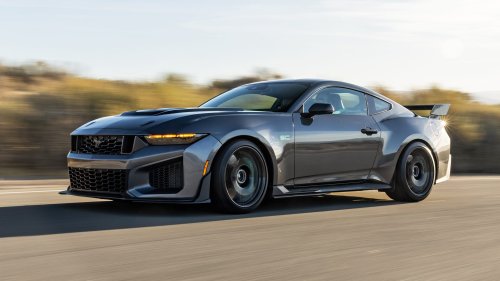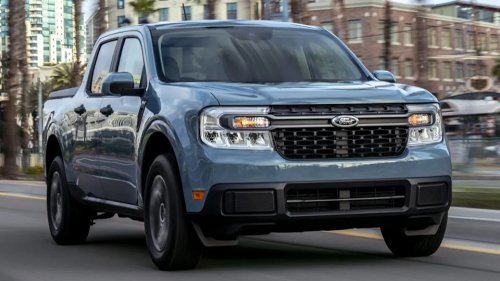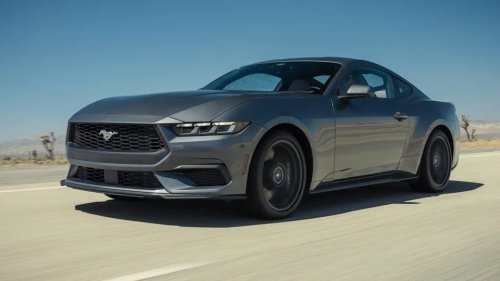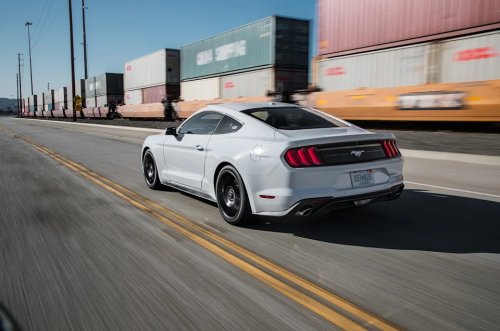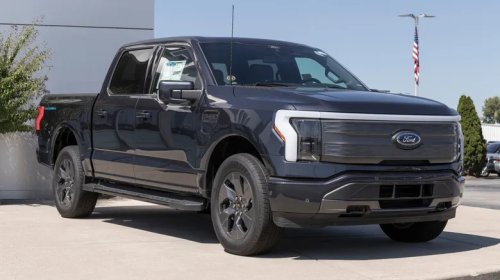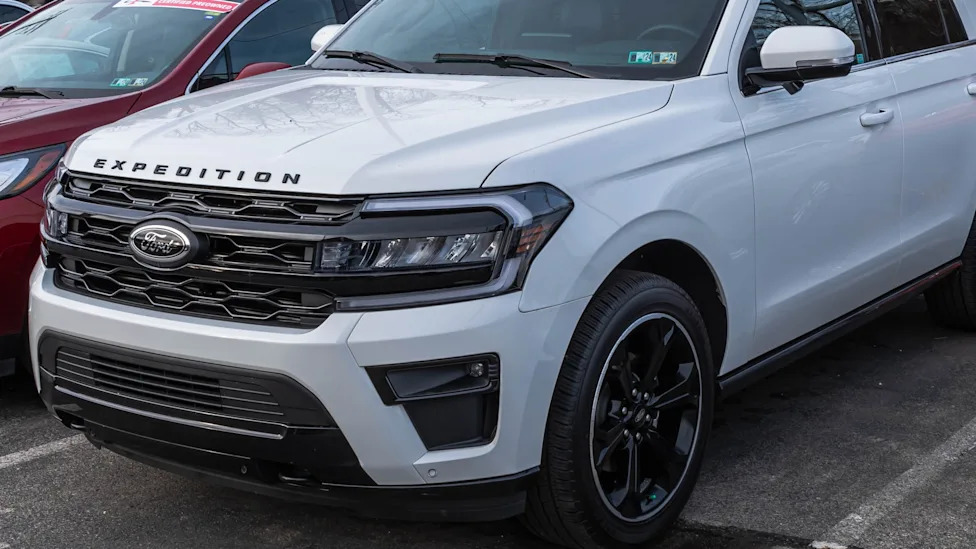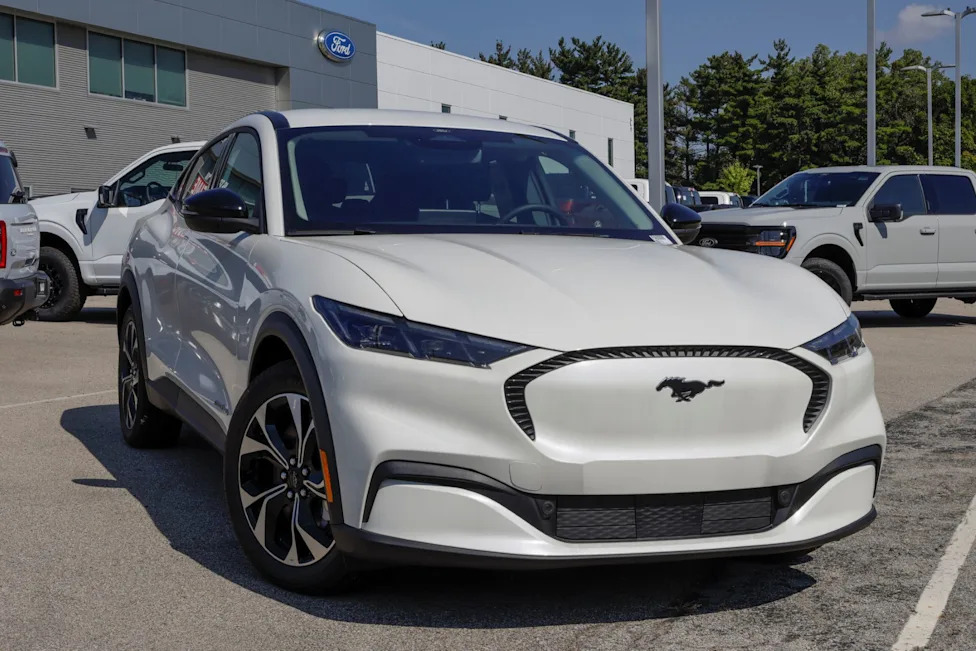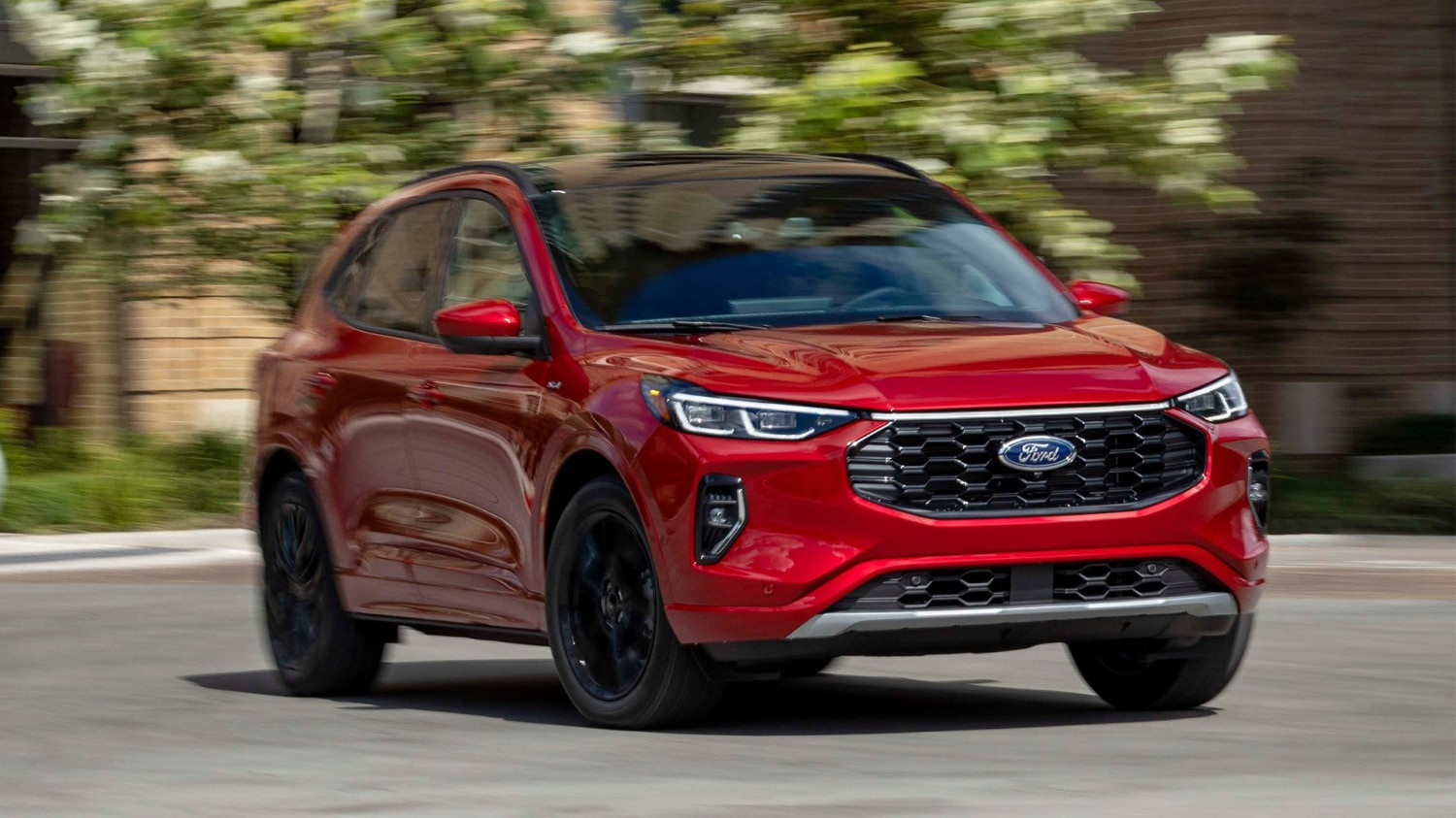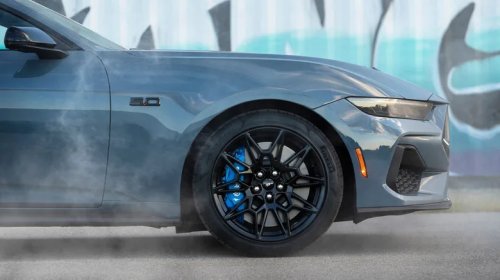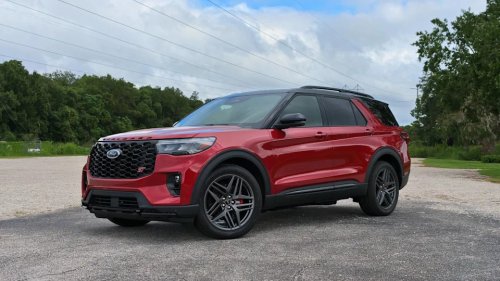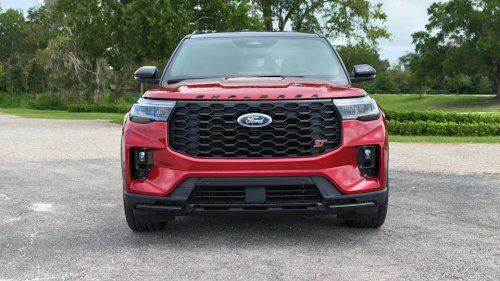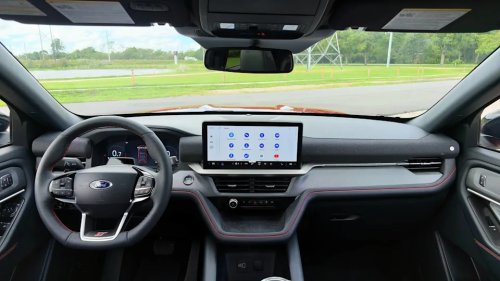



















Ford recall of 48,000 vehicles ignites fear over sudden power lossThe recall of almost 48,000 Ford and Lincoln vehicles over sudden loss of drive power has turned a technical defect into a very personal worry if you drive one of these models. A powertrain failure that can kill propulsion without warning is not just an inconvenience; it is the kind of flaw that makes every highway merge or left turn feel like a gamble. Instead of simply maintaining your vehicle, you now have to navigate a maze of recall notices, incomplete fixes, and overlapping campaigns, all while deciding whether your vehicle is safe enough to keep on the road or needs to stay parked until Ford Motor Company delivers answers. What is behind the 48,000 vehicle recall The recall that has you most on edge involves almost 48,000 vehicles that can suddenly lose drive power because of an exhaust gas recirculation component failure. Federal safety regulators at NHTSA describe this as a loss of drive power from EGR failure, meaning the system that recirculates exhaust gases can malfunction in a way that cuts propulsion. That failure mode matters to you because it is not a slow, noisy breakdown that gives you time to pull off the road. It is a defect that can instantly strip your vehicle of the ability to accelerate, exactly when you rely on it most. The recall is logged in NHTSA records under the NEWS, MOTOR, VEHICLES category, and the Products Liability Law Daily Wrap Up describes it as a safety campaign targeting this specific loss of drive power risk. Which models are affected and how they connect The 48,000 vehicle campaign does not exist in isolation. Earlier this year, Ford Motor Company also initiated recalls covering more than 83,000 vehicles, including Rangers, Explorers, and six other popular models, due to issues tied to software and related systems. Together, those campaigns show a pattern in which multiple Ford platforms, from SUVs to trucks and passenger cars, are being pulled back for safety fixes. On top of that, another recall notice describes how Ford Motor Company is recalling more than 83,000 vehicles that include Explorer, Bronco, Escape, Maverick, and Mustang models, again underscoring how wide the safety net has to stretch. When you drive one of these nameplates, you are no longer dealing with a single isolated glitch but with a broader set of engineering and quality control questions. The 48,000 vehicle campaign itself spans a mix of Ford and Lincoln branded models. The recall covers a range of 2025 vehicles that include the Ranger, Mustang, Maverick, Explorer, Escape, Bronco, Bronco Sport, and several Ford and Lincoln variants. If you own a Lincoln, you are encouraged to check your specific model on the official Lincoln site and then confirm details against NHTSA records. Why sudden power loss feels so dangerous For you as a driver, the core fear is simple. If your vehicle can lose drive power without warning, you risk being stranded in a live lane, rear-ended at highway speed, or stuck in the path of oncoming traffic while turning. The National Highway Traffic Safety Administration has already highlighted this risk by announcing a recall of 48K Fords over a valve failure that can lead to loss of propulsion. In the EGR-related campaign, the issue is similar. A key component in the exhaust and intake system can fail in a way that robs the engine of the ability to deliver power. You might still have steering and braking, but the sudden absence of acceleration is enough to create a serious crash risk. The National Highway Traffic Safety Administration treats loss of drive power as a safety defect because it can leave you with no reasonable way to avoid a collision once the failure occurs. How the recall process is unfolding When you look up the campaign in NHTSA records, you see that the agency has logged the recall and assigned an identifier that ties back to the Products Liability Law Daily Wrap Up description of almost 48,000 vehicles. That summary notes that the recall is part of NHTSA NEWS, MOTOR, VEHICLES activity and that the internal Ford reference for this recall is 26S10, which you can use when speaking with a dealer. At the same time, Ford Motor Company has been working through other safety campaigns. A recall alert that covers up to 83,576 vehicles is tagged with NHTSA ID 26V122 and describes a condition that can lead to a no-start situation, which is different from loss of drive power but still affects your confidence in the vehicle. You can see that description of NHTSA ID 26V122 and the associated no start condition in recall summaries that track multiple Ford campaigns. The same recall overview explains that Ford Motor Company has announced two additional safety recalls affecting SUVs, trucks, and passenger cars, and that Ford is currently developing a remedy in coordination with the U.S. Department of Transportation. That process is described in detail in a notice that states Ford is currently a fix, which means you may not yet have a final repair available at your dealer. What regulators and Ford are saying The National Highway Traffic Safety Administration has been central to every step of this process. The agency maintains a public database where you can search open campaigns by VIN and see official recall reports, engineering analyses, and defect descriptions. By entering your vehicle information on the NHTSA recalls page, you can confirm whether your specific car or SUV falls within the 48,000 vehicle pool tied to loss of drive power from EGR failure. Regulators have also described how the defect can manifest. In some cases, drivers may notice warning lights or reduced performance before a full loss of power. In others, the failure can be abrupt. The National Highway Traffic Safety Administration has stressed that any sign of hesitation, stalling, or unexplained dashboard alerts in a recalled vehicle should prompt you to schedule an inspection immediately. Ford Motor Company, for its part, has acknowledged the safety risk and is working on repairs across several campaigns. In addition to the EGR-related recall, the company has had to address software issues and valve failures that affect propulsion. The pattern has led many owners to question whether enough testing is happening before vehicles reach you, especially when multiple defects touch the same family of models in a short period. What you should do if you own an affected vehicle Your first step is to confirm recall status. Use the VIN lookup on the NHTSA site, then cross-check with Ford Motor Company tools and, if you drive a Lincoln, with the official Lincoln portal. If your vehicle is flagged under the campaign that involves almost 48,000 vehicles, contact your dealer and reference the internal recall code so staff can pull the correct bulletin. If you experience any loss of drive power, even once, treat your vehicle as unsafe to operate until a technician inspects it. Document the conditions, such as speed, weather, and dashboard warnings, and share that detail with the service department. In some cases, dealers can offer a loaner or rental support when a recall repair is pending, although that depends on local policy and inventory. It is also important to keep an eye on broader recall news. A recent summary of safety actions notes that National Highway Traffic has announced yet another recall from the Blue Oval affecting nearly 48,000 vehicles, which shows how quickly new information can surface. Signing up for email alerts from NHTSA or from Ford Recall Alert tools helps you catch additional campaigns that might touch your VIN. How this wave of recalls affects your trust When you see multiple campaigns in a short span, including one that targets almost 48,000 vehicles for loss of drive power and others that involve more than 83,000 vehicles across Explorer, Bronco, Escape, Maverick, Mustang, and additional models, your trust in the brand takes a hit. You start to question not only whether your current vehicle is safe, but whether your next purchase should stay within the same family. More from Fast Lane Only Unboxing the WWII Jeep in a Crate 15 rare Chevys collectors are quietly buying 10 underrated V8s still worth hunting down Police notice this before you even roll window down