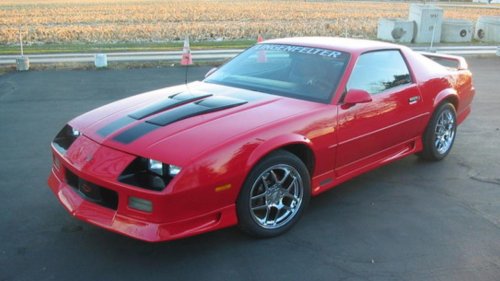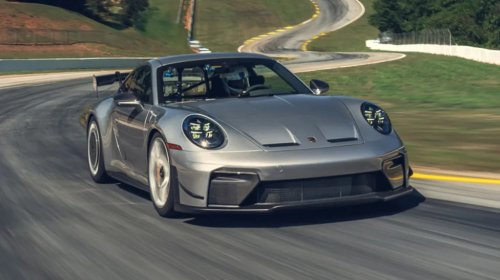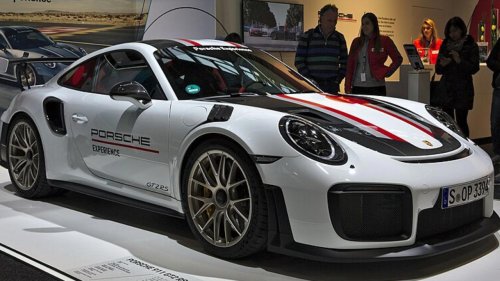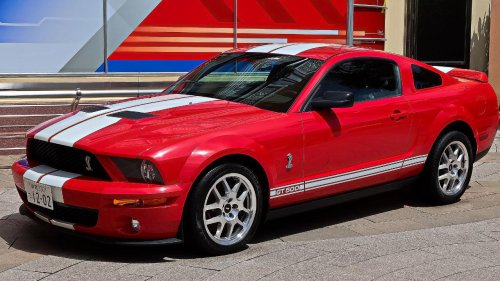
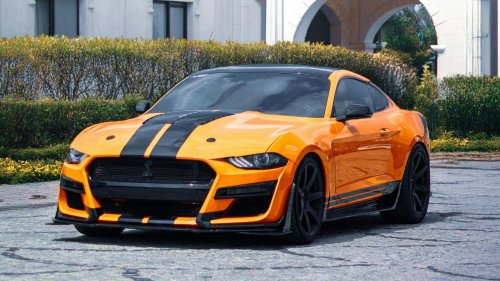
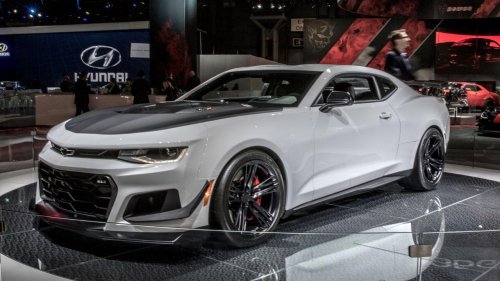
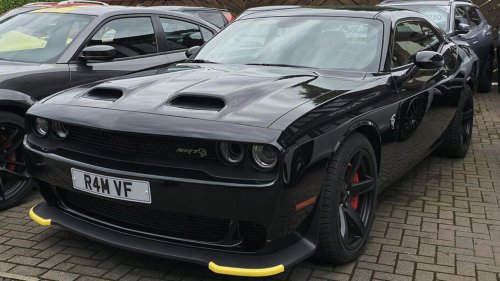
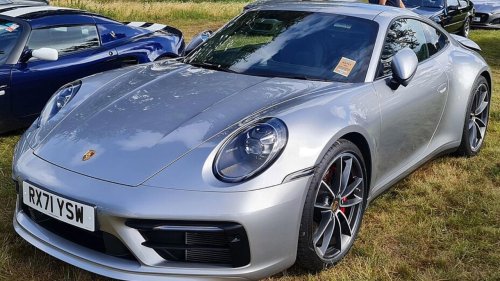
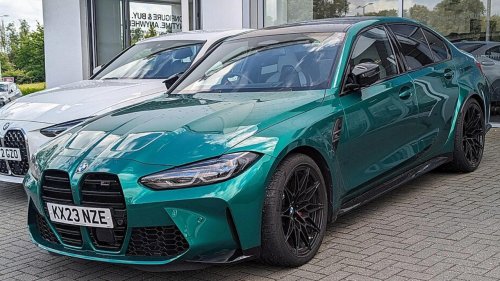
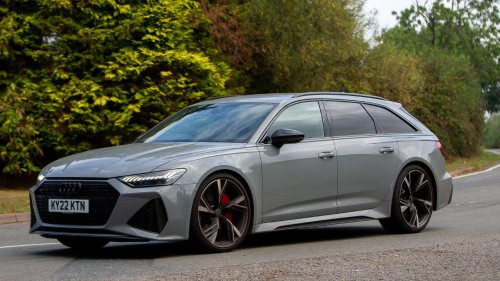



















In today’s performance market, the engine under the hood often decides whether a car is a future collectible or a used-car commodity. Nowhere is that clearer than in models where one powertrain dramatically outperforms another on resale charts. I focus here on seven cars whose specific engine choices now make or break their value, according to recent valuation and depreciation data.Ford Mustang Shelby GT500The Ford Mustang Shelby GT500 shows how a single powertrain can reshape a value curve. A 2023 analysis reports that GT500s with the supercharged 5.2-liter V8 have depreciated 15 percent less over two years than comparable Mustangs using the base 5.0-liter V8. That spread is significant in a segment where many cars slide quickly once the first owner moves on, and it confirms that buyers are paying a clear premium for the most extreme factory specification. I read that gap as a referendum on how enthusiasts now treat horsepower as a form of insurance against future regret. The GT500’s supercharged 5.2-liter engine is not just more powerful, it is also perceived as the definitive modern Mustang drivetrain, which helps explain why it resists the price drops seen in lesser trims. For owners, choosing the bigger engine is no longer just about speed, it is a direct hedge against accelerated depreciation.Chevrolet Camaro ZL1The Chevrolet Camaro ZL1 follows a similar pattern, with its supercharged 6.2-liter LT4 engine separating it from the rest of the Camaro lineup. According to a 2022 review, ZL1 models retain 72 percent of their original MSRP after five years, while non-ZL1 V8 variants hold only 58 percent. That 14-point difference is attributed to collector demand for the LT4’s output and track capability, which makes the ZL1 feel like a halo car rather than just another trim. For shoppers, this means the apparent upfront premium for a ZL1 can be partially recovered when it is time to sell. I see the LT4 as the key reason, because it anchors the car’s identity in the same family as high-profile supercharged Chevrolets. In a market where the Camaro nameplate itself faces uncertainty, the strongest engine option is what keeps the ZL1 on short lists for long-term ownership and investment.Dodge Challenger HellcatThe Dodge Challenger Hellcat proves how limited-production powertrains can almost freeze depreciation. A 2024 report notes that Hellcat variants with the 6.2-liter supercharged Hemi V8 have seen only an 8 percent value drop since 2020, compared with a 25 percent decline for Challengers using the standard 5.7-liter Hemi. That 17-point gap is directly linked to the supercharged engine’s scarcity and reputation, especially as high-output V8s face regulatory pressure. From my perspective, the Hellcat motor has become a brand within a brand, turning any car that carries it into a quasi-collectible. Buyers know that the 5.7-liter cars deliver the look without the full performance story, which is why they soften more quickly on the used market. For owners weighing which Challenger to buy, the data makes a blunt argument, the 6.2-liter supercharged Hemi is the version that behaves like an asset rather than a fast depreciating toy.Porsche 911 Carrera SThe Porsche 911 Carrera S illustrates how a shift to turbocharging can actually lift values instead of hurting them. A 2021 valuation piece finds that Carrera S models with the twin-turbo 3.0-liter flat-six command resale prices about 20 percent higher than naturally aspirated predecessors from 2012 to 2015. Buyers are prioritizing the newer turbocharged performance, which delivers stronger torque and efficiency while still fitting the 911’s character. I see this as a clear signal that modern 911 shoppers are less nostalgic about high-revving engines than they are focused on usable speed and everyday drivability. The twin-turbo 3.0-liter cars offer tuning potential and contemporary tech that older models cannot match, which helps explain the premium. For anyone cross-shopping generations, the data suggests that paying more for the turbo engine is aligned with where the broader market is already moving.BMW M3 CompetitionThe BMW M3 Competition shows how incremental engine evolution can have outsized effects on resale. A 2023 guide reports that Competition models using the twin-turbo 3.0-liter S58 engine hold 85 percent of their value after three years, outperforming the previous generation’s single-turbo S55 by 12 percent in auction results. That spread reflects both higher output and the perception that the S58 is better aligned with current performance benchmarks. In practical terms, I read this as a warning against assuming all recent M3s behave the same in the used market. The S58’s stronger numbers and updated architecture make it the preferred choice for track-day drivers and collectors, which reinforces its price floor. For buyers, stretching to an M3 Competition with the newer engine is not just a spec-sheet upgrade, it is a way to reduce the financial hit over the first ownership cycle.Audi RS6 AvantThe Audi RS6 Avant demonstrates how a flagship engine can define an entire model’s desirability. A 2022 feature notes that RS6 Avants with the 4.0-liter twin-turbo V8 retain 68 percent of their MSRP after four years, while versions using the milder 3.0-liter V6 TFSI lose 35 percent more value. Enthusiasts clearly favor the V8, which delivers the full performance wagon experience that has made the RS6 a cult favorite. For owners, the implication is straightforward, the 4.0-liter twin-turbo V8 is the configuration that keeps the RS6 in demand among purists and high-end family haulers alike. I see the V6 cars as appealing on paper for efficiency, but the market is signaling that buyers want the most potent drivetrain in such an expensive platform. As a result, the V8 RS6 Avant behaves more like a long-term halo product than a typical luxury wagon.