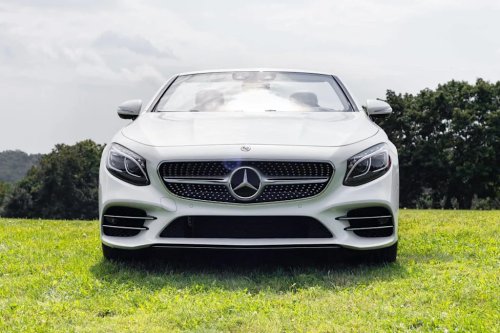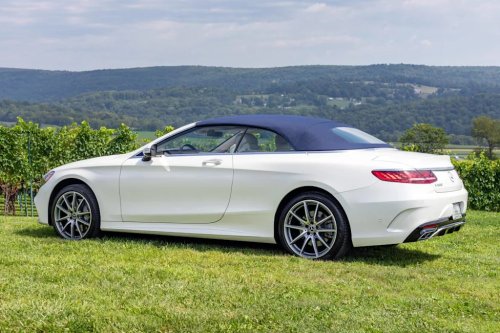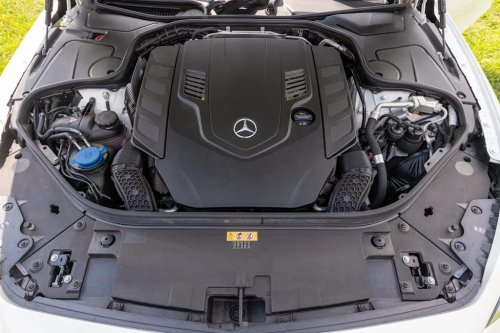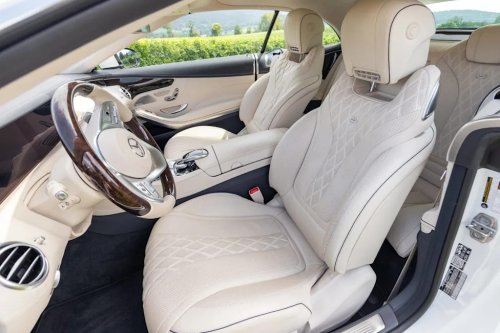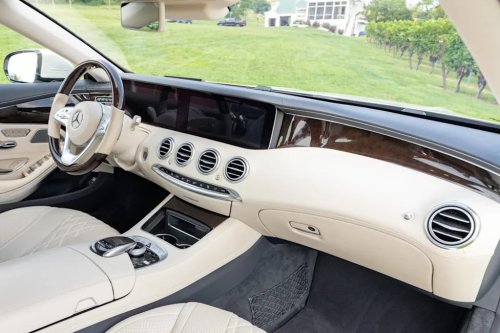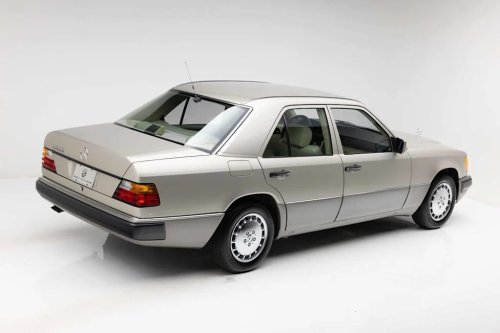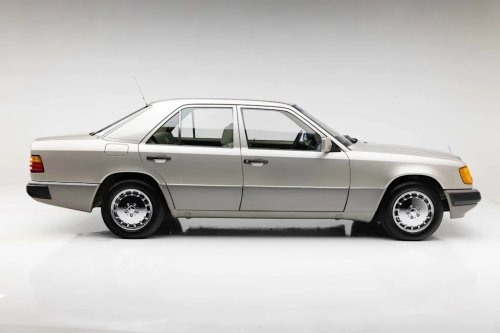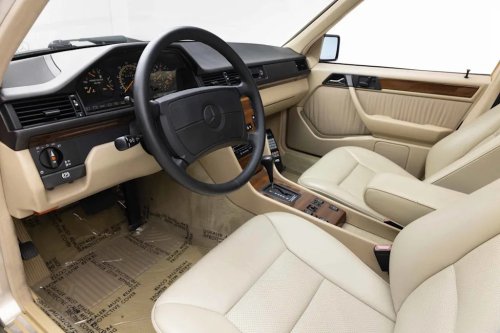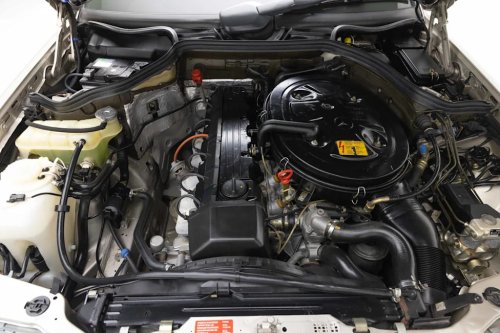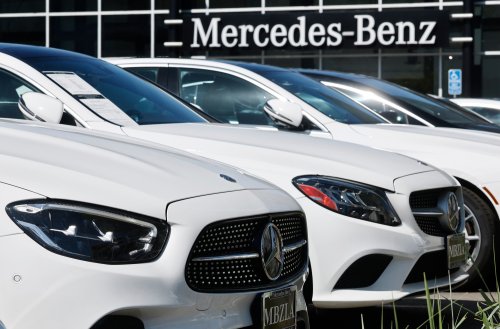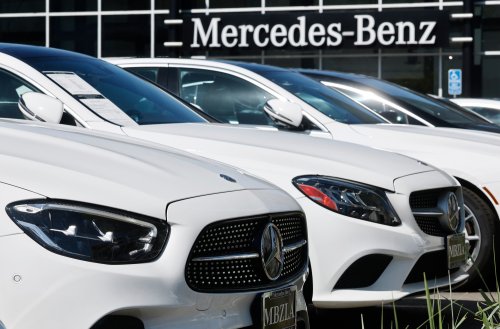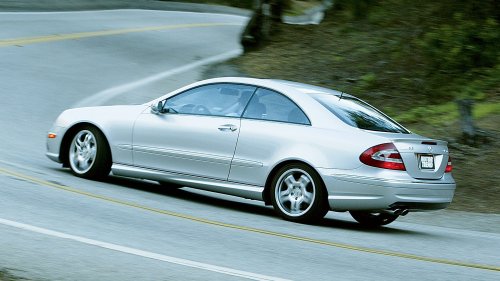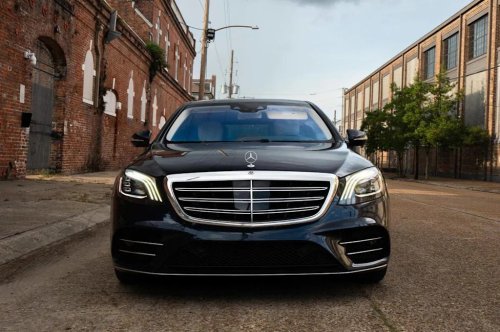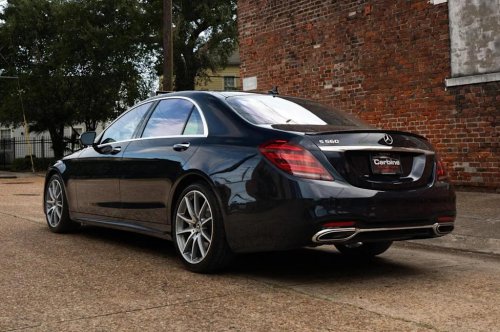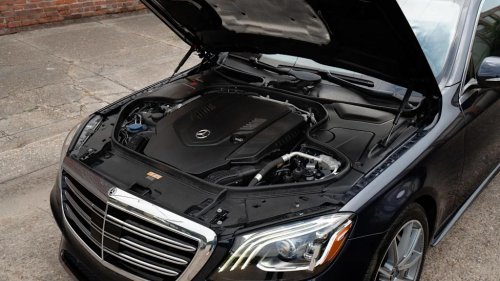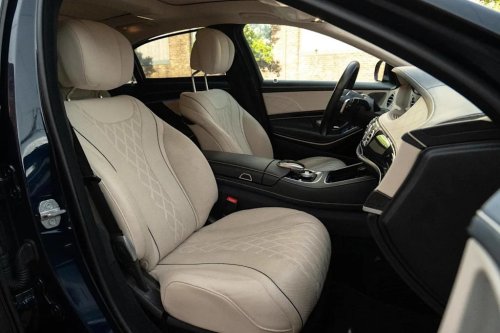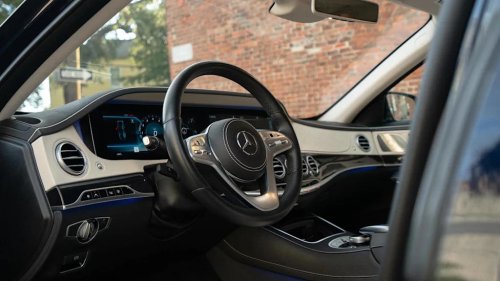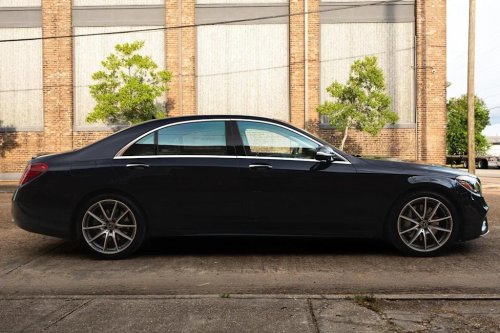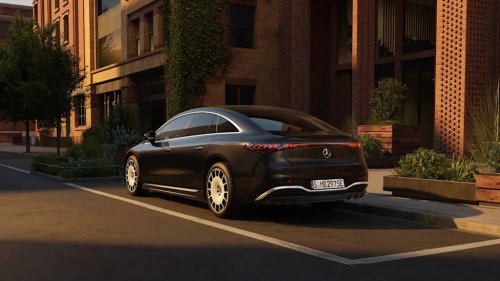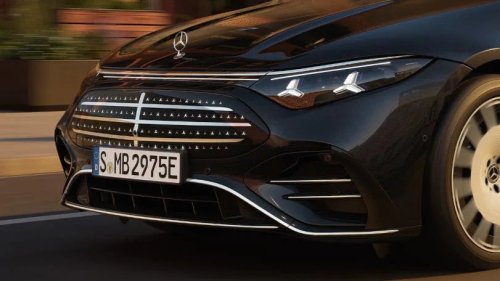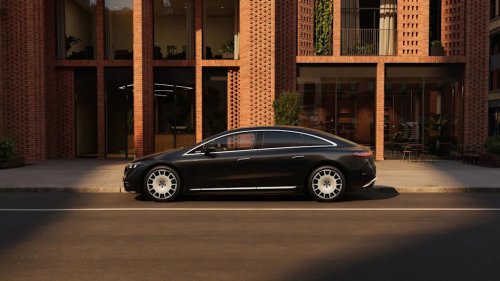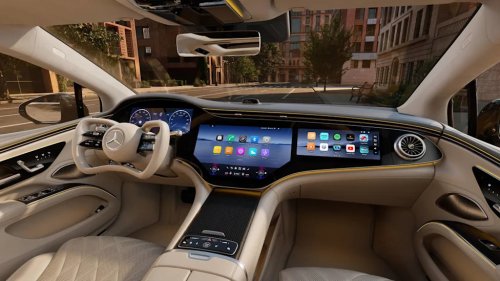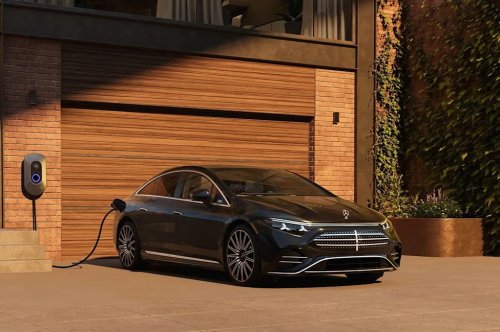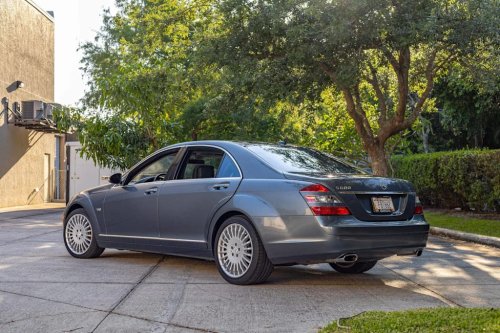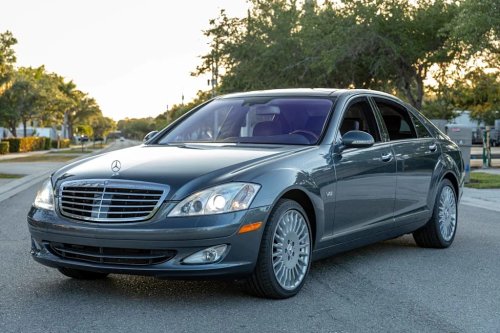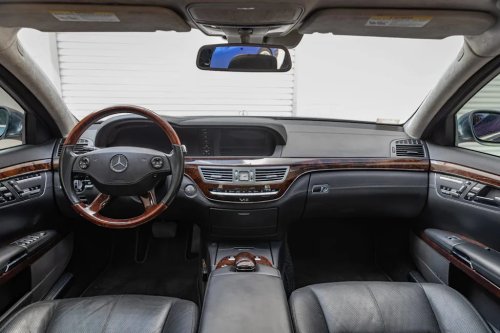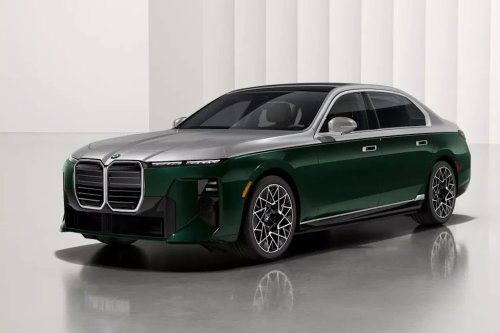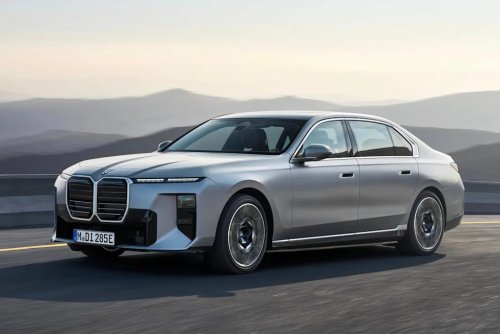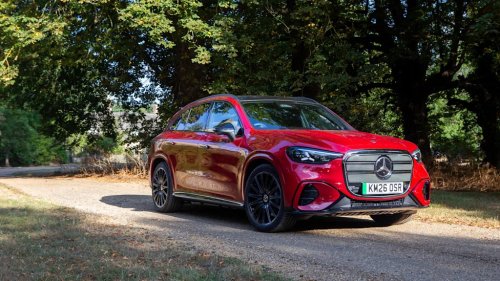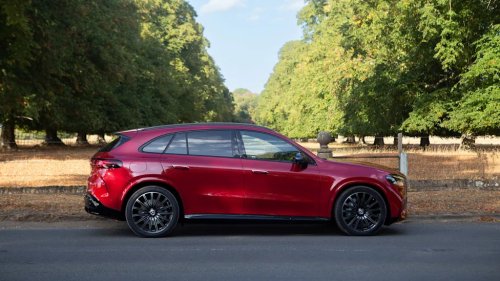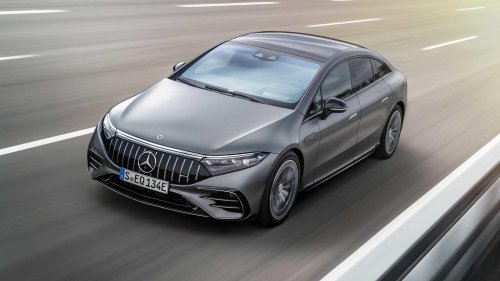
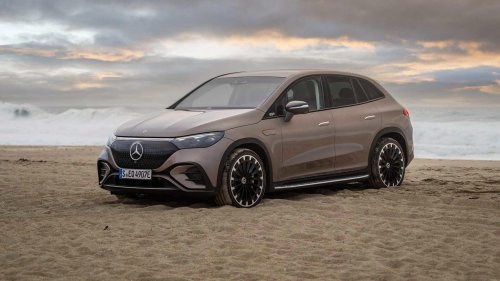
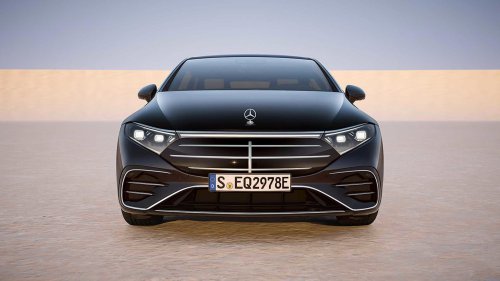
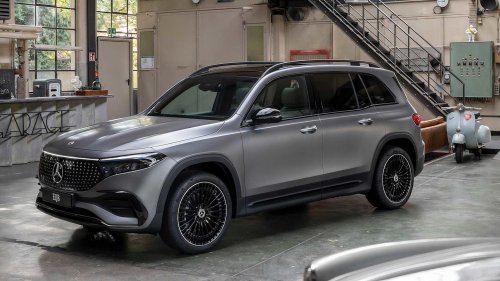
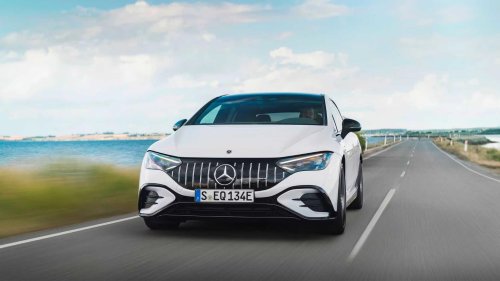
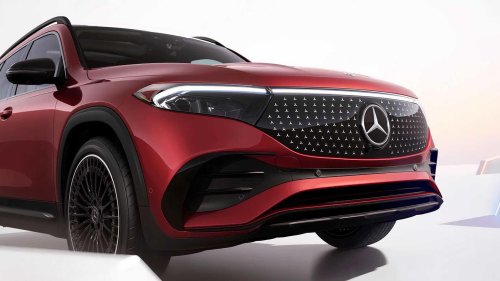
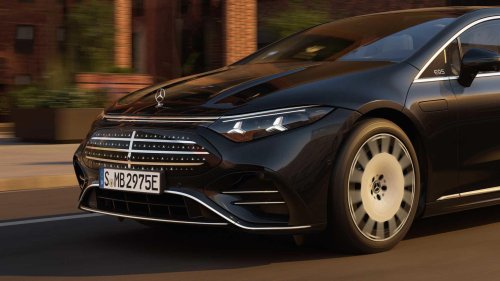
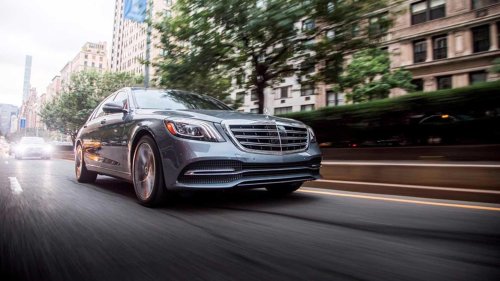
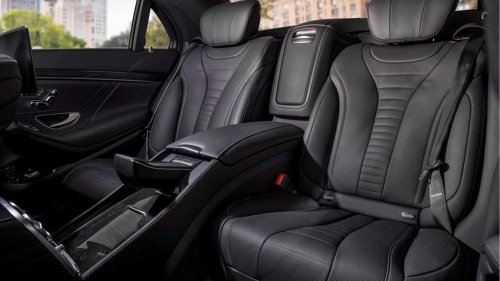
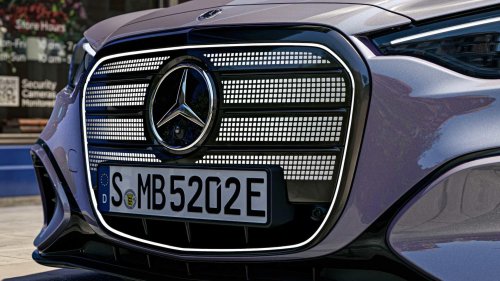



















When it comes to luxury brands, Mercedes-Benz has stood as one of the most popular on the international stage. It, along with its domestic partners BMW and Audi, has had a major hand in shaping the worldwide luxury automobile market for decades. We also have to thank the brand for its innumerable contributions to the world of cars, with innovations like anti-lock braking and crumple zones. It's also made huge strides in all sorts of different racing categories, and currently stands as one of the most prominent Formula 1 teams.However, while Merc's past is exceedingly well-storied, things aren't exactly hunky-dory at present. The company took a huge, EV-oriented gamble a few years ago that is actively harming Mercedes-Benz's reputation, not to mention its pocketbook. Following the blunder, the brand decided to take measures to try and right the proverbial ship, but it only ended up setting the stage for something even worse to occur, that being an eroding sense of self. It All Started With A Dream Mercedes-BenzHere's what happened: about five years ago, Mercedes-Benz pledged to devote a large amount of its resources, manpower, and money to the production of electric vehicles (EVs). Initially, the company's goal was to reach total EV utilization by 2030, meaning it wouldn't produce a single non-electric model for the mass market. As it was fashionable at the time, many other automakers also went down the EV rabbit hole, although many have since emerged from the ether as consumer sentiments drove them to think differently.However, Mercedes-Benz remained one of the hardliners regarding EV devotion for about three years. Then, in February 2024, the company officially stated that it was rolling back its EV-hopeful plans in response to a market that was becoming increasingly tired of, and, in some cases, hostile, to the electric car. Sales of Merc's new electric lineup, consisting of models like the EQS, EQB, and EQE, have ended up being disappointing.Mercedes-Benz Things were so disappointing that something needed to be done to help rescue Mercedes-Benz from their mistake. Because the brand had shifted into a more premium EV market, one that was largely priced above its main competition BMW, sales were harder to come by. For example, a 2023 Mercedes-Benz EQS 450+ carried a base price of about $104,400. The equivalent BMW EV, the i7 xDrive60, was priced similarly, along with the rest of its lineup when compared to Mercedes-Benz. However, the largest differences in pricing were seen downmarket. What's The Reason For Mercedes-Benz's Rampant Depersonalization Mercedes-BenzThe answer to that question lies in the differences between BMW's and Mercedes-Benz's approach to electric vehicles.A large issue plaguing Merc's EV lineup is the brand's decision to market them as a psuedo-sub-brand that's more upmarket than the rest of Mercedes-Benz's lineup. In doing so, it created a rift within Merc's corporate umbrella. The Mercedes "EQ" tagline, used on all of its EV models, was treated as a sub-brand, which had the adverse effect of diluting its overall image. In the section of the automotive world that Mercedes-Benz occupies, brand image is a major contributor to overall success.Take the 2023 model year, for example. The cheapest new Mercedes-Benz EV sold that year was the EQB 250+, which retailed for about $52,750. It's just over $2k more expensive than BMW's entry-level i4 eDrive35. However, the i4 is a sedan, and the EQB an SUV. In order to get into an all-electric Mercedes-Benz sedan back in 2023, you'd have to pony up about $74,900 for the entry-level EQE 350+ sedan.The base-spec EQE sedan offered just seven more horsepower and less than 30 more miles of driving range for an extra $23,500 than the i4 eDrive35. That's a gigantic price difference that few would be willing to swallow, especially when some of the model's fundamental specs were so similar to the less-expensive Bimmer.Mercedes-Benz In BMW's case, the Bavarian automaker decided to take its EVs down a multitude of paths. In 2023, it had seven total models on the market, ranging from the $51,400 i4 eDrive35 to the $105,700 i7 xDrive60 flagship sedan. This meant that the bulk of BMW consumers, and their individual financial situations, were catered to.In other words, it's a safe bet that most folks buying BMWs typically had the sort of money to, at least, afford something within the $50,000 range. However, if we compare Merc's 2023 EV offerings, both pricing and model choice are very different at the bottom end compared to BMW's.Mercedes-Benz Mercedes-Benz recently made the move to bring all EVs back under Mercedes-Benz in 2025. Once all remaining EQ-based models run their individual courses, the next-gen EV models will not carry the EQ namesake. However, the damage to the Mercedes-Benz brand was done. At present, Mercedes-Benz has seen a whopping 57 percent-or-so drop in operating profit in 2025, largely driven by its EV blunder. There's also been a major upset in its Chinese market, which has experienced a 19 percent drop in overall sales. Here are some fleshed-out numbers showing Mercedes-Benz's current issues compared to BMW...Apart from moving EV production back under the mainline Mercedes-Benz umbrella, the brand has turned to a cost-cutting program as a stop-gap solution. However, when it comes to automakers clipping corners, that's never been a good idea. Pinch Pennies Here, Save Money There? Mercedes-BenzOnce the EQ-blunder alarm bells started ringing at Mercedes-Benz headquarters, something needed to be done to right the ship, and quickly. They couldn't just switch off all sales of the EQ line, so cost-cutting was implemented across all Mercedes-Benz divisions. Those of you who have been around the block a few times will understand that any time an automaker resorts to cutting corners, consumers notice, and sales continue to fall.According to Mercedes-Benz, the cost-cutting measures have saved it roughly $4.12 billion so far, and it's planning to save about 5 billion euros, or $5.89 billion, by 2027. The plan carries the name "Next Level Performance", no doubt an attempt to ease potential apprehensions by giving the program a cool-sounding label. Through the program, Merc has begun outsourcing much of its HR department and finance/accounting to countries with cheaper labor, and it's also begun to reduce its workforce while reducing pay in certain areas.Mercedes-Benz The brand is also working on cutting production costs by up to 10 percent via the use of cheaper materials, labor, and streamlining assembly. Merc's Chinese market is targeted specifically, due to its fast-eroding foothold in the market. How This Mess Can Benefit You Mercedes-BenzWhile Mercedes-Benz tries to sort out its mess, used Mercedes-Benz models are likely going to begin rising in demand. The reason being, as cost-cutting goes into effect, quality may drop across all newer mass-market Mercedes products that entered production after the plan's implementation in 2025. That means it's likely that the slightly older models, the ones built before the EQ madness, will exhibit much higher quality standard than newer models. Merc's fast used-model depreciation table makes things even better for used luxury bargain hunters, too.For example, let's take a look at the 2019 Mercedes-Benz S 560, the top-spec standard S-Class produced that year. Under its hood sits a 4.0-liter, twin-turbocharged V8 engine free of any hybrid assistance. Using the mill, it produces 463 hp and 516 lb-ft of torque, which is sent to the rear wheels via a nine-speed 9G-Tronic automatic transmission. When it was new, it retailed for about $101,350, or $104,350 if equipped with the 4Matic+ all-wheel drive system. Its current used price is much lower. As of today, used market trends place its average price at around $38,664, or just 38 percent of its original value, and that's before inflation is factored in.Mercedes-BenzAnd that's just one example. Here are a few more 2019-model Mercedes-Benz models you can have for a fraction of their original prices today: Is There A Way Out? Mercedes-BenzMercedes-Benz has been around for a very long time, and it's also stood as one of the most famous automakers to ever grace this planet. It's not the first time it's been in dire straits, either, as the infamous 1990s-era Mercedes-Benz models were built extremely cheaply, and, in turn, quality suffered quite a bit. However, the company recovered from this. So, who's to say that it can't do it again?In reality, the way out for Mercedes-Benz seems to be exactly what they're doing: removing the failed EQ sub-brand and trying to cut costs wherever they can. However, these cost-cutting measures need to be done intelligently, because luxury buyers won't settle for bad quality and shoddy parts, especially in this day-and-age where tech is everything. If the brand can weather the storm, and stick to making quality automobiles that people actually want and will buy, there's no reason it won't flourish once again.