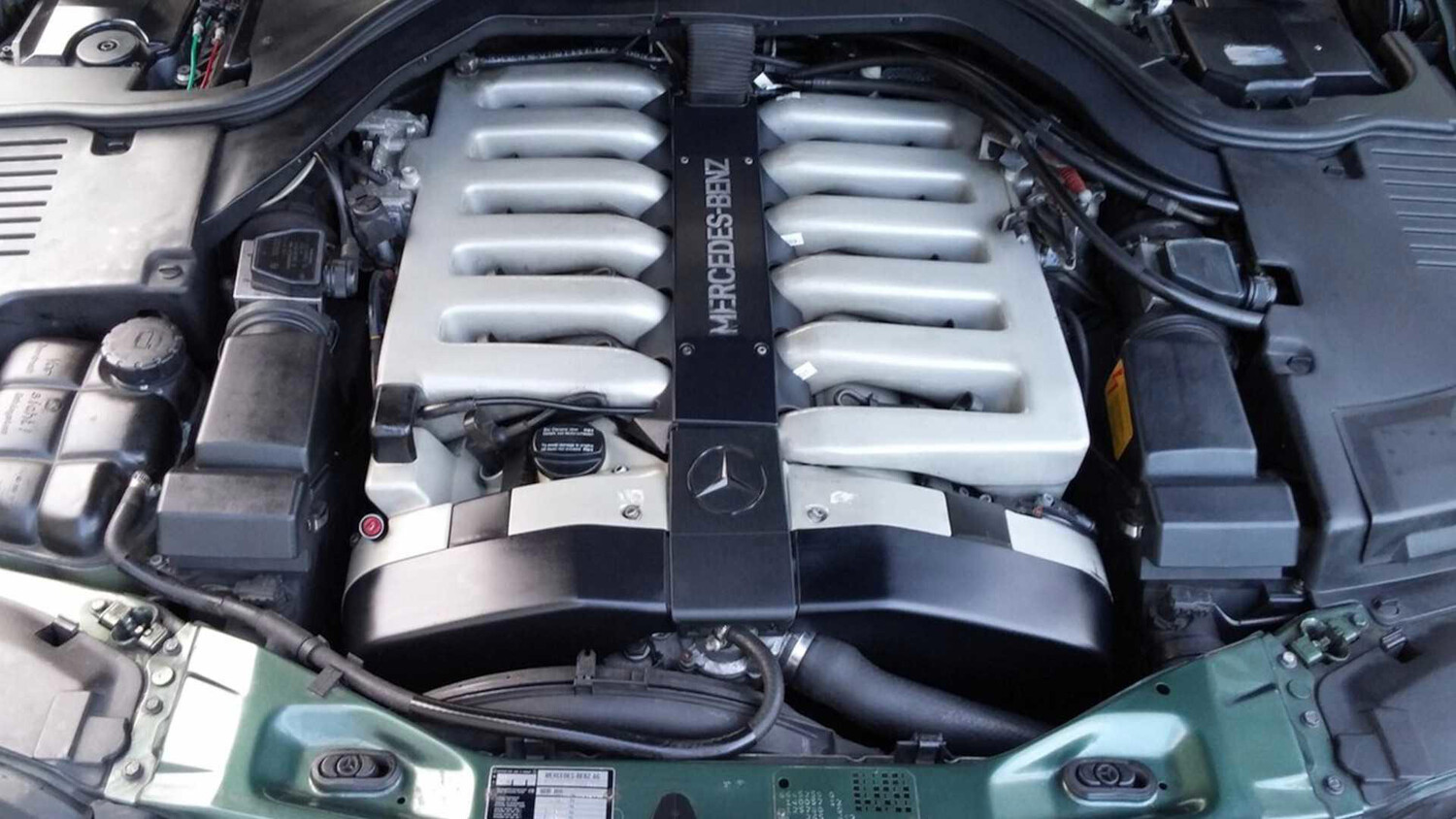
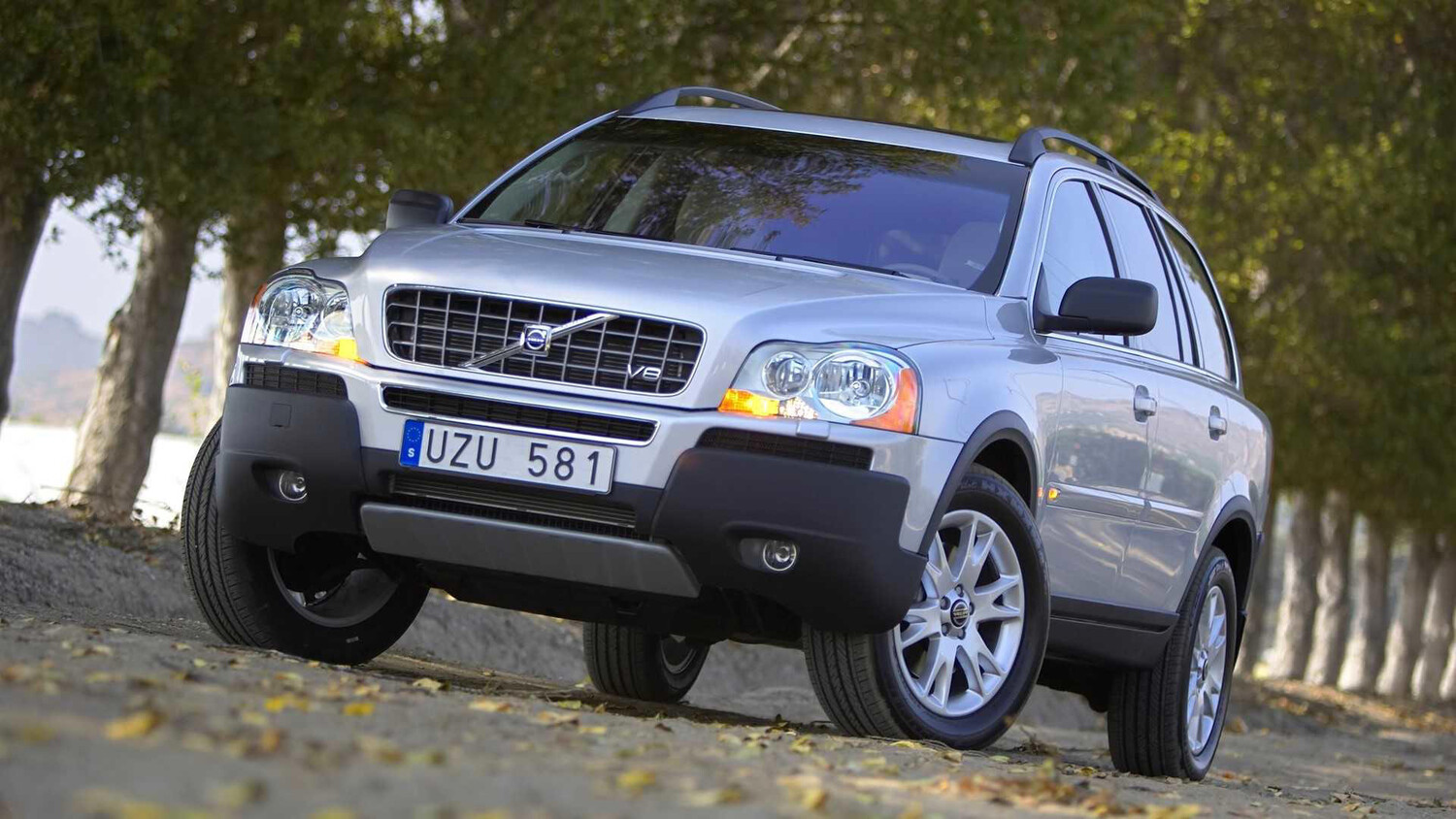
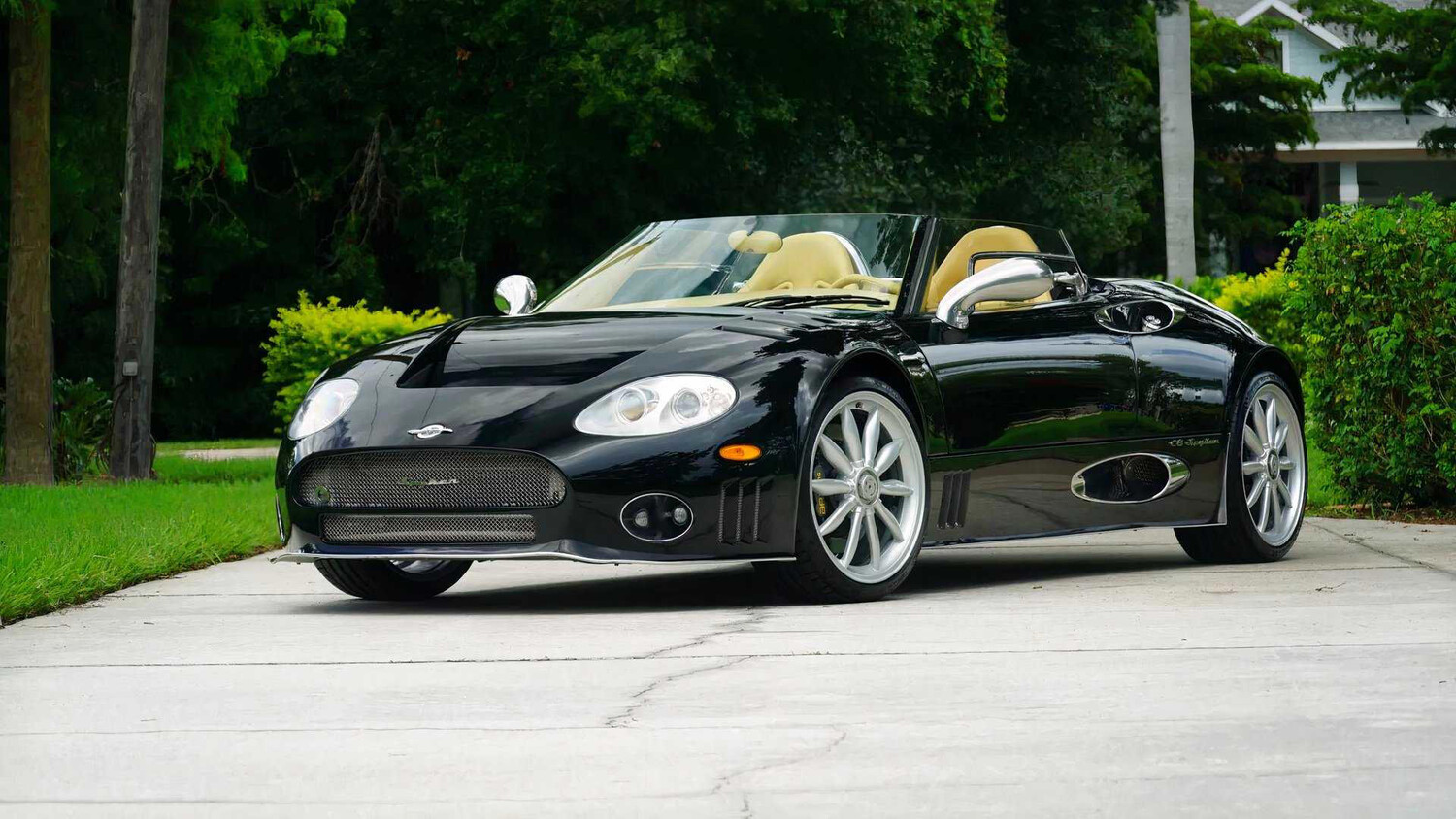
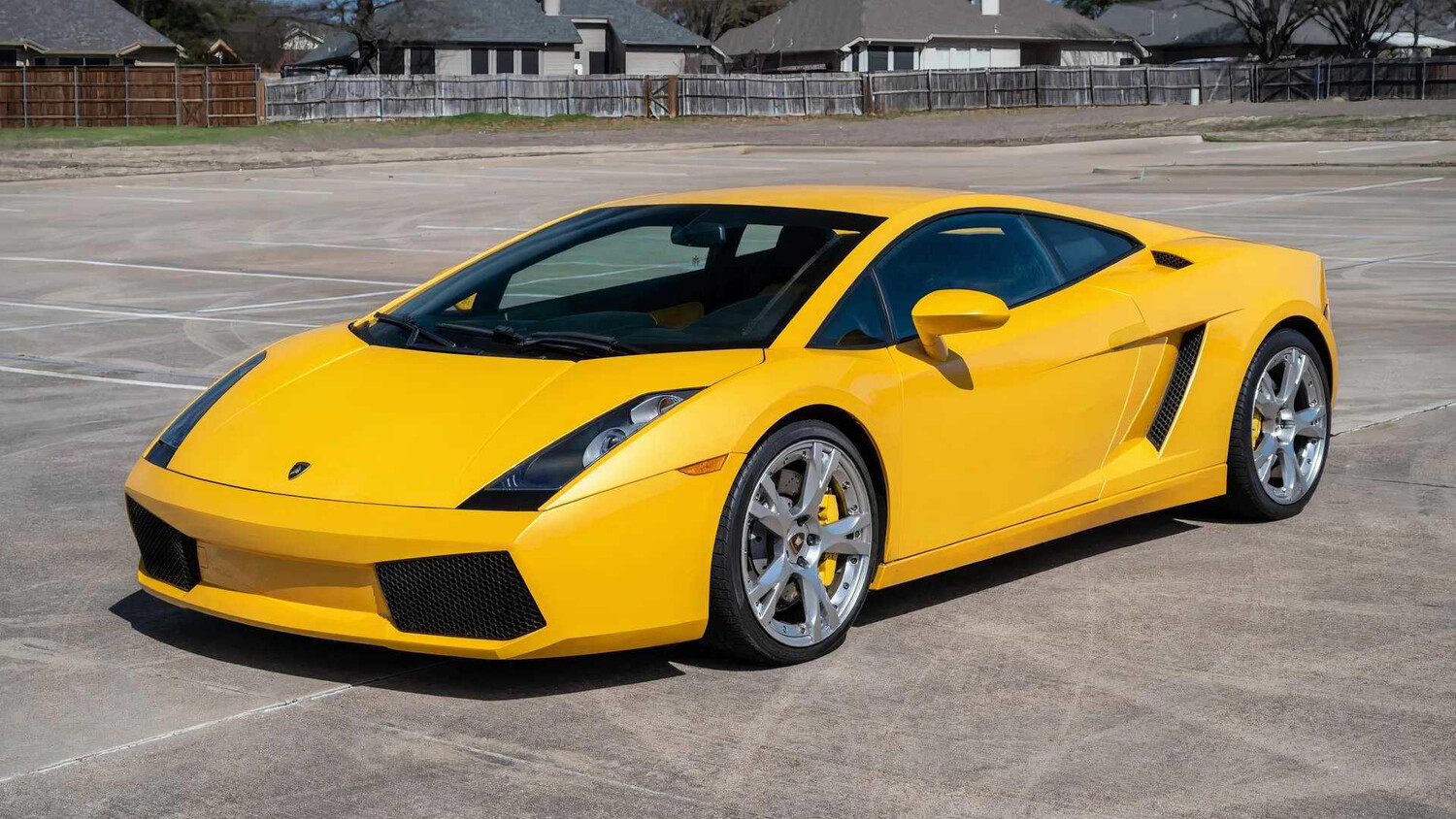
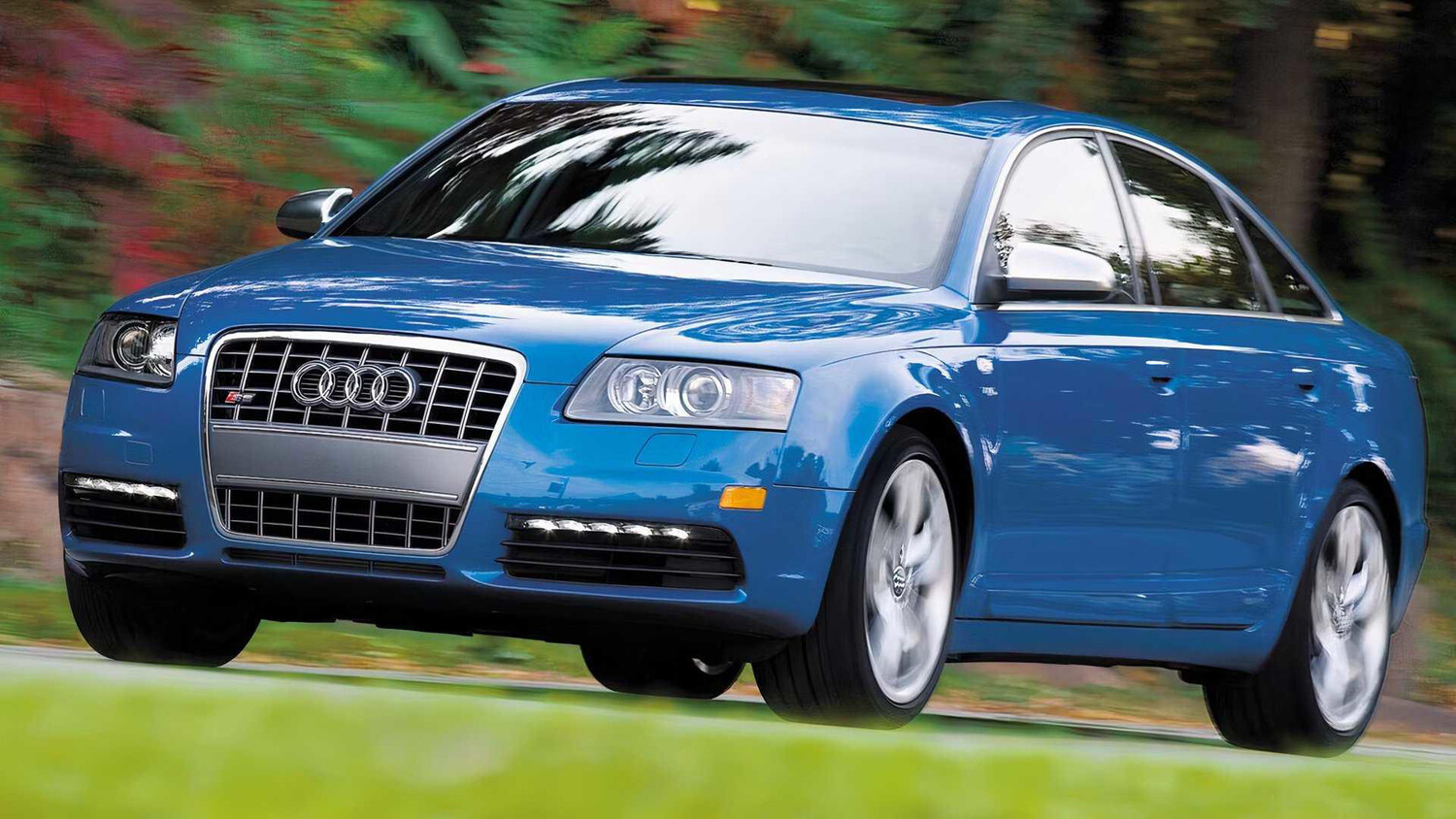
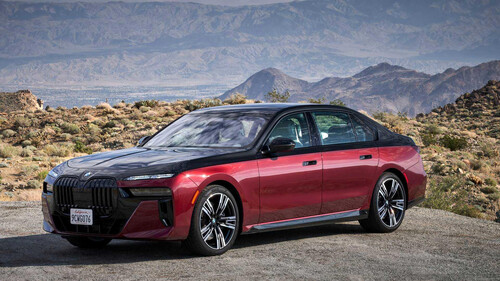
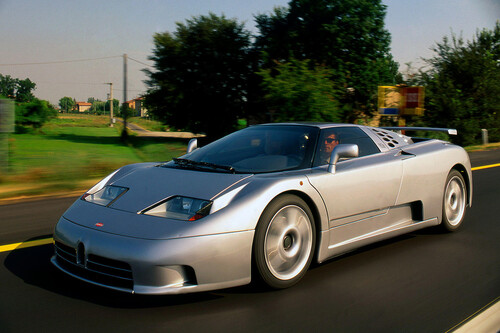
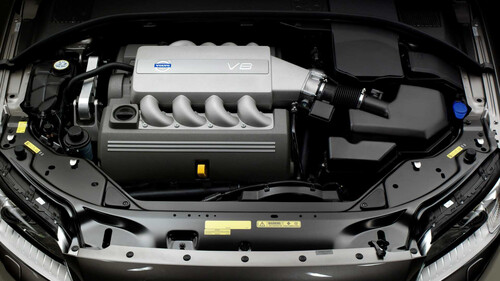
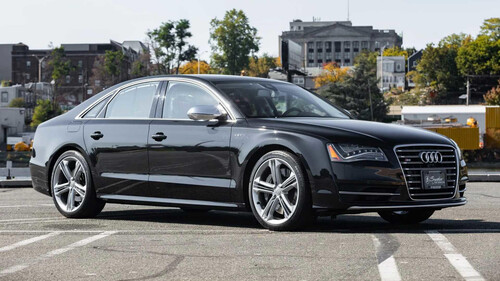
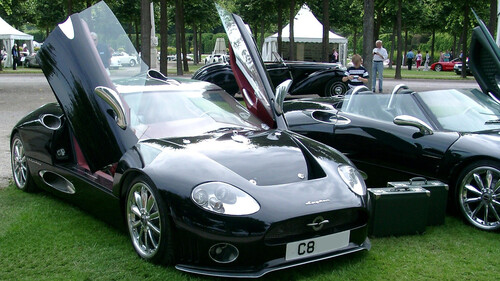
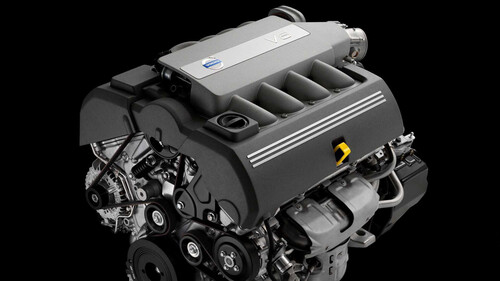
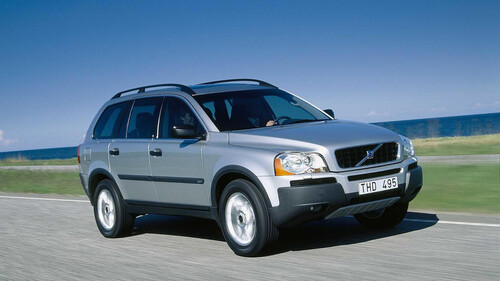
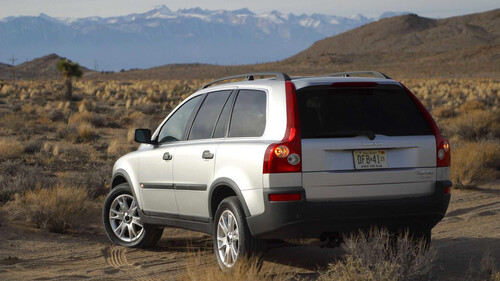
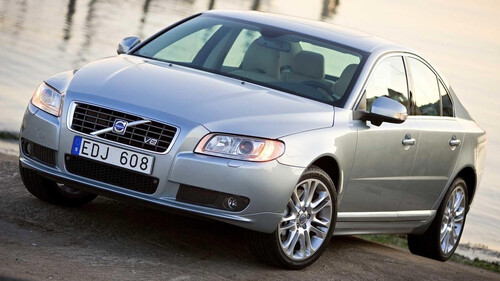
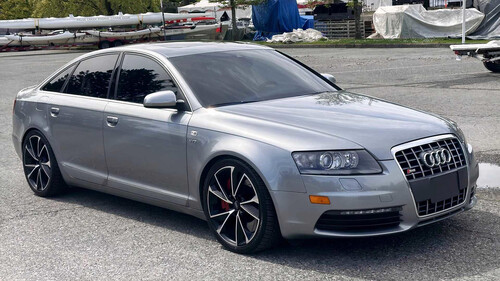
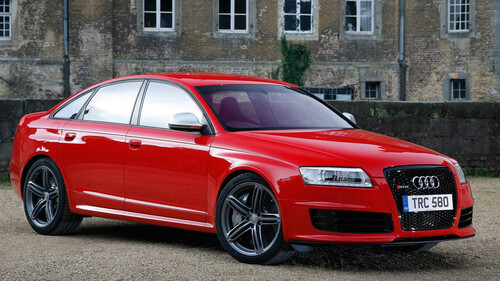
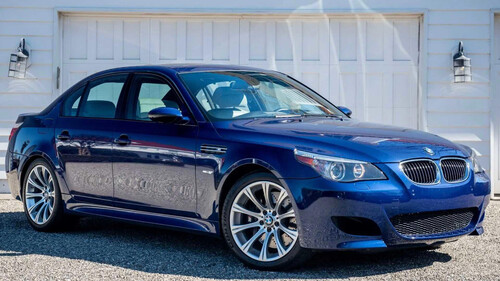
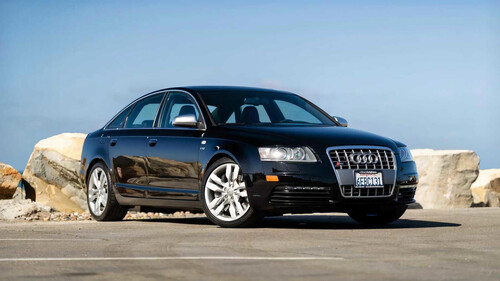
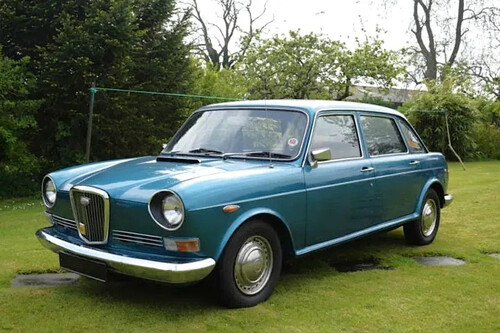
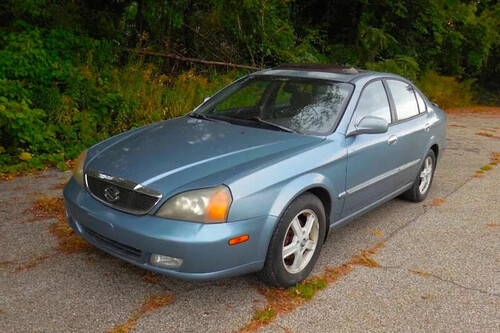
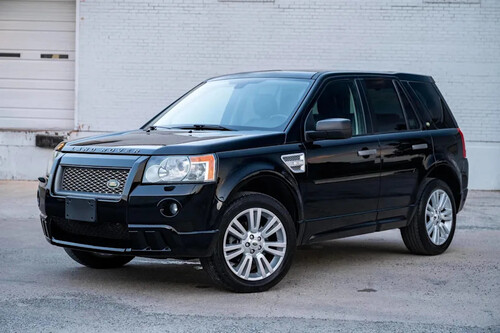
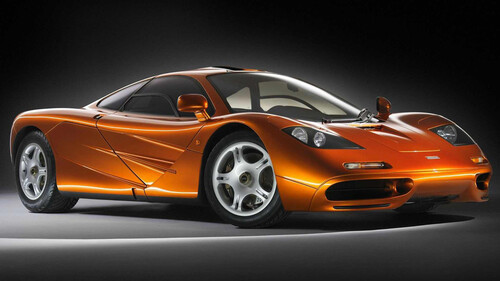
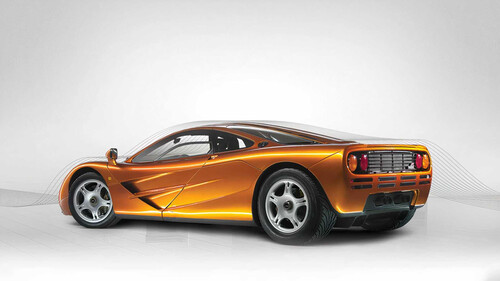
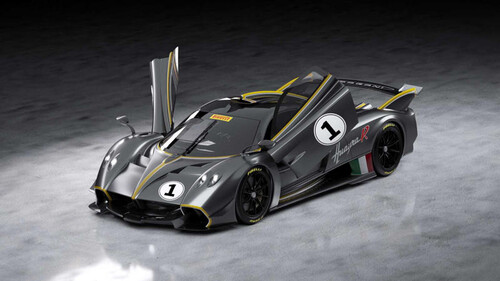
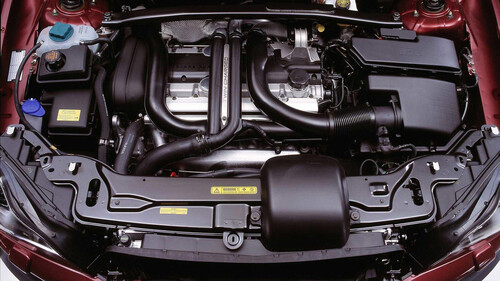
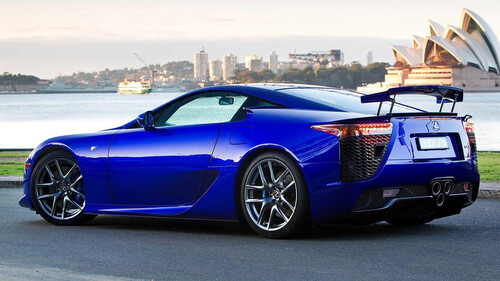
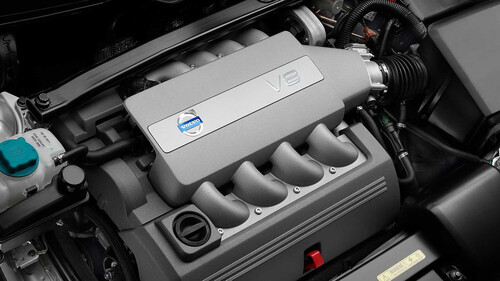
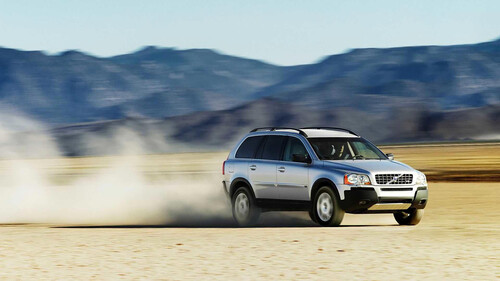
A supercar can come in all shapes and forms. Everyone from performance automakers to mainstream brands to independent brands has made a supercar. It's often the independent supercar brands that don't have the funds in their early days to develop their own powertrains. As a result, they often start with other brands' engines and modify them to fit in their sports cars.Many of these upstart sports car brands often start with engines from very mundane cars, as these powertrains are readily available and can be easily tuned to compete with any supercar. This is the case with many models on the list, as they come from what were initially very small supercar brands just getting their stride. Pagani Zonda - Mercedes-Benz S-Class via WSupercarsPagani is a relatively new brand, beginning to produce cars just 30 years ago. As an independent brand, Pagani didn’t manufacture its own engines, and from the start, the brand borrowed Mercedes engines for its supercar, in particular the Mercedes M120 V12. This engine found a home in the flagship Mercedes-Benz S600 and CL600 from the 1990s.The engine itself had a lot of potential despite being designed for a big, luxurious cruiser. It was a dual-overhead cam, four-valve per cylinder design that could handle a lot of power. In the Mercedes models, power output peaked at 402 horsepower and 428 pound-feet; in the Zonda, this was upgraded to 444 horsepower and 435 pound-feet.Wikimedia via Flickr.d5eHowever, this is far from the most powerful iteration of the M120 V12, as both Mercedes and Pagani would release larger and far more powerful versions. The AMG tuning house would release larger 7.0-liter and 7.3-liter versions of the engine in the S70 and S73, bringing the power output to over 500 horsepower.Pagani would follow suit with the Zonda C12S, using a 7.0-liter version of the engine, and the Zonda S 7.3, utilizing a 7.3-liter engine with power output sitting at around 550 horsepower.Soon after, Pagani would replace the M120 engine in favor of the Mercedes M297, which was used exclusively in Pagani models. Despite this, the old M120 wasn't quite done with its run, being used in the track-exclusive Pagani Zonda R, producing an insane 740 horsepower from the naturally aspirated V12. The last Zonda fitted with the M120 V12 was the Zonda R Revolucion Specification from 2014, producing 789 horsepower.However, this would not be the last Pagani to use the engine, as it made one final appearance (for now) in 2024 in the Huayra Roadster R, now pumping out an astounding 888 horsepower. McLaren F1 - BMW 7/8 Series RM Sotheby'sThe McLaren F1 famously held the title of the world’s fastest production car, with a top speed of over 240 mph, making it still very fast by modern standards. The F1 still holds the title of the world’s fastest naturally aspirated car, and part of that credit is due to its engine: a BMW-derived S70 V12.The M70 was used by BMW from 1987 to 1994 in the 7-Series and 8-Series models of the period. In both these models, the M70 V12 was impressive, producing 295 horsepower and 332 pound-feet from the naturally aspirated 5.0-liter V12 engine.BMWThe BMW 850CSI received a special variation of the engine with the code S70B56, with the S precursor being reserved exclusively for BMW’s M models. In the 850CSI, power was upgraded to 375 horsepower with a larger displacement of 5.6 liters and dual overhead cams.The F1’s engine was based on the S70 but was developed exclusively for the F1 by BMW’s motorsport division. The S70/2 in the F1 was a dry sump V12 built with an emphasis on throttle response. The engine was now upgraded to 6.1 liters and received variable valve timing, which BMW calls VANOS, as well as individual throttle bodies.The result was 618 horsepower and 479 pound-feet with power going to the rear wheels through a six-speed manual gearbox. The McLaren F1 was a special car, with a centrally located driver seat and a very low curb weight at just 2,778 lbs, making it lighter than a modern Subaru BRZ.Only 106 total units were produced, including the racing versions, making the McLaren F1 a rare and valuable car, selling for anywhere between $15 and $20 million. Noble M600 - Volvo XC90 Noble CarsVolvo is not the brand you typically associate with performance, despite having multiple successful R performance cars. The brand's top-of-the-line models, such as the S80 and XC90, are not especially associated with performance, known more for being comfortable, luxurious cars. Due to this, it's easy to forget that these two models were previously offered with a V8 engine in the 2000s.Volvo's B8444S engine was produced only between 2005 and 2010, and was manufactured in Japan by Yamaha, the maker of performance motorcycles and pianos. The naturally aspirated 4.4-liter V8 made 311 horsepower and 325 pound-feet in the XC90 and S80.VolvoThis engine was surprisingly used in the Noble M600, made by the now-defunct British supercar maker Noble. Many Americans are likely not too familiar with the brand, with its most notable exposure being its multiple appearances on Top Gear UK. The M600 upgraded Volvo's engine with the addition of two turbochargers, bringing the power to 650 horsepower and 604 pound-feet.The M600 could thoroughly compete with other supercars of its period, largely due to its raw approach to making a supercar. In the 2010s, when many supercars were dual-clutch automatic and all-wheel-drive, the Noble M600 stuck to the basics: rear drive, manual gearbox, and raw power. As a small brand, Noble unfortunately never updated the M600 with the model being discontinued in 2018. Koenigsegg CC8S - Ford V8 KoenigseggToday, Koenigsegg is a renowned supercar maker, producing some of the world’s fastest supercars. Today, the company produces its own engines, producing some truly outrageous performance figures.However, for its first car, Koenigsegg sought out a more humble powertrain: the Ford modular V8, which was used in everything from the Ford F-Series trucks to the Crown Victoria and even the Mustang. Any Ford model fitted with a V8 in the 1990s and 2000s used some variant of the Ford modular V8.favcars.comThe same is true for the CC8S, Koenigsegg's first production model, produced between 2002 and 2003 with only six units produced. By modern Koenigsegg standards, the CC8S was relatively slow, producing 655 horsepower and 553 pound-feet from its twin supercharged 4.7-liter V8.This much power in a vehicle weighing under 3,000 lbs is still plenty to make the CC8S a fast car, and much faster than most of the supercars of the early 2000s. The CC8S’s power was sent exclusively to the rear wheels, making the CC8S a very competent start to a very impressive brand. Spyker C8 - Audi V8 Bring A TrailerSpyker has to be one of the craziest supercar brands of the past 20 years, known mostly for its outrageous interior and exterior styling of the brand’s sole model, the C8. The C8 was a mid-engined supercar, and despite the odd looks, the C8 had some serious performance credentials.via AudiThe C8 is a very lightweight car, weighing in at just under 3,000 lbs. The C8 was powered by an Audi-derived 4.2-liter V8, the same engine that was found in luxury sedans like the A6 and A8, only upgraded to produce 400 horsepower. That power was sent to the rear wheels via a six-speed manual transmission.This figure would be further upgraded with later iterations of the Spyker C8, in particular the Spyker T, which boosted the power with the addition of two turbochargers, bringing the power output to 518 horsepower. The existence of Spyker as a brand is now unclear, as the brand declared bankruptcy in 2022. Lamborghini Gallardo - Audi S6 V10 Bring A TrailerIn the 2000s, the Volkswagen group was known for its engine sharing between its multiple brands, resulting in some outrageous engine choices in cars you’d never expect. The Lamborghini Gallardo’s 5.2-liter V10 was one of these engines, famously sharing a platform with the Audi R8, and also finding its way into the Audi S6 as well.AudiIn the Lamborghini Gallardo, the V10 engine produced 552 horsepower in the LP560 model, a figure that would later exceed 600 horsepower in the next-generation Huracan. However, in the S6, the engine was significantly de-tuned to produce only 429 horsepower and 398 pound-feet. These are still impressive performance figures, especially considering this engine made it into the middle-of-the-range performance S6, as there was an even more outrageous RS6 model.This was the only time the Audi S6 would feature an engine anywhere as big as a 5.2-liter V10, being a by-product of the 2000s Volkswagen lunacy that's now a bargain on the second-hand market. The later generation of the S6 features smaller V8s and V6s, a sad departure from a very special and underrated car in recent history.Sources: Koenigsegg, Spyker, Pagani, BMW, Autocar, Lamborghini, Ford, Audi, Volvo, Mercedes-Benz, McLaren