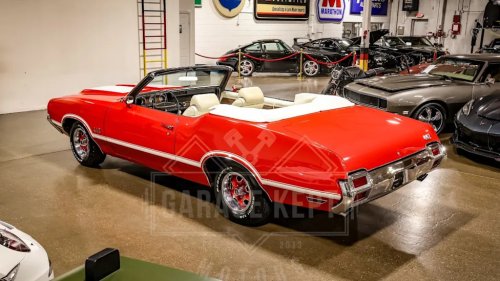
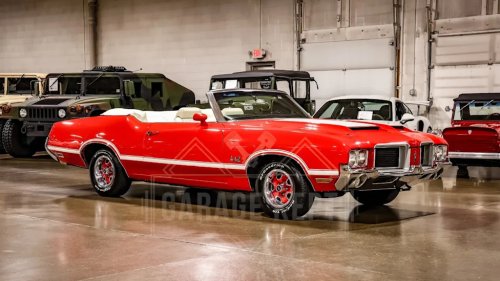
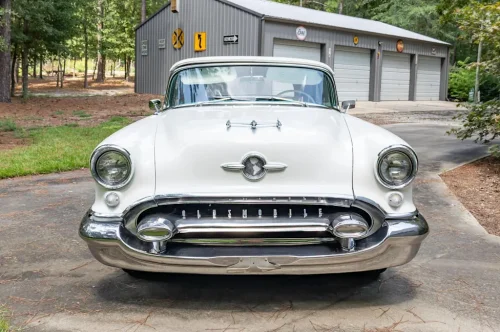
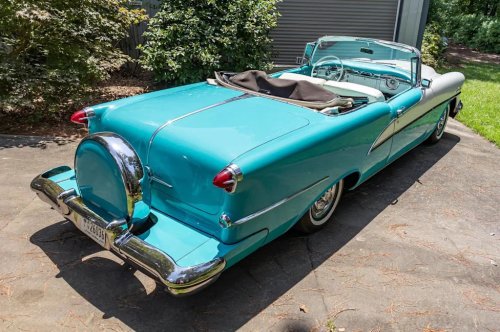
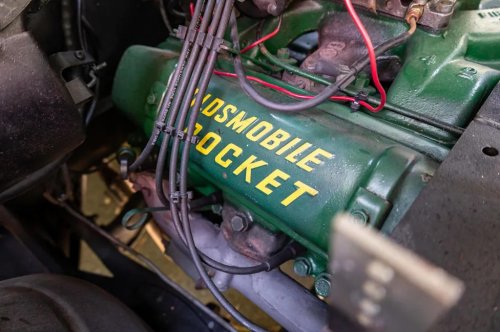
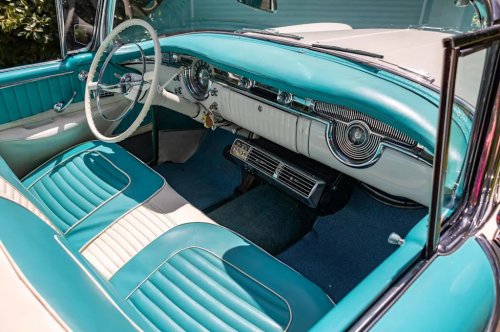
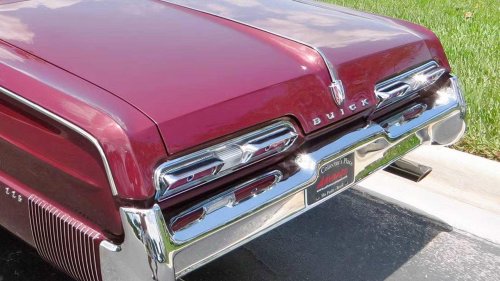
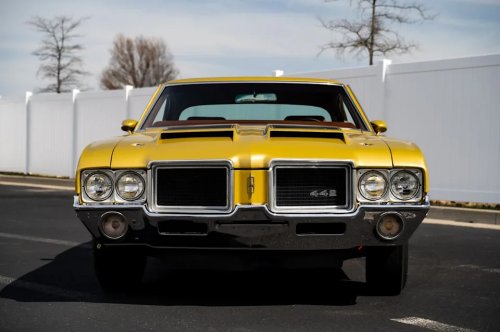
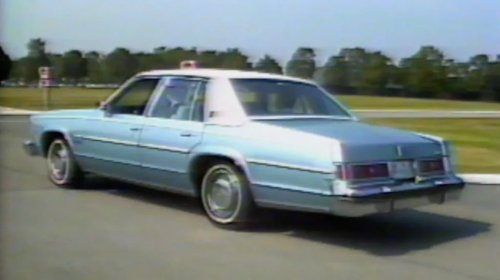
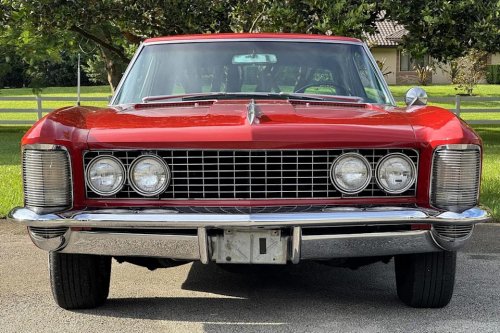
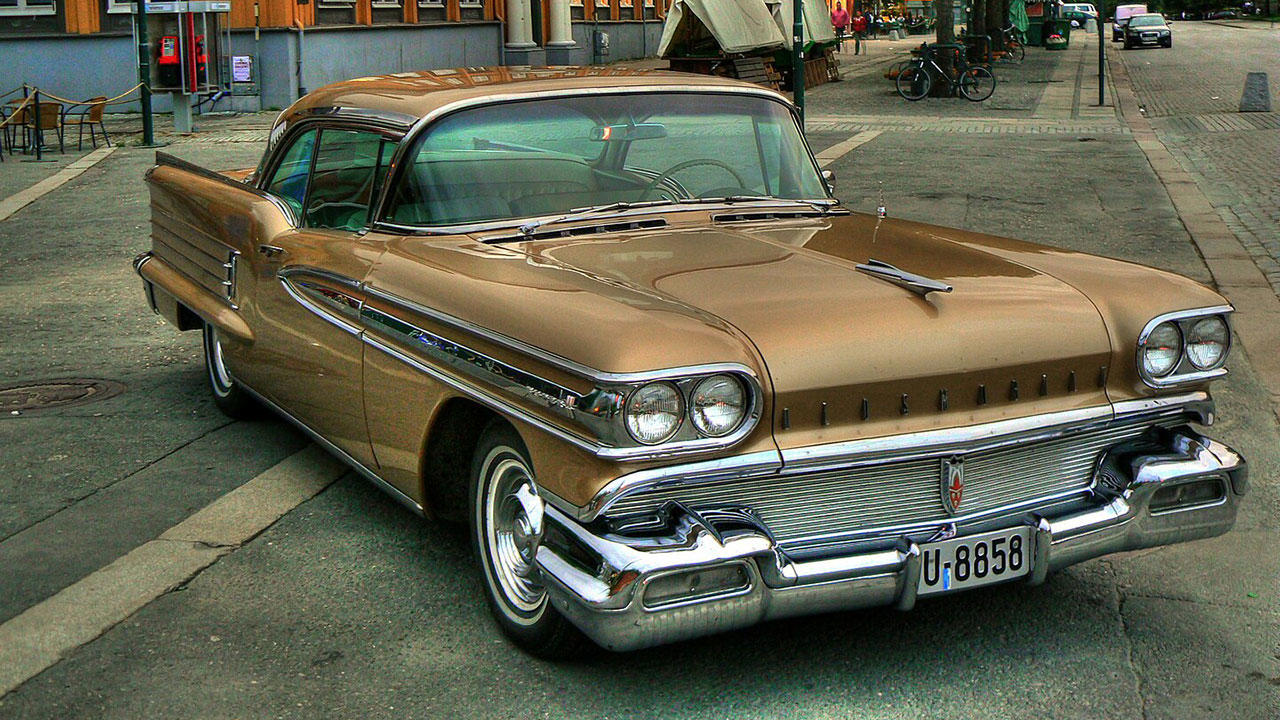
1958 Oldsmobile Super 88 vs 1958 Buick Special one handled time betterAmong General Motors’ flamboyant late‑fifties offerings, the 1958 Oldsmobile Super 88 and the 1958 Buick Special embody two distinct visions of American progress. One leaned into performance and mechanical clarity, the other into comfort and visual drama. Seen from the vantage point of collectors and drivers today, one of these siblings has clearly aged with more grace. The comparison is not simply about which car is faster or prettier. It turns on how each brand balanced power, ride, design and usability, and how those choices look to buyers who now value drivability and authenticity as much as chrome and fins. Shared GM DNA, very different personalities Oldsmobile and Buick had been sparring inside GM for years by the time the 1958 model year arrived. Earlier in the decade, Oct era cars had already revealed the split in character. In a mid‑fifties matchup, the Oldsmobile was described as looking softer, while the Buick projected a tower of strength attitude that fit its image as the more conservative, comfort‑oriented choice. The contrast extended beneath the sheetmetal. Oldsmobile rode on firmer rear leaf springs, while Buick favored soft coils that cushioned rough pavement. In the mid‑fifties price sheets, the Eighty Eight sat just above Buick’s entry model, with figures that ran from $2291 to $2297, and the Special was only a few dollars cheaper. One comparison noted that $229 separated key steps on GM’s internal ladder, underscoring how closely these cars were positioned. Inside, the split in philosophy was just as clear. One assessment of the Body Buick dashboard called it more harmonious and easier to read, with a restrained metal applique instead of what was described as yards of blinding chrome in the Oldsmobile cabin. That tension between clarity and spectacle would only intensify by 1958, when chrome, fins and instrument clusters became rolling billboards for each division’s identity. Engines, transmissions and the character of speed By 1958, Oldsmobile had built its reputation on the Rocket V8. A contemporary overview of GM’s so‑called chrome kings lists the Oldsmobile engine as a 371 cu in (6.1 liter) Rocket V8, with performance versions that produced up to 312 horsepower when fitted with J‑2 Tri‑Power induction. The same source describes the Engine as known for its torque heavy acceleration, a trait that still defines how enthusiasts talk about these cars. Specific to the 1958 Oldsmobile 88 line, a detailed model breakdown notes that the 1958 Oldsmobile 88 featured a 371-cubic-inch Rocket V8 engine, delivering up to 305 horsepower. That 371-cubic-inch figure appears again in descriptions of the Oldsmobile Super 88, which is identified as the upscale mid line series that shared the same powerful 371 cubic inch Roc V8. In one account, the Oldsmobile Super 88 is credited with 300 horsepower from that engine, with higher outputs available when equipped with a four barrel carburetor that could lift horsepower to 310 or more. A more formal specification sheet for a 1958 Oldsmobile Super 88 convertible reinforces that picture. It lists the standard engine for the Super 88 in 1958 as a 371-cubic inch Golden Rocket V 8, developing 305 brake horsepower. That same document notes that All Oldsmobi 88s later recorded times under eight seconds in the sprint from rest to typical highway speeds, which places the Super 88 squarely in the quick car category for its era. Transmission choice also shaped personality. In a discussion of period drivetrains, one enthusiast compared The Buick and the Olds directly and pointed out that The Buick has a Dynaflow and the Olds a 4 speed Hydramatic. In that comparison, the writer concluded that Dynaflow and the Olds combination meant the Olds even with 30 less HP would pretty much walk away from the Bui in a real world run. The key point was not the exact horsepower figure, but how a slushy torque converter automatic like Dynaflow could blunt acceleration compared with a more direct Hydramatic. That fits with a broader description of Buick’s strategy in the late fifties. A summary of GM’s full size trio notes that Buick’s Dynaflow automatic transmission ensured a butter smooth ride, and that the brand leaned into comfort and refinement. The same description calls the Buick Design one of the most chrome heavy cars in history, with massive bumpers and sweeping side trim that made a visual statement even if it added weight. Oldsmobile, by contrast, was more willing to trade a bit of isolation for response. A later road test of a 1960 Olds Super 88, which carried forward much of the same chassis philosophy, described Olds as the only GM product still holding out with a coil spring front suspension and leaf springs on the rear, while the rest of the line had switched to coils on all four wheels. That combination gave the car a firmer, more controlled feel that enthusiasts still appreciate. Chassis, steering and how they actually drive Under the chrome, the 1958 Oldsmobile Super 88 and 1958 Buick Special were both B series GM cars, yet they did not behave the same way. A period feature on the Oldsmobile explains that the body shell used by all models is GM’s B series, and then turns to the details that make the Super 88 distinctive. Exterior trim on all models is similar, with the Super 88 and 98 g getting a bigger cut of the chrome market than the 88. That statement, linked to the same analysis that calls out the shared body shell, shows how Oldsmobile used trim and brightwork to separate its models while keeping the underlying structure consistent. The same piece goes into steering feel. It describes how the power steering unit in the 1958 Oldsmobile is an assist type that requires a minimum of three pounds of pull from the driver to activate the power assist. The writer introduces this explanation with the phrase Since the power unit is an assist type that requires effort to wake up, the steering retains some genuine road feel instead of isolating the driver completely. That detail, drawn from a technical description of the system, matters for how the car is perceived today. Drivers who climb into a Super 88 now often remark that it does not feel like a floaty barge. Buick took a different path. The company had already committed to soft coil springs on all four corners in the mid fifties, and contemporary descriptions of the Special emphasize its relaxed ride. Earlier comparisons noted that Oldsmobile rode on firmer rear leaf springs to the Buick soft coils, and that difference did not disappear by 1958. Combined with the torque converter slip of Dynaflow, the Buick Special feels more detached from the road, which suited buyers who wanted a serene highway car but makes the car feel less immediate to modern enthusiasts. Interior ergonomics tell a similar story. The Body Buick dashboard was praised in period for being more harmonious and easy to decipher, with a clean metal applique that avoided glare. Oldsmobile designers, in contrast, scattered bright trim and ornament across the instrument panel. That decision looked futuristic when new, but in bright sunlight it could be distracting. Over time, the more restrained Buick layout has arguably aged better in day to day use, even if the Oldsmobile dash photographs with more drama. Chrome, styling and the way fashion ages Styling is where the 1958 Buick Special and 1958 Oldsmobile Super 88 most obviously part ways. Buick embraced the full chrome age. A description of its late fifties flagship calls it one of the most chrome heavy cars in history, with massive bumpers and sweeping side tri that wrapped the flanks. The 1958 Special shared much of that visual language, with heavy grillework, ornate side moldings and large, sculpted rear quarters that made the car look substantial even when standing still. Oldsmobile was hardly restrained, but its approach to the B series body was slightly different. The analysis that explains the body shell used by all models as GM’s B series also notes that Exterior trim on all models is similar, with the Super 88 and 98 getting a bigger cut of the chrome market than the 88. In other words, Oldsmobile scaled its brightwork with price, and the Super 88 sat in the sweet spot between the relatively modest 88 and the fully loaded 98 g. The Super 88 used wide side spears, layered rear bumper sections and bold grille elements, but it stopped short of the sheer visual overload seen on some contemporaries. Surviving cars highlight how those choices have aged. A walkaround of a 1958 Buick Super, closely related to the Special, points out the gorgeous paint job and perfect, pit free chrome on a well preserved example. The same tour notes the original factory upholstery and the steering wheel, which survive as time capsules of late fifties taste. That level of ornament can look spectacular when restored, yet it also means there is more material to pit, dent or fade, and more cost for owners who want to bring a tired car back to show condition. The Oldsmobile Super 88, by comparison, often presents a slightly cleaner profile. Its side trim is bold but more linear, and its rear treatment integrates the bumper and tailfin elements in a way that some collectors now see as better balanced. The fact that the Super 88 shares its B series body shell with other GM models also helps with restoration, since panels and structural parts can sometimes be sourced across divisions, while Buick specific trim is often unique. The collector market: which one “handled time” better Performance figures, drivability and styling all feed into how these cars are valued today. On the Oldsmobile side, the combination of the 371-cubic inch Golden Rocket V 8, the 305 horsepower rating and the documented ability of All Oldsmobi 88s to record times under eight seconds to highway speeds gives the Super 88 credible muscle. Collectors who want a late fifties car that can keep up with modern traffic often gravitate toward models with that kind of engine and transmission package. The Super 88’s position as Oldsmobile’s upscale mid line series also helps. It offers more trim and equipment than the base 88, yet it stops short of the heavier, more ornate 98. That balance of power, weight and cost appeals to buyers who want a driver oriented classic rather than a pure showpiece. The fact that the Oldsmobile Super 88 is consistently described as sharing the same powerful 371 cubic inch Roc V8 across multiple references reinforces its identity as the performance focused choice within the brand. Buick’s Special, in contrast, leans into comfort and presence. Its use of Dynaflow, highlighted in the comparison where The Buick has a Dynaflow and the Olds a 4 speed Hydramatic, makes it smooth but relatively slow off the line. The same discussion that concludes the Olds even with 30 less HP would pretty much walk away from the Bui captures the tradeoff. For collectors who prioritize effortless cruising and period feel, that is not a problem. For those who want a car that feels lively, it can be a drawback. Styling trends have shifted as well. The towering chrome and massive bumpers that once symbolized success can now divide opinion. Some enthusiasts love the theatrical look of a 1958 Buick Special, while others prefer the slightly more restrained Super 88. The description of Buick’s Design as one of the most chrome heavy cars in history is a compliment and a warning. It signals that the car will always be a statement piece, which can limit its appeal as an everyday classic. Interior usability also plays a role. The Body Buick dashboard that was praised for being more harmonious and easy to decipher still feels intuitive, which helps the Special in regular use. However, the Oldsmobile cabin, with its yards of blinding chrome, has gained a certain retro charm. What once might have been a glare problem now reads as pure mid century theater, especially at night when the instruments glow. On balance, the market tends to reward the Oldsmobile Super 88 more consistently. Its blend of strong acceleration, firmer suspension tuning, distinctive Rocket V8 heritage and slightly less polarizing styling has given it a durable appeal. Auction listings for well restored Super 88 convertibles, especially those that highlight the 371-cubic inch Golden Rocket V 8 and the 305 brake horsepower figure, often draw enthusiastic bidding. Survivors that retain period correct details, from wheel covers to interior fabrics, are treated as blue chip examples of late fifties performance luxury. The 1958 Buick Special, while loved by brand loyalists, occupies a narrower niche. Its identity is wrapped up in the Dynaflow experience and the chrome heavy aesthetic. That makes it a favorite at shows that celebrate design excess and period correctness, but it can be a harder sell to younger enthusiasts who want sharper responses and simpler maintenance. Parts availability for some Buick specific trim can also be more challenging than for the more widely shared B series Oldsmobile components. Why the Super 88 edges ahead When enthusiasts say that one of these two cars has handled time better, they are really judging how well a set of 1958 decisions lines up with modern expectations. Oldsmobile’s choice to pair the 371-cubic inch Rocket V8 with a relatively direct Hydramatic, to keep suspension tuning firmer and to scale chrome rather than drowning the car in it, has proven to be a winning formula. The Super 88 delivers the late fifties look without feeling entirely locked in that era’s compromises. Technical details support that view. The steering system described with the phrase Since the power unit is an assist type that requires a minimum of three pounds of pull from the driver to activate the power assist shows that Oldsmobile engineers were already thinking about driver involvement. The shared B series body shell, highlighted in the explanation that the body shell used by all models is GM’s B series, provides a solid, well understood platform that has stood up well structurally. Buick’s Special, for all its charm, is more tightly bound to the tastes of its original buyers. The emphasis on soft coils, the reliance on Dynaflow for smoothness and the pursuit of one of the most chrome heavy cars in history created a car that shines in specific contexts but can feel out of step with contemporary driving habits. On a quiet boulevard or in a concours field, that is part of its magic. On a modern freeway, it can be less satisfying than a Super 88 that will happily surge to speed and track confidently. More from Fast Lane Only Unboxing the WWII Jeep in a Crate 15 rare Chevys collectors are quietly buying 10 underrated V8s still worth hunting down Police notice this before you even roll window down


















 +12 others