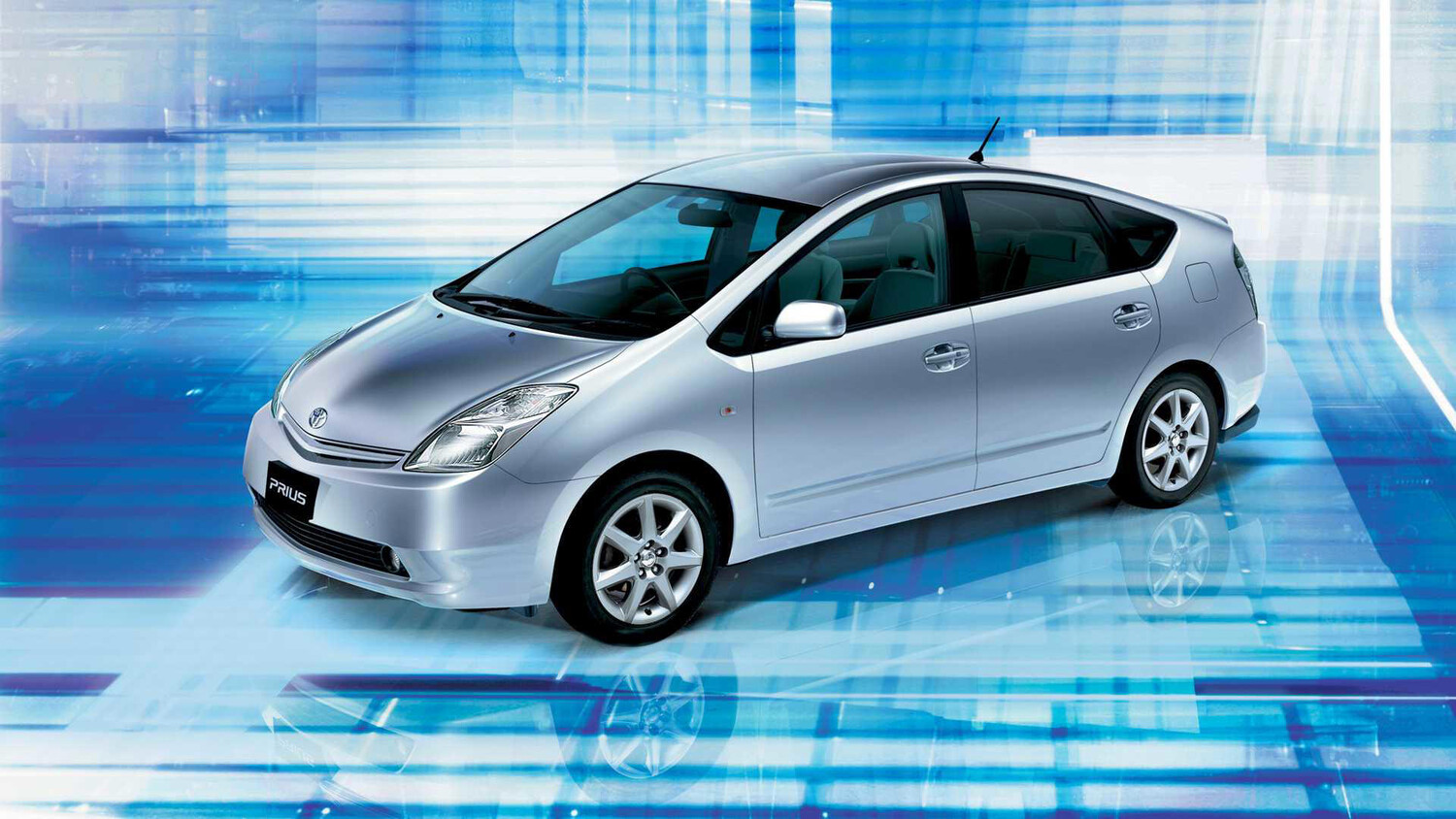
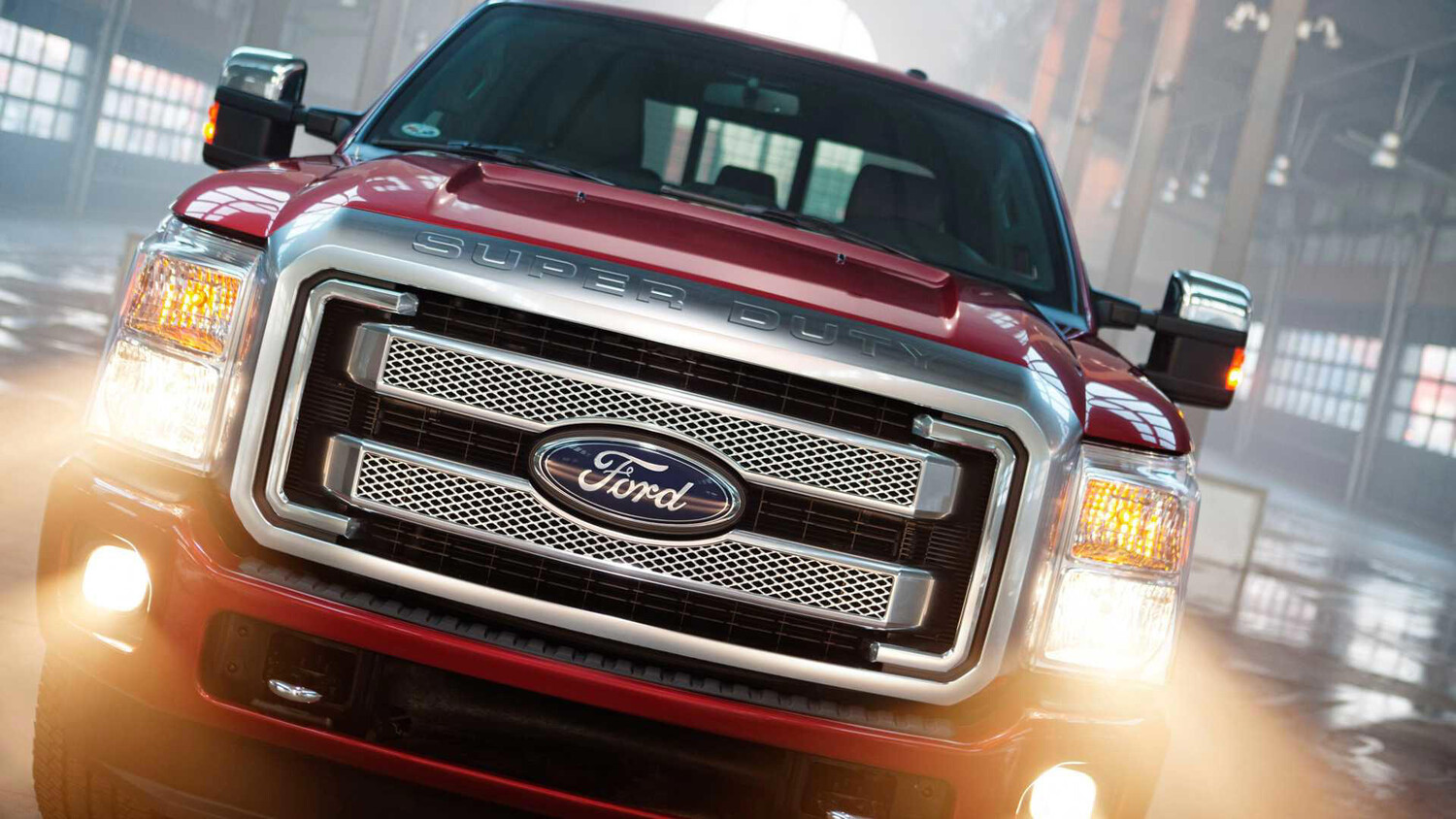
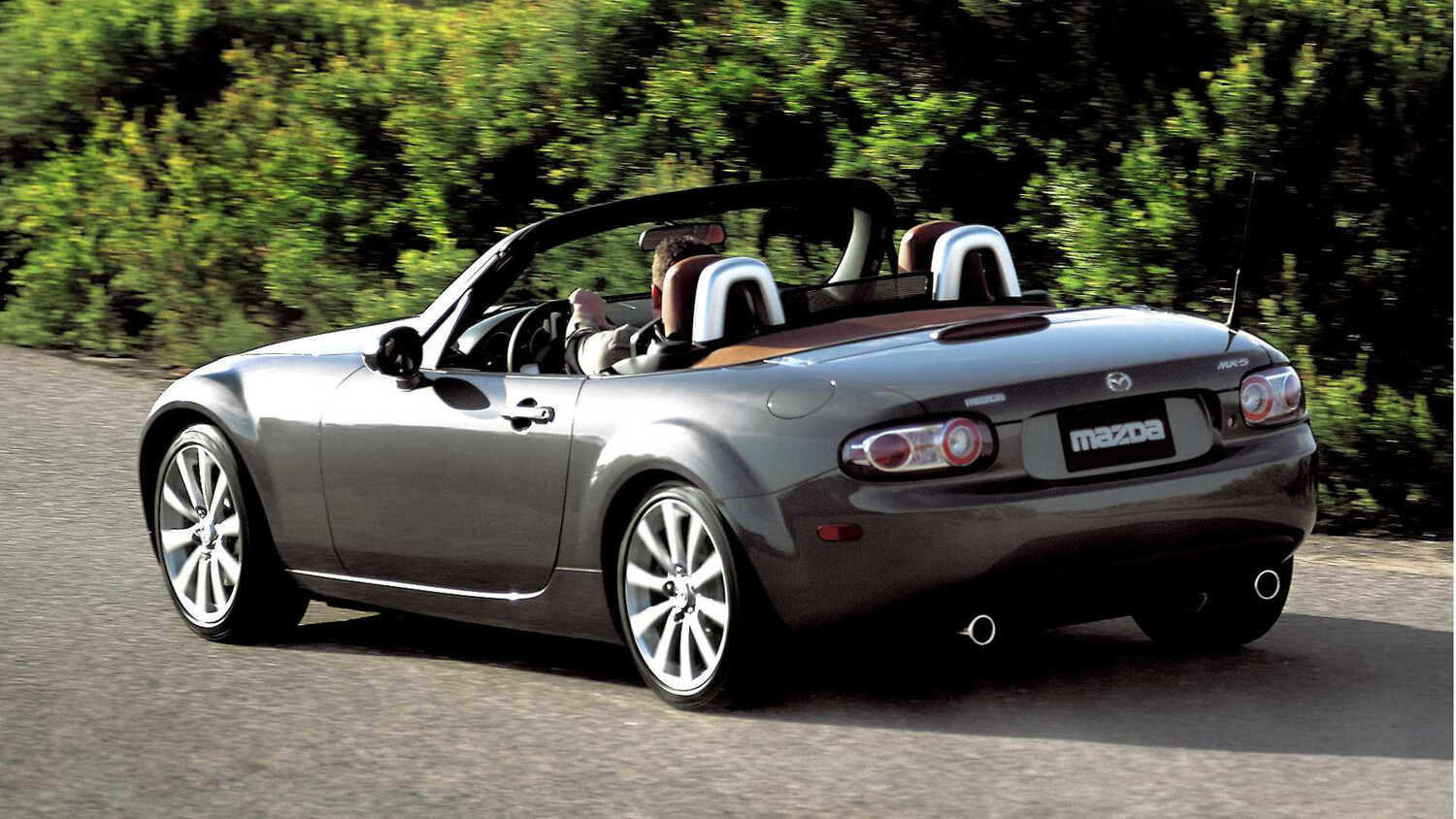
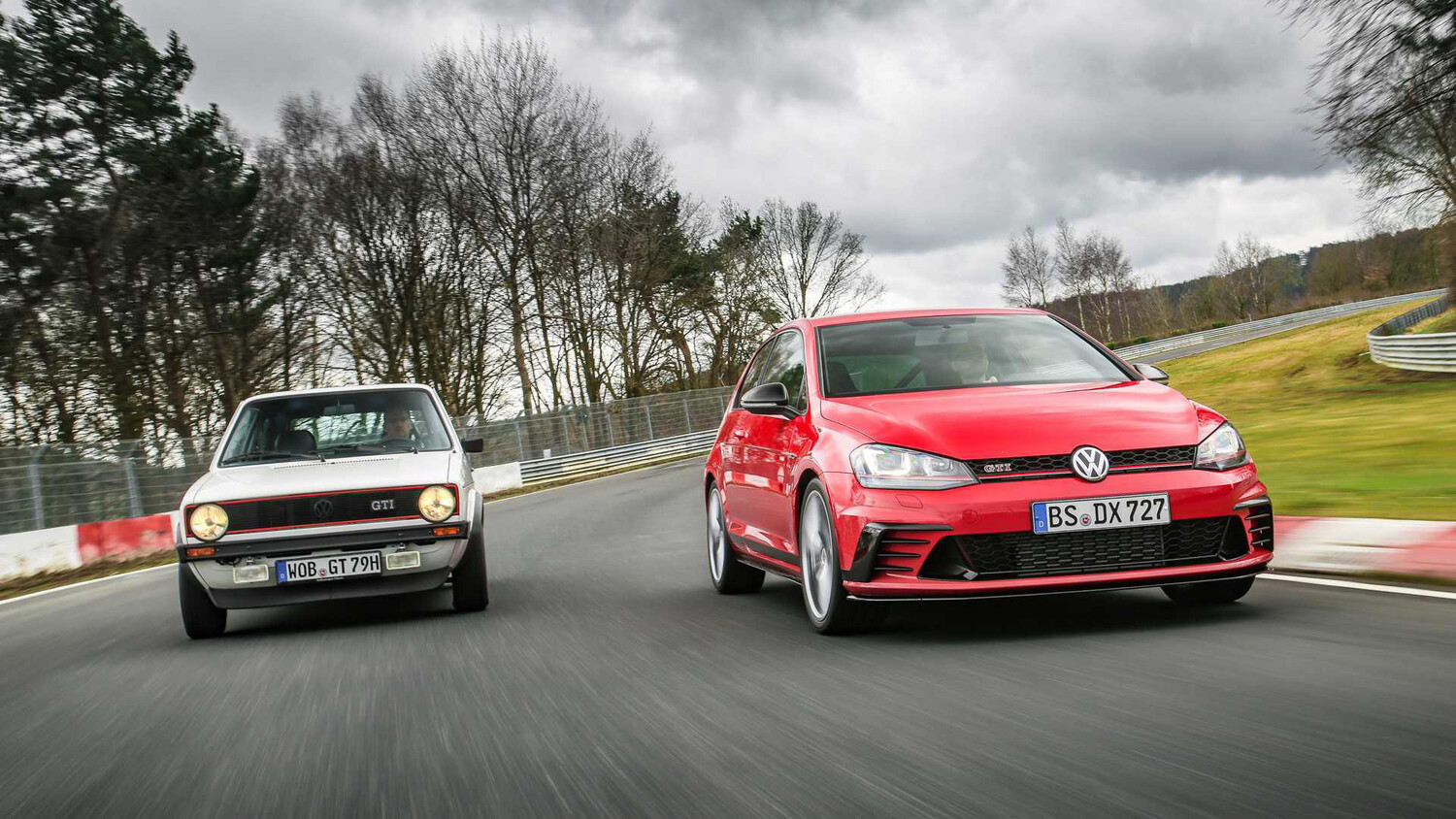
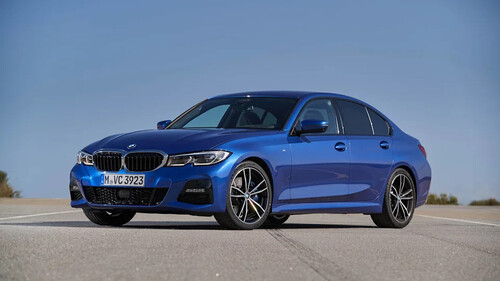
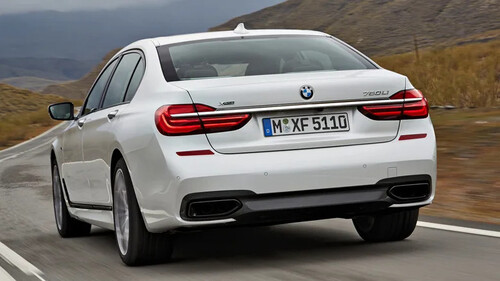
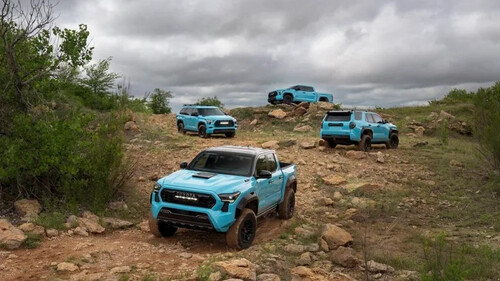
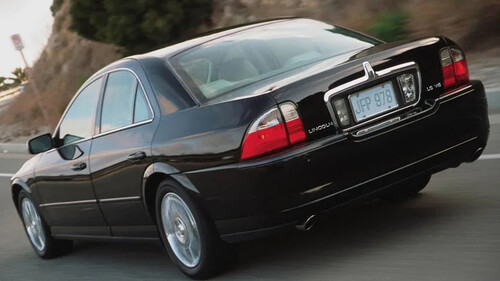
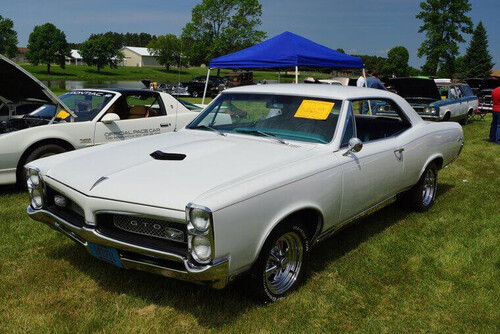
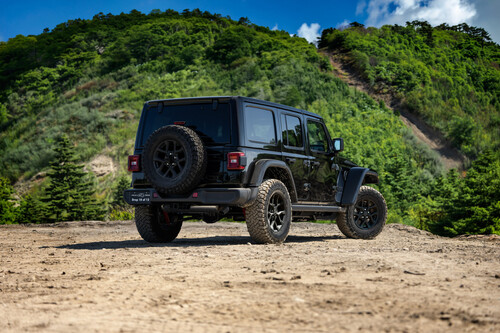
Every so often, a car comes along that changes the motoring landscape. Back in 1992, for example, McLaren presented the F1, a V12-powered, center-seated monster that could hit an unprecedented 231 MPH and demonstrated the true potential of carbon fiber monocoques for the road. Two years earlier, Honda’s mid-engined NSX similarly proved that meticulous engineering and absolute focus on handling rather than power didn’t need to break the bank, just as, in 1963, Porsche’s new 911 demonstrated that peak performance could also be everyday practical. And let’s not forget the little British hatchback that landed in 1959, became a style icon across the following decade, and could still beat the mightiest Europe and North America could offer on-track.It's a list so expansive, we’d quickly run out of room if we ran through all of them (we haven’t even mentioned Oldsmobile’s successful crack at fully-automatic transmissions). So instead, we’ve narrowed our list down to 10 specific automotive segments and the vehicles that definitively made them happen or completely reshaped them. And yes, you can let us know which models we’ve missed in the comments section below.All information and images used for this article were sourced from each manufacturer’s respective online media sites. Mercedes S-Class W116 Luxury Sedans MercedesThe Mercedes-Benz S-Class is a pioneer, and the W116 is the first model to don the nameplate. We can thank it for bringing the market anti-lock brakes as well as for its guinea pig work with deformable crash structures. You can even trace the squat grille, elongated headlamps, and cavernous cabin synonymous with luxury sedans to this design.Moreover, with North America still reeling from the mid-1970s oil crisis, the W116 was the first production car offered with a turbocharged diesel engine – a peppy five-cylinder. Meanwhile, the optional 6.9-liter V8 – Mercedes’ second crack of the whip – was the biggest engine to ever feature in an S-Class and made the W116 the fastest-accelerating sedan in the world. So, it was clever, it was fast, it was pristine both inside and out, and, in North America, the W116 dragged Mercedes free from the long shadows of Cadillac, Lincoln, and Chrysler. By 1980, 473,035 had been built, and a new standard had been decisively set. BMW E28 M5 Luxury Sport Sedans BMWBMW’s 2002, Mercedes’ 190E, Alfa Romeo’s Giulietta, and Jaguar’s Mk.II make strong cases as the first sports sedan. The E28-generation M5 makes a definitive case, however, as the world’s first luxury sports sedan. The ‘M88’ straight-six, plucked from the M1 supercar, produced 256 hp (North America got the slightly detuned ‘S38’), meaning the M5 had the audacity to hit 60 MPH from standstill in 6.5 seconds en route to 153 MPH.Tuned by BMW’s on-a-roll motorsport division, it could even match Ferrari’s 308 GTB, beat-for-beat, through the corners, despite having four doors, a spacious cabin, air-conditioning, power-adjustable headrests, and sublime ride quality. The asking price was a touch high ($46,500), but the M5 blended comfort with intensity in ways that similarly large Audis and Cadillacs simply couldn’t, and established a super-sedan benchmark every premium brand has aspired towards ever since. Toyota Prius Hybrid Commuters ToyotaIt’s easy to forget, given how broad the HEV segment is today, just how derided the Toyota ‘Pious’ was when it arrived in Japan in 1997 (America got it in 2000). It looked humdrum, driver engagement was all but non-existent, and, if you drove one, contrarians believed you were either sanctimonious about fuel economy or a member of the Hollywood elite virtue signaling.Unlike Honda’s first Insight, however, the Prius had four doors and looked like an actual car. Its hybrid system paired a reliable Toyota four-cylinder with an electric traction motor, using a second motor-generator to manage ratios and electrical flow. U.S. models delivered a modest 70 hp, but the logic behind the system was bulletproof. Indeed, Toyota’s more voguish fifth generation uses much the same setup today, as have the six MILLION Prius built in between. Who’s the laughingstock now? Pontiac GTO Muscle Cars General MotorsSacrilege? Perhaps. Pontiac's Gran Turismo Omologato only beat the Mustang to market by one year. And while Ford’s legendary pony car lives on 61 years later, the GTO’s tenure ended atop a Holden-chassis-ed whimper in 2006. Still, the GTO is widely accepted as the first model to bring the muscle car recipe – American-made V8 high-performance at an affordable price – to the mainstream.How? Well, in a bid to attract younger buyers, and with parent company General Motors kiboshing the tried-and-tested motorsport route in 1963, Pontiac engineers Bill Collins, Russ Gee, and a certain J. DeLorean took a unique approach. A 389 cubic inch V8, borrowed from the larger Pontiac Grand Prix, was crowbarred into the workaday LeMans coupe, and, to get around in-house legislation, the new 348 hp ‘GTO’ was then sold as a $295 upgrade for the LeMans. 32,450 examples were sold in the first year alone. Ford, Dodge, Chevrolet, and Plymouth, meanwhile, looked on with interest. Ford F-Series Full-Size Personal Pickup Trucks FordFord’s F-150 is the best-selling production vehicle in America, boasting as it does practicality, innovation, and dependability at an affordable price. A blend that truly came alive with the first-generation F-Series of 1948 (yes, you can trace the lineage back to the Model TT of 1917). For the first time, the pickup was available in a range of sizes and capabilities, and from here, Ford’s comprehensive truck lineup began to take shape.In the mid-'50s, the F250 and F350 lines, previously ‘F-2’ and ‘F-3,’ were introduced (four-wheel drive was also available by 1959) as heavier-duty trucks were decanted to Ford’s new commercial division. Shortly after the fuel crisis hit, the smaller F-150 was rolled out to, ahem, ‘outmaneuver’ fuel emission regulations. With each new generation – all 14 of them – came design tweaks, technology upgrades, more and more optional extras, and a brace of efficient V8s catering to every potential customer. What other benchmark could there be? Willys MB / Jeep CJ-2A Off-Roaders JeepBuilt by Ford and the Ohio-based Willys–Overland company, the military-spec Willys MB would later be repurposed as the CJ-2A, the first mass-produced civilian vehicle with four-wheel drive. It was as sophisticated as a well-used lawnmower, but, in fairness, cost about the same, too. An adequate 60 hp came from the ruggedly dependable 2.2-liter four-cylinder, and the CJ-2A was bested off-road by only the most determined of mountain goats.It was ideal for farmland and the rutted terrain in more rural communities alike, and almost 215,000 CJs were built in the immediate post-war years. A figure that, between 1954 and 1983, ballooned to more than 600,000. This same matter-of-factness to the design, the drivetrain, and the 4WD system lives on (arguably like no other) in the Jeep Wrangler today, and is among the reasons ‘Jeep’ is synonymous with off-road mobility. Porsche Cayenne Performance SUVs PorscheHaving already swapped the 356 for the 911, and air-cooled engines for water-cooling, Porsche had already received its fair share of purist finger-wagging by 2002. The vitriol aimed at the first-generation Cayenne, however, was on another level. This was Porsche’s first step into the five-door, five-passenger market, and, to fans and press alike, a slap in the face for the German brand’s Le Mans-winning heritage. It was also, rather awkwardly, extremely good. Yes, its styling was ‘questionable,’ and the Cayenne weighed 2,000 pounds more than a Porsche had any right. And yet, it drove as a Porsche should, with up to 405 hp courtesy of a naturally aspirated V8 under the hood, good for a 0-60 in 5.7 seconds.Even the most red-faced pedants couldn’t deny that this luxury SUV, with its taut suspension and responsive steering, was remarkably nimble. Soon, few middle-class driveways could be seen dead without a Cayenne, and two decades later, the luxury SUV market is among the most lucrative of them all. Thanks largely to Porsche’s ‘betrayal.’ Mazda MX-5 Miata Budget Sports Cars MazdaAs of August 2023, Mazda has produced over 1.2 million examples of its halo sports car, largely because the “small, lightweight, rear-wheel drive, and affordable” blueprint has remained consistent across four generations. Ironically, when plans first took shape in 1979, the MX-5 was seen as a massive gamble: US sales of two-seater roadsters barely crested 2,500 per year, while Mazda needed to sell at least 10,000 to break even.Mazda solved this with a brand-new open-top, Jinba Ittai (“car and driver as one”) two-seater, which could be gamely tossed through corners, featured a 1.6-liter inline-four producing 115 hp, and sold new in 1990 for just over $13,000. The first 40,000 units disappeared almost immediately, and 95,640 were produced in the first year. In a segment many had deemed dead, Mazda had hit the jackpot. Volkswagen Golf GTI Mk.1 Hot Hatches VolkswagenTechnically, this is not the first hot hatch, Renault’s long-departed 5 Gordini having arrived a few months before the first Golf GTI debuted at Geneva in 1975. And yet it was very much the Volkswagen, not its timely confrère, that went on to define the breed. VW’s 1.6-liter fuel-injected four-cylinder, borrowed from sister brand Audi’s 80 GTE (it would later be upgraded to 1,781cc and serve the MK.II as well), produced 110 hp.A startling amount for a humble hatchback weighing just over 1,850 pounds, but which also boasted better brakes and stiffened suspension to improve the handling, plus a subtle makeover, for a still reasonable price. A combination that overwhelmed VW’s hesitant 5,000-production run to such an extent, more than 460,000 examples had been made by the time the Mk.1 retired for 1984.*Admittedly, North American fans had to wait until 1983 for the ‘Rabbit’ GTI’s arrival, and an unexpected rivalry with the Shelby-developed Dodge Omni GLH Bugatti Veyron Hypercars BugattiLaughable as it may seem in today’s world of 1,600-plus horsepower all-electric supercars, but in the late 2000s, the idea of a refined, 1,000 hp road car capable of 250-plus MPH was the stuff of fantasy. Even Volkswagen, Bugatti’s then-parent company, felt it had bitten off more than it could chew. The 8.0-liter quad-turbocharged W16 engine, for example, produced a baffling 1,001 hp, but needed TEN radiators to prevent them from imploding.The sleek, slippery bodywork had to look elegant and help propel the Veyron past the 250 MPH mark, but couldn’t be tested in a conventional wind tunnel. And, yet, somehow, this bafflingly quick hypercar was also inconceivably good through the corners, thanks to consistent feedback through the steering and unyielding four-wheel drive traction. It was also no less refined than a high-end Mercedes. Yes, Ferrari’s F40, Jaguar’s XJ220, and McLaren’s F1 had proven such performance was possible, but none before the Veyron had made it look so ‘easy.’