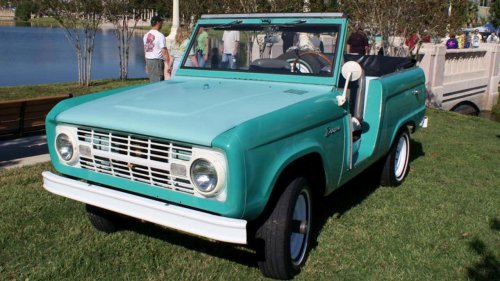
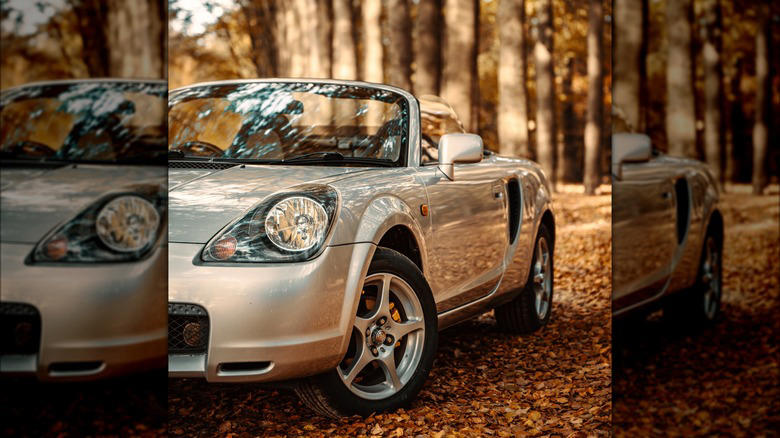
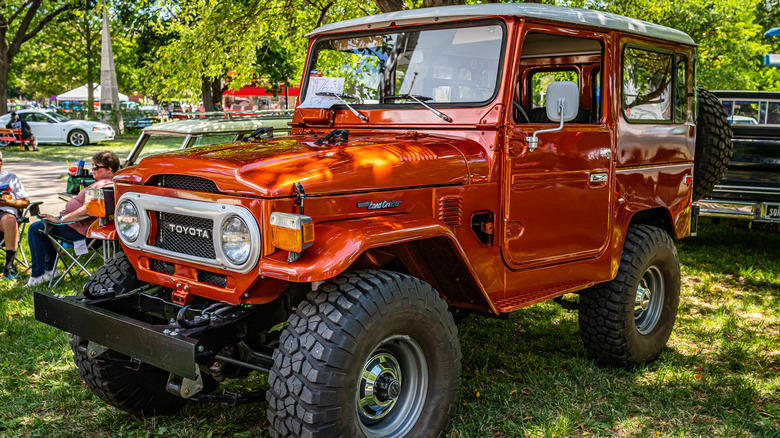



















Toyota Celica GT-FourThe Toyota Celica GT-four became a rare collectible for just that reason: rarity. With only 2,500 units produced, of which 2,100 are for the Japanese market, it stands out as a limited-edition gem. These cars were part of Toyota's foray into the World Rally Championship (WRC) and have distinct features such as riser blocks for the rear wing and provisions for an anti-lag system, which are a testament to their motorsport heritage.In terms of performance, the GT-Four offers a distinctive driving experience. The 3SGTE engine is known for its linear power delivery, and the car's handling is characterized by hefty steering and a progressive engine. The right-hand drive adaptation may require some practice, but it's a rewarding experience for those who appreciate motorsport history.The Toyota Celica GT-Four's historical significance has also contributed to its status as a collectible to a certain extent. It played a pivotal role in Toyota's rally endeavors, with some creative engineering attempts to manipulate turbo inlet restrictors for added horsepower. This led to a 1996 ban, further adding to its unique history. Despite challenges like limited parts sourcing owing to its rarity, owning one is a dream for collectors and enthusiasts alike.The GT-Four's significance in Toyota's rally legacy is further emphasized compared to the modern GR Yaris. While the GR Yaris surpasses the Celica in terms of power and speed, the Celica holds its own place in rally history, with predecessors like the ST185 and ST165 winning titles and securing numerous rally victories.Toyota MR2 SpyderThe MR2 Spyder was part of the third generation of the MR2 lineup. It prioritized simplicity and low weight, shedding 700 pounds compared to its predecessors. This focus on keeping the car lightweight contributed to its agility and responsive handling. Despite having a 1.8-liter 1ZZ four-cylinder engine with 138 horsepower, the MR2 Spyder's low weight allowed it to achieve a 0–60 mph time of 6.8 seconds. It may not have been the most powerful sports car, but its nimble character and impressive chassis made it a joy to drive.The exterior design of the MR2 Spyder is distinctive, featuring "frog-eye" headlights and a blend of boxy and sleek proportions. Its unique appearance sets it apart from other mid-engine sports cars and has contributed to its collectible status. While the interior may be basic compared to more modern sports cars, it offers quality leather elements like the steering wheel, shift knob, and pedals. Surprisingly, it even provides three cup holders for a two-seat car.One of the key reasons why the MR2 Spyder has become a rare collectible is its limited production. The W30 model was produced from 2000 to 2005, making it rarer than expected. It's often sought after by collectors and enthusiasts due to its unique character and performance. The fact that Toyota has not introduced a direct successor to the MR2 Spyder adds to its collectible allure.Toyota FJ40 Land CruiserThe Toyota FJ40 Land Cruiser is a rare and coveted collectible with a remarkable 50-year production run. Known for its enduring appeal and straightforward, durable design, the FJ40 has a great reputation among collectors and enthusiasts. This off-road vehicle has a unique charm that continues to make it a sought-after classic in the world of four-wheel drives.The FJ40 Land Cruiser is characterized by its modest power, off-road prowess, and timeless design. It was built to tackle rugged terrains with ease, and its reliability has contributed to its collectible status. The classic, no-nonsense design of the FJ40 has made it a favorite among off-road adventurers and vintage car enthusiasts.One reason making the FJ40 Land Cruiser a rare collectible is its limited availability, especially in the United States. Vintage models of the FJ40, produced from 1960 to 1984, have become prized collector's items. While they lack modern comforts, their robustness and reliability have made them highly desirable. High-end restorations of FJ40s can be costly, which has led some collectors to consider importing from overseas markets.Importing FJ40 Land Cruisers poses its own set of challenges, including dealing with paperwork, regulations, and potential issues like forgeries and trustworthiness in the export process. Registering the vehicle in the U.S. can also be a complex process, varying by state. Despite these hurdles, the appeal of the FJ40 Land Cruiser as a rugged, no-frills, off-road vehicle makes it a valuable addition to any collector's garage.