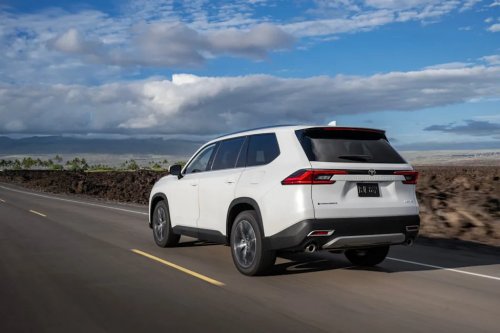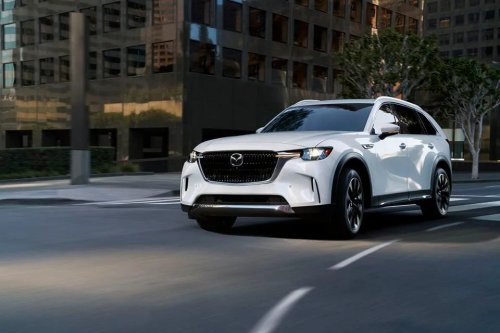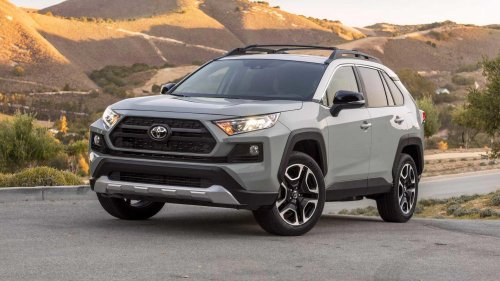
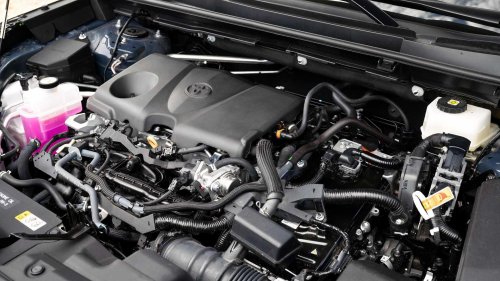
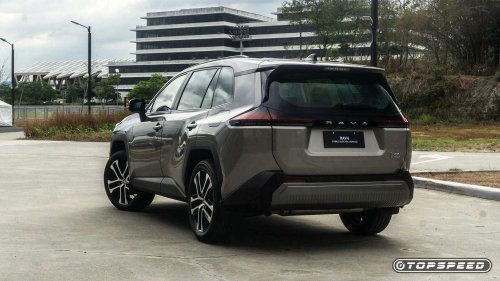
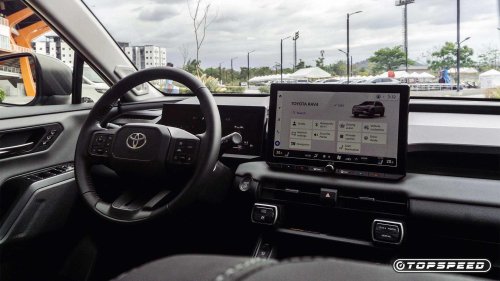
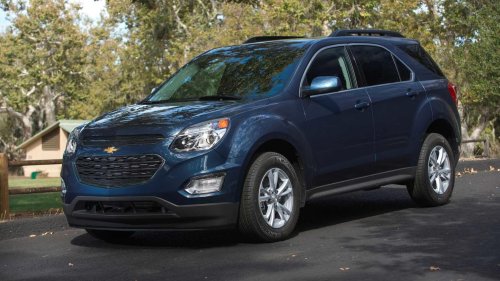
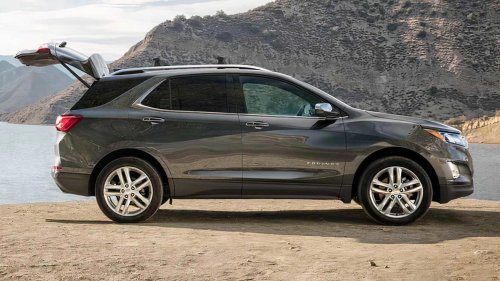
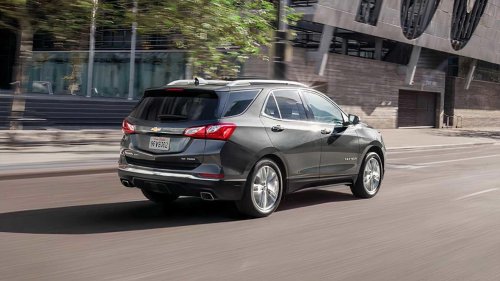

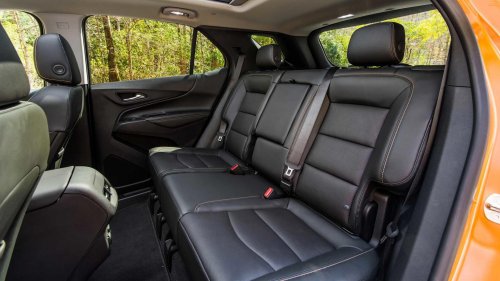
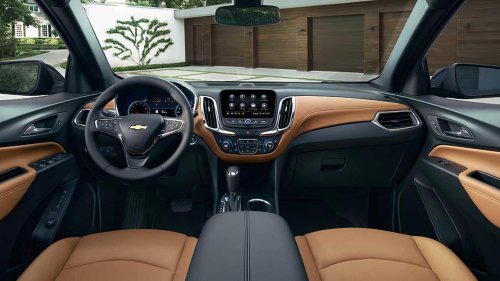
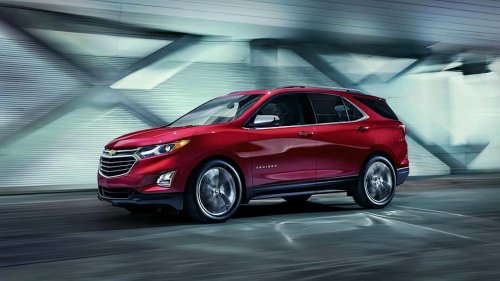
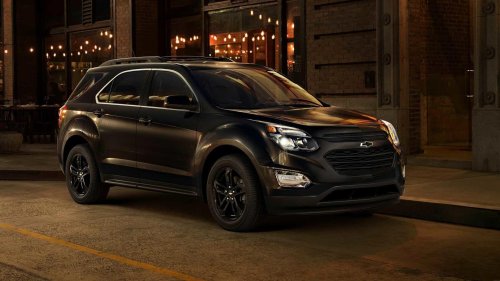
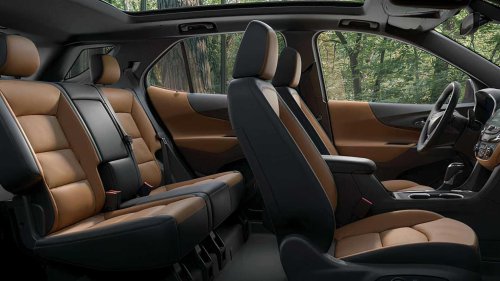
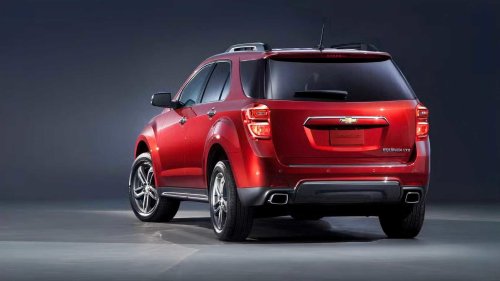



















For decades, the compact SUV segment has been dominated by one unshakable assumption: if you want reliability, you buy a Toyota. It’s a belief reinforced by resale values, owner loyalty, and a long history of bulletproof engineering. Models like the Toyota RAV4 have become default recommendations, not just because they’re good, but because they’re expected to be. But here’s the thing most buyers overlook: modern reliability isn’t as one-dimensional as it once was. Today’s vehicles are more complex, more software-driven, and often engineered to tighter cost constraints than their predecessors. That means the gap between “the most reliable” and “reliable enough to last a decade” is far narrower than brand perception suggests.Dig deeper into ownership data, repair frequency, and long-term durability trends, and a more nuanced story begins to emerge, one where certain overlooked models quietly deliver years of dependable service without the fanfare. And in a used market where value matters just as much as durability, that difference can completely reshape what the smartest buy actually looks like. Why The Toyota Reliability Reputation Isn’t As Untouchable As Buyers Assume ToyotaToyota’s reputation didn’t happen by accident. For years, the brand has consistently ranked near the top in reliability studies, and vehicles like the Toyota RAV4 have earned strong dependability scores and low repair frequencies. But that advantage, while real, is often overstated in the context of modern vehicles.Toyota A small difference in reliability ratings doesn’t mean one vehicle will last dramatically longer than another. In reality, most modern compact SUVs are engineered to comfortably exceed 150,000 miles with proper maintenance. The difference tends to show up in minor repair frequency rather than catastrophic failure. There’s Also The Issue Of Diminishing Returns Isaac Atienza | TopSpeed Most modern vehicles, regardless of brand, are broadly reliable for their first five to seven years. That means when you’re shopping used, especially in the four-to-six-year-old bracket, you’re often comparing vehicles that are still well within their durability window.Isaac Atienza | TopSpeed Then there’s perception. Toyota’s strong resale value reinforces the idea of superior longevity, but it also inflates used prices. Buyers often pay a premium not necessarily for a dramatically better ownership experience, but for the reassurance that comes with the badge. And that’s where the gap between perception and reality begins to widen. How The 2017–2019 Chevrolet Equinox Quietly Matches The Toyota RAV4 Where It Counts Chevrolet The 2017 - 2019 Chevrolet Equinox doesn’t carry the same reputation as the Toyota RAV4, but when you dig into the data, the gap is far smaller than expected. Reliability ratings still favor the RAV4 slightly, but not by a margin that fundamentally changes long-term ownership outcomes. Both vehicles fall comfortably within the “above-average” range, and both are capable of high mileage with proper care. Where the Equinox begins to stand out is in how those issues present. While they may experience slightly more severe repairs on occasion, they tend to happen less frequently, meaning most owners experience long stretches of trouble-free driving.Then there’s performance. The available 2.0-liter turbocharged engine in the Equinox produces 252 horsepower, giving it a significant edge over the RAV4’s naturally aspirated 2.5-liter engine. That extra power isn’t just about acceleration; it reduces strain in highway driving and when carrying heavier loads, which can indirectly support long-term durability. Both SUVs also offer strong safety credentials, with top-tier crash ratings and modern driver-assistance features. In day-to-day use, the differences become less about reliability scores and more about overall driving experience, and in many cases, the Equinox holds its own far better than buyers may expect.Chevrolet Digging into hard data from iSeeCars and CarEdge helps contextualize just how narrow the real-world reliability gap actually is. iSeeCars gives the Chevrolet Equinox a reliability score of 7.7 out of 10 compared to the Toyota RAV4’s 8.2, an advantage for Toyota, but not a decisive one in long-term ownership terms. Where Things Get Interesting Is Value And Lifecycle Cost ChevroletCarEdge data shows the Equinox depreciates far more aggressively, losing close to 50 percent of its value over five years versus roughly 30 percent for the RAV4. That steep depreciation isn’t a reliability penalty; it’s a pricing inefficiency. You’re effectively buying into a vehicle that delivers roughly 94 percent of the RAV4’s reliability score for significantly less money on the used market. Combine that with comparable repair frequency rates (around 0.3 visits per year for both models) and similar “good” overall reliability classifications, and the narrative shifts: the Equinox doesn’t need to beat the RAV4 outright, it just needs to get close enough, and statistically, it already does. The Simplicity Advantage That Helps The Equinox Age More Gracefully Chevrolet One of the most overlooked contributors to long-term durability is simplicity. As vehicles become more advanced, they also become more complex. Hybrid systems, intricate all-wheel-drive setups, and increasingly software-dependent features introduce more potential failure points over time.Chevrolet This is where the Chevrolet Equinox quietly gains an advantage. Its engineering approach during these years leans toward conventional systems: turbocharged engines paired with traditional automatic transmissions and a relatively straightforward electronics architecture. While it still offers modern features, it avoids the added complexity seen in some newer designs.Chevrolet The RAV4, particularly in its newer iterations, introduced more advanced systems and updated electronics. While these improvements enhance efficiency and usability, they can also increase long-term maintenance complexity. Simplicity doesn’t guarantee reliability, but it often improves serviceability, reduces repair costs, and makes aging vehicles easier to live with. For buyers planning to keep their SUV well beyond 150,000 miles, that can make a meaningful difference. Why Real-World Ownership Tells A Different Story Than Brand Perception Chevrolet Spend time talking to actual owners, and a different narrative starts to emerge. Toyota owners consistently praise reliability and low running costs, but they also acknowledge trade-offs, such as uninspiring driving dynamics and occasionally dated interior technology. Equinox owners often highlight comfort, smooth ride quality, and stronger performance, particularly with the turbocharged engine. While some report issues, many also describe dependable long-term ownership when the vehicle is properly maintained. Even Cost Data Reflects How Close These Vehicles Really Are Chevrolet The Toyota RAV4 typically has slightly lower annual maintenance costs, but the difference is not dramatic in the broader context of ownership expenses. What matters more is how the vehicle has been treated. A well-maintained Equinox can easily outlast a neglected RAV4, regardless of brand reputation. This is the reality of the used market: condition, service history, and previous ownership matter more than logos. Yet buyers often default to brand perception, overlooking alternatives that deliver nearly identical real-world performance. The Used Value Gap That Makes The Equinox The Smart Buy Chevrolet This is where the equation shifts decisively. Because of its strong reputation, the Toyota RAV4 holds its value exceptionally well. While that’s great for resale, it creates a higher barrier to entry in the used market. The Chevrolet Equinox, by contrast, depreciates more aggressively. That means buyers can often afford a newer model, lower mileage, or a higher trim level for the same price as an older RAV4. And when the real-world reliability gap is relatively small, that price difference becomes incredibly significant.GM In practical terms, you’re getting more vehicle for your money, more features, more performance, and often a better overall driving experience. For buyers planning to keep their SUV long-term, resale value becomes less important than upfront cost and ownership experience. And in that scenario, the Equinox presents a compelling argument. It’s not about beating Toyota at its own game. It’s about delivering enough reliability, at a significantly lower price, to make the smarter financial decision.Sources: Toyota, iSeeCars, CarEdge