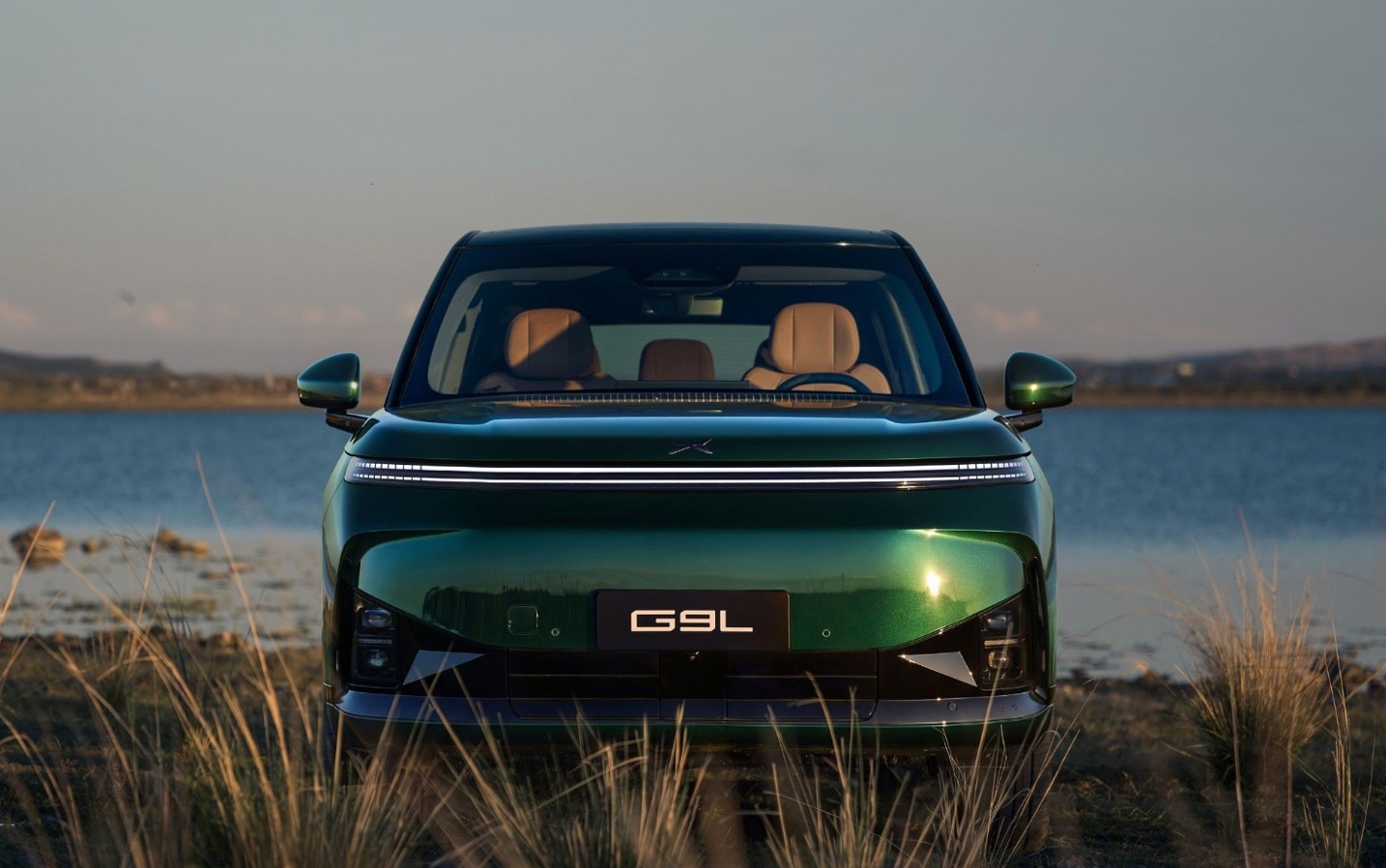
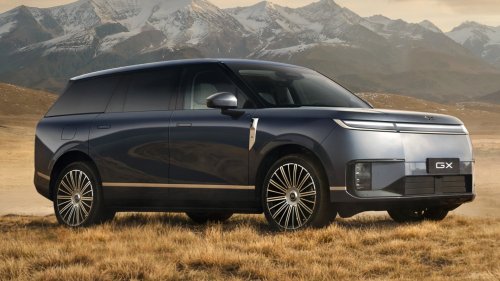
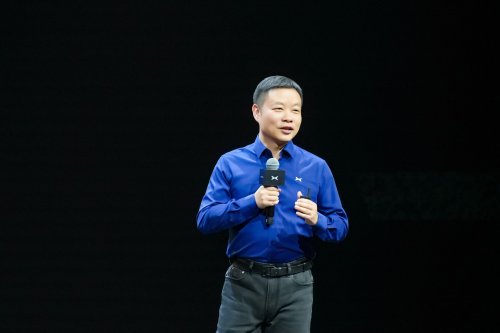
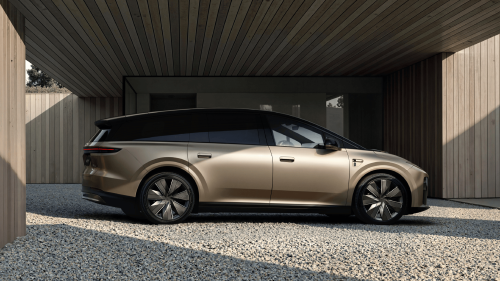
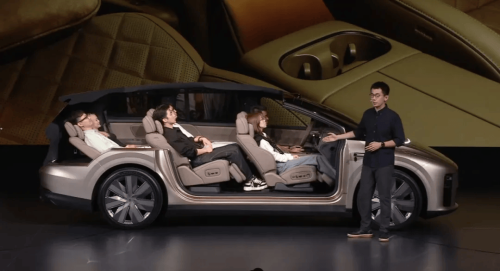
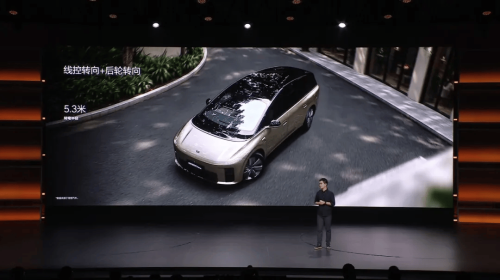
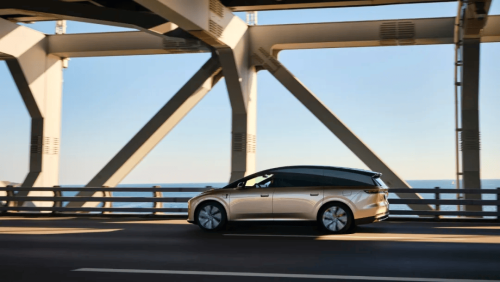
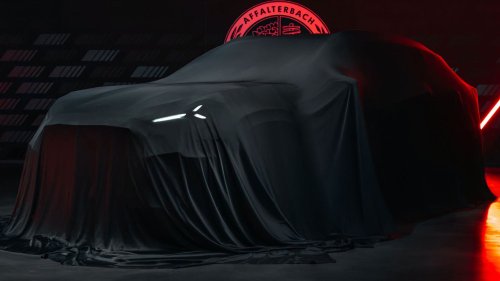
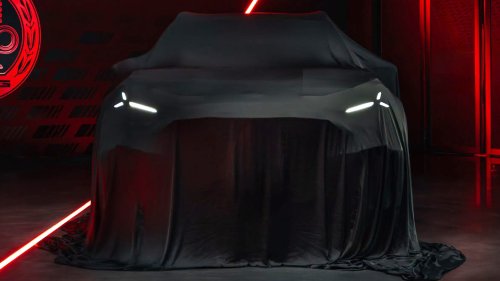
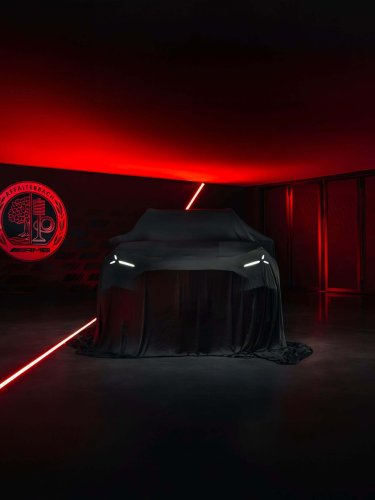
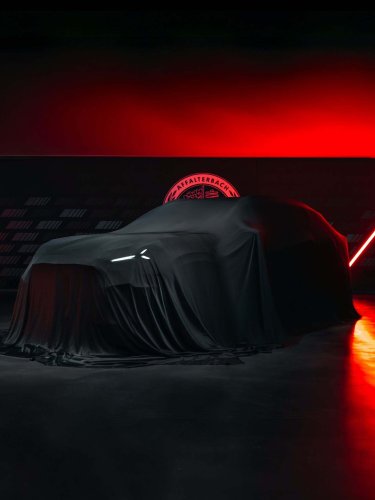
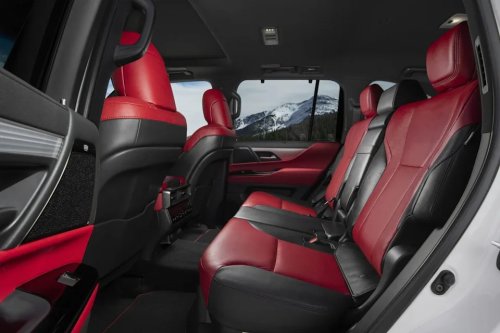
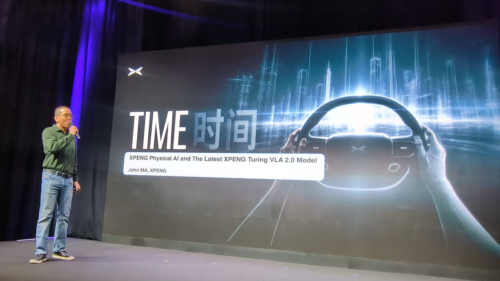
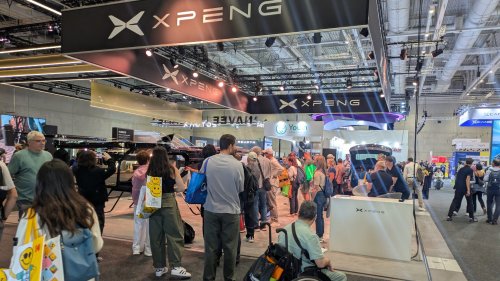
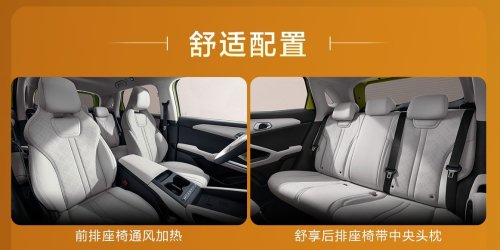
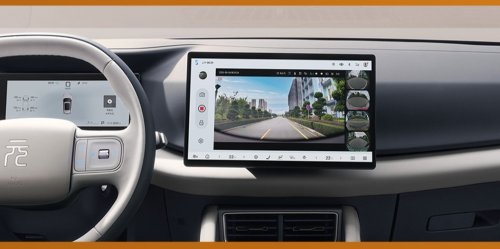
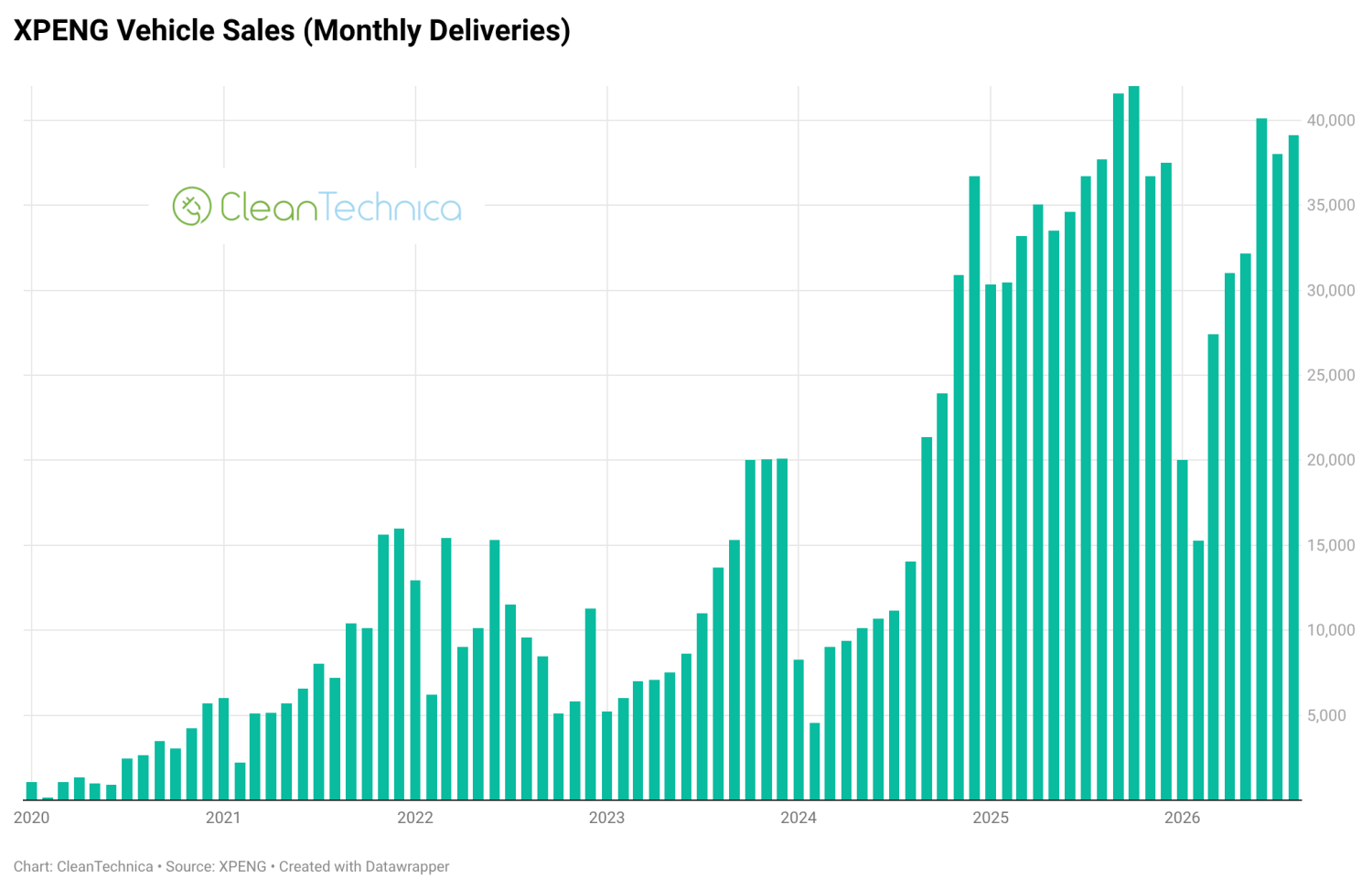
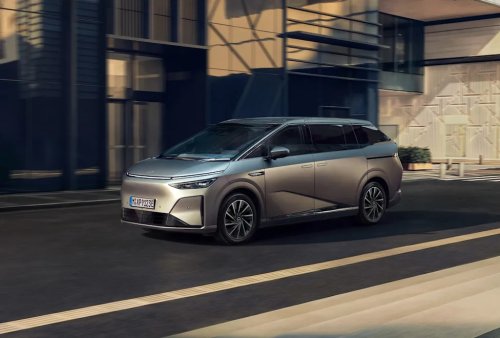
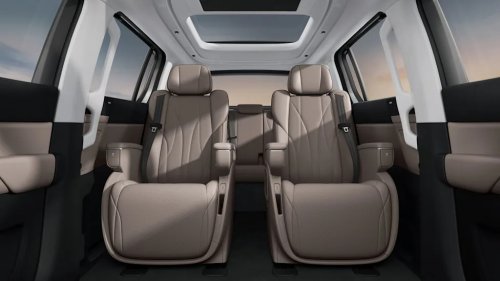
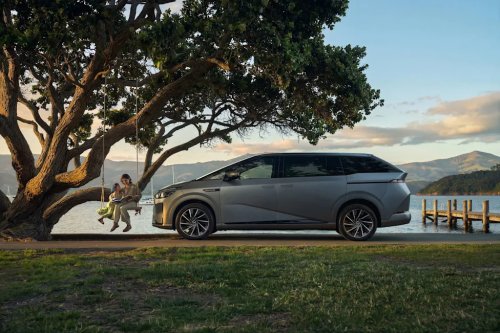
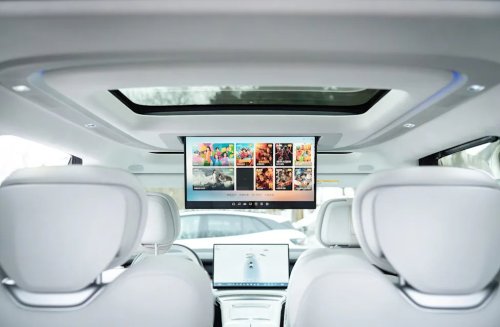
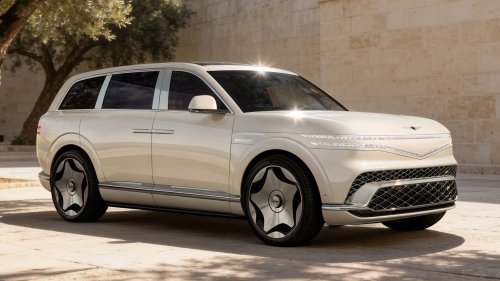
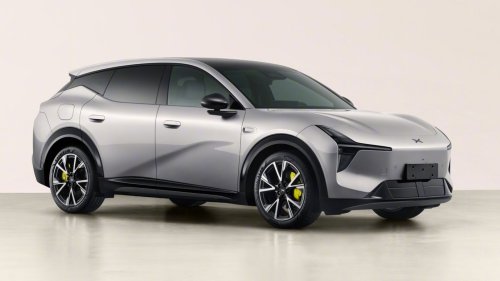
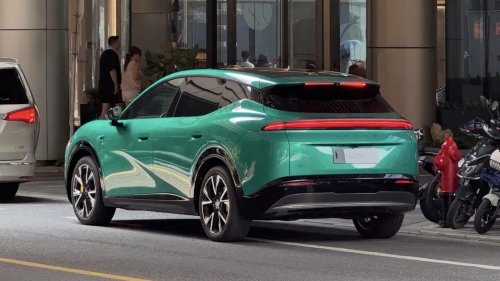
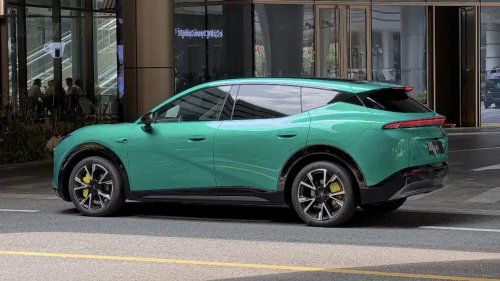
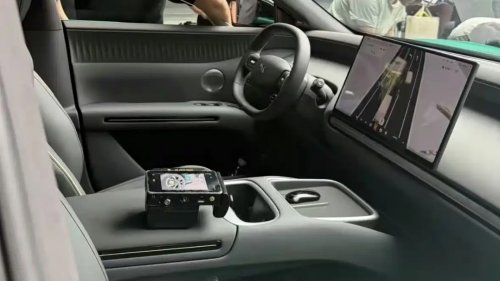
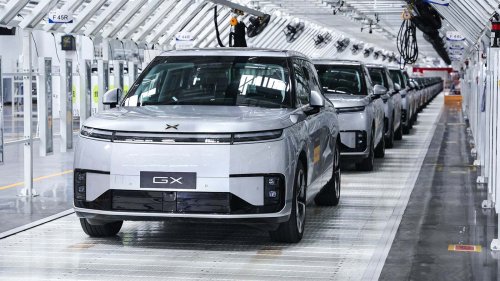
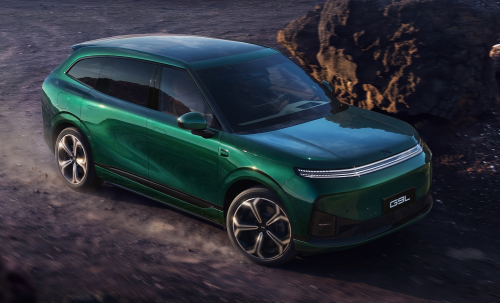
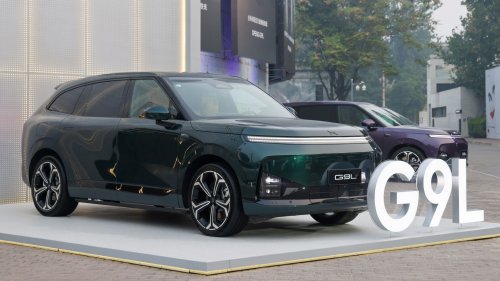
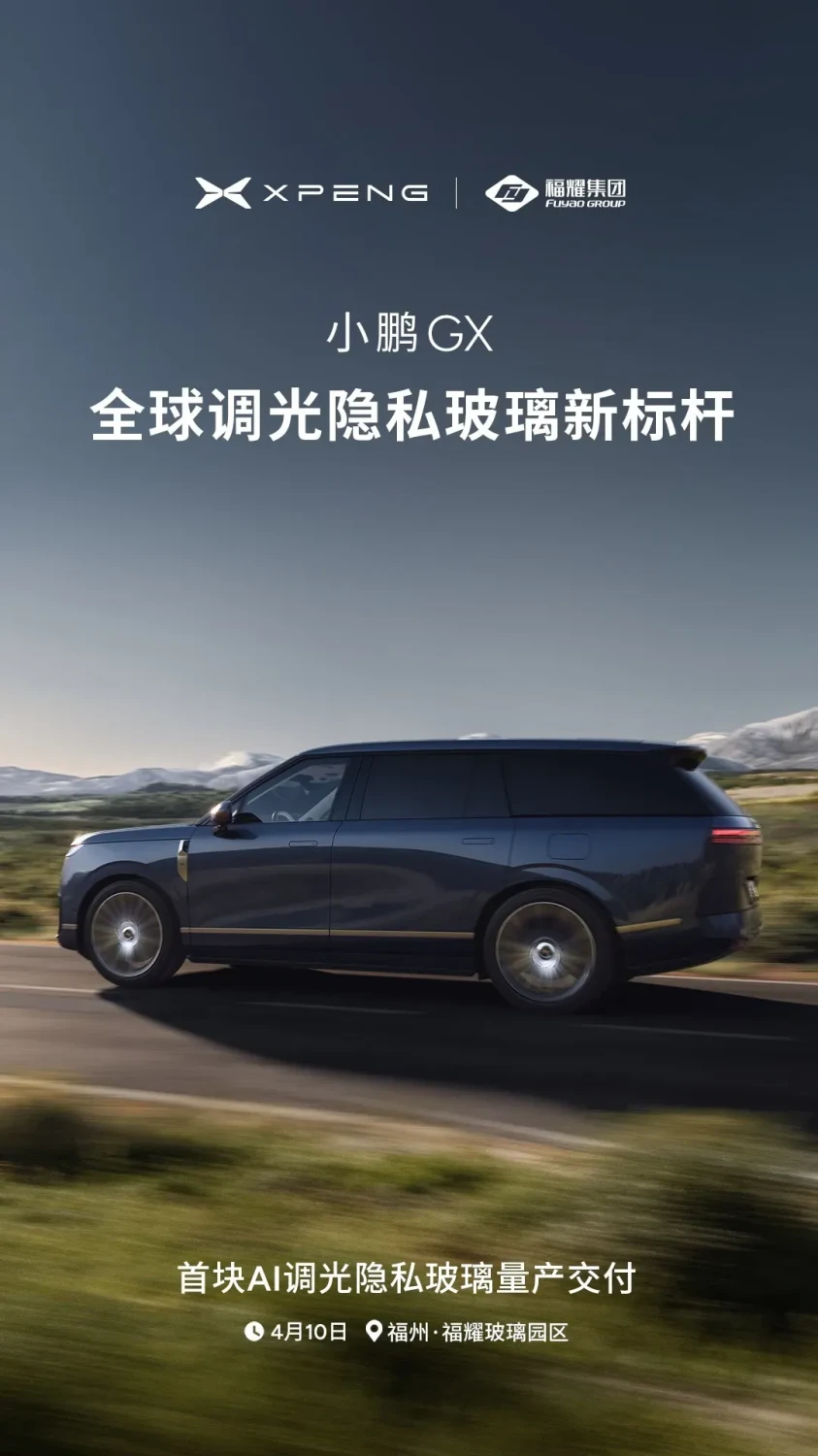
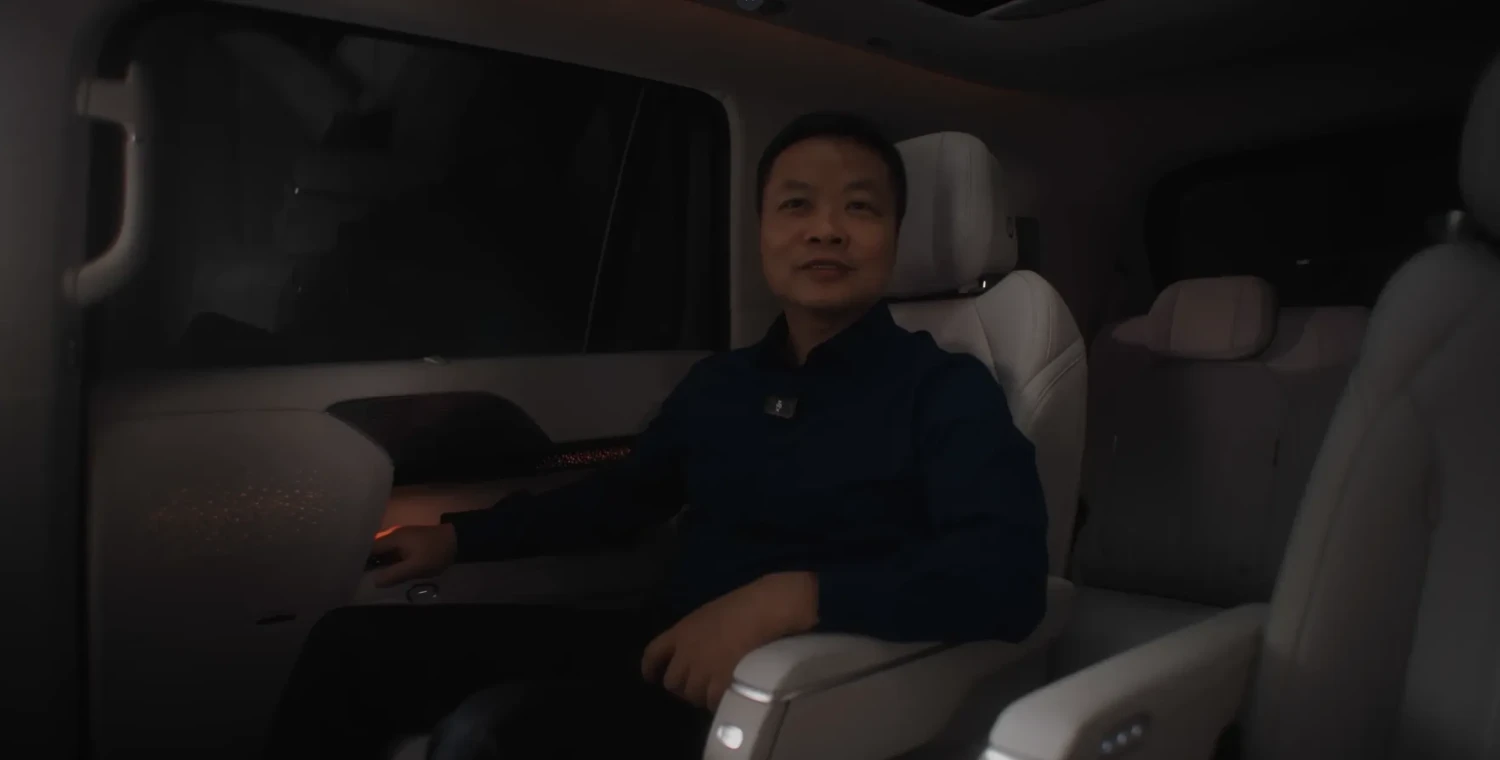
Xpeng (NYSE: XPEV) has officially unveiled what it calls the world's first AI dimming privacy glass, developed in deep collaboration with Fuyao Group (SHA: 600660), the global leader in automotive glass. The first unit entered mass production on April 10, 2026, with the technology debuting exclusively on Xpeng's upcoming flagship GX six-seat SUV.The glass solution is built on Fuyao's LC (liquid crystal) dimming technology, paired with Xpeng's proprietary intelligent software stack. Unlike conventional tinted or manually switched privacy glass, the system uses AI to automatically sense ambient light intensity, passenger occupancy, and the external environment, then adjusts transparency in real time without driver or passenger input.XPeng GX AI-powered dimming privacy glass (XPeng)Its headline specification is a 0.16-second dimming response — roughly twice the speed of a human blink. The glass covers all second- and third-row windows on the GX, providing what Xpeng describes as full-coverage privacy for rear passengers. The glass also blocks 99.9% of ultraviolet radiation and 85% of infrared rays, while delivering 99.4% privacy protection at its darkest setting. Xpeng founder and chairman He Xiaopeng demonstrated the glass via video on the day of the announcement. He framed the collaboration as an example of combining Fuyao's hardware expertise with Xpeng's AI and software capabilities, describing the result as transforming an ordinary car component into an intelligent terminal that actively serves occupants.Fuyao Group has been expanding its smart glass portfolio in recent years. The company launched an intelligent dimming side window glass in January 2025 and followed with a front windshield integrating intelligent driving features in September 2025, the latter debuting on the Aito M7.XPeng GX AI-powered dimming privacy glass (XPeng)The Xpeng partnership represents Fuyao's first deployment of AI-controlled dimming glass that responds autonomously to environmental conditions rather than relying on a manual switch or preset mode.The Xpeng GX is a full-size six-seat SUV measuring 5,265 mm long, 1,999 mm wide, and 1,800 mm tall, with a 3,115 mm wheelbase. It rides on an 800V mixed-silicon-carbide platform with dual-motor all-wheel drive producing 430 kW and 695 N·m of torque. The GX also features Bosch's next-generation steer-by-wire system, supporting L4 autonomous driving capability — the first production deployment of L4-capable line-control steering in a vehicle priced below 500,000 CNY (c. $73,200).Global mass production of the GX began in March 2026, with a market launch expected in April or May 2026. The SUV competes against Li Auto L9, Aito M9, Zeekr 9X, NIO ES9 and Denza N9 in China's premium large SUV segment.Xpeng officially rebranded as Xpeng Group on April 1, 2026, signaling its broader ambitions beyond passenger vehicles into robotaxis, flying cars, and humanoid robotics.He Xiaopeng has described the GX as pushing technical boundaries across safety, chassis, intelligent driving, and cabin space, aiming to redefine what a flagship SUV can offer in the physical AI era. The automotive dimming glass market has been growing rapidly, valued at an estimated $750 million in 2026 globally. Chinese automakers have been early adopters, with several models already offering manually toggled dimming sunroofs or side panels. Xpeng's AI-driven approach — removing the need for passenger input entirely — represents a step toward fully autonomous cabin comfort management.Can a piece of glass meaningfully influence purchase decisions in a segment where buyers are already comparing L4 driving systems, six-figure powertrains, and competing range-extender architectures? That likely depends on how seamlessly the technology fades into the background of daily use.Conversion rate: 1 USD = 6.83 CNY as of April 10, 2026



















 +64 others