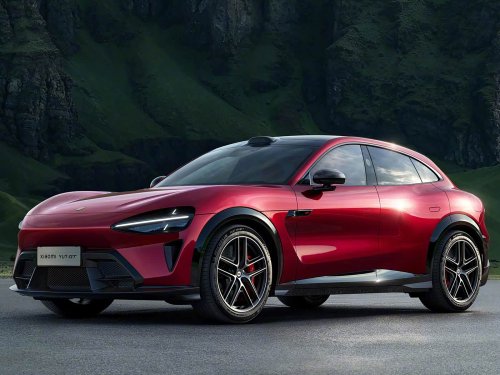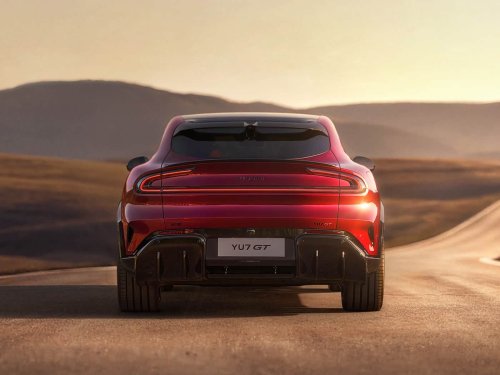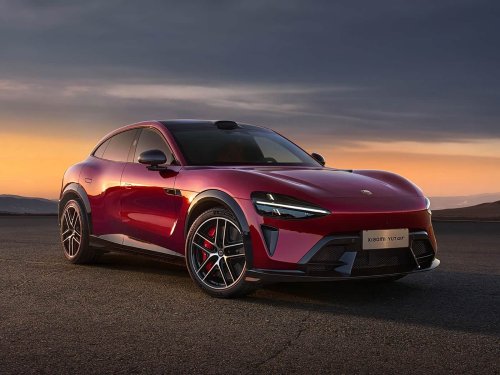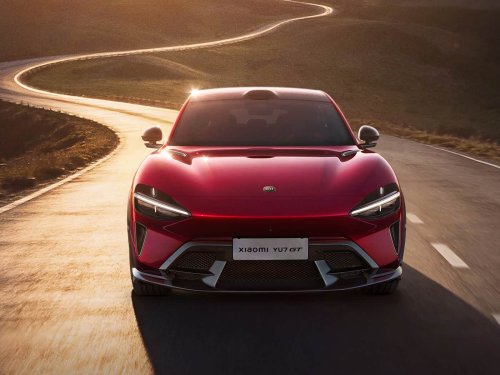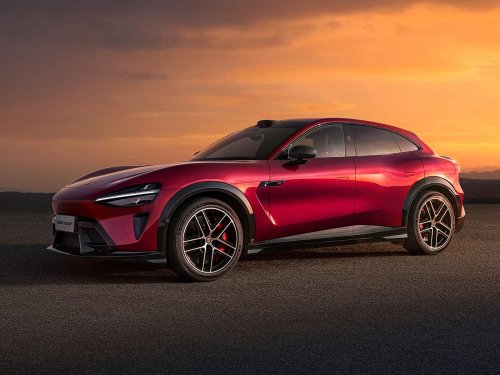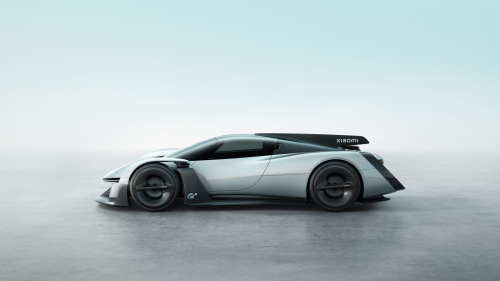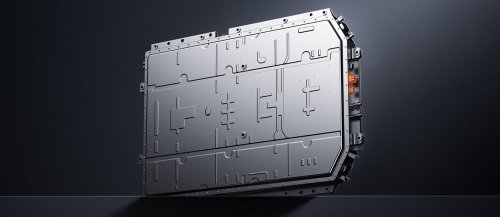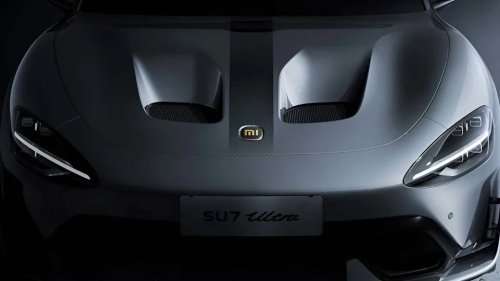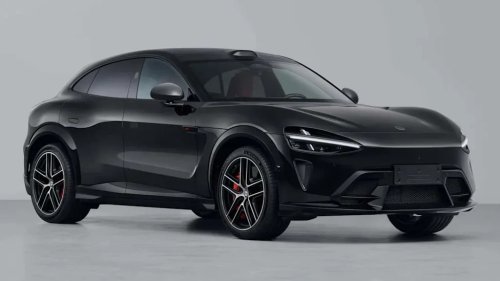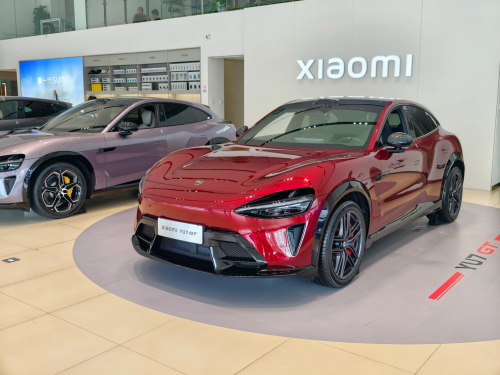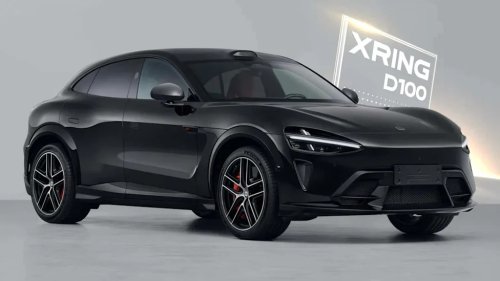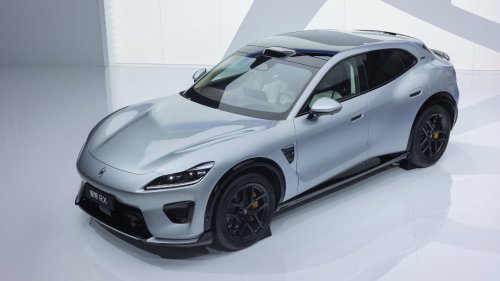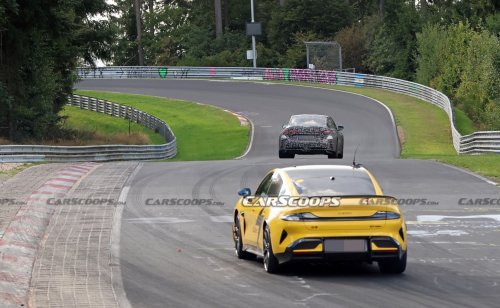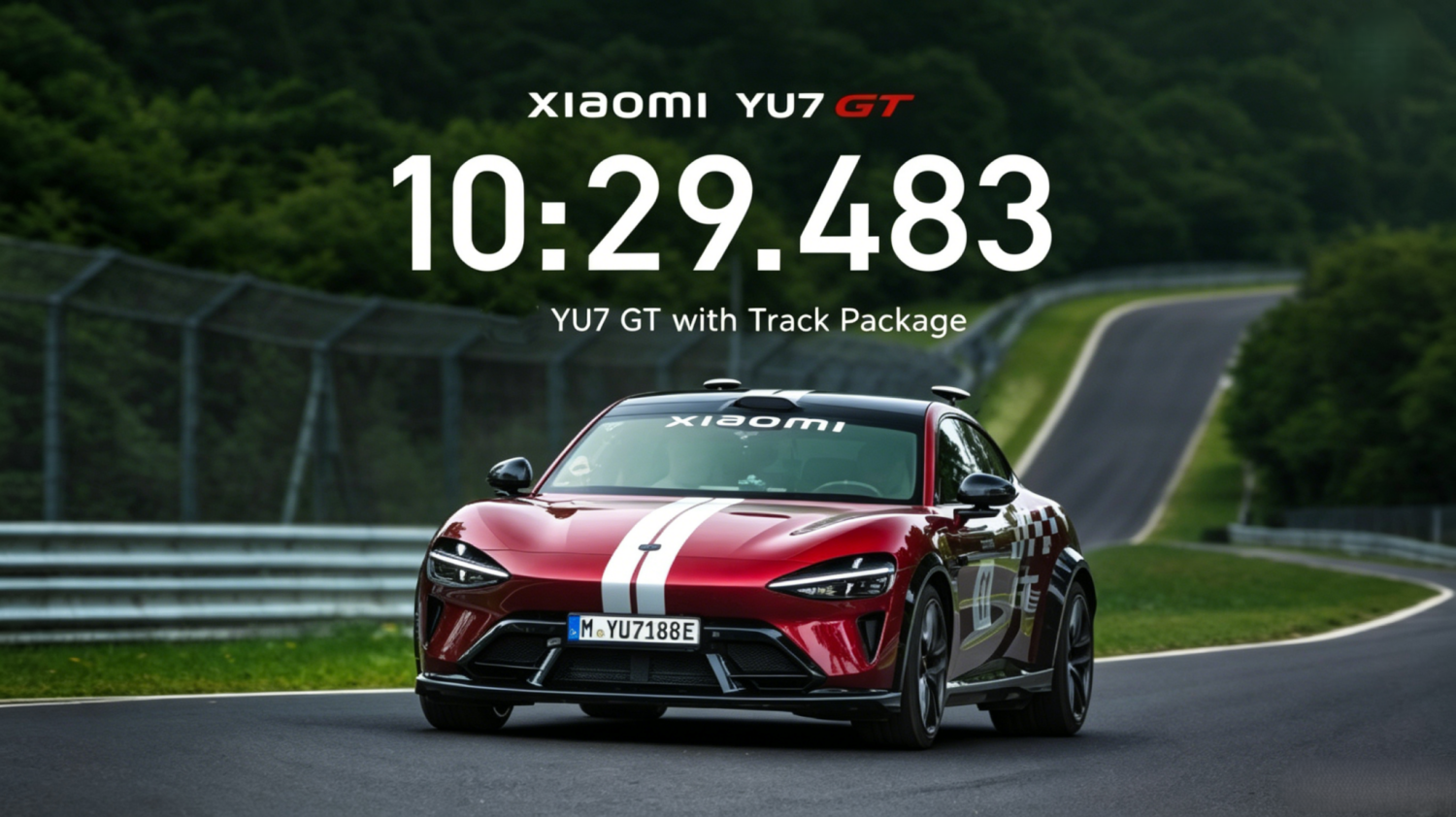



















Xiaomi YU7 GT vehicle navigating the Nürburgring Nordschleife circuit track. Credit: Xiaomi Understand China EV’s Market Real-time notifications when critical EV data is released All important data in one place 2,000,000+ data points Become a member The Xiaomi YU7 GT electric performance vehicle set the first automated lap record at the Nürburgring Nordschleife circuit, as confirmed by Xiaomi. The vehicle completed testing on the test track without human intervention, establishing an initial baseline for production autonomous software. This milestone follows the model’s commercial rollout. The architecture of the Xiaomi YU7 GT leverages a 897V Silicon Carbide high-voltage platform paired with a 101.7 kWh ternary lithium battery pack. This power system feeds the proprietary Super Motor V8s EVO setup to optimise thermal efficiency and electrical output during continuous high-load track conditions. The hardware infrastructure supports rapid thermal dissipation during high-velocity directional adjustments. Powertrain and performance The underlying propulsion assembly generates a peak output of 738 kW, equivalent to 1,003 horsepower. This configuration enables acceleration from zero to 100 km/h in 2.92 seconds while sustaining a regulated top speed of 300 km/h. Under standardised conditions, the vehicle achieves a certified CLTC range of 705 km on a full charge. The high-voltage charging architecture rapidly replenishes the cell energy matrix, adding up to 570 km of range within a 15-minute window. This capability targets common thermal bottlenecks observed in high-performance electric platforms. Engineers designed the system to maintain stable power delivery across extended operating cycles. The battery integration utilises an advanced cooling layout to mitigate core temperature spikes during rapid energy discharge. This design ensures structural integrity and uniform current density across the cells under high electrical stress. This engineering approach directly supports the prolonged peak output demanded by autonomous racing algorithms. Track testing context The autonomous driving system recorded an official lap time of 10 minutes and 29.483 seconds during the track trial. This automated run timed exactly 3 minutes and 7 seconds slower than the performance achieved by a driver. The manual benchmark highlights the variance between algorithmic safety parameters and human boundary testing. Prior track evaluations established a manual SUV record of 7 minutes and 22.755 seconds during early development. This baseline improved upon previous segment times prior to the vehicle’s commercial debut, as noted in the historical model analysis. Separate validation records documented an alternative initial lap timing of 7 minutes and 34.931 seconds. Market delivery metrics Commercial distribution began with an entry price of 389,900 yuan (57,596 USD). The fully equipped configuration commands a fixed price of 429,900 yuan (63,505 USD), as detailed in the market launch report. These price brackets position the model within the upper tier of domestic electric utility vehicles. Domestic sales volumes reached 8,736 units in May 2026, representing an 11.5 percent month-on-month contraction from the 9,876 units distributed in April. This followed peak deliveries of 37,869 units in January and 39,089 units in December 2025, according to China EV DataTracker.