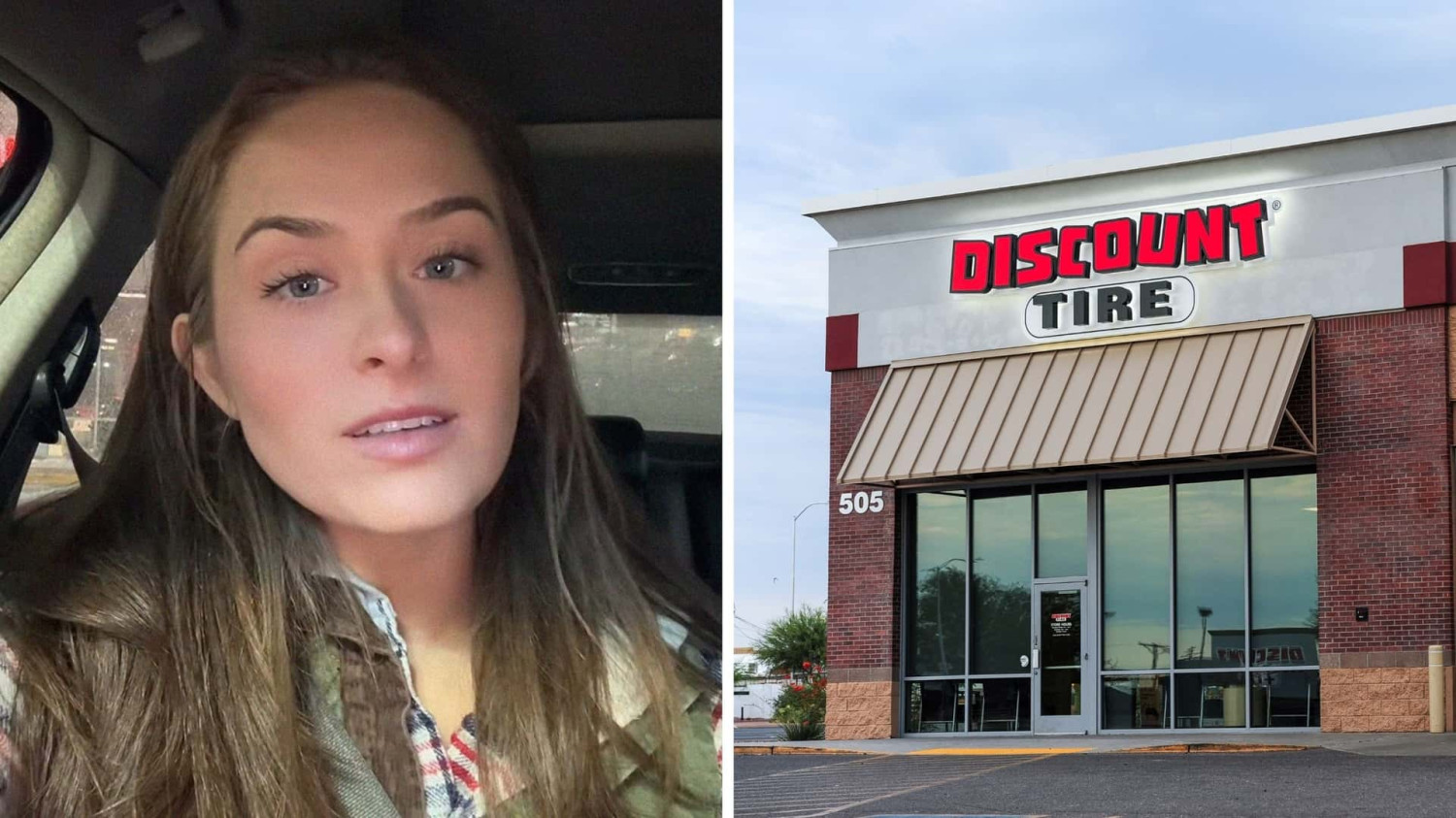
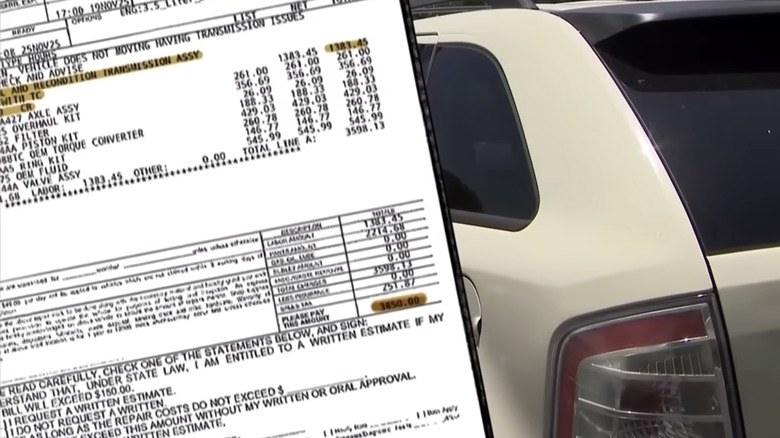
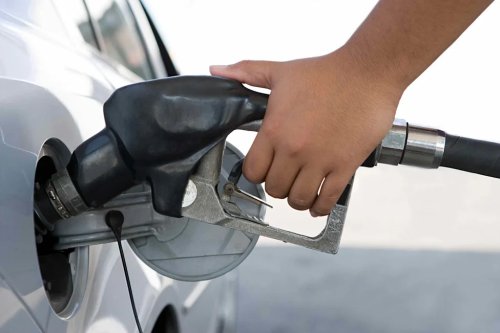
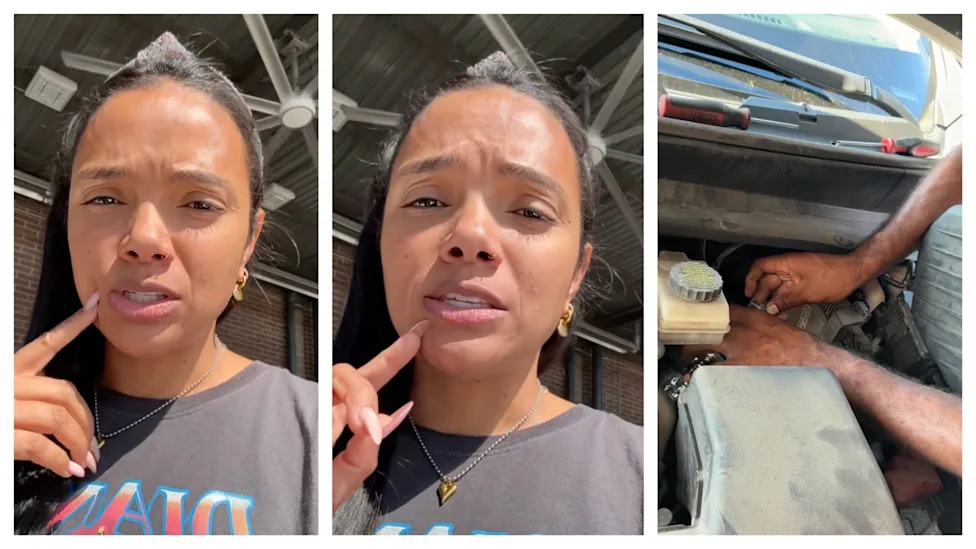
Woman says she filled up with premium at Costco, then her mechanic drained nothing but water from her tank: ‘The gas in my car is water’The Mary SueSanchari GhoshSun, September 27, 2026 at 5:45 PM UTCAdd us on GoogleImage via (TikTok/ashleywebb576)TikToker Ashley (@ashleywebb576) says an unusual experience at Costco has left her upset. In a TikTok video, she explained that she discovered the fuel she filled her tank with at a Costco in New Orleans the previous day was actually water. She started her video by saying she was at the same Costco from the day before, mentioning, "So I'm currently at Costco in New Orleans. Thirty-nine hundred Dublin," then explained why she was there. "I am a creature of habit. I go to the same place pretty much to do certain things, like gas. I've only gone to Costco to get gas for the past two and a half years. I only purchase premium. I even got to the same pump yesterday, September 23rd. I came, and I filled up my tank, drove home," she said. She added that the next morning she noticed her car was leaking. AdvertisementAdvertisementShe revealed that she drove it to a mechanic shop, where the sensor was replaced. However, the mechanic later apparently found that the sensor wasn't the issue. "Now he is draining my car. Nothing but water is coming out of my car. The gas in my car is water, water!," Ashley said, expressing shock.She then said she was filing a claim at Costco over other problems that could arise from the mix-up. Costco has not publicly responded to her video, and her account could not be independently verified. Towards the end of her video, we see a man draining her car, and the liquid appears to be water, consistent with Ashley's account.Commenters urged her to file a claimAshley's video has gained considerable attention, accumulating over 400K views, along with numerous likes, comments, and shares. In the comments, some viewers encouraged Ashley to pursue legal action and seek damages, much like commenters did for a woman who said a Walgreens pharmacy gave her medication to someone else.One user wrote, "Call your insurance to file a claim as well. They will send someone to test the fluid if Costco gives you pushback." Another said, "Costco will pay for the damages. Provide documentation and you'll be good to go. Sorry that happened to you."AdvertisementAdvertisementA few others shared similar experiences. One person commented, "Oh my gosh, the same thing happened to my car like two weeks ago after I got Costco gas, but I did not put two and two together. Same exact Costco location." Another remarked, "I drive all the way from the Westbank to fill up, and my car started stalling like the battery wouldn't crank. Makes sense now. Thanks for this. Never will I go back."On the other hand, an individual who identified themselves as a Fuel Hauler offered some clarification on the matter. They said, "If y'all have had heavy rain in the area, it's a possibility that water could've gotten in their tanks. Even though costco typically keeps their tanks locked, if the gasket is missing, there's still a good chance of water flowing into their tanks. It could've been that the delivery driver used a trailer that's been sitting and didn't bucket drain before loading and that's how the water got there EVEN STILL."However, some people replied to this comment and dismissed the possibility of any such thing happening. But can something like this really happen? Turns out, it can. Pass Training and Compliance explains that water can end up in any underground storage tank for several reasons. Temperature swings may cause condensation, and moisture can accompany fuel during delivery. Cracks in spill buckets or poorly fitting fill caps can also let water in. AdvertisementAdvertisementThe source highlights that over time, these factors can lead to water inside the tank. Even small water amounts are significant, especially with modern fuel containing ethanol like E10. Water can cause phase separation, where ethanol separates from gasoline and binds with water, forming a layer at the bottom of the tank. If this layer reaches the pump, it can enter a customer's vehicle, leading to repair costs and insurance issues.



















 +8 others