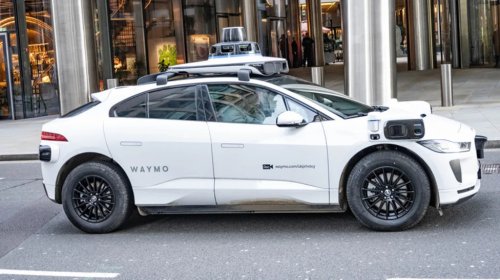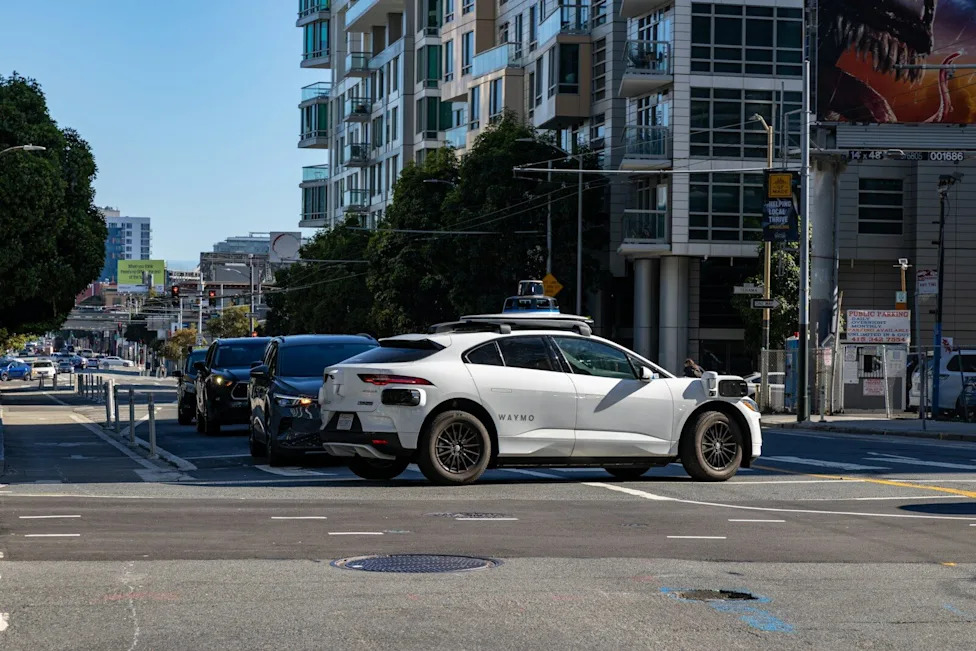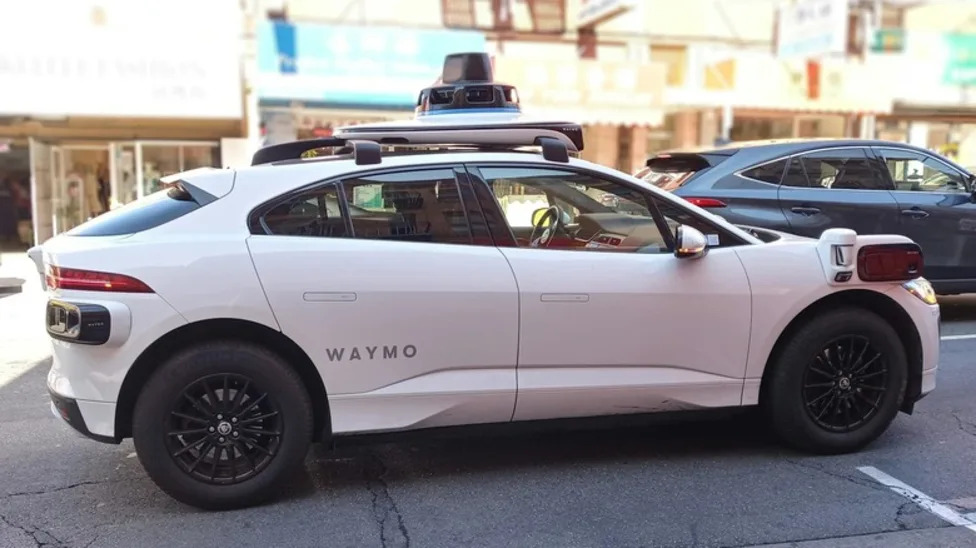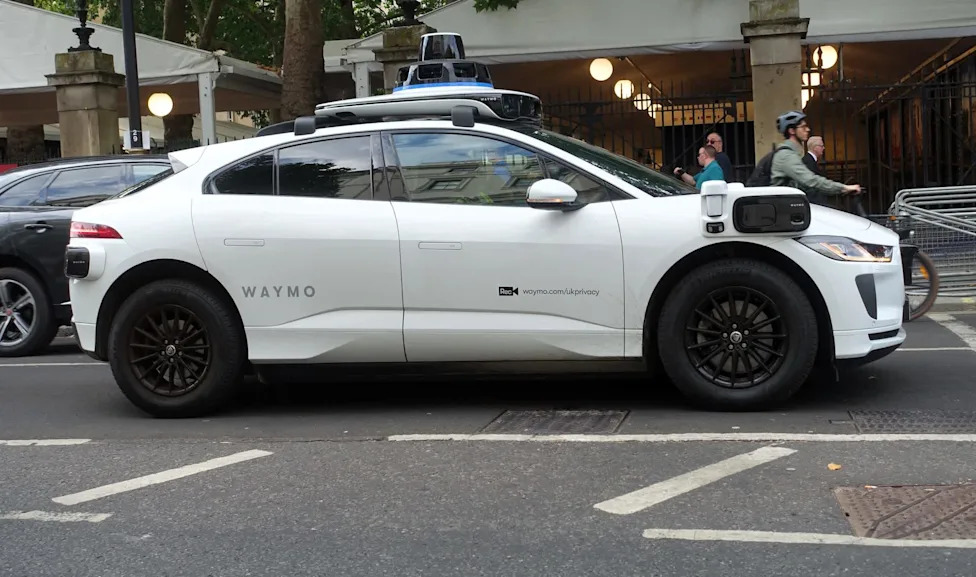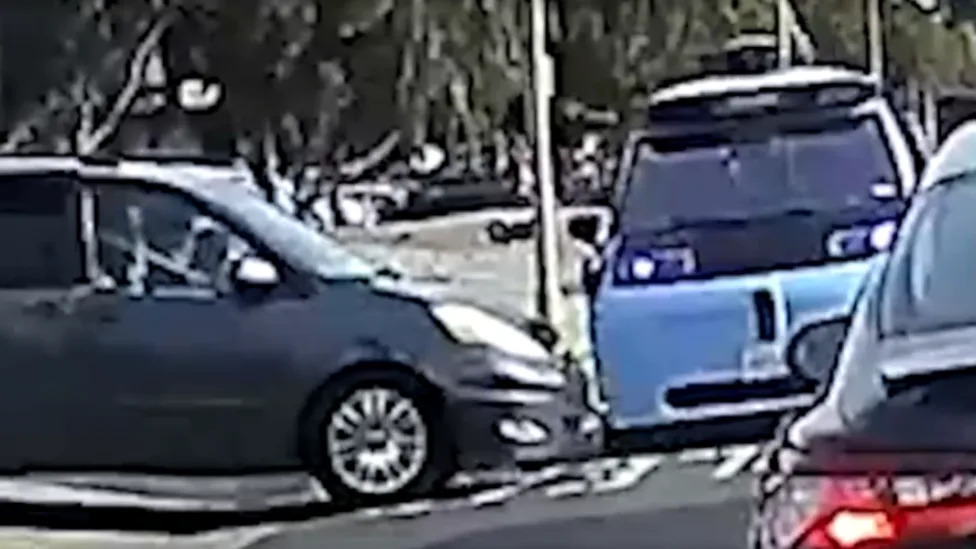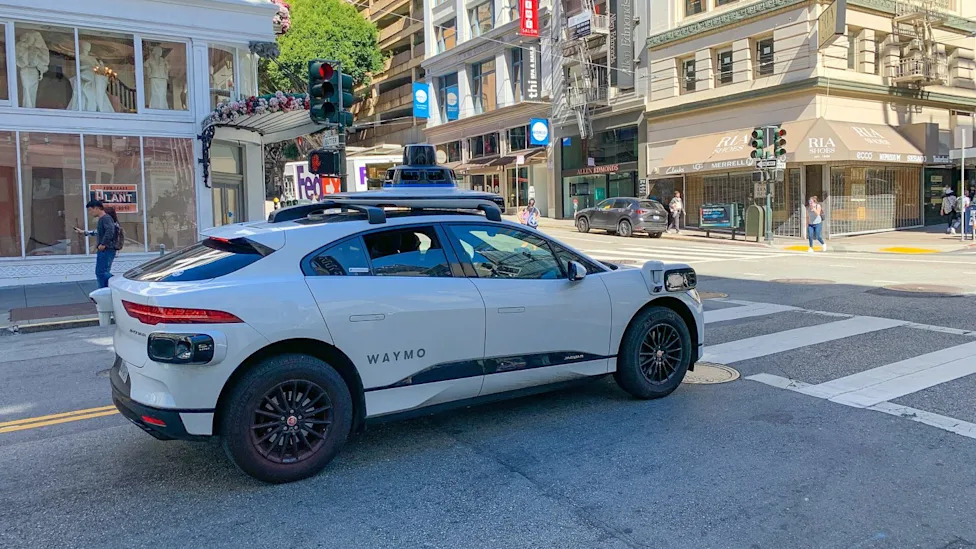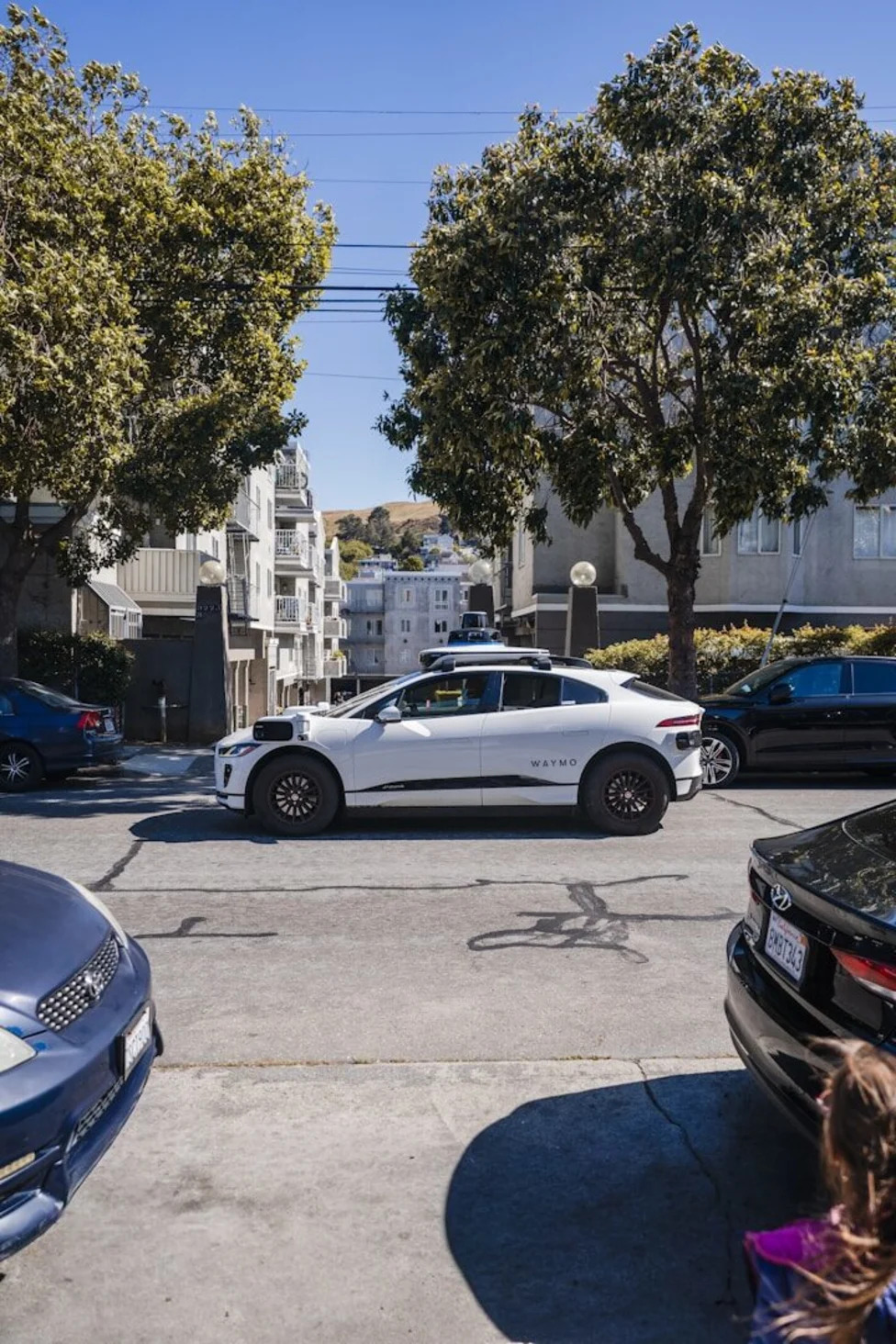











Why Waymo's Robotaxis Died in the Presidio — And What California Might Do About ItDaniel Lurie spent his first year in office as one of the friendlier big-city mayors an autonomous vehicle company could ask for. He handed Waymo access to Market Street, a corridor closed to private cars since 2020, and framed driverless cars as part of downtown's revitalization plan. Then came the Fourth of July, and the mayor spent the following two weeks watching video of his city's signature national park turned into an involuntary robotaxi storage lot.Lurie sent a letter last Thursday to California Transportation Secretary Toks Omishakin asking the state to write enforceable operating standards for autonomous vehicles during major events and emergencies. In it he wrote that the July 4 breakdown and December's citywide power outage "demonstrated that California's current regulatory framework does not adequately address how autonomous vehicles operate during major incidents, planned or not," and argued that the real question is no longer whether the cars work on an ordinary Tuesday but "whether they can perform reliably during extraordinary ones."Related ArticlesThese Salesmen Beat 176 Stolen-Car Charges in Court. A Paperwork Loophole Still Destroyed Their CareersWin This 850-HP 2026 Shelby Super Snake-R With Bonus EntriesAdvertisementAdvertisementHe wants four things codified: clear disabled vehicles out of travel lanes immediately, adjust geofences and pickup zones in real time as conditions change, hand local agencies live operational data including where immobilized vehicles are sitting, and prove all of the above through testing before deployment.What actually went wrong in the PresidioThe setup was unusually hostile. Fireworks were launched from the Golden Gate Bridge for the semiquincentennial, drawing a crowd around 100,000. Caltrans closed US-101 in both directions between 8 and 10 p.m. and shut the bridge itself. The Presidio Trust closed Halleck and Owen streets. SFMTA warned riders to expect concert-venue-grade crowding and told rideshare users that geofences would be in place.That's three separate agencies publishing closure information through three separate channels, none of which is a machine-readable feed an AV fleet can ingest. Waymo has said unplanned closures contributed to the congestion and that it wasn't aware of all of them. That is the least technical and most fixable failure in this whole story: the cars didn't have the map.AdvertisementAdvertisementThe physical failure is more interesting. Waymo's San Francisco fleet is built largely on the Jaguar I-Pace, a 90 kWh EV that was never engineered to sit motionless for six hours with its brain awake. A driverless vehicle at a standstill is not parked — it's running lidar, radar, a camera array, and a compute stack that pulls real current, plus cabin HVAC, plus a constant cellular link. A human-driven EV in the same jam draws a fraction of that. So the robotaxis burned down their state of charge while going nowhere, and cars that would have driven themselves out once traffic loosened instead needed flatbeds.Which introduces the second-order problem. An I-Pace is dual-motor all-wheel drive with no mechanical neutral in the conventional sense; you don't hook it to a sling and drag it. It goes on a flatbed or on dollies, and a flatbed needs room to maneuver and a clear path in. The tow trucks were stuck in the same gridlock the dead robotaxis were creating. Every immobilized car made the recovery of the next one harder — a compounding loop that no amount of onboard software solves.Connectivity is the third leg. Remote assistance is the safety net for every driverless system on the road, and it depends on a cellular network that had just been swamped by 100,000 people with phones. Riders in the area reported losing service entirely. Remote assistance also doesn't scale one-to-one; a fleet operator staffs for normal exception rates, not for dozens of simultaneous stuck vehicles.Why Lurie is writing letters instead of passing rulesAdvertisementAdvertisementBecause he can't pass rules. California preempted local AV regulation years ago and split oversight between two state agencies. The DMV issues testing and deployment permits under Vehicle Code Division 16.6; the CPUC issues the separate passenger service permits that allow a company to charge fares. San Francisco has no permit lever of its own. It has letters, board inquiries, and press conferences.Related ArticlesWin Two All-American Corvettes—and Get 5X Entries With Our LinkEurope Wants Satellites To Choke Your Throttle By 2030 — Its Own Safety Lab Says The Tech Still Can't Read A SignThe current permit landscape is narrower than the headlines suggest. DMV's permit holder list shows 27 companies cleared to test with a safety driver, six authorized for driverless testing — Apollo, Nuro, Tensor, Waymo, WeRide, and Zoox — and only three holding deployment permits: Mercedes-Benz, Nuro, and Waymo. Tesla Robotaxi LLC appears on the drivered testing list only, which is why its San Francisco service runs with human employees behind the wheel.Notably, the state was already moving in Lurie's direction before he wrote. DMV said in February it expects to finalize updated AV regulations this year that would replace the old disengagement reporting scheme with metrics including vehicle immobilizations during driverless testing and deployment, hard-braking events, and law enforcement noncompliance notices. A mandatory immobilization count is exactly the data point that would have quantified July 4 instead of leaving the city guessing.AdvertisementAdvertisementThe wider contextThis lands in a rough stretch. On June 12, Waymo filed a recall with NHTSA covering 3,871 vehicles running its fifth-generation automated driving system, after the software allowed cars to enter closed freeway construction zones and keep going at speed. The recall acknowledgment lists the interim remedy as restricting freeway operation entirely while a fix is developed. A separate campaign in May addressed vehicles driving into standing water.There's also a jurisdictional wrinkle nobody has resolved. The Presidio is federal parkland administered by the Presidio Trust and patrolled by US Park Police. A state-level operating standard written in Sacramento governs the permit, but the roads where this failed aren't city streets, and the agency that closed them isn't a city agency.The practical readAdvertisementAdvertisementFor anyone who drives an EV, the lesson transfers directly: sitting still is not free. Climate control, lights, and infotainment in a multi-hour standstill can eat several percent of a pack, and a car that shows adequate range at the start of a gridlock event can be genuinely short by the end. Build a buffer before big-event traffic, not after.For the regulatory fight, the substance is in Lurie's fourth demand — prove it before deployment. Everything else he asked for is operational cleanup. Requiring companies to demonstrate mass-event performance as a permit condition would be a real change to how California licenses this technology, and it would apply to every operator in the state, not just the one that had a bad Saturday night.Join our Newsletter, follow our Instagram page, and connect with us on Facebook.