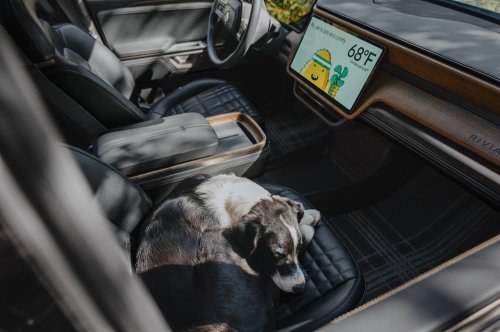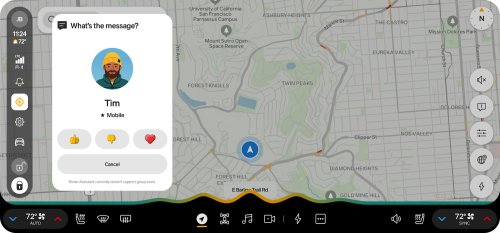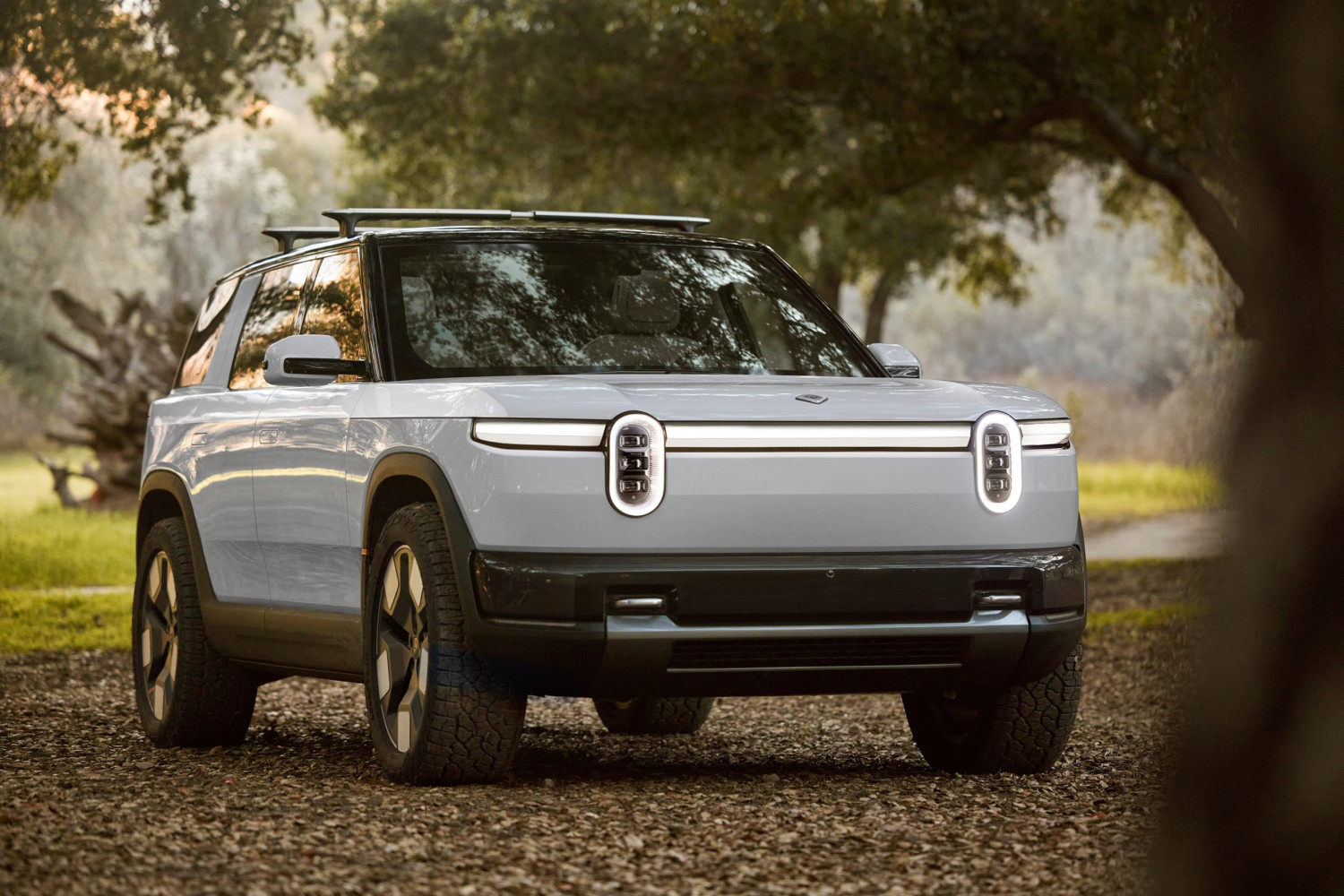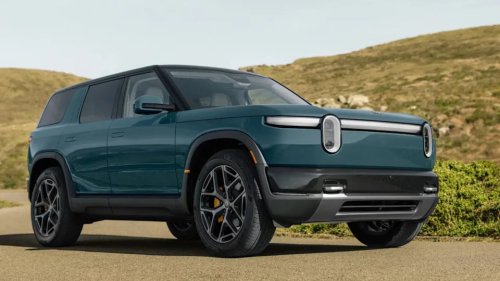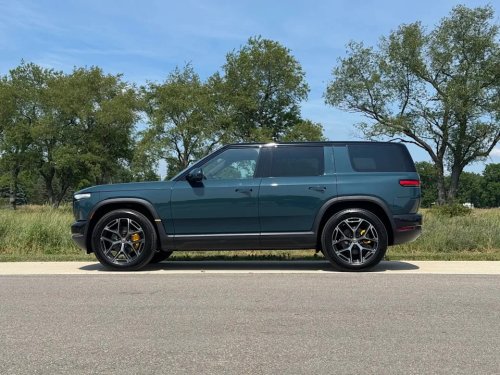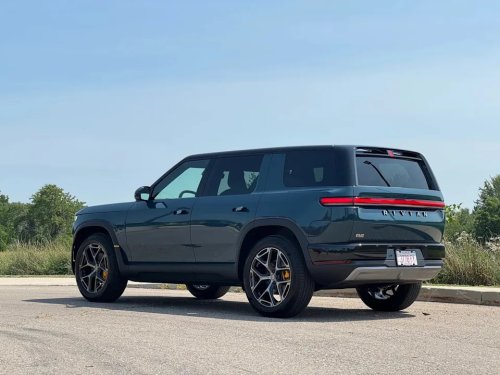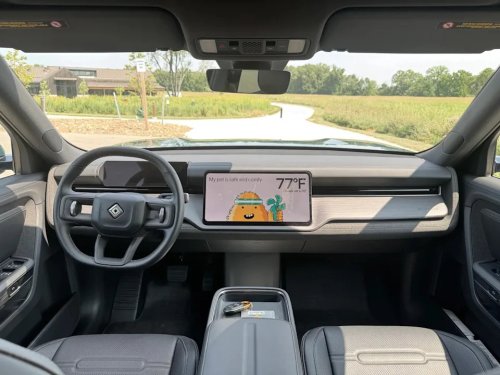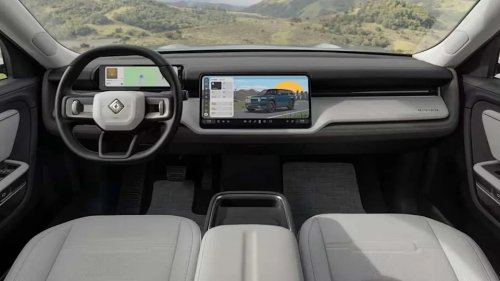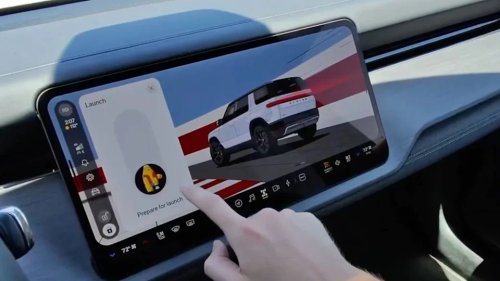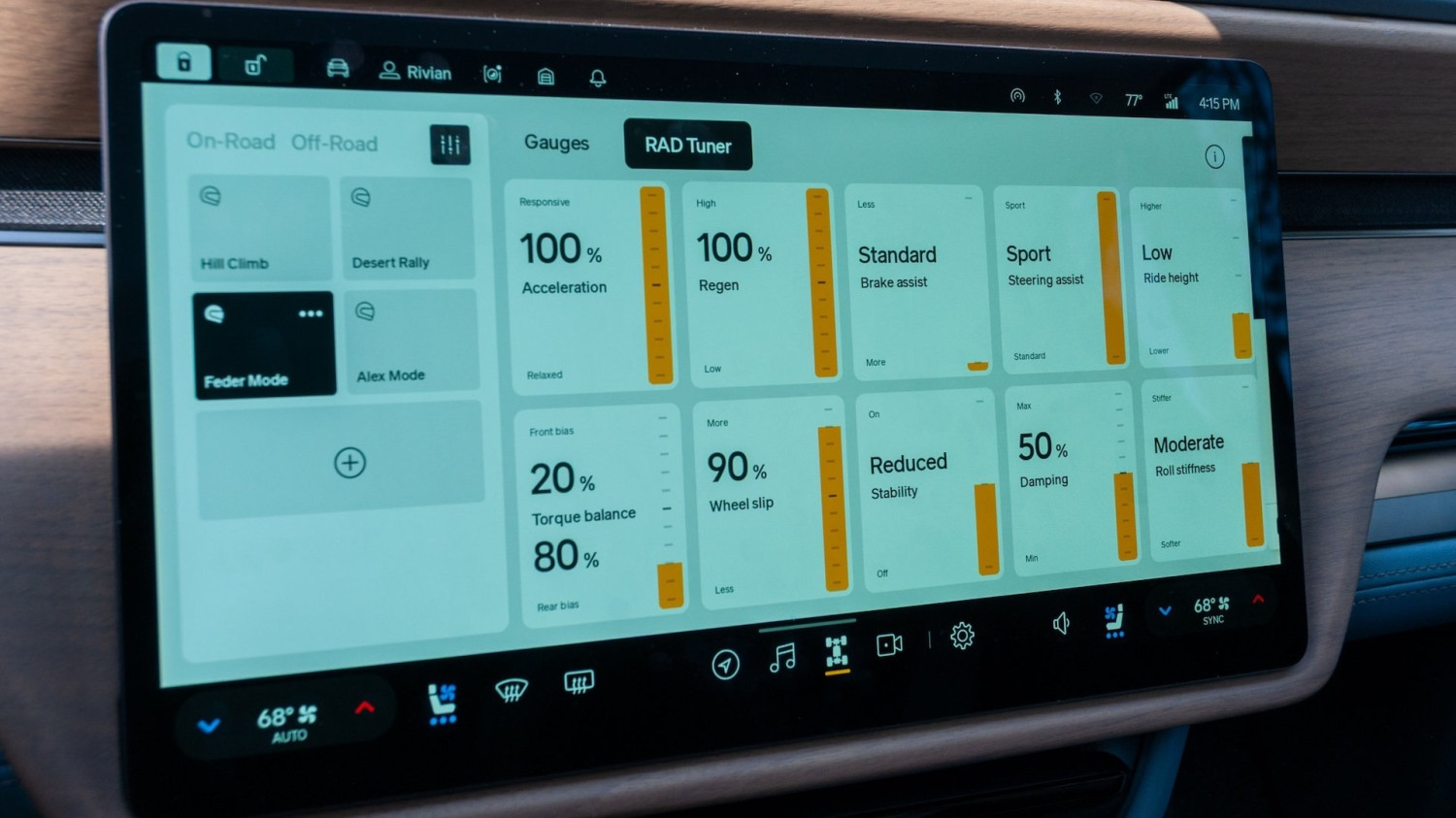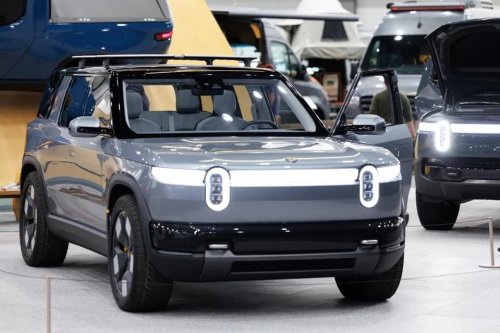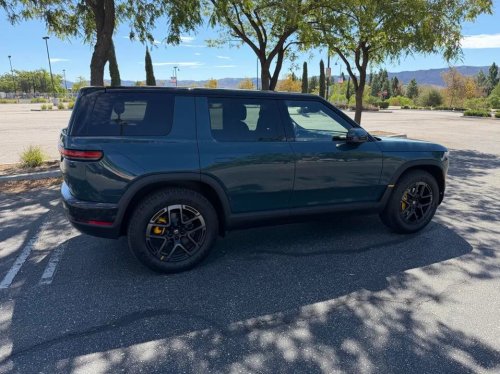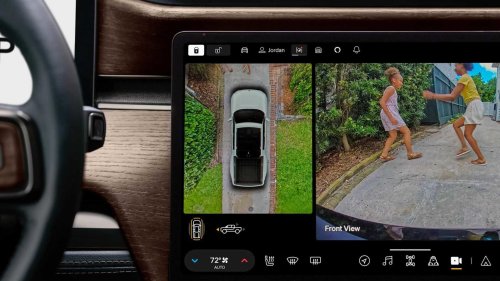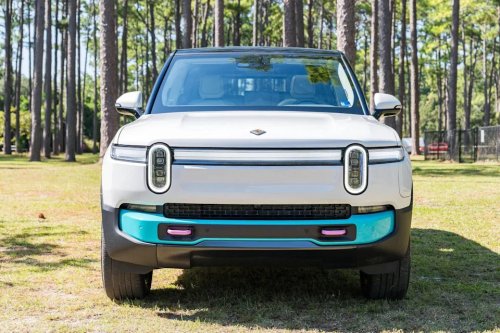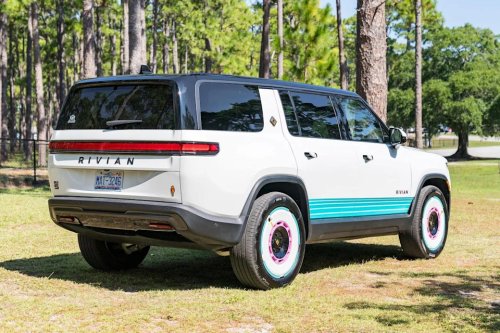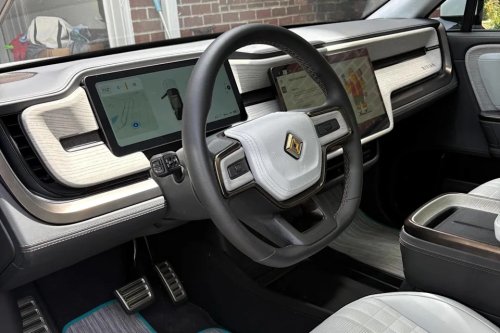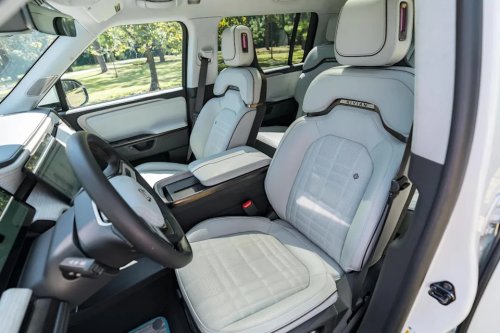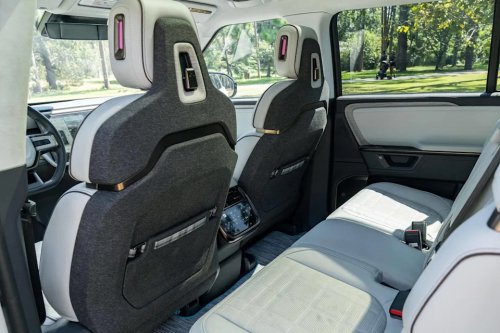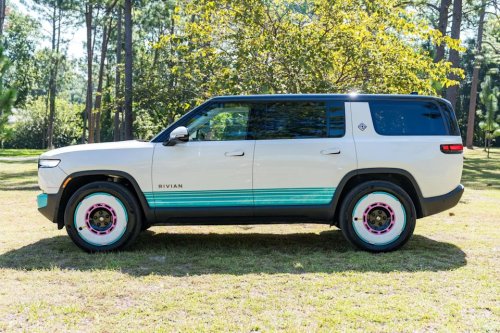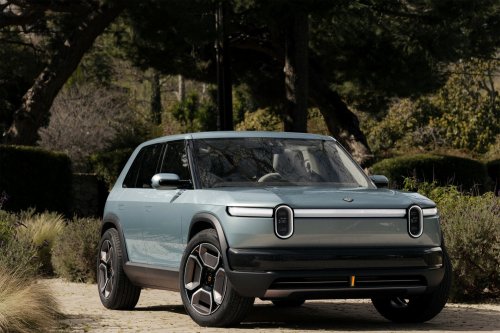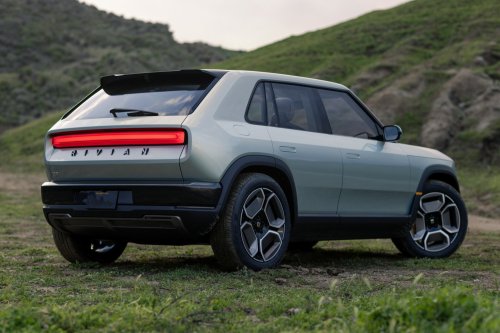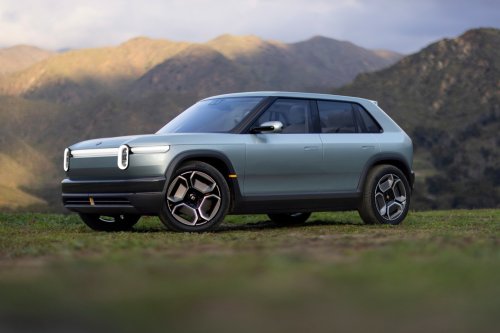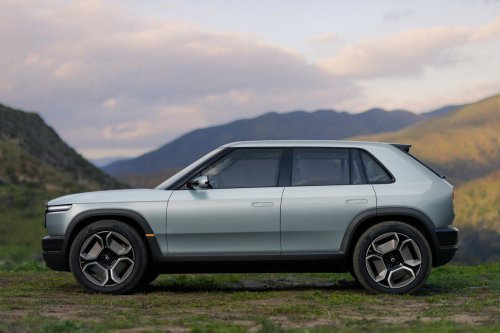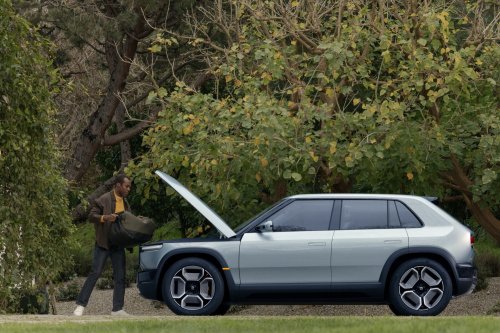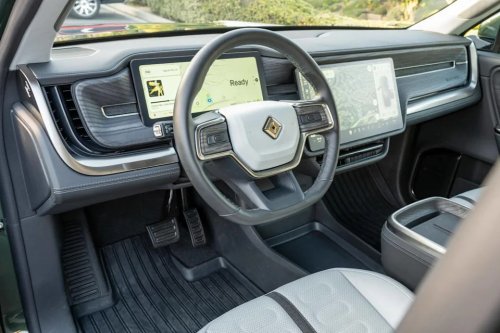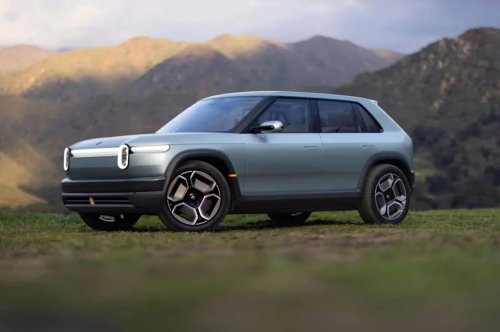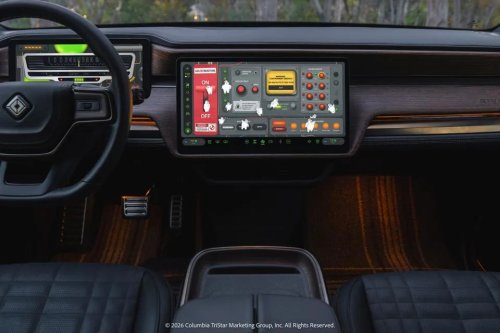
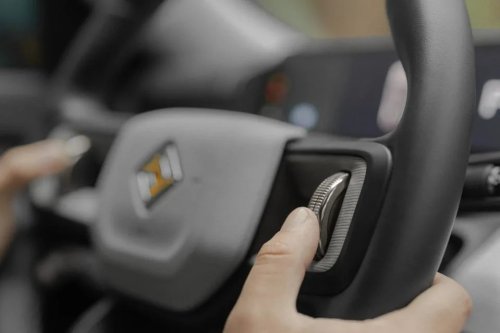
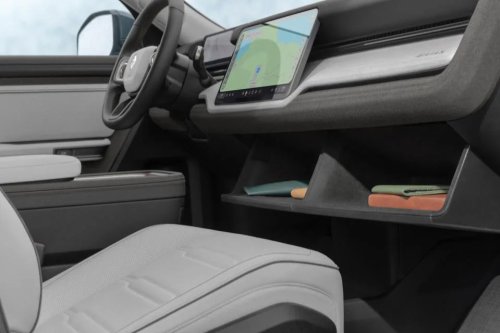
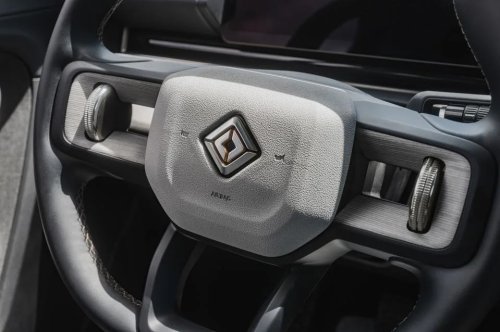


















Rivian R2RivianFinally. After listening to some consumers complain about Rivians' lack of knobs and buttons, the EV maker met them halfway. Sort of. The 2027 Rivian R2 features two haptic halo wheels mounted in the steering wheel, allowing drivers to perform basic tasks like temperature and volume control with the flick of a thumb."We got a lot of feedback, chief design officer Jeff Hammoud said at an R2 event in suburban Detroit. "You're never going to make everyone happy. People wanting physical controls."Rivian's first two models, the R1S and R1T, launched in 2021 with almost no buttons, save for some steering wheel-mounted thumb controls. For a startup EV brand that aimed its vehicles at an educated, tech-savvy customer base, this wasn't necessarily a problem, and Rivian founder and CEO R.J. Scaringe always defended the approach.AdvertisementAdvertisement"We're not planning to have a lot of traditional buttons," he said last fall.Basic controls, under your thumbsThe haptic halo wheels in the Rivian R2.Rivian is holding true to that, but the halo wheels are a step toward a middle ground. The halo wheels allow the driver to scroll, push, pull and tilt, and they provide different levels of feedback for each function. The driver display still shows the task being performed, allowing the operator to keep their eyes forward."Now you can adjust the fan speed without actually taking your hands off the wheel," Hammoud said.That might seem like a small thing, but for some drivers turned off by today's megascreens, using one to turn up the air conditioning could be off-puttingAdvertisementAdvertisementWe tested the function during a brief drive and it's an improvement. Using thumbs to blast the air conditioning on a 96-degree summer day with Canadian wildfire smoke lingering overhead is no small thing. There's a learning curve, but we think most Rivian buyers will pick it up quickly and appreciate the added function. It's all redundant with the center touchscreen, and at times we resorted to using the screen for some functions, as Rivian's infotainment is colorful and intuitive. The company also moved some basic functions to the bottom of the screen and closer to the driver's natural reach."We were really looking at how we interact with the vehicle," said Michael Hong, Rivian senior director of electrical architecture.A smart interior, Rivian-styleRivian moved some functions in the center touchscreen closer to the driver.The halo wheels provide haptic feedback – they're not really moving like traditional knobs or buttons would – but they're software supported to allow for updates. Rivian can add or subtract functions with an over-the-air flash.Perhaps that's a sign of the times—in 2026 software-defined vehicles make knobs and buttons work.AdvertisementAdvertisementSeveral automakers have backtracked from the screen-forward approach and plan to add buttons back into their interfaces. That's not Rivian's plan. The company's chief software officer Wassym Bensaid said the halo wheels move driver functionality forward, rather than reverting back to buttons."We wanted to do something novel," he said. "We did get the feedback from customers that they wanted tactile control."Give the people what they wantRivian's haptic halo wheels.Haptic halo wheels became the solution, something Bensaid called "very Rivian."Very Rivian is a good place to be right now. It has none of the baggage Tesla carries from its controversial founder, Elon Musk, and Rivian can still be seen as edgy and new, something EVs from mainstream brands like Ford, Chevy and Toyota can't muster because of their size and history.AdvertisementAdvertisementVery Rivian also means yeti graphics on its vehicles, and Easter eggs like a frog and skunk underneath the washer fluid cover up front. Hammond called them "dad jokes." What do you get when you cross a frog and a skunk? A frunk.Roll your eyes, but the R2 is solid. The haptic halo wheels aren't perfect, but they make things a little bit better. Just don't call them buttons.This article was originally published on Forbes.com