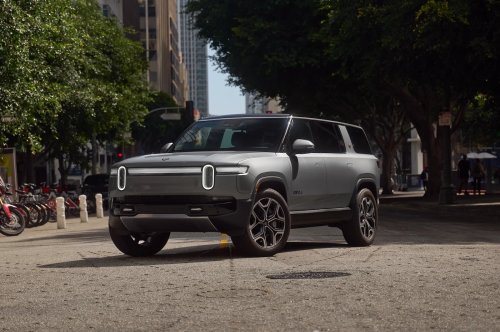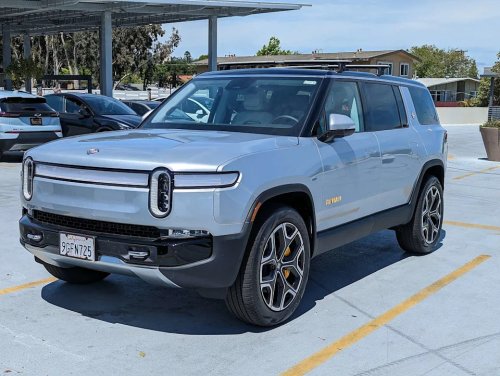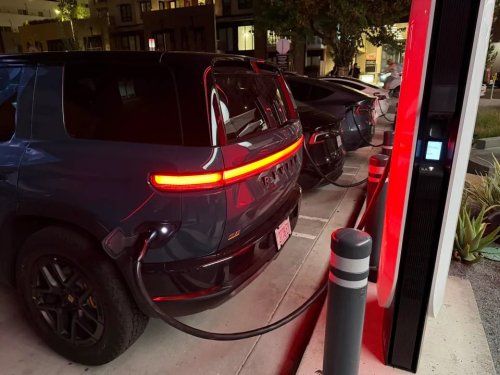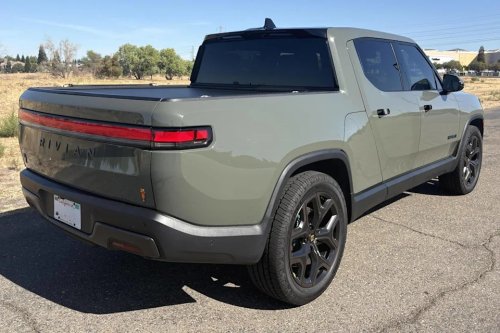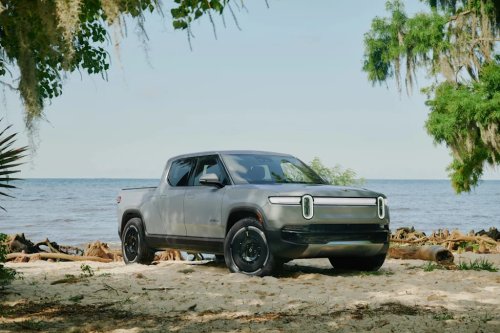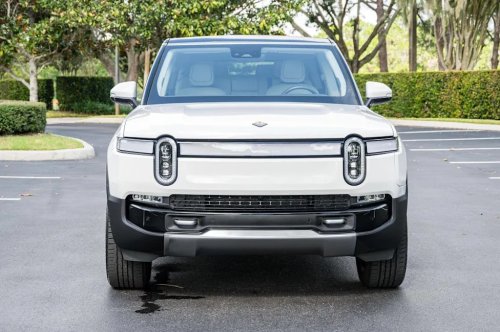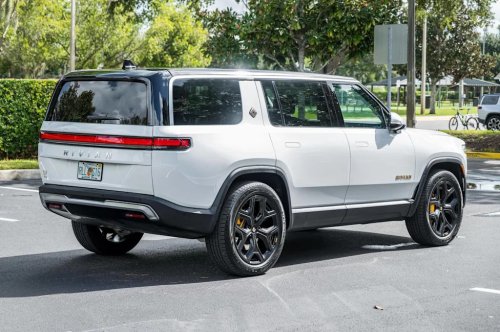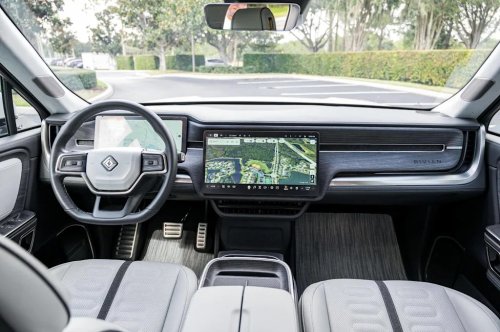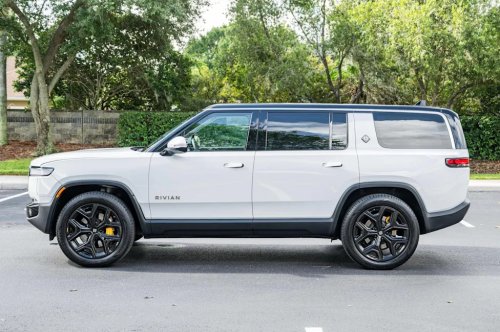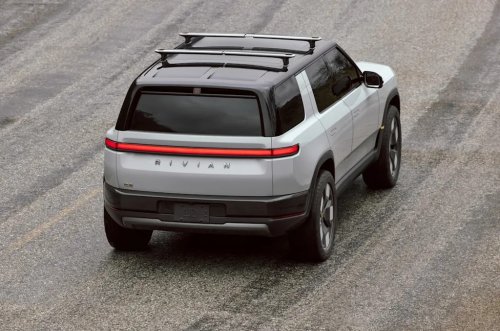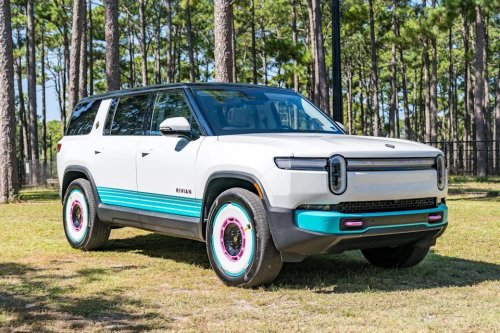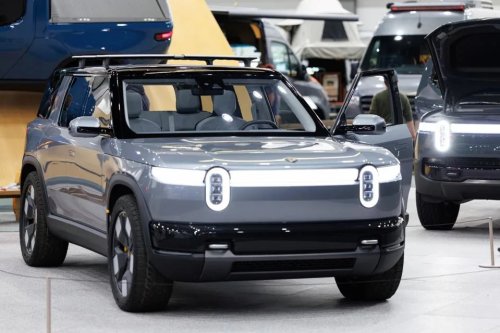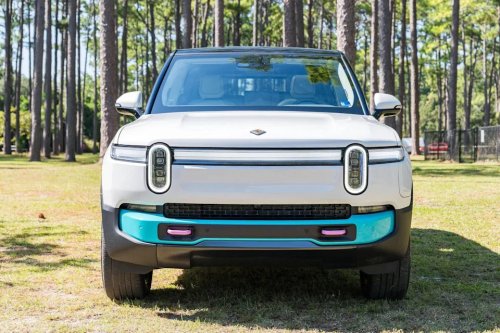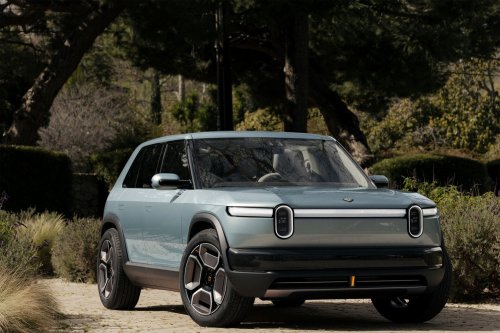
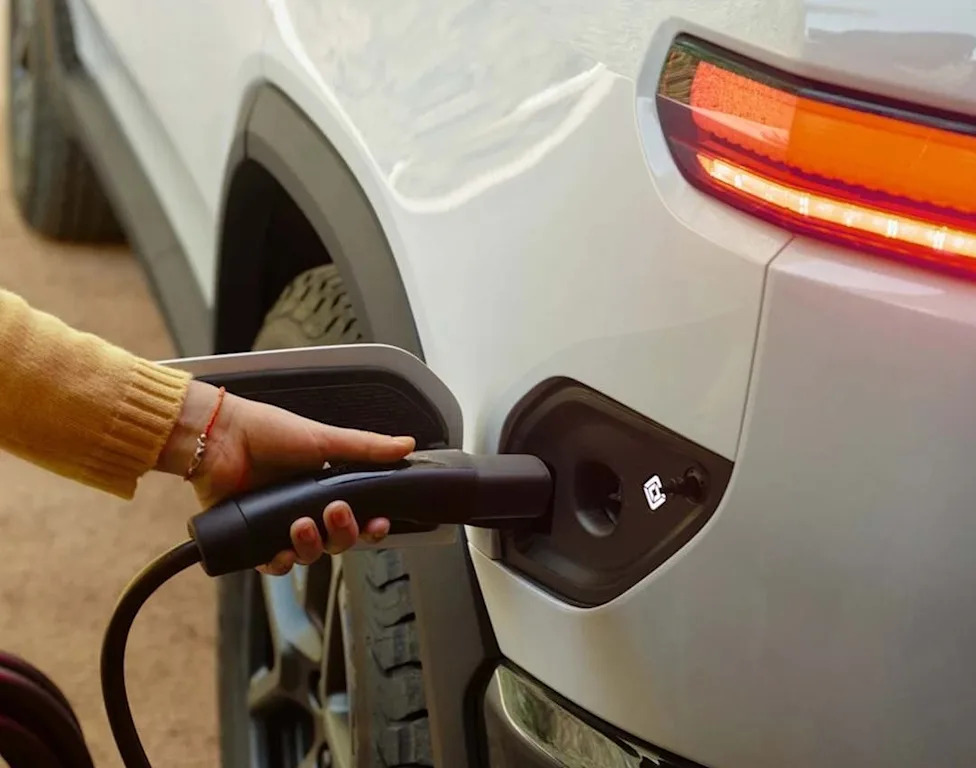
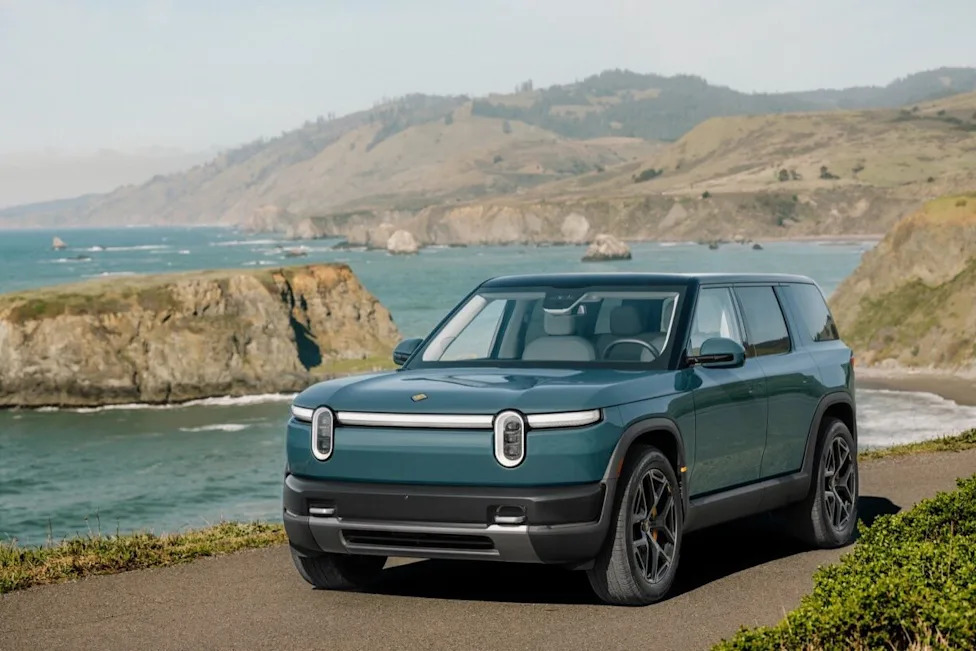



















rivian r2s can melt older charging adapters under high amperageThe transition to standardizing the North American Charging System (NACS) port across the electric vehicle landscape has introduced a new safety concern for Rivian drivers using aftermarket or older hardware.During recent real-world fast-charging validation testing, EV journalist Tom Moloughney, host of the State of Charge YouTube channel, discovered that plugging a Rivian R2 into a Combined Charging System (CCS) station using an older Tesla charging adapter resulted in the thermal failure and melting of one of the plug's physical pins.rivian r2s can melt older charging adapters under high amperageBattery Voltage vs. Amperage DemandsIn an effort to keep production costs down and hit a lower retail price point, Rivian engineered the new R2 platform around a traditional 400-volt battery architecture rather than upgrading to the more expensive 800-volt systems utilized by several premium competitors.AdvertisementAdvertisementTo deliver highly competitive charging speeds that match the peak charge curves of its more expensive R1 stablemates, a 400-volt vehicle must compensate for the lower voltage by significantly scaling up its continuous electrical current, or amperage. During active charging sessions at high-output DC fast chargers, the Rivian R2 is capable of sustaining a continuous draw of up to 630 amps for extended periods, a rate that far exceeds the design tolerances of older, early-generation adapter hardware.Thermal Control Differences in AdaptersModern, high-quality NACS-to-CCS charging adapters from reputable suppliers incorporate built-in thermal sensors known as thermistors. If an EV pulls extreme current and causes the physical adapter housing to approach a dangerous temperature threshold, these internal sensors flag the hazard, prompting the charging station or vehicle to instantly throttle the charging speed to allow the unit to cool down safely.The older adapter utilized in Moloughney's testing lacked this modern thermal communication safety loop. As a result, the charger continued to pump high current through the small physical pins without restriction, executing the full high-amperage session until the heat completely melted the internal components.rivian r2s can melt older charging adapters under high amperageThis vulnerability is not unique to Rivian drivers. The R2 is part of a growing class of low-voltage, high-amperage electric vehicles entering the market. Several current EV models from brands like Tesla, BMW, and Polestar can regularly pull up to 600 amps during optimal DC fast-charging cycles.AdvertisementAdvertisementBecause the Rivian R2 rolls off the line with a native, built-in NACS port, owners can plug directly into Tesla Supercharger stations without extra hardware. However, accessing alternative public fast-charging infrastructure-such as Electrify America, ChargePoint, or EVgo-still requires using a physical adapter to bridge the gap to a standard CCS plug.To prevent safety hazards, drivers utilizing high-amperage EVs must ensure their adapter hardware is certified to handle the load. Officially approved adapters distributed directly by Tesla, as well as factory units supplied by Rivian, feature the modern internal thermal safeguards required to safely manage these high-current charging cycles.