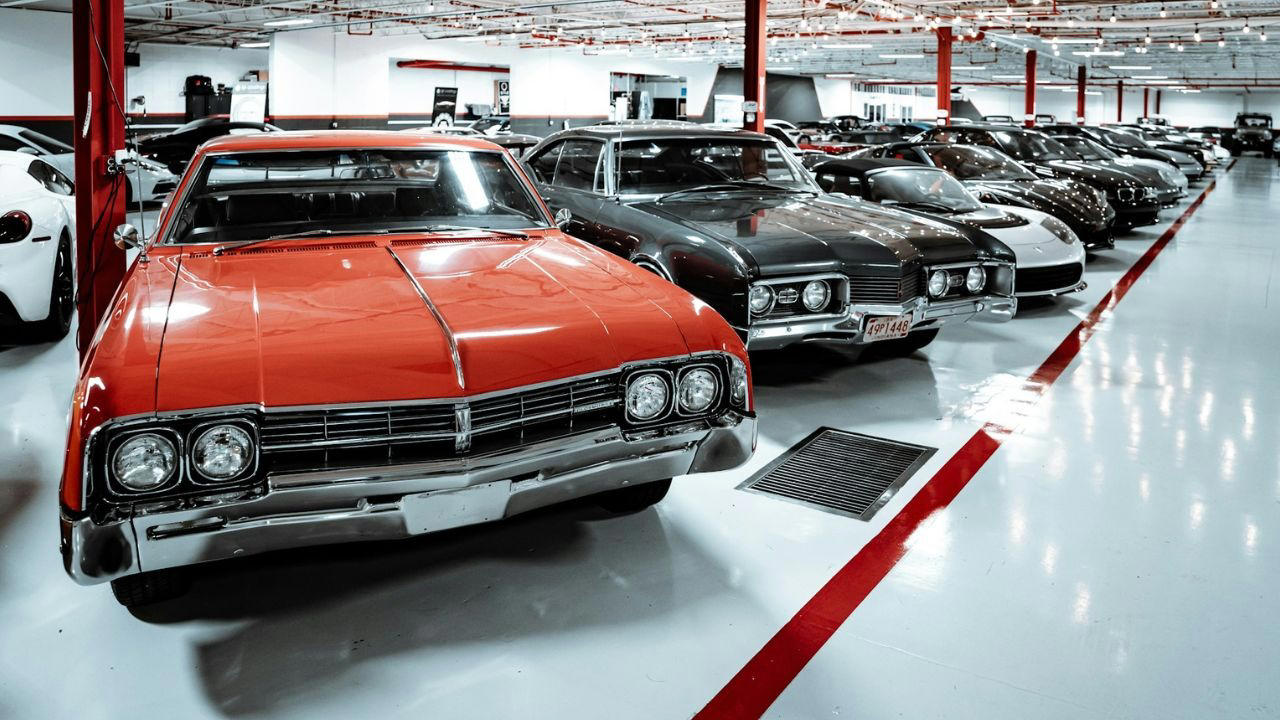
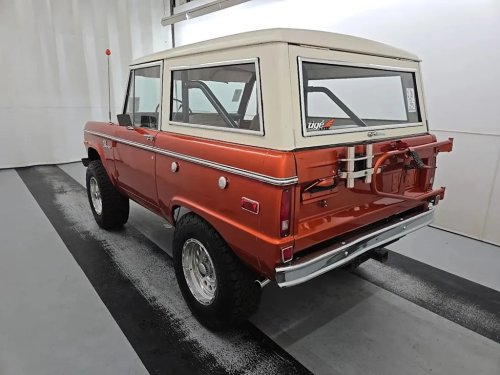
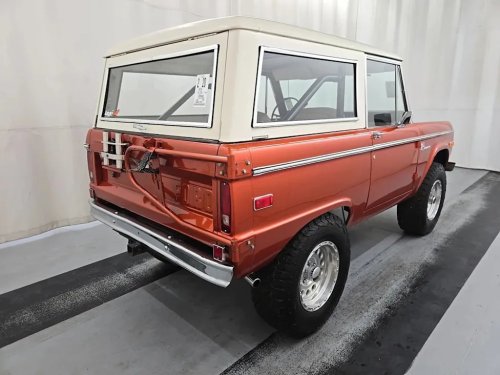
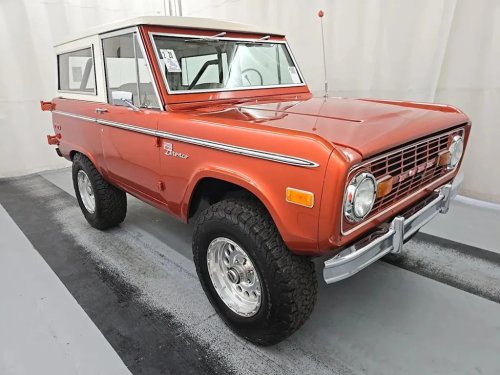
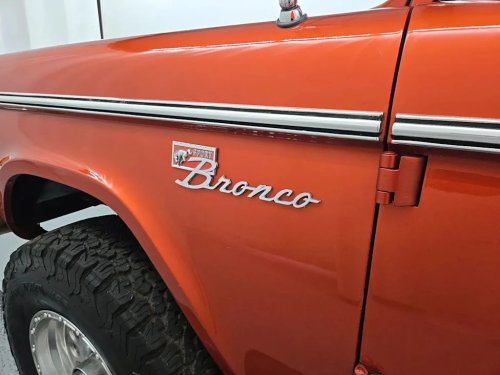
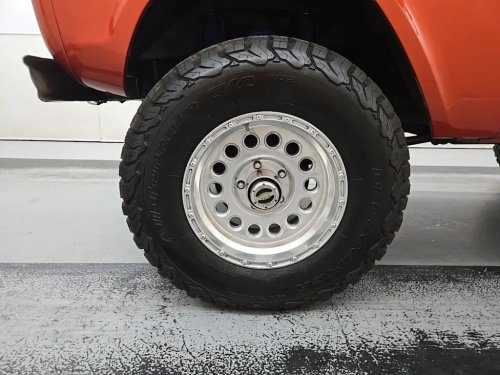
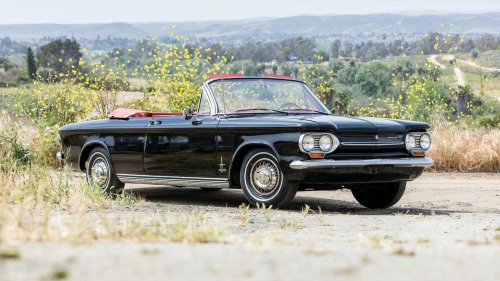
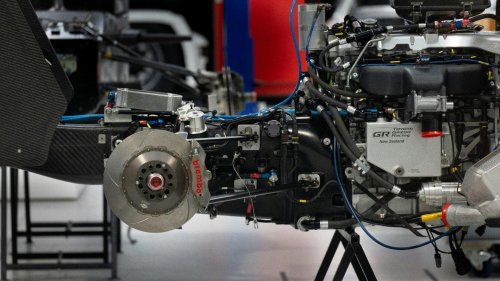
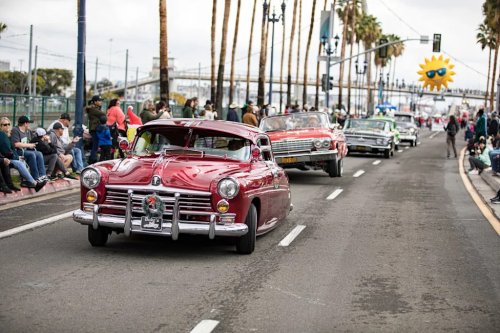
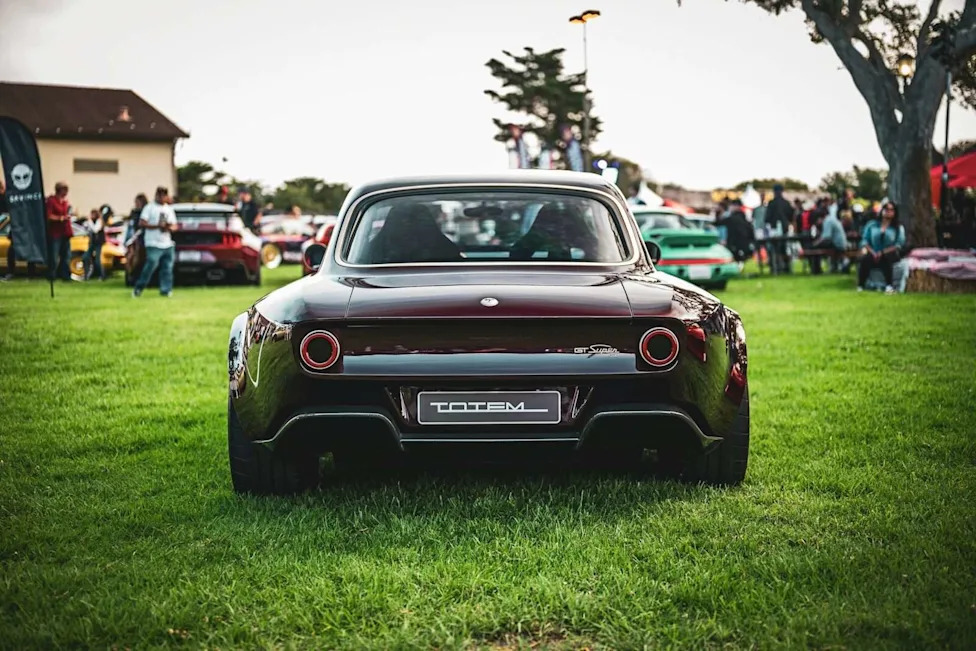
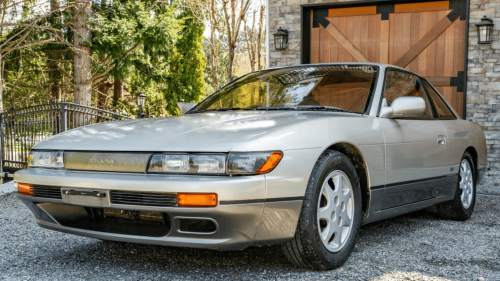
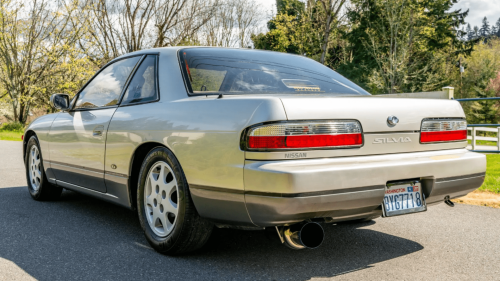
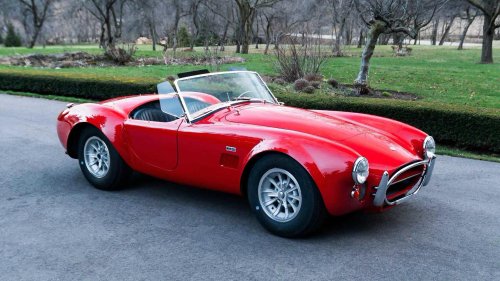
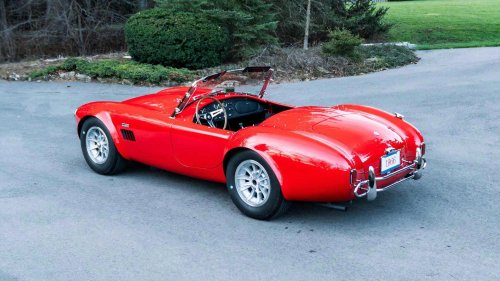
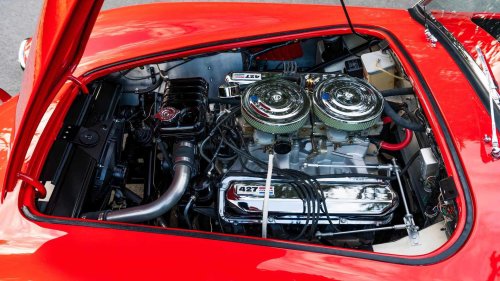
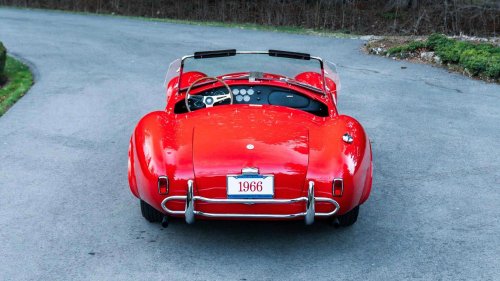
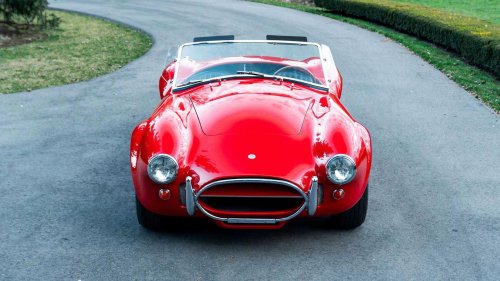
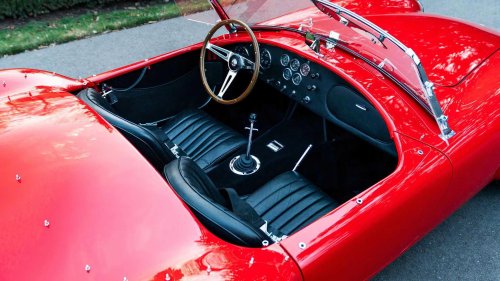
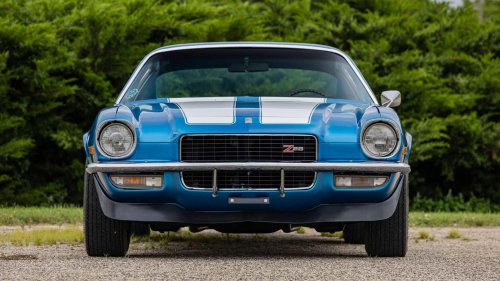
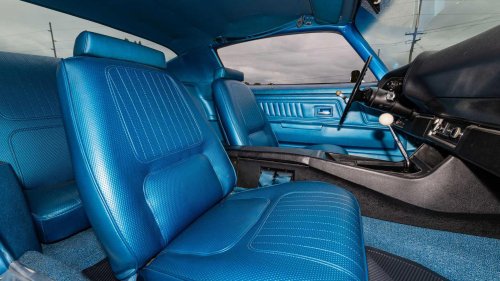
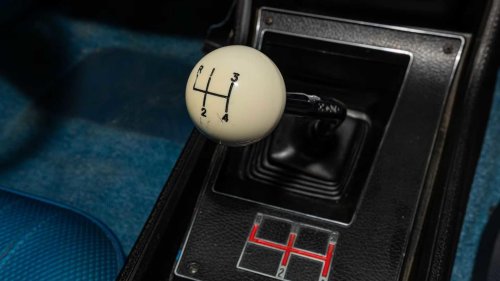
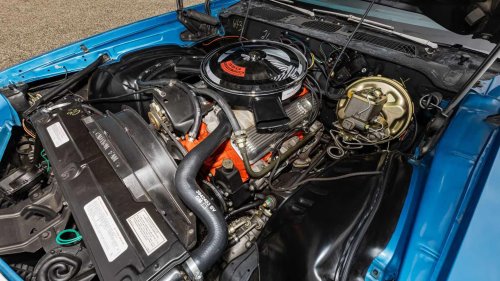
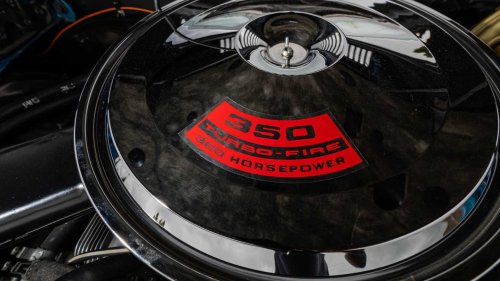
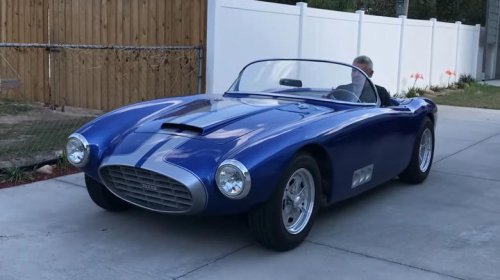
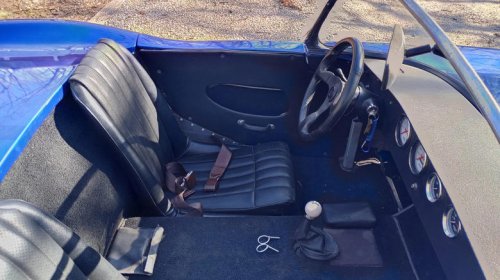
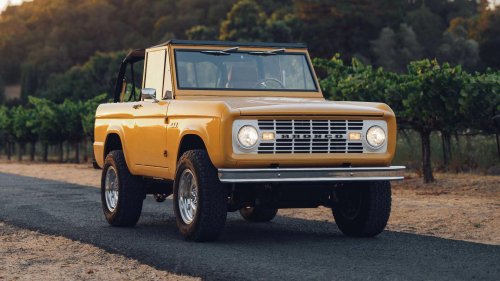
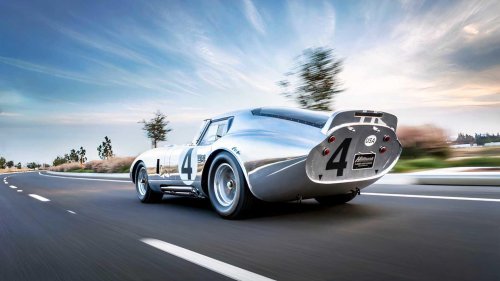
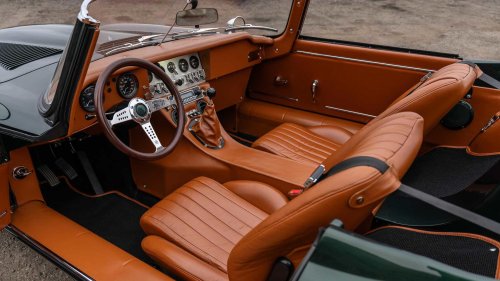
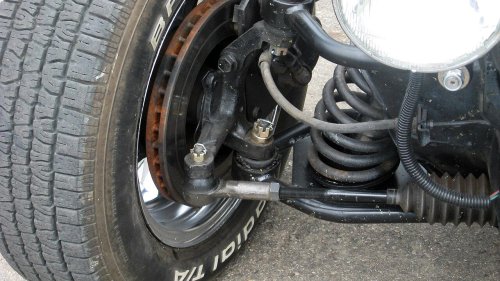
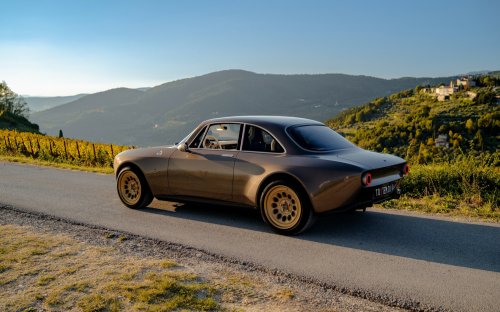
Why Restomods Are Quietly Taking Over the Classic Car WorldA growing share of the collector world has fallen for a simple idea: classic looks with modern capability. The restomod blends vintage style with contemporary power, brakes, and comfort, and it is reshaping how enthusiasts think about old cars. Here is why the movement is booming and what to consider before joining it.Check This Out: Best Dash Cams of 2026: How to Choose the Right One for Your VehicleWhat Exactly Is a Restomod?A restomod is a classic car modified with modern components, often a current engine, updated suspension, and creature comforts, while keeping the vintage aesthetic. It is distinct from a numbers-matching restoration, which preserves originality at all costs.Why They're So PopularRestomods let owners enjoy classic style without classic-era frustrations like poor brakes, unreliable starting, and crude handling. You get the soul of a classic muscle car with the drivability of something built this decade, the best of both worlds for many buyers.The Engine Swap at the Heart of ItModern crate engines deliver huge power with reliability the original units never had. Legendary platforms like those in our greatest American engines roundup are favorites for these builds, dropping reliable horsepower into beloved bodies.Originality vs. ModificationPurists argue restomods destroy historical value, and for rare, significant cars they often do. The smart approach is to build restomods from more common donor cars, leaving genuine rarities, like those in our forbidden cars roundup, untouched.What It CostsQuality restomods are expensive. A proper build involves engine, drivetrain, suspension, brakes, interior, and bodywork. Done right, the total often exceeds buying a finished example, so budget honestly before starting.Buying vs. BuildingBuilding lets you tailor every detail but tests your patience and budget. Buying a finished restomod is faster but demands careful inspection, the same diligence we cover in our collector car auction guide and used car checklist.A Movement That's Here to StayRestomods bridge nostalgia and usability, and that combination is irresistible to a new generation of enthusiasts. Whether you build or buy, they prove that classic cars and modern performance make a thrilling pair.Choosing the Right Donor CarThe foundation of any great restomod is the right donor car. The smartest builders start with more common models rather than rare, valuable originals, preserving genuine collectibles while creating something special from a car that would not be diminished by modification. Solid body and frame condition matter enormously, since rust repair can consume a budget before any performance work begins. A clean, complete starting point, even if mechanically tired, almost always produces a better result than a rare but rusty shell, so prioritize structural soundness over pedigree when selecting your canvas.The Powertrain DecisionAt the heart of every restomod is a modern drivetrain. Crate engines deliver enormous, reliable power with modern fuel injection and drivability the originals never had, and the legendary platforms in our greatest American engines roundup are perennial favorites. Pair the engine with an appropriate modern transmission, upgraded cooling, and proper wiring. This is where a restomod earns its keep, combining vintage style with the effortless, dependable performance that makes the car genuinely usable as a daily driver or weekend cruiser.Suspension, Brakes, and HandlingA modern engine demands modern underpinnings to be safe and enjoyable. Upgraded suspension, disc brakes, and modern steering transform how a classic drives, turning a vague, ponderous original into something that handles and stops with contemporary confidence. Many of the same principles in our suspension setup guide apply, and the right tires complete the package. A restomod that goes fast but cannot corner or stop is only half-built; the goal is balanced, trustworthy performance throughout.Building vs. Buying a Finished RestomodYou can build a restomod yourself or buy one already completed. Building offers total control and deep satisfaction but tests your budget, skills, and patience. Buying a finished example is faster but demands the same careful inspection we cover in our used car checklist and auction guide, since build quality varies enormously. Either way, understand that a quality restomod represents a significant investment, often exceeding the cost of a comparable original.Protecting and Enjoying Your BuildOnce your restomod is complete, protect the investment with specialty collector car insurance, proper detailing, and consistent maintenance. But above all, drive it. The entire point of a restomod is to enjoy classic style without classic frustrations, so use it the way the originals were meant to be used. A well-built restomod delivers the best of both worlds, the soul of a classic muscle car with the reliability to enjoy it every day, and that combination is exactly why the movement continues to grow.AdvertisementAdvertisementRead Next: The 10 Best Outdoor Knives of 2026: Top-Rated Picks for Hunting, Camping, and SurvivalThe Lasting Appeal of the RestomodThe restomod movement endures because it resolves the central tension of classic car ownership: the desire for vintage beauty and the need for modern usability. By marrying the two, restomods open the hobby to enthusiasts who want to drive their classics hard and often, without the compromises that scared off previous generations. As crate engines, suspension kits, and modern components keep improving, building a faithful, capable restomod has never been more achievable. The result is a thriving corner of car culture that honors the past while embracing the present, and it shows no sign of slowing down.



















 +75 others