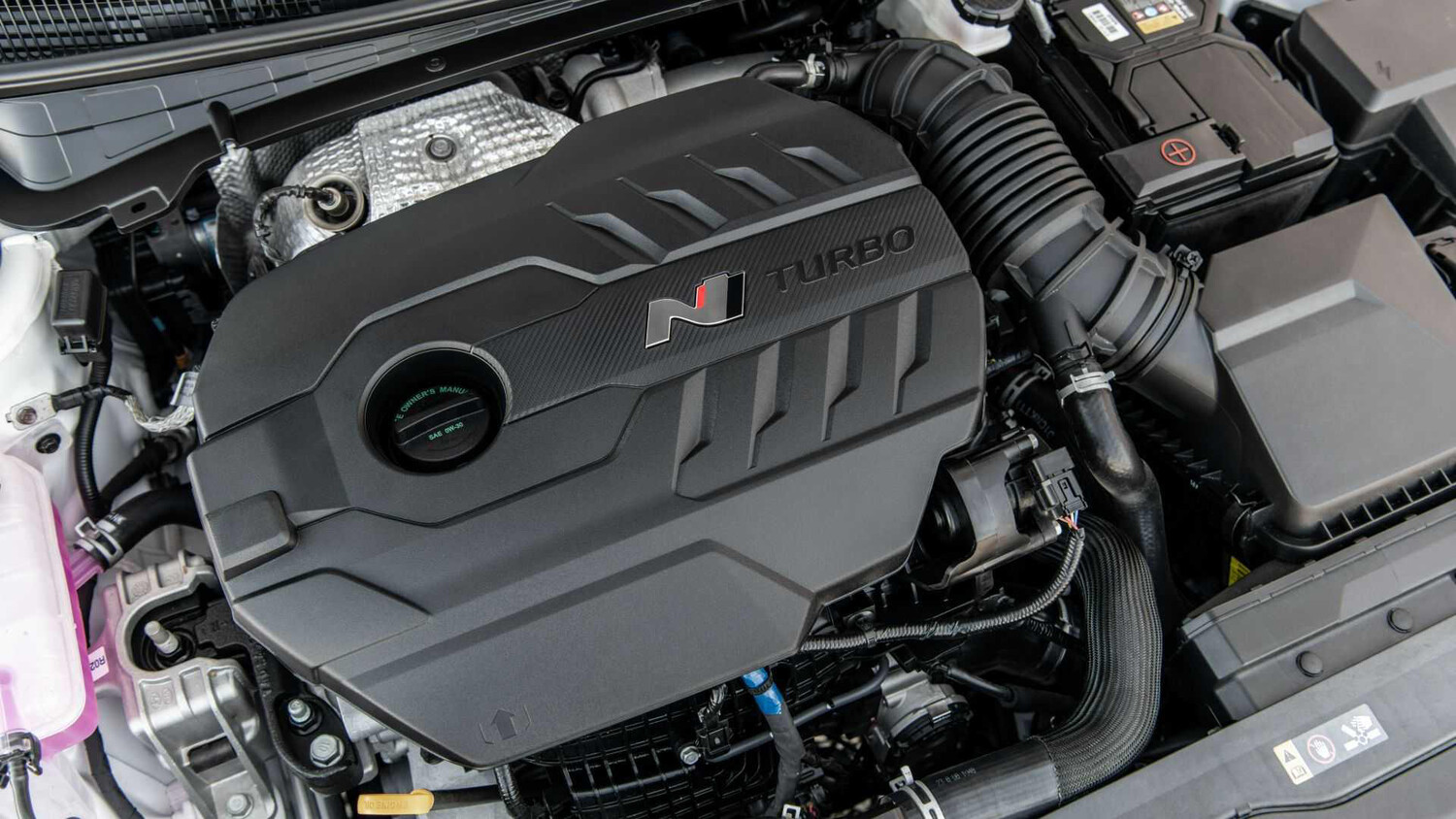
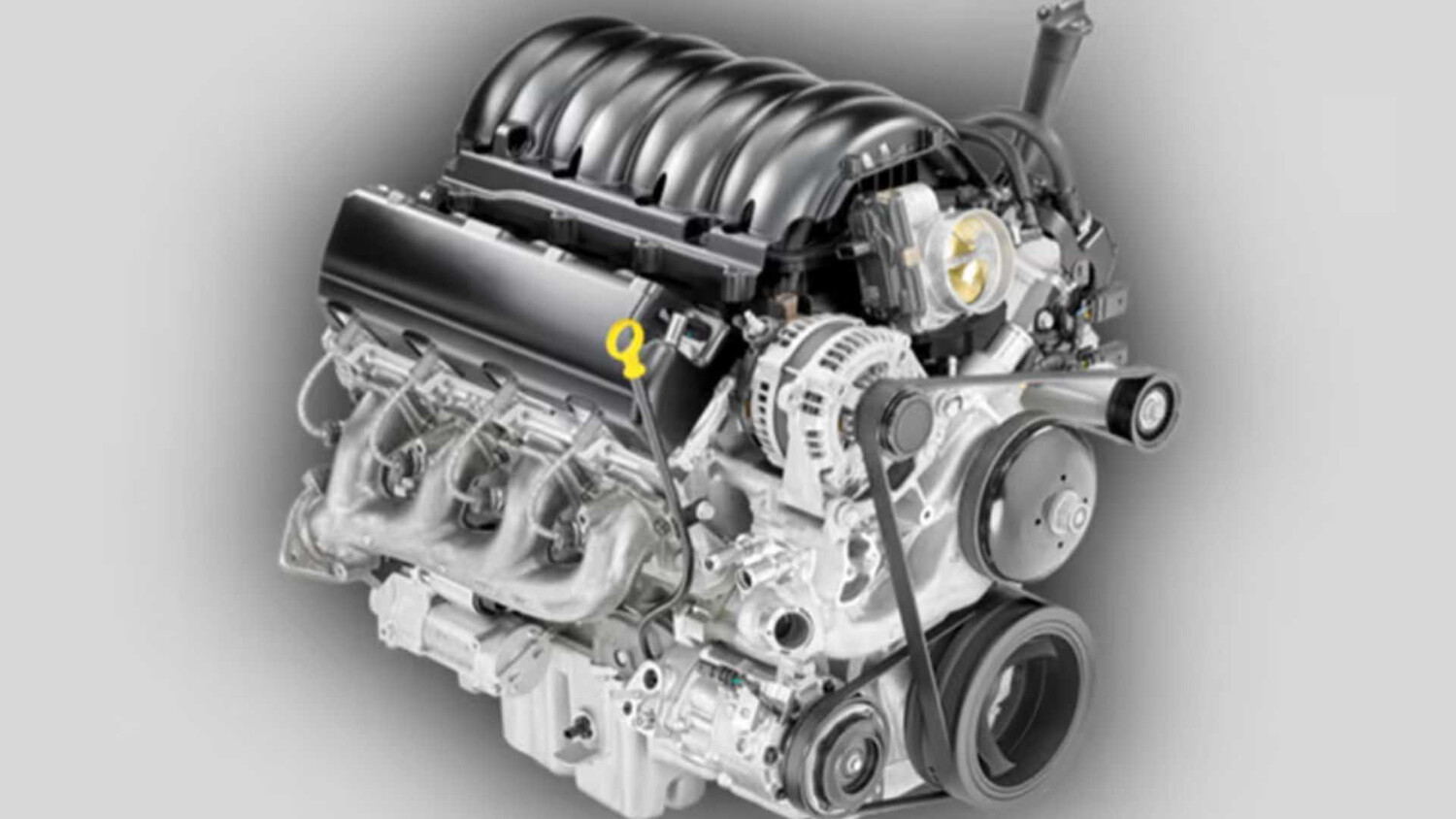
Jump LinksIn the automotive industry, engine failure used to be relatively rare. You typically had to treat an engine poorly through abuse or neglect or run up a considerably high number of miles before it might finally give up the ghost. However, that’s not always the case in 2025, as strangely and increasingly, modern engines like the L87 in the Cadillac Escalade are starting to fail early. And many of them are not worn-out power plants at all or sitting within vehicles that are limping towards retirement. Incredibly, some of these failing motors are almost brand new, and the situation appears to be developing across a range of manufacturers, like Volkswagen, Mercedes and JLR. Why Modern Engines Can Fail Suddenly. Even When They’re Brand New Christopher Smith/CarBuzz/ValnetYou might have thought that today’s engines should be even more bulletproof than their predecessors, as surely, they’re more powerful, cleaner, and much more efficient than ever before. However, as it turns out, that might just point to the root of the problem, because these motors are all operating within far narrower margins.Their designers want them to do far more with far less, and so they tend to have smaller displacements, higher outputs, lower emissions, and better fuel economy efficiency. All of these metrics coexist in a package that would have been unthinkable two decades ago, and so, with such narrow margins in place, there’s not much room for error. If something does go wrong, a modern engine may not have as much slack in order to absorb the issue.If you strip apart a modern engine today, you’ll see tighter bearing clearances, reduced oil volumes, thinner piston rings, and much higher combustion ratios than in the past. All those changes can certainly make the engine more efficient, but they also reduce safety tolerances. So, if oil pressure drops unexpectedly, debris blocks a passage, or an engine heats up much faster than it usually does, there’s not much margin around. Manufacturing defects, calibration errors, and lubrication issues can all lead to quick failure, and at scale.This has happened on more than one occasion within GM’s 6.2-liter L87 V8. The company fits this engine to full-size trucks and SUVs like the Chevrolet Silverado 1500, Tahoe, GMC Sierra 1500, and Cadillac Escalade. You’d imagine that an engine like this would be seriously robust and even old-school, with large displacement, solid pushrod architecture, and low specific output when you compare it to a turbo four-cylinder.However, there are reported manufacturing defects linked to con-rods and crankshaft components which have caused engine damage to certain vehicles. And the biggest issue is that when a critical internal component fails, this usually leads to an immediate and significant event rather than progressive or gradual damage. In other words, you don’t get a drawn-out warning. Instead the engine just stops. The Root Cause May Be Manufacturing Scale Plus Tight Tolerances Chevrolet Through the decades, defects have come and gone within the manufacturing process, but they haven’t always had as significant an effect as they seem to be having now. And the difference appears to be the scale at which these defects propagate, linked to the tolerance that any modern engine has for them. After all, companies produce their engines in enormous volumes, taking advantage of sprawling supply networks and multiple plants. So, if a contamination issue creeps into the picture, or there is a single machining error, this can quickly affect hundreds or even thousands of vehicles. And when that defect happens to interact with a tightly tolerated engine, the results can be severe.The GM L87 V8 tale underlines this point. A manufacturing irregularity linked to internal surfaces and bearing interfaces doesn’t just shorten the life of the engine but may cause a catastrophic event immediately. In an older, less stressed engine, an imperfection like that may have just existed in the background, resulting in accelerated wear. But today, you’re looking at bearing failure, seizure, and catastrophic internal damage instead.The same principle probably applies across the entire industry, as most companies face the same challenges and follow a broadly similar manufacturing approach. The issue is that modern engines basically rely on precise oil flow, consistent material quality, and exact clearances. And if there’s a variation in the manufacturing process that exceeds design tolerance, there’s no buffer left. This leads to a failure that can certainly be a shock to new owners due to its sudden and unexpected nature. Software Might Play A Part Ian Wright/CarBuzz/Valnet Modern engines differ from their predecessors in many ways, and much of that is down to digitization. Engine control software plays a huge role in trying to protect the hardware, with dozens of sensors providing valuable information.The system monitors fuel delivery, oil pressure behavior, knocking, exhaust temperatures, and many other parameters in real time. And if everything goes well, this software will permit the engine to operate at amazing levels of performance and efficiency, returning results that would previously have been impossible. However, this software is now also becoming a mitigation tool should hardware problems arise in the field.Take Ford’s turbocharged 1.5-liter engine ("Dragon") that it uses in vehicles like the Bronco Sport and Escape. Documented cases show that Ford issued software updates in relation to cracked fuel-injection problems. The company used the software as the first line of defense to help detect abnormal behavior while it developed and deployed permanent fixes. So, when it comes to failure, a lot can depend on whether the detection logic can identify the problem quickly enough, or if the vehicle has received a needed update in time.If a software threshold is very conservative, it may well protect the engine but adversely affect drivability. On the other hand, if the threshold is aggressive, efficiency may improve, but the intervention window shrinks. This means that it’s often hard to find a balance, and maybe another reason why failures can often feel unpredictable from the outside. A Small Defect Can Still Kill A New Engine Ford It doesn’t always take complicated systems or extreme engineering to prompt an engine failure, as sometimes the cause is very simple. The issues with the Escape and Bronco Sport models seem to come down to improperly manufactured cylinder heads which allowed ball plugs to fail, triggering oil leaks.When oil starts to leak, engine damage quickly follows and the motor won’t survive for very long. But what’s different today is how quickly that situation escalates, as modern engines rely heavily on tightly controlled oil pressure and flow. So even a brief interruption can trigger serious damage.In older engines with looser tolerances and larger oil reserves, a driver might have had some time in which to act. However, a defect like that in a modern engine will typically shut everything down almost straightaway. The Hyundai And Kia Theta II Storyline Hyundai Perhaps one of the biggest chapters in any engine failure story should involve the Hyundai and Kia Theta II unit. Here, the failure reveals far more than just a single defect, but rather, it shines a spotlight on scale, detection, and response. This engine saga affected millions of vehicles in the 2010s, across more than one assembly plant and model year, and it certainly goes to show how just a small process failure can balloon when you combine it with high production volume and any delay in detection.Many manufacturers rely on sharing engines across platforms and markets, so it can be costly indeed if they’re slow to identify or address a problem. That lesson should help inform manufacturers about how they respond to engine issues in 2025, so they're far more likely to initiate large-scale recalls, software updates, or proactive inspections to try prevent history from repeating itself. Engine Blowups Feel Far Worse In This Era Cadillac Modern engines are a masterpiece compared to some of their older predecessors, so they’re not failing because of poor design or creation. Instead, their efficiency depends on levels of precision that leave very little room for error. Massive production volumes can rapidly scale any issues, and if companies rely on software-driven protection systems, outcomes can vary based on detection and updates.So, when you put all these factors together, you have an environment where engine failures seem more sudden, more frequent, and more alarming than they ever were before. And this may be due to modern trends and operational requirements. As when engines operate closer to the edge than they may have in the past, spectacular failures can come out of nowhere.