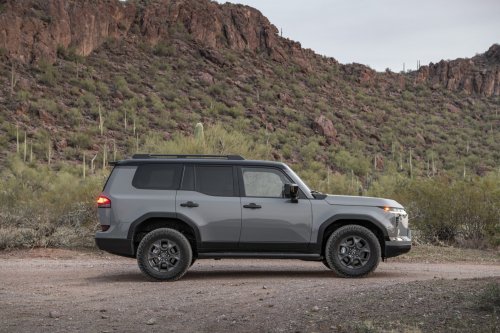
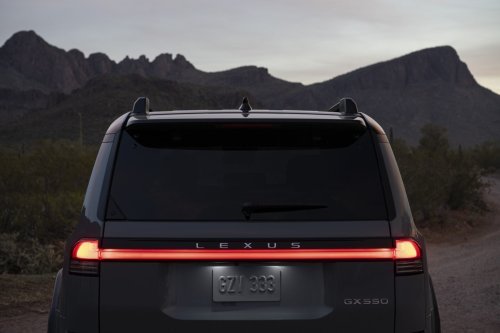
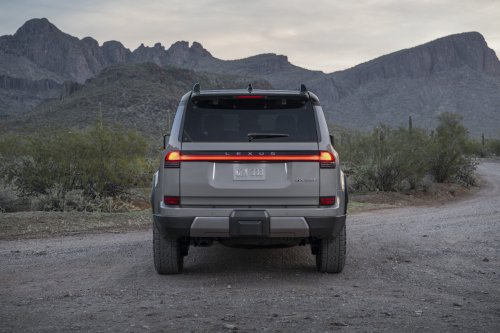
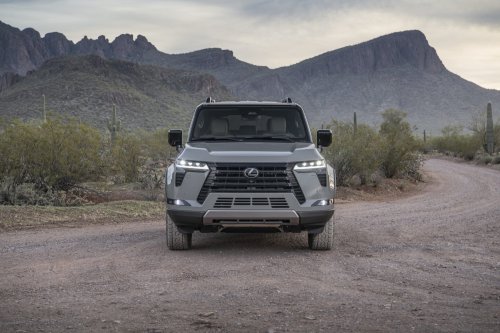
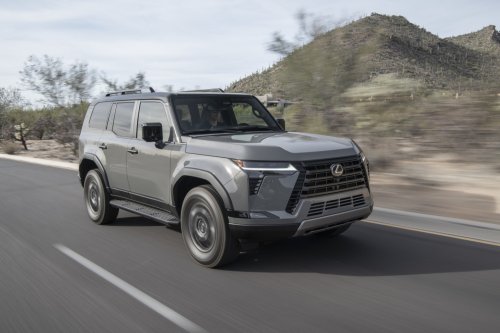
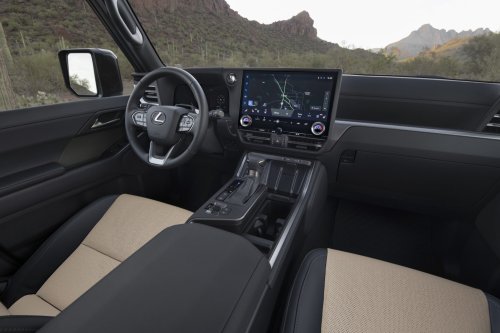
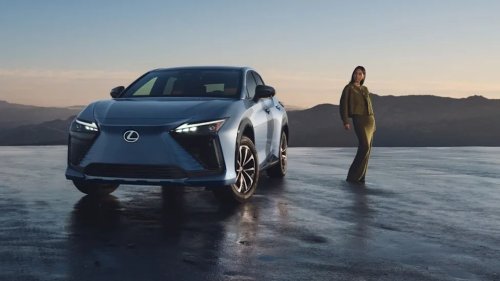
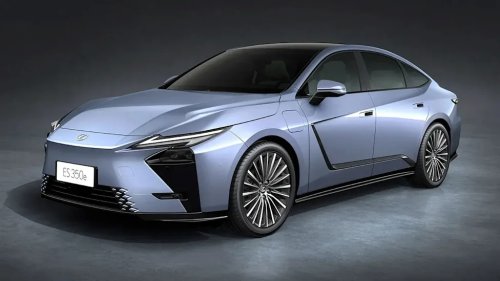
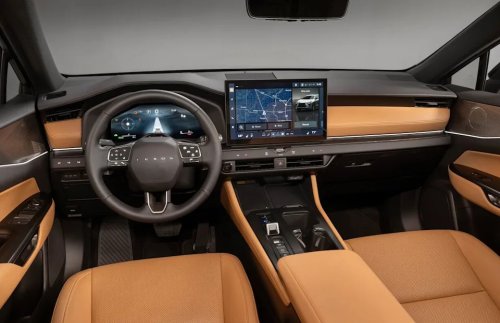
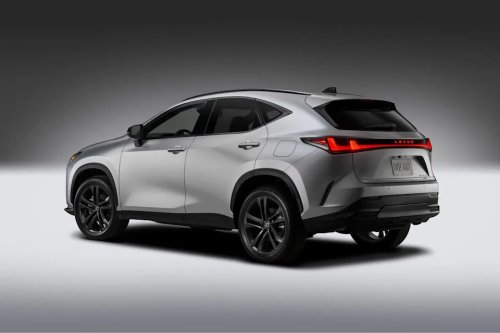
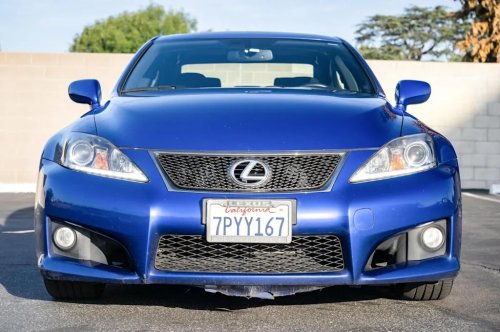
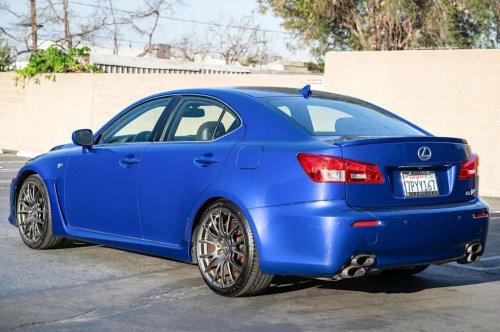
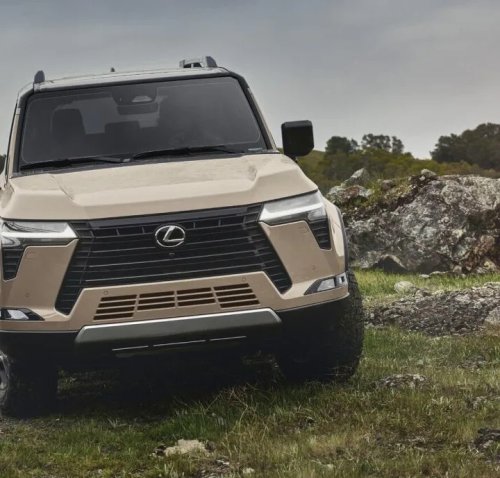
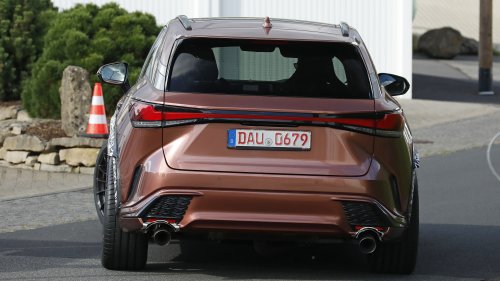
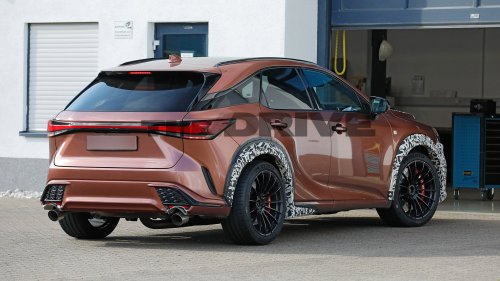
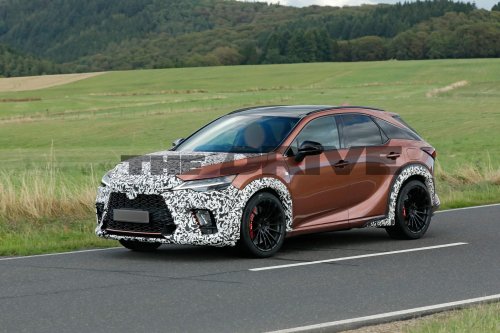
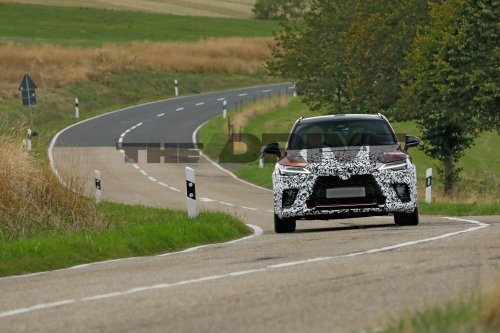
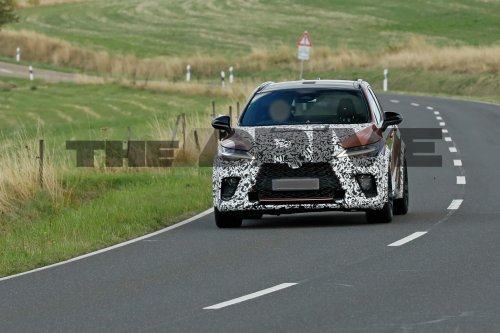
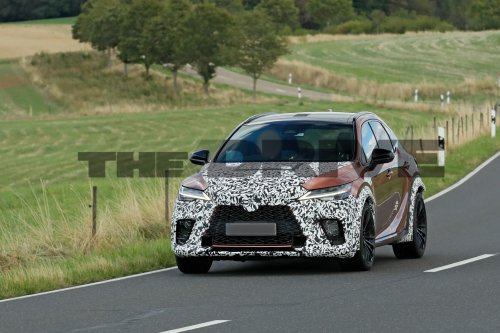
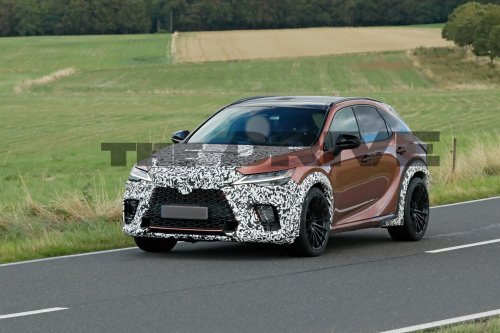
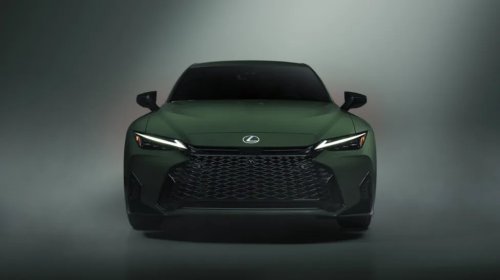
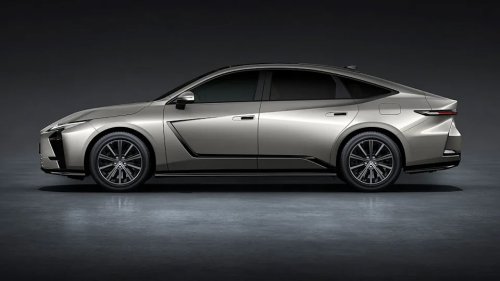
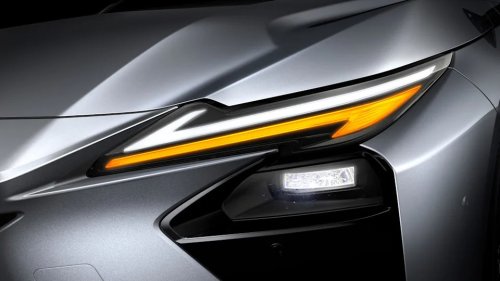
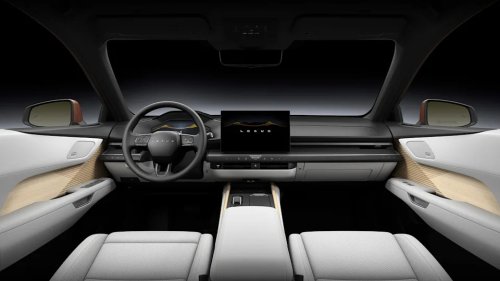
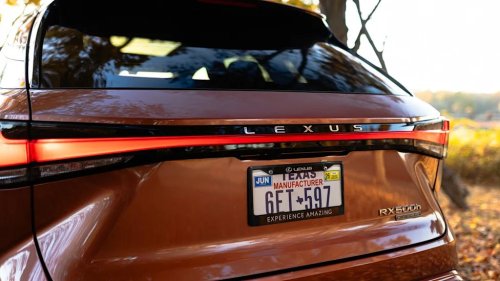
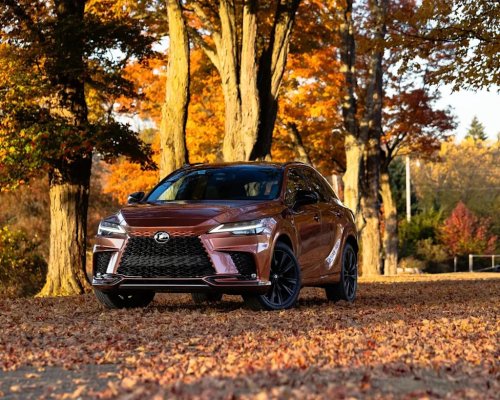
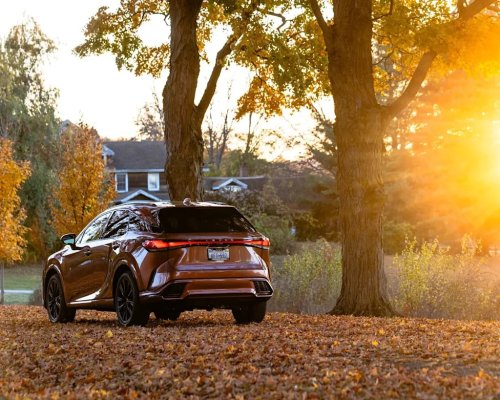
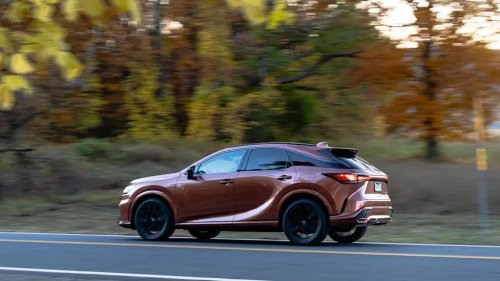
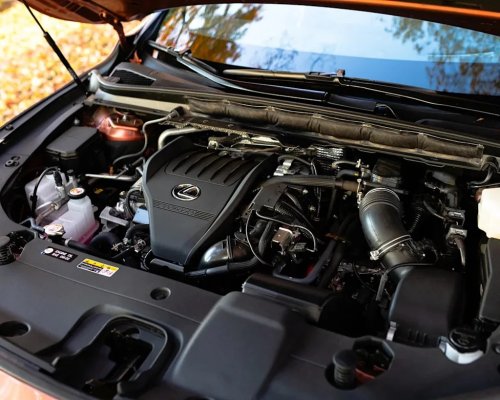
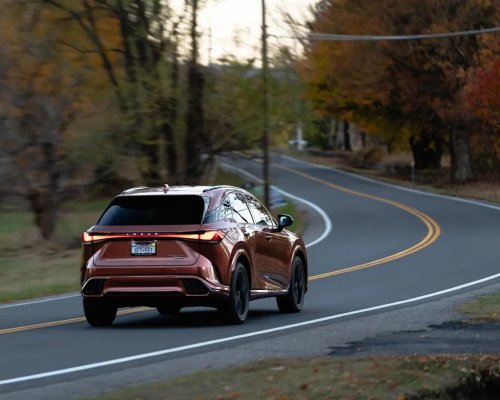
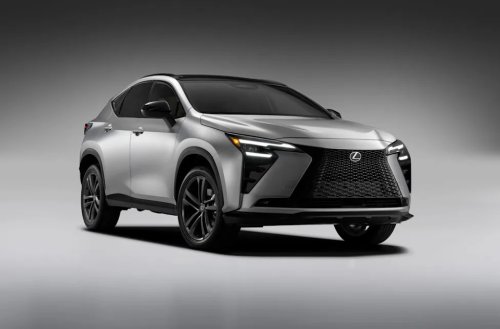
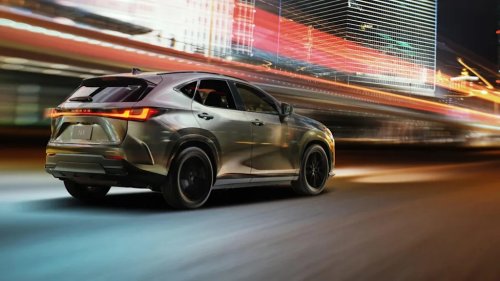
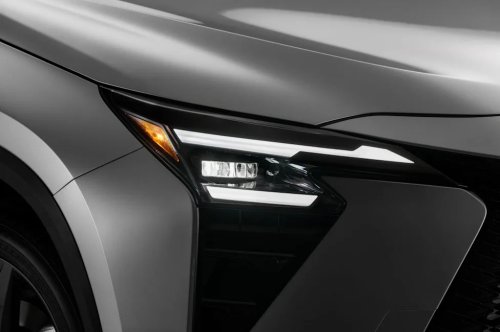
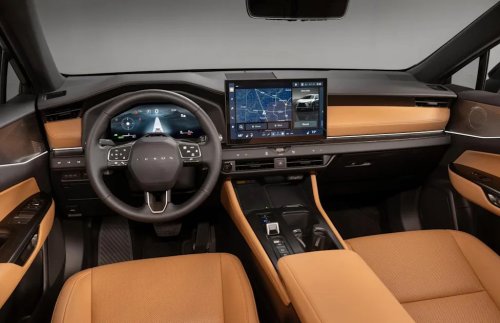
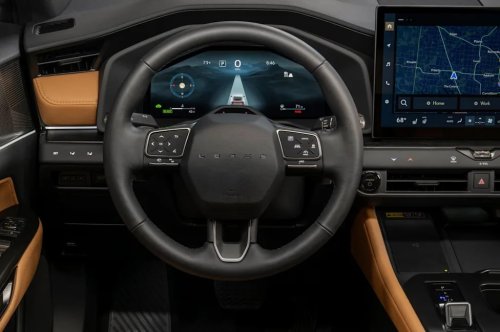
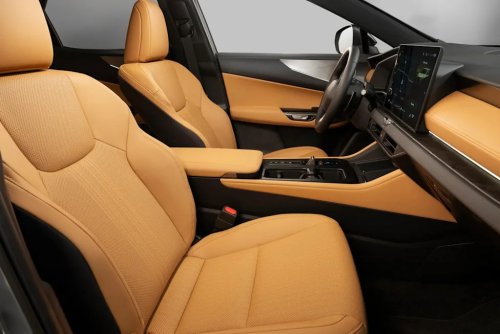
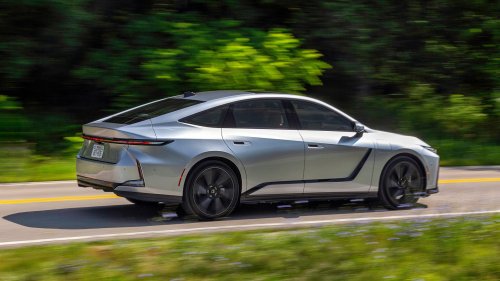
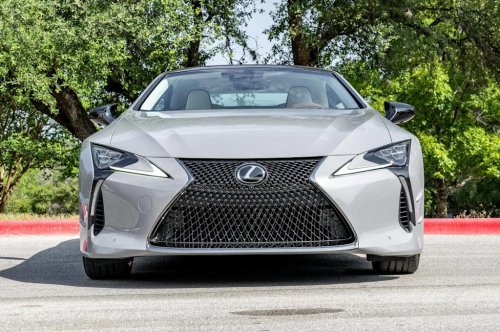
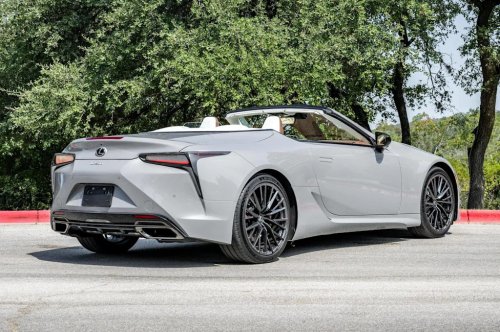
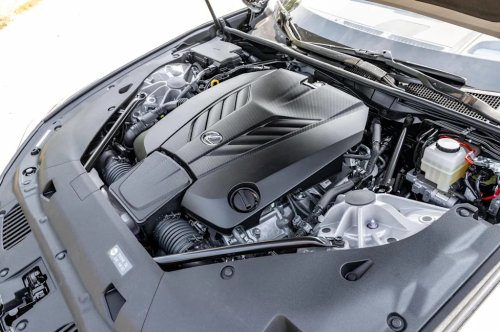
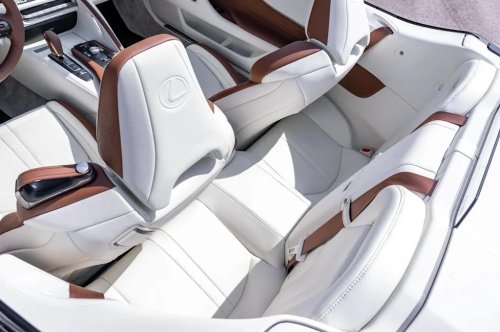
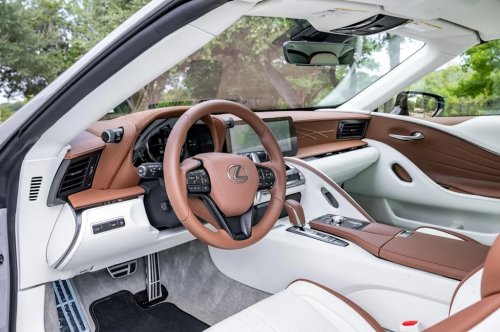
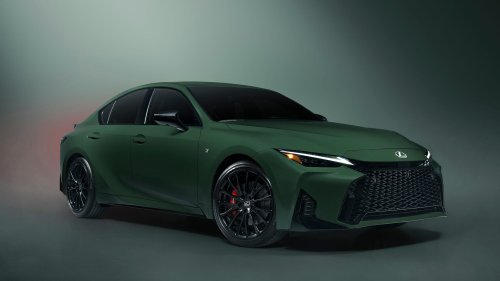
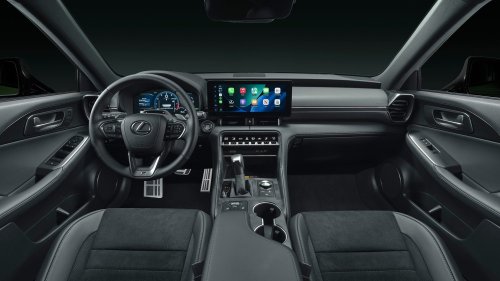
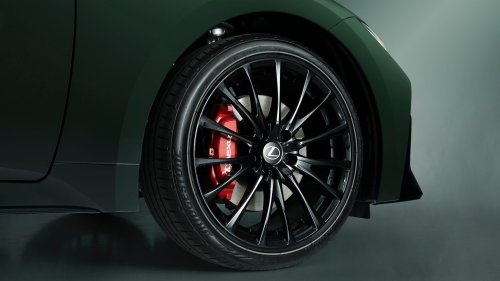
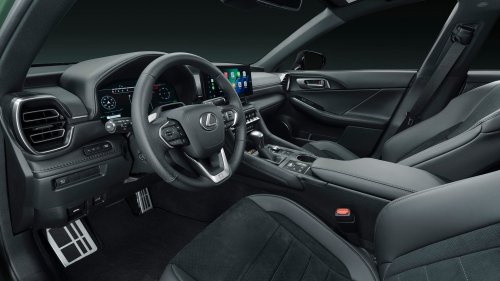
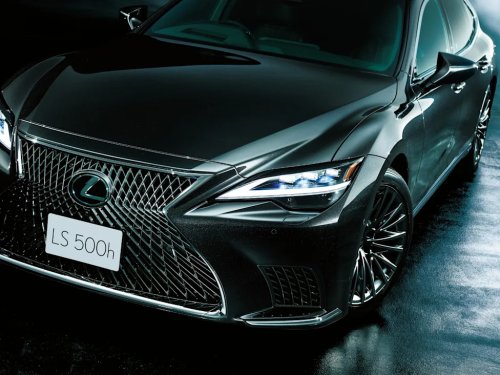
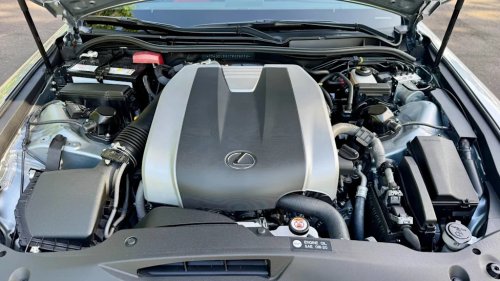
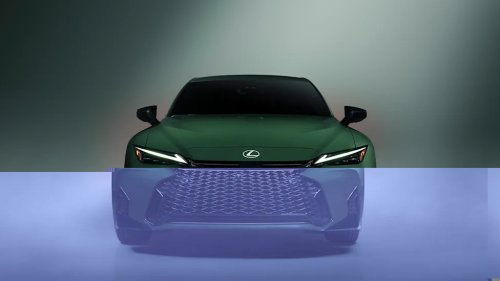
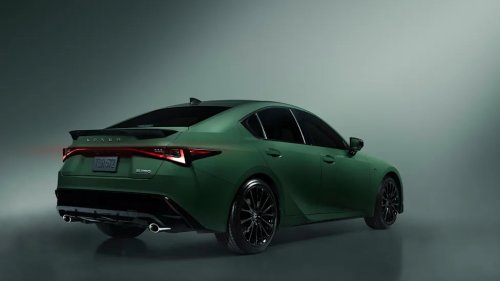
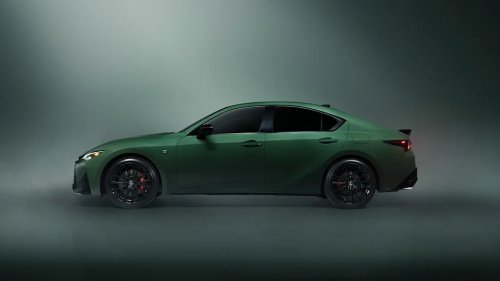
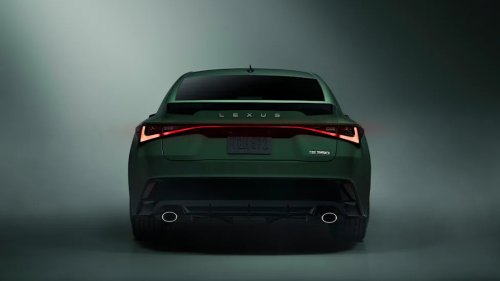
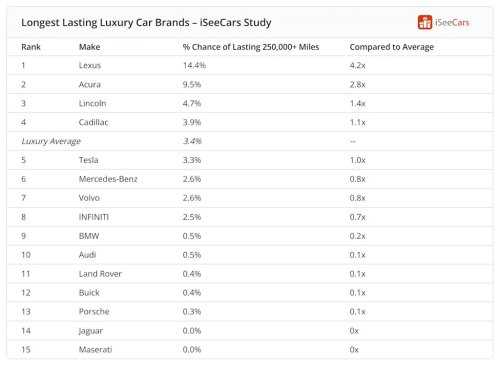
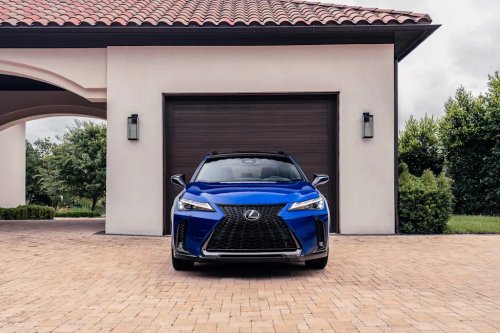
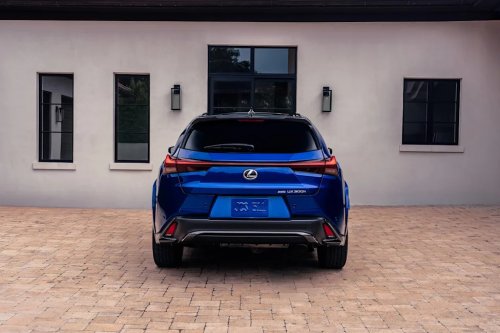
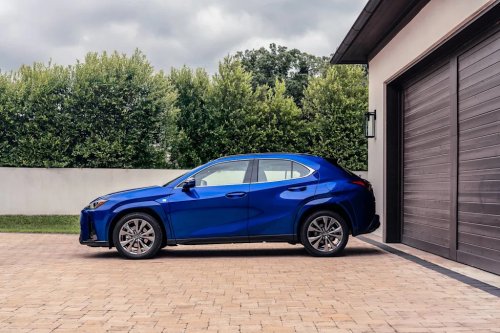
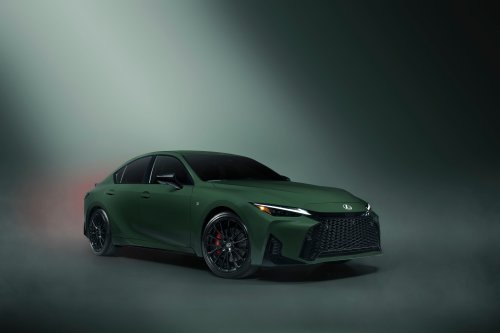
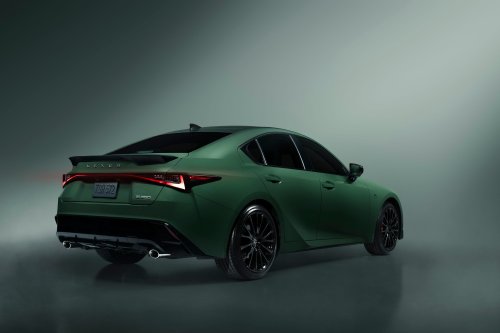
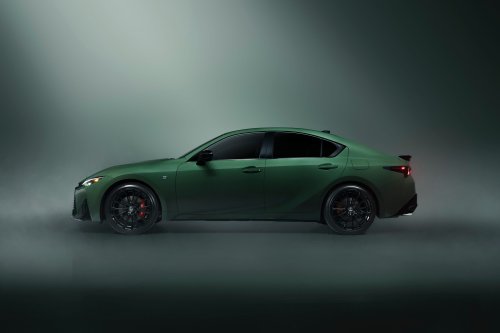
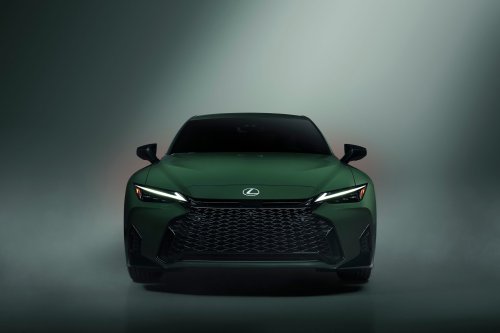
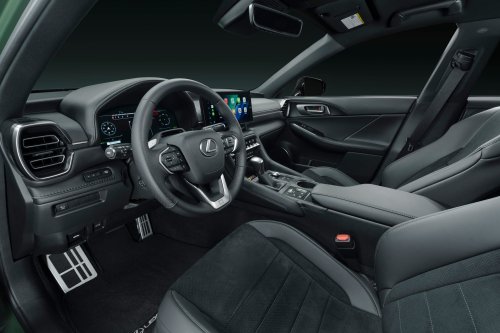
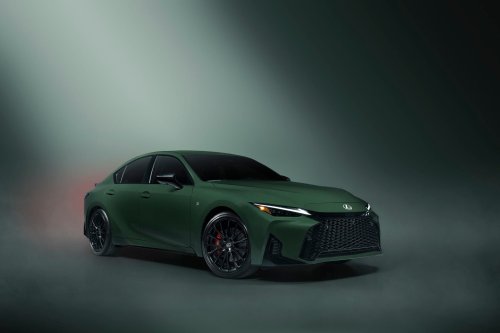
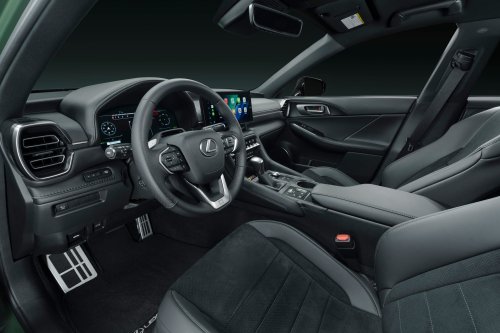
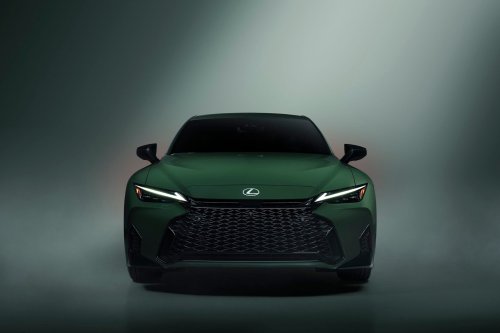
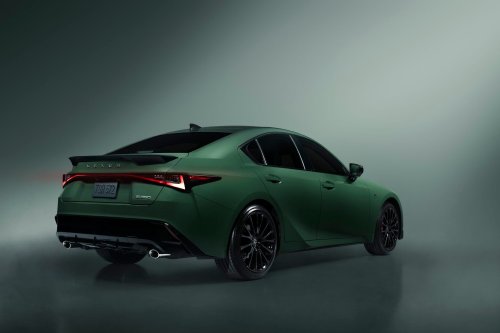
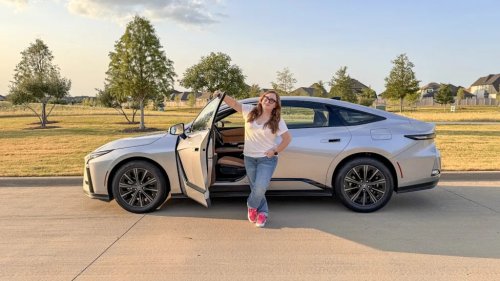
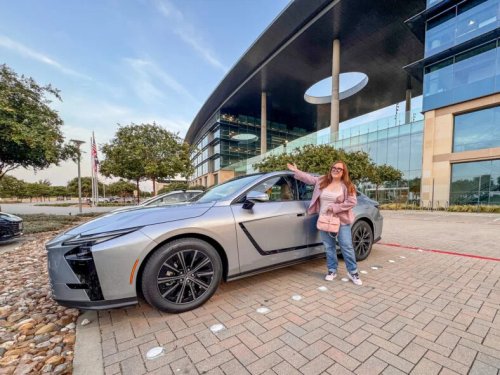
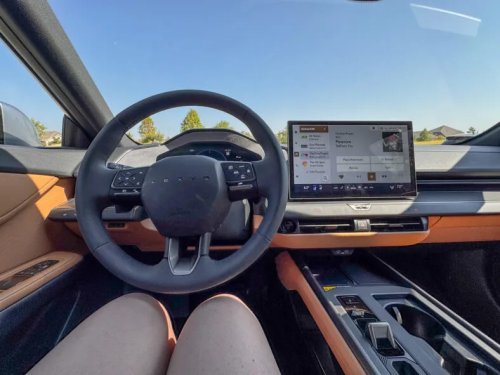
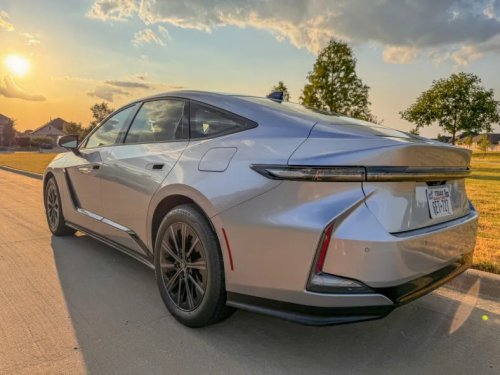
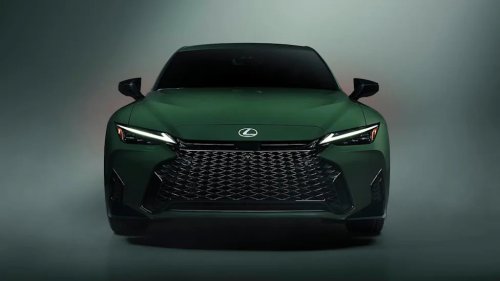
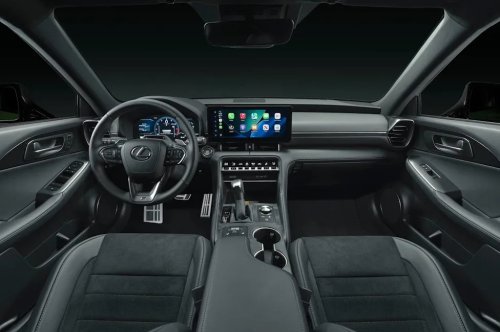
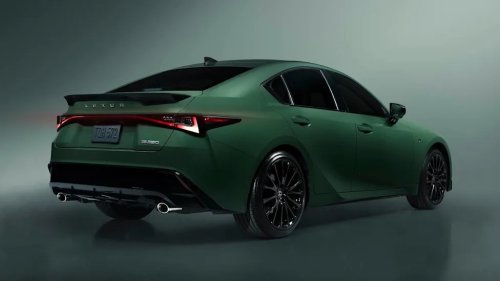
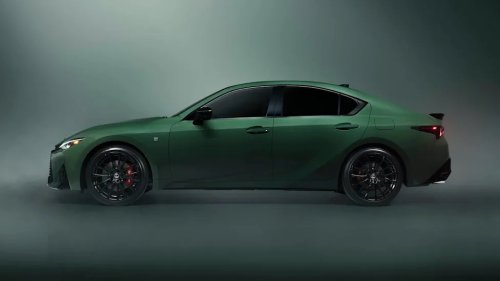
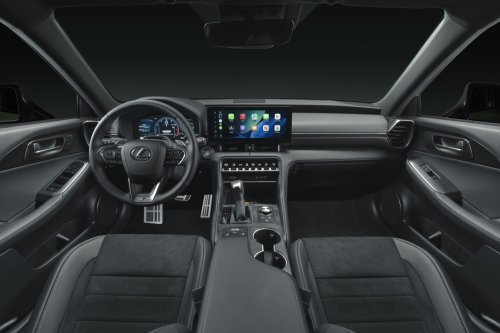
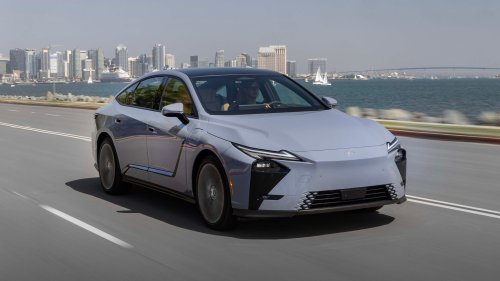
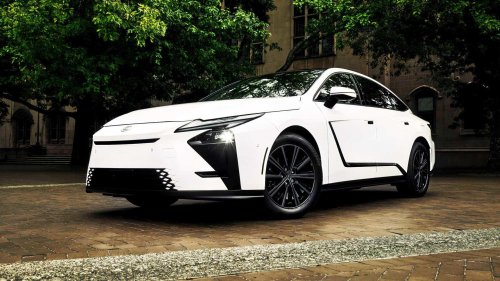
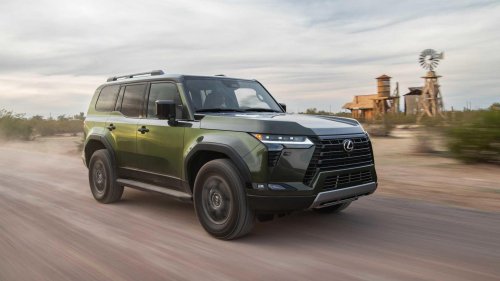
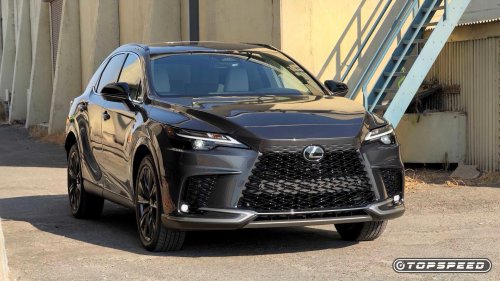
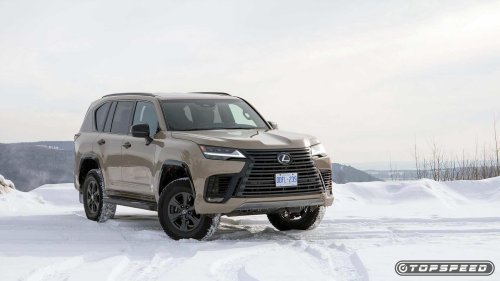
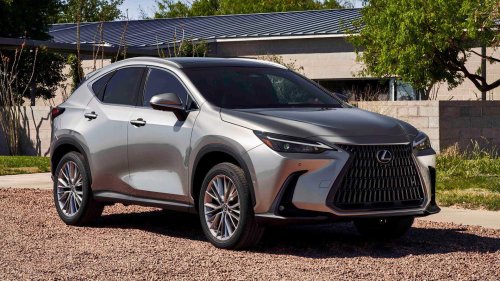
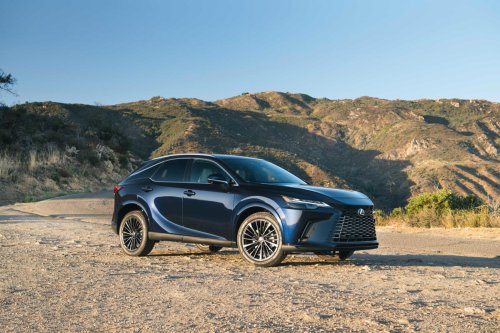
Lexus has never chased horsepower records the way its German rivals do. It prefers something quieter, more deliberate, a long game built on smoothness, durability, and a stubborn refusal to break when driven like a normal human being. That’s why its pivot toward hybrid power across sports cars and SUVs isn’t a betrayal of character. It’s the logical next chapter.The internet tends to hear “hybrid” and imagine limp throttle response and fuel economy charts taped over driving pleasure. Lexus hears “hybrid” and sees torque fill, thermal efficiency, and a way to make performance feel effortless rather than theatrical. As more Lexus performance models and luxury SUVs adopt electrified drivetrains, the question isn’t whether they’ll be fast enough; It’s whether they’ll still feel like Lexus. The short answer is probably. The longer answer takes some explaining. Lexus Didn’t Go Hybrid To Save Gas. It Went Hybrid To Control Power Lexus Lexus has been building hybrids longer than almost anyone in the luxury space, but until recently, those systems lived in a separate wing of the showroom. Efficient, serene, impressive, and rarely associated with the word “sport.” That separation is ending. 2026 Lexus Hybrid/Electric Lineup UX Hybrid NX Hybrid NX PLUG-IN HYBRID EV RZ (e) RX HYBRID RX 500h F SPORT PERFORMANCE RX PLUG-IN HYBRID TX 500h F SPORT PERFORMANCE TX PLUG-IN HYBRID LX 700h ES HYBRID Modern Lexus hybrid systems are no longer about chasing maximum MPG. They’re about torque management. Electric motors deliver peak torque at zero RPM, which makes them ideal for masking turbo lag, smoothing gear changes, and fattening the midrange where real-world performance lives. Despite the end of the LC 500h, the brand keeps refining its Multi-Stage Hybrid System instead of defaulting to single-speed setups.In performance driving, hybrids give engineers control. They allow precise power delivery at corner exit, instant response during passing maneuvers, and reduced reliance on high-rev theatrics. Lexus isn’t trying to make hybrids feel exciting. It’s trying to make them feel inevitable, like the car always has the answer before you finish asking the question. Lexus' Hybrid Sports Car Shift Isn't About Lap Times. It’s About Confidence Reliability Is Luxury Lexus When Lexus applies hybrid tech to its sports cars, it does so with restraint. The LC 500h is the clearest example. On paper, it looks like a compromise. Less emotional than the V8, more complex than it needs to be. On the road, it reveals the strategy.The hybrid system doesn’t replace character. It reshapes it, or at least that's the idea. Throttle response is said to be immediate without being abrupt. Power builds smoothly instead of spiking. The car feels lighter on its feet than its curb weight suggests because electric assistance fills the gaps where internal combustion engines tend to hesitate.2026 Lexus GX-08 This matters because Lexus sports cars have never been about power. They’re about balance. Steering feel, chassis composure, predictability at speed, and looking at home in a country club parking lot. A hybrid drivetrain supports those goals (it doesn't really matter for the CC thing) by reducing drivetrain shock and smoothing transitions. Again, the point here is meeting Lexus' goals, not the more general goals of sports cars as a segment.Future Lexus performance coupes and sedans are expected to lean harder into electrification, not to make thousands of horsepower, but to preserve this sense of cohesion as emission rules tighten and engines downsize. Hybrid Power Changes How Lexus SUVs Perform, Not Just How Much Fuel They Use Lyndon Conrad Bell - PhotoLexus SUVs are where hybrid performance becomes most tangible. These are heavy vehicles with luxury expectations and real-world workloads. Hybrids solve multiple problems at once.In models like the RX, TX, and GX hybrids, electric motors provide low-speed torque that makes these SUVs feel lighter than they are. Launches are smoother. City driving feels calmer. Towing and hill climbs benefit from immediate assistance without forcing the engine to scream. More importantly, hybrids allow Lexus SUVs to maintain performance consistency. Heat management improves. Power delivery stays predictable even under load. That’s why Lexus is comfortable offering hybrid drivetrains across its SUV lineup without positioning them as niche options.This isn’t about eco virtue signaling, either. It’s about making large luxury vehicles behave with the composure of smaller ones. The hybrid system becomes a performance enhancer disguised as an efficiency play. Reliability Is Still The North Star, And That Shapes Lexus Hybrid Performance Aren't We All Tired Of Lexus Always Being The Most Reliable? William Clavey | TopSpeed Every performance conversation eventually circles back to reliability, especially with Lexus buyers. Hybrid complexity scares some people, but Lexus hybrids have earned a reputation for longevity precisely because they are engineered conservatively.Electric motors reduce mechanical strain. Regenerative braking extends brake life. Engines operate within narrower, more efficient windows. Lexus tunes its hybrid systems to prioritize durability over maximum output, which is why you don’t see outrageous horsepower numbers attached to its electrified models.Lexus For performance, this means consistency. A Lexus hybrid performs the same on day 1 and day 1,001. No dramatic falloff. No temperamental behavior. No sudden loss of confidence after warranty expiration. Lexus understands that performance isn’t impressive if it only works when the car is new.That philosophy shapes how much power Lexus is willing to extract from hybrid systems and how aggressively it deploys electrical assistance. It’s a long-term view that aligns with how Lexus owners actually seem to use their cars. The Future Of Lexus Performance Is Quieter, Faster, And More Intentional And More Expensive Lexus As Lexus transitions more of its sports cars and SUVs to hybrid power, the brand isn’t abandoning its identity. It’s refining it. Performance becomes less about spectacle and more about control. Less noise, more precision. Less drama, more confidence. It should come as no surprise that the cost of these fancy future Lexuses is going up. The smaller and mid-range offerings start in the $50,000–$70,000 range, while the big boys can easily blast over $100,000.Hybrids allow Lexus to deliver speed without strain and luxury without apology. This all becomes much more in focus when you consider the resurrected, all-electric LFA concept. Cars like this are notable exceptions to rules, like "Lexus is boring." This is fairly true, but cars like the LFA make sure we can't say silly things like that with a caveat.LexusIt stands that, for all the reasons we just looked at, electric power being applied to many of Lexus' offerings isn't a departure from what we love about Lexus. Instead, these changes bridge the gap between internal combustion tradition performance and reliability and an electrified future without forcing customers to relearn how a Lexus should feel.The result won’t be the loudest cars in the segment or the most headline-grabby. They’ll be the ones that feel finished, engineered with intent rather than urgency. And in a market obsessed with extremes, that might be the most subversive performance move Lexus could make.



















 +67 others