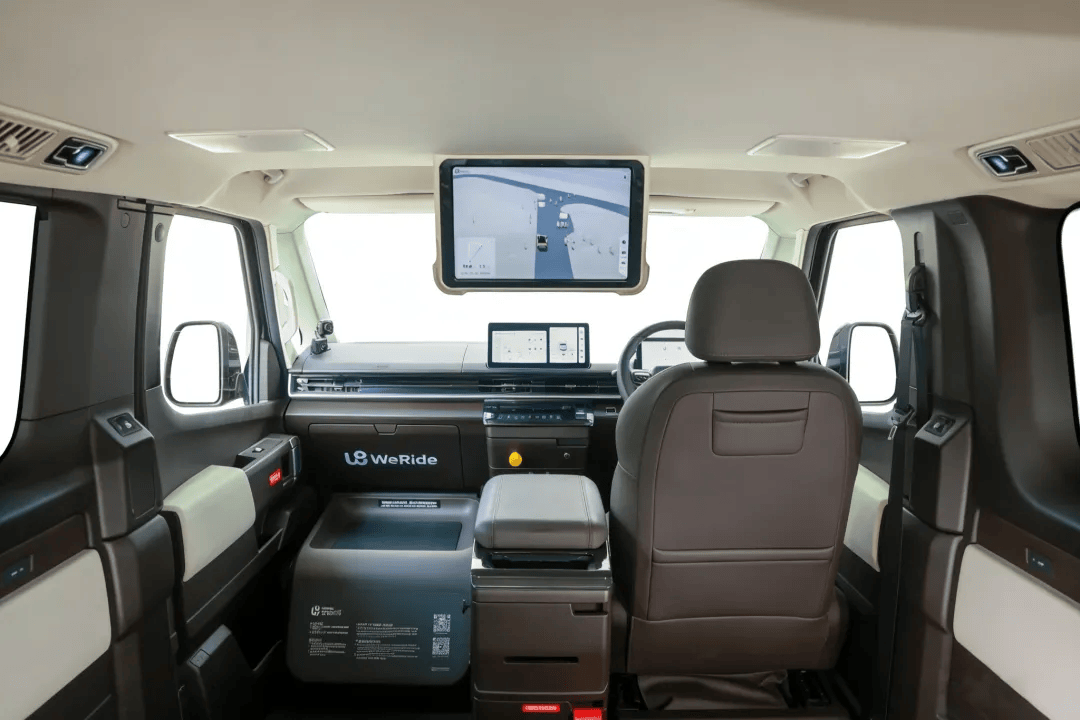
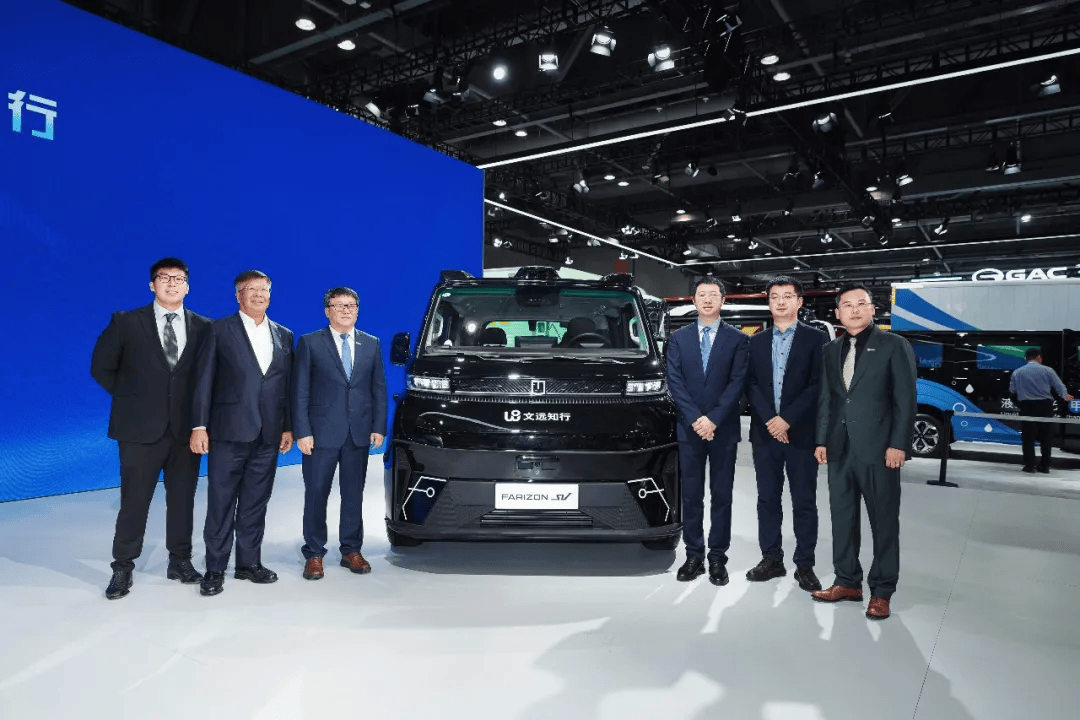
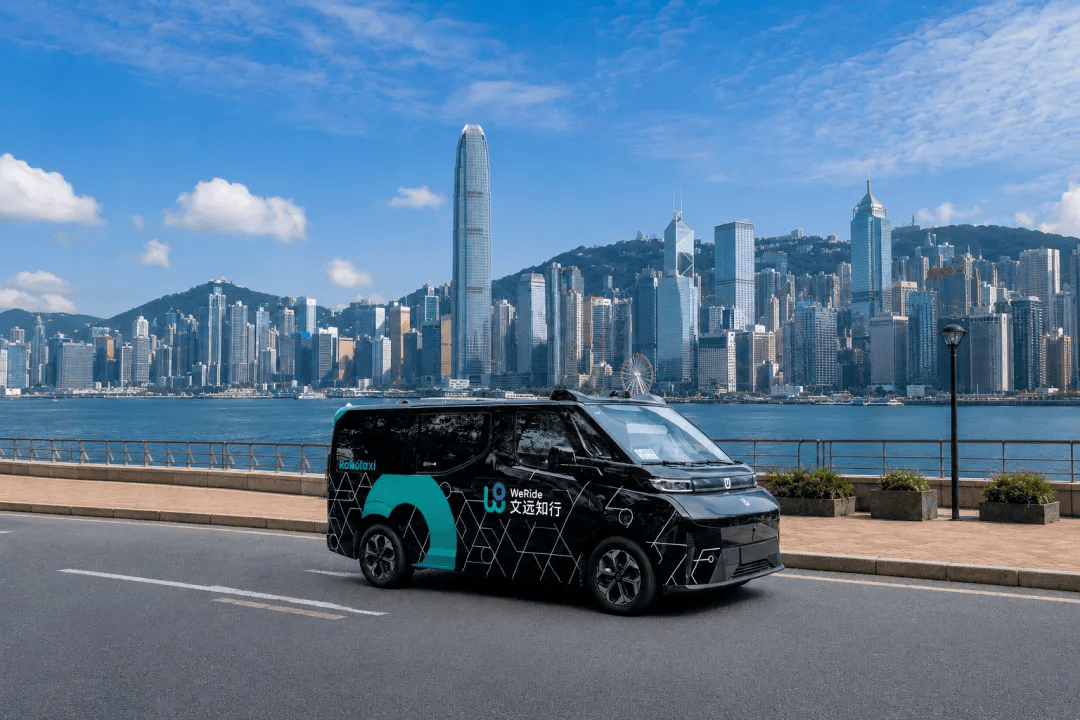
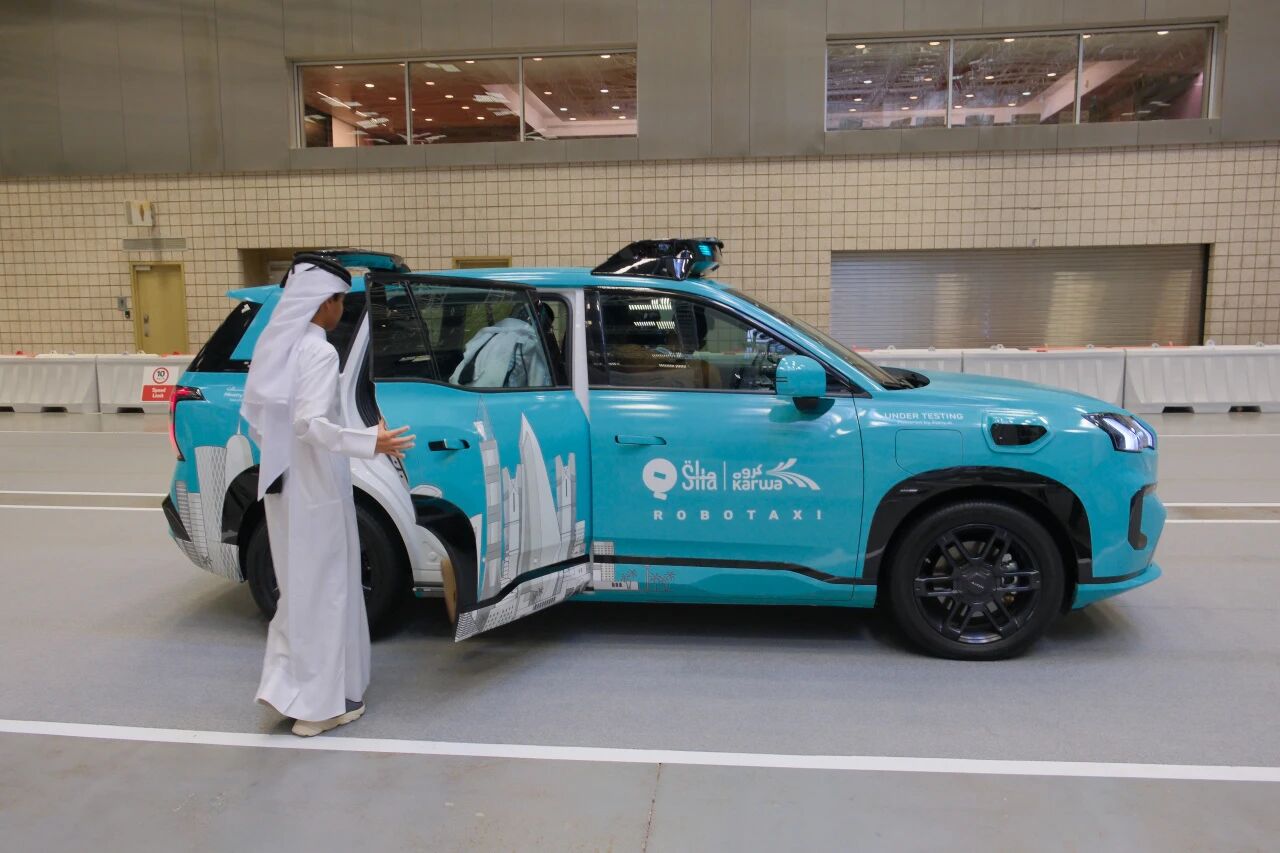
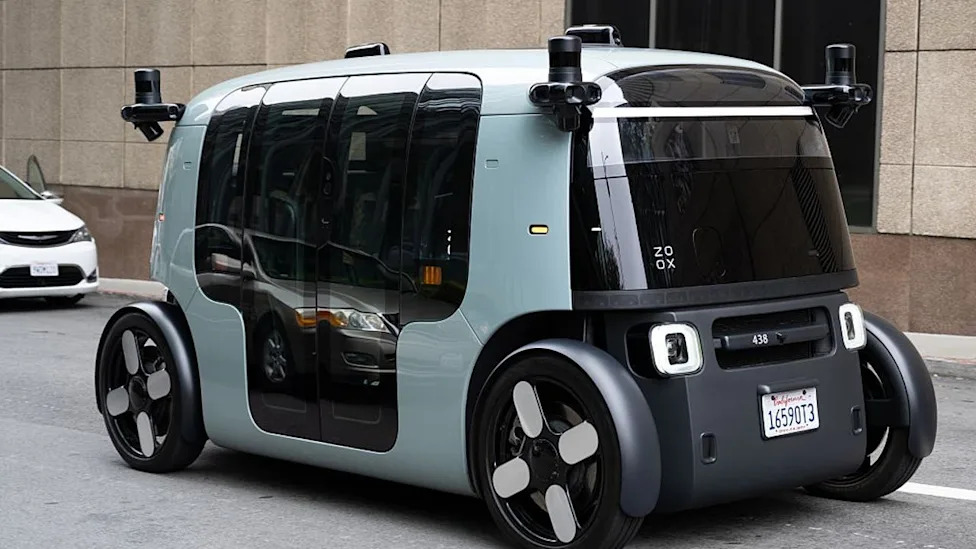
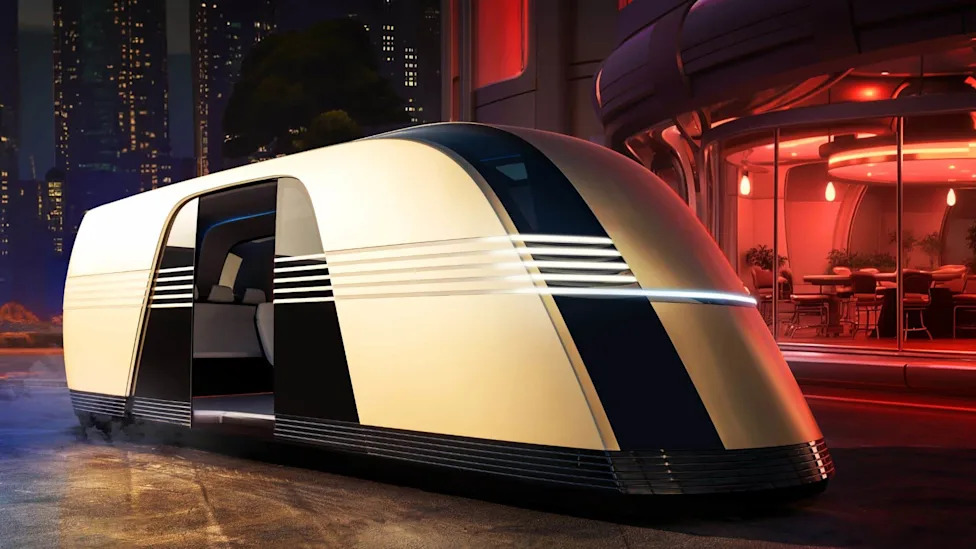
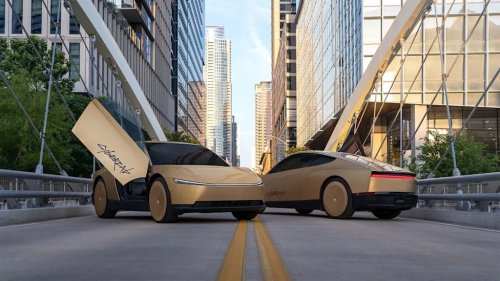
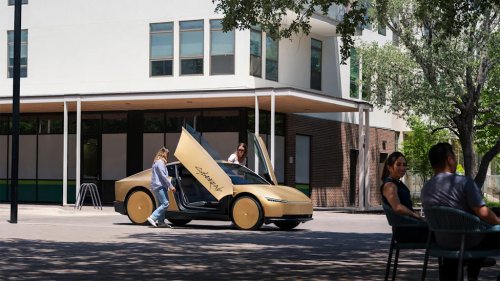
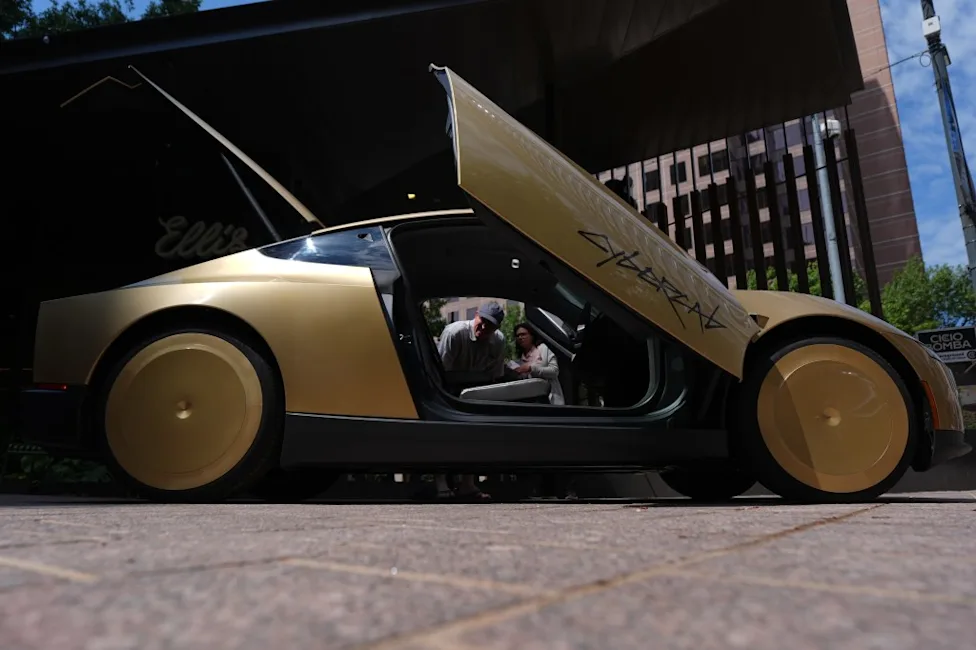
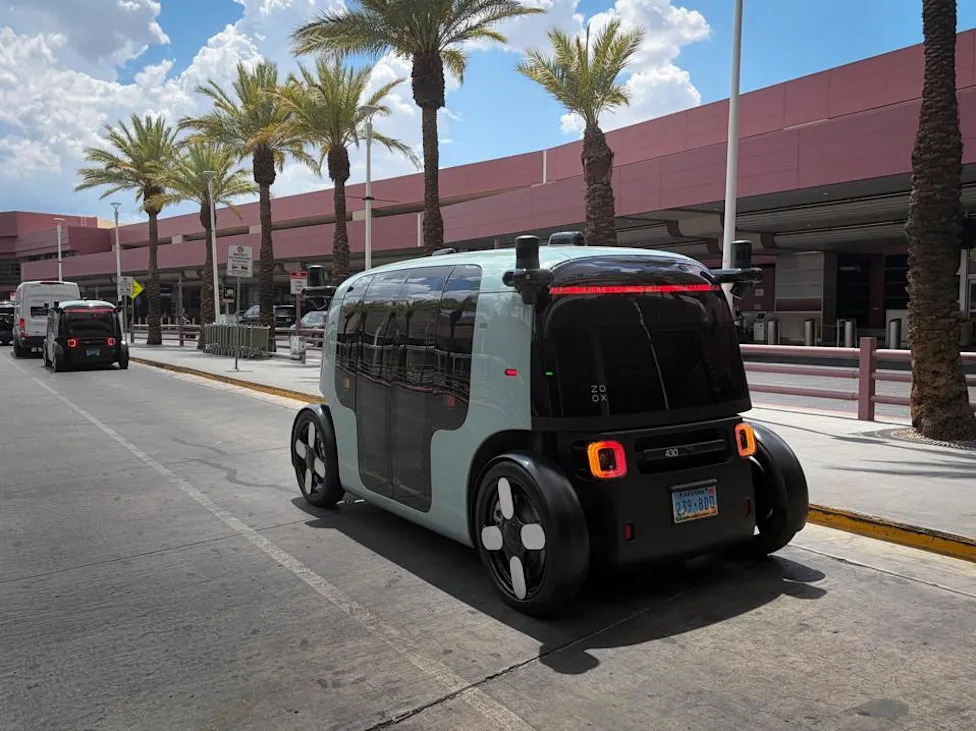
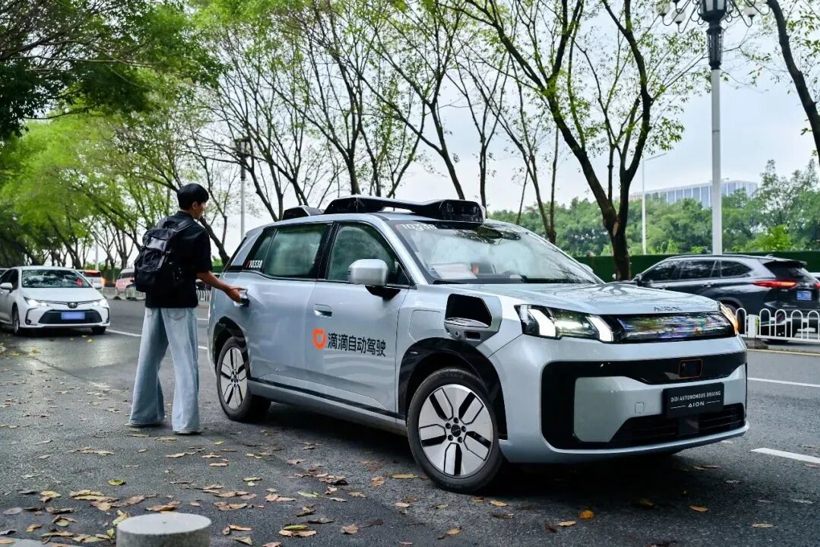
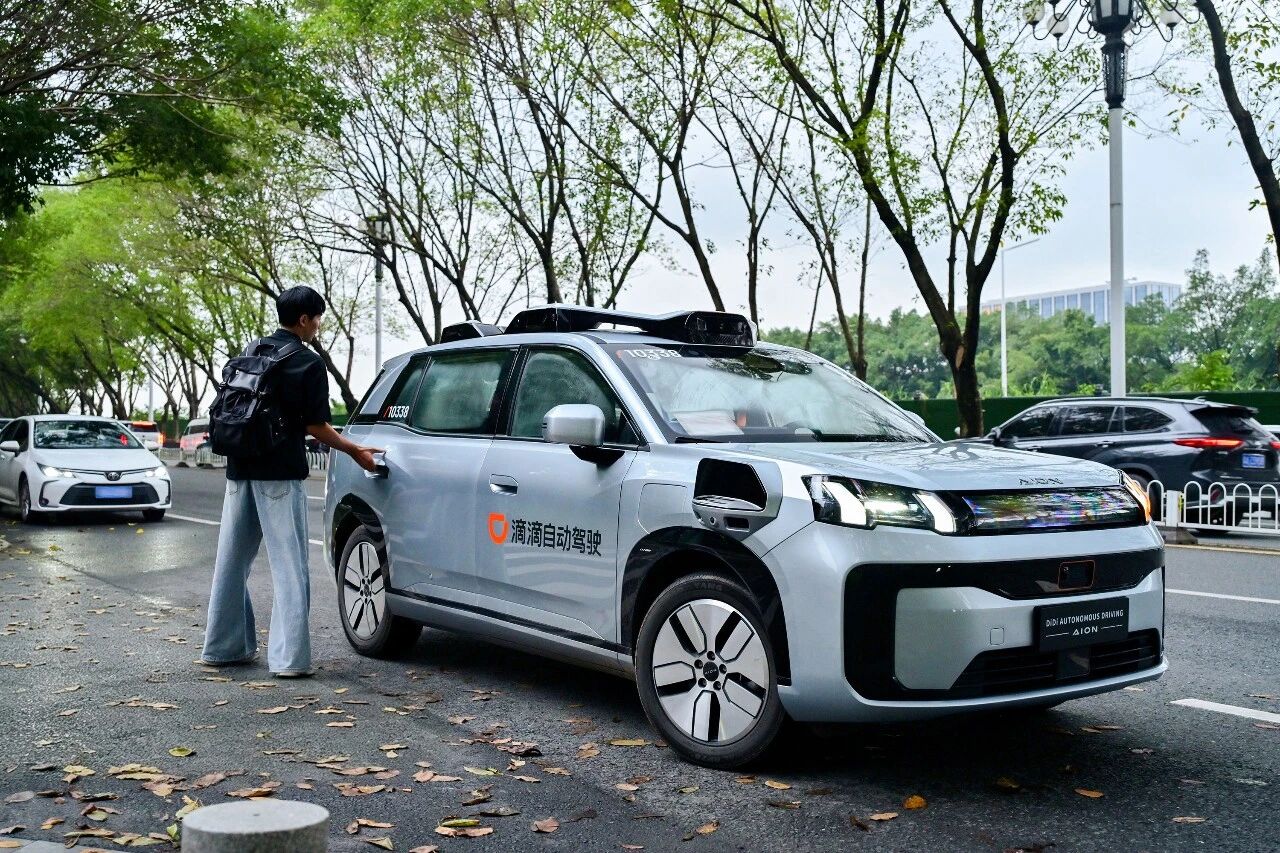
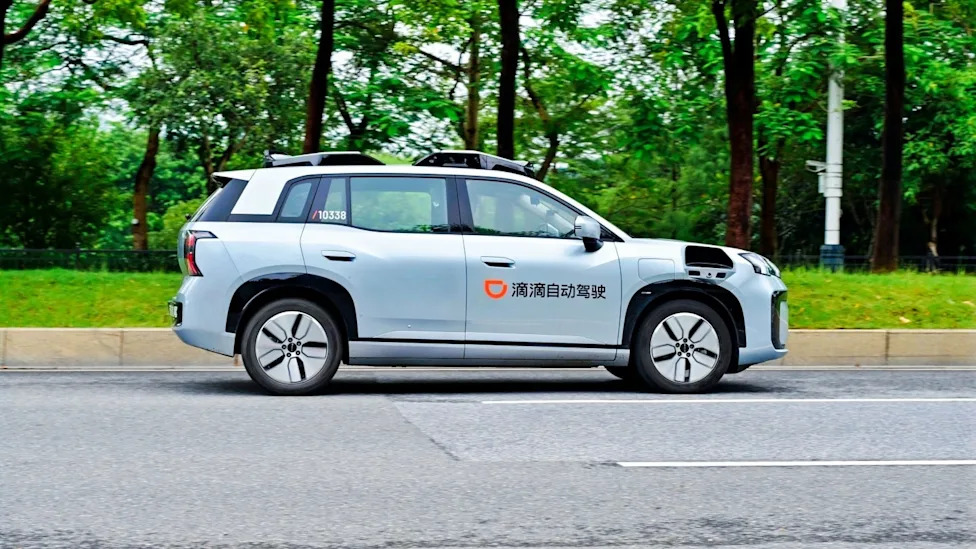
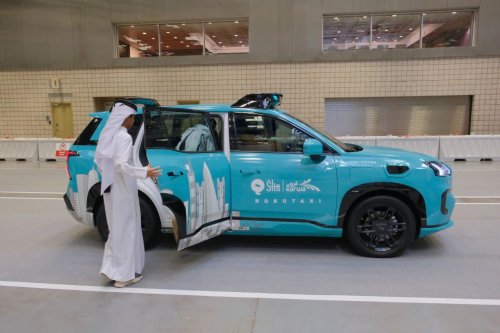
On June 22, WeRide signed a strategic cooperation agreement with Chinese new energy commercial vehicle brand Geely Farizon and Hong Kong’s leading transportation operator Kwoon Chung Bus Group. The three parties announced that they will jointly develop a natively mass‑produced right‑hand drive (RHD) Robotaxi model based on the existing factory‑installed mass‑production Robotaxi GXR platform, with Hong Kong as the starting point for rolling out commercial services. This move signifies that WeRide’s Robotaxi is advancing from a “regional capability” stage to a new phase of “global adaptation.” WeRide right‑hand drive Robotaxi rendering. Under the agreement, WeRide will contribute its core L4‑level autonomous driving technology and interaction solutions, Geely Farizon will provide new energy vehicle manufacturing and industrial‑scale mass‑production support, and Kwoon Chung Bus will take charge of operational deployment, leveraging its deep local public transportation expertise. Notably, Hong Kong is a highly representative right‑hand drive traffic market with a dense road network and complex traffic environment. This will provide critical scenario support for product validation, data accumulation, and capability iteration of the RHD Robotaxi GXR. Signing ceremony scene. As one of the first cities to deploy this brand‑new RHD Robotaxi, Hong Kong offers a highly internationalized traffic environment and mature policy support. The parties stated that they will jointly create a replicable model and gradually extend this approach to other key RHD mobility markets worldwide, including Singapore, the UK, Japan, and Australia. It is learned that WeRide has already received expressions of interest from RHD markets such as Singapore, Japan, and the UK. WeRide Robotaxi GXR in Hong Kong. While the Hong Kong signing was taking place, WeRide’s global footprint was also accelerating its expansion in Europe. On June 17, WeRide and Uber jointly announced plans to launch a commercial Robotaxi service in Zurich, Switzerland. This marks the second European city for the partnership after Madrid, Spain. The project has received support from the Swiss Federal Roads Office (FEDRO) and is expected to officially commence within the year. As of the Hong Kong signing, WeRide had deployed autonomous driving operations in over 40 cities across 12 countries, including China, the United Arab Emirates, Switzerland, Spain, Singapore, Saudi Arabia, and Slovakia. Currently, the GXR model has achieved fully driverless commercial operations in four cities – Guangzhou, Beijing, Abu Dhabi, and Dubai – while the collaboration with Uber has also covered five cities under the agreement. According to the company’s plan, it aims to expand its global Robotaxi fleet to 2,600 vehicles by the end of 2026 and achieve a scale of tens of thousands of vehicles by 2030.