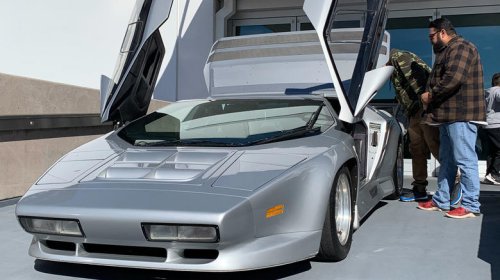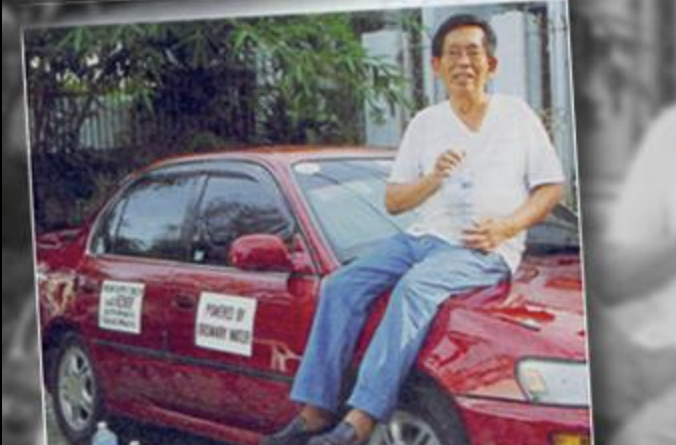
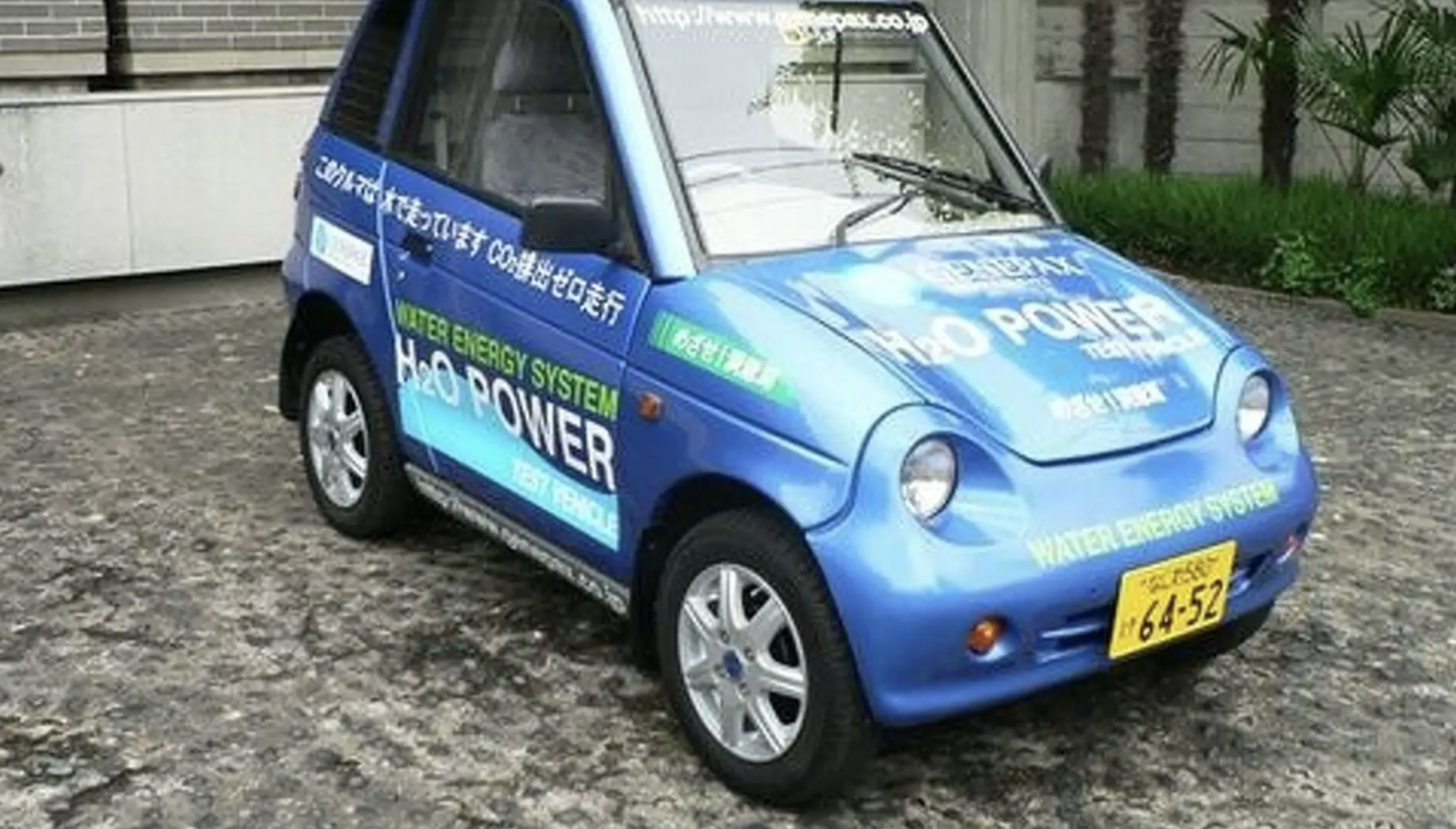
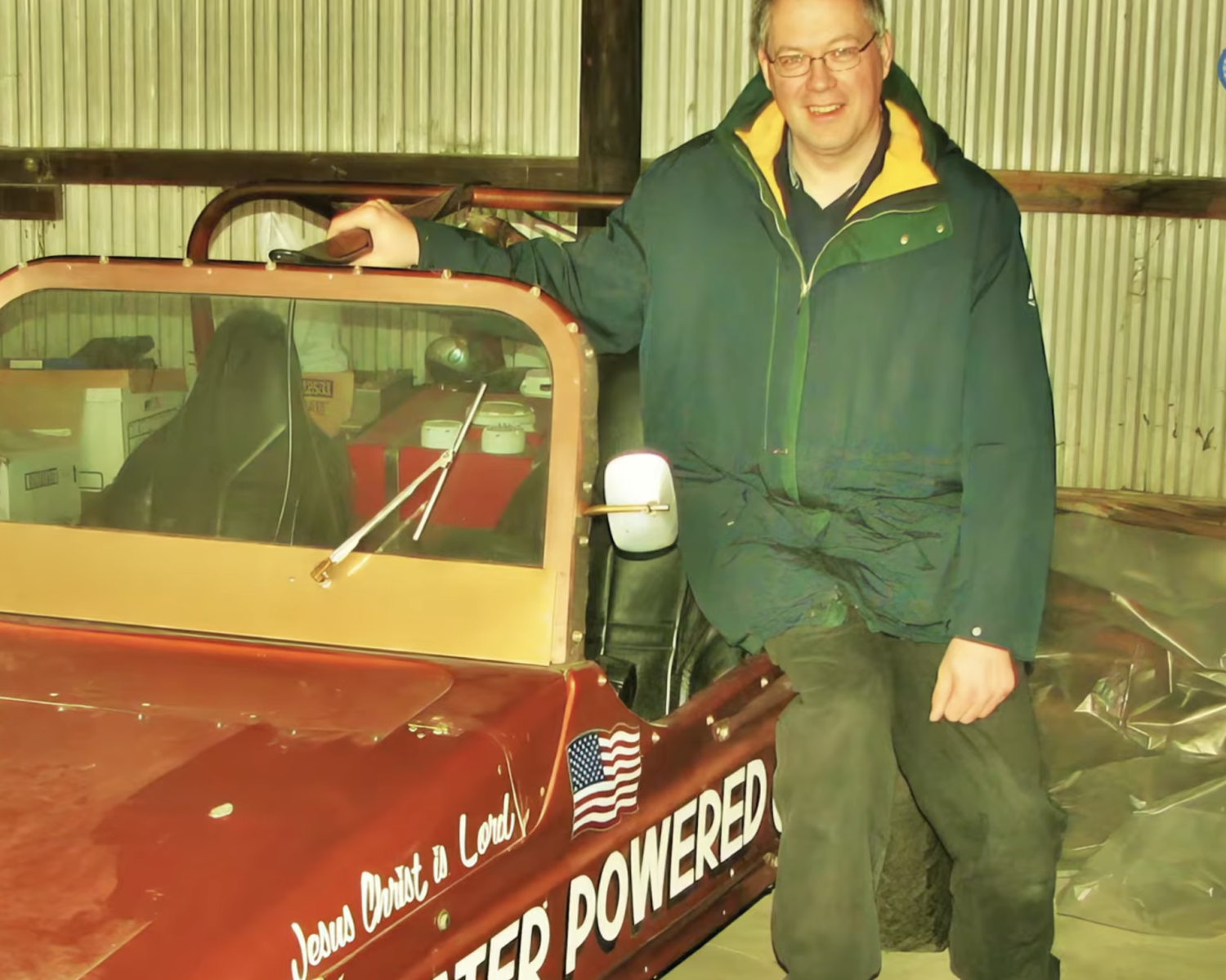



















The idea that a car can run on water has long been treated in the Philippines as a uniquely local story, carried for decades by the claims of Filipino “inventor” Daniel Dingel and sustained by periodic bursts of public interest whenever fuel prices rise. When the Iran war began, fuel prices tripled within a week, and almost overnight, Philippine social media was full of stories about Daniel Dingel’s water-powered engine. Let’s set things straight. Because there is no scientific proof that the water-powered engine works, it was declared a hoax. So much of a hoax that it caused Dingel his freedom and his life, because at 80, he was incarcerated for estafa and died two years later. But placing that narrative in a wider frame reveals something more revealing: the “water-powered car” is not a Filipino invention at all. It is a recurring global myth, one that has surfaced repeatedly across continents, generations, and technological eras, adapting itself to each moment of economic pressure and scientific misunderstanding. Dingel’s case remains the most recognizable Philippine chapter of that story. Beginning in the late 1960s, he claimed to have developed a system that could power a vehicle using water, modifying a Toyota Corolla and demonstrating what he described as a hydrogen-generating device. The premise was straightforward and compelling — split water into hydrogen and oxygen, burn the hydrogen, and eliminate the need for conventional fuel. For many observers, especially in a country heavily exposed to oil price fluctuations, the appeal was immediate. Here was a homegrown solution to a structural problem. Yet the same idea had already appeared decades earlier, and would continue to reappear long after Dingel. In the United States in the early 20th century, inventors such as Charles H. Garrett experimented with systems that used electrolysis to generate hydrogen from water for combustion engines. By the 1970s, Yull Brown was promoting what became known as “Brown’s gas,” a mixture of hydrogen and oxygen produced from water and touted as a revolutionary fuel. These efforts predated Dingel’s public demonstrations but shared the same underlying premise — and the same scientific limitations. The pattern became more visible in the late 20th century with figures like Stanley Meyer, who in the 1980s and 1990s claimed to have built a “water fuel cell” capable of running a car on water alone. Meyer’s demonstrations drew media attention and investor interest before ultimately collapsing under legal scrutiny; in 1996, he was found liable for fraud in an Ohio court. His case, like Dingel’s, moved from bold technological promise to courtroom judgment, highlighting not just questions of feasibility but of accountability. The Genepax water-powered engine supposedly fitted in a India Reva EV. It also had no verifiable technical details. (Image from motor1.com) By the 2000s, the phenomenon had become global. The Japanese company Genepax announced a vehicle it claimed could run on water, attracting international headlines before failing to provide verifiable technical details. In Pakistan, engineer Agha Waqar Ahmad promoted a similar system in the early 2010s, again generating widespread attention followed by scientific criticism. More recently, Indonesia’s Nikuba device briefly went viral during a period of high fuel prices, echoing the same claims in a social media-driven environment. Across all these cases, the storyline barely changes. A working prototype is claimed. Demonstrations are presented, often without full transparency. Public attention builds, fueled by the promise of cheap and abundant energy. Then scrutiny follows, and with it the same conclusion: the system cannot produce more energy than it consumes. Moreover, in the case of Stanley Meyer, the claim was he was poisoned by the oil industry, while Dingel was jailed by the fuel cartel of the Philippines in that time. The reason is not obscure. Water is not a fuel but the end product of combustion. To extract hydrogen from it requires energy input, typically through electrolysis. In every practical scenario, the energy required to split water exceeds the energy that can be recovered when the hydrogen is later used. This imbalance is not a temporary engineering hurdle but a reflection of fundamental thermodynamic limits. Any device that appears to run on water alone must be drawing energy from another source, whether disclosed or hidden. What differs from era to era is not the science but the context in which these claims gain traction. In times of fuel scarcity or price volatility, the appeal of a simple, transformative solution becomes stronger. In countries like the Philippines, where energy security is closely tied to imported fuels and projects such as the Malampaya gas field, the idea of an overlooked alternative carries additional emotional weight. It can easily shift from a technical claim into a narrative about missed opportunity or even suppression. That shift is visible in how Dingel’s story is now retold. What was once an unverified invention is increasingly framed as a breakthrough that was never allowed to succeed, sometimes linked — without evidence — to broader energy interests. Similar reframing has occurred elsewhere, with each iteration shaped by local concerns but connected by a common theme: the belief that a solution exists outside the boundaries of established systems and has been ignored or hidden. In the digital age, the spread of such narratives has accelerated. What once took years to circulate can now reach millions within days, often detached from historical context or scientific critique. The “water-powered car” has not disappeared; it has simply adapted, moving from garage experiments and small-scale demonstrations into a global cycle of viral rediscovery. Stanley Meyer and his supposedly water powered dune buggy. (Image from tcct.com)