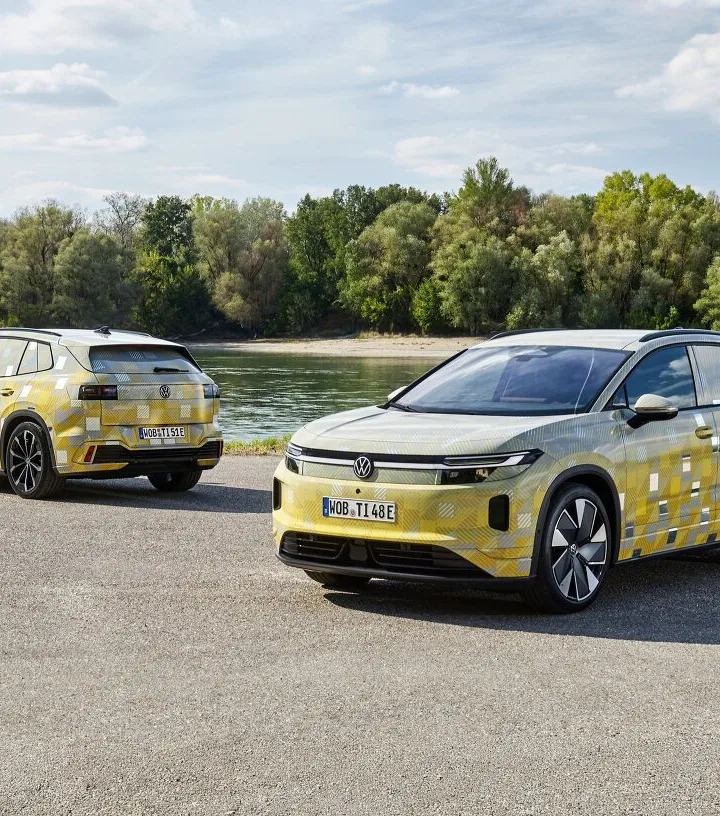
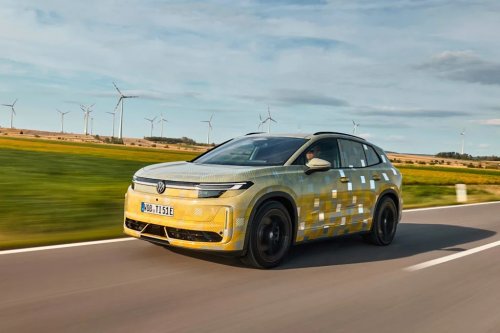
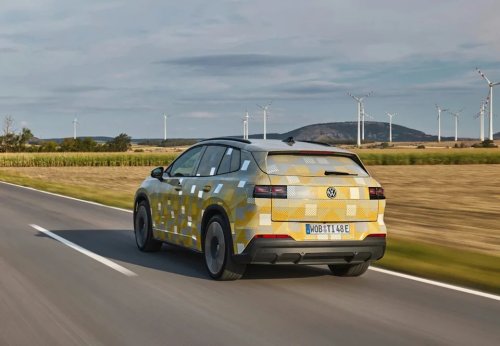
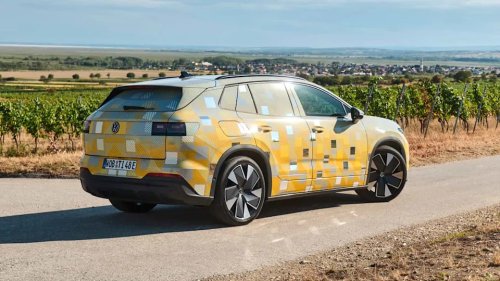
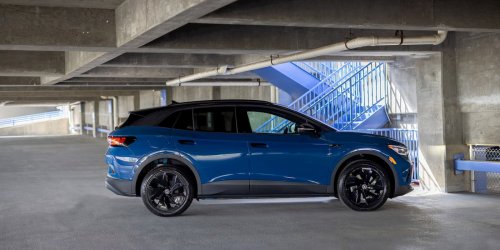
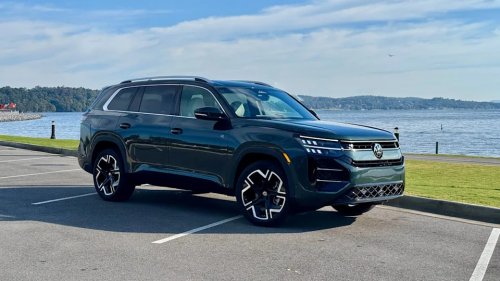
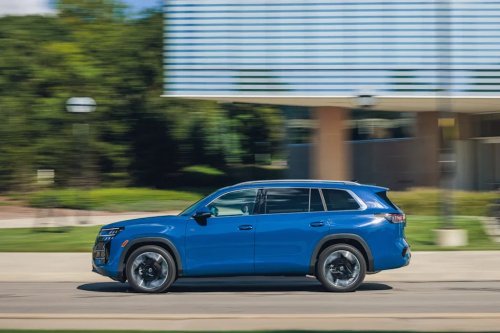
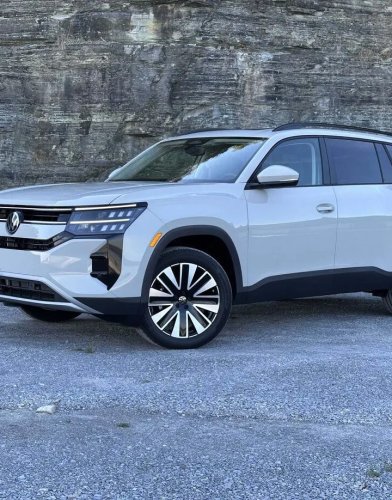
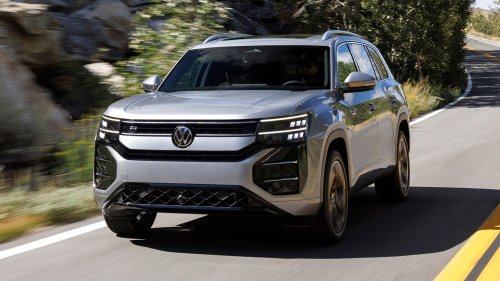
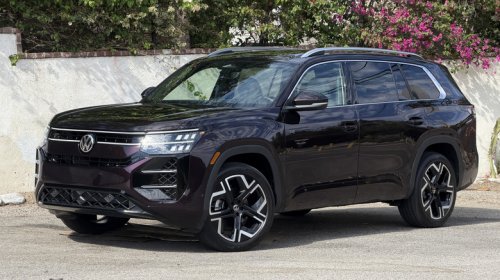
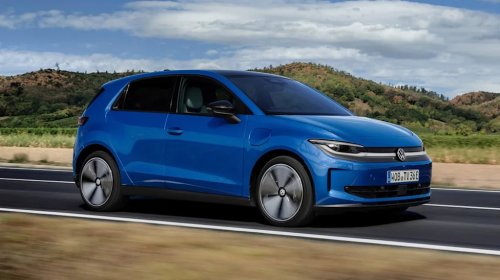
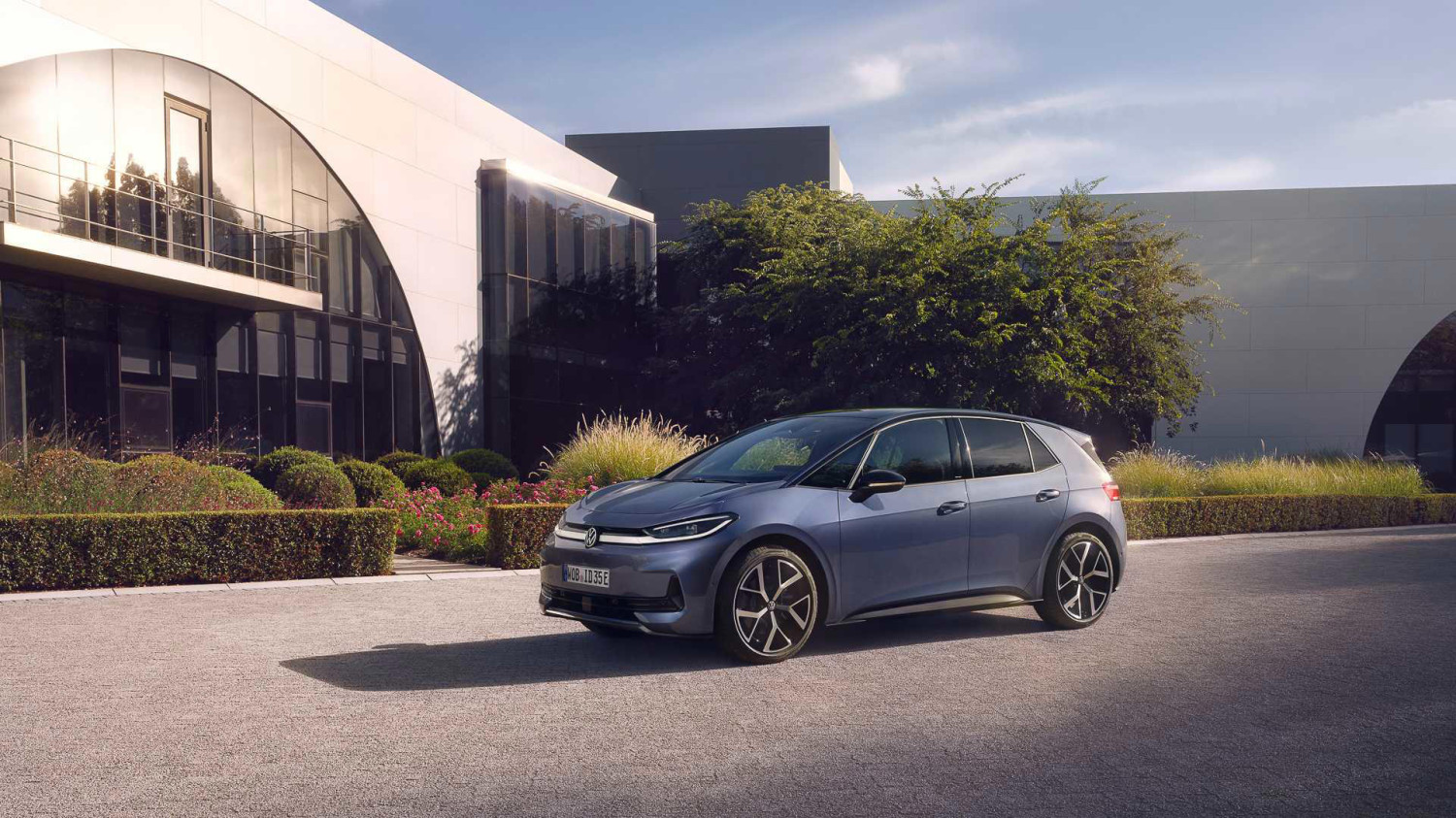
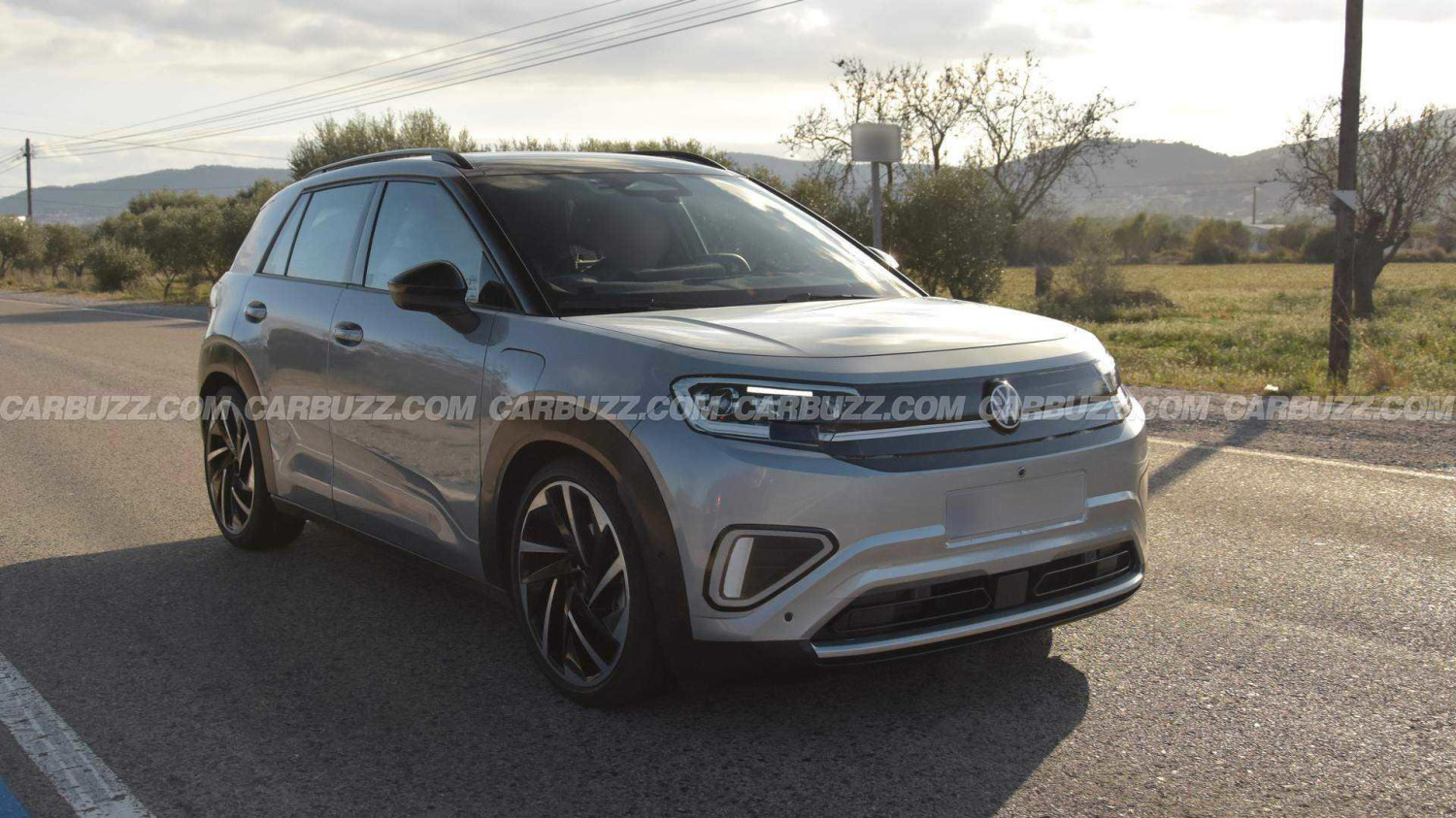
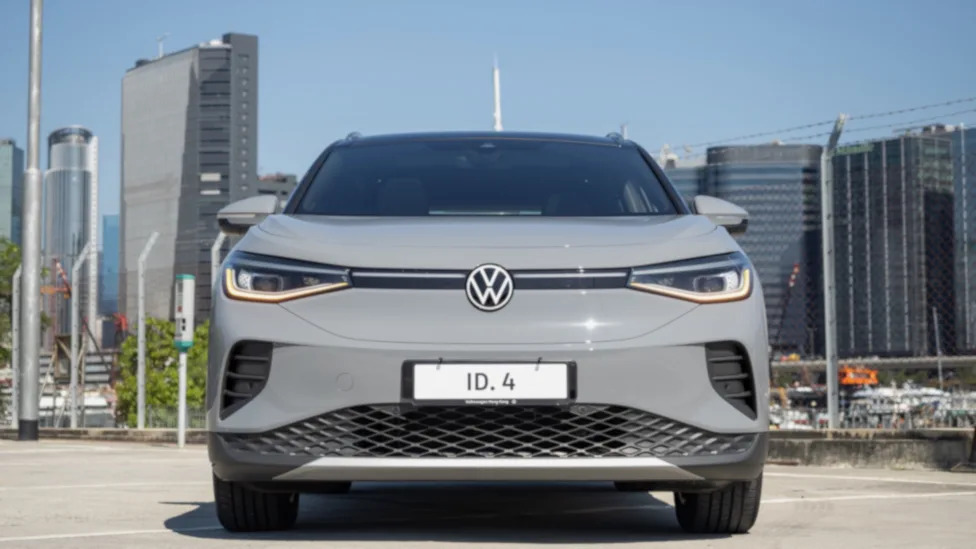
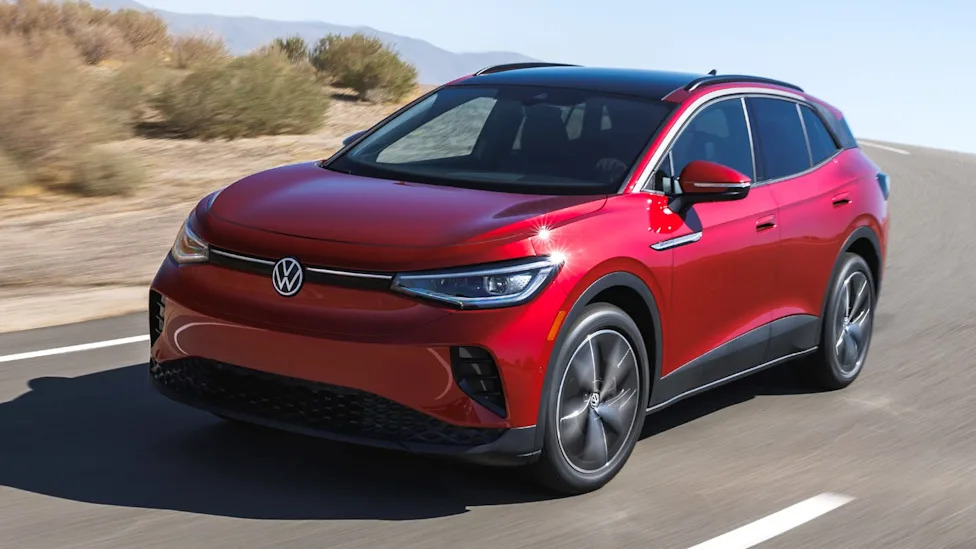
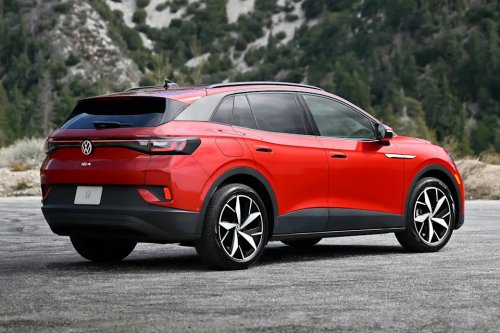
The US might have vented emissions fines into the atmosphere, but the European Union has not. Some automakers are struggling to meet the latest carbon emissions requirements in Europe, and Volkswagen is one of them. That has put the company in a tricky spot that could cost it nearly $2 billion over the next three years. After that, it could get even worse. Volkswagen Needs To Sell Both More And Less EVs Volkswagen Last week on the company's first-quarter earnings call, Volkswagen Group CFO & COO Arno Antlitz spoke about the problems the company is experiencing. He said that reduced CO2 emissions allowances in the EU were adding 400 million-500 million euros ($475-575 million) per year to the company's expenses.Antlitz described it as a complex problem to solve. VW expects to sell more EVs starting this year and next as the ID.2 and ID.1 models hit the market, but for the three-year cycle of 2025, 2026, and 2027, that isn't enough. VW then needs to balance the amount it pays in fines for excessive CO2 emissions and how much it is willing to lose on each EV so that it can sell enough to minimize the fine."We have to help these cars with prices that puts us into a situation that the margin is much lower than in combustion engine cars. We make a trade-off between money we lose due to the CO2 fine and money we lose to the margin loss of the BEVs."-Arno Antlitz, CFO and COO, Volkswagen GroupAntlitz was then asked if rising EV demand and sales were actually a negative for the brand. Once again, the answer was complicated. He said that on the upcoming ID.2 model and other MEB+ chassis vehicles with LFP battery cells, the profit margins were better than on older electric cars. Delayed SSP EVs Will Help CarBuzz/Valnet This situation is improving. Antlitz said the ID. Crozz was already delivering 70%-80% of the margins of the gas T-Cross, but he doesn't believe it will hit 100% until Scalable Systems Platform (SSP) vehicles hit the market.Though it's been three years since VW's SSP was first announced, it may still be two years or more away from reaching the market. The first vehicle on the more cost-effective electric vehicle platform is expected to be an electric Golf in 2028.In the grand scheme of things, 500 million euros a year, or about $1.7 billion over the three-year period, might not seem like a huge number in automotive terms. Not when Antlitz said that VW is losing 4 billion euros ($4.7 billion) per year to US tariffs. But the company brought in 322 billion euros last year with a total profit of 8.9. Those margins aren't enough to sustain or pay for development of new models. So in that environment, it's a big deal indeed.Around the world, VW is selling fewer electric vehicles. It said deliveries were down 8% in the first three quarters thanks to reduced demand in the US and China. But in Europe, sales are up. 18.1% of the vehicles the VW Group sold in the EU in the first quarter were electric.For the US market, Antlitz confirmed that production of the ID.4 in Chattanooga was done. The model will still be available, imported in small numbers, but it will be built overseas. Instead, the Tennessee plant will focus on the Atlas, a two-model family that combines to make for VW's best-selling vehicle in the US.



















 +16 others




![Volkswagen, Volkswagen ID.4, Volkswagen ID.5, Volkswagen's best-seller is going electric in 2027 to replace the ID.4 and ID.5 [Images]](https://cdn.topcarnews.net/thumb/id/aHR0cHM6Ly9pMC53cC5jb20vZWxlY3Ry-ZWsuY28vd3AtY29udGVudC91cGxvYWRz-L3NpdGVzLzMvMjAyNi8wOS9Wb2xrc3dh-Z2VuLUlELVRpZ3Vhbi1JRC00LmpwZWc_-dz0xNTAwJmFtcDtxdWFsaXR5PTgyJmFt-cDtzdHJpcD1hbGwmYW1wO3NzbD0x/aed2aa2870791850c8e69c5fc3a0ed85.jpeg?t=20261009&post_id=66267)
![Volkswagen, Volkswagen ID.4, Volkswagen ID.5, Volkswagen's best-seller is going electric in 2027 to replace the ID.4 and ID.5 [Images]](https://cdn.topcarnews.net/thumb/id/aHR0cHM6Ly9lbGVjdHJlay5jby93cC1j-b250ZW50L3VwbG9hZHMvc2l0ZXMvMy8y-MDI2LzA5L1ZvbGtzd2FnZW4tSUQtVGln-dWFuLUlELTQtZnJvbnQtcXVhcnRlci5q-cGc_c3RyaXA9aW5mbyZhbXA7dz0xMDI0/97fb00cd3919b8d0dc36440715039e6e.jpg?t=20261009&post_id=66267)
![Volkswagen, Volkswagen ID.4, Volkswagen ID.5, Volkswagen's best-seller is going electric in 2027 to replace the ID.4 and ID.5 [Images]](https://cdn.topcarnews.net/thumb/id/aHR0cHM6Ly9lbGVjdHJlay5jby93cC1j-b250ZW50L3VwbG9hZHMvc2l0ZXMvMy8y-MDI2LzA5L1ZvbGtzd2FnZW4tSUQtVGln-dWFuLUlELTQtc2lkZS5qcGc_c3RyaXA9-aW5mbyZhbXA7dz0xMDI0/ed240b20e8275f3af4b904f46ebb5fb3.jpg?t=20261009&post_id=66267)
![Volkswagen, Volkswagen ID.4, Volkswagen ID.5, Volkswagen's best-seller is going electric in 2027 to replace the ID.4 and ID.5 [Images]](https://cdn.topcarnews.net/thumb/id/aHR0cHM6Ly9lbGVjdHJlay5jby93cC1j-b250ZW50L3VwbG9hZHMvc2l0ZXMvMy8y-MDI2LzA5L1ZvbGtzd2FnZW4tSUQtVGln-dWFuLUlELTQtcmVhci1xdWFydGVyLmpw-Zz9zdHJpcD1pbmZvJmFtcDt3PTEwMjQ/436c7979cf5b947053f7f0bf39ff94bc.jpg?t=20261009&post_id=66267)
![Volkswagen, Volkswagen ID.4, Volkswagen ID.5, Volkswagen's best-seller is going electric in 2027 to replace the ID.4 and ID.5 [Images]](https://cdn.topcarnews.net/thumb/id/aHR0cHM6Ly9lbGVjdHJlay5jby93cC1j-b250ZW50L3VwbG9hZHMvc2l0ZXMvMy8y-MDI2LzA5L1ZvbGtzd2FnZW4tSUQtVGln-dWFuLUlELTQtZnJvbnQuanBnP3N0cmlw-PWluZm8mYW1wO3c9MTAyNA/ec2e4ca027ccbfb42942abe523f3acf7.jpg?t=20261009&post_id=66267)
![Volkswagen, Volkswagen ID.4, Volkswagen ID.5, Volkswagen's best-seller is going electric in 2027 to replace the ID.4 and ID.5 [Images]](https://cdn.topcarnews.net/thumb/id/aHR0cHM6Ly9lbGVjdHJlay5jby93cC1j-b250ZW50L3VwbG9hZHMvc2l0ZXMvMy8y-MDI2LzA5L1ZvbGtzd2FnZW4tSUQtVGln-dWFuLUlELTQtcmVhci5qcGc_c3RyaXA9-aW5mbyZhbXA7dz0xMDI0/668525889dc433b0fd0e166fd5bd8366.jpg?t=20261009&post_id=66267)