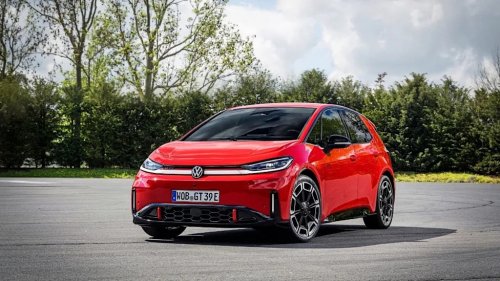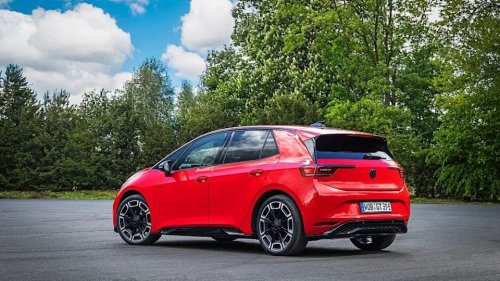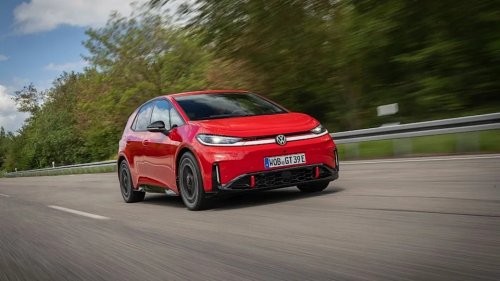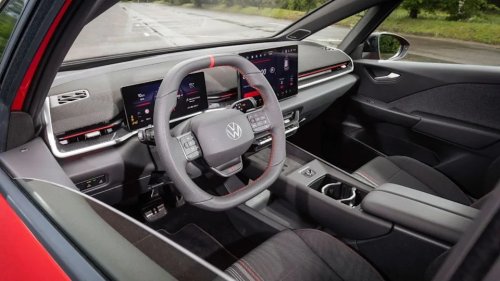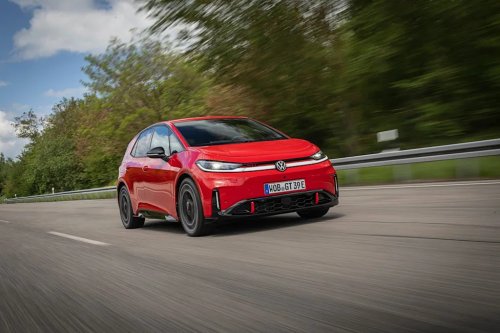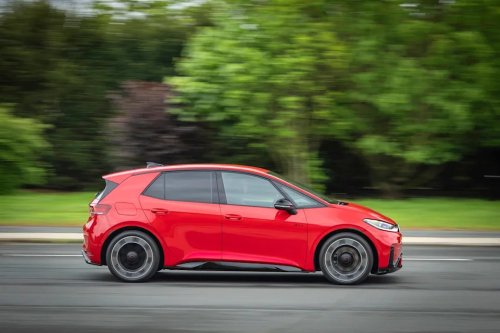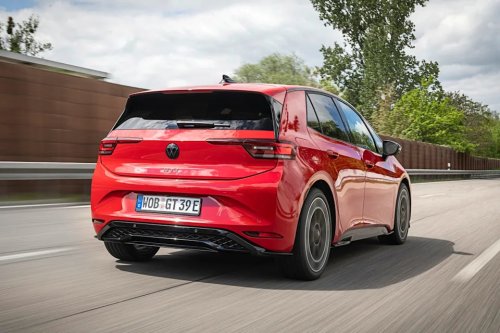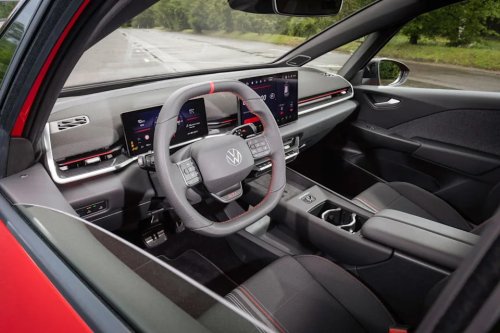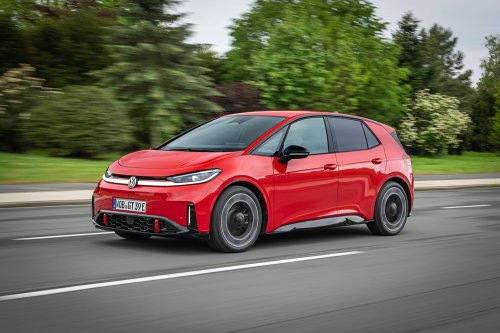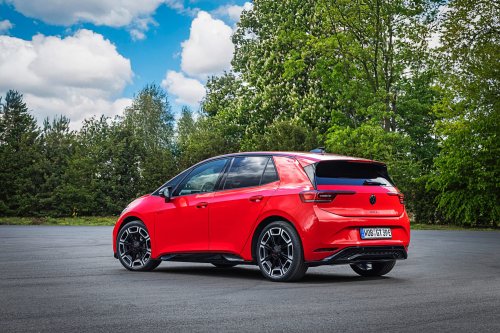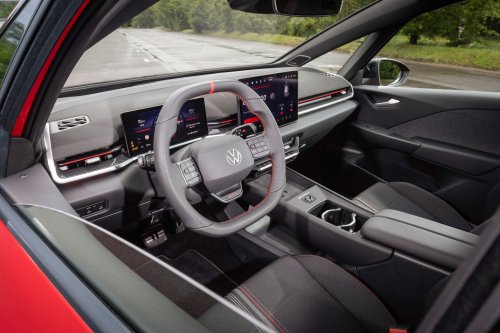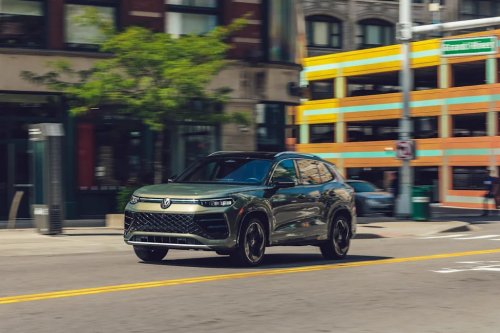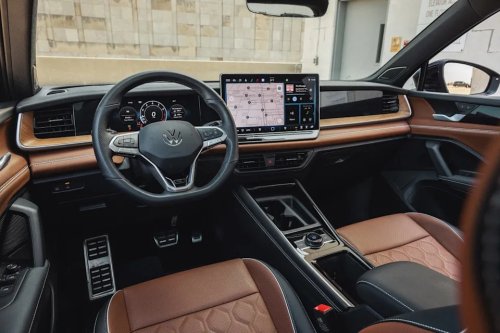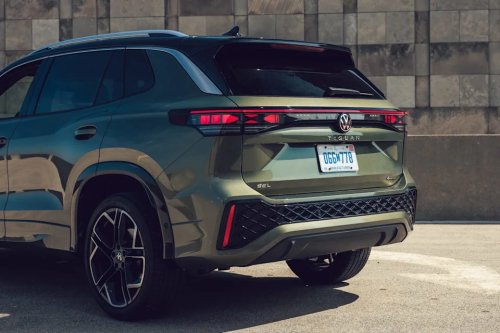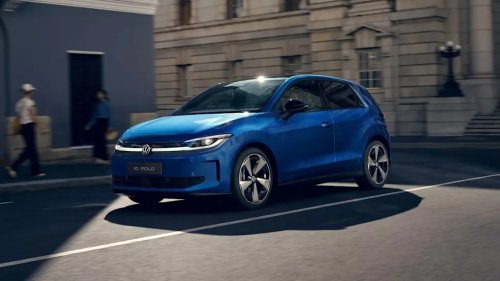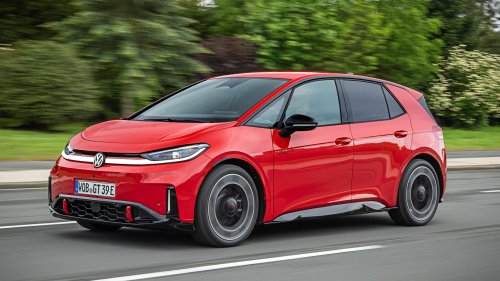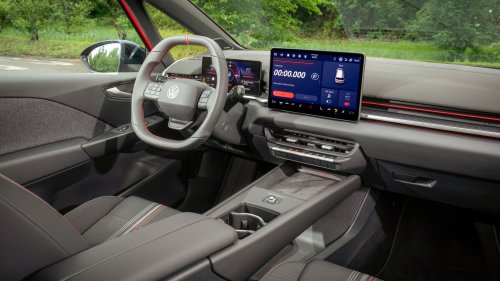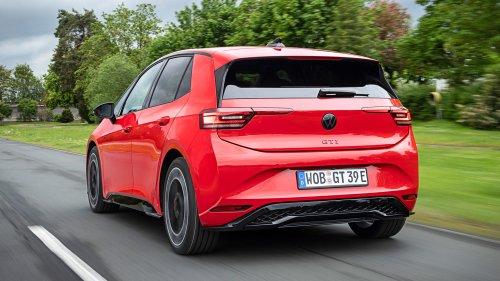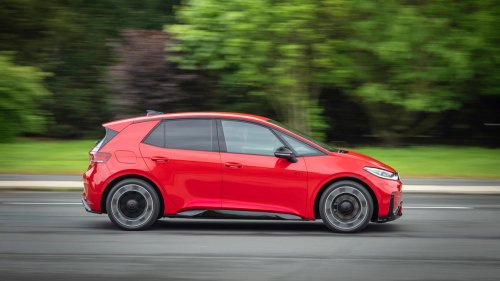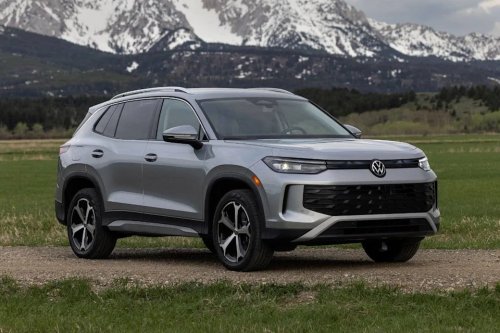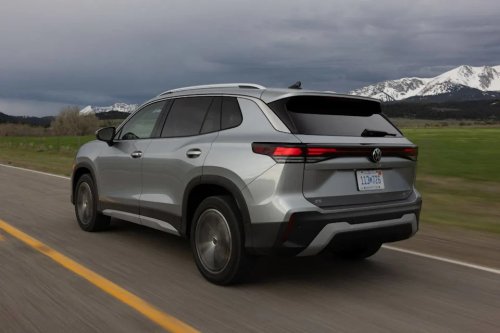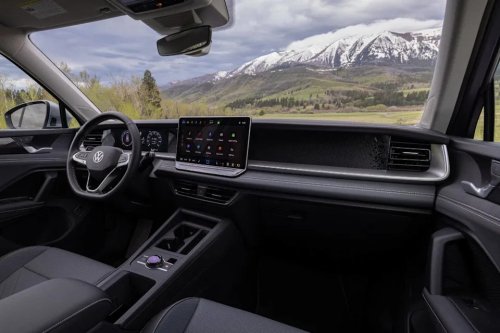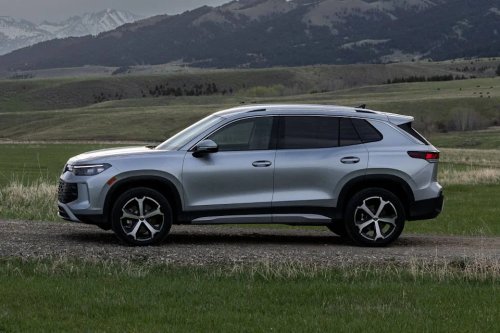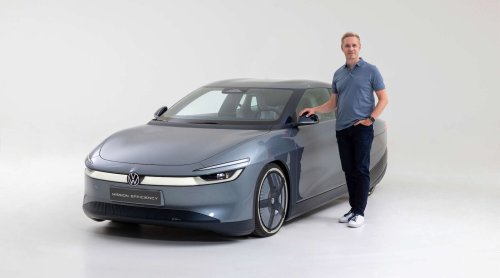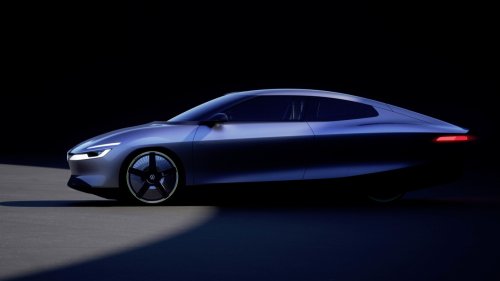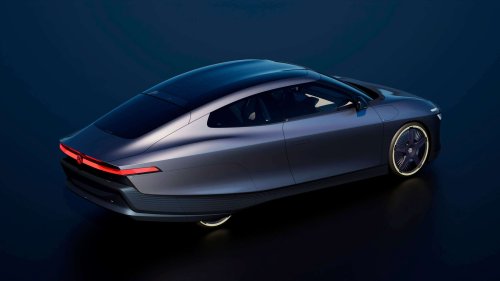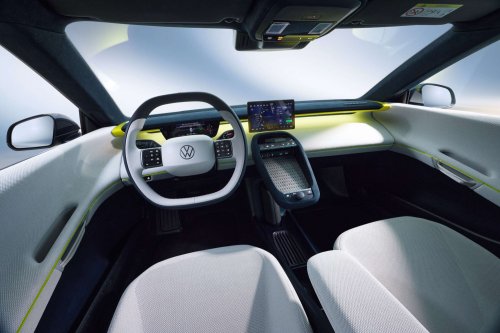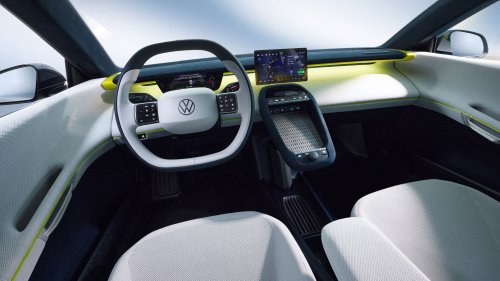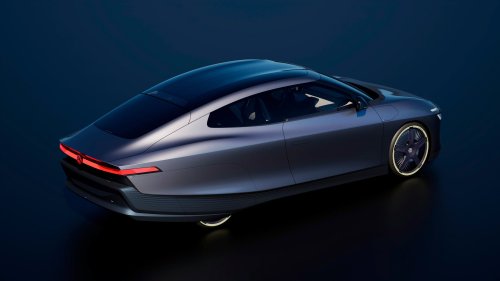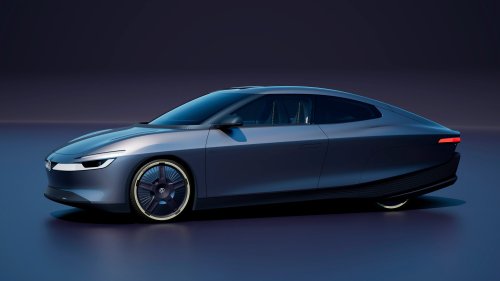























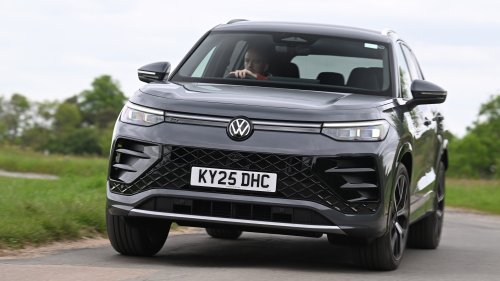

Volkswagen Group dominated China for decades, but younger buyers are now shifting awayVolkswagen spent a quarter century as the default foreign car brand in China, a familiar badge in taxi fleets, government garages, and family driveways. That dominance is now under pressure as younger Chinese buyers gravitate toward domestic electric upstarts and tech‑heavy models that make their parents’ sedans look dated. The shift is not just about style. It reflects a deeper change in how the world’s largest car market thinks about technology, value, and national brands, and it is forcing one of Europe’s biggest automakers to rethink what it offers in China at high speed. What happened For roughly 25 years, Volkswagen Group sat at the top of China’s passenger car market, helped by early joint ventures, a sprawling dealer network, and a reputation for solid, conservative engineering. Models such as the Santana, Jetta, and Passat became fixtures on Chinese roads, and for a long stretch, a Volkswagen badge signaled a sensible, middle‑class choice. That reputation has now become a liability with younger consumers. In Chinese social media slang, Volkswagen has been tagged as an “auto for parents,” a label that captures how many buyers in their twenties and early thirties see the brand as safe but boring. Reporting on the Chinese market describes how this perception has hardened, with shoppers in their twenties dismissing classic sedans like the Lavida and Sagitar as cars their father would drive rather than something they would proudly post online. One analysis of the market shift describes how, after 25 years of leadership, Volkswagen’s image among the young has tilted toward a brand for older generations, with several buyers openly calling its products “cars for dads” in dealership interviews and online forums, a trend detailed in Chinese market commentary. At the same time, the structure of the market has changed. Chinese brands have surged in electric vehicles and plug‑in hybrids, with companies such as BYD, Nio, Xpeng, and others flooding showrooms with crossovers and sedans that integrate large touchscreens, advanced driver assistance, and smartphone‑like software. These domestic brands have steadily expanded their share of new energy vehicle sales, particularly in the price bands where Volkswagen once dominated with compact gasoline sedans. Volkswagen has tried to respond with its ID. family of electric cars, including the ID.3 hatchback and ID.4 and ID.6 crossovers produced through its joint ventures. Yet sales have lagged expectations in China, where buyers compare those models not only on range and price but also on in‑car software and connectivity. Local competitors have been quicker to roll out frequent software updates, voice assistants tuned to Chinese apps, and integration with services like WeChat and Alipay, which younger drivers treat as non‑negotiable. Price pressure has intensified the problem. Aggressive discounting by Chinese manufacturers, combined with government support for new energy vehicles, has pushed transaction prices down in segments where Volkswagen’s gasoline models once enjoyed healthy margins. To stay competitive, dealers have had to cut prices on long‑standing models, which erodes the sense of premium positioning that once helped Volkswagen stand apart from purely domestic brands. Why it matters China is the world’s largest auto market, and for Volkswagen Group it has long been the single most important country for sales and profits. A sustained loss of relevance among young buyers would not just dent market share in one region. It would undercut the volume base that funds the company’s global product development and its transition to electric and software‑defined vehicles. The generational shift in taste also carries symbolic weight. For years, foreign carmakers, especially German brands, held a prestige advantage in China. Owning a Volkswagen, Audi, BMW, or Mercedes signaled success and international sophistication. Now, for many younger consumers, that status signal has flipped. Domestic brands that once chased foreign benchmarks are increasingly framed as the innovators, while some foreign models are seen as slower to update and less attuned to local digital habits. This perception gap is amplified by how Chinese buyers shop for cars. Younger customers rely heavily on short‑video platforms, livestream sales events, and influencer reviews that focus on software features and in‑car tech as much as horsepower. Brands that can generate online buzz with rapid feature rollouts and quirky design touches gain an advantage. Volkswagen’s traditional strength in mechanical refinement and long‑term durability resonates more with older buyers who remember the first wave of joint‑venture cars, not with first‑time owners who grew up with smartphones and expect their car to behave like another connected device. The stakes extend beyond branding. If Volkswagen loses a generation of Chinese buyers at the moment when the global industry is pivoting to electric and connected vehicles, it risks being locked out of the fastest‑growing part of the market. That would leave the group more dependent on mature gasoline segments in Europe and other regions, where regulatory pressure and competition are also intensifying. There are also implications for the broader European auto sector. Volkswagen’s experience in China serves as a warning to other legacy manufacturers that have relied on the country for growth. It shows how quickly a foreign brand can go from aspirational to outdated if it fails to match the pace of local innovation in software, user experience, and pricing models such as battery leasing or subscription features. For Chinese policymakers and domestic manufacturers, the shift carries different meaning. Rising preference for homegrown brands among young buyers supports national industrial goals, strengthens local supply chains, and gives Chinese companies more leverage as they push into export markets. When a 28‑year‑old in Shanghai chooses a domestic electric crossover over a foreign gasoline sedan, that decision feeds a feedback loop of scale, data, and investment that can further accelerate Chinese advances in batteries, chips, and automotive software. What to watch next The next phase of Volkswagen’s story in China will hinge on how quickly it can adapt its products and partnerships to this new reality. Several strategic questions will shape whether the group can regain momentum with younger buyers or whether its role shrinks to a legacy brand for older, more conservative customers. The company’s electric strategy in China will be critical. That includes not only the hardware of its ID. models but also the software stack that powers infotainment, driver assistance, and connectivity. Chinese competitors update features over the air at a rapid clip, sometimes monthly, and market those updates as a key part of ownership. Volkswagen’s ability to match that cadence, and to integrate local apps and services deeply into its systems, will be central to any attempt to shift perceptions among tech‑savvy buyers. Pricing and product positioning will also remain under scrutiny. If Chinese brands continue to compress margins in compact and mid‑size segments, Volkswagen will have to decide whether to chase volume with sharper pricing or to reposition certain models as more premium, with features and design that clearly justify a higher sticker. Either path requires clarity about which buyer it is targeting: the cost‑conscious family replacing an older sedan or the young professional choosing a first car with an eye on technology and style. Joint ventures and partnerships could evolve as well. For decades, Volkswagen’s Chinese joint ventures focused on scaling production and tailoring a limited set of models for local tastes. Now, collaboration may need to shift toward software, batteries, and shared platforms that shorten development cycles. Any move to deepen cooperation with local technology firms or battery suppliers will signal how far Volkswagen is prepared to go to localize its offering. Consumer sentiment will be another key indicator. If the “parents’ car” label continues to spread in social media discourse, it will become harder to reverse, regardless of product changes. On the other hand, a breakout model that captures the imagination of young drivers, perhaps a competitively priced electric crossover with standout software, could begin to shift the narrative. Monitoring how new launches trend on platforms that younger Chinese use daily will give an early read on whether perceptions are starting to move. More From Fast Lane Only: Unboxing the WWII Jeep in a Crate 15 rare Chevys collectors are quietly buying 10 underrated V8s still worth hunting down Police notice this before you even roll window down The post Volkswagen Group dominated China for decades, but younger buyers are now shifting away appeared first on FAST LANE ONLY.