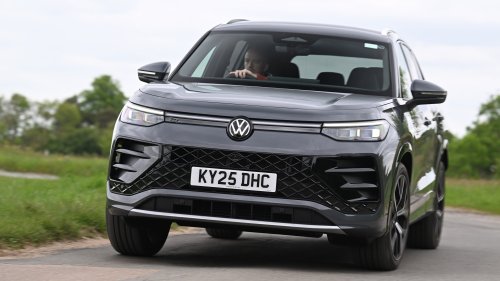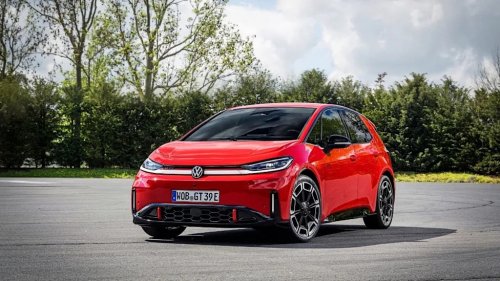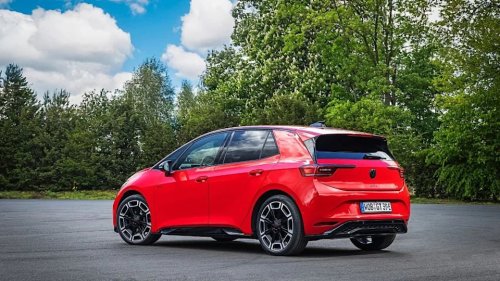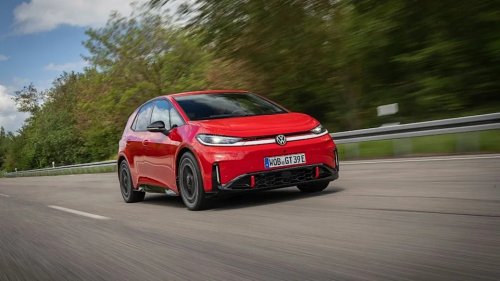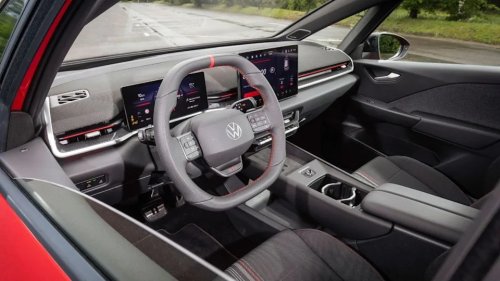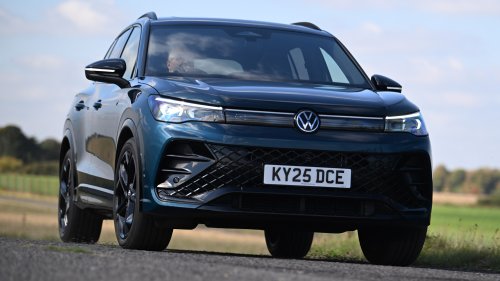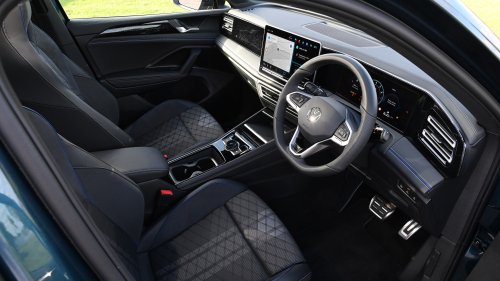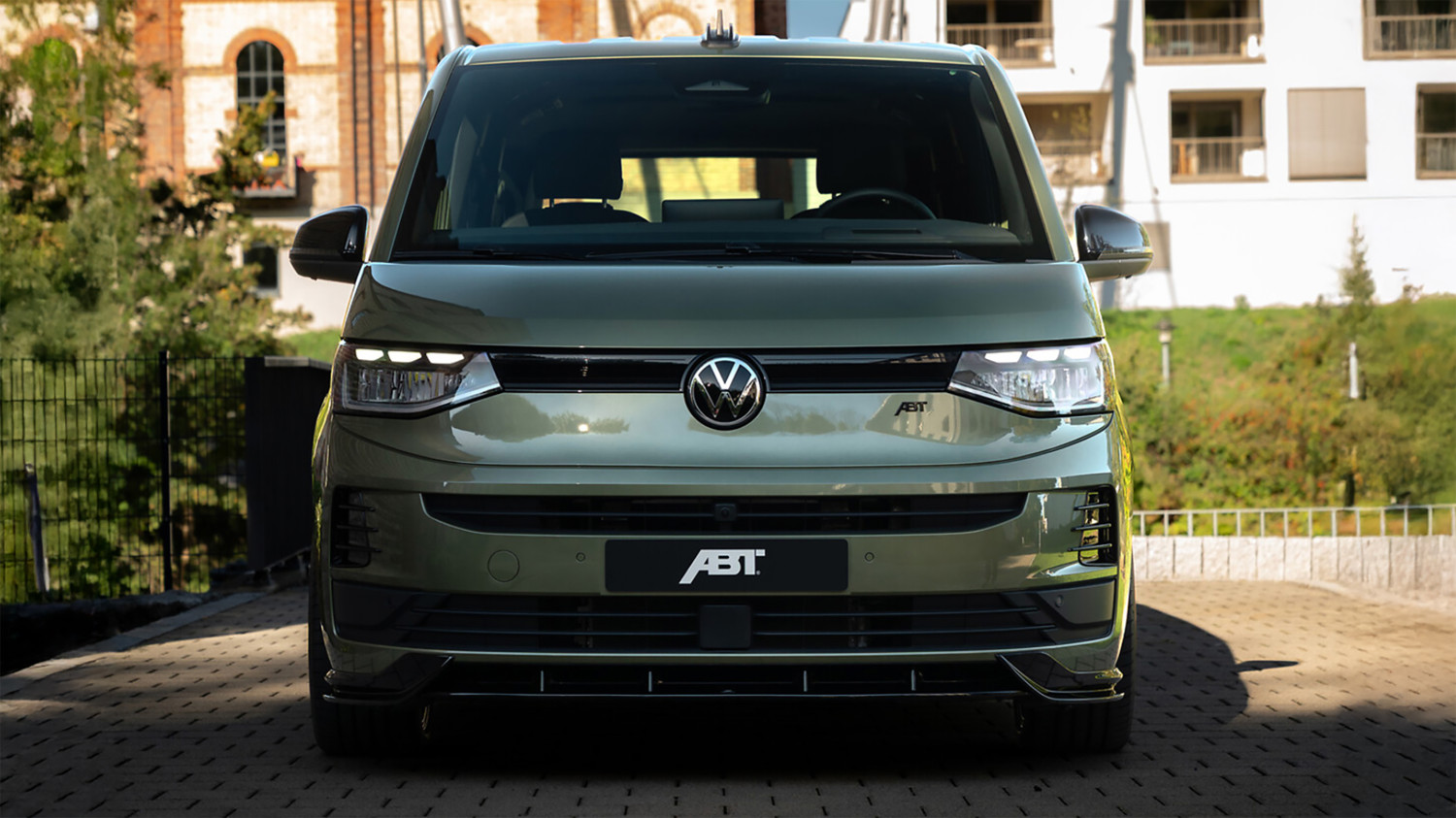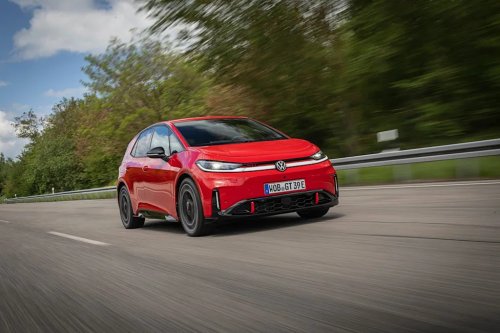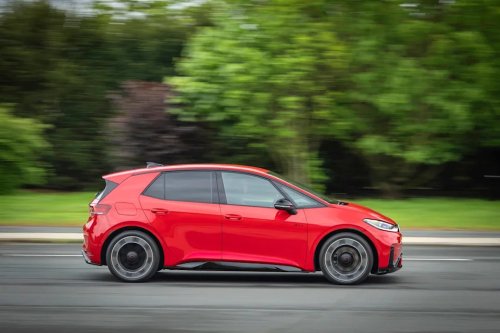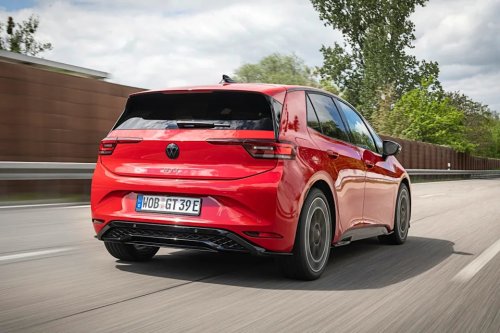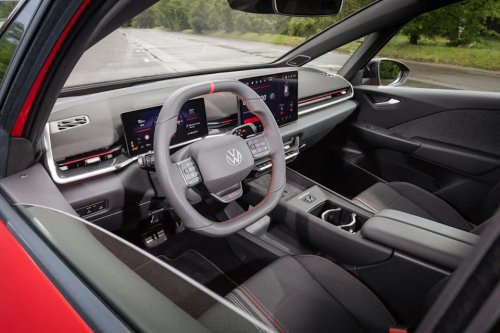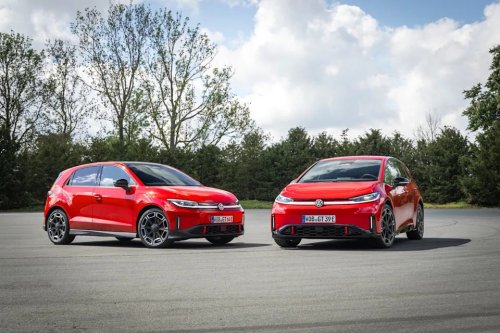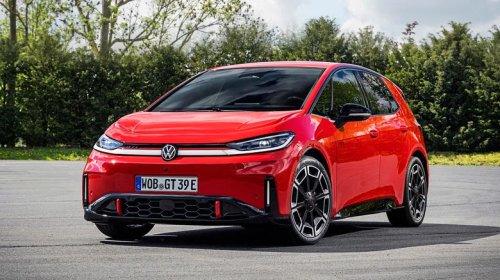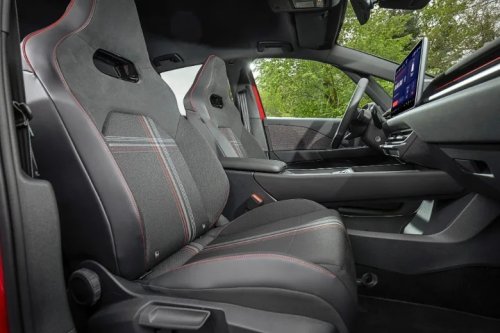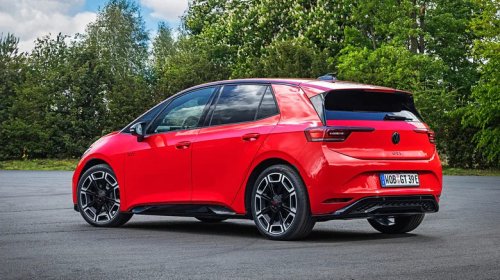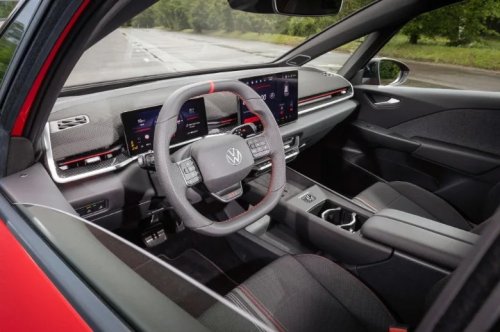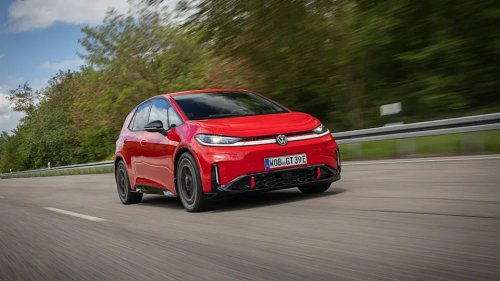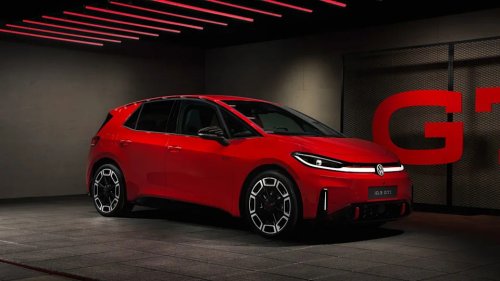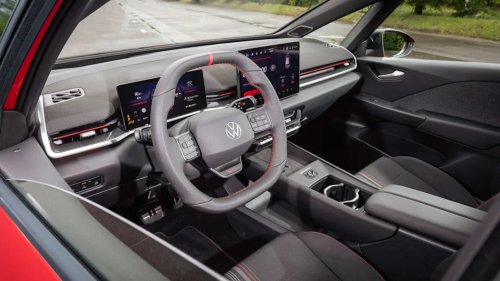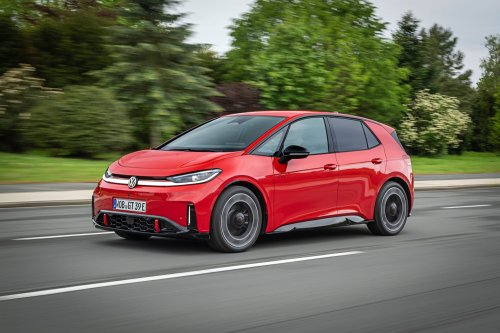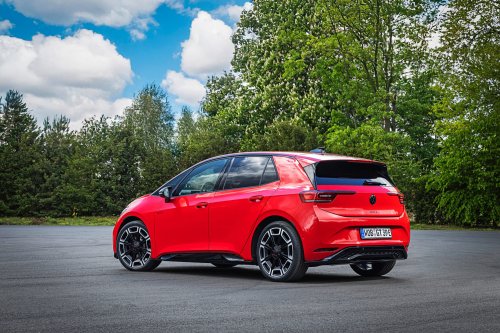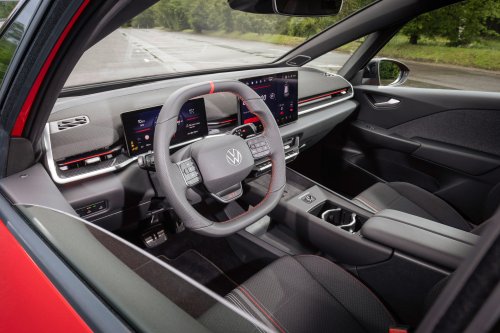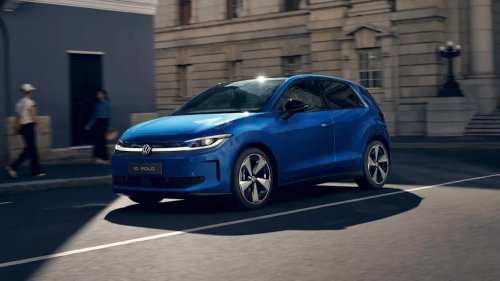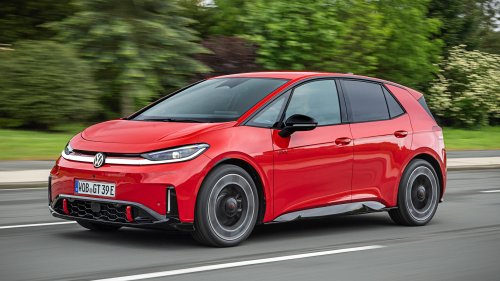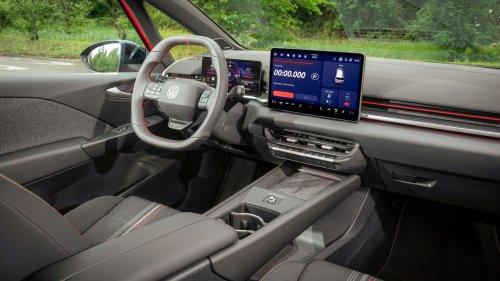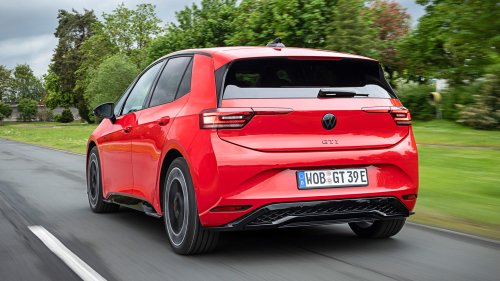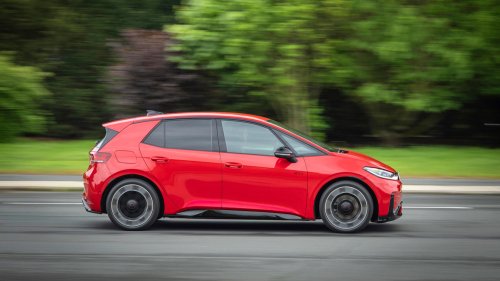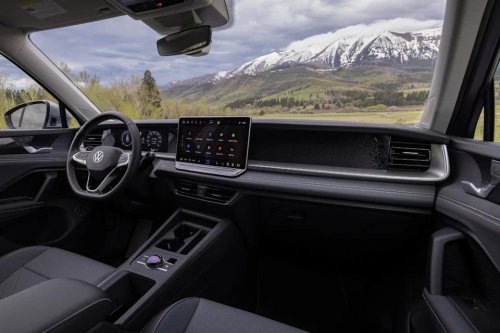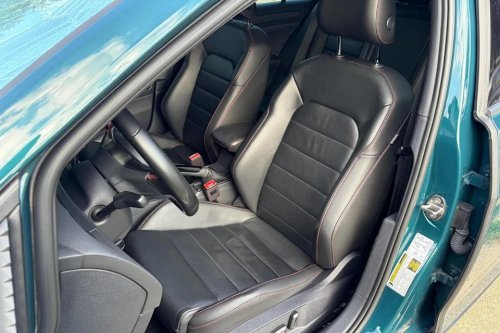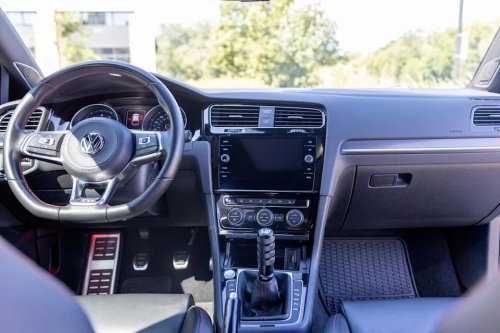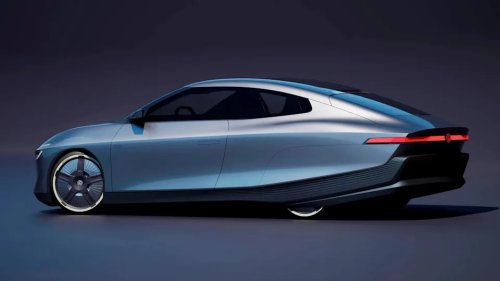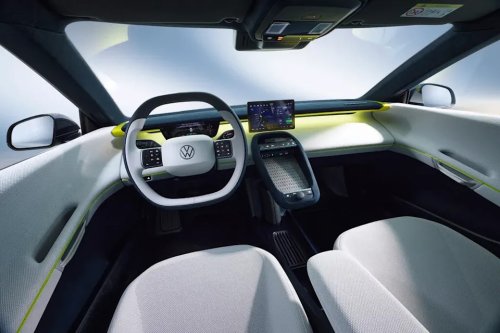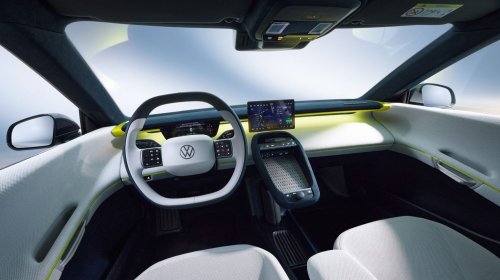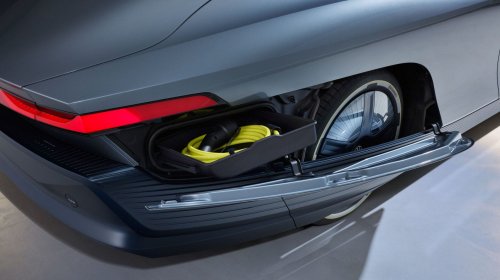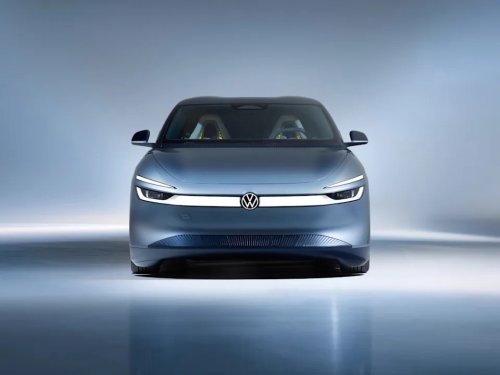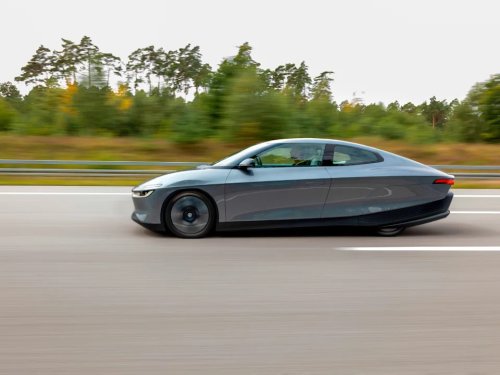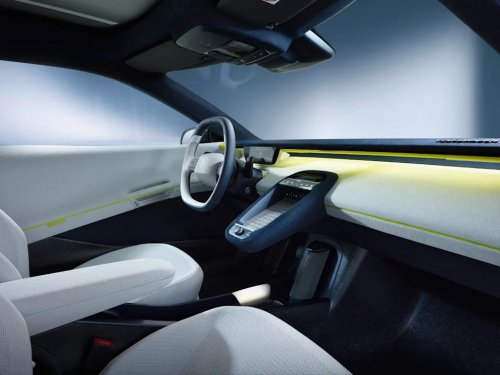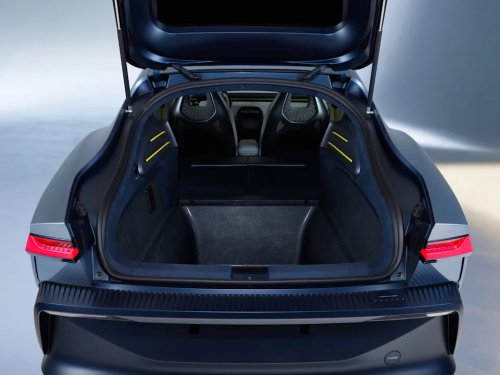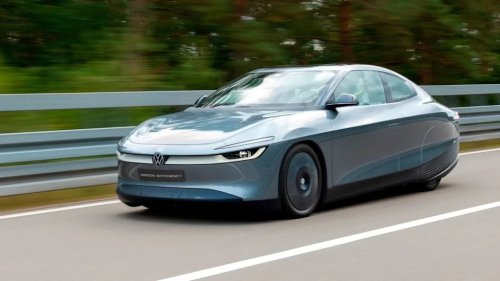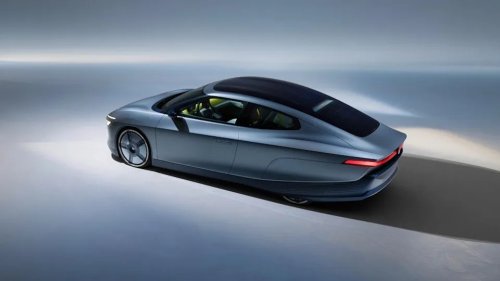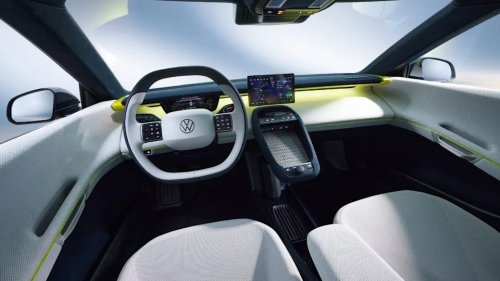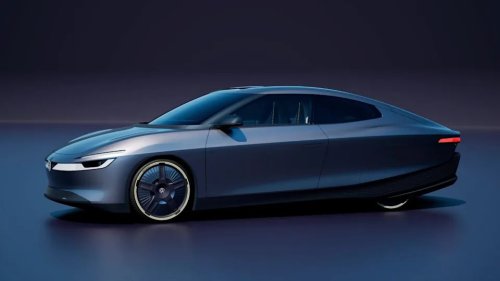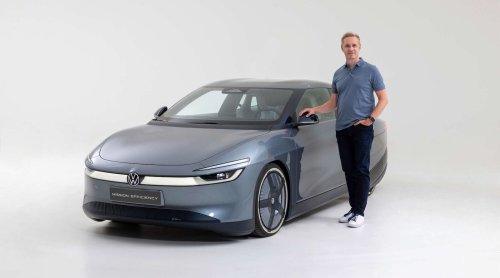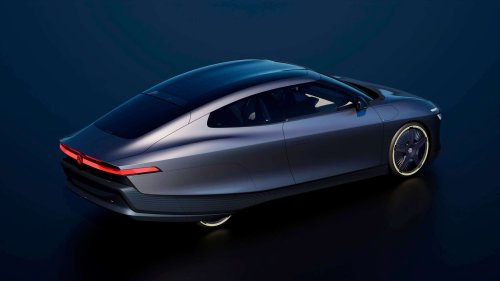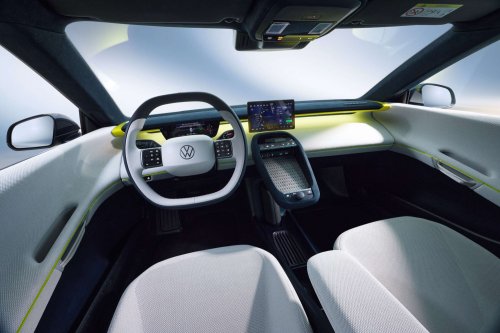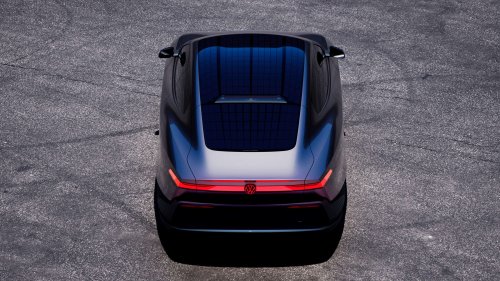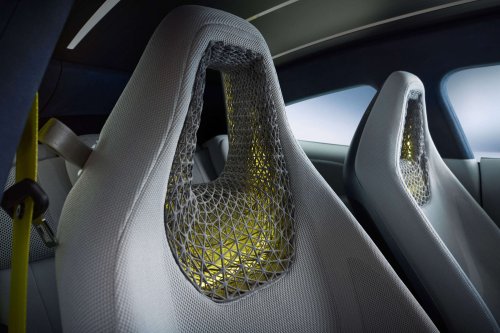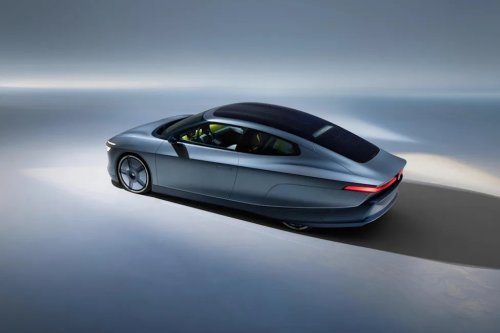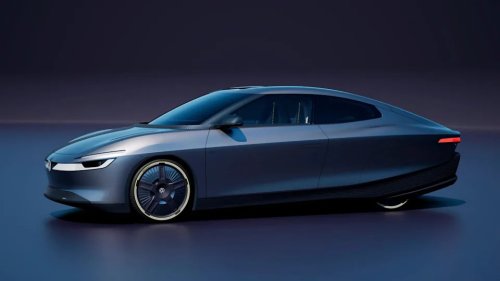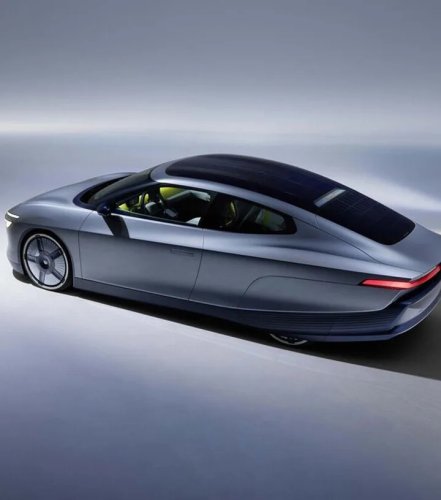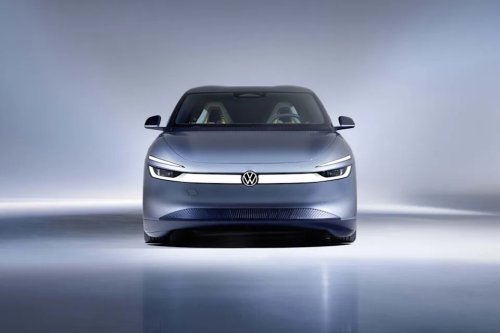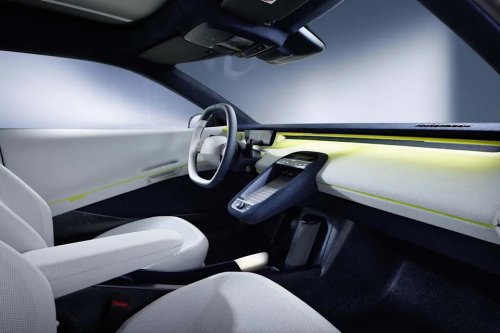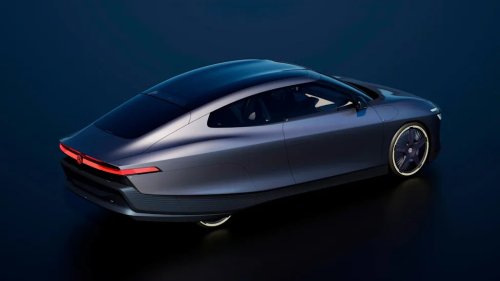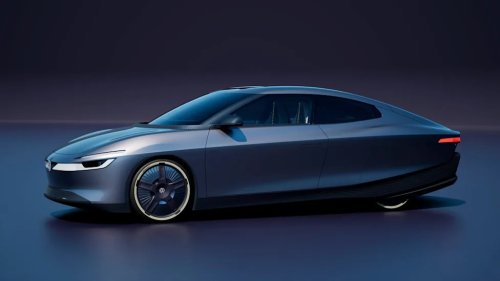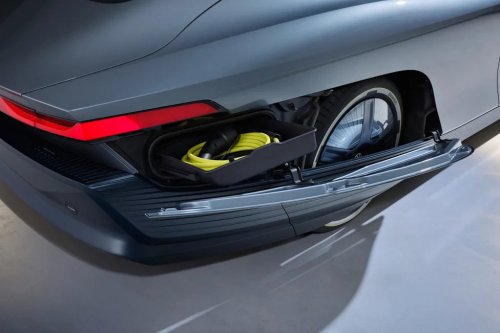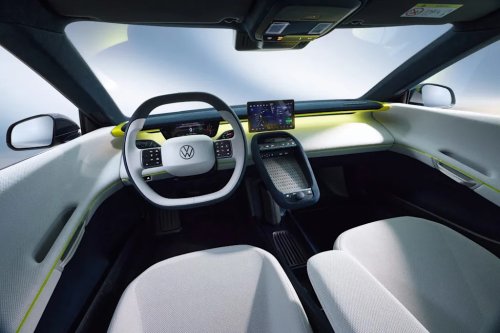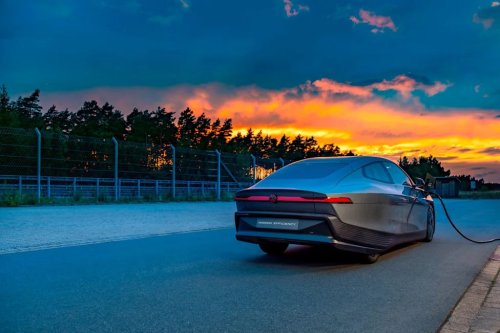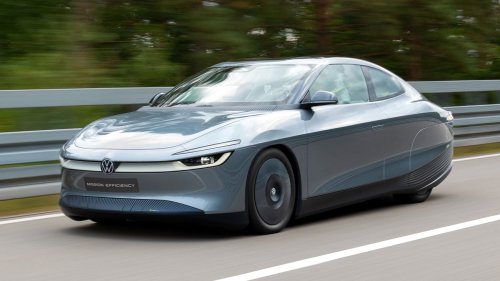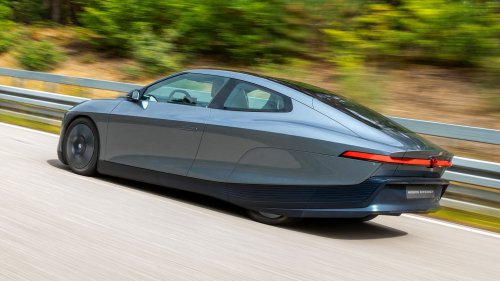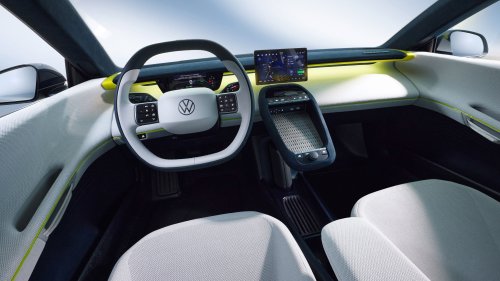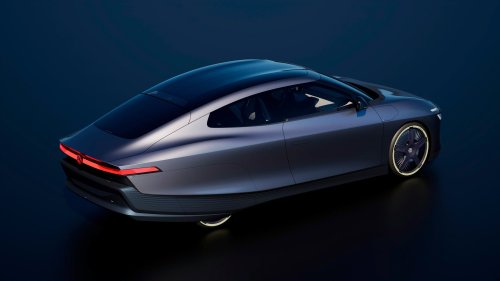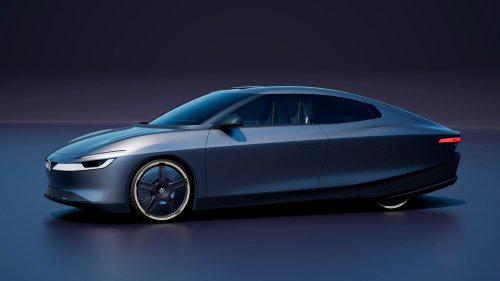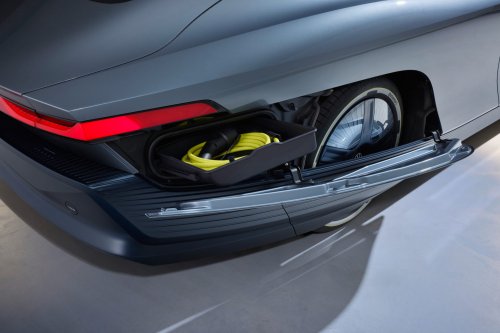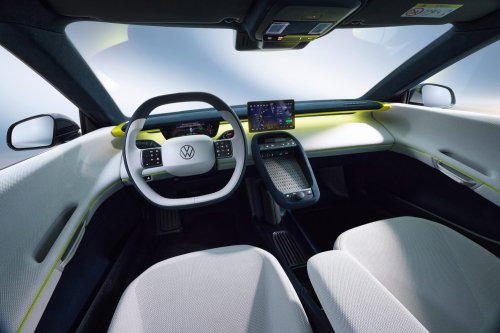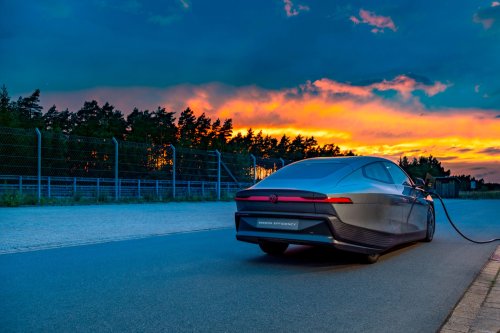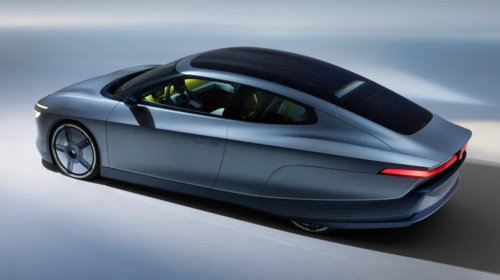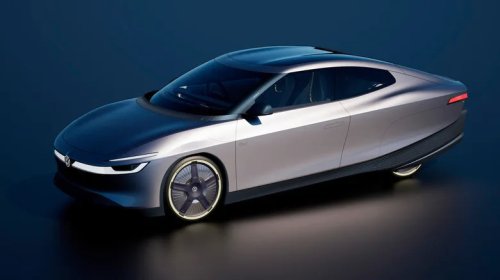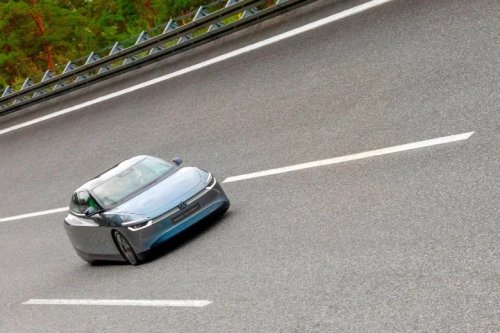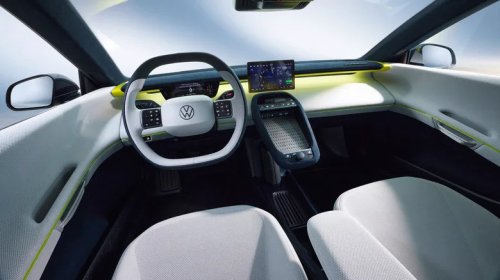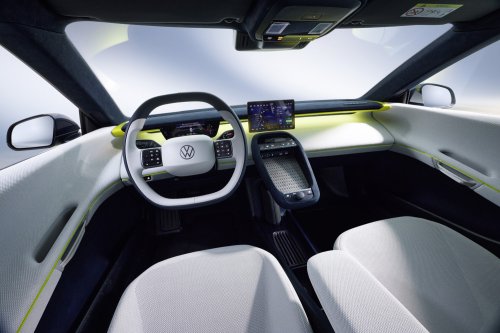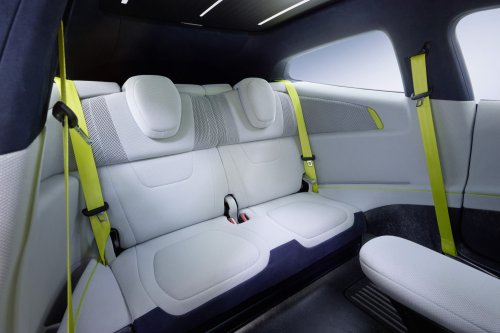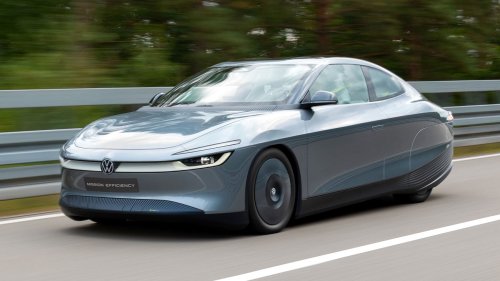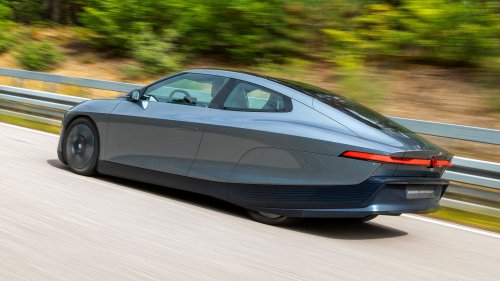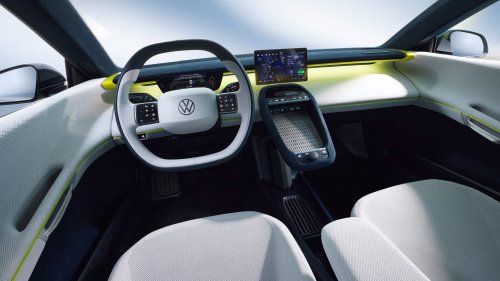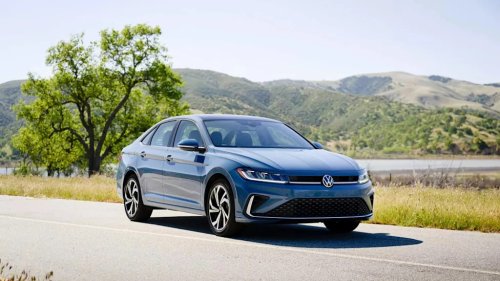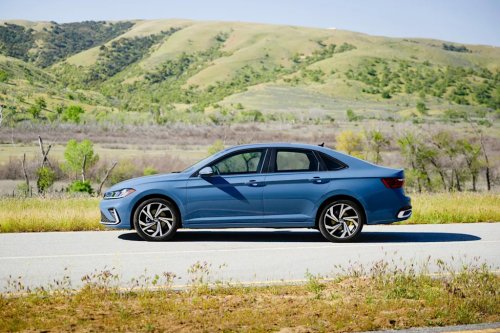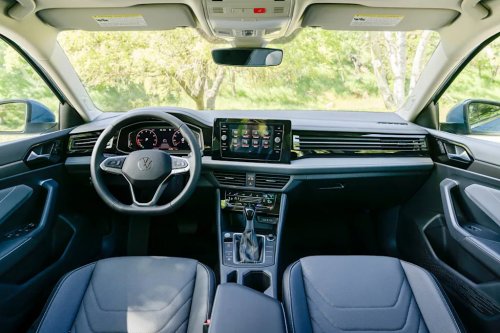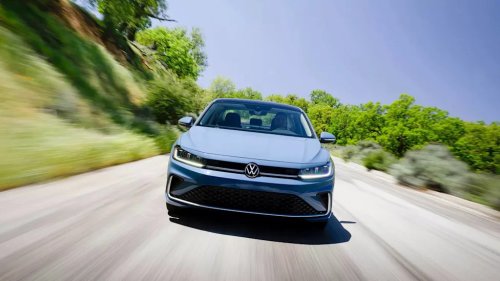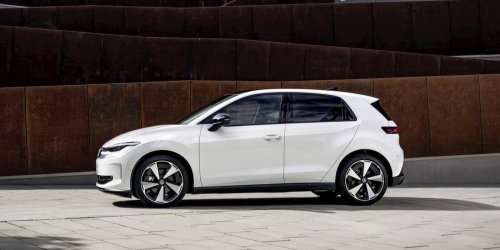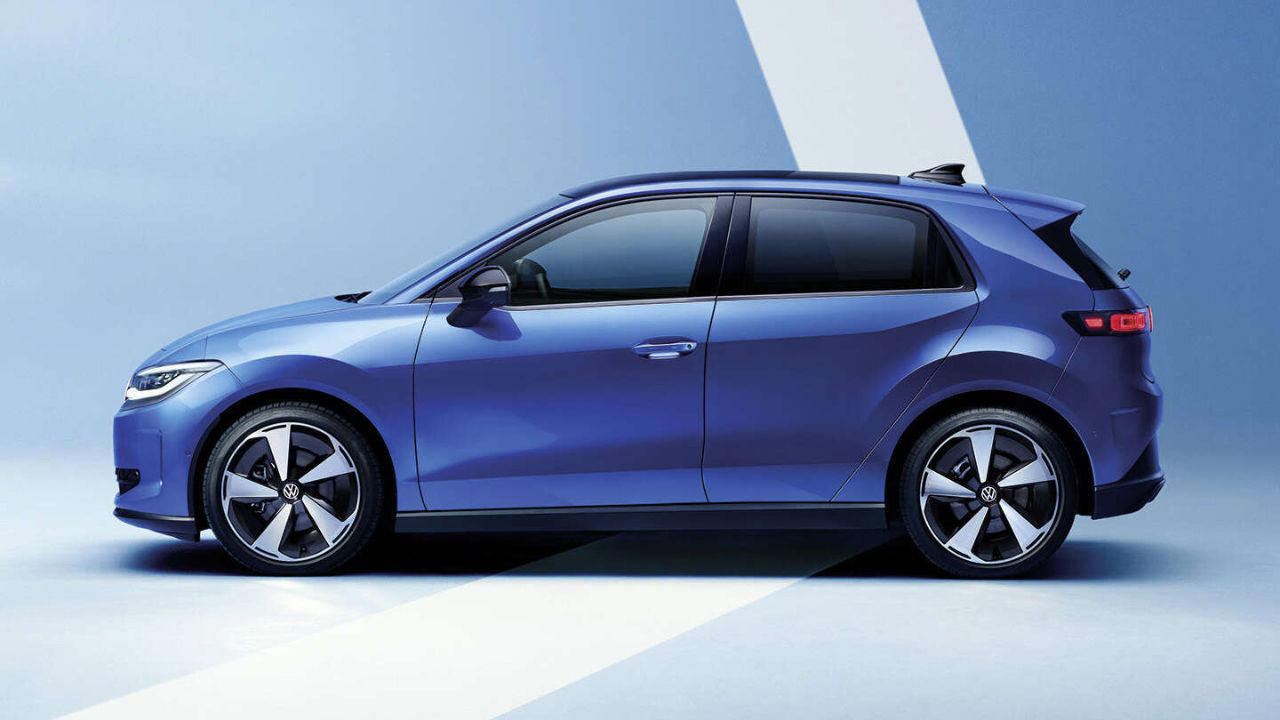



















In the global race toward electrification, affordability has remained one of the biggest barriers for everyday drivers. While automakers have poured billions into electric vehicle (EV) development, many models still carry price tags that put them out of reach for the average buyer. Now, the Volkswagen Group appears ready to change that narrative with a new generation of budget-friendly EVs—led by models like the Volkswagen ID. Polo and its smaller sibling, the upcoming ID.1. A Long-Awaited Promise For years, Volkswagen has signaled its intention to build a “people’s EV”—a modern equivalent of its iconic affordable cars, but fully electric. That vision is finally becoming reality. Recent announcements confirm that Volkswagen’s new entry-level EV lineup will start at around €25,000 (roughly $29,000), with an even cheaper model expected to arrive closer to €20,000 in the coming years. At the center of this push is the ID. Polo, a compact electric hatchback that revives one of the brand’s most recognizable nameplates. Designed as the gateway into Volkswagen’s EV ecosystem, it blends familiar styling with modern electric technology—offering a balance that could appeal to both longtime VW drivers and first-time EV buyers. Built for Real Drivers, Not Just Early Adopters What sets this new wave of affordable EVs apart is how closely they align with what everyday drivers actually want. Unlike some earlier electric models that prioritized futuristic design over usability, the ID. Polo emphasizes practicality. Despite its compact footprint, it offers a surprisingly spacious interior thanks to Volkswagen’s dedicated EV platform. Drivers can expect features that feel both modern and familiar: a large central touchscreen, a digital instrument cluster, and—crucially—physical controls for key functions like climate settings. This last detail may seem small, but it directly addresses one of the most common complaints about modern cars: overreliance on touchscreens. Performance is also tailored for real-world needs. The ID. Polo will offer multiple power outputs and battery options, with a range of up to roughly 280 miles (WLTP) in higher trims. That puts it firmly in the “practical daily driver” category rather than a niche urban commuter. Affordability Without Compromise Perhaps the most compelling aspect of Volkswagen’s strategy is its attempt to make EVs accessible without stripping away essential features. Entry-level versions of the ID. Polo will use a smaller battery pack to keep costs down, while higher trims offer extended range and additional tech. This tiered approach allows buyers to choose a model that fits both their budget and driving habits. Meanwhile, innovations like Vehicle-to-Load (which allows the car to power external devices) and advanced driver-assistance systems show that affordability doesn’t necessarily mean sacrificing capability. Volkswagen is also leveraging its scale to keep costs under control. By using its modular MEB platform across multiple models, the company can share components and streamline production—an approach that has already proven successful within its broader EV lineup. Facing Fierce Competition Volkswagen’s push into affordable EVs comes at a critical time. The European market, in particular, has seen increasing competition from lower-cost electric vehicles produced by Chinese manufacturers. By targeting price points below €25,000—and eventually €20,000—Volkswagen is positioning itself to defend its home market while expanding EV adoption among mainstream consumers. The stakes are high. Affordable EVs are widely seen as the next major battleground in the automotive industry, with success likely to determine which brands dominate the transition to electric mobility. A Return to Volkswagen’s Roots In many ways, this strategy represents a return to Volkswagen’s original philosophy: building cars for the masses. From the classic Beetle to the long-running Polo, the brand has historically thrived by offering practical, affordable vehicles with broad appeal. The ID. Polo and its upcoming counterparts aim to bring that same formula into the electric age. Even the naming reflects this shift. By reviving familiar badges rather than relying solely on futuristic “ID” branding, Volkswagen is tapping into decades of consumer trust and recognition. What Comes Next The ID. Polo is just the beginning. Volkswagen plans to roll out a full “Electric Urban Car Family,” including smaller and even more affordable models like the ID.1, expected to arrive around 2027. Together, these vehicles could mark a turning point—not just for Volkswagen, but for the EV market as a whole. For years, the promise of affordable electric cars has felt just out of reach. Now, with competitive pricing, practical features, and familiar design, Volkswagen’s latest efforts suggest that promise may finally be within grasp. If the company delivers as expected, it won’t just be selling another EV—it could be redefining what drivers expect from one. More From Fast Lane Only: Unboxing the WWII Jeep in a Crate 15 rare Chevys collectors are quietly buying 10 underrated V8s still worth hunting down Police notice this before you even roll window down