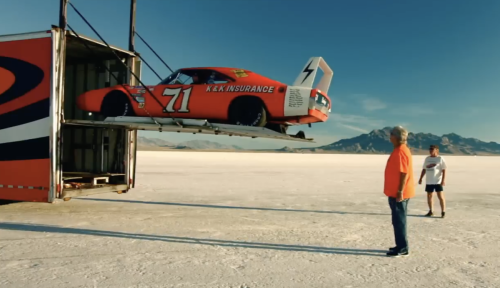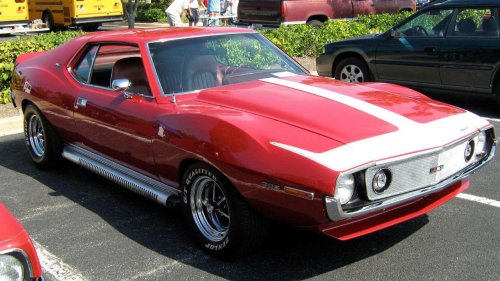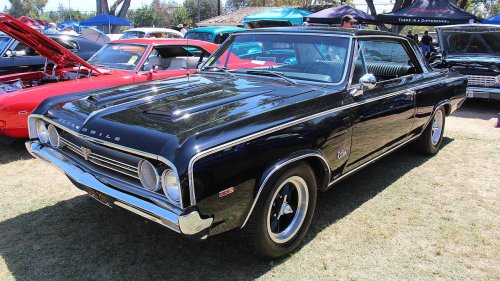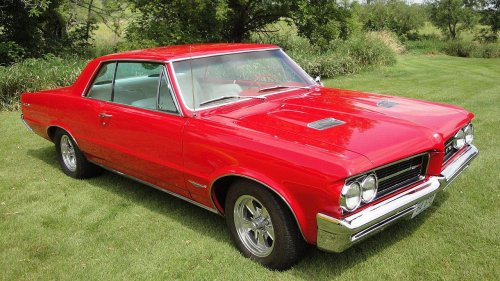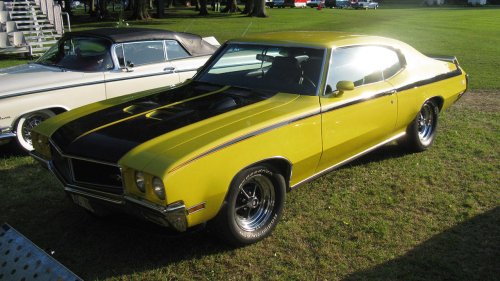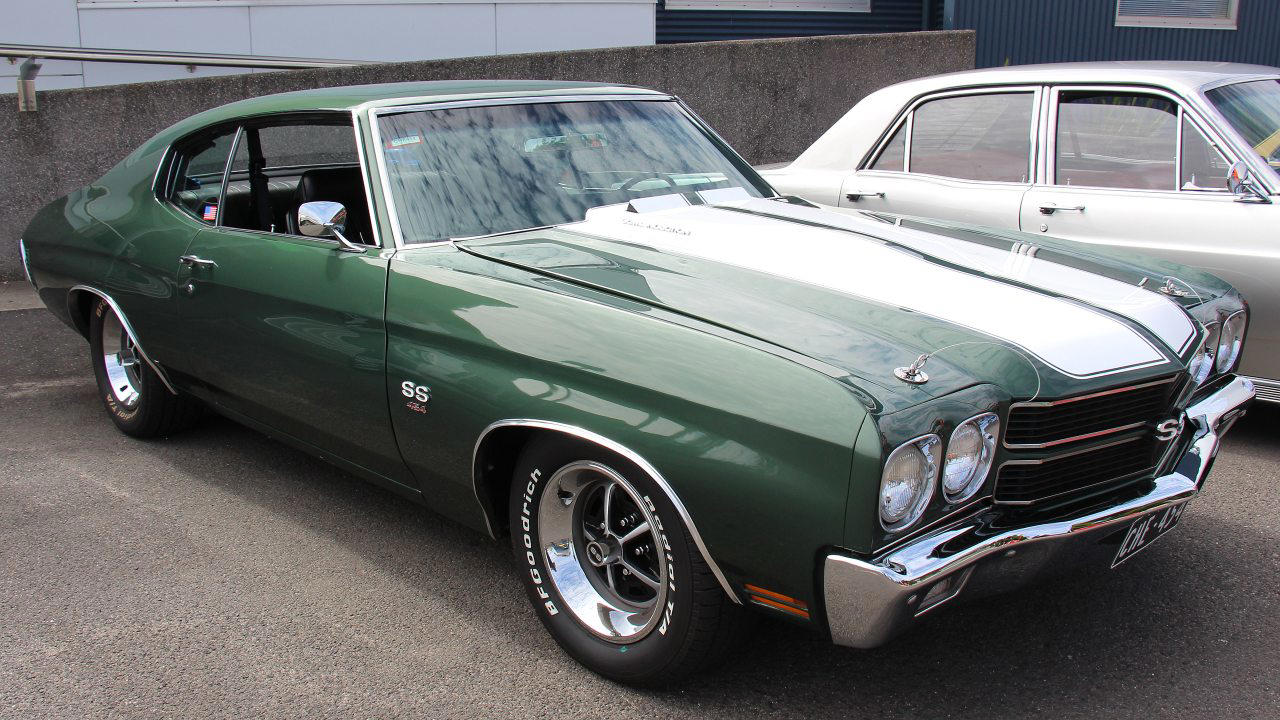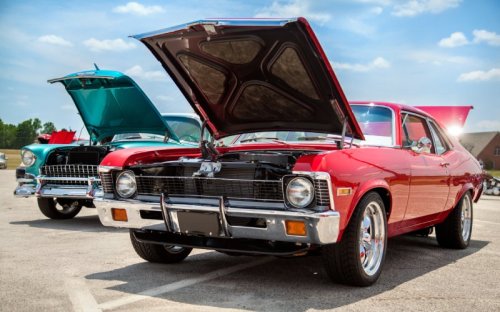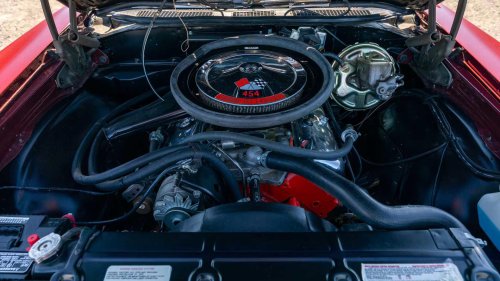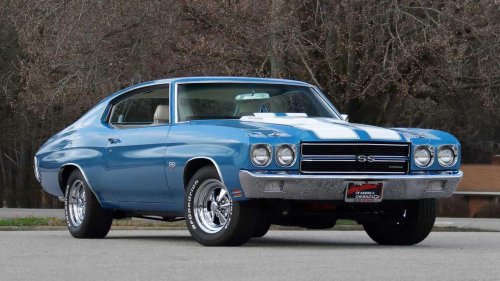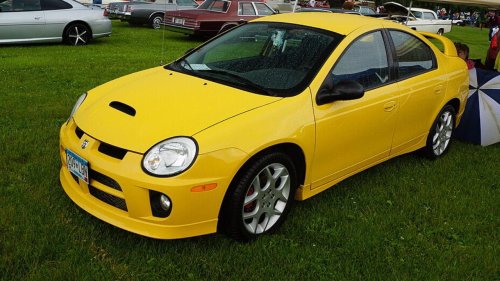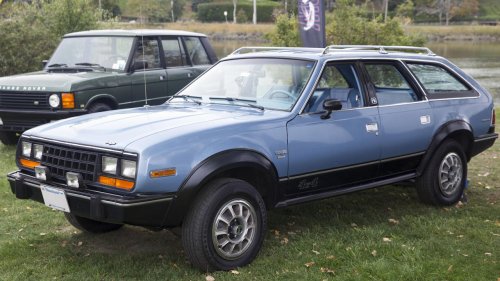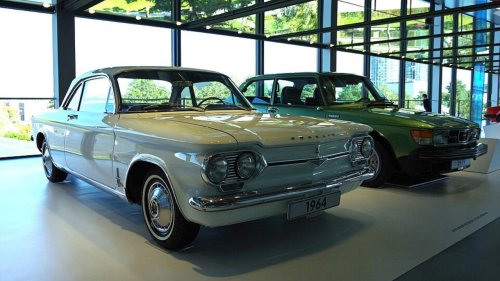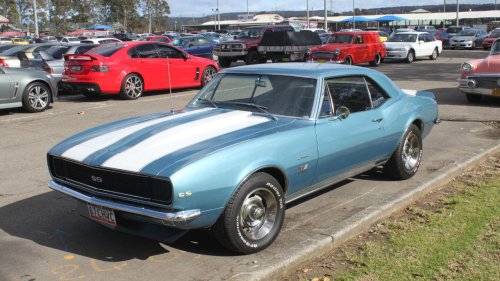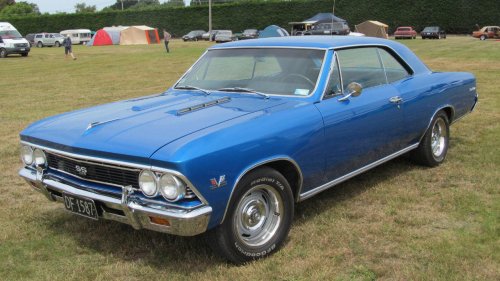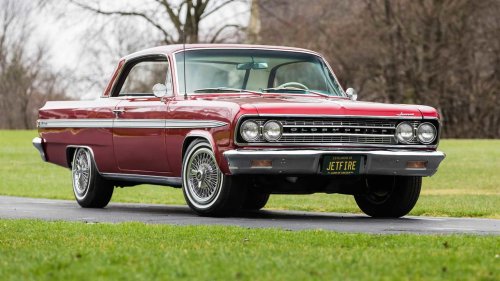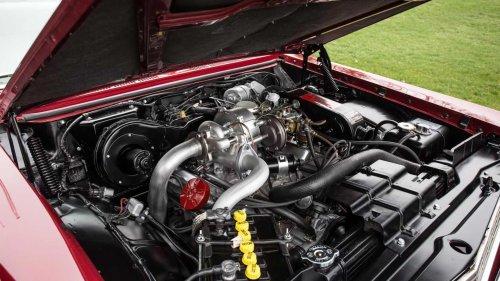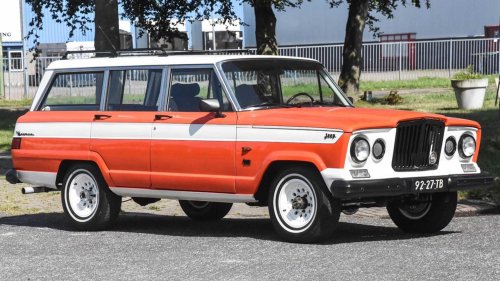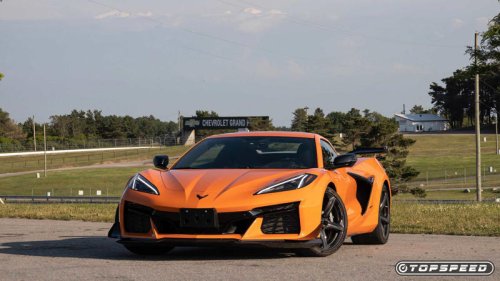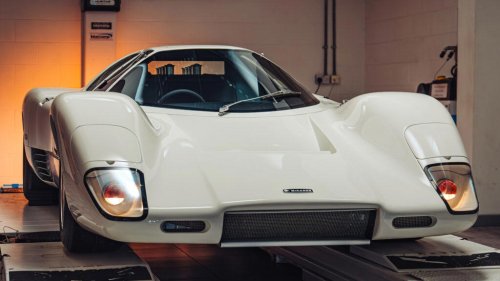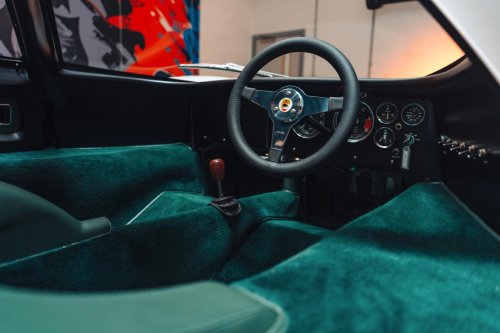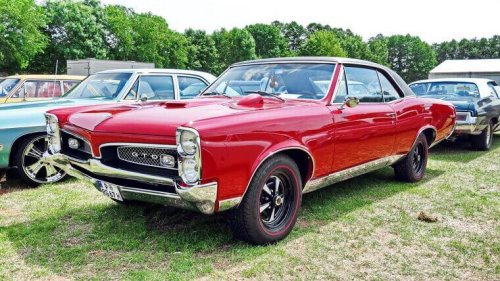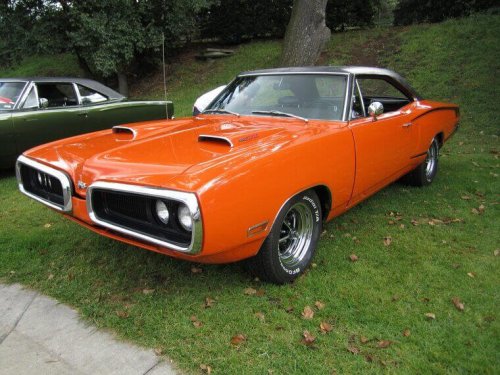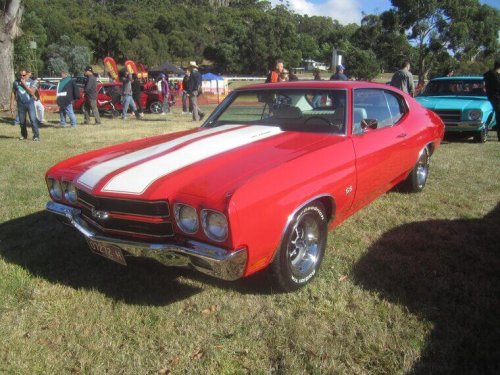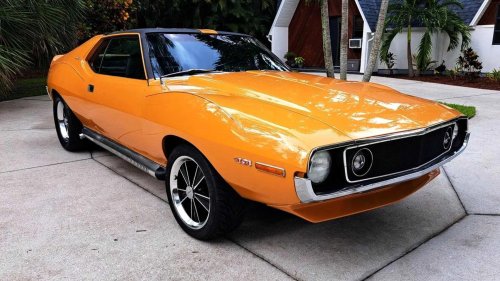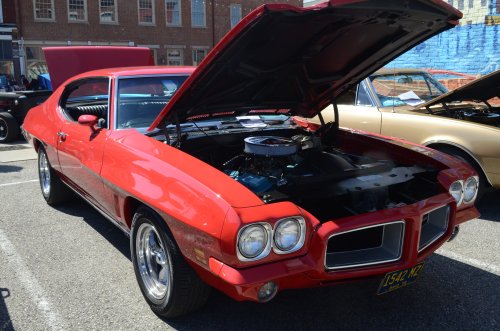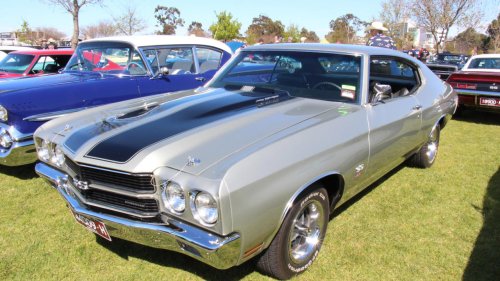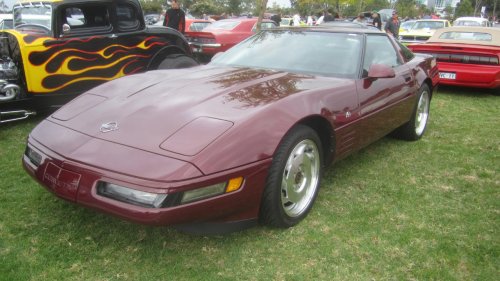
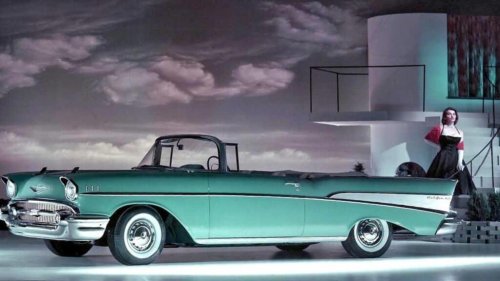
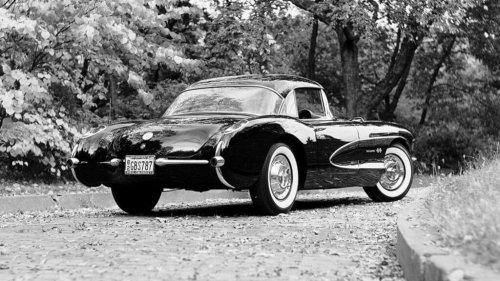
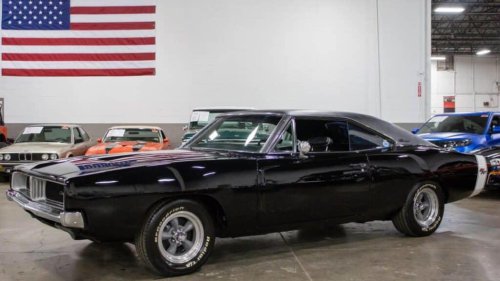
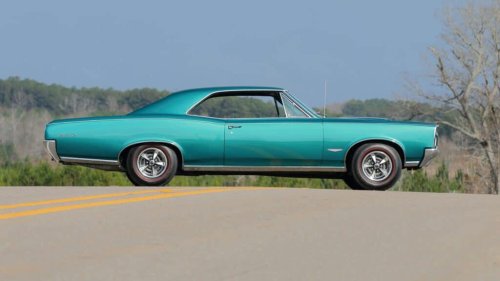
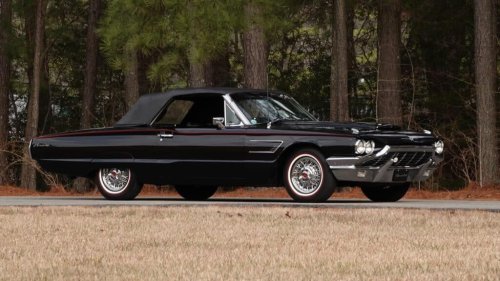
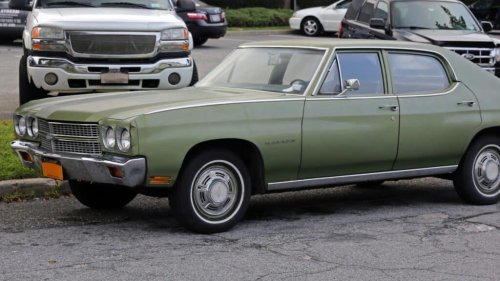
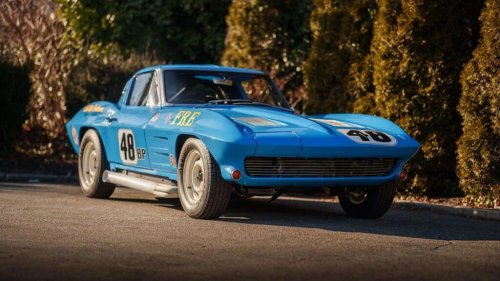
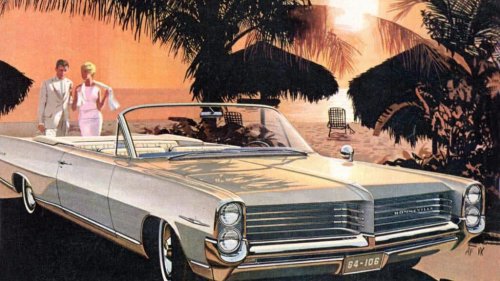
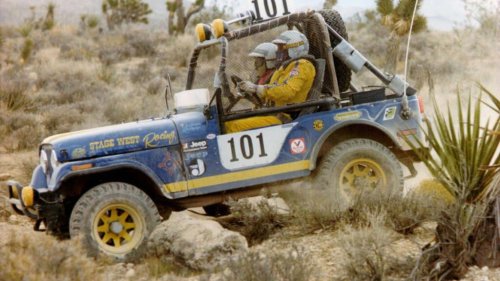
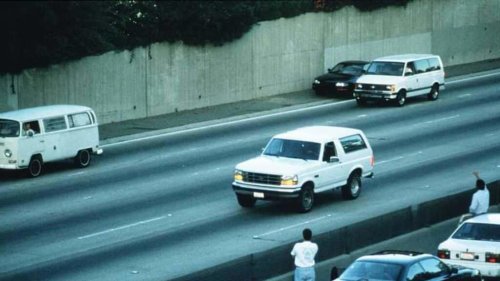
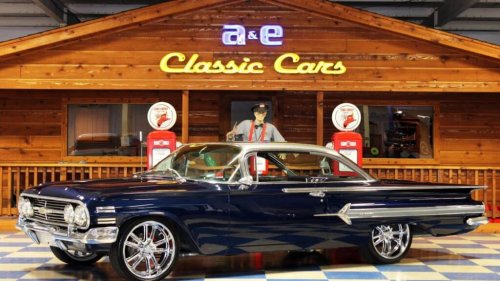
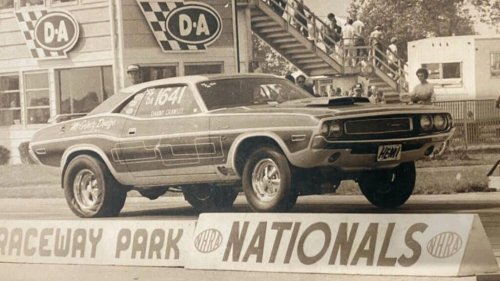
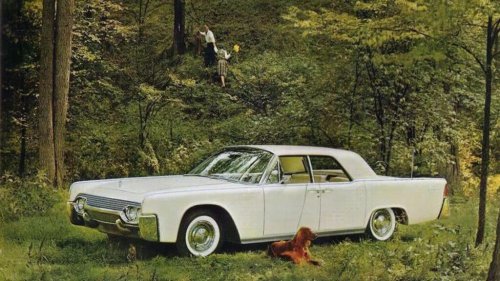
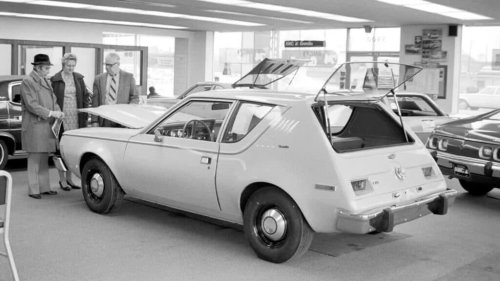
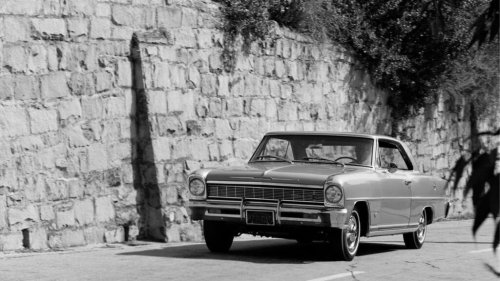



















Vintage American Cars That Came to Symbolize an EraBefore Wi-Fi, before GPS, before cars talked back with screens and software, American roads felt like storylines. Engines hummed low and confidently. Chrome bumpers caught the streetlights like jewelry. Teenagers learned who they were by the way a car key felt in their hand. And from the 1920s through the 1970s, American manufacturers (and a few international guests) helped define decades of identity. Below are the cars that didn’t just show up on roads. They showed up in memories.#1: 1955 Chevrolet Bel AirSome cars felt like Sunday best, even on a Tuesday. The Bel Air’s two-tone paint didn’t match outfits; outfits matched it. A lot of Americans first discovered the joy of cruising with the windows down in a Bel Air, one arm resting on the door like they owned the horizon. Dealers sold them as practical, but owners talked about them like they were alive. The Bel Air was the car that convinced everyday families they were allowed to have style.#3: 1957 Chevrolet CorvetteThe Corvette was like America learning how to flirt. Fiberglass bodywork, a low silhouette, and an engine that actually enjoyed being heard. Even today, the ’57 Corvette carries the electricity of a first date: hopeful, nervous, full of adrenaline. It became the car musicians referenced, artists painted, and little kids stared at like it might drive right into their imaginations.#4: 1969 Dodge ChargerWalk around a ’69 Charger, and you’ll notice something: it isn’t trying to be liked. It just is. The recessed headlights, the long straight lines, the way the rear window slopes like a secret. For some drivers, this was the car that introduced them to the idea of control; of having more engine than they had confidence, and learning to meet it halfway. And yes, movies made it famous, but the Charger earned its reputation long before the cameras showed up.#6: 1966 Pontiac GTOIf the 1950s built the stage, the GTO kicked open the stage door. It taught the world that a midsize car could have a heavyweight punch. Many buyers remember the first time they floored it…Not for how fast it was, but for how possible it felt. The GTO didn’t invent muscle, but it put muscle in reach. It was one of the first cars whose power could truly be felt both at first glance and while driving.#7: 1965 Ford ThunderbirdSome cars roar. The Thunderbird sighed. In the mid-’60s, when the model centered itself on personal luxury, buyers realized they didn’t need to race to feel special. Interiors looked like a lounge, not a cockpit, and even the gauges felt arranged like art. If you saw a Thunderbird parked outside a restaurant, you knew someone inside arrived on purpose.#9: 1970 Chevrolet Chevelle SSSome cars don’t need introductions; they need warnings. The Chevelle SS in 1970, especially with the 454, was one of those. It idled like thunder, holding its breath. People remember how it felt more than how it looked: a tremor in the chest, a vibration through the seat. Parents told their kids not to buy one. Which, of course, made them want it more.#10: 1963 Split-Window Corvette Sting RayTwo panes of rear glass turned a car into mythology. Collectors still argue about visibility and practicality, but the truth is nobody bought the split-window Corvette to look behind them. The future was ahead: in the curved fenders, in the clean profile, in the way the wheels seemed tucked in like an athlete in the blocks. The Corvette became art, and America found its gallery in motion. #12: 1964 Pontiac BonnevilleAsk someone who rode in a Bonneville, and they’ll tell you how the seats felt first. Soft enough that long drives didn’t feel like long drives. Highway speeds felt like cruising on silk. The Bonneville wasn’t bragging; it was hosting. If the Eldorado was the red carpet, the Bonneville was the warm conversation afterward. Pontiac became a symbol of prestige and horsepower.#13: Jeep CJ-5It didn’t need Chrome. It didn’t need curves. It didn’t need anything but ground to cross. The CJ-5 came from military roots but ended up wearing beach sand, farm dirt, and mountain dust with equal pride. It helped Americans understand that cars didn’t have to be precious to be important; sometimes the dents were the story. From that point in history, Jeep became a prestigious brand and established itself in the market.#15: 1958 Plymouth FuryYou could spot one in a crowd: the sharp tailfins, the aggressive stance, the suggestion of speed even in the way light bounced off the paint. Years later, Stephen King gave it fame of a different kind, but long before fiction, the Fury earned its fans through reality: it was a performance statement wrapped in showmanship. And it was beautiful…Really beautiful!#16: 1969 Ford BroncoSquare body. Short wheelbase. A face like a toolbox. The Bronco was proof that rugged could be stylish. Long before SUVs became status symbols, this one was a gateway to trails, lakes, and places where radio reception fizzled out. It made “weekend plans” sound like two words with horsepower in between. We all remember O.J. Simpson’s white Bronco chase. #18: 1960 Chevy ImpalaThere are cars people respect, and there are cars people remember. The Impala became both, especially in communities that adopted it for customization. Lowrider clubs, cruising culture, and collectors all found different stories in the Impala’s body lines. Stock or modified, it always kept its dignity. Impala is an icon of Chicano, Angeleno, Mexican, skater, rapper culture…#19: 1970 Dodge ChallengerPony cars nipped. The Challenger bit. Wide stance, broad nose, enough variants under the hood to satisfy any appetite. It represented the peak of the muscle era before regulations and fuel crises pushed the era into nostalgia. Today’s modern Challengers owe more to 1970 than most reboots owe to anything. It remains one of the most reconfigured, modernized, and best-selling models of Dodge. #21: 1961 Lincoln ContinentalPresidential. Architectural. The Continental’s clean geometry and rear-hinged doors made it feel ceremonial; even ordinary errands looked like processions. In some photos, it seems to glide rather than roll. It was luxury without decoration, confidence without noise. It was the American answer to the Cadillac or the Rolls-Royce. The idea was to build an elegant car….And they did it.#22: AMC Gremlin (1970s)Some kids loved muscle. Some kids loved practical. And some kids (bless them) loved a Gremlin. Short, quirky, aerodynamic in a way that felt like a sketch come to life. It showed up when the country needed smaller, needed cheaper, needed weird. The Gremlin proved that memorable didn’t always mean beautiful. AMC today is a symbol of status and power.#24: Chevy Nova SSA sleeper, in the truest sense. It didn’t shout. It didn’t posture. But if you underestimated it, you learned. Quickly. The Nova SS became a favorite for people who liked to win the moment after the light turned green… Not the moment before. If you own a Chevy, you automatically know about cars. It’s a car that everyone respects and admires.