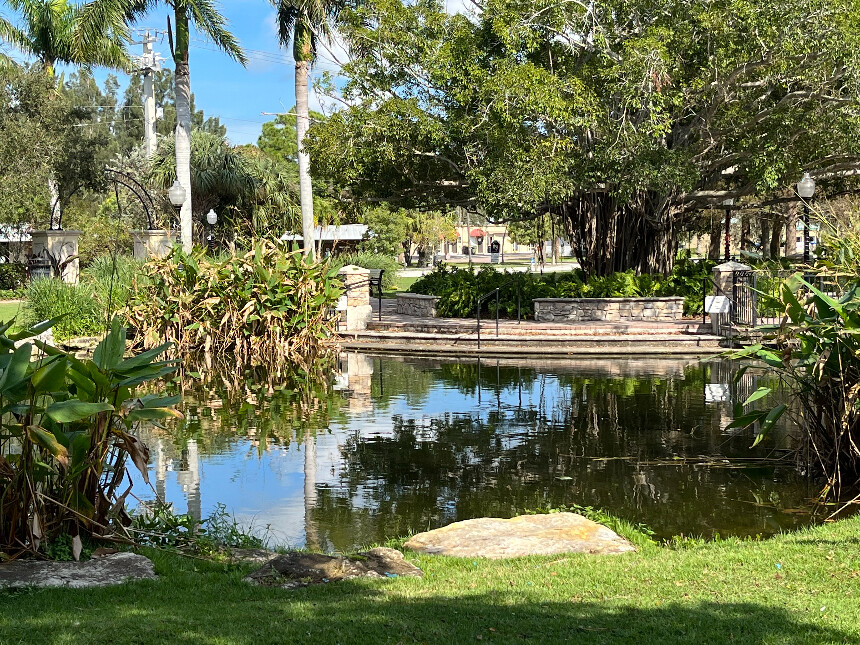
I remember traveling to Sydney, Australia, a couple of years ago. In nearly every city block there was a green gathering space, usually a fountain, where kids could play and spray and adults could lounge comfortably. Back in the US, I started to admire other city water refuges like artificial ponds, small meandering lakes, and salvaged urban wetlands; they are a counterpoint to the surrounding built structure. Local citizens connect with nature next to these soothing watery spaces, savoring the opportunity to relax and observe birds, flora, and changing seasonal colors. More recently, though, I have learned that it’s not enough to design a water oasis for city dwellers — such locations may be harboring unseen health risks. Urban wetlands can be hotspots of antibiotic-resistant microbes, posing a potential health risk to people coming in contact with the water. What are antibiotics? They are antimicrobial agents — anything that inhibits or kills microbes, which includes antibiotics, antifungals, and antivirals. Their production and consumption started with the discovery of penicillin in 1929. Too much antibiotic use, though, has ratcheted up resistance to their function. In fact, the widespread use of antibiotics, especially in healthcare, animal husbandry, and aquaculture, has resulted in antibiotic resistance genes — a contaminant that poses threats to human health and aquatic ecosystems. Scientists have been aware for awhile that aquatic environments can be magnets for antibiotic resistant bacteria. Antibiotic pose hazards due to their persistence, mobility, and ability to spread across ecosystems through horizontal gene transfer, say researchers in Environment. While urban wetlands might look appealing, they can also become stormwater storage ponds, capturing runoff from nearby streets or even from overflowing sewage pipes. A key source of this resistance is wastewater treatment plants, which do have recorded incidents of effluent discharge even though regulations prohibit such discharges. Concentrations of antimicrobials are much greater in urban waterways than natural lakes — and all too closely resembling the same contamination levels seen in tests of raw sewage. Cities with more economic issues tend toward higher levels of contamination with antibiotic resistant bacteria, likely due to weaker urban infrastructure that releases untreated stormwater to flow into urban lakes and ponds. Extreme weather conditions like droughts are also magnifying the problem by reducing water availability, thereby threatening aquatic ecosystems and human health. Costly water treatment technologies like ozonation or membrane-based systems can extract such pollutants from wastewater, but there are other solutions, too, that can dually help with human health and the environment. Research scientists writing in Nature Cities call for more robust monitoring and regulation of these waterbodies. Set standards for contamination levels with antibiotic resistant bacteria. Create a list of high-risk wetlands. Keep the antibiotic problem in mind when designing and managing urban water spots, rather than focusing only on removing nutrients such as nitrogen and phosphorous, which can spark algae blooms. Urban Waterways Need Nature-Based Solutions There are many ways to improve these urban waterways that safeguard public health while providing ecological security. Nature-based solutions, which restore urban biodiversity by addressing ecological damage, improving air and water quality, and supporting multi-scale ecological processes, are starting to be viewed as efficacious options. That’s due to their affordability and capacity to remove a wide range of pollutants. Nature-based solutions enhance urban resilience and foster sustainable infrastructure — they focus on biodiversity projects restore ecological balance, provide recreational areas that improve health, and strengthen the city’s ability to adapt to climate challenges. Urban waterways cannot be remediated with a one-size-fits-all solution. Instead, it will take a whole slew of approaches that incorporate location-specific management plans based on each urban waterway’s unique characteristics and vulnerabilities. Environmental solutions encompass biological, chemical, and physical stability. Social solutions invite community connections, human safety considerations, and resource use modification. Incorporating voices of Indigenous people strengthens the end results and can lead more robustly to healthy ecosystems. Cities including New York, Shanghai, Amsterdam, Baltimore, Chicago, London, and Singapore are implementing shoreline improvement projects that integrate floating wetlands into river restoration projects, as Engelke and team write in Landscape Architecture and Sustainability. These floating wetlands are designed to revitalize ecologically degraded urban waterfronts. These projects, with their multiple ecological, economic, and social objectives, increase water quality, wildlife, and open space services in formerly degraded waterfront neighborhoods. Sponge cities are another method to cleanse water of antimicrobial agents and other contaminants. These cities draw on tools such as permeable pavement, engineered landscaping to soak up rainwater, and marsh plants in the ponds — all of which can help to filter water, reduce urban vulnerability to climate impacts, and build in resilience. Chojnacka and Widera write in European Review that, when cities involve residents in designing public spaces like waterways, cultural heritage merges with energy-efficient solutions. Smart irrigation technologies, powered by renewable energy and equipped with soil moisture sensors, optimize water use, improving plant health, and conserve resources. Leveraging real-time climate data and predictive analytics to address challenges such as flooding can influence stormwater run off in urban waterways. A Case Study in One Florida County Martin County, Florida, has embraced the idea of making urban waterways safe. Of many total approaches, the county has: Spent 20 years constructing stormwater and water quality improvement projects. Completed 42 stormwater treatment projects, including two hybrid wetland treatment technology projects, reservoirs, and water quality retrofits and improvement projects Introduced seven new stormwater treatment areas in planning and design phases. Reduced over 70,000 pounds of total nitrogen (TN) per year and over 15,000 pounds of total phosphorus per year from entering the St. Lucie River and Estuary through water quality projects. Treated 15,000+ acres within the St. Lucie River watershed prior to discharge to creeks and rivers. Expended $150 million in total project costs to meet state mandated water quality targets; approximately 50% of those funds were from state and federal grant sources. Acquired over 70,000 acres cooperatively that are part of the conservation lands inventory. The county has a list of suggestions for homeowners to help prevent runoff to urban waterways. Follow fertilizer ordinance and use fertilizers sparingly. Pick up after your pet. Plant grass or plants on bare spots in your yard. Never dump anything down storm drains. Report illicit discharge or stormwater issues. Resources “Linking antibiotic residues and antibiotic resistance genes to water quality parameters in urban reservoirs: A seasonal perspective.” Li, et al. Environment. 2025. “Nature-based solutions and other critical aspects of urban innovations for green transition.” Katarzyna Chojnacka and Barbara Widera. European Review: Cambridge University Press. August 26, 2025. “Our water story.” Martin County, Florida. “Resistance in the reeds: What scientists found in 17 city wetlands.” Warren Cornwall. Anthropocene. April 22, 2026. “Urban wetlands as hotspots of antibiotic resistomes and their potential viral transmission.” Lin, et. al. Nature Cities. April 17, 2026. “Water quality benefits of a nature-based solution: Constructed floating wetlands tested on two urban waterways.” Jennifer Engelke, et al. Landscape Architecture and Sustainability. March 2026.