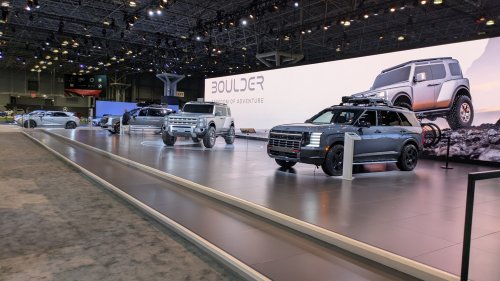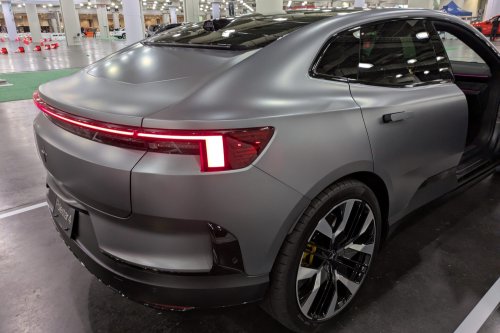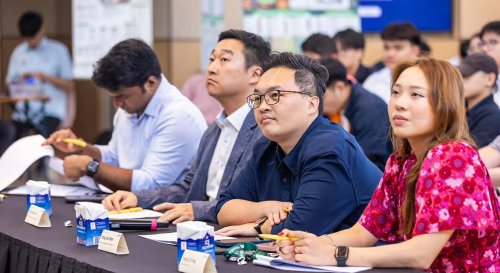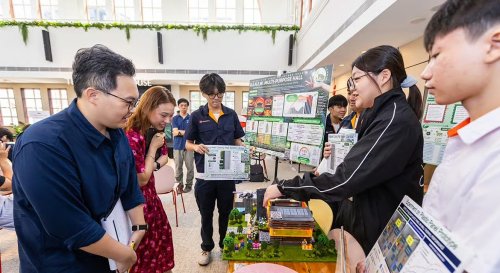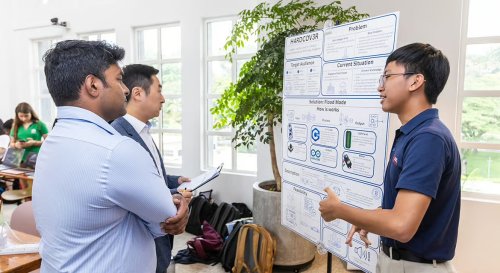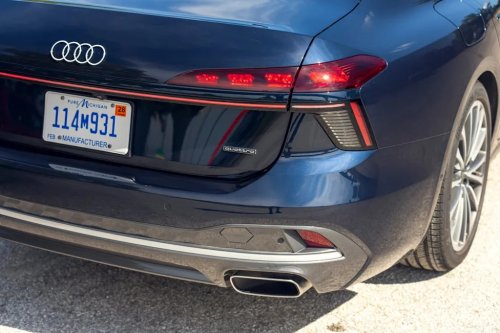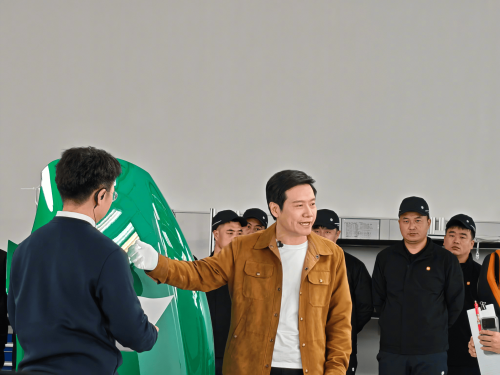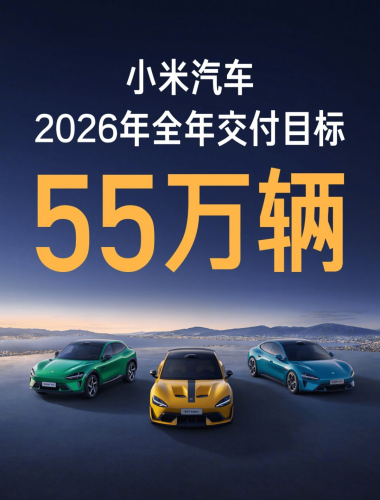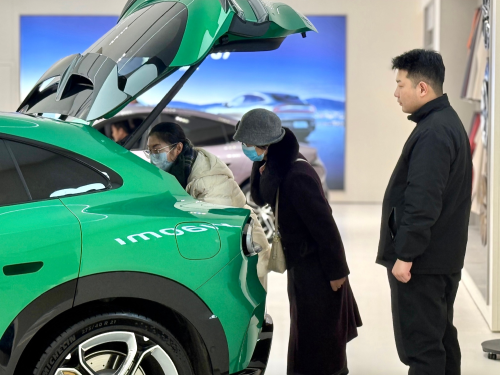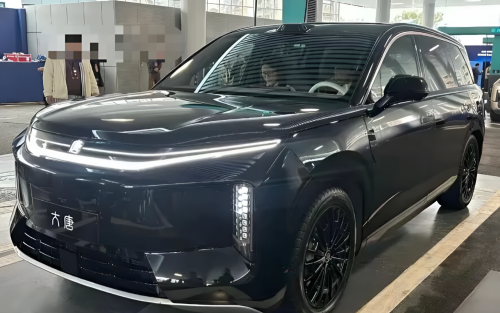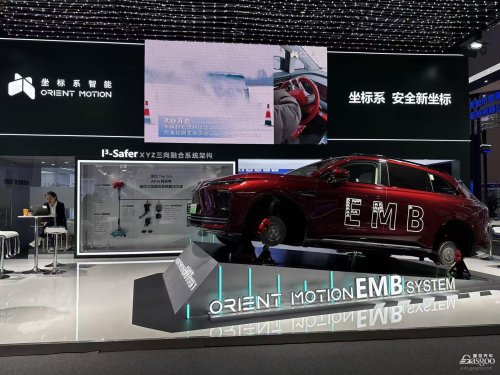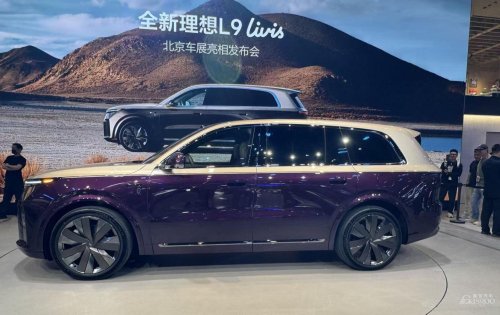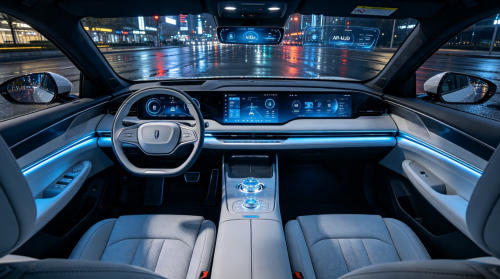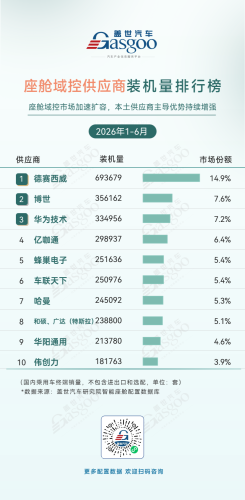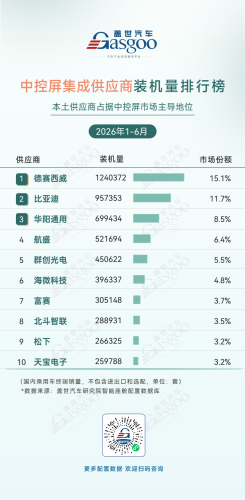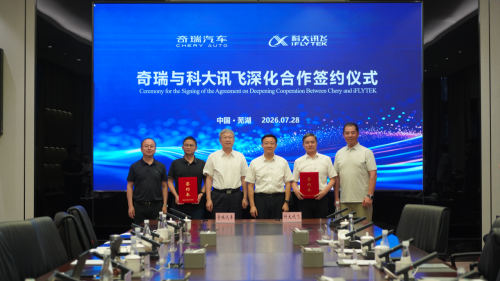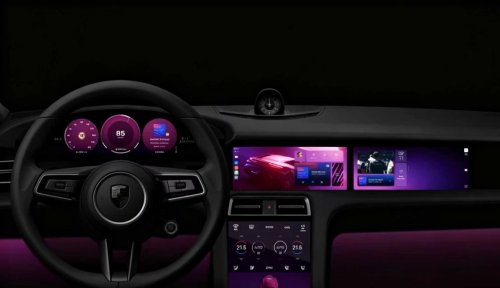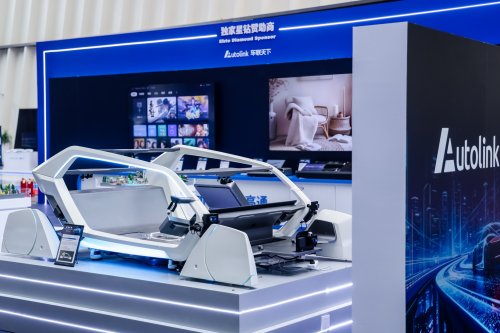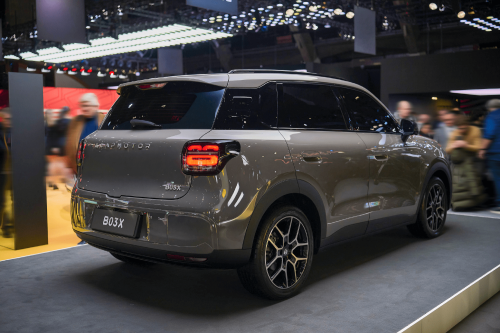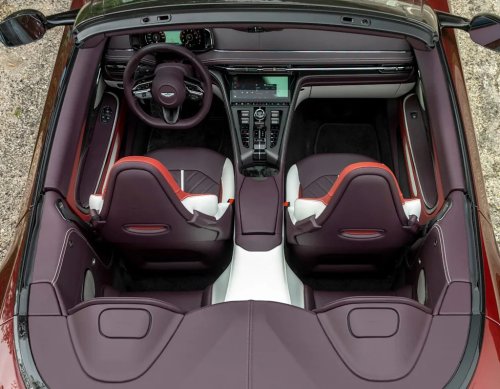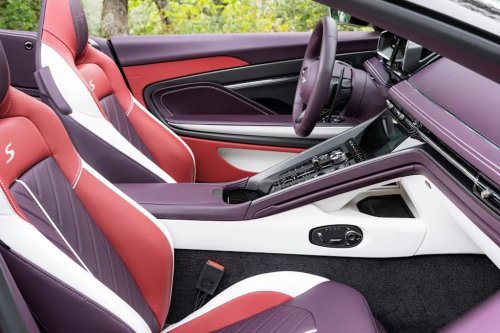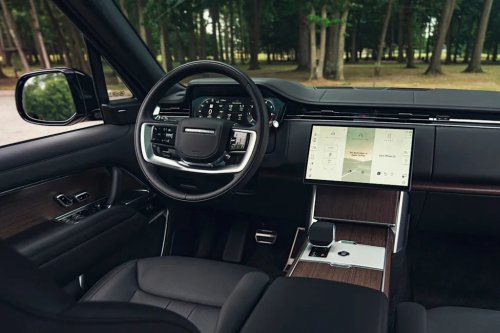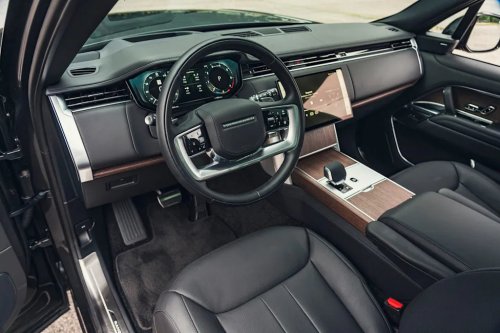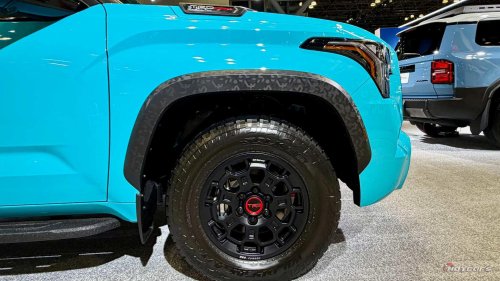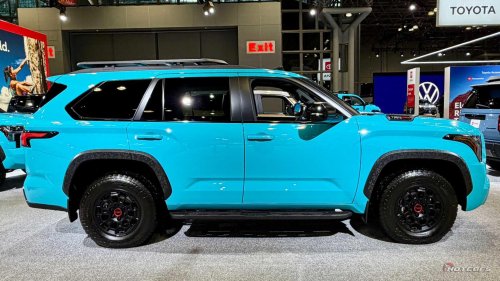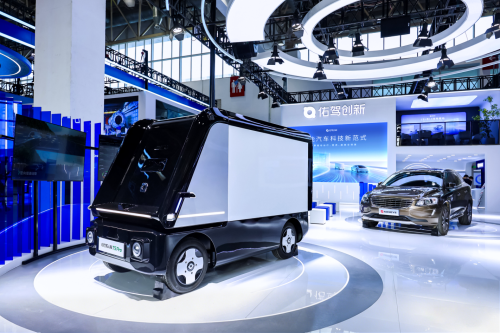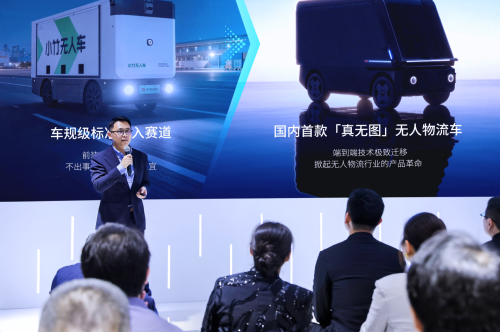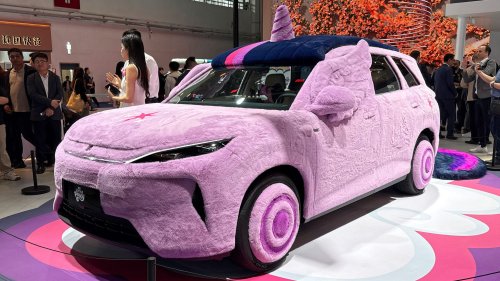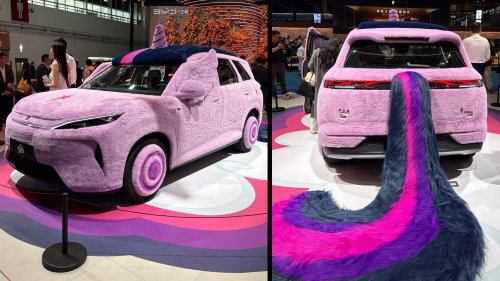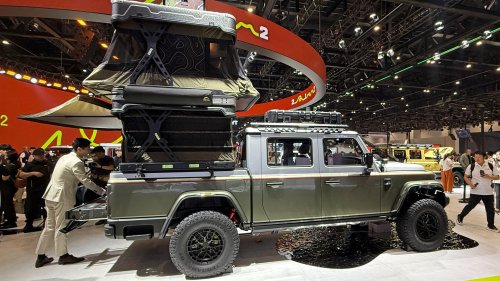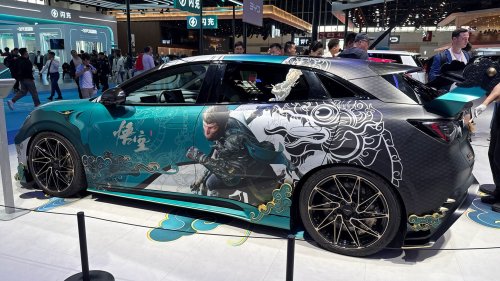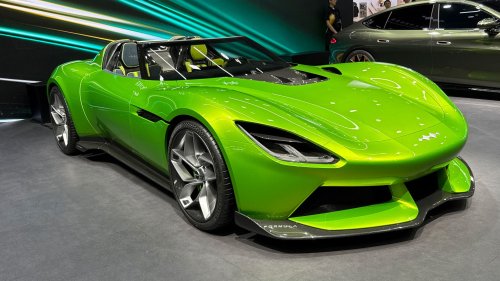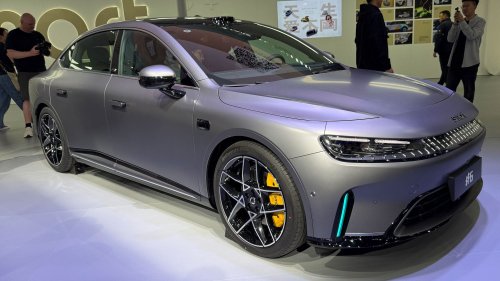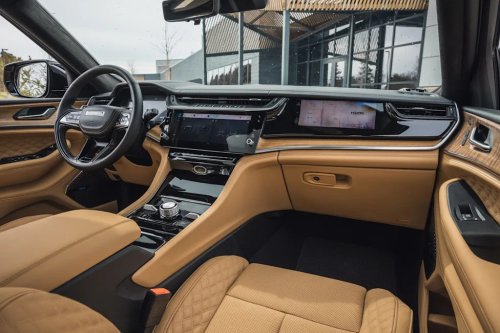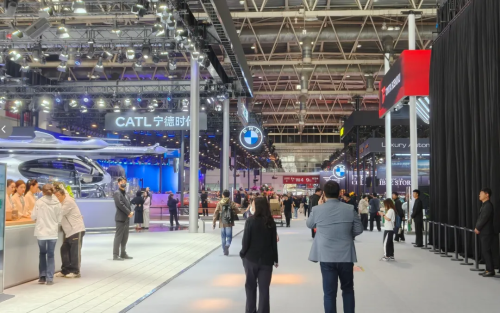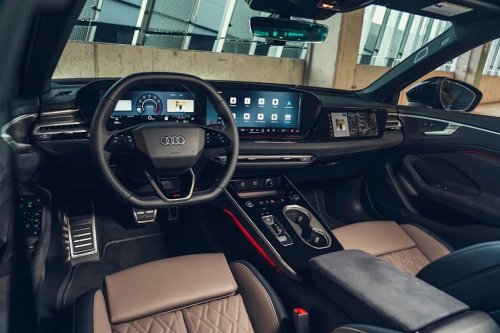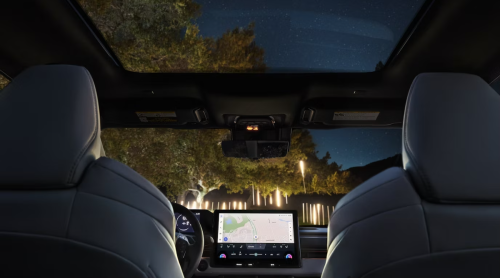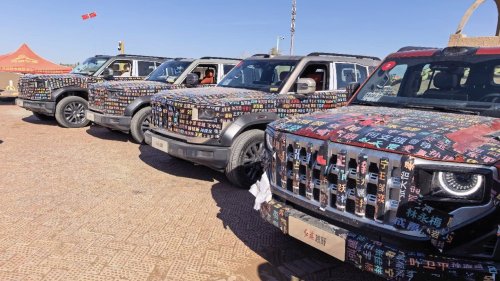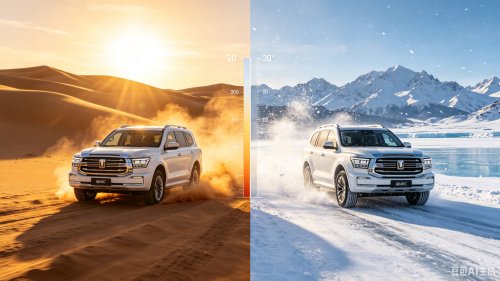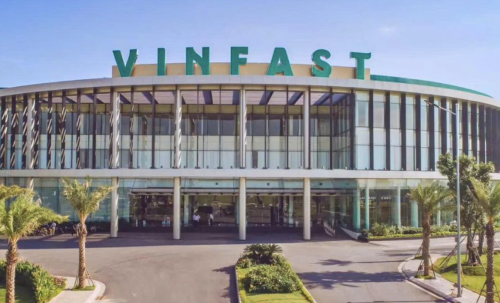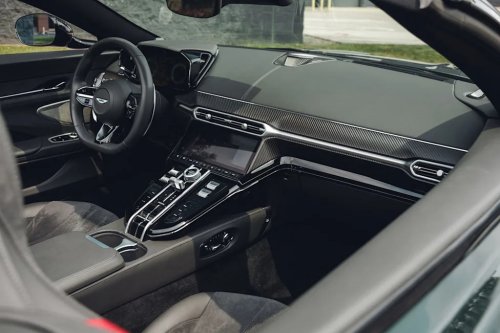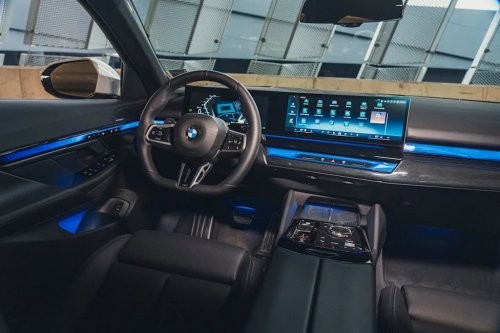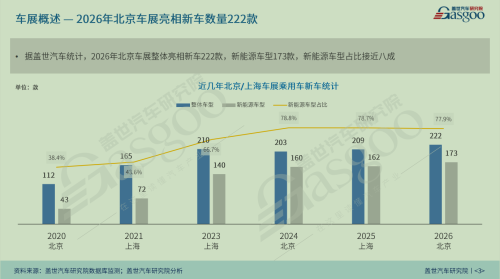
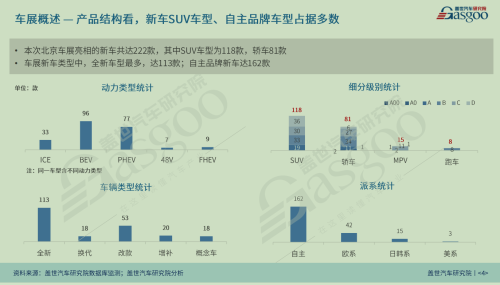
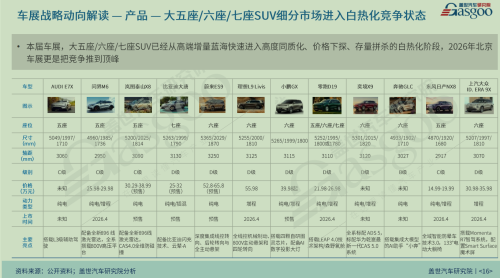
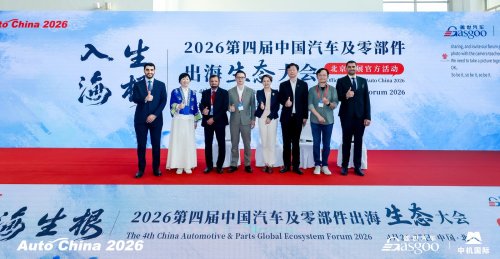
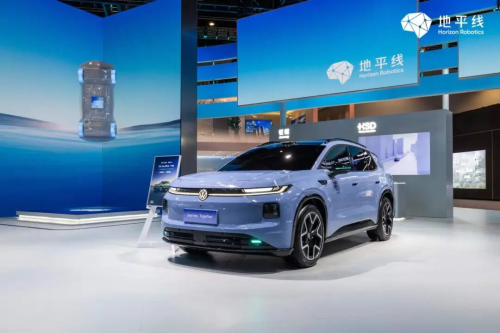
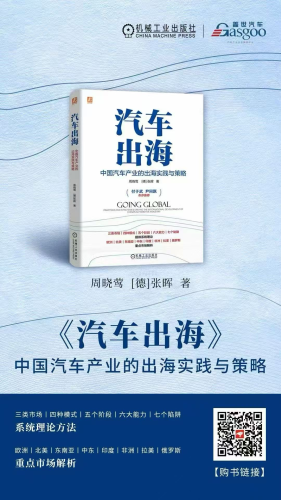



















Gasgoo Munich- "A thousand cars, one face" may be an exaggeration, but "styling convergence" is an undeniable fact. The 2026 Beijing Auto Show saw a flood of new models and endless booths, yet truly memorable products were few and far between. Beneath the similar exteriors, what sets Chinese cars apart is this: their bodies and souls are genuinely "Made in China" now.A Sea of Look-Alikes: The Homogeneous Product LaunchKicking off on April 24, the 2026 Beijing International Automotive Exhibition—themed "Leading the Era, Smart Future"—drew over 1,000 exhibitors from 21 countries and regions. The event featured 219 press conferences for new models and technologies, roughly 1,451 vehicles on display, and 222 world debuts across 380,000 square meters. With attendance projected to top 1 million, it is being hailed as the largest auto show in history.Image Source: Gasgoo AutoYet, walk the floor and the consensus is immediate: despite the sheer volume, the similarities are overwhelming. "Design homogenization" has become the defining visual narrative of this year's show. Whether it's exterior styling, feature sets, or core marketing pitches, everything is starting to look the same—making it hard to distinguish what sets each brand apart, or perhaps, the differences simply aren't that big.Image Source: Gasgoo AutoOn the product front, large three-row SUVs with seating for five, six, or seven are locked in fierce competition.Image Source: Gasgoo AutoChina's Tech Solutions Win Global FavorIn my view, the most significant milestone shift at this year's show is this: the comprehensive rise of Chinese technology solutions, and the rapid embrace of that tech by foreign automakers and Tier 1 suppliers. This shift carries far more weight than the "largest ever" label; it signals a fundamental transition for China's auto industry from "accumulating volume" to "achieving a qualitative leap." The trend is unmistakable, whether in autonomous driving algorithms from companies like Horizon Robotics, Momenta, and Huawei Qiankun, or in smart cockpits and electronics systems led by firms like Huayang and Semicore Technology.At the 2026 China Automotive and Components Globalization Conference, hosted by Gasgoo, a consensus is emerging: as Chinese brands accelerate their global expansion, legacy foreign automakers are being forced to transform. Relying on tariffs and trade barriers to wall off Chinese supply chains is no longer viable. Instead, a growing number of global automakers realize they must actively embrace competitive Chinese suppliers to bring products to market fast enough to meet demand.Image Source: Gasgoo AutoThis isn't just an opportunity for local Chinese firms; it's a chance for global suppliers that have deep roots here. Many excellent multinationals we spoke with are redefining the value of the Chinese market: it is no longer just about scale, but a source of innovation and a lab for new partnerships. Only by shifting their mindset can they fully leverage China's resources and ecosystem to export back to the world, boosting quality and efficiency to compete on a larger stage.On April 27, our team met with a procurement delegation from a European automaker. They had just landed in Beijing that morning and immediately rushed to the show for a packed schedule of visits and discussions. To quote them directly: "We need to be faster and more efficient"!It is clear that the trend of "Chinese technology solutions going global" will become a consensus across the auto industry within the next two to three years, forming the solid foundation of the new era of smart electric vehicles.Take the battery sector: companies like CATL and BYD occupy six of the top ten spots globally for power battery installations. In 2025, their combined global market share surpassed 70.4% for the first time, and leading players are accelerating R&D to push performance to the limit. Meanwhile, Chinese automakers like Geely, Changan, and Chery have recently rolled out hybrid solutions that balance fuel economy with power—challenging Japanese dominance in the HEV segment and exporting these solutions back to the world.In Gasgoo’s industry database, competitive Chinese firms number not in the ones or twos, but in the hundreds across nearly every category. Their collective strength, speed of evolution, and competitiveness are staggering. Consider Huawei. Since officially entering the automotive sector as a components supplier in 2016, a decade has passed. Huawei has now established two distinct vehicle lineups, "Jie" and "Jing". In components, it has built out the HarmonyOS Cockpit, Qiankun Intelligent Driving, and this year's newly released Huawei Zhiqing, essentially covering all core software and hardware capabilities.Of course, Huawei won't eat the whole market. But within this mix of "upper body, lower body, and core soul," top suppliers in niche segments are also rapidly integrating and scaling. In autonomous driving, players like Bosch, Horizon Robotics, Momenta, Valeo, ADG (formerly Continental ADAS), Maxieye, and Seyond are advancing. In smart cockpits, companies like Huayang, Hangsheng, ThunderSoft, Neusoft Reach, iFlytek, Johnson Electric, Lenovo Auto, Zejing, AISpeech, Hansitong, Beidou Zhilian, Yuanfeng, and Runxinwei are evolving fast. Local chip makers such as Horizon Robotics, Black Sesame, SiEngine, Semicore, Axera, and Renxin, along with powertrain firms like Haosi Power, Xingqu Technology, UAES, and REPT, are all in the midst of rapid evolution.This comprehensive elevation of China's automotive capability follows a clear trajectory of industrial advancement—it didn't happen overnight.From the early days of exporting manufacturing capacity via components, to today's system-level product definition seen in vehicle exports, and now the global export of core smart-electric technologies, China's core competitiveness has transcended isolated advantages to achieve a systemic breakthrough across the entire chain. Underpinning this is an intense survival of the fittest within China's hyper-competitive domestic market. That intense battle has forced every player to continuously iterate and refine their hardware, software, and system solutions just to stay in the game, forging core capabilities that can truly withstand the test of the market.The Shift from "China+1" to "US+1" Is AcceleratingThe globalization of Chinese brands and the rise of Chinese technology are rewriting the logic of the global auto industry.Since the pandemic, parts of the global market—particularly traditional manufacturing powerhouses—have viewed China's manufacturing capabilities with a mix of complexity, contradiction, and defensiveness. The "China+1" strategy gained traction: building a separate supply chain for the Chinese market while establishing another set overseas to reduce dependence on Chinese suppliers.Yet as geopolitics grows more complex, China's auto industry continues to advance, and China's "responsibility as a major power" becomes increasingly evident, the global supply chain landscape is inverting. The shift is accelerating from "China+1" to "US+1."Look at the big numbers: the global passenger car market is about 90 million units, with the U.S. accounting for roughly 15 million. Last year, the average transaction price for a new car in the U.S. exceeded $50,000. It's a massive, high-profit market, but for well-known reasons, it is becoming increasingly difficult to penetrate. Consequently, many companies are establishing a dedicated supply chain for the U.S.—including building local factories—to navigate the tariff and political barriers.For the rest of the world outside the U.S., however, a new "globalization solution" is taking shape simultaneously. In this framework, Chinese technology solutions occupy the dominant position—an inevitable outcome of industrial development trends.China possesses the world's most complete NEV supply chain, holding irreplaceable advantages in batteries, autonomous driving, and smart cockpits. Furthermore, Chinese firms are forging "technology symbiosis" partnerships with foreign automakers, moving beyond simple trade to joint development. Cases like Volkswagen's joint ventures with Horizon Robotics, ThunderSoft, and XPENG; CATL licensing battery tech to Ford and Tesla; and Toyota, BMW, and Audi adopting Momenta's driving solutions all attest to the global recognition of Chinese technology.Image Source: Horizon RoboticsSeveral models featuring the CoreRoute driver assistance system made their debut at the Beijing Auto Show, including the FAW-Volkswagen ID. AURA T6 and the "Gold Label" Volkswagen ID. UNY 07.The homogeneity visible at this year's Beijing Auto Show is a hallmark of the Chinese auto industry's current phase: "deepening roots at home, breaking out abroad." Fierce domestic competition has driven rapid convergence in technology and specs, but behind that conformity lies a new industry baseline set by Chinese automotive tech. Meanwhile, the active embrace of Chinese technology by foreign automakers and the reversal of global supply chains are creating new opportunities for "Chinese solutions" to take the global stage.I recently co-authored "Auto Export" with Mr. Zhang Hui, Vice President of NIO Europe and Chair of the Automotive Working Group at the European Union Chamber of Commerce in China. The book is now officially published and offers extensive discussion on the strategies and practices of Chinese automakers' global expansion. I invite you to check it out.