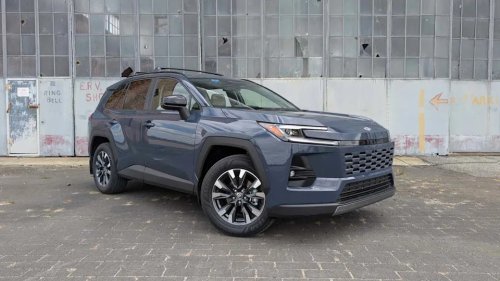
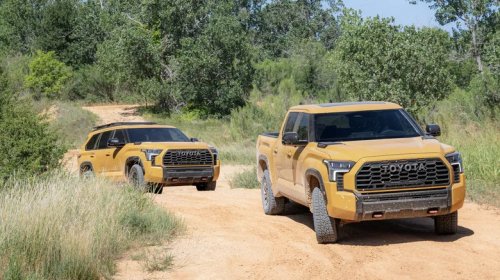
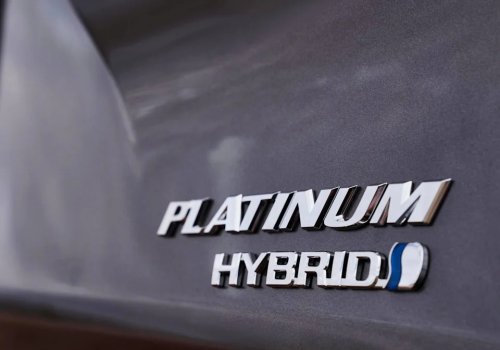
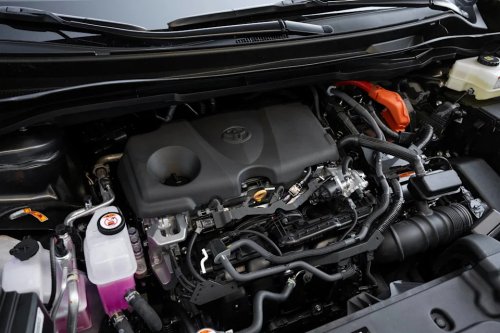
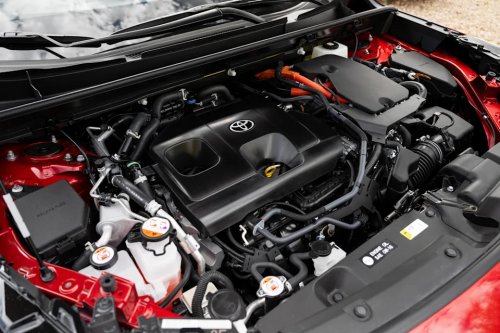
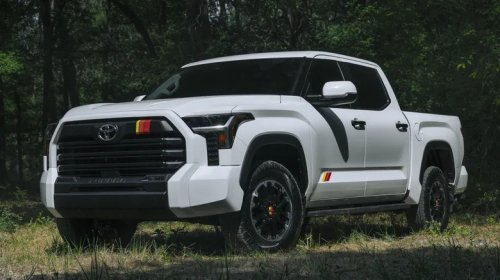
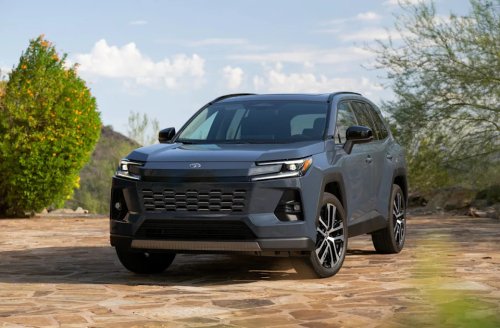
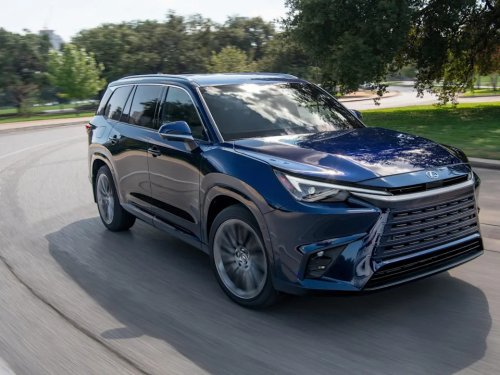
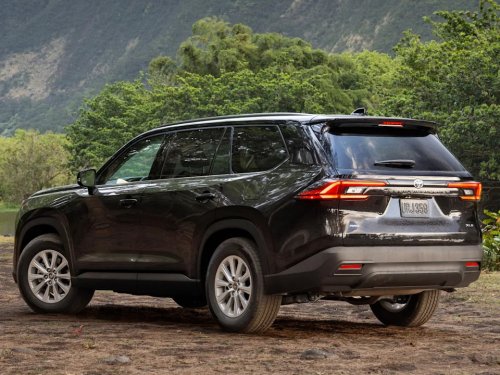
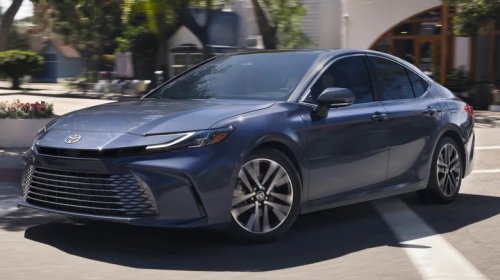
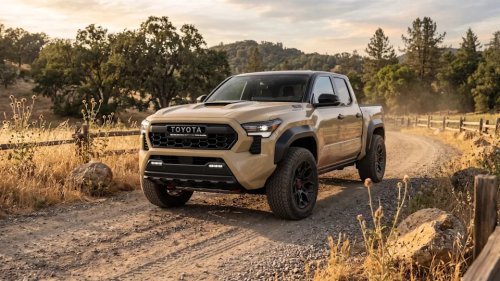
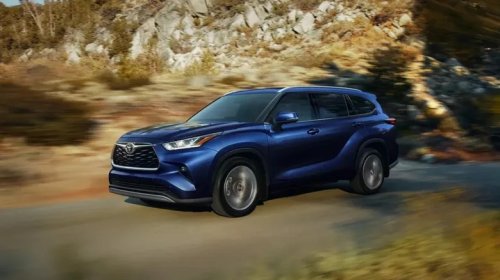
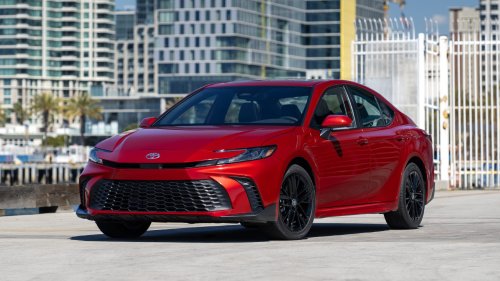
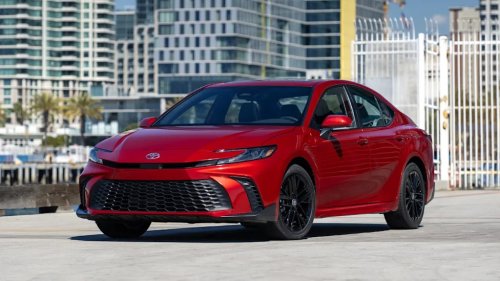
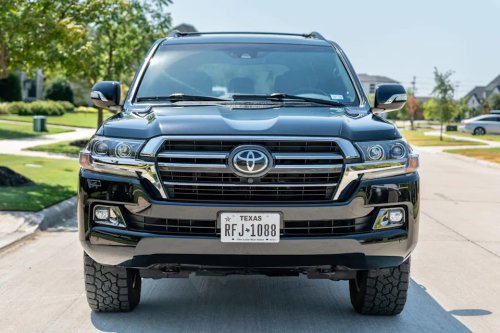
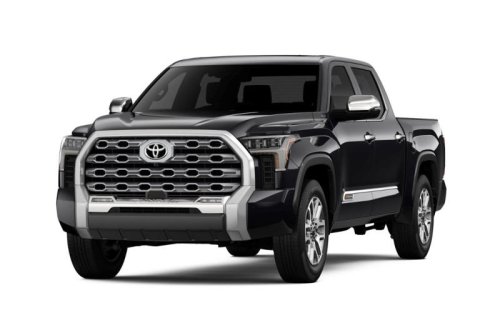
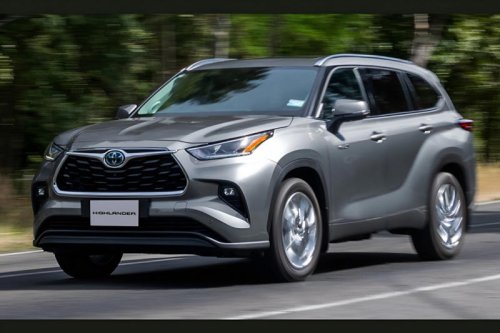
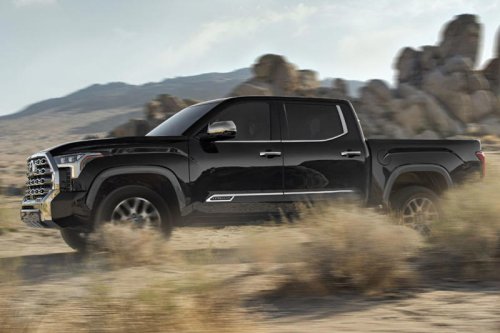
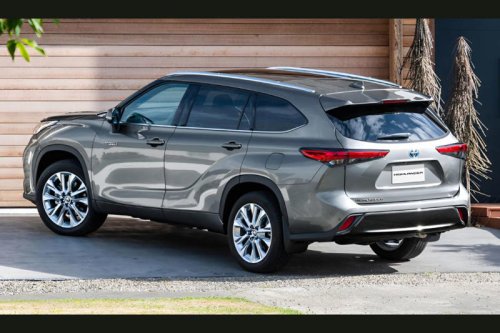
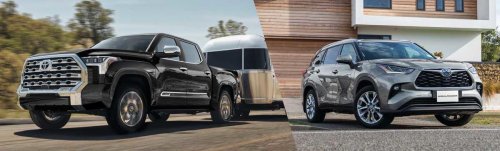
The Reverse Import WaveNow, reverse importing to Japan isn't new. Honda, Toyota, and Mitsubishi did it way back in the '90s. The practice is making a comeback, though, as a way of appeasement to avoid retaliatory tariffs that could make Japanese-built cars prohibitively expensive, as well as to improve Japan-U.S. trade relations.Toyota and Nissan have committed to the program, but it's Toyota that's first to bring in its American-made cars in its home country. The first models are the Tundra and Highlander, with the Camry soon to follow. More Relaxed Regs for U.S ImportsMaking this move easier is that Japan has relaxed its regulations on U.S. imports. Some of it includes exemptions from tighter emissions rules and lighting compliance. The Japanese Ministry of Land, Infrastructure, Transport and Tourism does encourage manufacturers to make some region-specific changes, but they are not required. A 'star-spangled sticker' will be placed on those cars to signify compliance.So, did Toyota make any modifications to the American-made models, or just leave these as is? Well, it depends on which model you're referring to here. The JDM TundraUnlike the many trim levels available in America, the Japanese Tundra comes in only one model. More specifically, it's the non-hybrid 1794 Edition, which is a bit of a surprise given Japan's affinity (and preference) for hybrid vehicles.Based on the specs we saw, the Japanese-market Tundra has no alterations to suit local conditions. Power and torque figures are unchanged, and all the features fitted to it as standard in the U.S. are also present on the Japanese model. And for the full 'foreign market' experience, these Tundras keep their steering wheels on the left-hand side.There is, however, a slight difference in price. The four-wheel drive Tundra 1794 Edition in Japan goes for ¥12,000,000, which is a little over $75,000. For comparison, the base price of the same model in the U.S is $69,475 at the time of writing. Highlander Makes Its Japanese ReturnUnlike the Tundra, the Highlander was once sold in the Japanese Domestic Market, albeit wearing a different name. Over there, the first-generation model was called the Kluger but was discontinued in its home market after production ended in 2007. Toyota didn't use the Kluger name for the Highlander this time, though the Australian version retains it.Just one trim of the Highlander is offered in Japan, the Limited ZR Hybrid. There is no exact American equivalent, and we can best describe it as slotting in between the Limited and the Platinum. The Limited ZR Hybrid is actually for the Australian and New Zealand markets, and it essentially has some of the extra features found in the Platinum (panoramic sunroof and surround-view monitor), but its exterior largely resembles the Limited.Again, powertrain specs are the same, meaning a 2.5-liter Atkinson Cycle engine mated to three electric motors and all-wheel drive. The Japanese-market Highlander is right-hand drive, as there are already versions of it sold in select markets. As for pricing, it retails for ¥8,600,000 or about $54,000, right in between the North American Limited and Platinum. Marketing DifferencesIt's interesting to note that both are marketed as luxury/premium models over in Japan, a stark contrast to the U.S. market. Toyota Japan is actually making a lot of noise about the fact that the Tundra and Highlander are made in America. The latter is even described as "a North American-made hybrid SUV [that] combines power and comfort to the extreme."Toyota also set modest sales targets for both vehicles. For the Tundra, the company is aiming to sell 80 units per month, while the Highlander is at 40 units per month. The Tundra doesn't have any real competition in Japan save for parallel importers, though the Highlander's biggest challenge comes from the Mazda CX-80, a stretched CX-60 that, ironically, isn't sold in North America.



















 +37 others