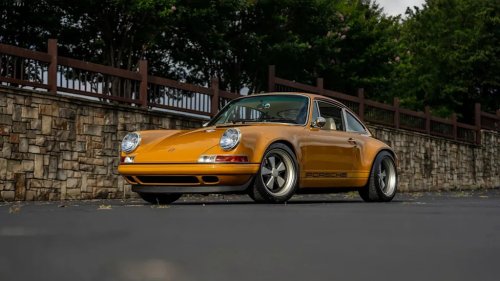
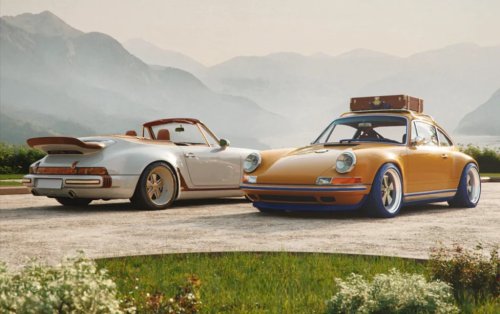
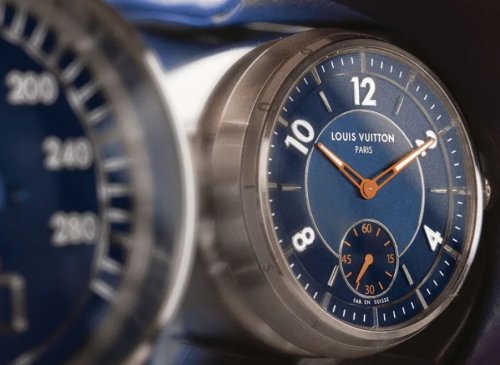
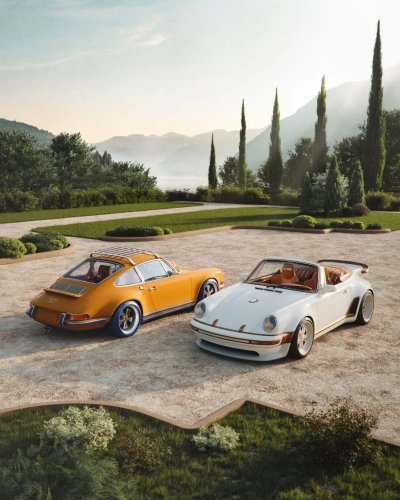
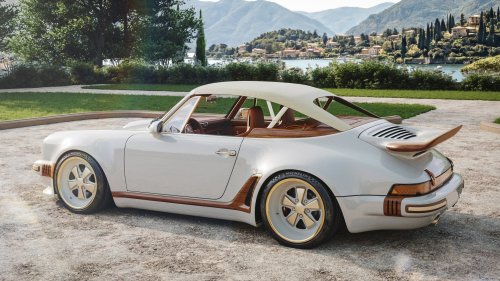
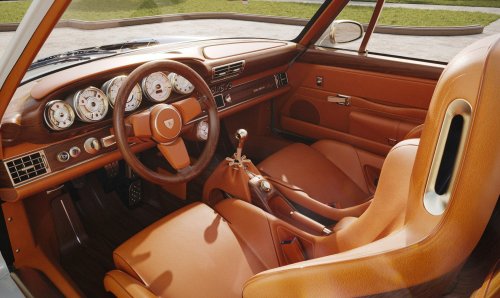
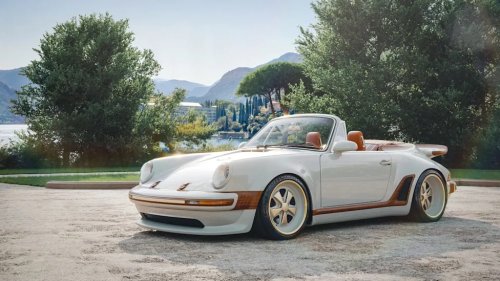
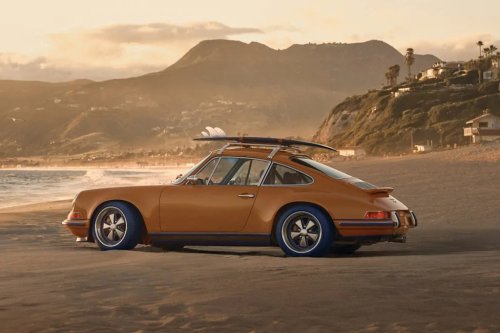
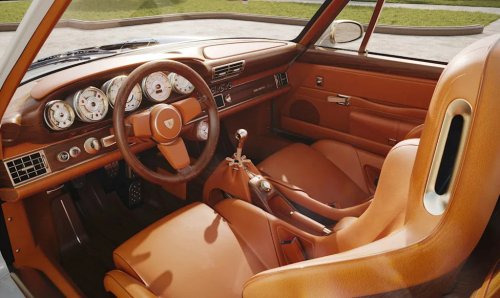
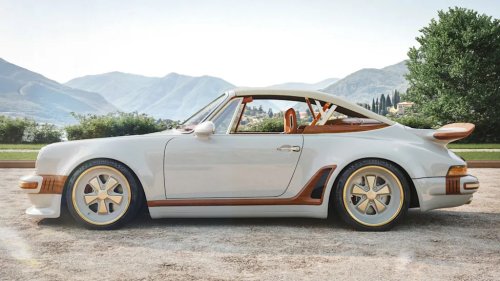
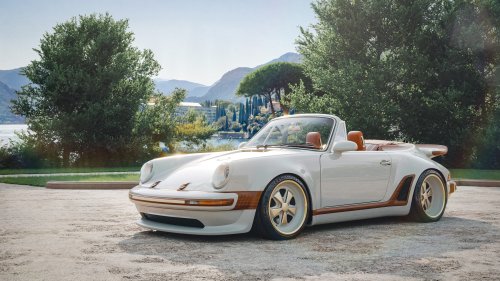
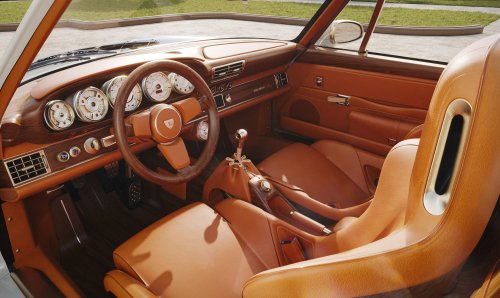
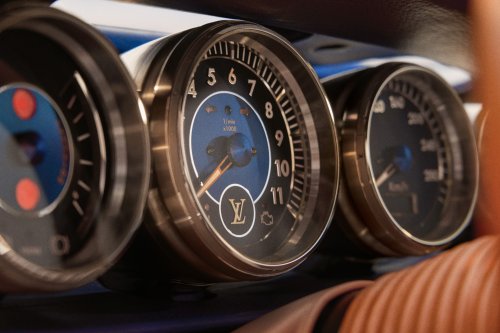
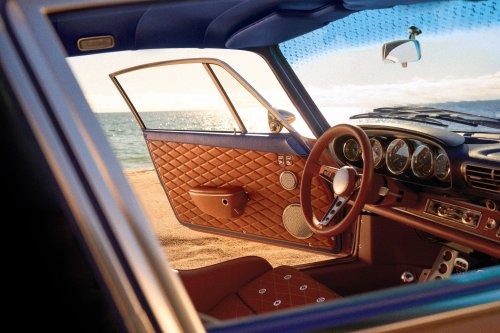
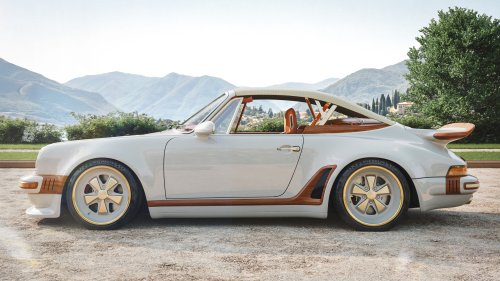
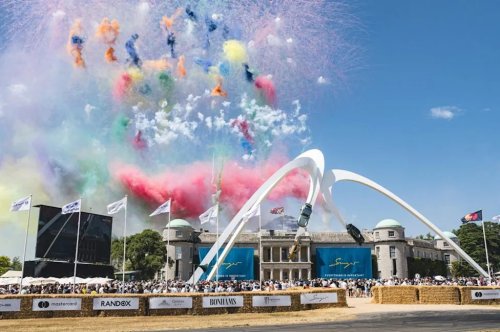
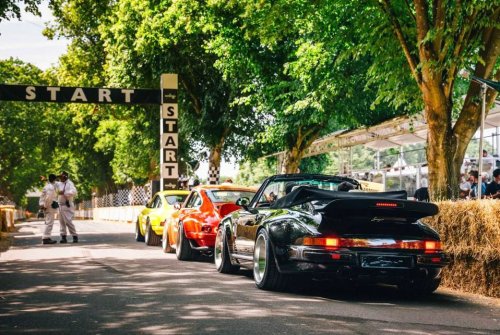
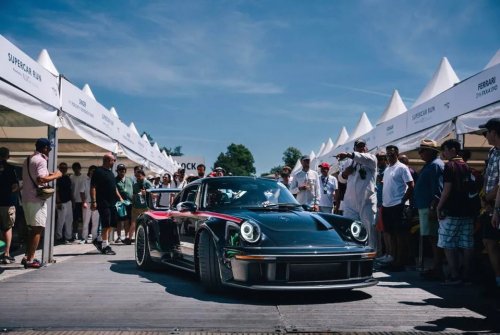
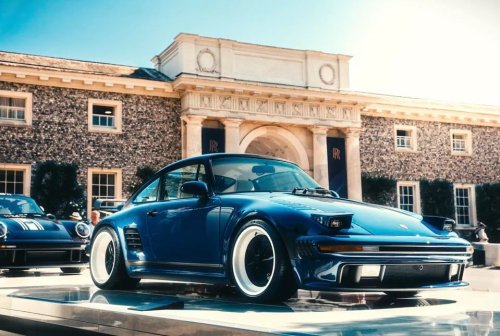
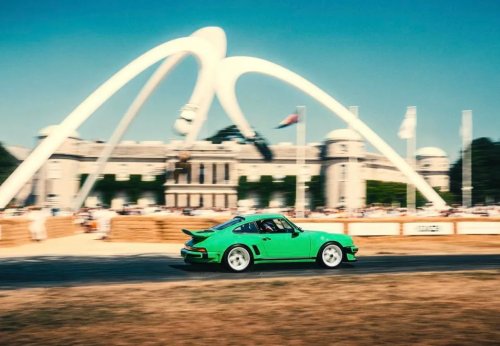
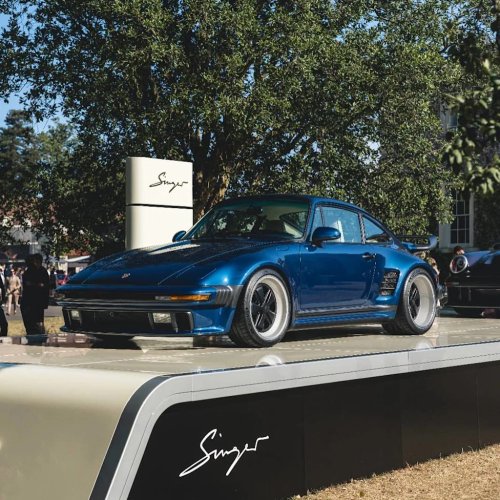
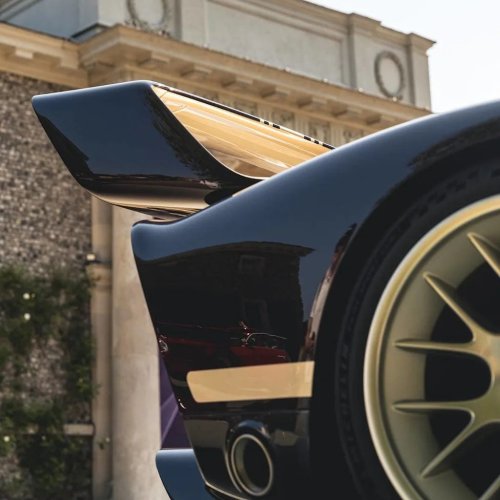
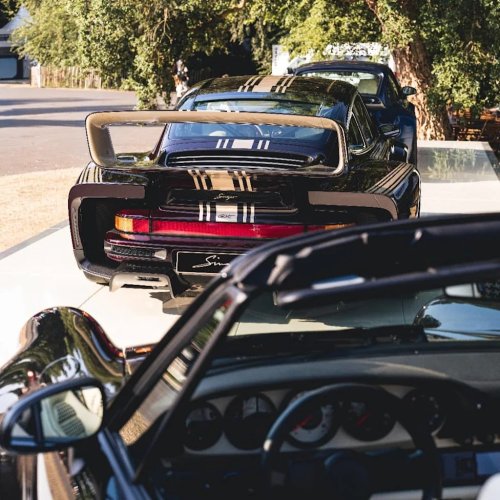
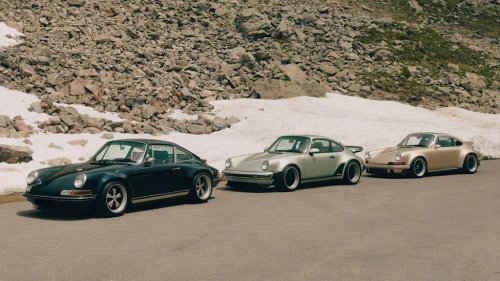
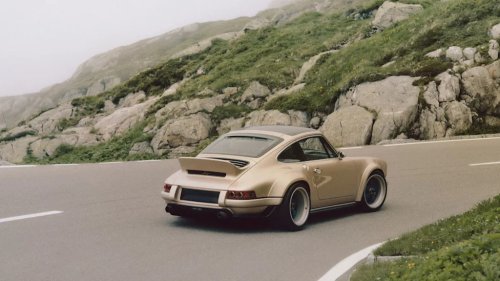
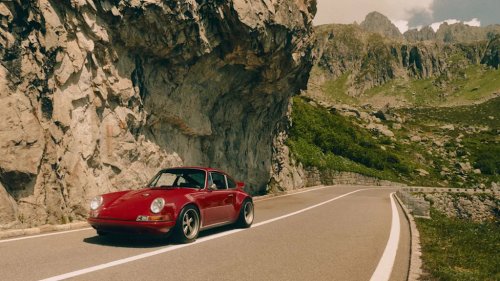
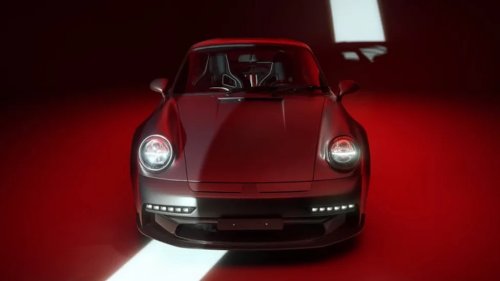
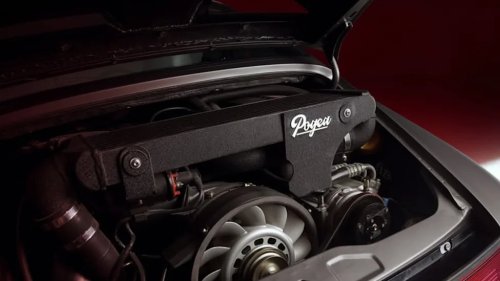
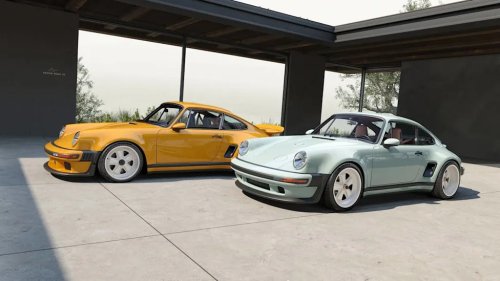
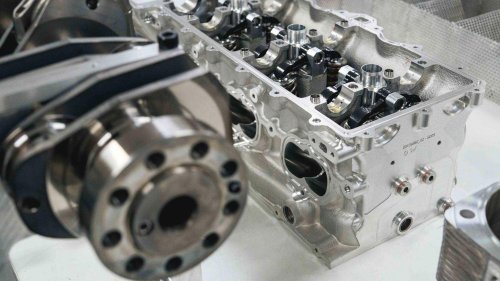
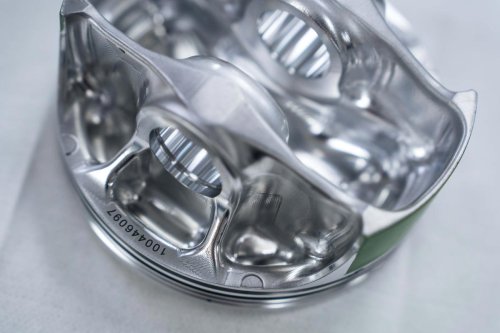
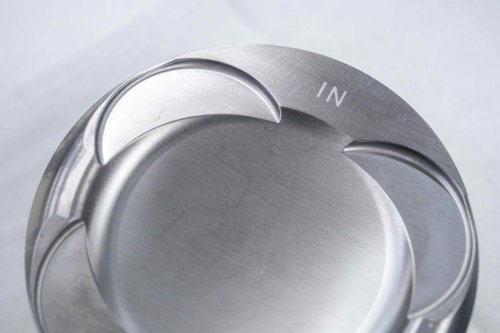
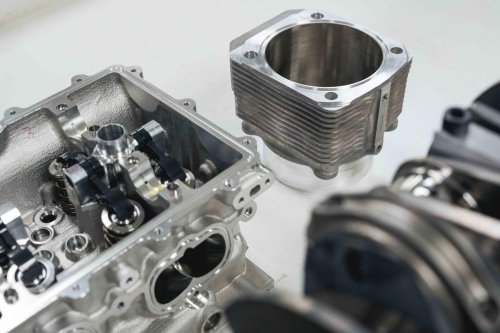
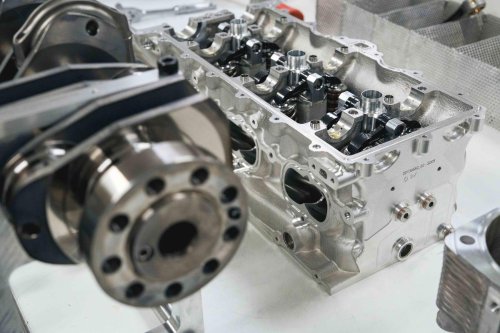
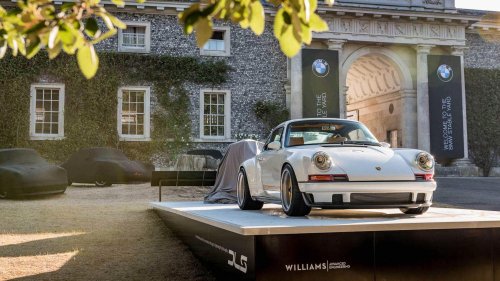
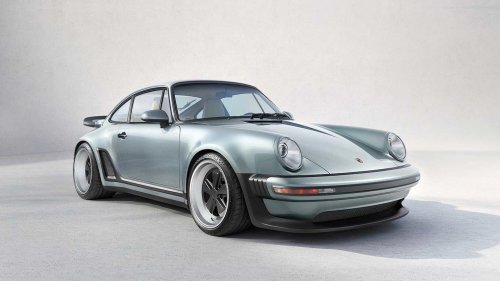
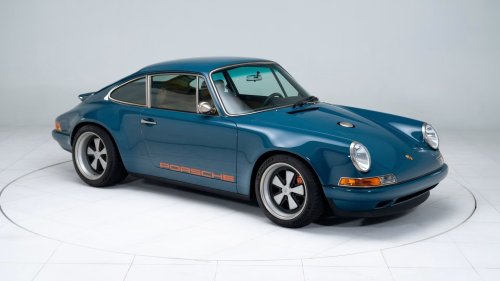
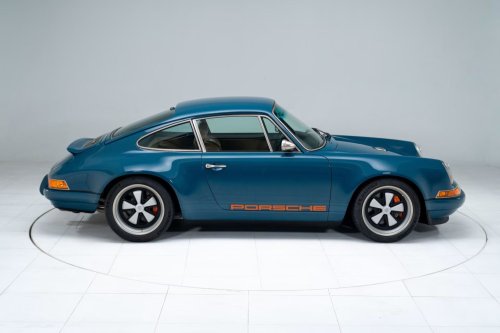
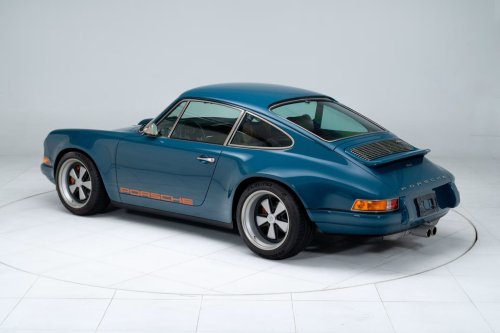
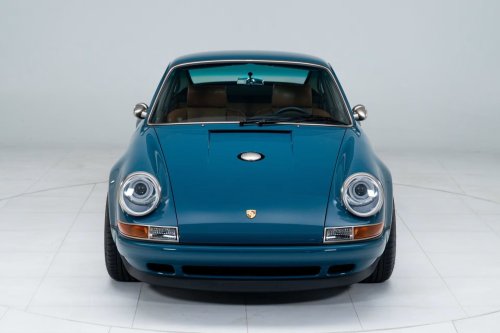
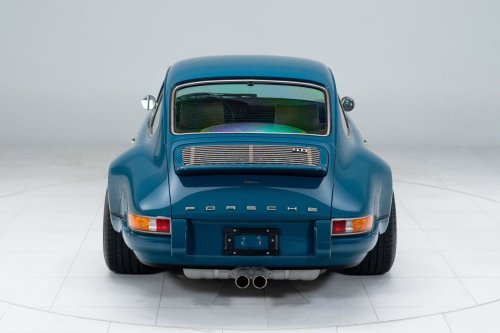
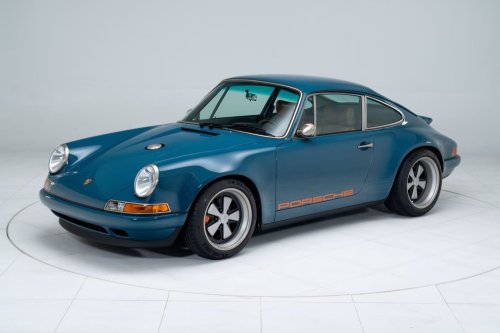
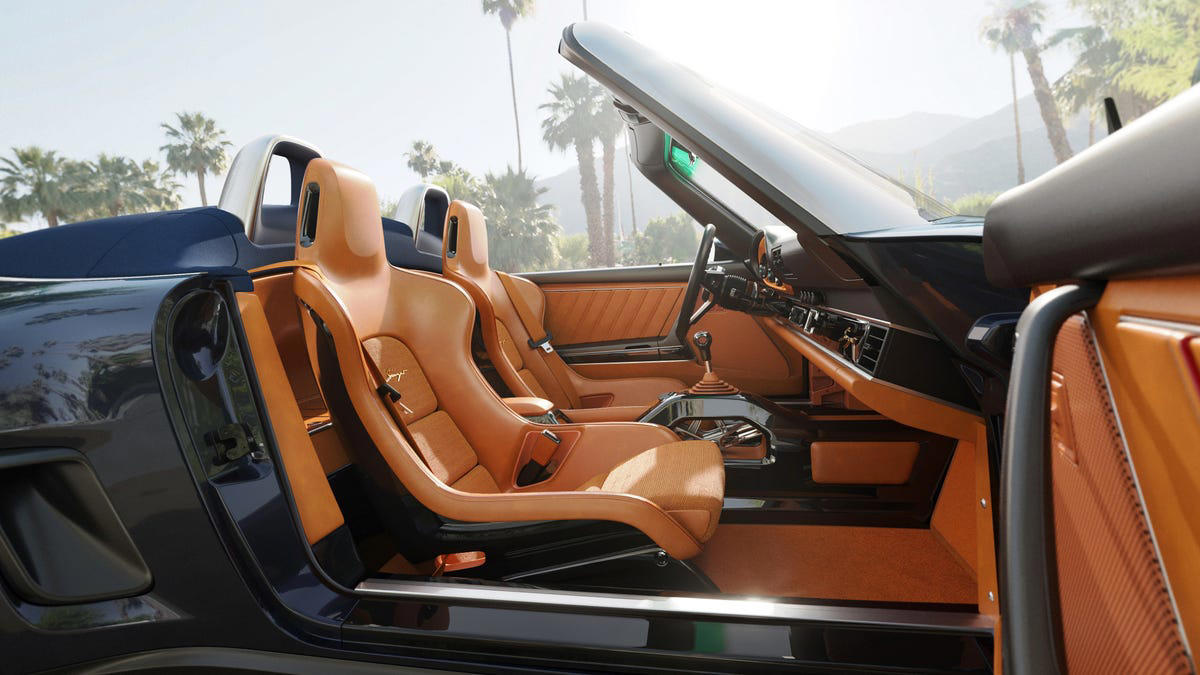
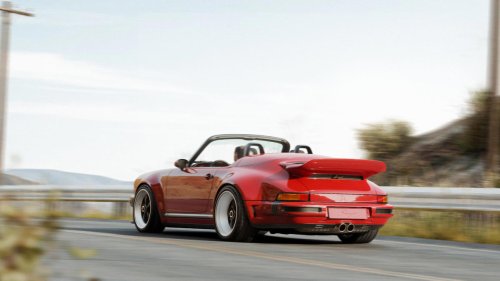
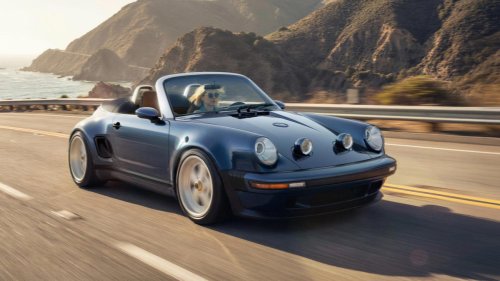
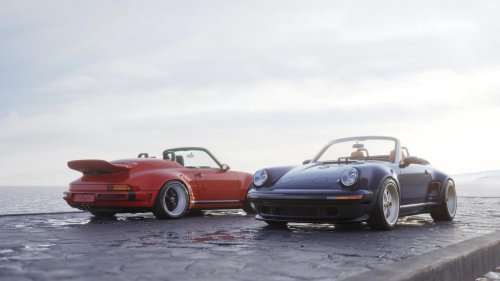
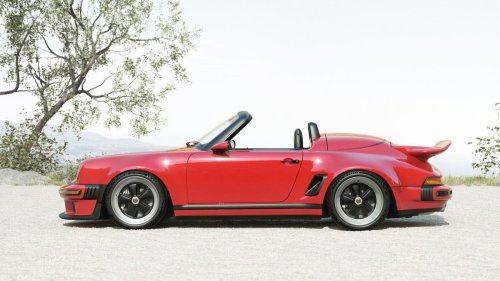
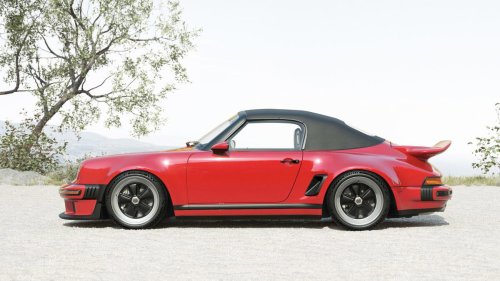
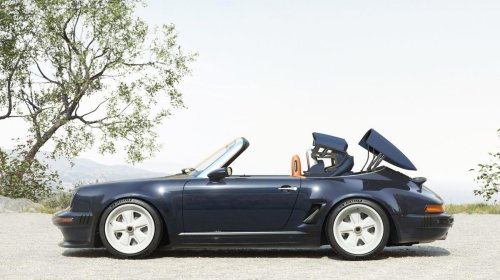
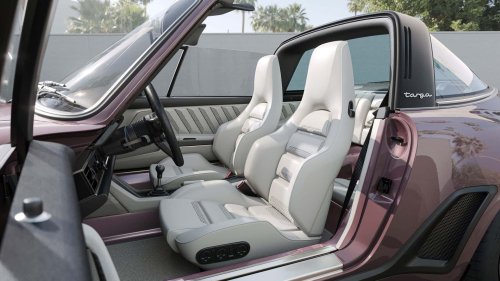
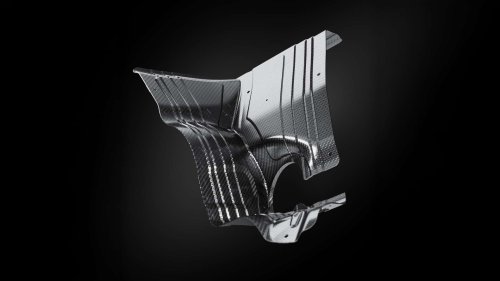
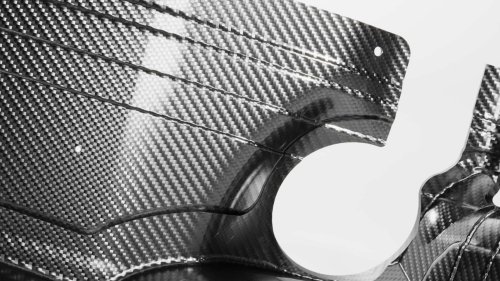
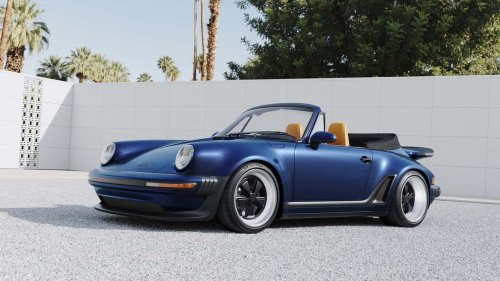
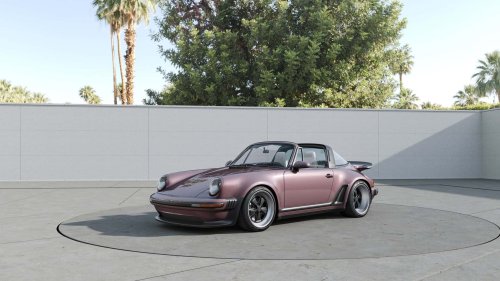
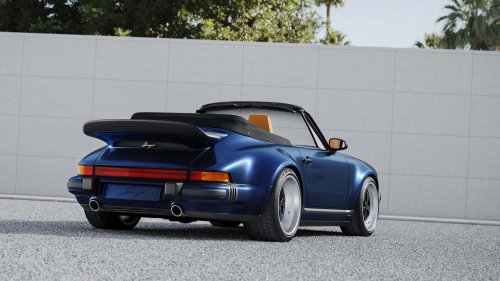
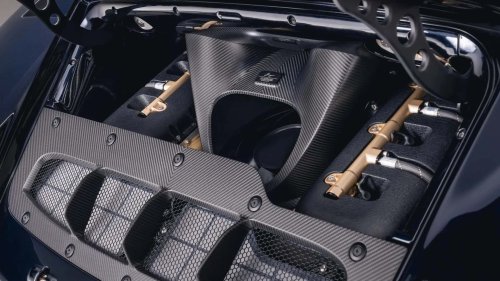
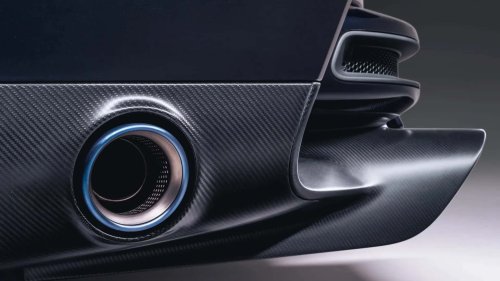
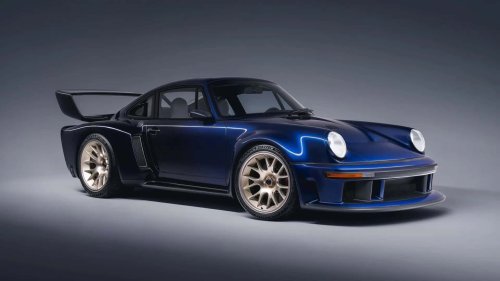
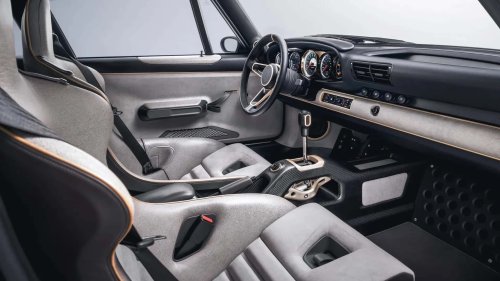
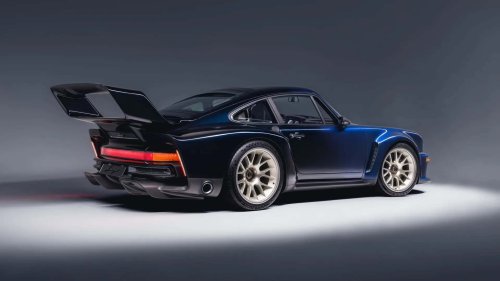
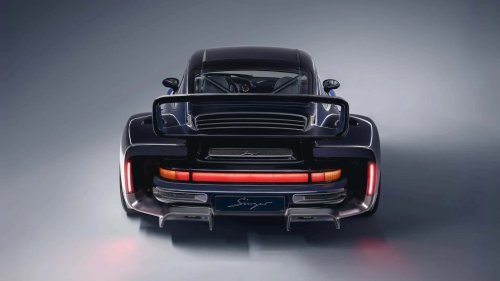
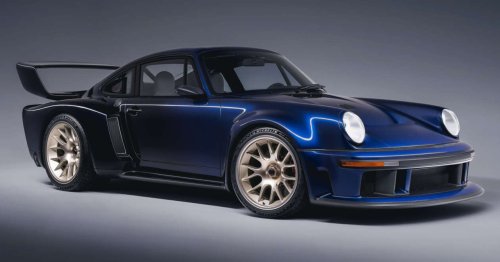
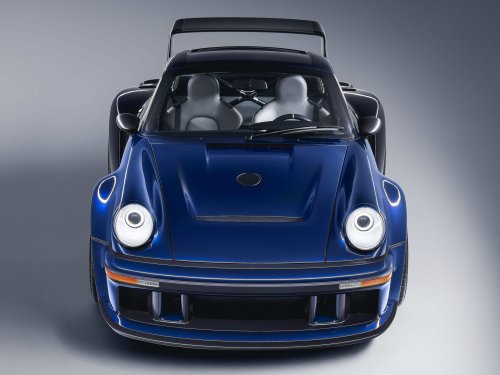
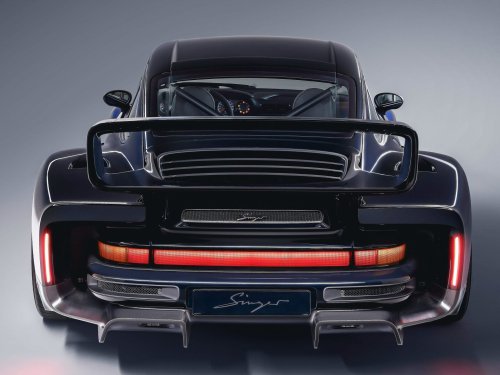
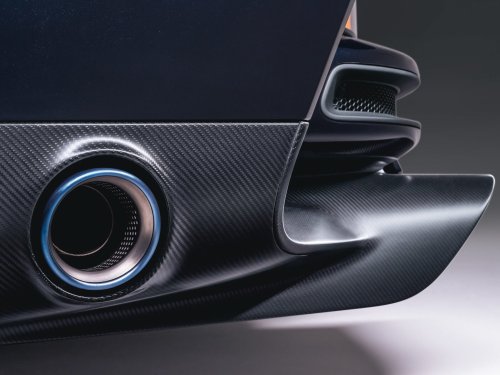
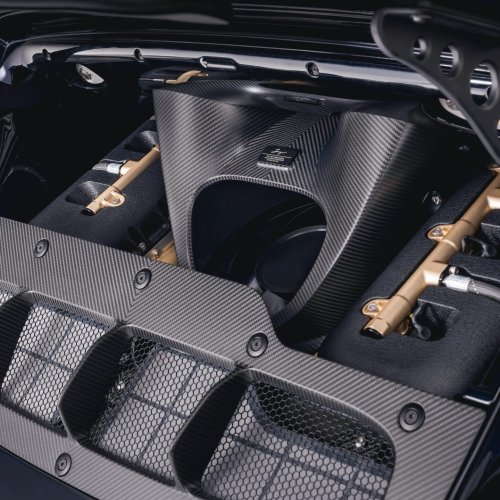
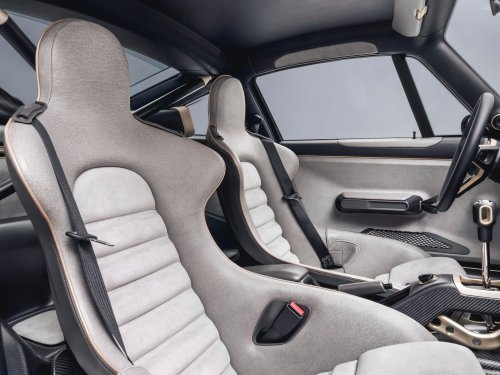
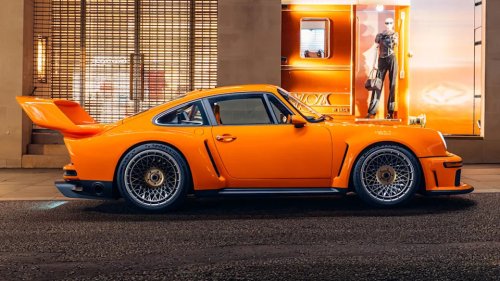
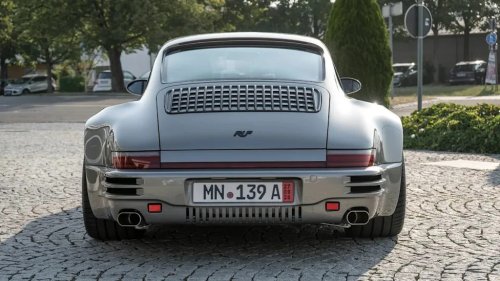
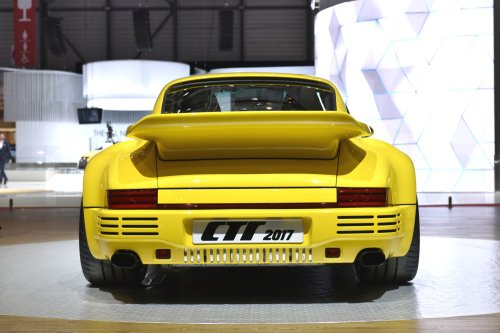
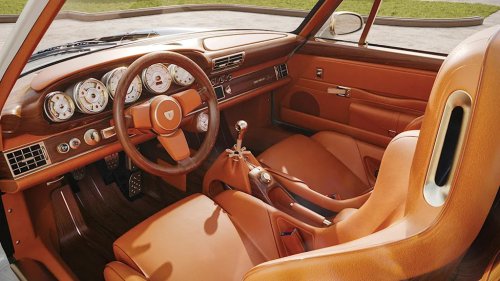
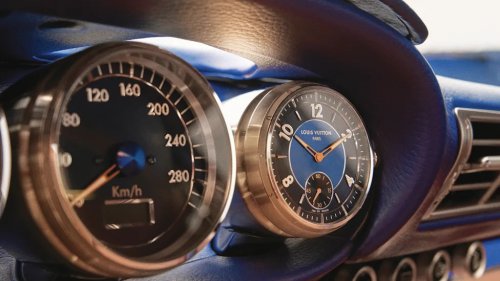
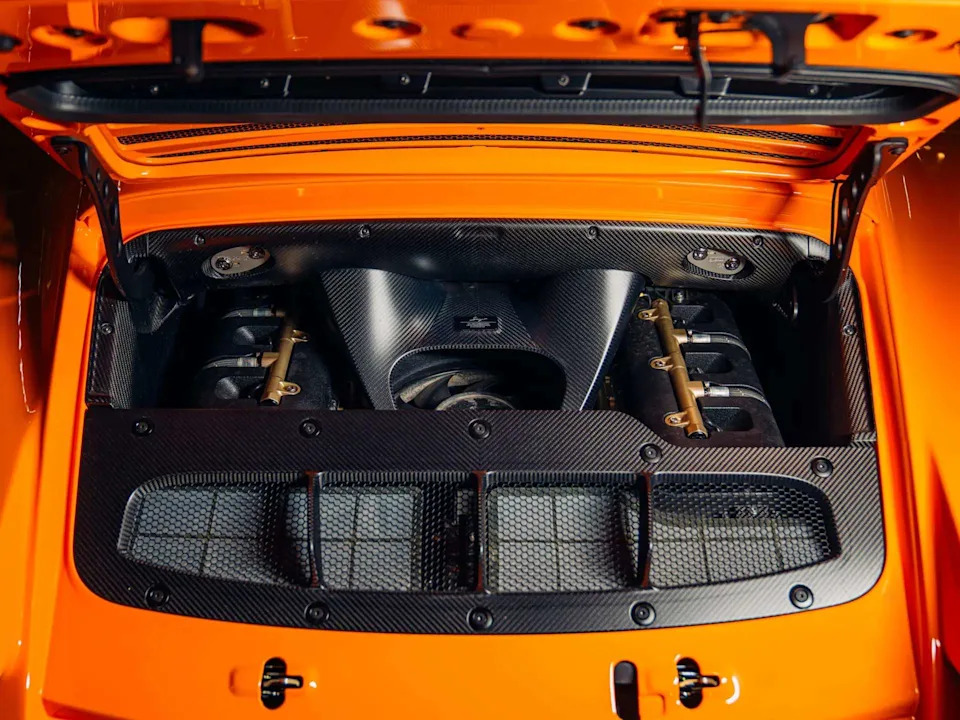
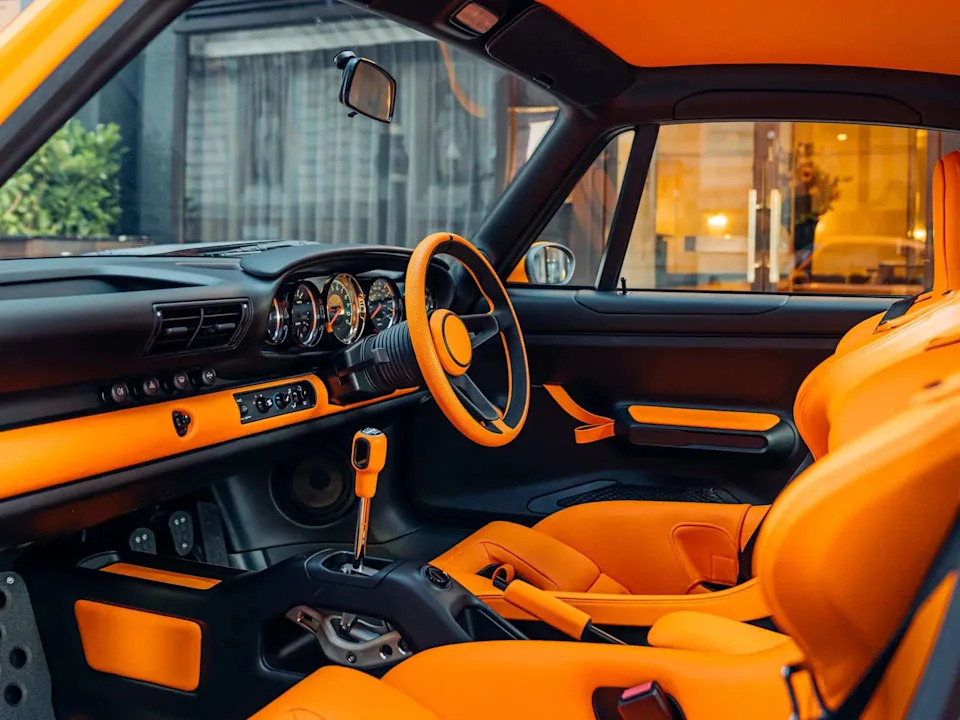
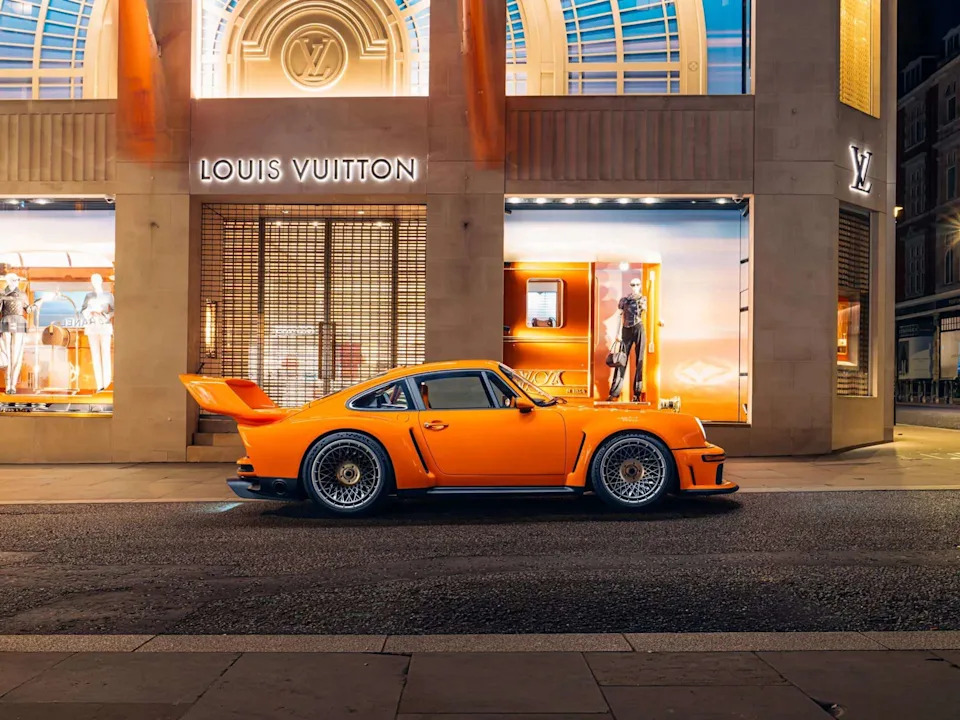
The most interesting fact about the Firefly Commission isn't really about the car. Firefly is a Solid Tangerine Porsche 911 reimagined by Singer Vehicle Design through its DLS Turbo services and now offered by RM Sotheby's Private Sales directly from the man who commissioned it.Firefly has everything a modern collector could ask for. It is one of 99 DLS Turbo restorations, every one of them already spoken for. It is one of roughly ten built to right-hand-drive specification. It was completed by Singer in November 2025, has covered 1,294 miles, and in July it was driven flat-out up the Goodwood hill by Singer's chief test driver, Marino Franchitti, during the year Singer was the Festival of Speed's Central Feature marque.And yet the most telling line in the story is this one: the owner had commissioned the Turbo to replace his naturally aspirated Singer DLS. When the time came, he could not part with the older car. So the 710-horsepower Turbo is the one going.That decision, made by one of the very few people on earth who has lived with both cars, says more about where Singer's creations are heading as collectibles than any asking price could.What Firefly Actually IsLike every Singer, Firefly began as a genuine Porsche: in this case a Type 964 Carrera 2, chassis WP0ZZZ96ZLS404248. What emerged from Singer's DLS Turbo program is something else entirely. Singer first showed the service at the 2023 Goodwood Festival of Speed, openly drawing on the Porsche 934/5, the brutish, wide-arched turbocharged customer racer of the late 1970s. We covered the reveal of the first example, the Sorcerer, when it appeared.The engine is the heart of the proposition. Singer takes the 964's M64 flat-six out to 3.8 liters, fits four-valve water-cooled cylinder heads, twin turbochargers with electronic wastegates, air-to-water intercooling, and a horizontally mounted cooling fan. The result, per RM Sotheby's catalog, is 710 bhp (SAE net) and 750 Nm of torque, with the ability to rev beyond 9,000 rpm. Drive goes to the rear wheels through a six-speed manual. The body is carbon fiber, shaped with computational fluid dynamics; the wheels are forged magnesium center-locks, 19 inches in front and 20 at the rear; the brakes are carbon ceramic.Photo: Alex Penfold, courtesy of RM Sotheby'sFirefly's owner specified both of Singer's aerodynamic packages: the track configuration with its tall, adjustable rear wing and aggressive splitter, and the road configuration with a ducktail and a cleaner nose. The spare set travels in bespoke flight cases. Inside, orange leather matched to sample is paired with black hide on the fascia and doors. It is, by any measure, a loud car. It was meant to be.Photo: Alex Penfold, courtesy of RM Sotheby'sThe Car He KeptTo understand why the seller's choice matters, recall what the original DLS represented. Unveiled at Goodwood in 2018, the Dynamics and Lightweighting Study was Singer's collaboration with Williams Advanced Engineering: a naturally aspirated 4.0-liter, four-valve flat-six developing 500 horsepower and revving to 9,000 rpm, in a car obsessively engineered to shed weight. Singer planned 75 of them. It was the moment Singer stopped being regarded as a brilliant restorer with exquisite taste and started being regarded as an engineering house.The DLS Turbo is, on paper, the more extreme machine. It has more power, more torque, more aero, more drama. It is also the more complicated one, and complexity is rarely what makes a car beloved. What the DLS offered was a naturally aspirated, air-cooled 911 taken to a level of refinement Porsche itself never attempted. That idea is clean, singular, and very difficult to improve upon by adding turbochargers.Horsepower may be why a car gets commissioned, but feel is why it gets kept. Collectors have watched this pattern repeat across generations. The purist specification, the first expression of a new idea, the car whose character is easiest to describe in one sentence, tends to hold the stronger emotional grip and, over time, the stronger market position. One owner's decision isn't a market trend, but it's the kind of signal that often shows up before one.None of this diminishes Firefly. The DLS Turbo will always be the most ambitious thing Singer built on the 964, and a 934/5 homage in Solid Tangerine is exactly how that car should be presented. It suggests instead that the Singer universe now has an internal hierarchy, and collectors are beginning to sort it for themselves.Photo: Alex Penfold, courtesy of RM Sotheby'sWhy Now: Singer Has Become InstitutionalIn July, Goodwood made Singer the Central Feature marque of the 2026 Festival of Speed, placing three 911s on a Gerry Judah sculpture in front of Goodwood House, an honor usually conferred on major manufacturers. For a company founded in 2009, it was a statement of arrival. Firefly was chosen by Rob Dickinson and the Duke of Richmond to be part of that display and to climb the hill.Meanwhile, the secondary market has been building infrastructure around the marque. In March, RM Sotheby's ran "Sealed – The Singer Drop," a sealed-bid sale of two Singers offered in partnership with the company, including another DLS Turbo, the Sepang Commission. Firefly, too, is offered "in partnership with Singer." When an auction house of RM's scale, now clearing more than $1 billion a year, creates a dedicated channel for one builder's work and does so with the builder's cooperation, the category has matured. Singer's parallel moves, from its Louis Vuitton collaboration to its members' club at Willow Springs, point in the same direction: a brand managing an ecosystem, not merely a waiting list.What a Buyer Is Really Paying ForRM lists Firefly as price on request; the figure being quoted for it is $3.95 million, which RM's head of private sales has described as little more than the original build cost. That framing matters. For a sold-out program, the premium a buyer pays in the secondary market is essentially the price of skipping the queue. When that premium is modest, it tells you the DLS Turbo is being priced as a known quantity rather than a speculative instrument, which is healthy for a young category.It also clarifies what provenance means here. With a factory-original 911, provenance begins with the car's birth. With a Singer, the donor Porsche is the least important part of the story. The commission is the provenance: the original owner's specification, Singer's build documentation, and whatever history the finished car accumulates afterwards. We made a similar point about the ex-UAE Fiona Commission, and Firefly strengthens it. A car selected by the company's founder for its most important public showcase, and driven there by its chief test driver, has a documented moment in Singer's history that no other DLS Turbo can claim.What Serious Buyers Should CheckTax and registration status. Firefly is UK-registered with taxes paid. That is not a small detail. The Sepang Commission, offered in March, sat in the UK on a temporary import bond, meaning a UK-based buyer faced VAT and import duty on top of the winning bid. For a British or European buyer, Firefly's status removes a meaningful cost and a layer of paperwork. A U.S. buyer should budget for import formalities in the other direction, though the 964 donor comfortably clears the 25-year rule.Right-hand drive cuts both ways. Roughly ten DLS Turbos were built in RHD, which makes Firefly scarce in the markets that want it: the UK, Japan, Hong Kong, Australia. It narrows the pool elsewhere. Scarcity only creates value when it coincides with demand, and here the demand is concentrated.Reconcile the paperwork. RM's addendum notes the car is titled as a 1990, though it is marketed as a 1991. The online listing's data fields also show left-hand drive and record the odometer in kilometers, while the catalog text describes an RHD car with 1,294 miles. These are almost certainly clerical, but at this level every discrepancy should be settled against Singer's build records before funds move.Understand what it is not. Singer is not affiliated with or endorsed by Porsche, and a Porsche Certificate of Authenticity will describe the Carrera 2 that left Zuffenhausen, not the car being sold. The meaningful authentication runs through Singer. As Singer cars change hands more often, from Mecum's floor to private treaty, the completeness of that Singer file will increasingly separate strong cars from merely expensive ones.The VerdictFirefly is a superb example of Singer's most extreme 964, with a specification that suits the car's personality, near-new condition, clean tax status, and a piece of provenance tied to the company's defining public moment. For a buyer who wants a DLS Turbo now rather than never, it is about as good as the opportunity gets.But the lasting significance of this sale sits in the garage it is leaving. The man who owned both chose the naturally aspirated DLS. As the restomod category continues to sort serious work from fashion, a theme we explored in our look at the Jensen Interceptor GTX, collectors should pay attention to which Singers their owners refuse to sell. That list may prove to be the most accurate price guide the marque will ever have.Get the free Collector Car Market Brief: auction results, price moves and what's crossing the block, in your inbox every weekday morning. Sign up at moderncarcollector.com/briefFollow our Instagram page and follow us on Facebook.












 +59 others