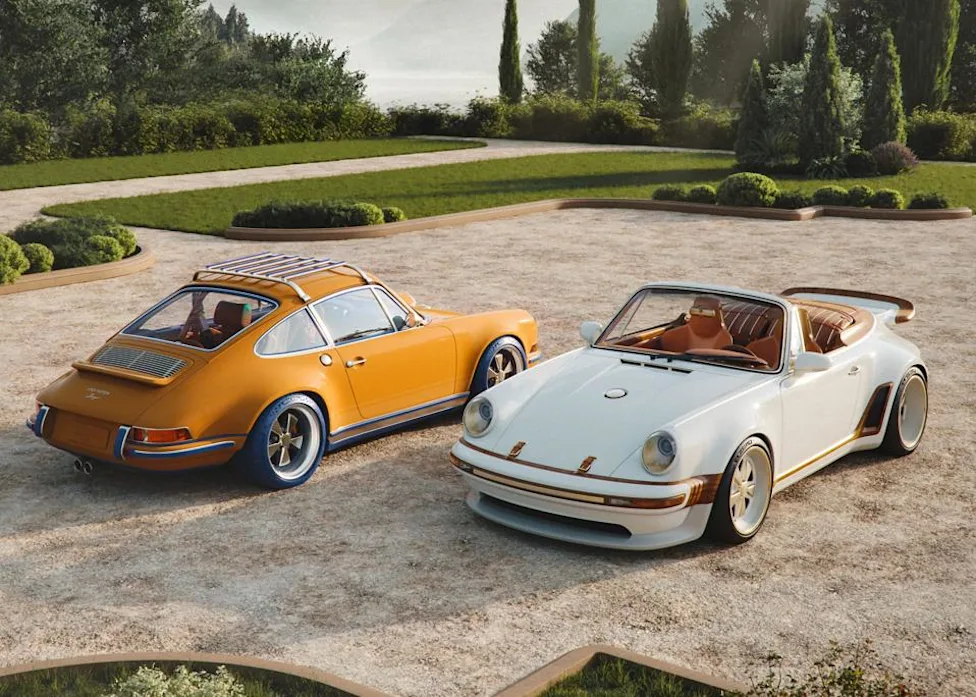
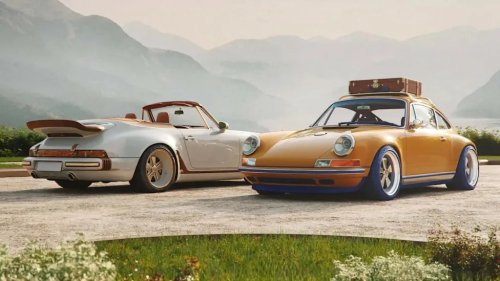
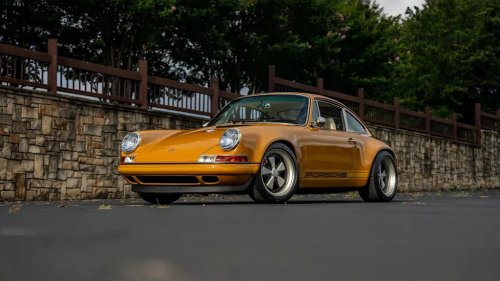
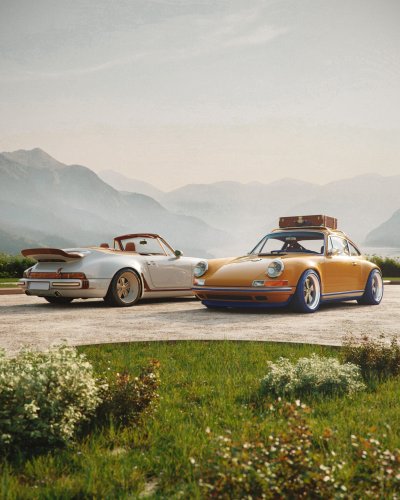
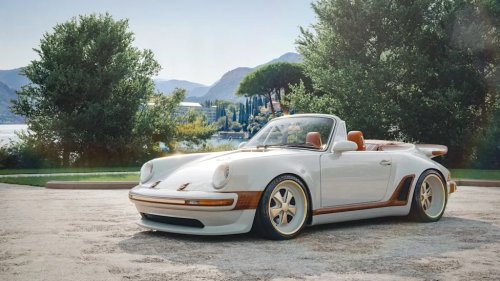
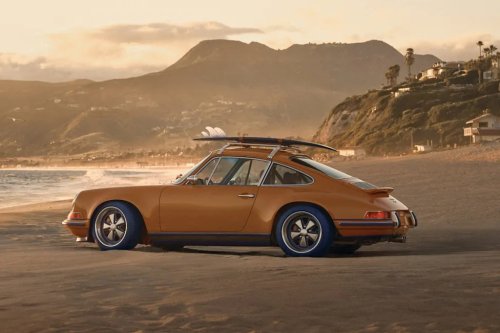
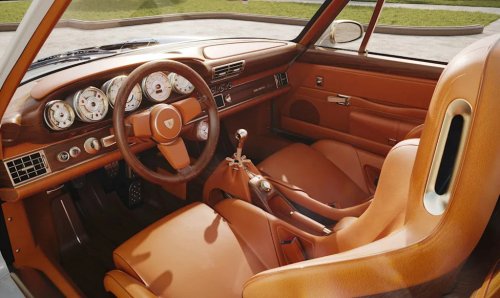
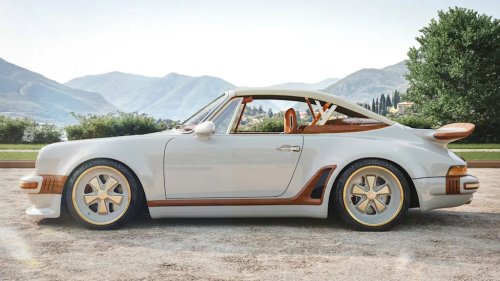
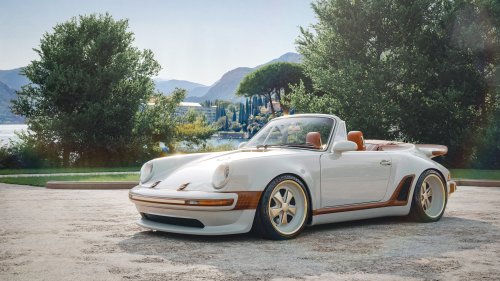
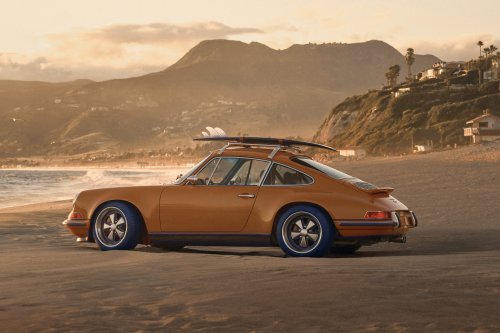
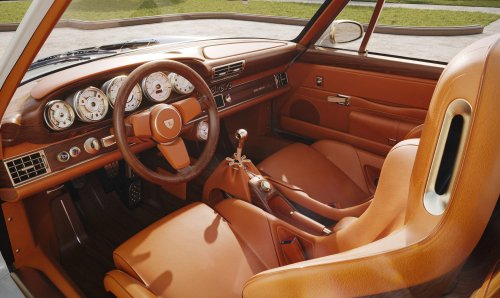
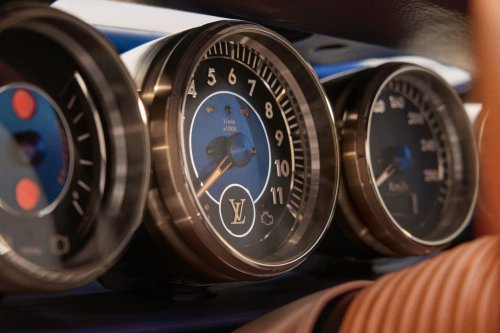
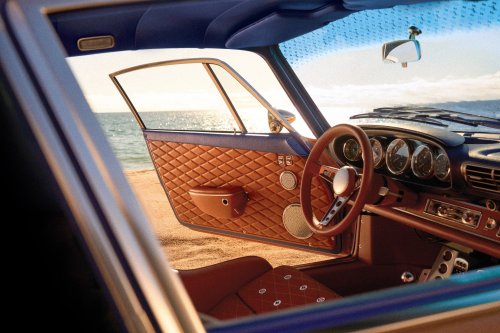
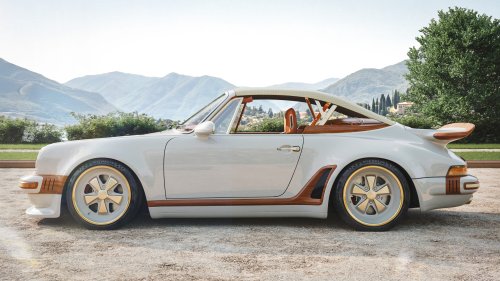
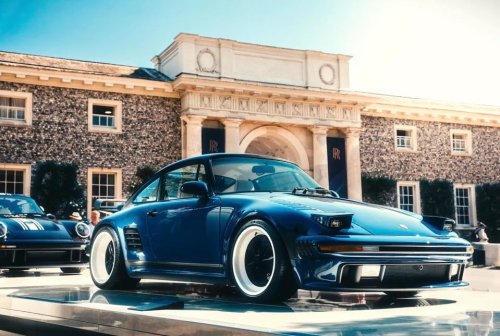
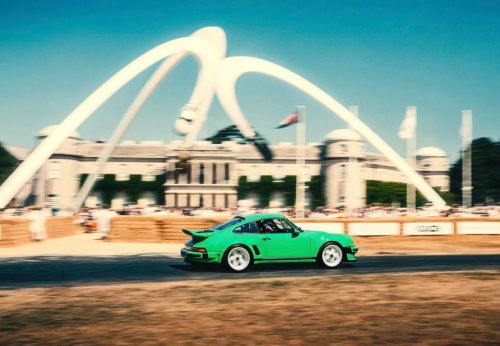
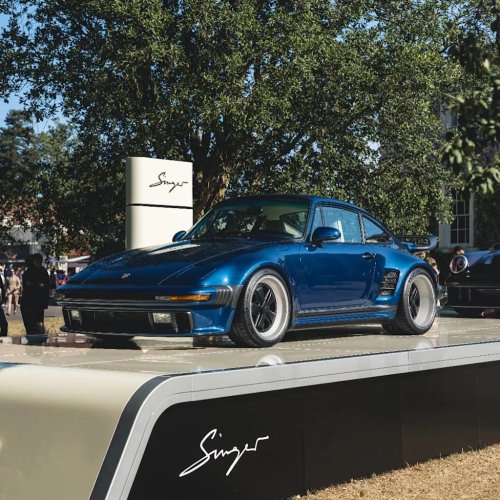
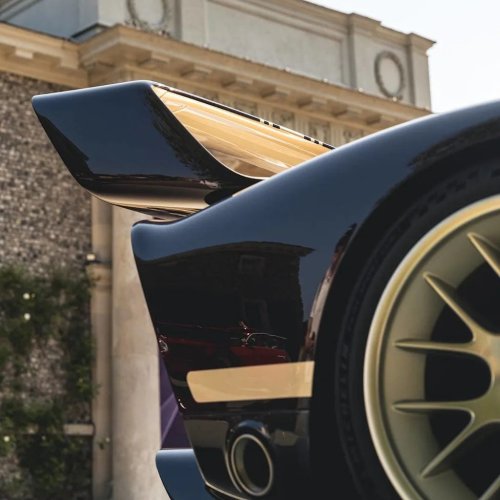
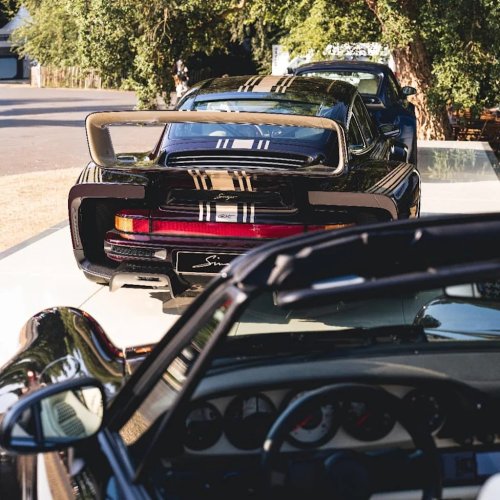
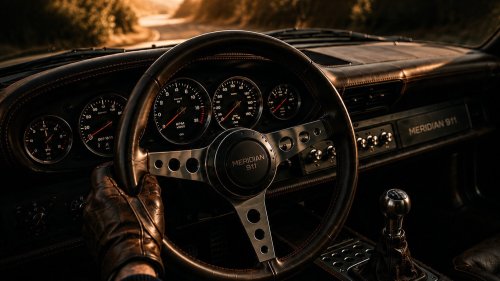
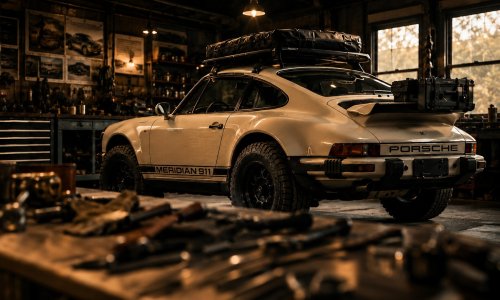
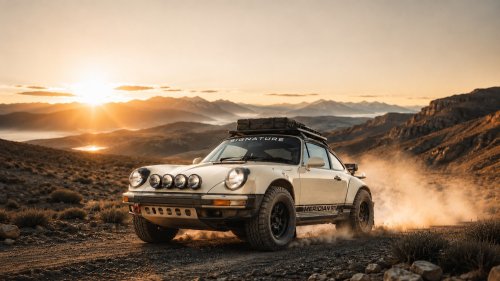
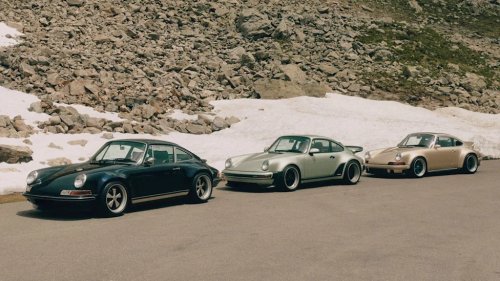
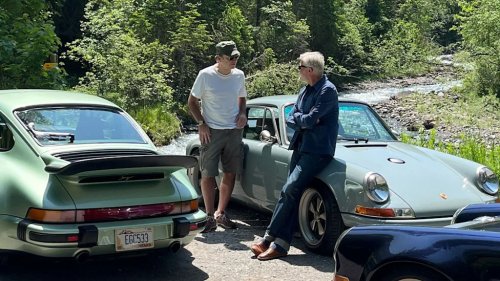
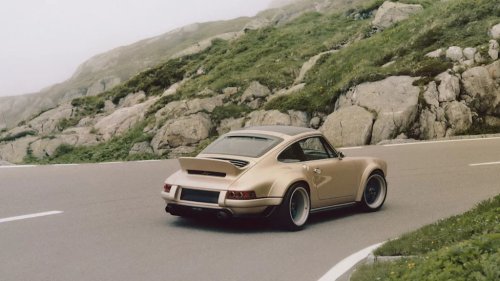
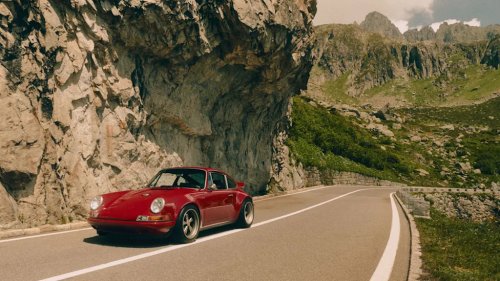
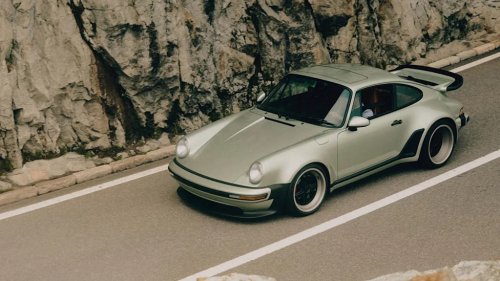
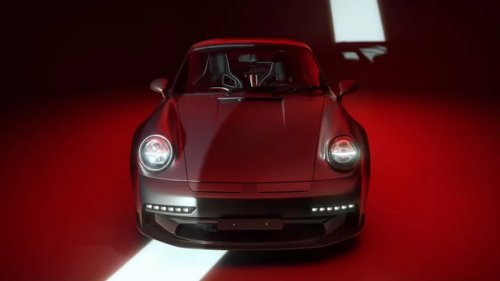
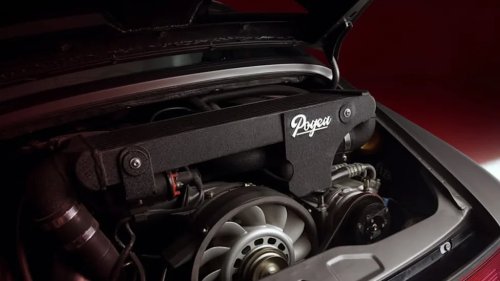
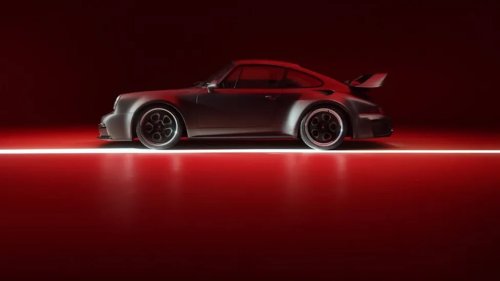
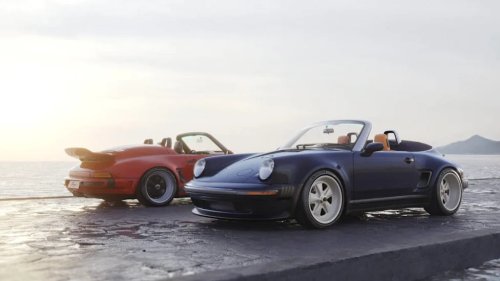
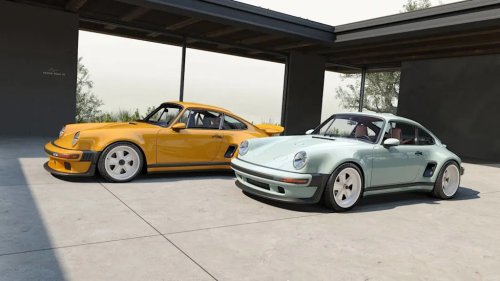
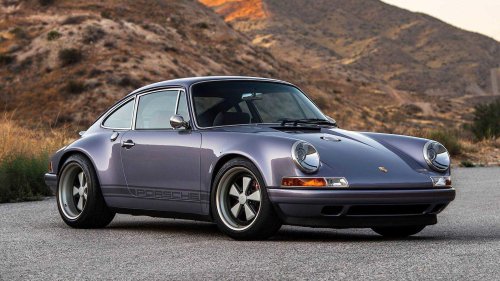
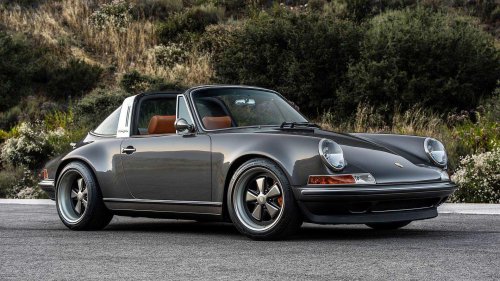
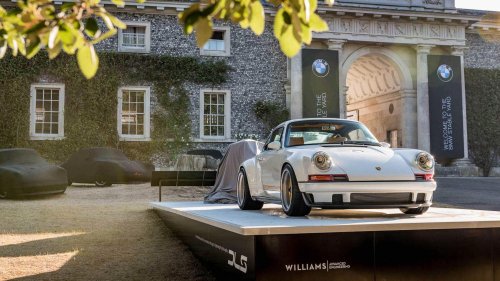
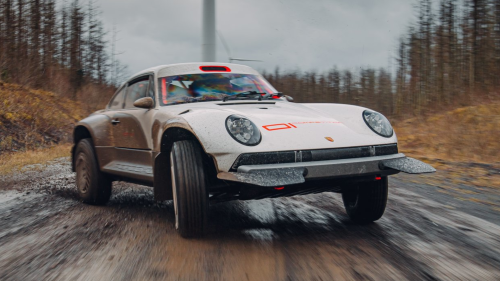
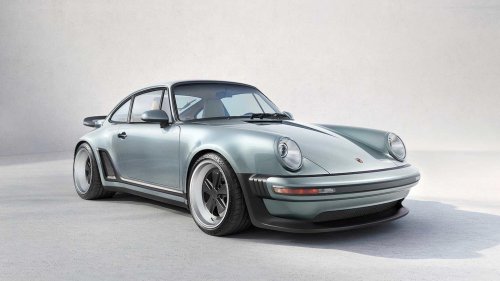
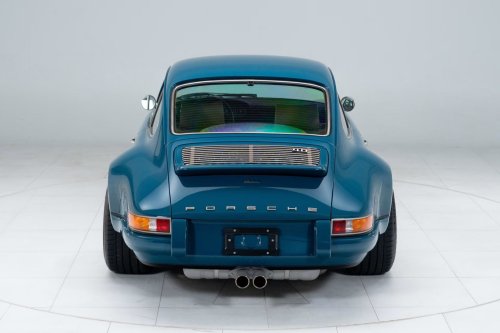
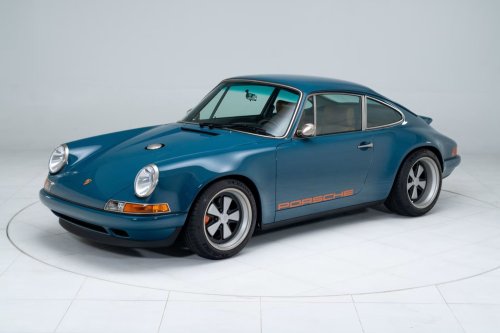
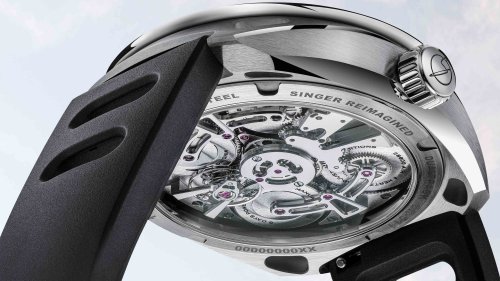
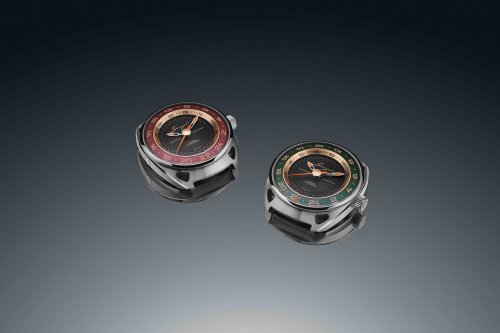
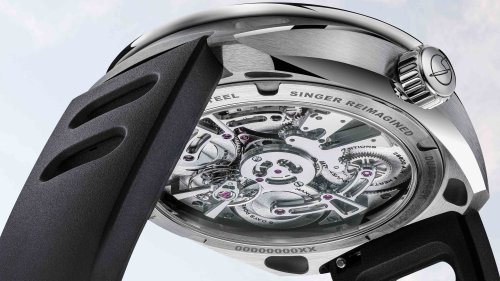
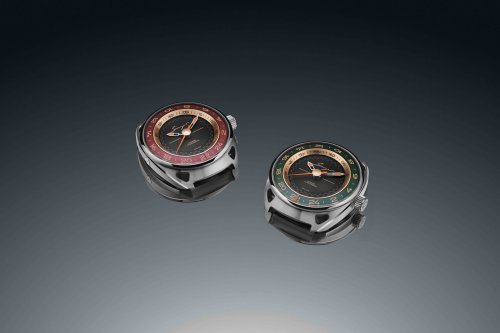
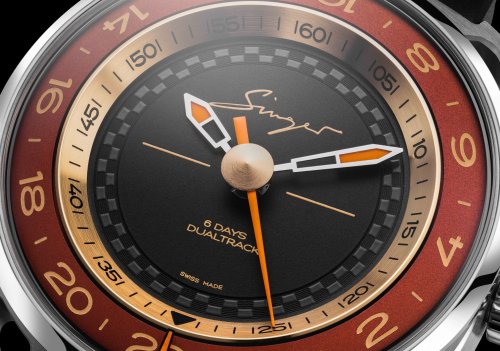
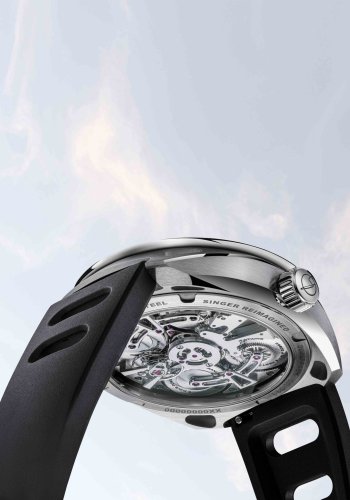
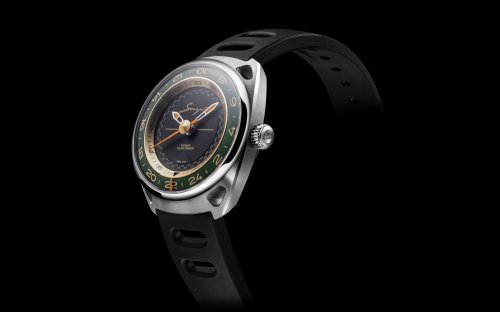
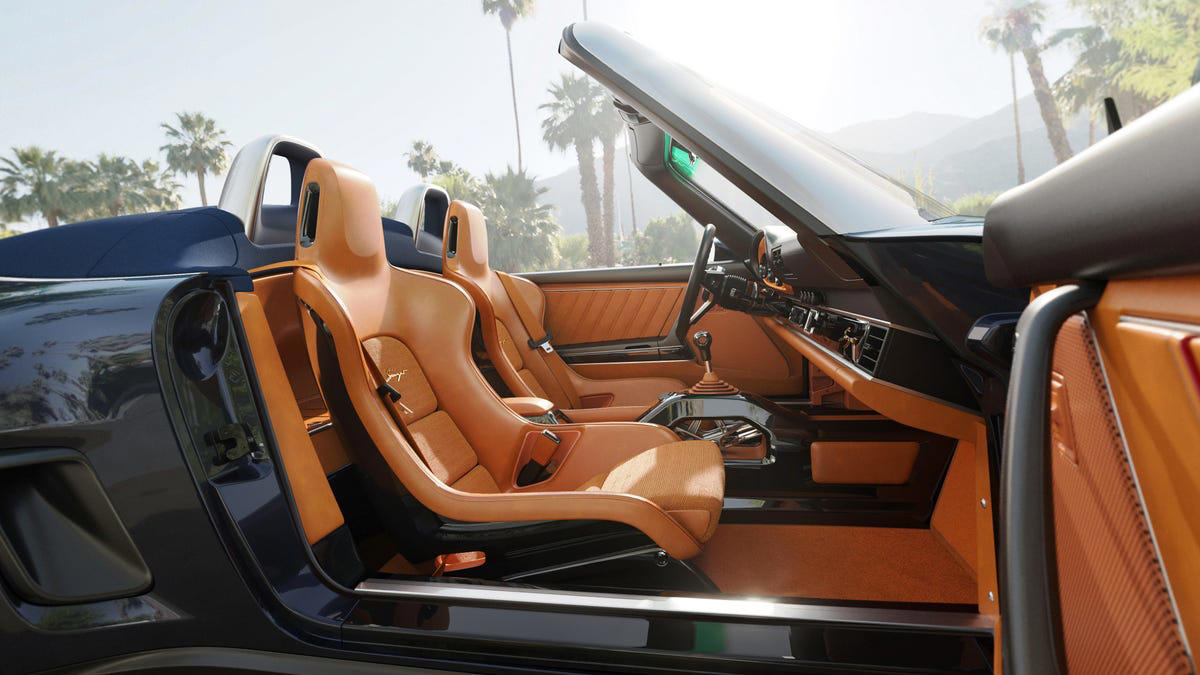
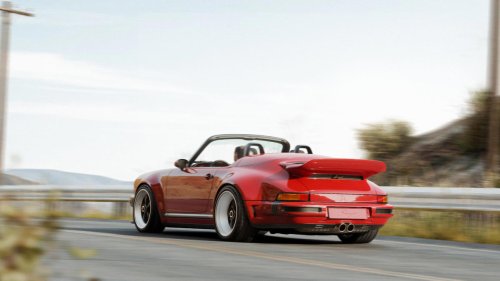
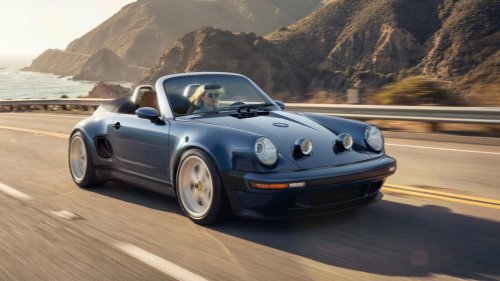
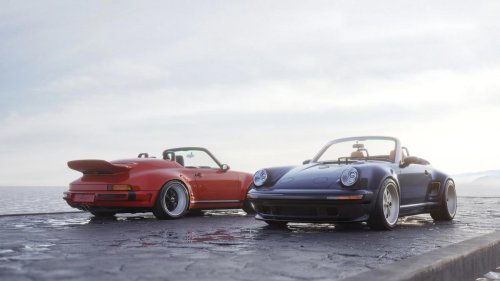
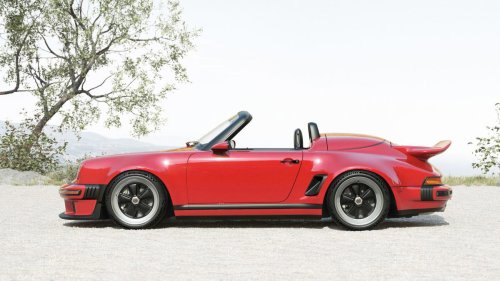
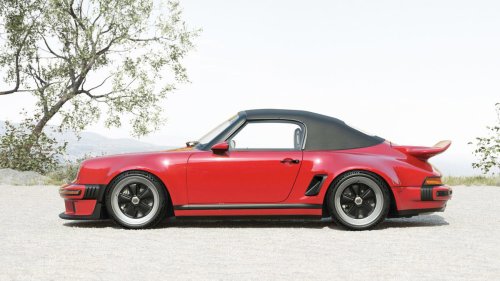
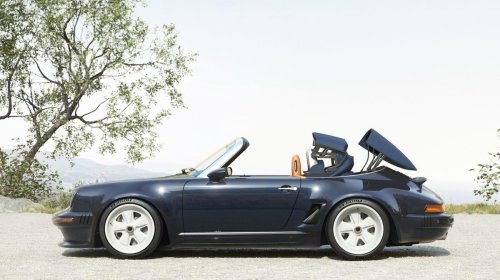
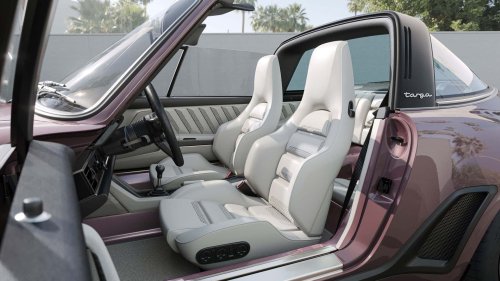
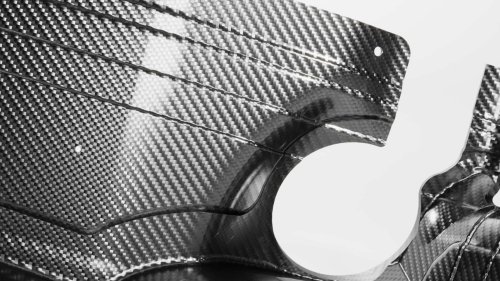
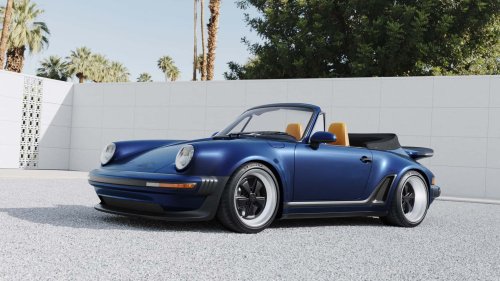
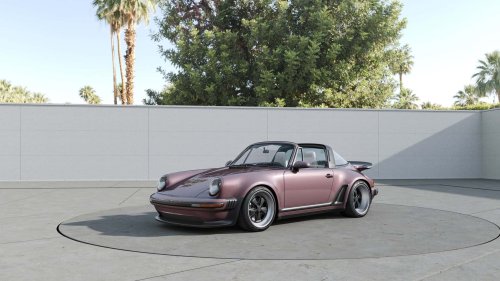
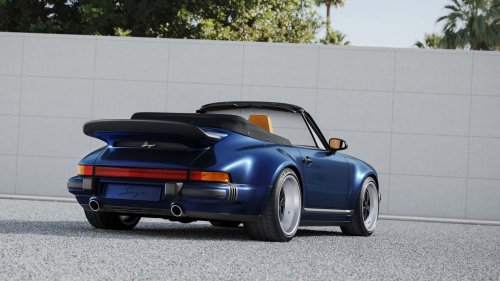
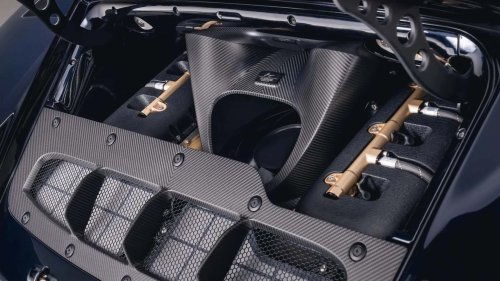
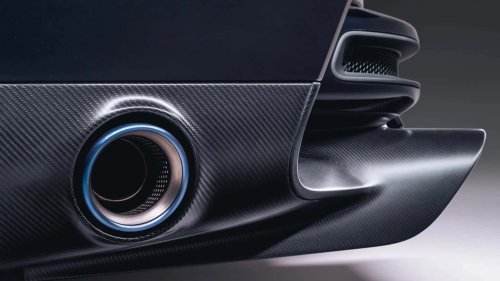
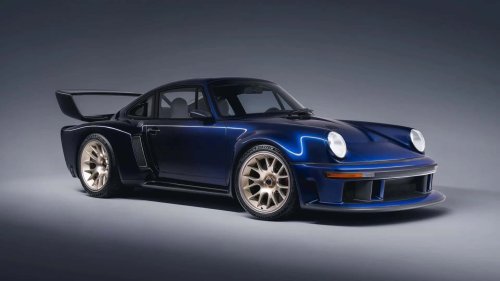
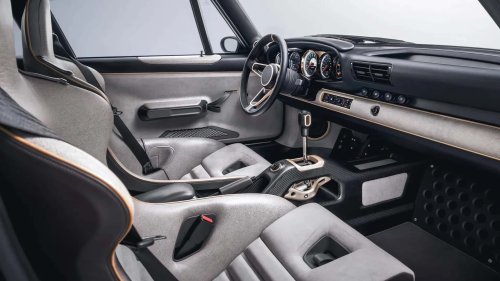
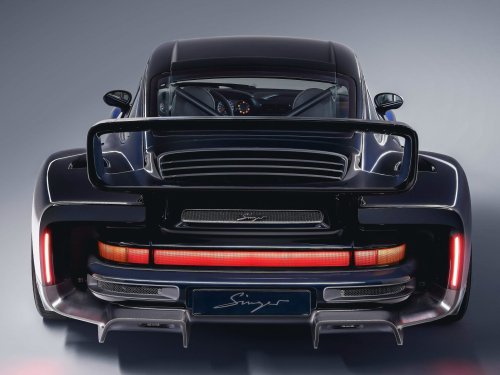
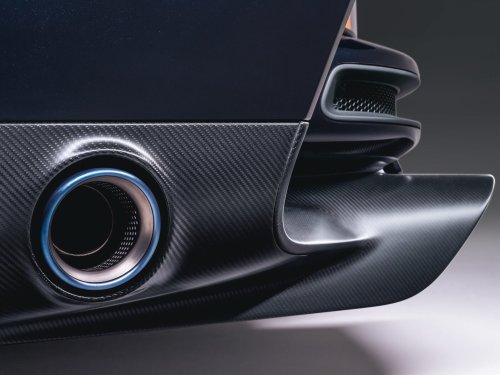
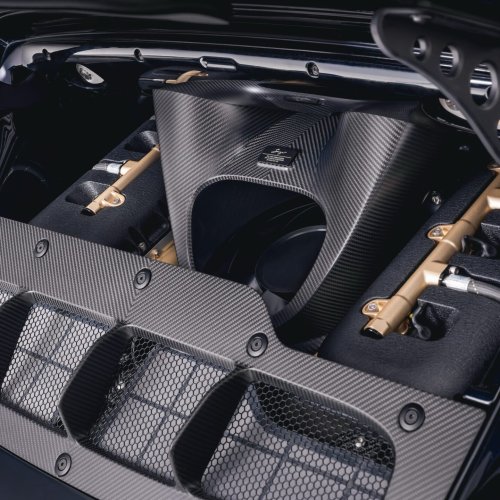
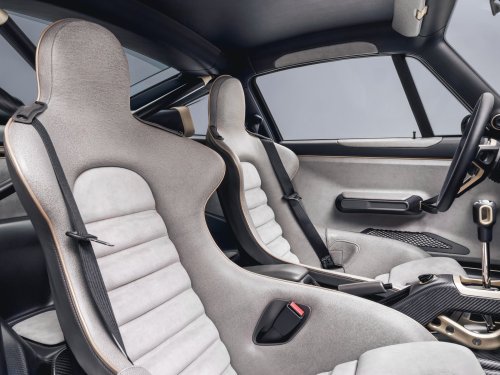
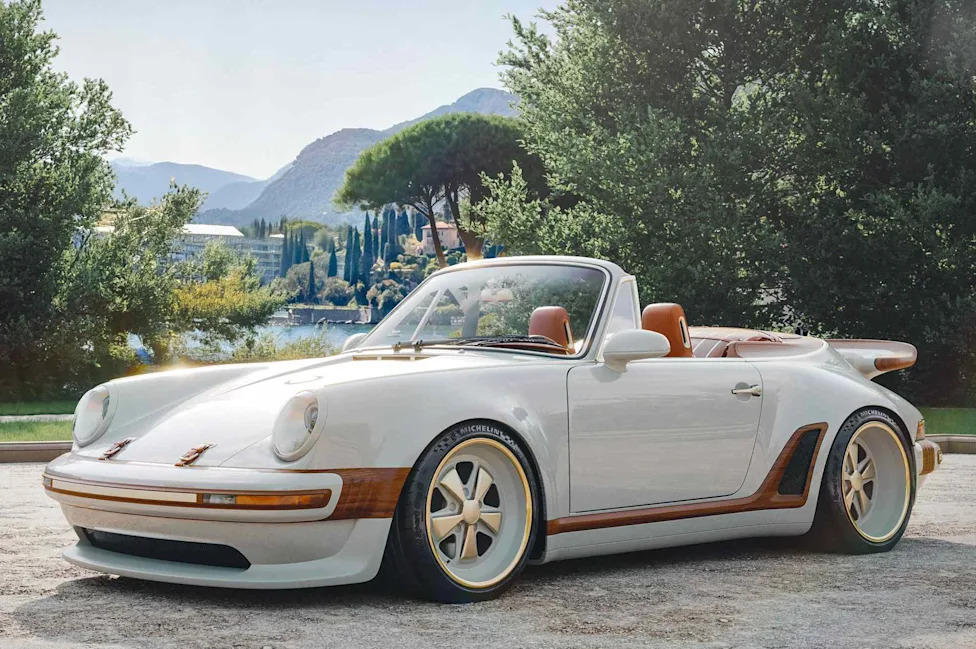
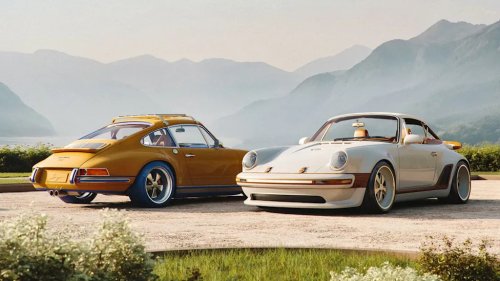
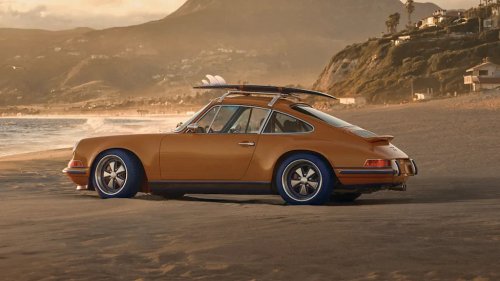
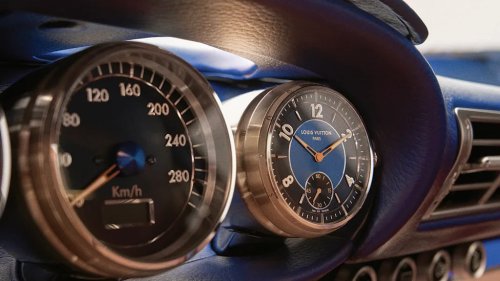
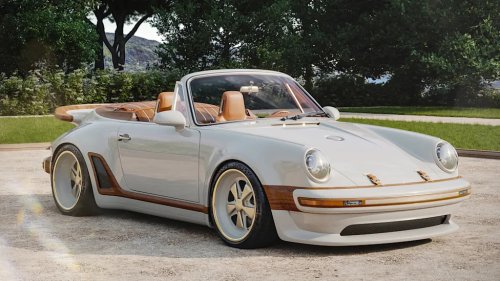
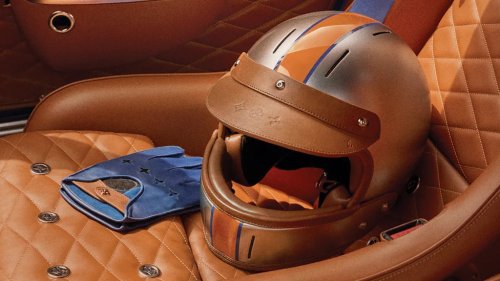
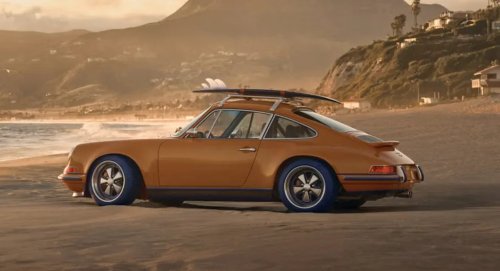
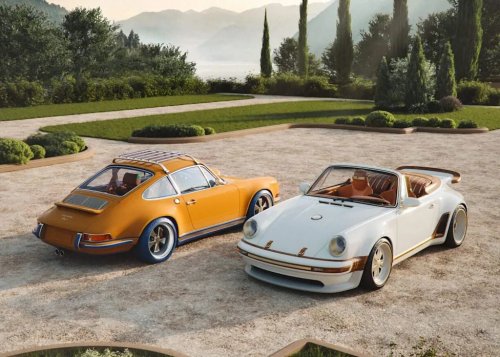
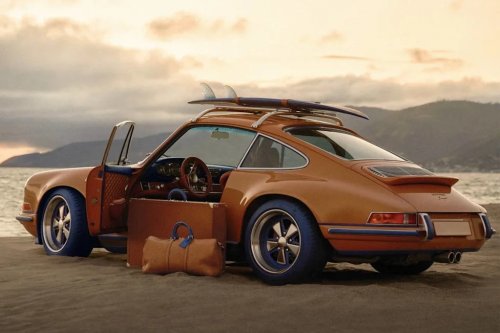
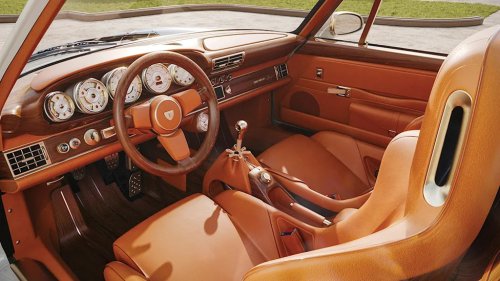
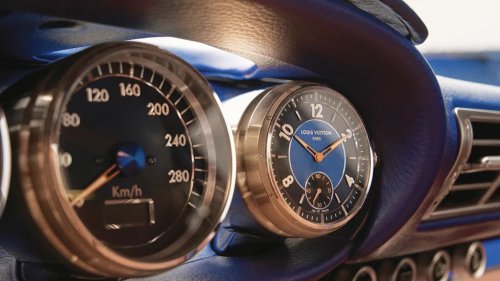
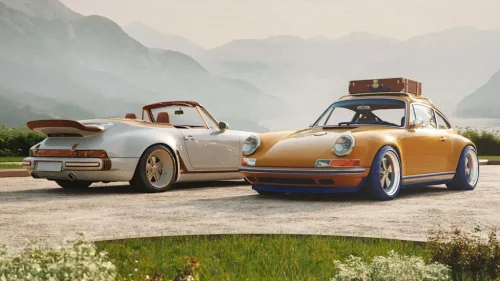
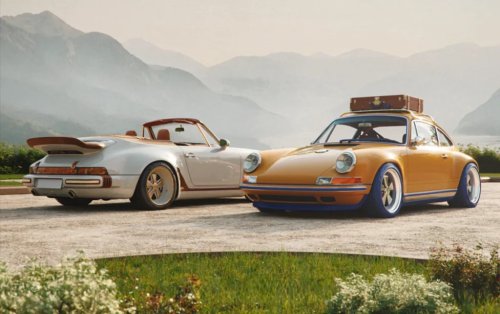
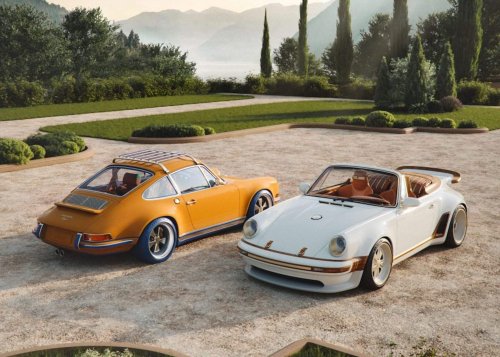
Porsche 911 Reimagined by Singer - Classic & Classic Turbo Louis Vuitton©2026 SingerSinger, a company famed for meticulous restoration and "reimagining" of classic Porsche 911s, has introduced a co-branded automotive project that pairs its air-cooled automotive expertise with Louis Vuitton's watchmaking, leatherwork and luggage savoir-faire.While most luxury collaborations frequently stop at a badge, a trim color or a capsule collection, Louis Vuitton and Singer have taken a more exhaustive route by showing a pair of Porsche 911s reimagined by Singer—one a Classic coupe, the other a Classic Turbo cabriolet. As a team, the two transform the car into a showcase for engineering, watchmaking, leathercraft, and travel design.The project commenced with a simple analog instrument panel clock. Louis Vuitton's La Fabrique du Temps workshop in Switzerland developed a removable mechanical timepiece inspired by the Tambour watch that can be taken from the car and used as a desk clock. That initial commission grew into a far more ambitious collaboration. The relationship between the two brands then expanded into a redesign of the instrumentation and, ultimately, two highly individualized 964-based 911s.AdvertisementAdvertisement"This unique and remarkable venture began with a request for a dashboard timepiece for a car reimagined by Singer," Jean Arnault, Louis Vuitton's Watch Director, said in a statement. "It quickly became apparent to us that this collaboration with Singer could extend to the personalization of every functional element of the vehicle."The first of the two vehicles, a Porsche 911 Reimagined by Singer – Classic coupe, wears saffron bodywork with cobalt blue and yellow accents. A roof rack is designed to carry bespoke Louis Vuitton gear, including a trunk, surfboard, or skis. Its 4.0-liter naturally aspirated, air-cooled flat-six sends power to the rear wheels through a six-speed manual—offering a driving sensation as tactile as the fine hides. Oversized carbon-ceramic brakes and a speed-activated rear wing deliver extraordinary stopping power and stability at higher velocities.Its visual vocabulary extends well beyond paint. The cabin of the two-door uses a natural leather tone influenced by Louis Vuitton's VVT leather, with yellow saddle stitching, Monogram Flower ventilation eyelets and diamond-pattern embossing meant to recall the malletage lining of Vuitton trunks. The instrumentation adopts the Tambour's graphic language, using cobalt blue dials and orange markings. Singer says it replaced conventional plastic fittings—decades old from the factory—with hand-finished metal components, including switches, vents and pull-tabs."The specifications chosen by Louis Vuitton exposed us to techniques and methods developed over decades of experience," said Rob Dickinson, Singer's founder and executive chairman. "They trusted us with their esteemed brand, their traditions and their vision, and it was a joy to bring our two worlds together."AdvertisementAdvertisementThe second commission starts as a Porsche 911 Reimagined by Singer – Classic Turbo. The 964-based cabriolet is finished in Calcaire Lutétien white (a reference to the limestone associated with Paris), and carries brown, gold, leather and wood details inspired by classic motorboats. Its 3.8-liter twin-turbocharged flat-six uses air-to-water intercooling and drives the rear wheels through a six-speed manual. An iconic whale-tail rear wing, carbon-fiber bodywork and carbon-ceramic brakes keep the specification rooted in Singer's high-performance remit.Nicolas Ghesquière, Louis Vuitton's artistic director of women's collections, conceived the open-air variant. Its center-console Tambour clock is paired with warm gold gauges and a matching ignition key; varnished wood lines the rear luggage compartment, engine bay and front trunk. The front trunk contains a three-piece fitted luggage set, while the soft top and wooden deck reinforce the nautical theme.As expected from such a team, the collaboration doesn't stop with the vehicle. Accessories include made-to-measure apparel, helmets, driving gloves, key holders and luggage customized to each car. That breadth is the point: Vuitton is positioning the project as an extension of its long relationship with travel, while Singer gets a rare opportunity to apply its obsessive, restoration-based approach at a new level of material and finish.While neither company announced pricing (likely high), production volume (likely low), or customer availability (likely extraordinarily scarce), the two cars make the underlying proposition clear. In an era when luxury automotive partnerships often lead with branding, Louis Vuitton and Singer are selling a more traditional idea—craftsmanship becomes most persuasive when every tactile detail, far beyond the logo, carries the argument.This article was originally published on Forbes.com