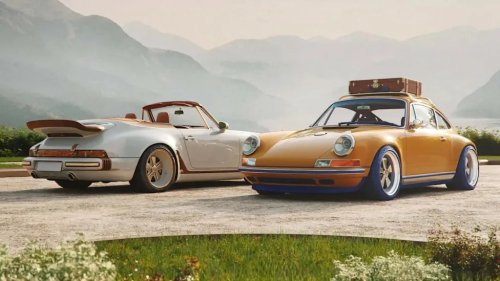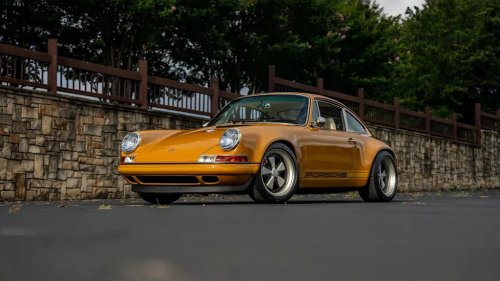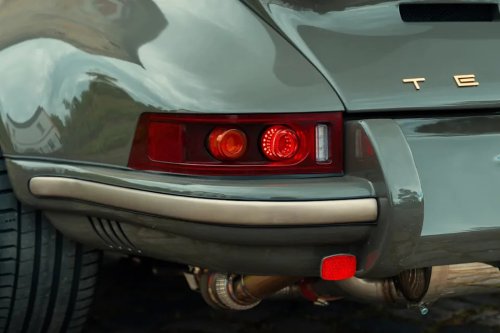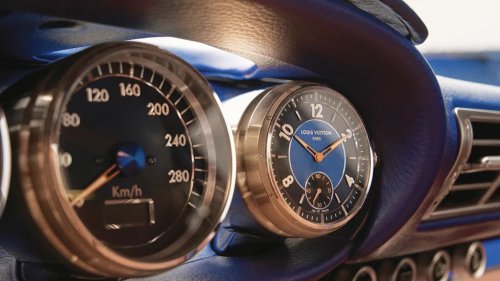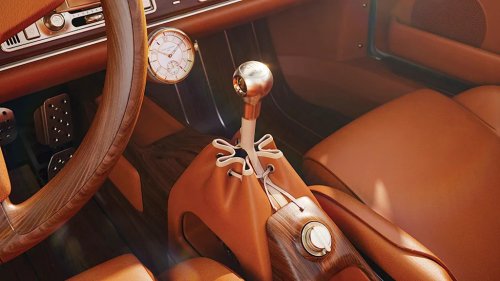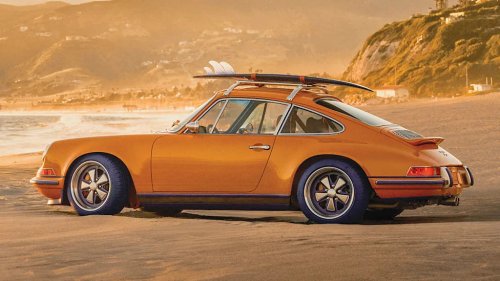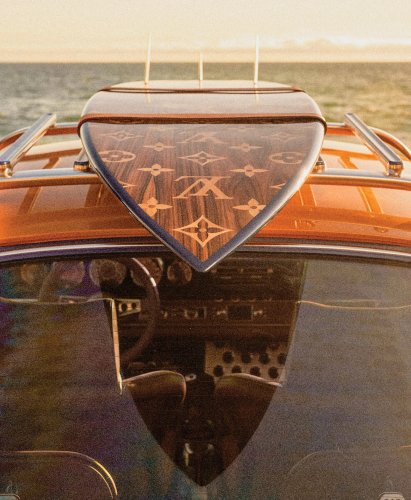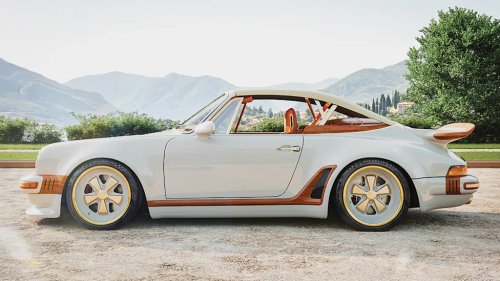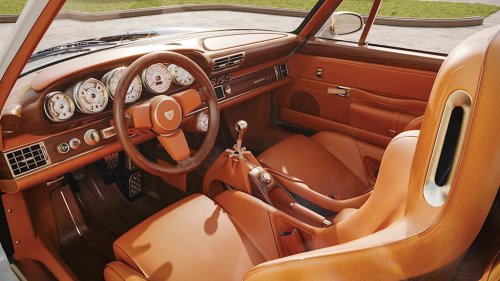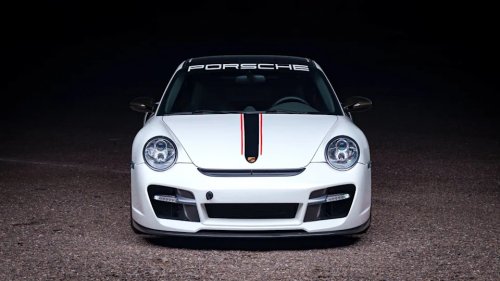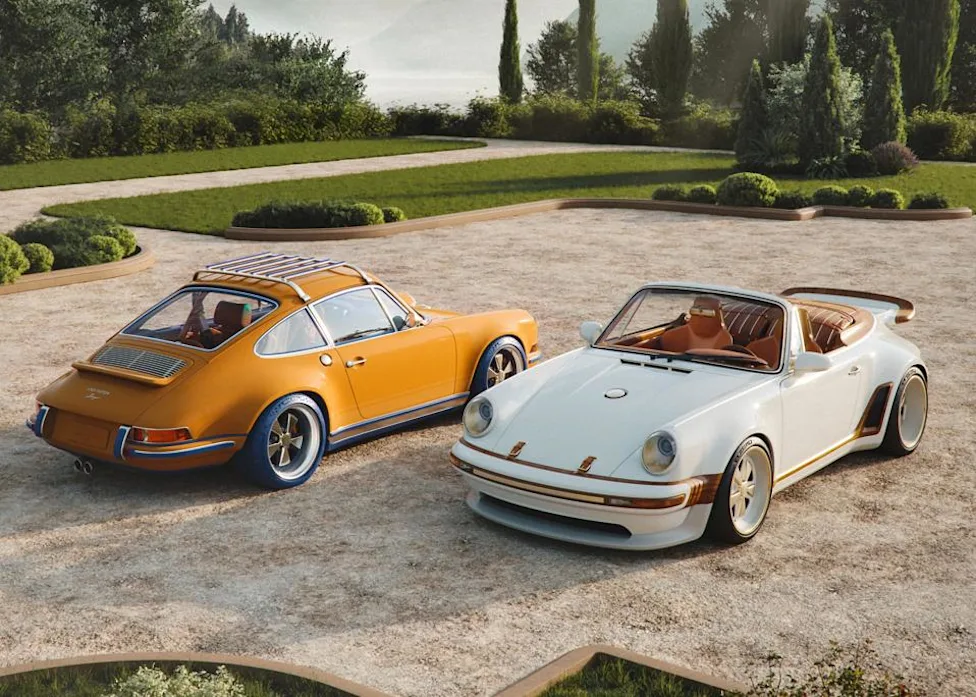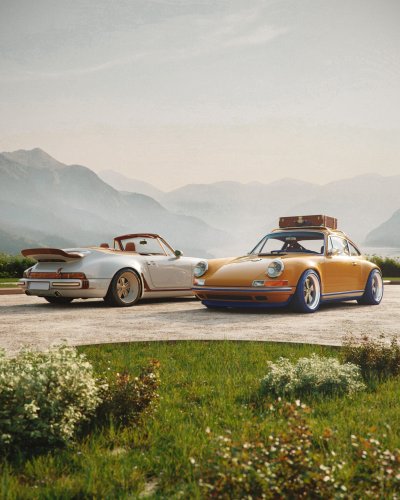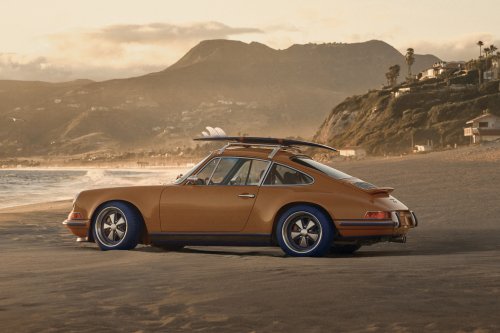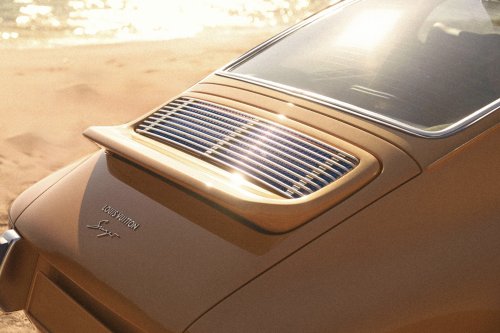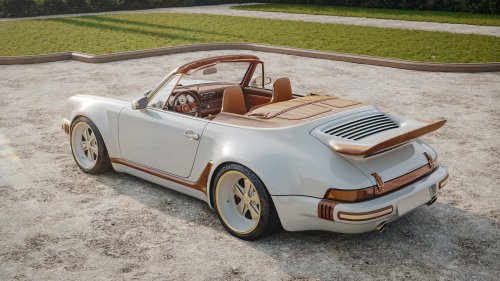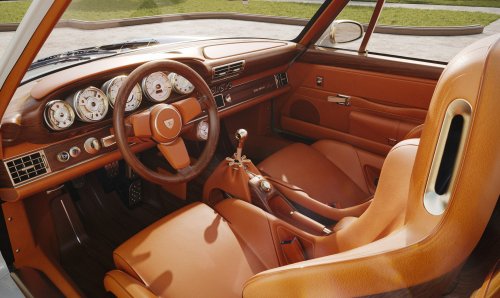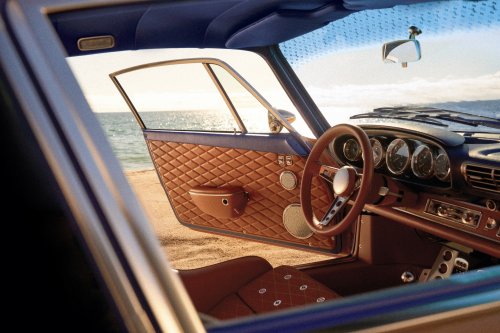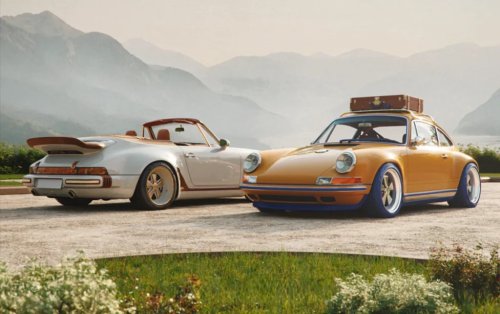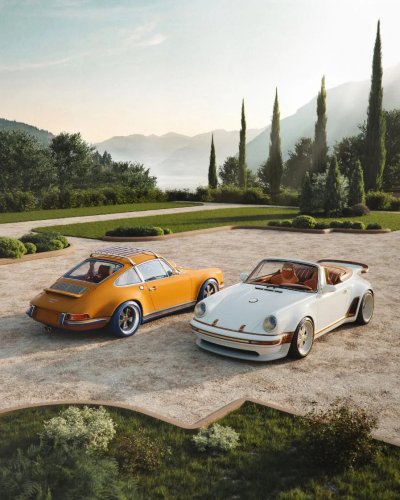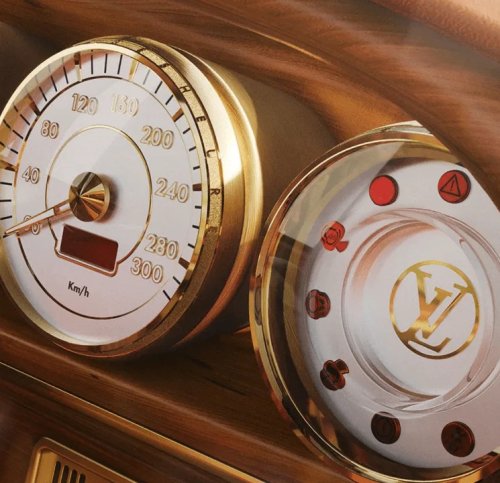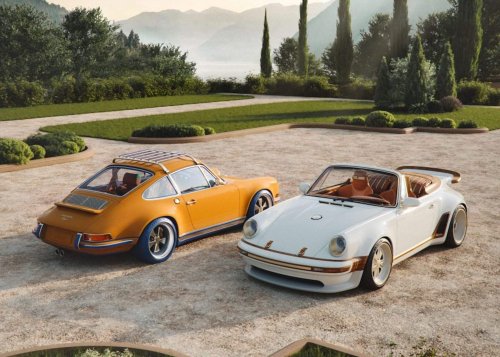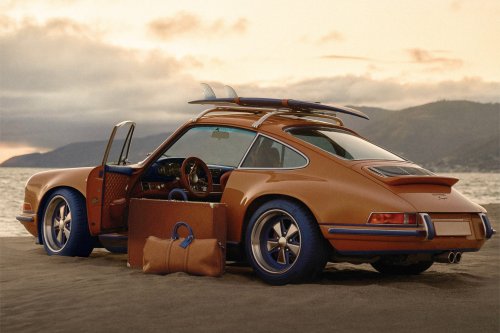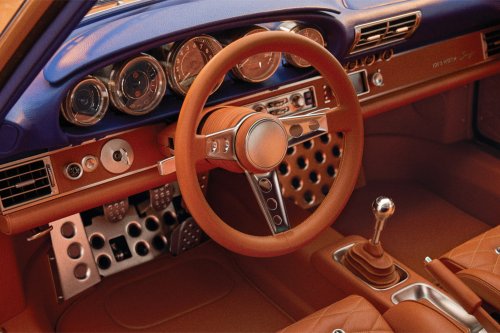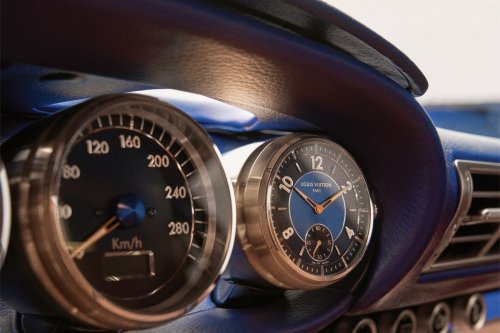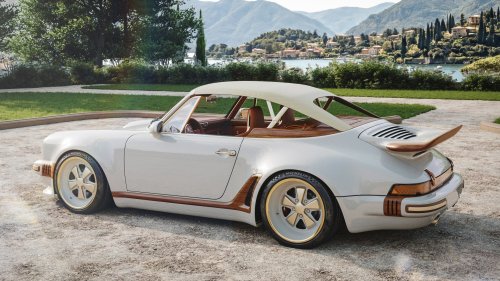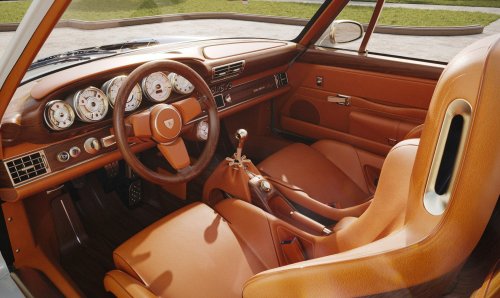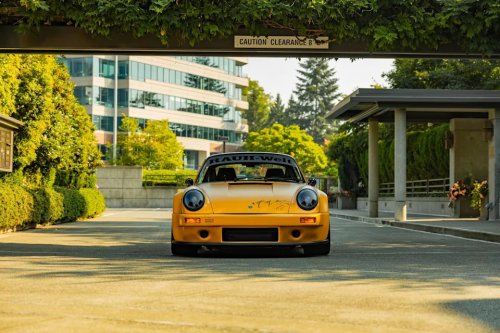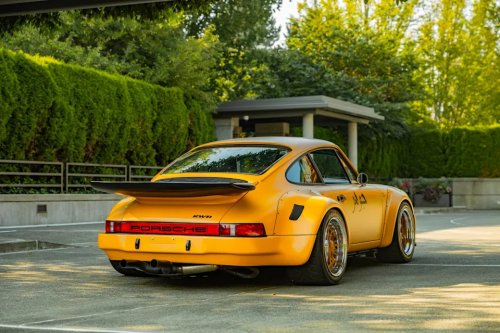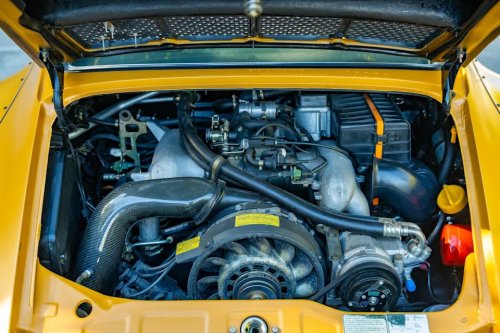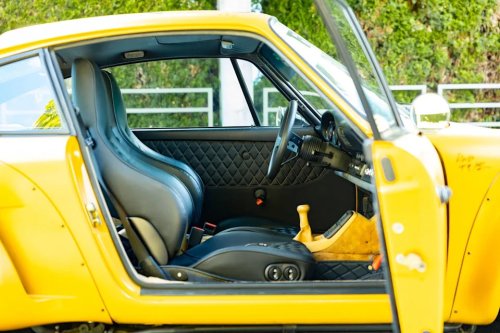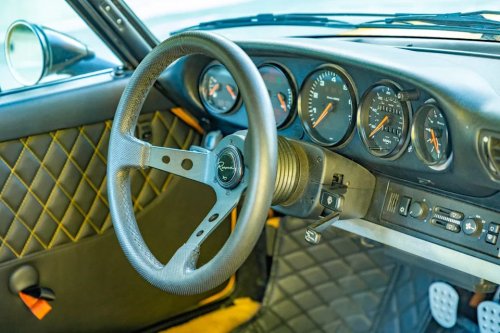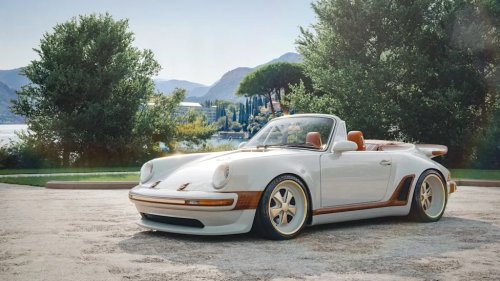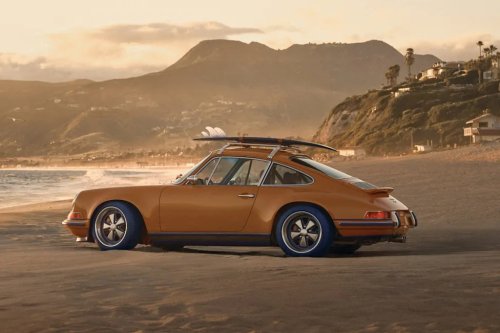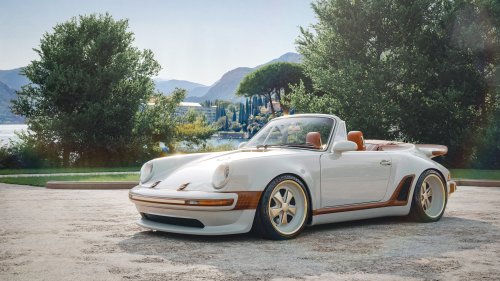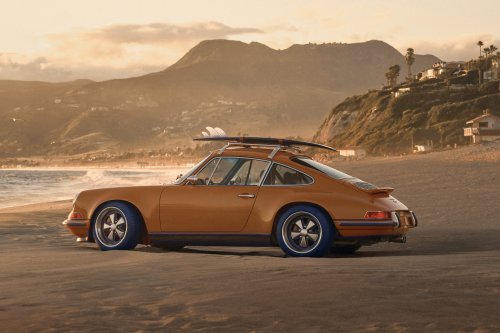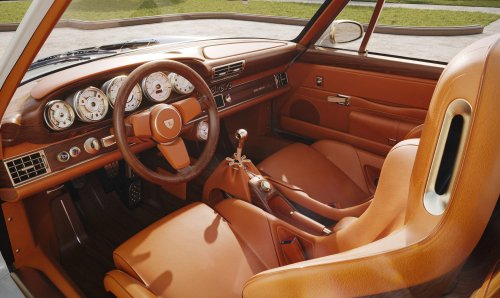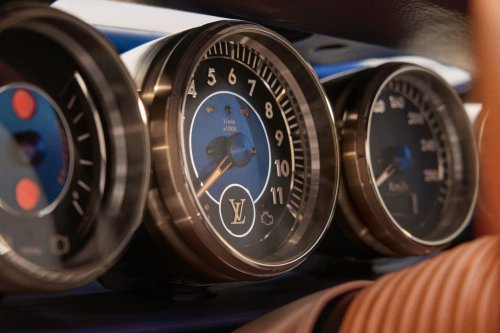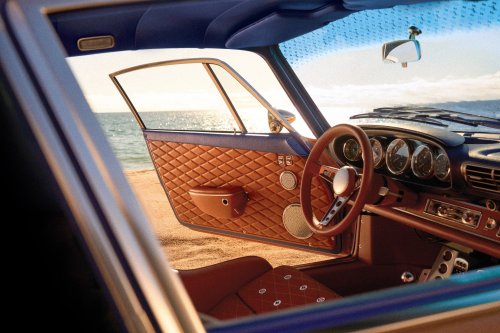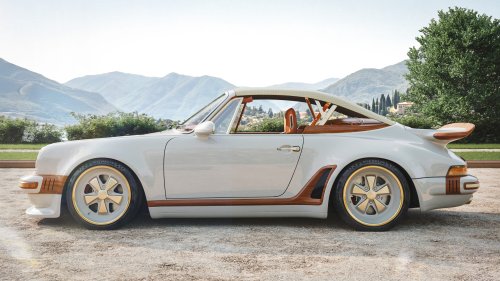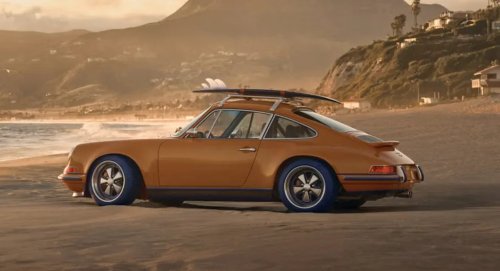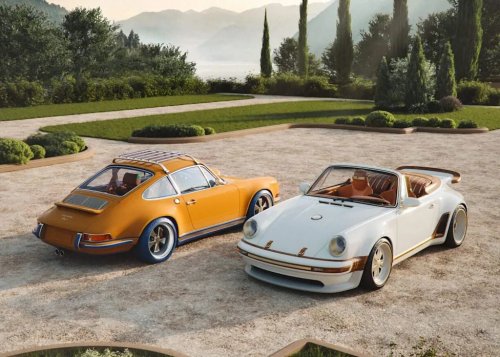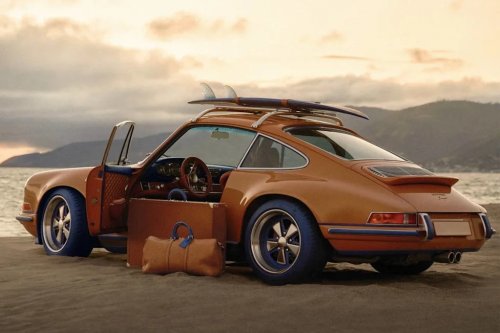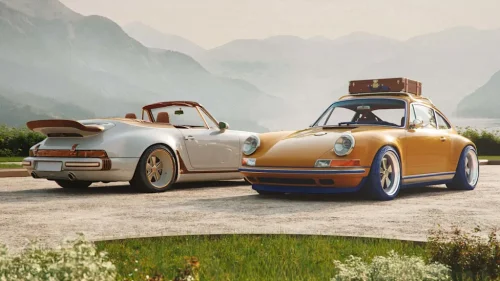
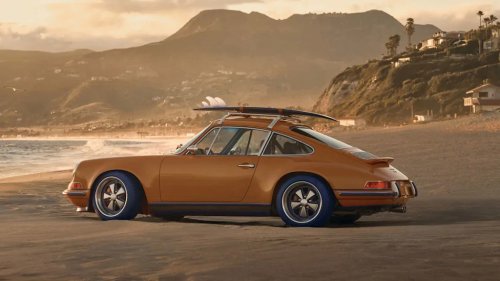
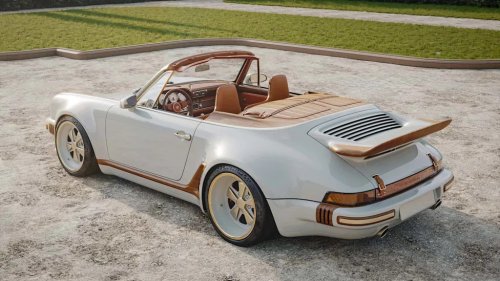
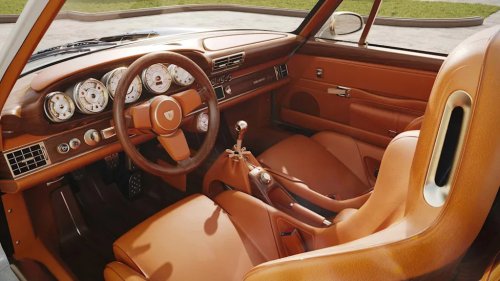
















Image Credit: Singer Vehicle Design.Singer and Louis Vuitton have joined forces for one of the most unusual Porsche collaborations of the year. The two brands unveiled a pair of one-off, air-cooled 911s during Monterey Car Week, each combining Singer's engineering with Louis Vuitton's approach to craftsmanship, leatherwork, luggage, and watchmaking.The collaboration includes a Singer Classic coupe and a Classic Turbo cabriolet, both based on 964-generation cars and featuring lightweight carbon-fiber bodywork, extensive bespoke interiors, and custom accessories designed around Louis Vuitton's long-running "Art of Travel" philosophy.Interestingly, the entire project began with a request for a dashboard clock. That idea quickly expanded into a full redesign of the cars' gauges, trim, materials, and travel accessories.AdvertisementAdvertisementNo pricing has been announced by Singer, though given the level of customization involved, it's fair to assume that both cars will be way out of reach for the average car enthusiast.The Classic Coupe Is the Colorful OneImage Credit: Singer Vehicle Design.The Classic coupe is finished in saffron with cobalt blue and yellow accents, creating a look that immediately separates it from a typical Singer build. Louis Vuitton says the color palette draws on its own packaging heritage while also connecting with shades used on some of Singer's earlier commissions.The car also gets cobalt blue tires, a custom roof rack, and a subtle LV motif integrated into the rear engine grille. That rack can carry bespoke luggage, a surfboard, or skis, all designed specifically to accompany the car.Inside, the cabin is upholstered in natural-colored leather with yellow stitching, diamond-pattern embossing, and Louis Vuitton Monogram Flower details. Many conventional plastic controls have been replaced by handcrafted metal pieces finished using techniques influenced by fine watchmaking.AdvertisementAdvertisementMechanically, the Classic remains very much a Singer. It uses a naturally aspirated 4.0-liter air-cooled flat-six, a six-speed manual transmission, rear-wheel drive, carbon-ceramic brakes, and a speed-activated rear wing.The Classic Turbo Cabriolet Takes a Nautical ApproachImage Credit: Singer Vehicle Design.The second car is based on Singer's Classic Turbo service and uses a 964 cabriolet as its starting point. Finished in Calcaire Lutétien white with gold accents, it takes a more restrained approach visually, although the detailing is arguably even more extravagant.Louis Vuitton Artistic Director Nicolas Ghesquière helped shape the design, drawing inspiration from classic motorboats. That influence is especially obvious in the extensive woodwork, including a varnished rear luggage deck, wood trim in the front compartment, and additional wooden elements throughout the car.The Turbo is powered by a 3.8-liter twin-turbocharged flat-six with air-to-water intercooling. It also gets a six-speed manual transmission, selectable drive modes, rear-wheel drive, carbon-ceramic brakes, and Singer's unmistakable whale-tail rear spoiler.AdvertisementAdvertisementThe cabin mixes natural leather, wood, gold-colored details, and bespoke metal controls. Even the gearshift trim was designed to reference the shape of one of Louis Vuitton's classic bags.Both Cars Get a Special Tambour ClockImage Credit: Singer Vehicle Design.The centerpiece of the collaboration is a removable mechanical dashboard clock inspired by Louis Vuitton's Tambour watch. The clock can be detached from the car and converted into a desk clock when not in use.Developing the surrounding dashboard apparently took around a year. Louis Vuitton reworked the speedometer, tachometer, and other gauges so their hands, markings, and proportions would match the visual language of the Tambour.The project also extended to smaller functional parts. Vents, switches, knobs, locks, and other controls were redesigned in metal and finished through polishing, satin finishing, anodizing, or electroplating.They Come With Matching Louis Vuitton GearLouis Vuitton also created extensive travel collections for both cars. The Classic receives matching luggage, driving gloves, shoes, a leather racing jacket, a custom helmet, skis, and even a handcrafted surfboard.AdvertisementAdvertisementThe Turbo gets its own set of accessories, including a made-to-measure suit, braided leather gloves, sneakers, sunglasses, a helmet, watch cases, and luggage designed specifically for its storage spaces.That makes these two 911s feel less like ordinary special editions and more like complete lifestyle projects. The cars, clothing, luggage, and accessories were all designed to work together as one package.Two Very Different Takes on the Same IdeaDespite the heavy luxury influence, both cars still retain the fundamentals that make Singer's 911s so desirable. They are manual, rear-wheel-drive, air-cooled sports cars with lightweight carbon bodies and serious mechanical hardware.The Classic is the louder, more playful design, while the Classic Turbo feels more elegant and yacht-inspired. Both are one-offs, and Singer has not revealed their values or what will happen to them after their debut.AdvertisementAdvertisementIf you could choose only one, which would you take home: the saffron naturally aspirated Classic, or the white twin-turbo Classic Turbo?If you want more stories like this, follow Guessing Headlights on Yahoo so you don't miss what's coming next.