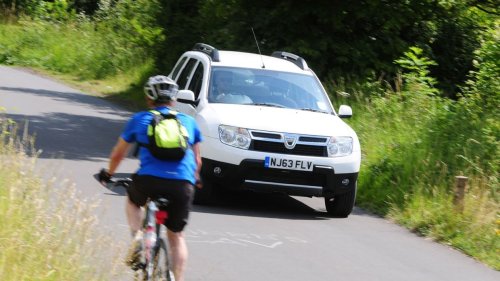
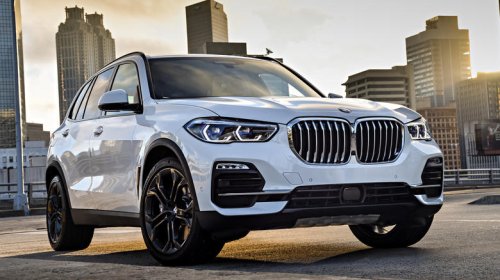
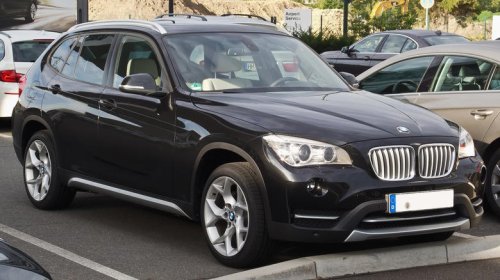
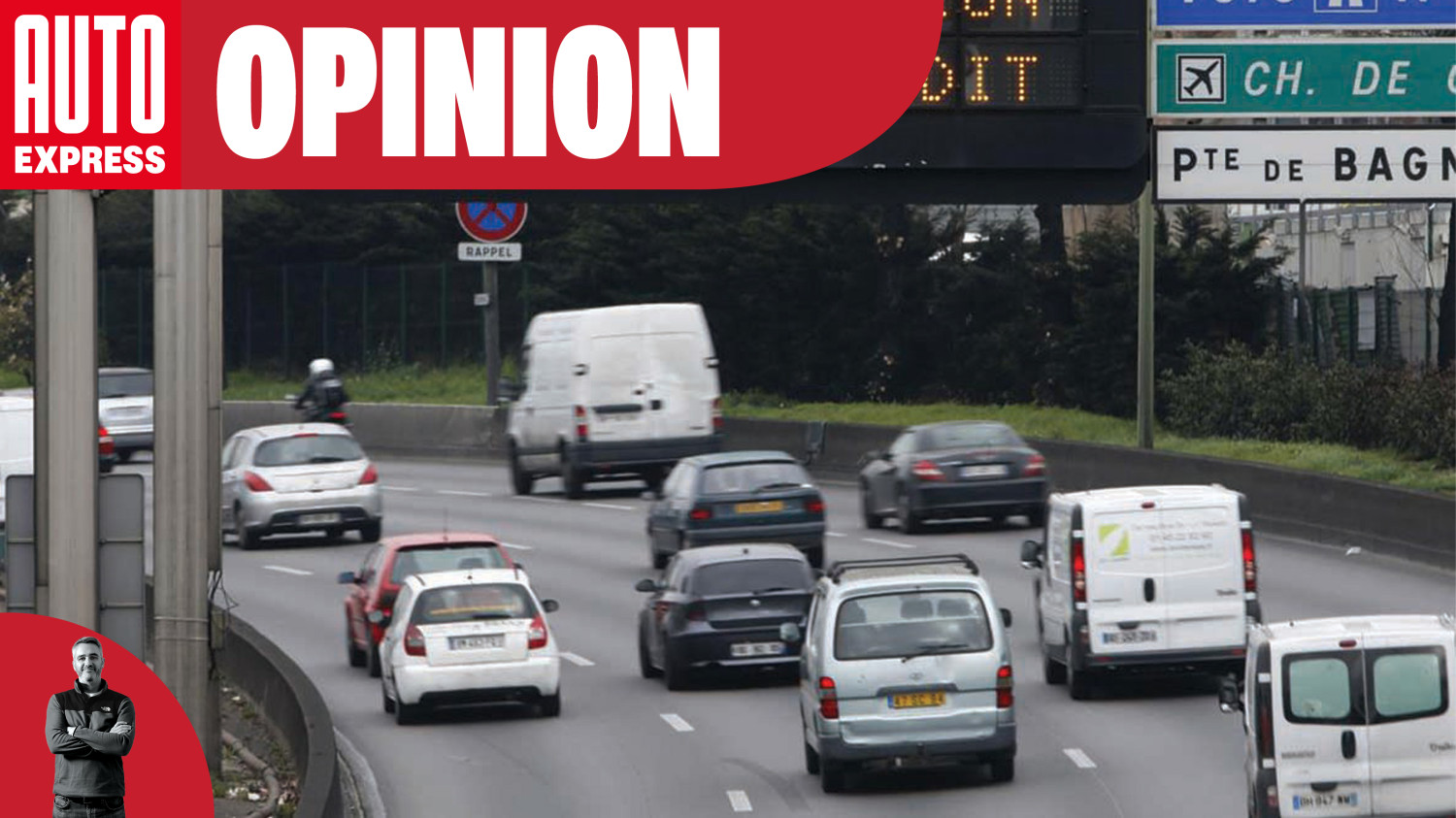
hyundai recalls 2026 palisade for a different 3rd row issueIt's no secret that over the past two decades Americans have migrated to larger and larger vehicles. Full-size pickups, body-on-frame SUVs, and crossovers now dominate new vehicle sales, while traditional sedans have become an endangered species.Now, a new report indicates the trend comes with a measurable safety cost to the most vulnerable road users.According to an investigation by The New York Times using data from the Insurance Institute for Highway Safety (IIHS), the growing size and height of modern vehicles have sharply increased pedestrian fatalities. The report estimates that between 200 and 400 pedestrian deaths each year could have been avoided if vehicles had remained roughly the same size as they were 25 years ago.ram and srt bring back the production track truckPedestrian deaths in the U.S. have increased by 75 percent since 2009 after decades of decline. One of the biggest drivers of the trend is visibility.AdvertisementAdvertisementToday's pickups and large SUVs have taller hoods and more upright front ends than their predecessors, creating larger blind spots directly in front of the vehicle. It's not just that; even crossovers have bulky A-pillars and raked windshields with dashboards set back, creating frontal blind spots which are particularly problematic for crosswalk users.The vertical mass of modern vehicle design has also changed what happens in the event of a collision. The National Safety Council explains that taller, flatter front ends are more likely to smash a pedestrian's torso or head rather than the legs, increasing the likelihood of serious or fatal injuries.To counter this, the National Highway Traffic Safety Administration (NHTSA) is working to create new safety standards that will limit the height of a vehicle's hood and bumper shape, and concurrently help to improve driver visibility.Of course, the issue isn't limited to pedestrians. Larger vehicles also pose a greater risk to occupants of smaller cars and older cars during crashes. Their extra weight and higher ride height can transfer more crash energy into sedans and hatchbacks, putting those occupants at a disadvantage in multi-vehicle collisions.AdvertisementAdvertisementThe Times analysis estimates that approximately 3,000 deaths between 2016 and 2024 may be linked to the industry's shift toward vehicles with higher hood heights. Researchers say that figure is conservative, pointing out it doesn't include incidents that occur in parking lots, driveways, or on private property because those crashes are unreported in federal databases-unfortunate because those are the settings where these issues are most likely to manifest.Of course, vehicle size isn't the only factor driving the increase in traffic deaths.mitsubishi montero returns body on frame suv revealed to us dealersThe period after 2009 also coincided with the widespread adoption of smartphones, bringing new distractions for both drivers and pedestrians. We've made it safer than ever for single occupants to crash an SUV while texting and driving at the expense of the world around them. Pedestrians also have to shoulder some of this responsibility as well; how often have you seen a 20- or 30-something-year-old crossing the street with eyes glued to their phone and a big pair of noise-cancelling headphones on? I see it daily.A perfect illustration of modern narcissism that has infected every aspect of daily life.AdvertisementAdvertisementLook, no one is saying that trucks and SUVs are inherently unsafe, nor should large vehicles shoulder all of the blame for rising fatalities. But there is a growing body of research indicating that increasing vehicle size has correlated consequences beyond fuel economy and parking convenience.As automakers continue building larger vehicles to satisfy consumer demand-and take advantage of regulatory loopholes-the challenge will be balancing capability and occupant protection with the safety of everyone else sharing the road.Become an AutoGuide insider. Get the latest from the automotive world first by subscribing to our newsletter here.