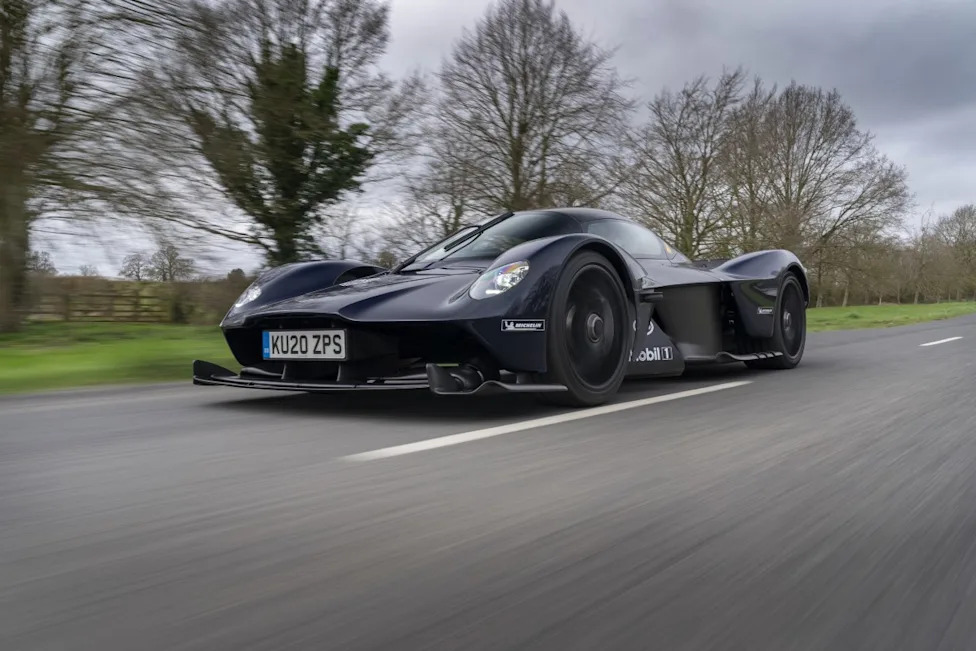
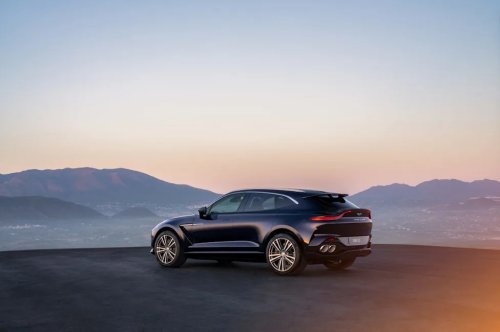
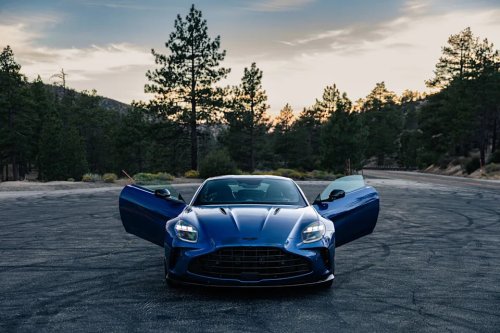
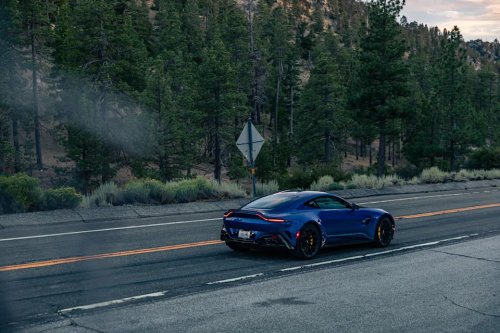
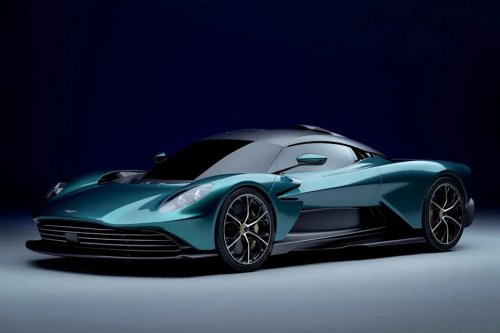
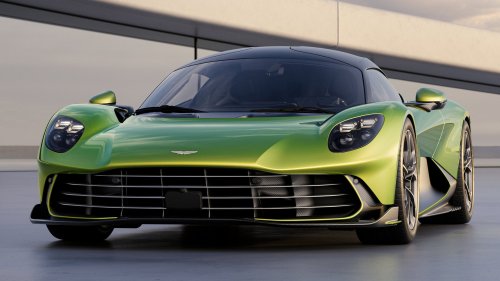
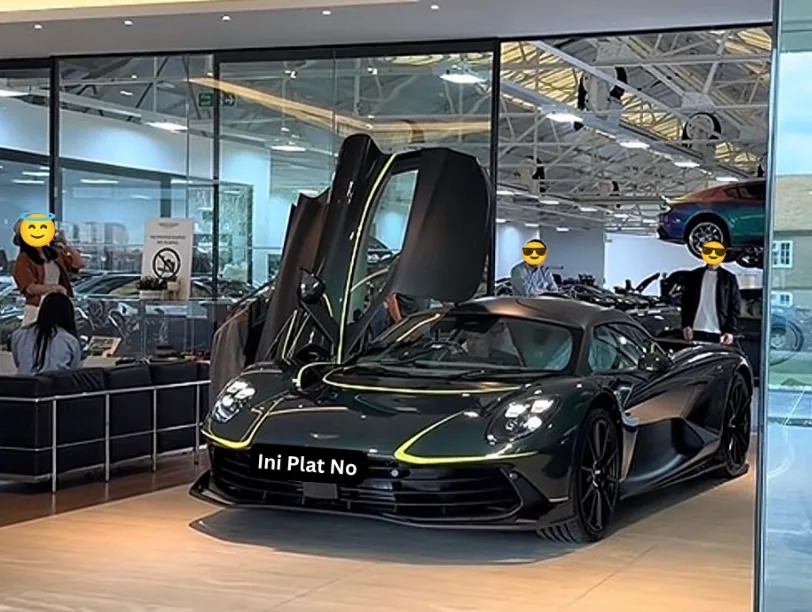
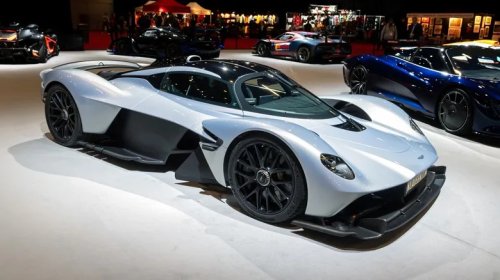
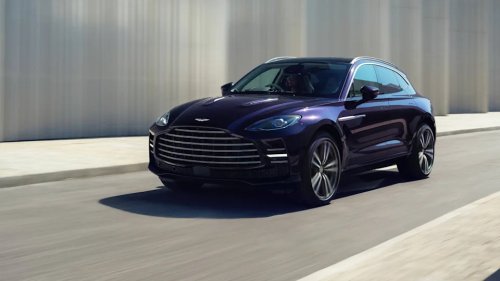
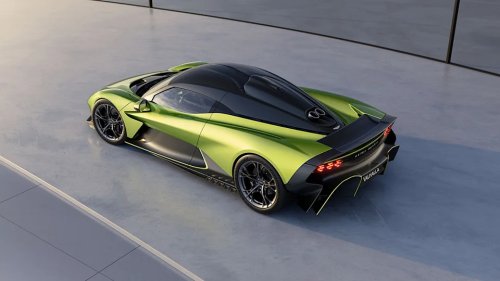
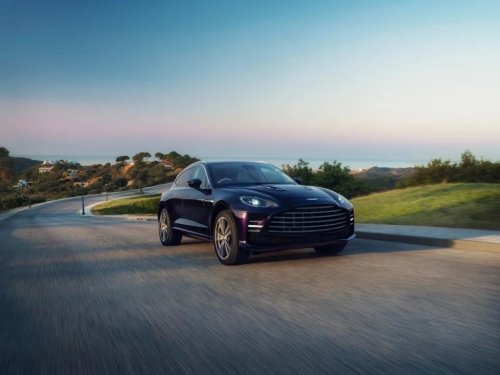
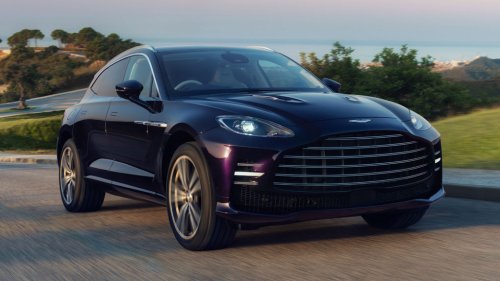
When you buy a multi-million-dollar hypercar heavily inspired by Formula 1 engineering, you expect it to be a bit dramatic. However, Aston Martin has just issued a massive reality check for any owners planning to get aggressively sideways at their next track day.According to an official Safety Recall Report submitted to the National Highway Traffic Safety Administration (NHTSA campaign number 26V359) on June 3, 2026, the automaker is recalling the Valkyrie due to a bizarre, highly specific braking defect. If driven in a very specific, aggressive manner, the hypercar's brakes can drag, overheat, and potentially set the carbon-fiber bodywork on fire.The Anatomy of a Hypercar FireThe root of this massive safety hazard comes down to a tiny, heavily stressed component within the braking system.AdvertisementAdvertisementAccording to the official defect description, a seal within one of the brake master cylinders can deform under very specific dynamic loads. When this deformation occurs, the brake fluid in the diagonal circuit is physically blocked from releasing back into the reservoir when the driver lifts off the brake pedal.Because the fluid cannot flow backward, the system fails to release the brake pressure, causing the brakes to heavily drag while the car is in motion. This creates a compounding nightmare of mechanical friction:The dragging brakes cause a massive spike in temperature within the affected diagonal brake circuit.If the brake discs are already running hot from aggressive track driving, the trapped pressure pushes the temperature even higher.Ultimately, the localized heat can become so intense that the resin inside the carbon-fiber rear brake cooling duct reaches its ignition point, directly sparking a fire.The Most Specific "Check Engine" Warning EverWhat makes this recall so fascinating is that the defect cannot be triggered during a casual Sunday cruise or a stop-and-go commute. Aston Martin specifically noted that the "conditions for this fault to occur will only be met in a track environment and cannot be met when the vehicle is used on the public road".Aston Martin Valkyrie on the streetAston Martin Valkyrie | Aston MartinAdvertisementAdvertisementFor the brake system to latch and cause a potential fire, a highly specific chain of events must occur simultaneously:The Valkyrie must be driven on a track while equipped with the optional Track Suspension Pack.The Electronic Stability Program (ESP) must be set to "ESP Sport," "ESP Track," or completely turned "ESP Off".The driver must pitch the car into an oversteer "slide" or "drift" state, exceeding a specific yaw rate and body slip angle.The driver must then be aggressively counter-steering against that slide hard enough that the ESP intervenes to apply the brake on the front inside wheel.There is also no warning light or dash chime to alert the driver that the brakes are failing; the only warning sign is a stiff, abnormal brake pedal feel as the pressure latches.An Engineering Oversight by Aston Martin?How did a defect this severe make it to production? According to the NHTSA report, the root cause is a fundamental clash of technologies. The Valkyrie's brake system was originally engineered purely for raw mechanical performance and "was not intended to be used with an Electronic Stability Program (ESP) and adjustable Traction Control (TC)".AdvertisementAdvertisementThe problem first reared its head during testing on a prototype vehicle (chassis X99011) when a reverse pressure spike blew out the master cylinder seal. After a lengthy investigation with brake supplier Alcon that began in late 2022, Aston Martin confirmed the system was simply incompatible with aggressive ESP applications.To fix the fire hazard, Aston Martin is instructing owners to bring their affected hypercars to local dealerships. Mechanics will perform a free, five-hour service to completely replace the flawed brake master cylinders with a newly designed, ESP-compatible component.