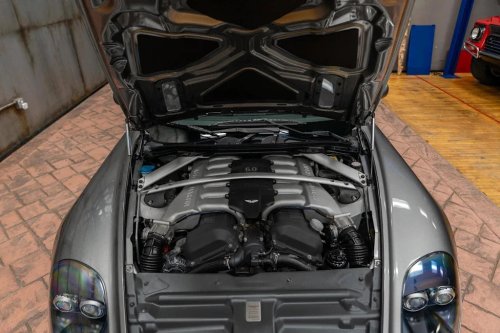
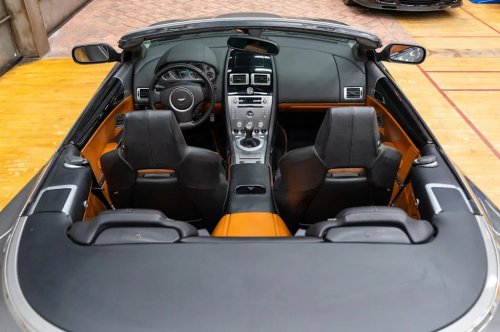
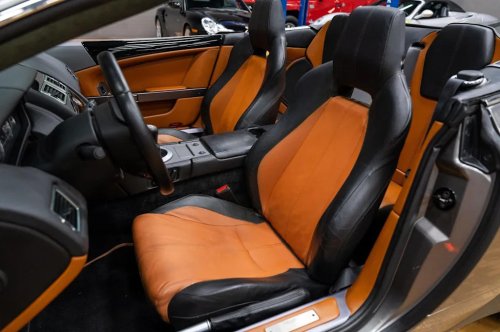
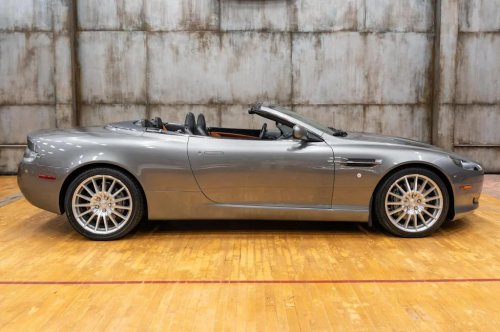
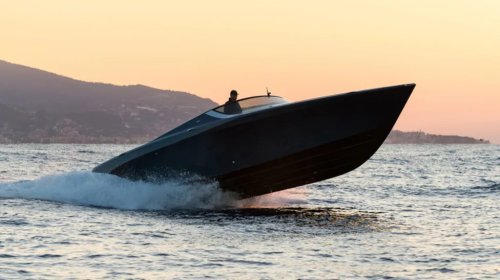
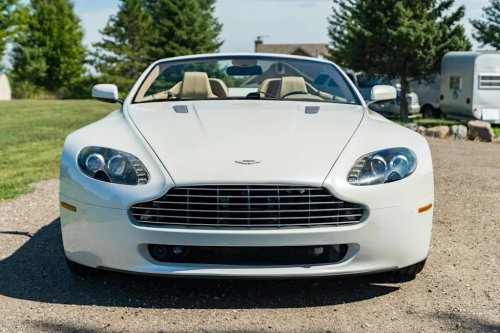
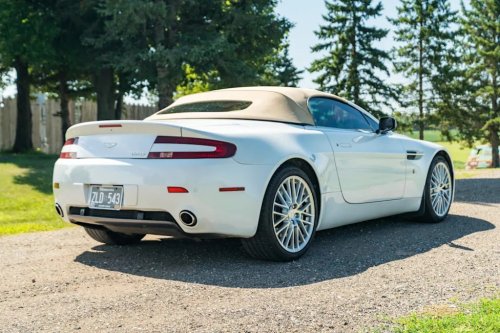
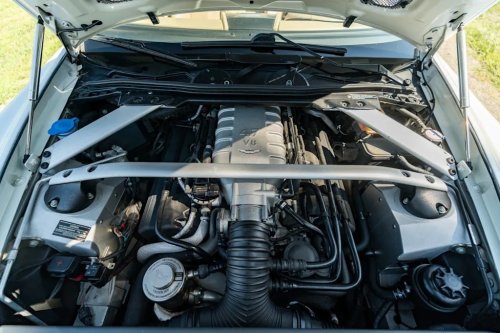
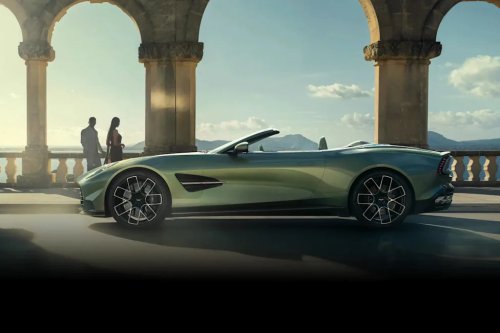
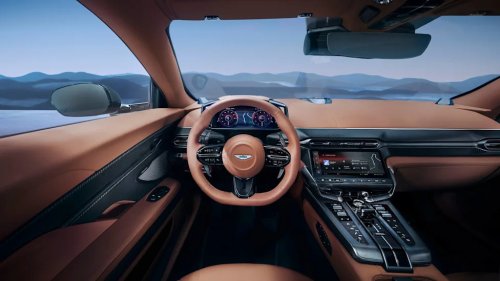
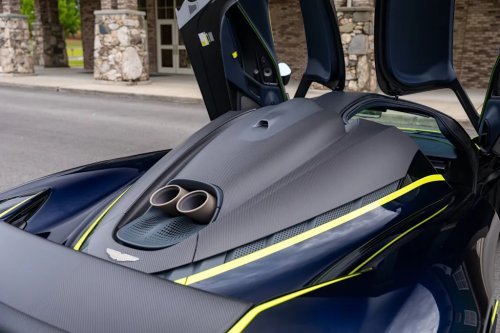
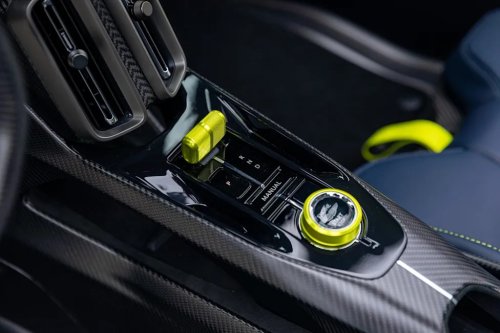
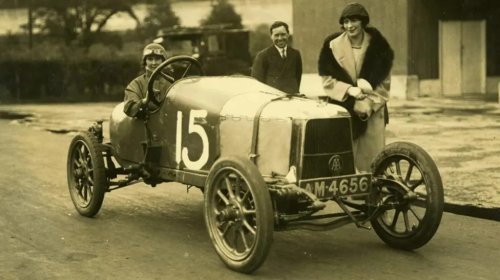
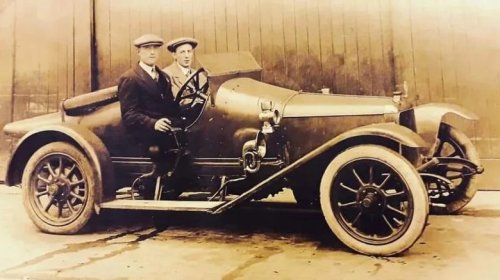
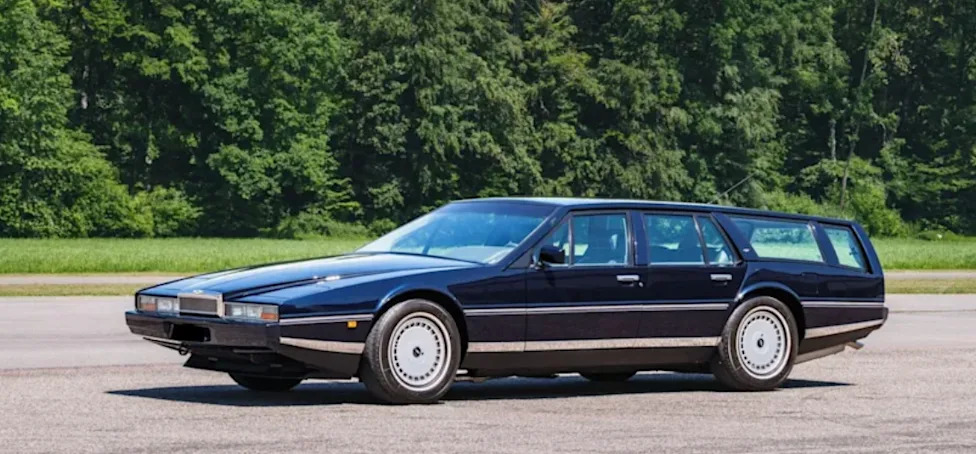
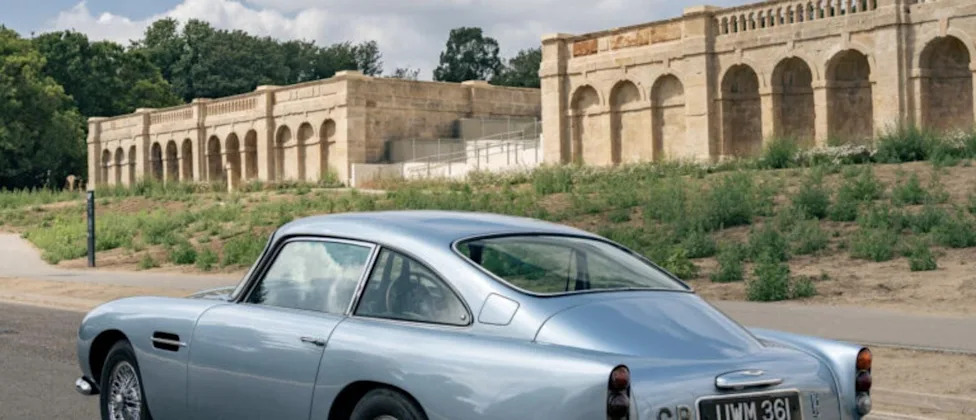
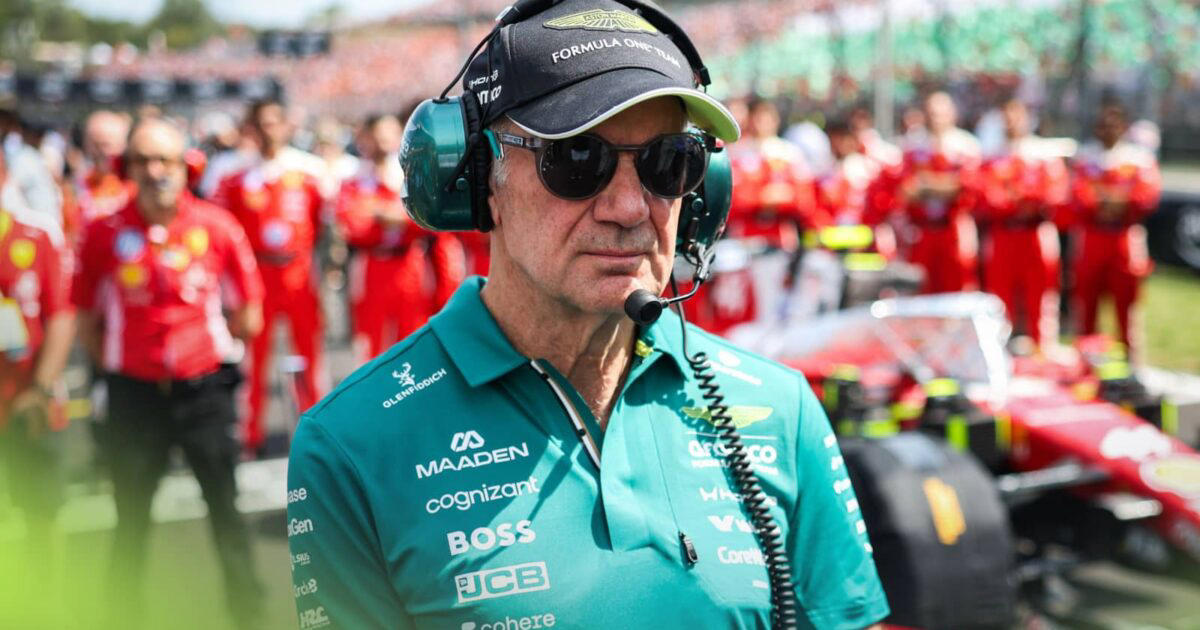
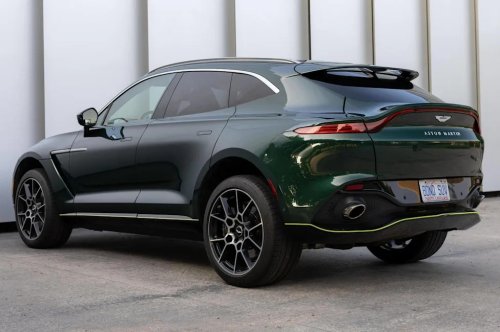
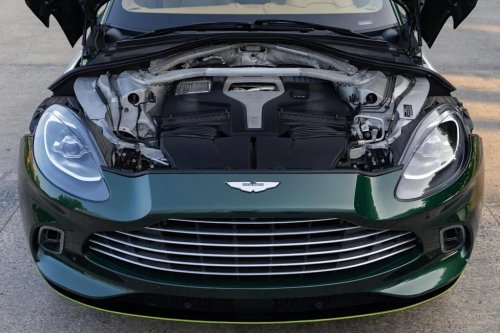
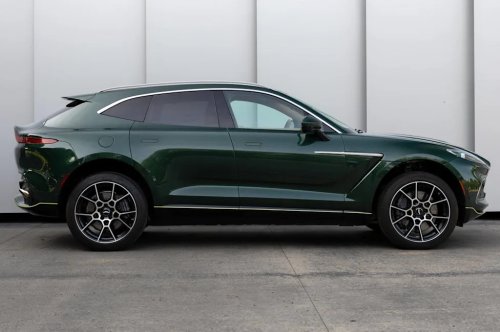
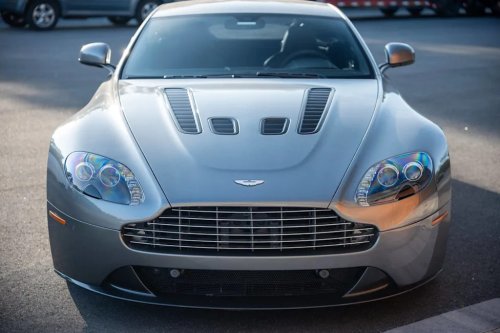
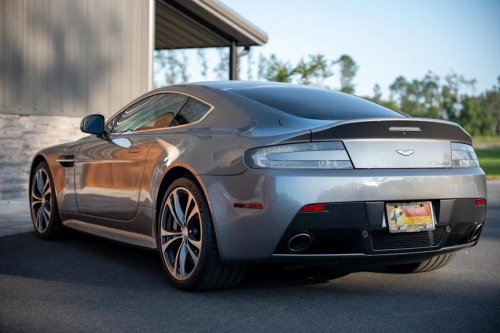
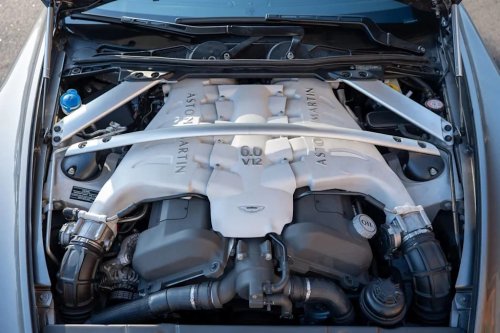
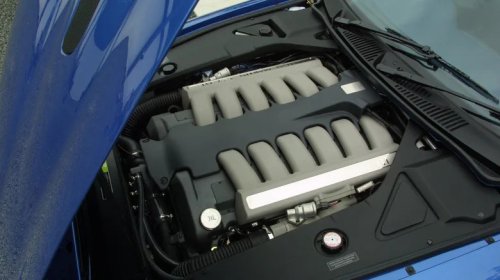
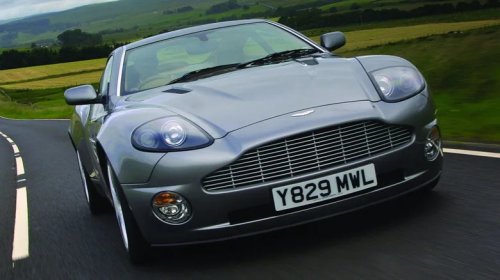
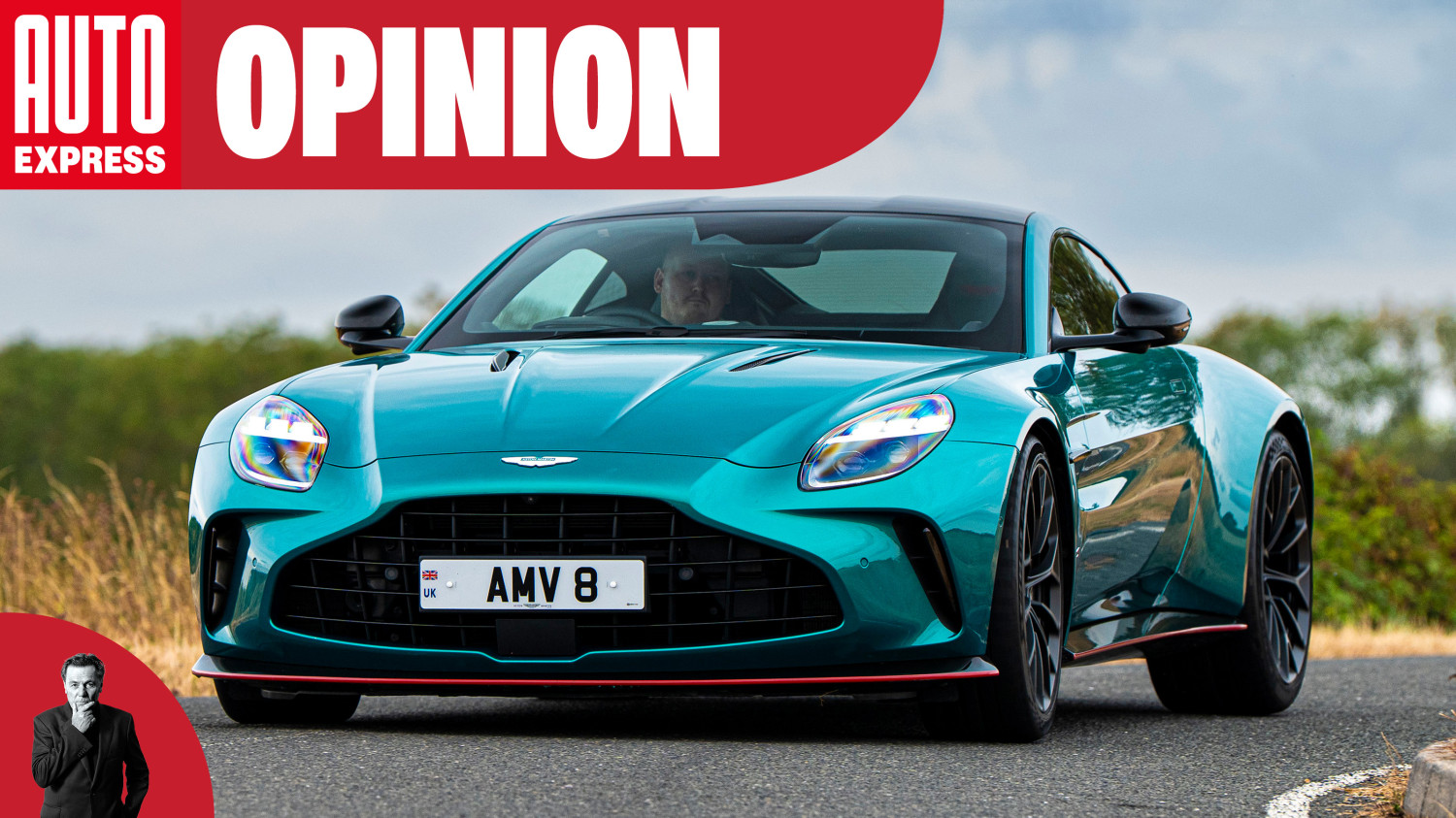
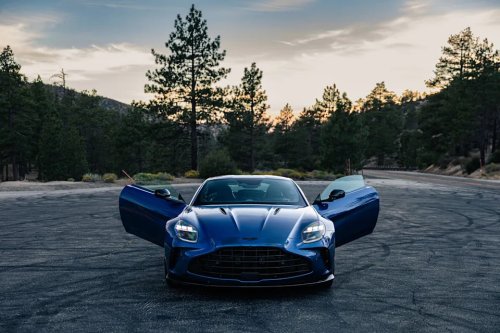
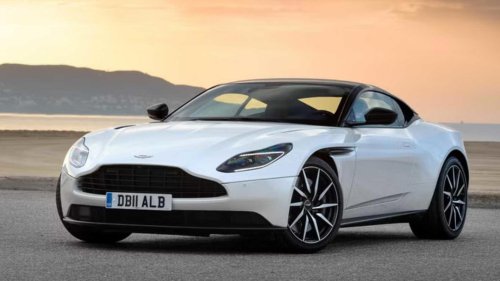
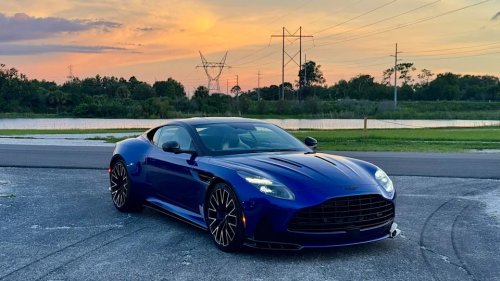
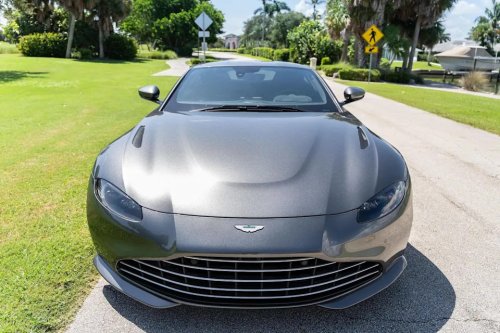
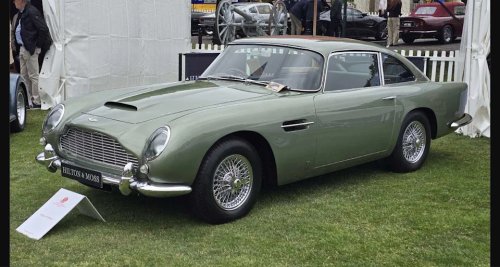
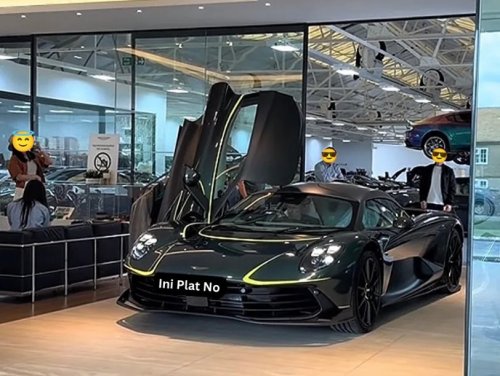
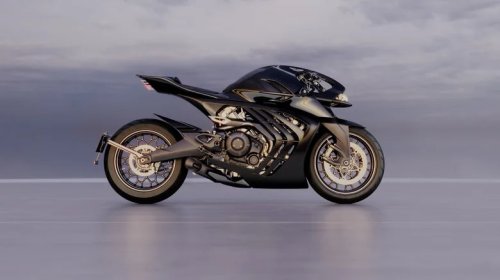
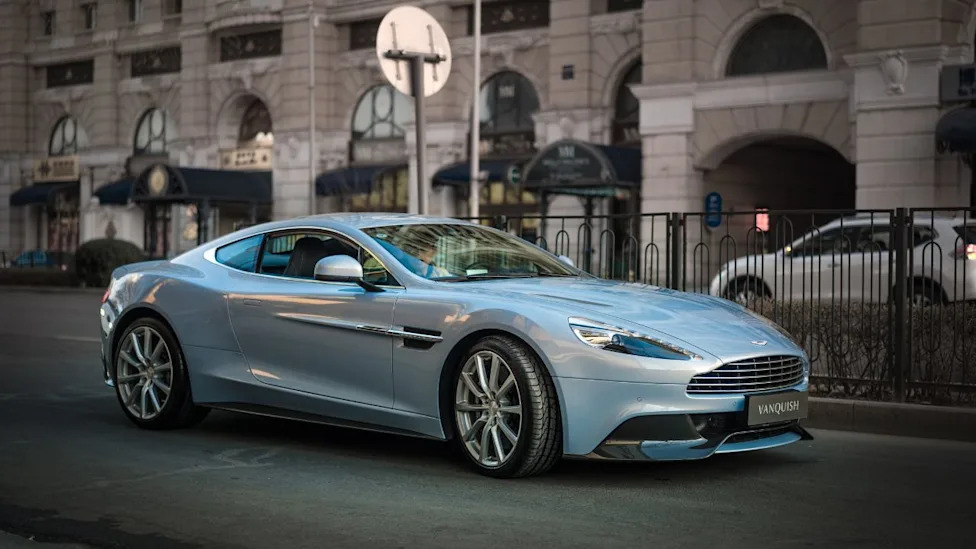
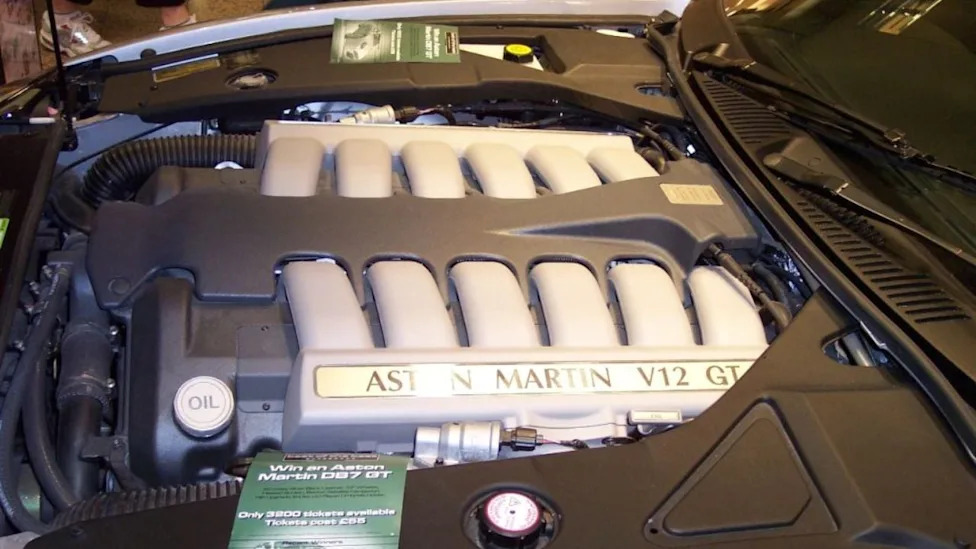
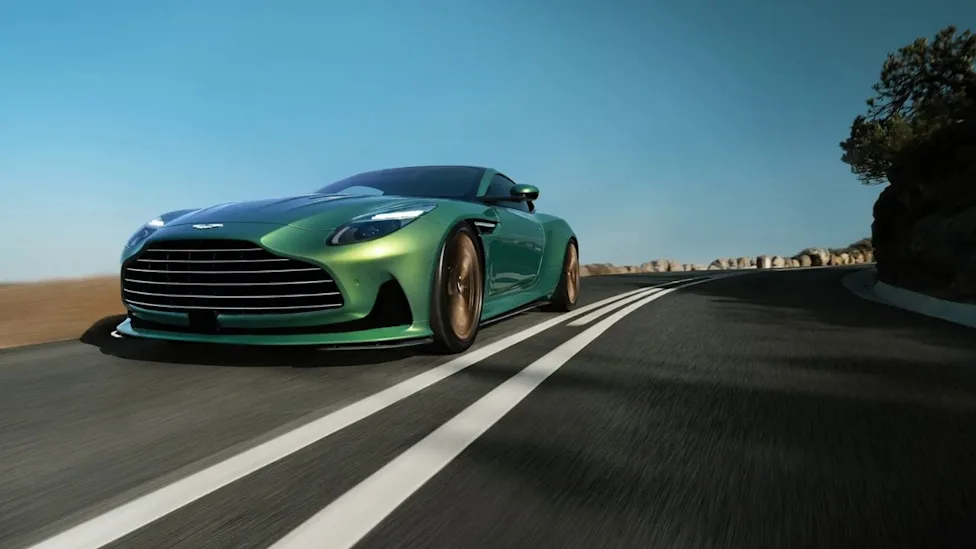
Image Credit:yousang / Shutterstock.While much of the automotive industry is downsizing engines and accelerating the shift toward electrification, Aston Martin isn't ready to say goodbye to the V12, saying its flagship 12-cylinder powerplant will remain part of the lineup for as long as regulations allow.Speaking to Auto Express about the company's future product strategy, CEO Adrian Hallmark confirmed Aston Martin has already updated its twin-turbocharged V12 to comply with upcoming emissions requirements in Europe and the United States. That investment is expected to keep the iconic engine alive well into the next decade.The company is also developing an all-new modular vehicle platform that will underpin its next generation of sports cars and SUVs. Designed from the ground up, the architecture will support future electric models while continuing to accommodate internal combustion engines.AdvertisementAdvertisementInstead of embracing plug-in hybrid technology, Aston Martin plans to focus on mild-hybrid systems that improve efficiency without dramatically altering the driving experience. The approach reflects the company's strategy of preserving its signature grand touring character while adapting to changing regulations.V12 Production Will Continue Within Regulatory LimitsImage Credit: CC BY-SA 3.0 / Wiki Commons.According to Hallmark, Aston Martin's updated 5.2-liter twin-turbocharged V12 has been engineered to satisfy future emissions standards in key global markets. The engine can continue to power the brand's flagship models provided annual production remains below certain regulatory thresholds.European low-volume manufacturer exemptions allow Aston Martin to continue producing fewer than 1,000 V12-powered vehicles per year without complying with stricter fleet-wide emissions targets. That means halo models like the Vanquish, along with ultra-exclusive limited-production specials, could remain in production until new combustion-engine vehicle sales are prohibited.Rather than phasing out the V12 early, Aston Martin intends to maximize the flexibility offered under current legislation. The company believes there is still strong demand for its flagship grand touring models, particularly among collectors and enthusiasts seeking high-performance luxury cars.Mild Hybrids Instead of Plug-In HybridsWhile electrification remains part of Aston Martin's long-term roadmap, the company has ruled out plug-in hybrid powertrains for its future core lineup. Hallmark said the added complexity, weight, and development costs no longer make sense following changes to European emissions regulations.AdvertisementAdvertisementInstead, Aston Martin plans to introduce 48-volt mild-hybrid technology across its combustion-powered models. The system will support functions such as electrically assisted turbochargers, air conditioning, and engine-off coasting to improve fuel economy while providing modest performance gains.The strategy allows Aston Martin to reduce emissions without fundamentally changing the character of its vehicles. By avoiding large battery packs, the company also preserves the balance, sound, and driving dynamics expected from its high-performance grand tourers.New Modular Platform Will Support Every Future AstonAlongside its powertrain plans, Aston Martin is developing an entirely new modular architecture that will form the foundation of its next generation of vehicles. The clean-sheet platform is being engineered to accommodate sports cars, SUVs, and future battery-electric models using a shared structural design.Hallmark says the architecture will significantly increase component sharing across the lineup, simplifying production while lowering manufacturing costs. Future models may even be assembled on the same production lines, creating greater flexibility as demand shifts between different vehicle types.AdvertisementAdvertisementThe new platform will also introduce structural improvements aimed at enhancing both performance and refinement. Increased chassis rigidity, stiffer suspension mounting points, and rear-wheel steering are expected to improve handling while maintaining the comfort expected from an Aston Martin grand tourer.Technology Partnership ContinuesImage Credit: Aston Martin.Although Aston Martin develops some of its own powertrains, the company will continue sourcing key technologies from Mercedes-Benz. Hallmark confirmed the partnership remains an important part of Aston Martin's future strategy, particularly for electronic architecture and other advanced vehicle systems.Rather than replacing those technologies with proprietary software, Aston Martin plans to focus on delivering its own user interface, interior design, and driving experience. The goal is to preserve the brand's identity while benefiting from proven technology developed by one of the industry's largest manufacturers.With a new platform in development, mild-hybrid technology on the horizon, and the V12 expected to survive for several more years, Aston Martin is charting a path that balances tradition with modernization. For enthusiasts, the message is clear: the distinctive sound of a twelve-cylinder Aston isn't disappearing anytime soon.AdvertisementAdvertisementIf you want more stories like this, follow Guessing Headlights on Yahoo so you don't miss what's coming next.



















 +18 others