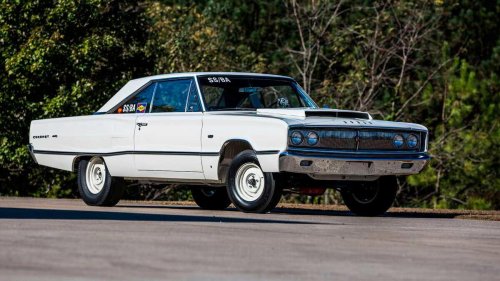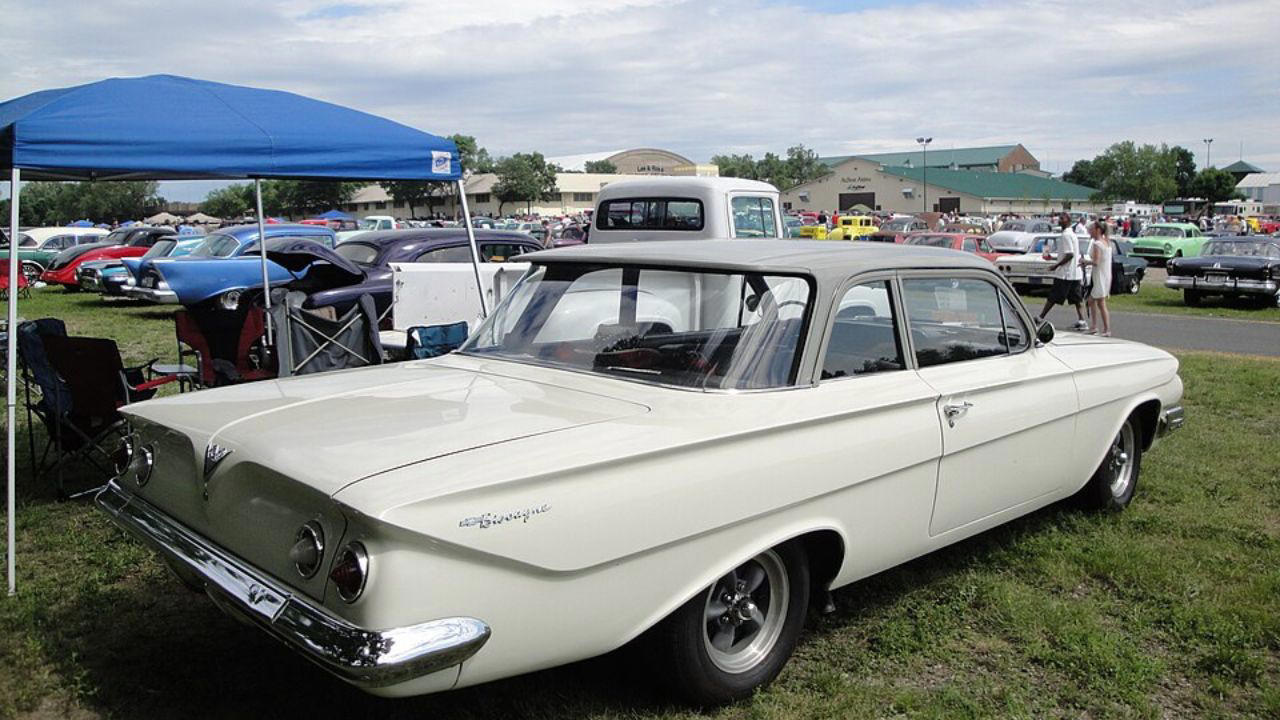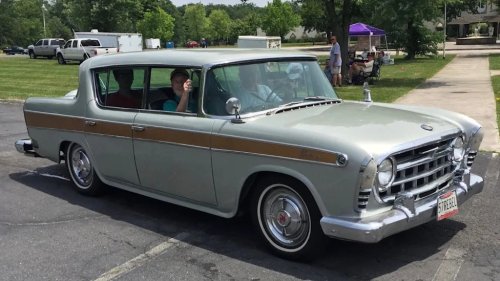
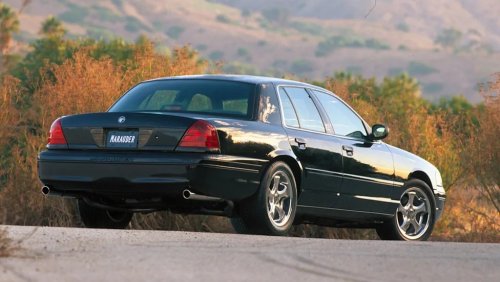
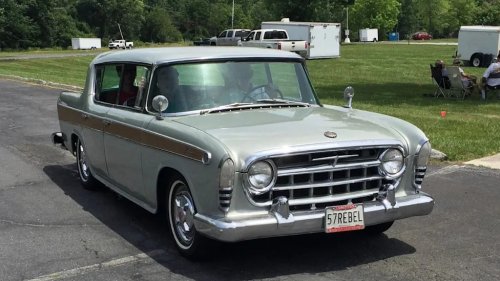
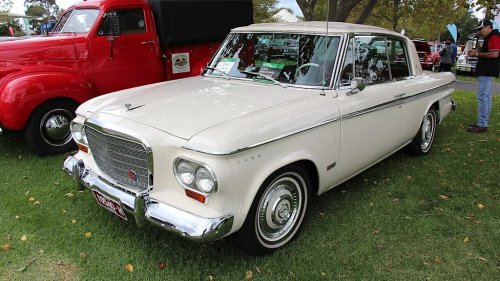
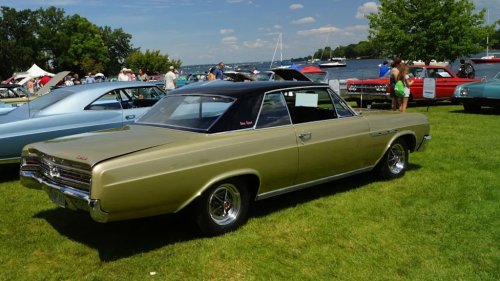
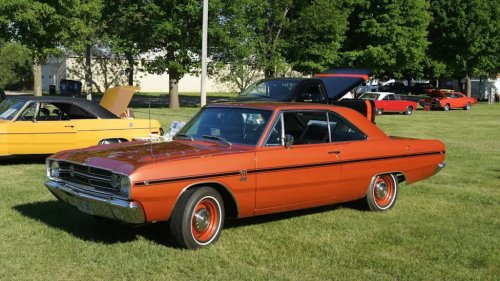
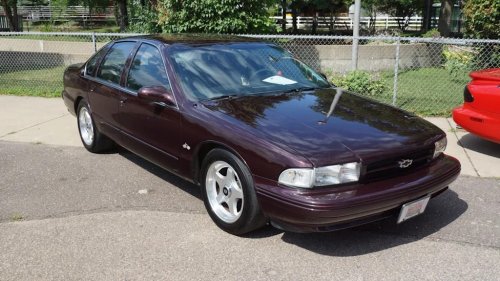
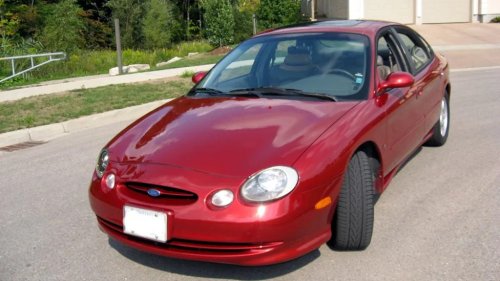
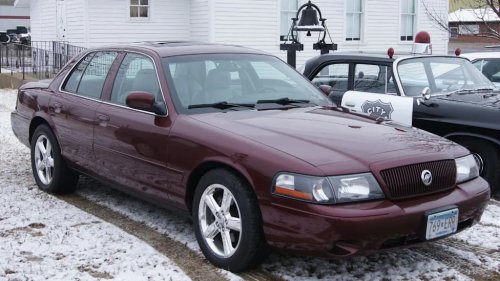
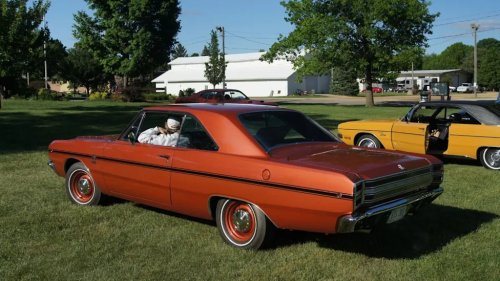

















Image Credit: CZmarlin — Christopher Ziemnowicz, a photo credit would be appreciated if this image is used anywhere other than Wikipedia. - Own work, CC BY-SA 4.0/Wiki Commons.A great sleeper has a special kind of confidence. It does not need wild graphics, towering wings, or a body shape that advertises speed from half a block away. It can sit quietly in traffic, blend into a parking lot, or pass for an ordinary family car until the person behind the wheel asks more from the throttle.That is what makes V8 sleepers so satisfying. The body tells one story, while the engine tells another. A tidy compact, a conservative coupe, a full-size sedan, or a formal luxury car can suddenly reveal a completely different character once the hood is opened or the road clears ahead.The best ones have only become more appealing with age. When they were new, they rewarded buyers who wanted performance without drawing constant attention. As used cars, they offered a different kind of cool from the obvious muscle icons. Today, they stand out because they capture a time when serious power could still hide behind ordinary proportions.AdvertisementAdvertisementThese seven cars fit because their factory V8 performance was wrapped in bodies many people would have dismissed at first glance. That contrast is exactly what gives a great sleeper its charm, and why the best examples still feel so rewarding now.The Quiet Power Rules Behind These PicksImage Credit: Ford.This selection focused on classic and modern-classic cars that combined understated styling with meaningful factory V8 power. Each model needed a clear sleeper quality, meaning the performance story had to feel much stronger than the exterior suggested. Extra weight went to cars sold in the U.S. market, cars with real enthusiast followings, and cars where the V8 defined the vehicle’s personality rather than merely appearing as a small spec-sheet footnote.Obvious muscle icons with loud graphics, famous performance badges, and instantly recognizable aggressive styling sat outside the brief. The stronger candidates were compact cars, sedans, personal luxury coupes, and large cruisers that hid serious hardware in plain sight. The point was to highlight cars that still make enthusiasts smile because most people around them never realized what they were looking at.1957 Rambler RebelImage Credit: CZmarlin — Christopher Ziemnowicz, a photo credit would be appreciated if this image is used anywhere other than Wikipedia. - Own work, CC BY-SA 4.0/Wiki Commons.The 1957 Rambler Rebel may be one of America’s earliest true factory sleepers. A compact four-door Rambler did not look like a performance threat in the late 1950s, yet AMC gave it a 327 cubic inch V8 rated at 255 hp. Curbside Classic notes that the Rebel could reach 60 mph in about 7.5 seconds, an excellent figure for its era, especially from a car wearing such sensible sheet metal.AdvertisementAdvertisementThe mismatch is the whole appeal. Rambler carried a practical, careful image, but the Rebel used light unibody construction, dual exhaust, upgraded suspension, and real V8 power to become something much quicker than its appearance promised. It looked like transportation for sensible families, then moved like a performance sedan with a secret.1963 To 1964 Studebaker Lark Daytona R2Image Credit: Sicnag, Creative Commons Attribution 2.0, WikiCommons.The Studebaker Lark Daytona R2 looks almost too modest to be dangerous, which is exactly why it belongs here. Hot Rod has described the R2 Lark as a car with only subtle clues outside, while the real story lived under the hood with Studebaker’s supercharged 289 cubic inch V8. Curbside Classic notes the R2’s published 290 hp rating, a huge number for a compact Studebaker in the early 1960s.The ordinary shape makes the legend stronger. It was narrow, upright, and far removed from the image of a flashy Detroit performance car. The R2 package changed everything, adding Paxton-supercharged punch and serious straight-line potential. To most drivers, it was a small Studebaker. To the person behind the wheel, it was a compact four-door with a very sharp edge.1965 Buick Skylark Gran SportImage Credit: Greg Gjerdingen from Willmar, USA - 1965 Buick Sklark Gran Sport, CC BY 2.0/Wiki Commons.The 1965 Buick Skylark Gran Sport was muscle with manners. A Pontiac GTO pushed the image harder, while the Buick carried itself like a cleaner, more conservative coupe from a brand associated with comfort and quiet confidence. That restraint helped make it one of the era’s more interesting sleepers. HowStuffWorks notes that the Gran Sport package brought Buick’s 401 cubic inch V8, rated at 325 hp, with the famous Wildcat 445 callout referring to torque.AdvertisementAdvertisementThe numbers were serious, but the personality remained polished. Buick buyers expected rich trim, smooth power, and easy cruising, so the Skylark GS slipped into the muscle era with a different tone from the louder names around it. It did not need to look angry. It had deep torque, understated style, and the sort of smooth strength many drivers only noticed after the light turned green.1968 To 1969 Dodge Dart GTSImage Credit: Greg Gjerdingen from Willmar, USA - 1968 Dodge Dart GTS, CC BY 2.0/Wiki Commons.The Dodge Dart GTS proves how effective a compact body can be when the right V8 finds its way inside. A regular Dart looked like an honest small Dodge, the sort of car people bought for commuting and daily life. The GTS changed the character without completely changing the shape, which is exactly what a good sleeper should do.For 1968, the Dart GTS came standard with a 340 cubic inch V8 rated at 275 hp, while a 383 big-block was optional. In 1969, the formula became even more outrageous with the availability of 440 power in very limited numbers. The 340 cars were especially appealing because they gave the Dart real balance, revs, and street performance in a compact package. To casual eyes, it was still just a tidy Dart. To enthusiasts, it was one of the most entertaining compact troublemakers of its time.1994 To 1996 Chevrolet Impala SSImage Credit: Greg Gjerdingen from Willmar, USA - 1996 Chevrolet Impala SS, CC BY 2.0/Wiki Commons.The 1994 to 1996 Chevrolet Impala SS turned a full-size sedan into a modern American sleeper. Its shape came from the Caprice, a car many people associated with police fleets, taxis, and quiet family duty. Chevrolet gave the Impala SS darker trim, better suspension, wider tires, and the crucial ingredient: a 5.7-liter LT1 V8. Mac’s Motor City Garage notes that the B-body LT1 produced 260 hp and 330 lb-ft of torque, while Chevrolet’s heritage material described it as using a Corvette-derived LT1 V8 in full-size sedan tune.AdvertisementAdvertisementThe car’s size was part of the trick. It looked like a big sedan with attitude, but it had genuine rear-drive muscle underneath. That combination still feels deeply appealing now because the Impala SS never tried too hard. It simply let its stance, V8, and long, dark body do the talking.1996 To 1999 Ford Taurus SHOImage Credit: Exhilaration157 - Own work by the original uploader, Public Domain/Wiki Commons.The third-generation Ford Taurus SHO is one of the strangest V8 sleepers here because almost nobody expected a Taurus to carry that sort of engine story. The exterior was smooth, oval, and deeply tied to 1990s family-sedan design. Underneath, though, the SHO used a Yamaha-built 3.4-liter V8. Ford’s 1996 SHO material listed the 60-degree V8 at 235 hp and 230 lb-ft of torque, while Edmunds confirms the V8, front-wheel-drive layout, and the model’s performance-sedan position in the lineup.This was never a brute-force muscle car, and that actually sharpens its sleeper appeal. Its surprise came from revs, sophistication, and oddball engineering inside one of the most familiar sedan shapes of the decade. Buyers today also need to pay close attention to maintenance history because of the well-known cam sprocket issue on third-generation SHO models. Most people saw a Taurus. Enthusiasts saw one of Ford’s strangest and most memorable performance gambles.2003 To 2004 Mercury MarauderImage Credit: Greg Gjerdingen from Willmar, USA - 04 Mercury Marauder, CC BY 2.0/Wiki Commons.The Mercury Marauder looked like a Crown Victoria that had found a better tailor. That was the whole point. Its size, shape, and basic Panther-platform roots made it easy for casual drivers to overlook, especially beside flashier performance cars. Mercury gave it a 4.6-liter DOHC 32-valve V8 rated at 302 hp and 318 lb-ft of torque, according to both the 2003 brochure archive and Edmunds specifications.AdvertisementAdvertisementPower went to the rear wheels through an automatic transmission, giving the Marauder classic American cruiser energy with a sharper edge. It was large, dark, comfortable, and quietly menacing without needing to explain itself. The appeal today is still obvious: full-size sedan presence, V8 sound, rear-drive character, and a factory-built sleeper personality that felt deliberate from the start.Why These Sleepers Still Feel So SatisfyingImage Credit: Greg Gjerdingen from Willmar, USA - 1968 Dodge Dart GTS, CC BY 2.0/Wiki Commons.A sleeper works because it rewards attention. The shape stays quiet, the badge says little, and the surprise waits for the people who know where to look. That quality has become rarer with time. Modern performance often announces itself through trims, wheel packages, exhaust theatrics, and aggressive styling. These cars came from a different mindset, where the engine bay could hold the whole secret.The contrast is what makes them memorable. Sensible bodies, ordinary profiles, and calm interiors become much more interesting once a serious V8 changes the story. That is why sleepers still attract such loyal enthusiasm. They make car culture feel more personal. The fun belongs to the people who notice what everybody else missed.If you want more stories like this, follow Guessing Headlights on Yahoo so you don’t miss what’s coming next.