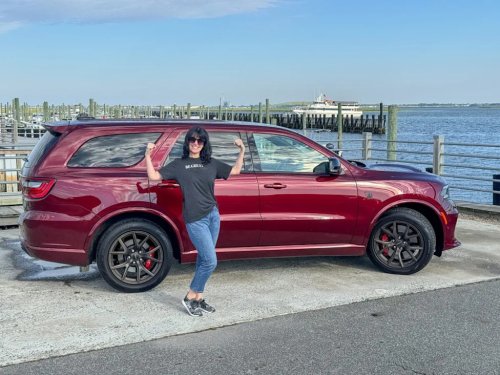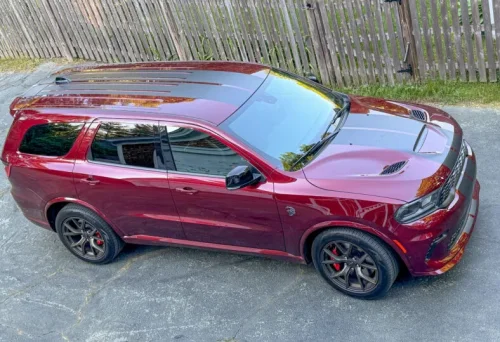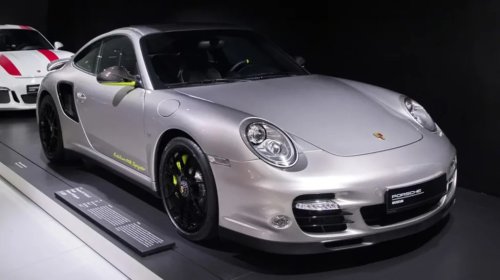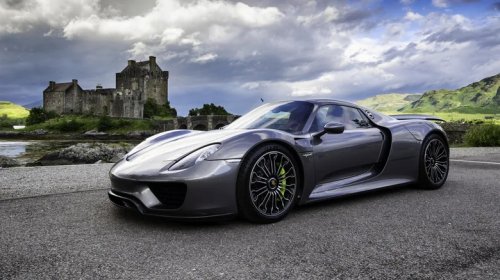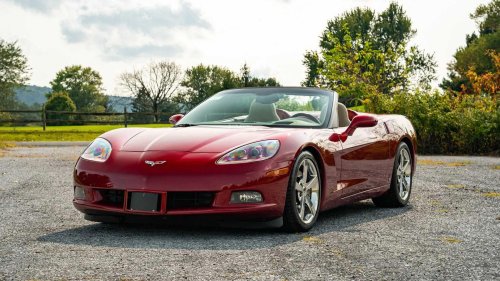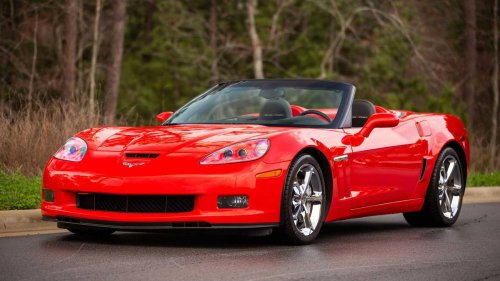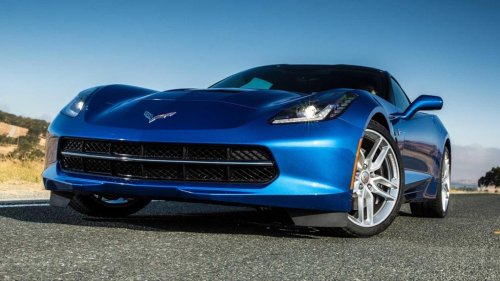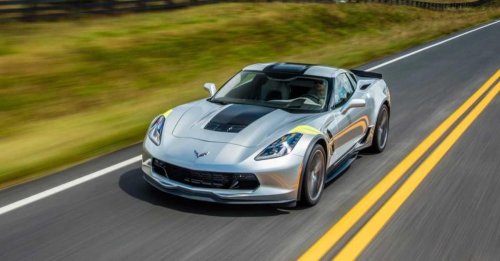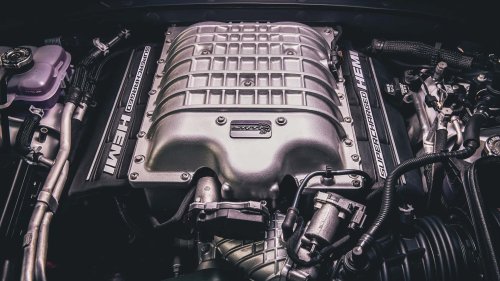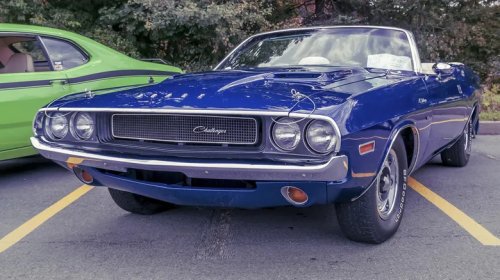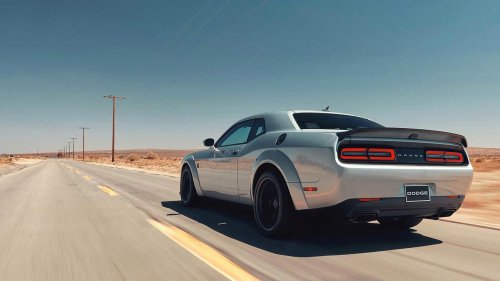
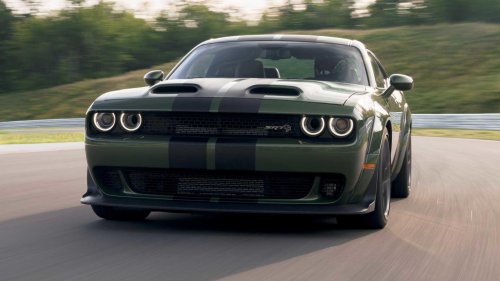
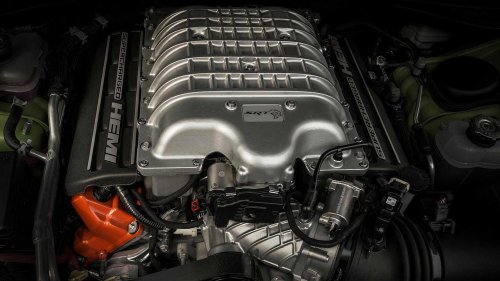
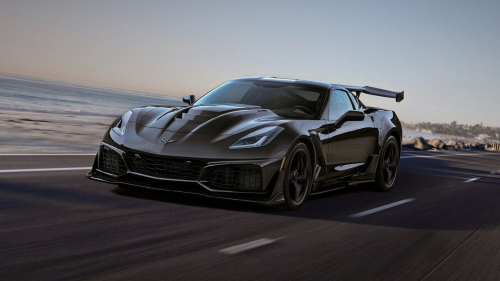
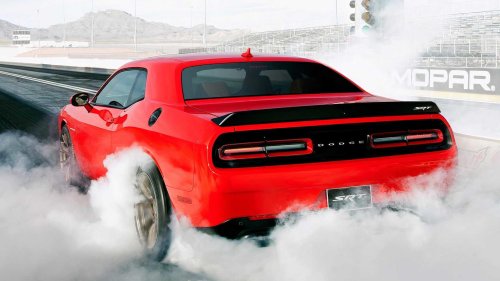
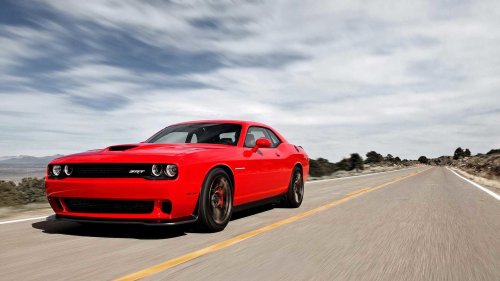
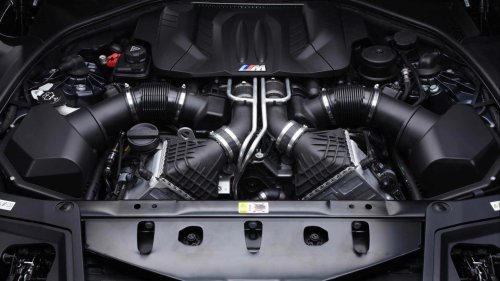
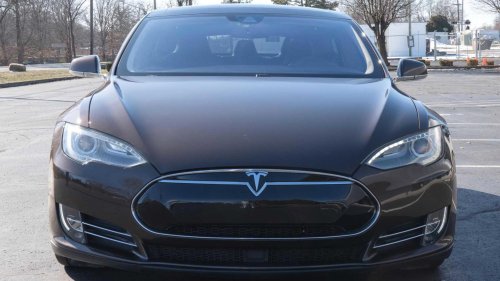
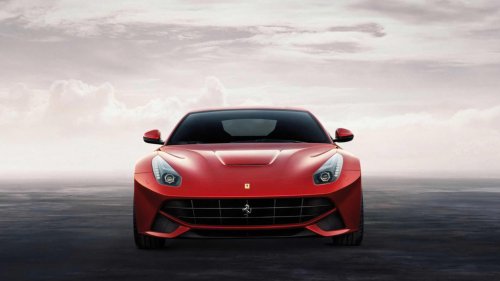



















Where were you when the Challenger Hellcat arrived? It was the spring of 2014 when the automaker, then called FCA (Fiat Chrysler Automobiles), first announced the creation of a new supercharged version of its SRT V8. It would launch in the new 2015 Dodge Challenger Hellcat, bringing a supercharged, extreme-performance Dodge to market as a fighter against existing (and also supercharged) competitors like the Shelby GT500 and Camaro ZL-1 of the day. These machines had been running supercharged engines for some years already, helping take the modern supercharged V8 engine to new heights.Dodge Dodge was late to the party but arrived with a bang. With 707 horsepower and 650 lb-ft of torque, the Hellcat marked one of those historical moments that occur from time to time, when an automaker breaks through a psychological horsepower barrier. If you were a car buff reading the Challenger Hellcat's spec sheet for the very first time, there's a good chance you'd owe your swear jar a few bucks by the time you got to the end of the page.Stellantis This was a ridiculous amount of horsepower. It was the most you’d find in a mainstream production car to date. There were a few exotic exceptions like the Bugatti Veyron 16.4, which boasted a 987-horsepower, 16-cylinder engine a decade earlier, though it cost as much as 31 Hellcats. For the rest of us, Dodge dealers could now sell you the most powerful car on the road for about $63,000, complete with hundreds of horsepower more than just about anything on this side of a six-figure pricetag. These Were America's Most Powerful Engines Until The Hellcat Arrived DodgeWe should start with the Corvette, which Chevrolet’s top V8 engines have powered for generations. It’s also home to higher-performing, more exotic V8 setups intended for motorsports use. Remember, a Corvette is much lighter than a Hellcat, so it doesn't need as much horsepower to give you a facelift every time you open the throttle. When the Hellcat arrived, the seventh-generation Corvette had been on sale for a year already, having first bowed in 2014. Under the hood, the Corvette’s 6.2-liter LT1 V8 was making 460 horsepower in its standard free-breathing setup, and the supercharged Corvette Z06 of the day brought a supercharged 6.2-liter V8 to the fight, with horsepower and torque rated at 650 apiece.Fast forward five years. In 2019, and possibly in response to the discontinuation of the Dodge Viper with its 8.4-liter V10 making 645 horsepower and 600 lb-ft in 2017, Chevrolet’s supercharged 6.2-liter V8 would take the C7 Corvette ZR1 to 755-horsepower and 715 lb-ft of torque. Still, it cost roughly as much as two Hellcats and had half as many seats.Chevrolet The Shelby GT500 of the day was cheaper, and you can bet Dodge had it in their sights when the Hellcat was in development. The S197-generation Shelby was packing a 5.8-liter supercharged V8 engine with 662 horsepower and 631 lb-ft of torque for the 2013 and 2014 model years, even leaving the Dodge Viper's output in the dust.This was one of America’s most powerful engines until the Hellcat arrived a year later in 2015. That same year, Ford’s Shelby Mustang offering was updated, with 2015 marking the debut of a naturally-aspirated 5.2-liter Voodoo V8 with 526 horsepower and an 8,250 RPM redline. The Hellcat came with a considerable power advantage when it launched in 2015, though later versions of Ford’s 5.2-liter V8 would be supercharged once again, pushing the Shelby GT500 past the 700-horsepower mark for the first time in 2020. These Were The Most Powerful Overseas V8s Until The Hellcat Arrived DodgeThe V8 engines coming from Germany in 2015 were really cooking, too. The 2015 Mercedes-AMG E63 S had one of the hottest V8s of the day, a 5.5-liter twin-turbo unit with 577 horsepower and 590 lb-ft of torque. Though not as powerful (or affordable) as the Challenger Hellcat, it did offer the advantage of all-wheel-drive traction, so it was just as quick off the line. Later twin-turbo AMG V8 engines would arrive in the more modern hot-vee configuration, downsizing from this 5.5-liter unit to a 4.0-liter unit while improving power output.Dodge The BMW M5 of the day landed nearly 150 horsepower shy of the Hellcat. Now in its F10 generation with a turbocharged V8 for the first time, the 4.4-liter twin-turbo hot-vee engine delivered 560 horsepower and 502 lb-ft of torque. This version of the M5 hadn’t yet switched to AWD like the AMG above, or the Audi RS7. That model was home to Audi's hottest V8 of the day, a 4.0-liter hot-vee twin-turbo setup good for 560 horsepower when the Hellcat arrived. With Quattro all-wheel drive, the RS7 had Hellcat-like acceleration despite a horsepower deficit, but it’d cost you tens of thousands more.BMW There's an important distinction to make here: though the Hellcat might be the most powerful car of its day, it wasn't necessarily the fastest. Advertised 0-60 times were achieved in perfect conditions on specially prepared surfaces with expert drivers. In real-world settings, those figures can be much harder to match with a two-wheel-drive model. If you're considering any of the above machines from the used market today, bear in mind that AWD is available on less-powerful competitors, which can offer similarly thrilling acceleration with a major advantage in traction.Incidentally, for the cost of three Hellcats, the Porsche 911 Turbo S of the day also made 560 horsepower from its twin-turbo flat-six, Porsche’s most powerful non-hybrid engine at the time. From Japan, the Lexus RC-F was running a 5.0-liter all-motor V8 with 467 horsepower when the Hellcat arrived. Sadly, this engine wouldn't live on long enough to spawn a supercharged variant. Some Additional Context From Spicy Exotics and Fast Electrics CarsAndBidsThere's also the Tesla Model S P85D, which doesn't have a V8 engine because it's all electric. Notably, it could get to 60 miles per hour faster than a Challenger Hellcat thanks to an 'Insane Mode" launch function, and delivered 691 horsepower. Ferrari’s most powerful model in 2015 was the 730-horsepower F12 Berlinetta, which had a 6.3-liter V12 engine and cost as much as seven Hellcats, give or take a few optional add-ons.Ferrari The 691-horsepower Lamborghini Aventador LP 700-4 also got a screaming V12 engine, this one with 6.5 liters of displacement. It, too, costs as much as seven Hellcats. A few years later, in 2018, Porsche reached the 700-horsepower mark with its first non-hybrid engine in the 911 GT2 RS. The cost? Roughly four Hellcats and a reasonably-equipped Pacifica minivan for hauling the family.Sources: Stellantis, Ford, GM