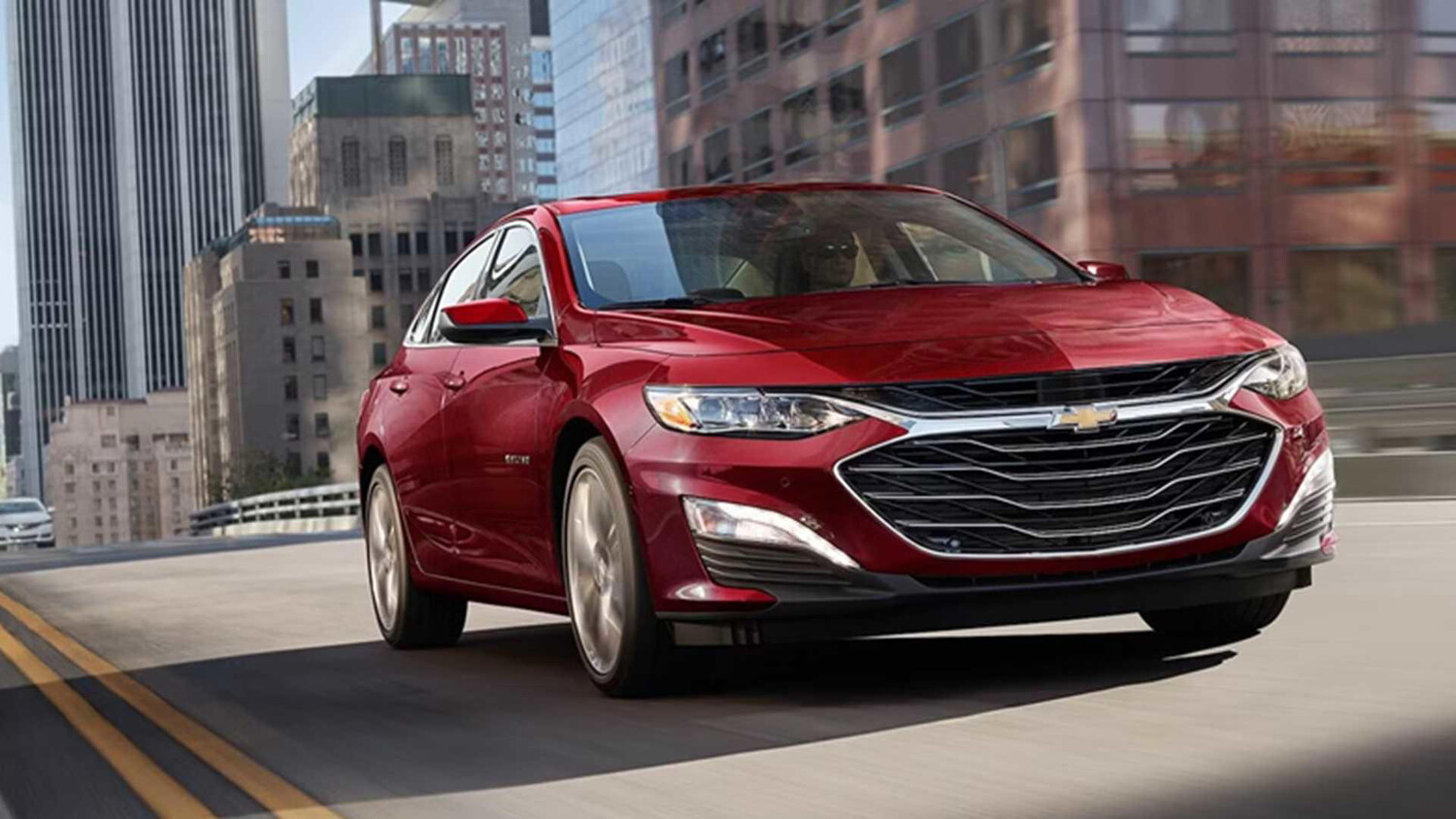
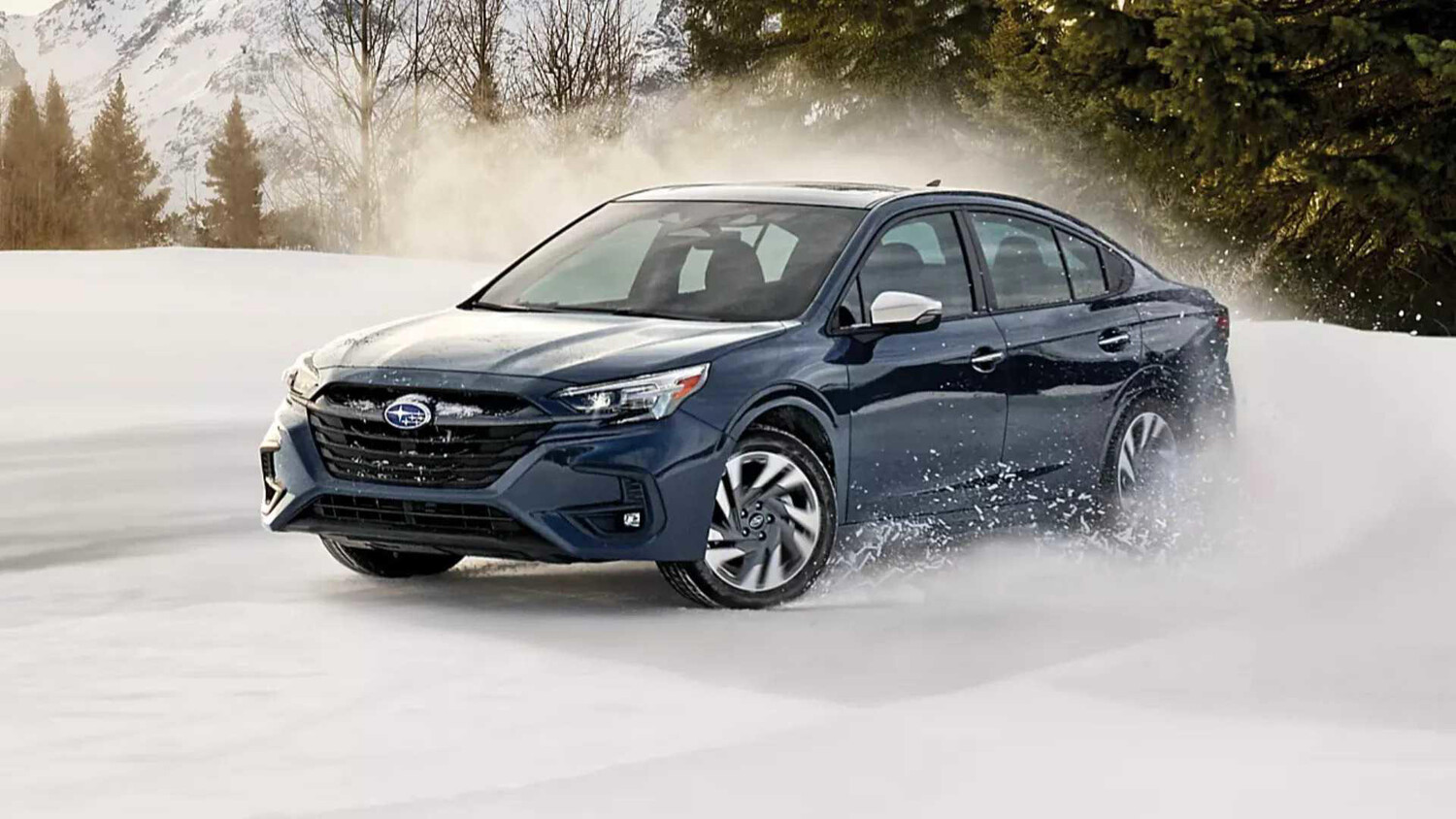
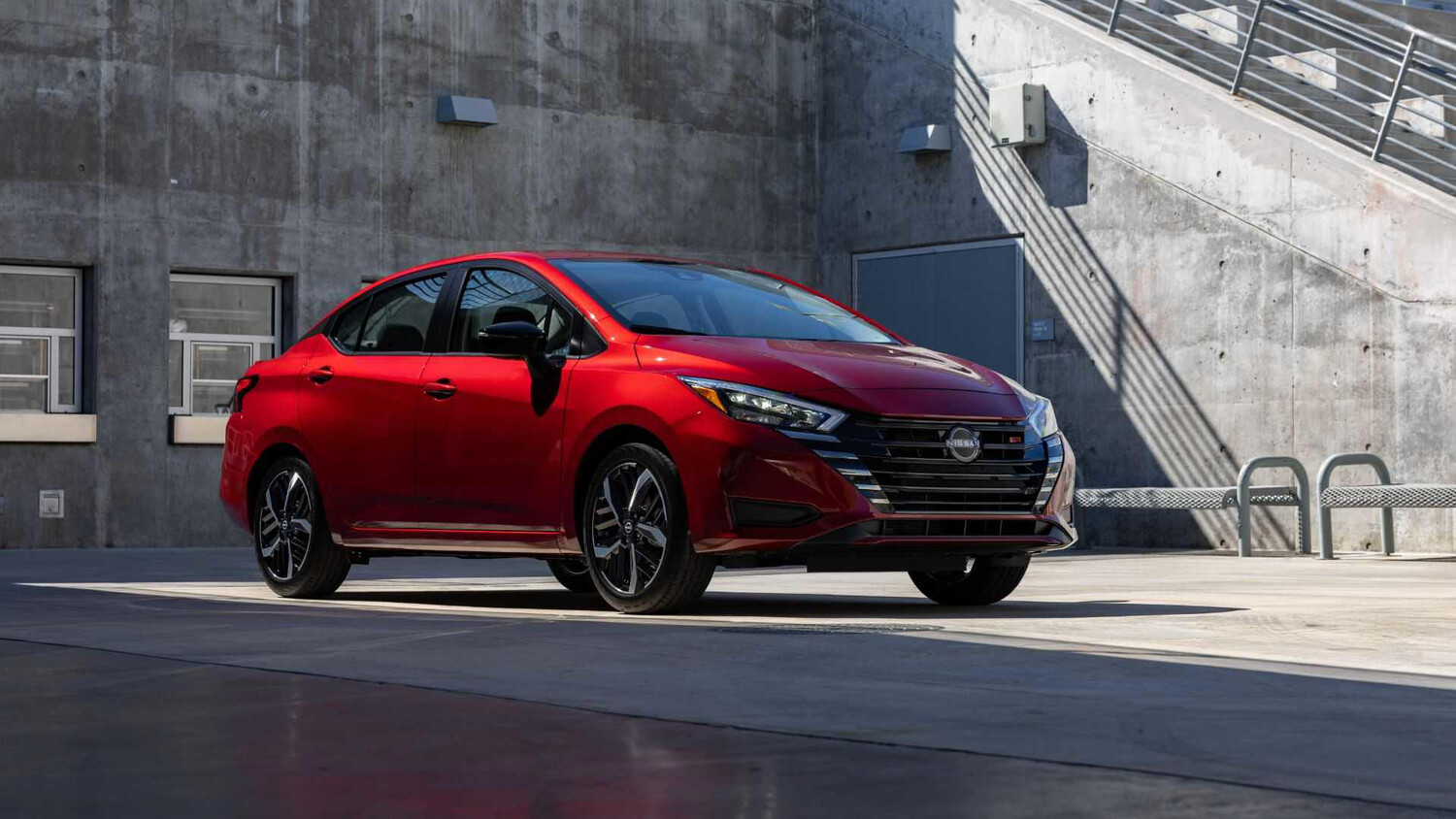
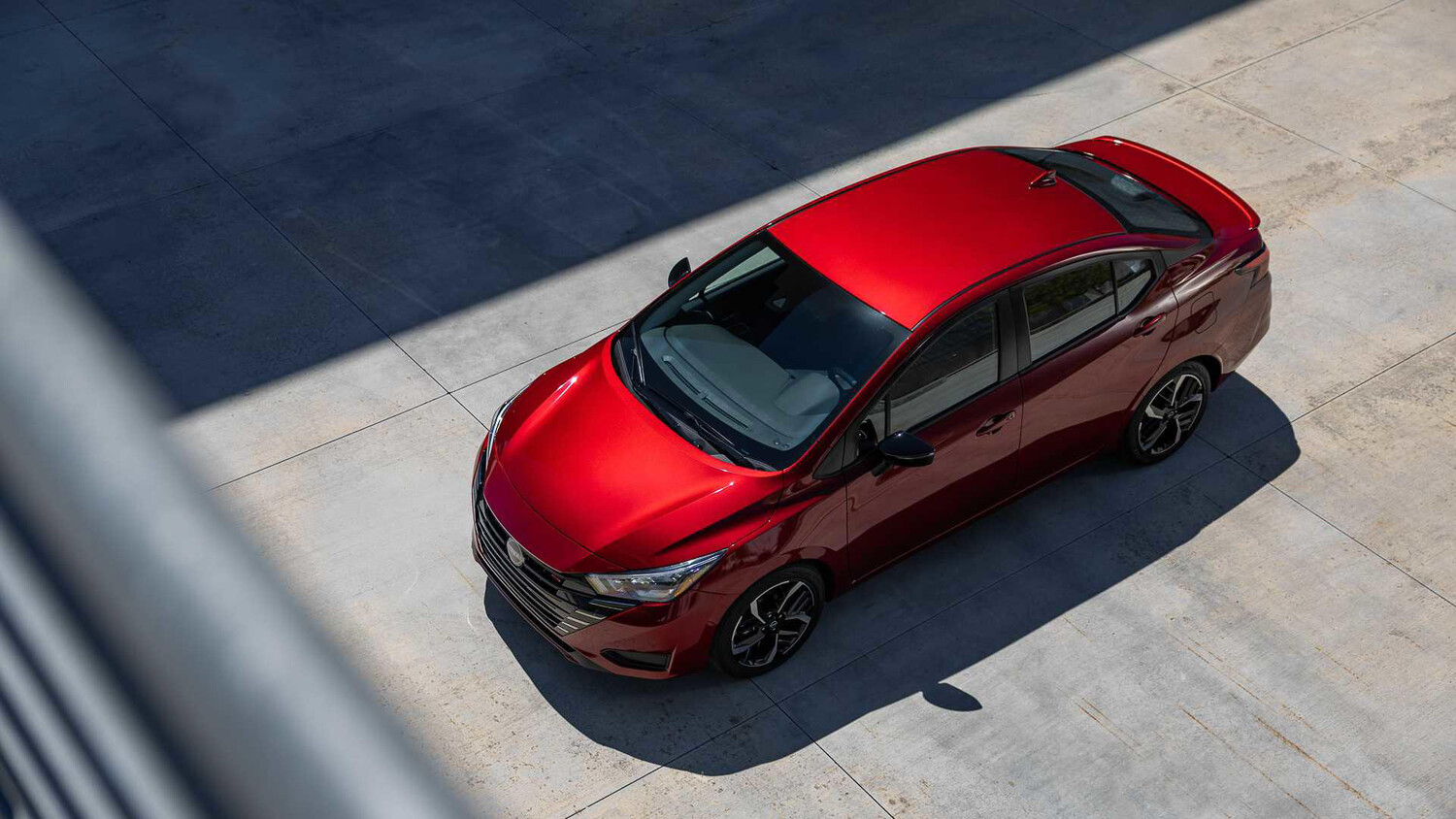
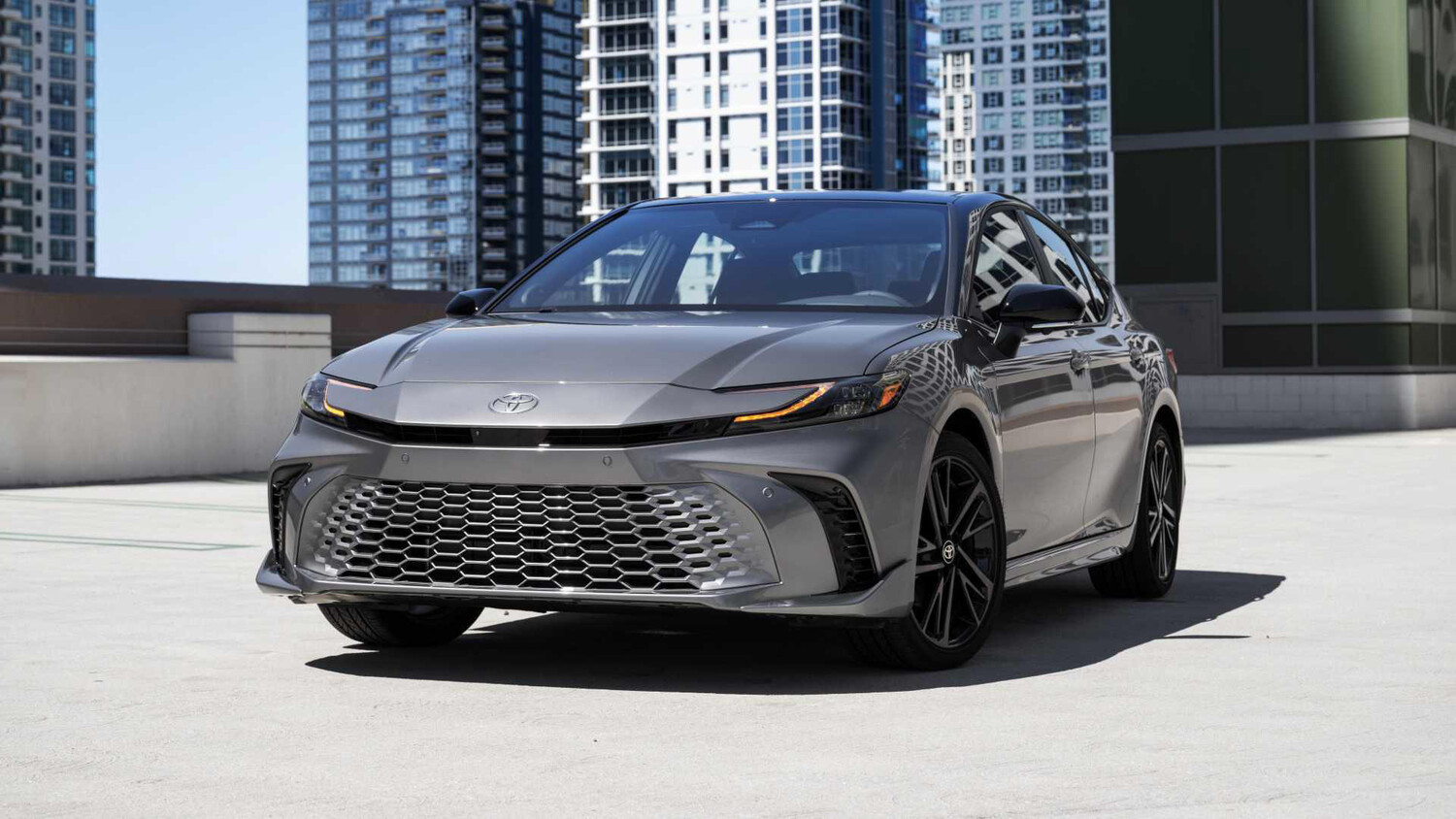
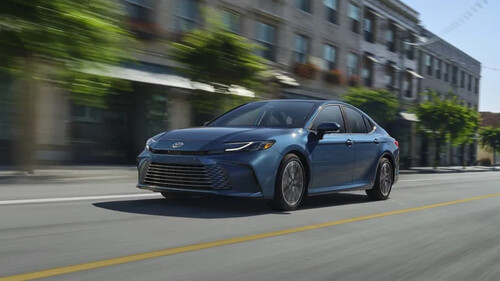
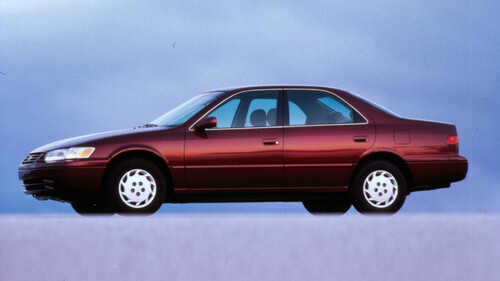
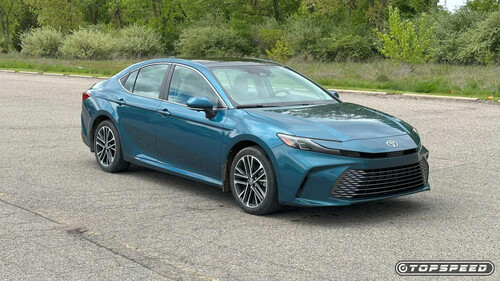
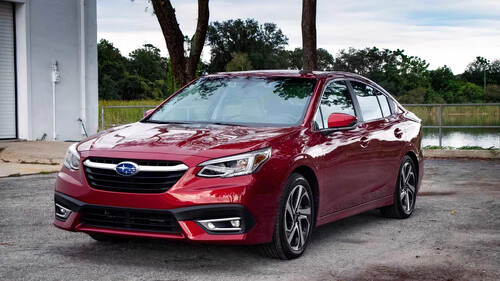
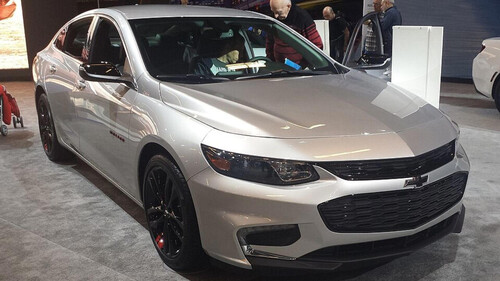
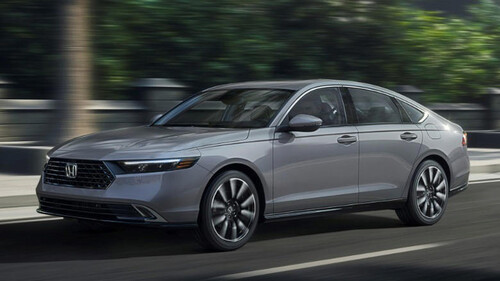
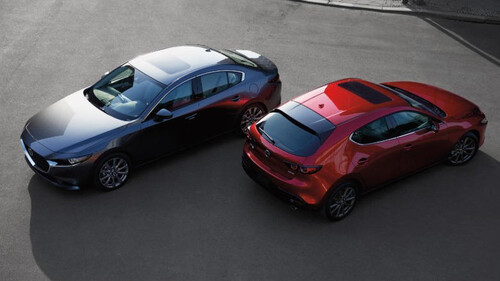
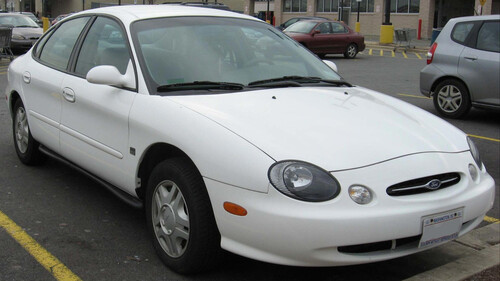
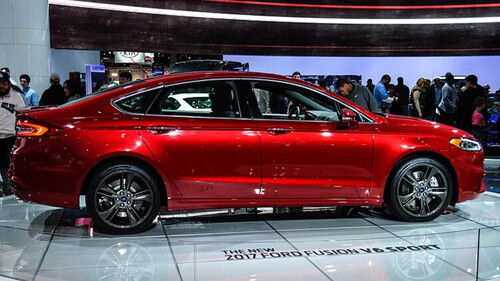
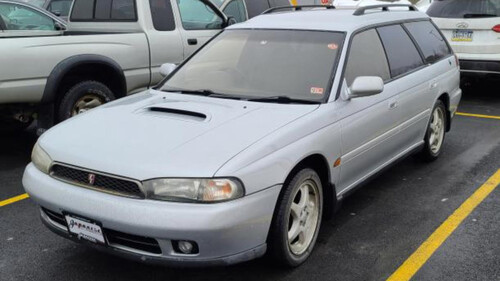
Once upon a time, sedans were the main character of the auto industry. When we said "car," we weren't talking about crossovers and three-row SUVs, we meant something with four doors and a low roof. And while we're busy yelling at clouds, why don't they still make Ridge Racer games?But seriously, sedans, and especially mid-size models, like the Toyota Camry, becoming an increasingly niche segment in the broader industry was easy to predict for anyone who cared to read the writing on the wall over the last 25 years or so. Four-doors simply can't compete with crossovers when it comes to sheer versatility, and automakers seemed to lose faith in the segment long before the public did. We've Lost A Lot Of Mainstream Sedans In The Last Decade Alone Nissan We suspect that performance sedans and luxury models will be around for as long as people are driving. Coupes and convertible roadsters don't cover the buyer who wants room for friends and family, and performance SUVs always leave us wondering how this thing would drive without all the extra weight. But, as far as mainstream, mid-market sedans go, the list is getting shorter every year.To cover just a few of the ones we've lost in the last decade. Chevrolet Malibu ChevroletWhen the Chevy Malibu was discontinued following the 2025 model year, the automotive community responded with a resounding "they were still makin' those?" The 2025 model takes eight seconds to hit 60 mph, and the CVT feels wimpy and joyless, even by CVT standards. On the plus side, it offers a comfortable ride, and the brakes feel nice and strong. The Malibu sold 117,319 units in 2024, and ran out most of the remaining inventory in 2025 with 10,024 sales. Ford Fusion FordWhen we reviewed the 2020 Ford Fusion, we noted that it was priced to move, but it felt dated, with mediocre fuel economy, at 24 mpg combined, and middling performance, delivering 175 horsepower from a 2.5-liter straight-four. Ford sold 110,665 Fusions in 2020, and another 11,781 in 2021, following its discontinuation. Subaru Legacy SubaruAn all-wheel-drive, 182-hp sedan with a handsome 2.5-liter flat-four engine under the hood, and a combined fuel economy of 30 mpg. What's not to like about the mid-size Subaru Legacy? Subaru sold 22,212 of these cars in 2025, which must not have been enough to justify keeping the car in production, despite a 13.4% bump over the previous year. Our hypothesis: it does what a Subaru WRX does, but it's not quite as cool as a Subaru WRX. It's Not Just Mid-Sizes That Are Endangered The discontinuation of a pair of Nissan sedans illustrates that the loss of the mid-size sedan is part and parcel to sedans becoming less popular in general. The Altima lives on for now, but uncertainty over the model's future certainly hangs in the air. The Nissan Maxima Was Cool, But Not Cool Enough NissanThe Nissan Maxima deserves mention as it proves that even a pretty cool sedan might not be long for this market if it doesn't do enough to stand out. We dug the Maxima's naturally-aspirated 300-hp V6 engine and roomy interior, but noted that, for the 2023 model year, a Dodge Charger started at thousands less than a Maxima. So... who needs it? The Maxima sold just 9,653 units in 2023, another 944 in 2024, and dealers were able to unload the remaining 25 units in 2025. The Passing Of The Nissan Versa Proves That Cheap, Small Cars Aren't Safe, Either NissanWith the passing of the Nissan Versa, we have no more sub-$20,000 cars left in the US market. This humble compact was never anyone's dream car; its 1.6-liter straight-four engine felt like a Malaise-era leftover, and even its dimensions looked cramped. Seriously, this car looks like it's tucking its knees in so it doesn't bump into anyone. But it was reliable, it was cheap, and it was... okay, we can't think of a third nice thing to say about it. US drivers bought 51,310 of these cars in 2025. All Of These Models Were Getting Long In The Tooth Nissan A point worth noting regarding these cars is that some of them were long overdue a serious update. The 2023 Maxima had been around since the 2016 model year. The second-gen Ford Fusion launched for the 2013 model year. The latest Chevy Malibu dates back to 2016, and the Versa and Legacy were both launched in 2019.To go seven, eight, or nine years on a single generation suggests an automaker losing faith in a vehicle that may have once been a flagship car for the company. While some of these cars were still selling in the six-figure range in their final model year, their makers just didn't see a future for them. To The Victors Go The Spoils Toyota The top-selling mainstream sedans, across all size classes, as of the end of 2025, reaped the rewards of their stick-to-it-iveness as one competitor after another was pulled from the market.For the most part, the tendency for these cars is for the sales to tick upwards from year to year, either modestly, in the case of the Corolla, or by leaps and bounds, as we see with the Honda Civic from 2023 to 2024.The Honda Accord has been losing sales since the launch of the newest generation, but by and large these models are claiming the benefits of sticking it out while everyone else is packing it in. That is, the 11,781 buyers who grabbed a Ford Fusion the year after it was discontinued, they're still driving sedans, even if the Ford Fusion isn't around anymore. So what are they going to do but get their sedans from someone else? The Crossover Era Was Easy To Predict (Especially In Hindsight) Toyota Many automakers, and many drivers, saw the switch from sedans to crossovers coming from a mile away. Case in point is the simple fact that so many brands were essentially "quiet-quitting" their flagship sedans years before they officially discontinued them, running outdated models, making only enough updates to stay compliant with safety and emissions regulations.A post in the r/Cars subreddit from 2021 asks "Who else loves the midsize sedan and is sad to see them decline?" This was five years ago. We still had Ford Fusion and the Chevy Malibu, but it was already clear that these cars were living on borrowed time. One comment states that, while it's easy to see the practicality in a crossover, "it's unfortunate that individuals with more niche preferences have increasingly fewer options." The Sedan Will Continue To Thrive As A Niche Product Toyota Ask most drivers, and they'll tell you that the 2026 Subaru Outback isn't really a station wagon. But, Mercedes still sells wagons like the E-Class All-Terrain here in the States. So, no matter how small a niche may be, you can still find someone willing to meet your needs in the American market.At last check, automakers are still selling well over a million sedans a year here in the US. That number may be eclipsed by the sales of crossovers, SUVs, and pickups, but there's clearly enough demand to keep the industry leaders around for decades to come.The downside to sedans becoming less mainstream isn't that they're eventually going to stop making cars in this body style, but that we have fewer options to pick from. If you grew up in American-made sedans like the Ford Taurus, and you want something from the Blue Oval to scratch that itch, you're simply out of luck.Ultimately, the versatility of a crossover is hard to argue against. These vehicles are everything to everyone, effectively meeting the needs of the kind of driver who used to buy full-size luxury sedans, fuel-sipping compacts, and everything in-between. Sedans simply can't match the all-encompassing practicality of a crossover.