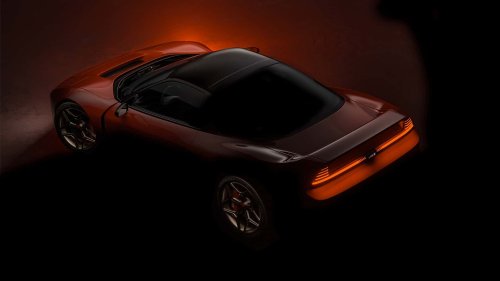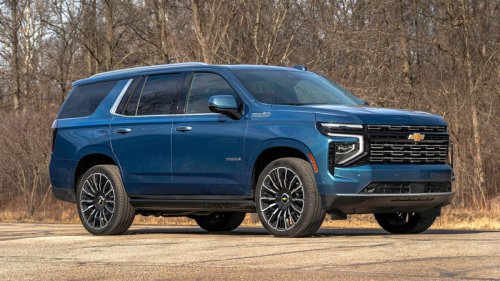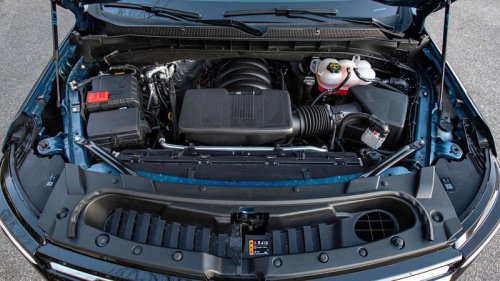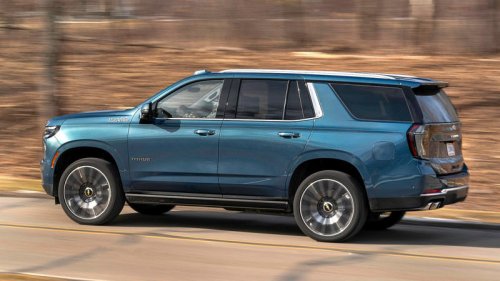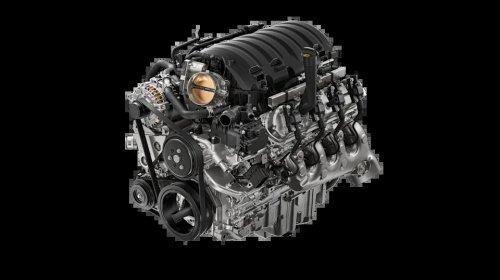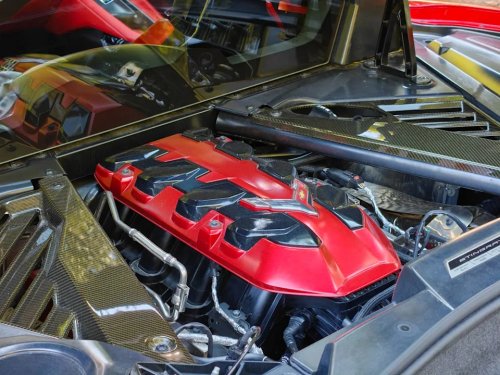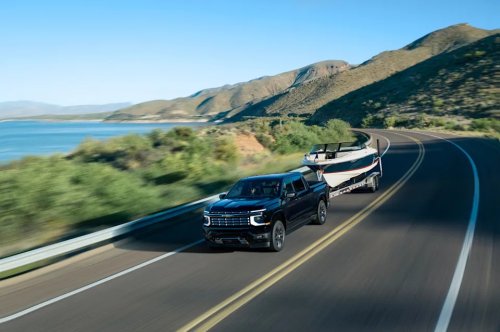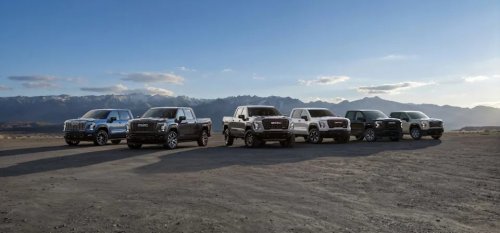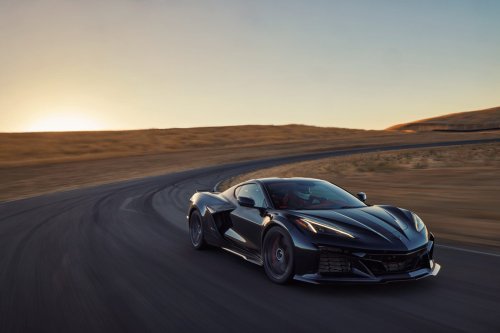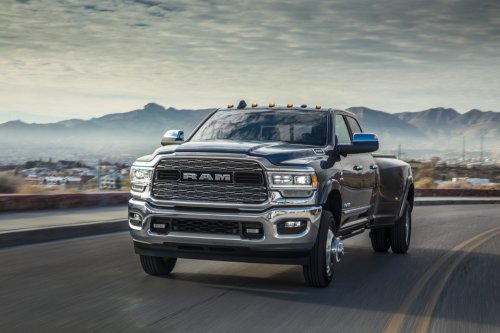



















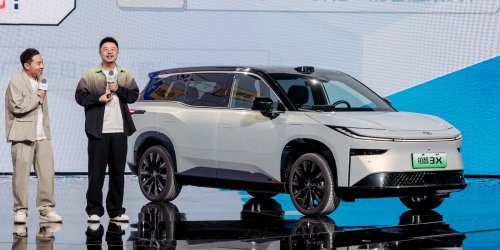
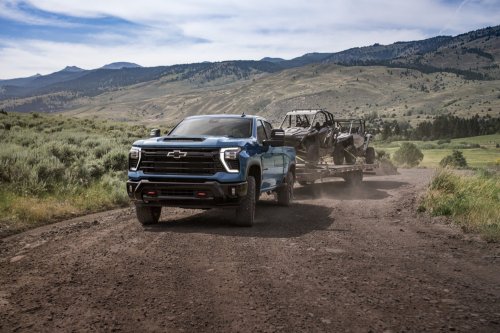
It’s human nature to believe the forbidden fruit tastes the sweetest. As electrification made its way across our favorite nameplates, the iconic, gas-guzzling V8 seemed to have no place in the future of automobiles. Despite the new engines replacing them being arguably better, people still wanted to hear the “soon to be outlawed” roar of a V8 under the hood. This disproportionately affected Stellantis customers, given that Dodge, Jeep, and Ram were the first of the historically-American brands to announce a cutback on their famous motors.Everyone else, it seemed, was staying the course with their popular vehicles and focused their EV strategy on slower-selling but still profitable nameplates. The Ford F-150 and Chevrolet Silverado kept their V8 engines, along with the Mustang retaining its 5.0 for another generation. In between the headlines of automakers stalling their EV plans, word about investing in V8 engines surfaced, which doesn’t mean the second-coming of the V8 has arrived. Rather, it affirms our beloved V8 never really left the party even when we thought its end was nigh. EV Panic Didn't Kill The V8 Completely ChevroletIt would be easy to pin the blame on each automaker’s response to the European Union’s (EU) ban on combustion engines in 2035, which California echoed with its own ban. However, the U.S. Senate overruled the state’s legislation mandating the sale of electric vehicles in May 2025, and the EU canned its ban and shifted goals to curb emissions at the tailpipe and in manufacturing. When these bans first made ripples across the automotive industry, vehicles like the Toyota bZ4X, Subaru Solterra, Ford Mustang Mach-E, and Hyundai Ioniq 5 all went on sale between 2021–2023. This was crucial to each company’s future product planning for two reasons.The first was a realization of shifting tides. Toyota was firm in its belief that EVs won’t solve the climate crisis, a key point in the EU’s ban on combustion engines, and had not revealed plans to go all-electric like General Motors did. Those four EVs were the first electric offerings built by their respective brands to bring them into the age of modern EVs, which had people thinking they were officially throwing in the towel. GM had prior experience of building EVs and were brash in their claims to reach their steep goals, but subsequently had issues reaching their short-term goals of building EVs. The company even walked back its plan to go all-electric by 2035, stating that the transition would be largely dependent on customer adoption.All while money was being spent on building these new powertrains, plans to abandon more powerful engines in other vehicles weren’t in the cards just yet, but seemed inevitable. The Corvette was still packing a lumpy 6.2-liter V8, the Mustang had its 5.0, plus both Ford and Chevy were still offering V8’s in their pickups. But the Corvette E-Ray and the use of the Mustang name for an electric SUV let the draft in from a hell that was slowly freezing over.Where both these companies had the advantage in impending fuel economy restrictions was in offering a breadth of powertrains to curb emissions, which was the whole point in the 2035 mandates. Having a slew of engine options in its light duty pickups gave buyers the option of owning a truck without the added fuel costs if they didn’t need a V8 for their use cases. However, time was ticking and companies needed to experiment with alternative fuels to gauge buyer interest in case the worst was yet to come.This led to the electrification of the Ford F-150, Chevy Silverado, and GMC Sierra, which could be its own case study in and of itself. Point is, EVs weren’t slated to replace gas engines overnight, but a few brands had us believe they were. The annoying part is, it actually worked and buyers clamored to dealers to get their names on the list despite horrendous markups. As for Dodge and Ram, most of their vehicles could come with V8 engines, so for the sake of fuel economy standards, something had to be done. Granted, Stellantis was trying to run American brands under a European lens, which led to some leadership shuffling at the top. Ever-Changing Fuel Economy Standards Engin Akyurt/UnplashFuel economy standards have always infringed upon brands, but what felt different this time around was the real fear people felt about having to purchase an EV. Of course, the way manufacturers and the media presented it was far from the truth, but at the time, it really seemed like it could happen. This was fortunately met with brands that took the threat seriously enough to double-down on their previous electric endeavors and built a quality vehicle that just happened to be electric.President Biden’s administration introduced a framework to increase the Corporate Average Fuel Economy (CAFE) of brands from 29.1 MPG at the time, to 50.4 MPG by 2031. Companies that do not comply with the economy standards must pay fines, but that wasn’t anything new since the program’s establishment in 1975, but the leniency of administrations have ebbed and flowed. In order for companies to keep gasoline engines in the cars that need them most, electrification seemed like the best answer. Whether it be through conventional or plug-in hybrids or fully electric vehicles.Under President Trump, the standards were changed again. In fact, they were erased altogether. The fuel economy standards are now much lower than the previously stated 50.4 MPG to a proposed 34.5 MPG, something each president can change thanks to the “maximum feasible level” clause which allows for some interpretation from each administration. After talk of the standards changing, companies revised EV strategies and reinvested in combustion engines. The V8 Isn't Going Anywhere RamBoth Dodge and Ram were the only two brands screaming about the end of the V8 in their cars and trucks. Since they were the most affected by the tighter restrictions, it made sense they were the most scared. Without a fleet of vehicles to build a strong average, brands with few options were caught with their pants down. The new standards might not bear any fruit since they can be changed by each administration, but companies are certainly acting like they don’t have much to worry about.GM coughed-up around $1 billion to build new small-block V8’s, one of which displaces 6.7 liters and can be found in the upcoming Corvette Grand Sport and even the entry-level Stingray. Ford is committed to building V8 engines, something the company claims it does very well since it’s been milling them for the masses since 1932. Ram has been more than eager to return the Hemi V8 to the 1500, something we didn’t think it needed since we prefer the Hurricane straight-six over the old V8, but Mopar fans disagreed and 10,000 of them put their names on the preorder list for the next V8.The extra time brands now have affords them to cook up efficient powertrains and add models to their lineups in order to meet CAFE standards. Ford and Chevy will be just fine with their model lineups, but Dodge needs to start making some siblings for the Charger and Durango if it wants to keep tucking V8 engines in them. What Do V8s Have That Other Engines Don't? FordAutomakers have no shame in hiding behind sly marketing that brands their lumpy V8 engines with American values and national pride. Something that’s constantly tied to personal freedoms and argued in favor of because it protects the consumers' right to choose which car they want to buy. Take away the net negatives the V8 comes with in terms of fuel economy and power, people still want a V8 in the cars that have had them since the start.The V8 in the modern age represents an excess of power and intoxicating theatrics that lure owners to gas stations with a roar, like sirens pulling sailors into the sea with their song. Also, it’s slightly off-putting that a new Ram 1500 sounds like a BMW M3. So maybe Tim Kuniskis has a point in apologizing.