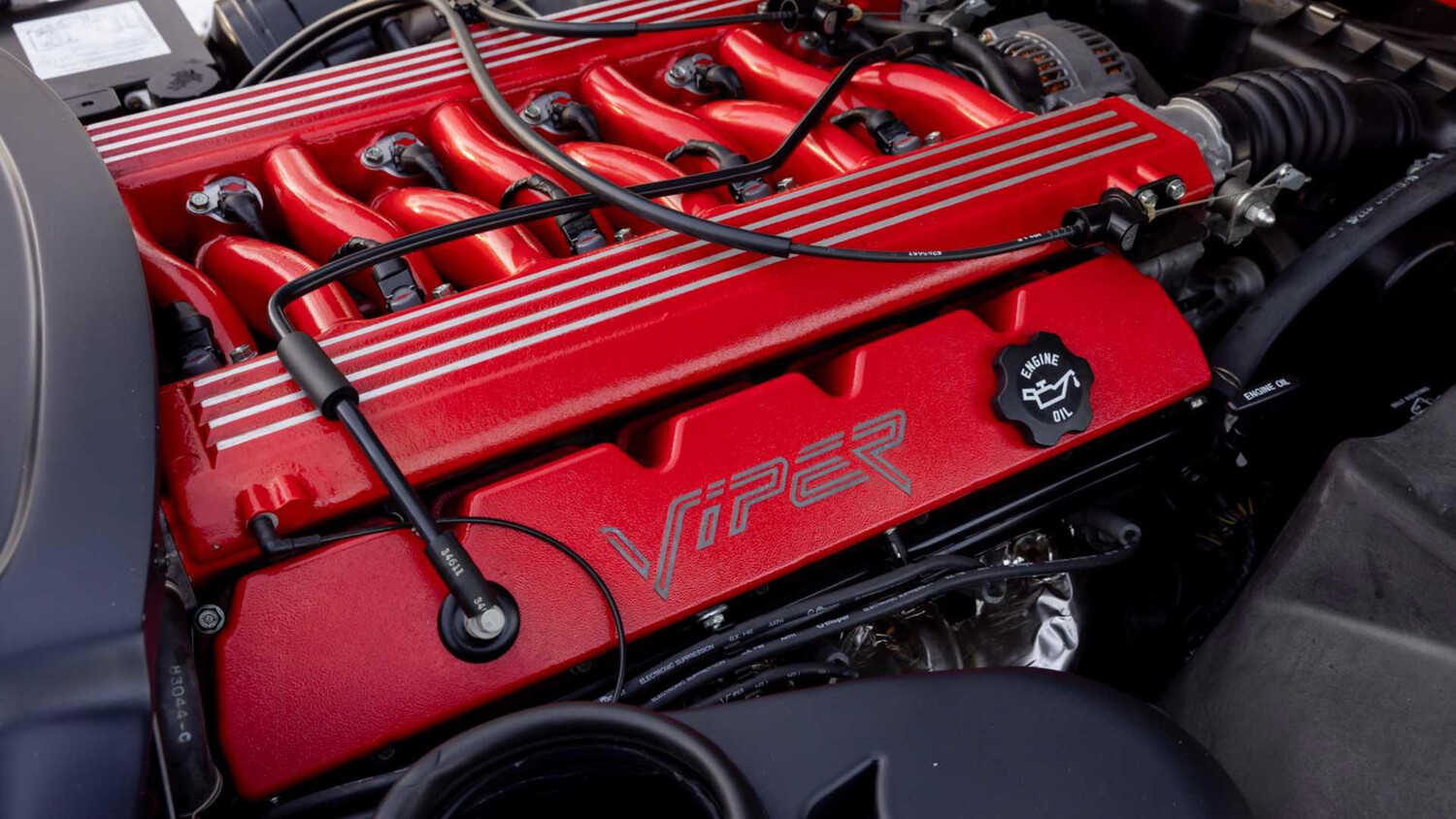
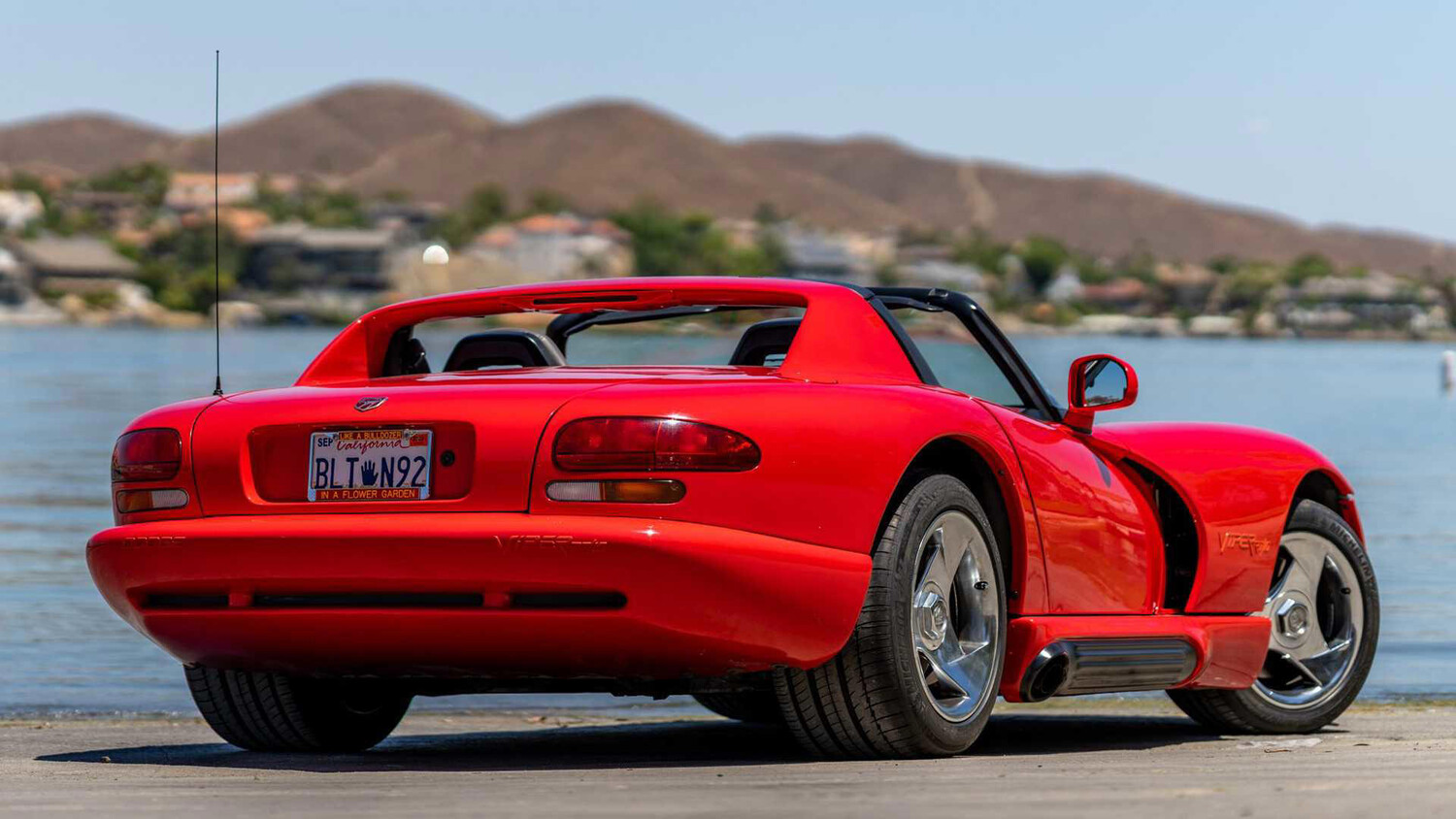
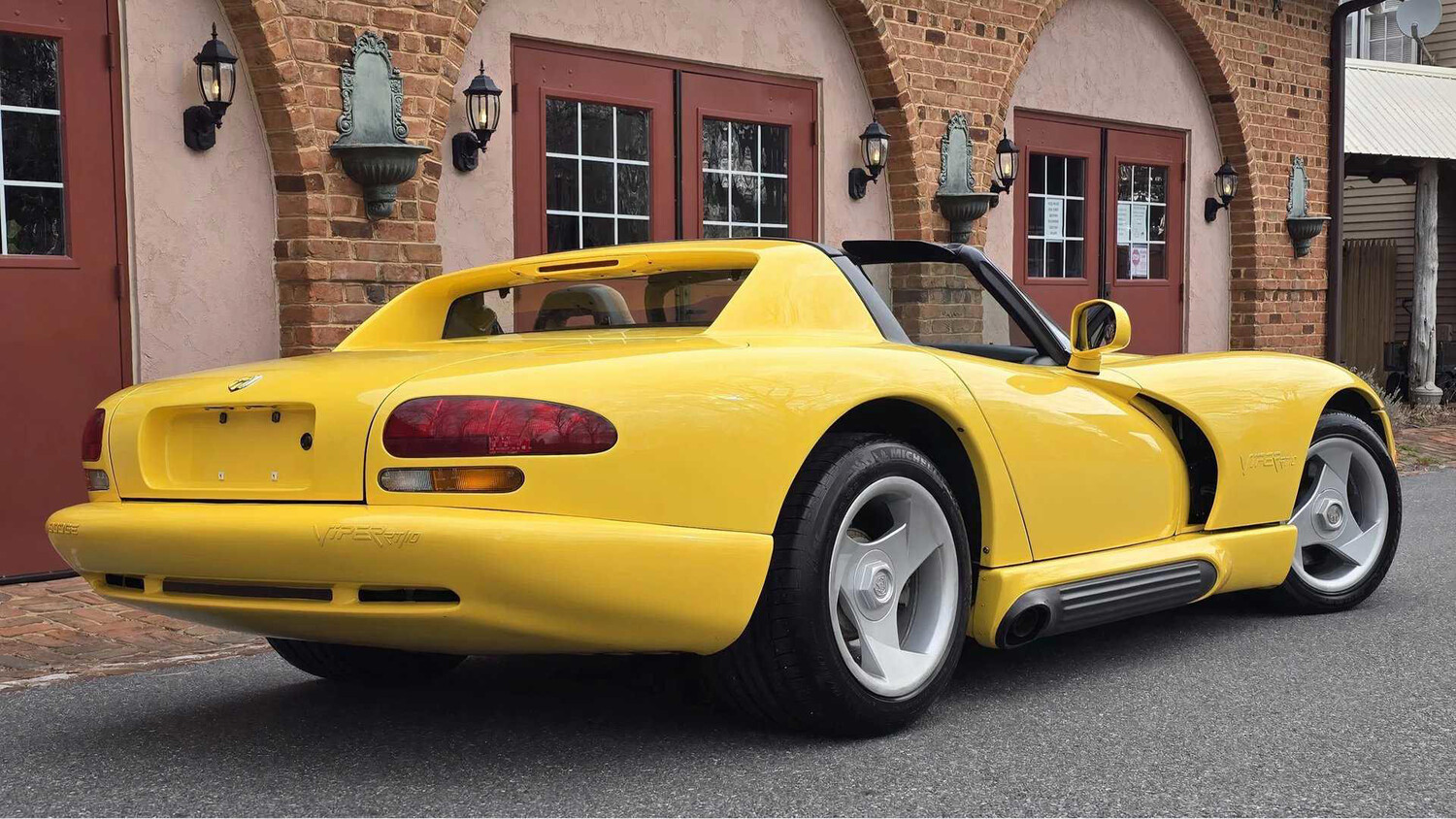
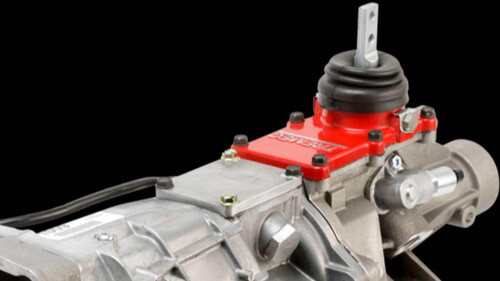
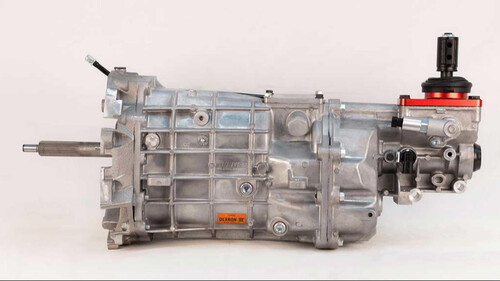
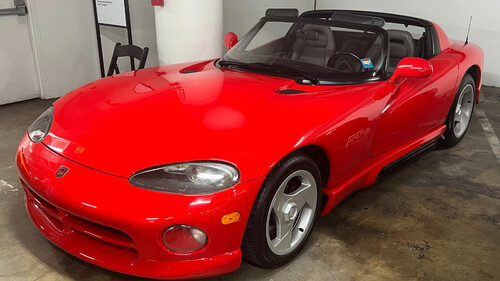
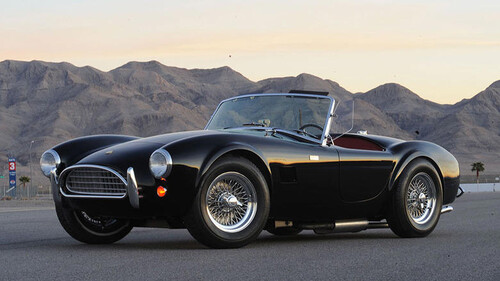
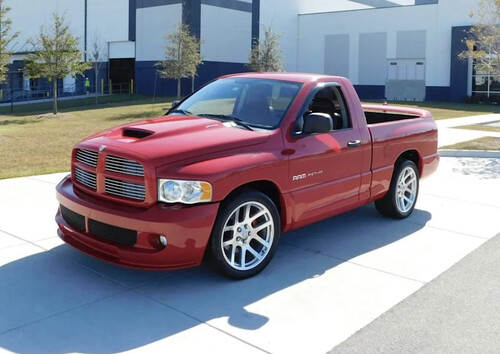
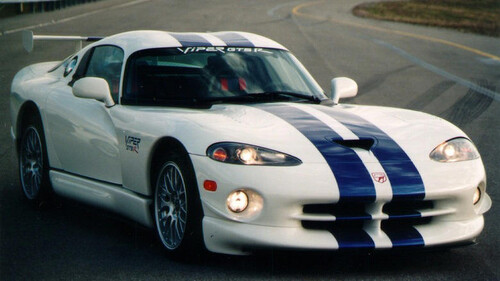
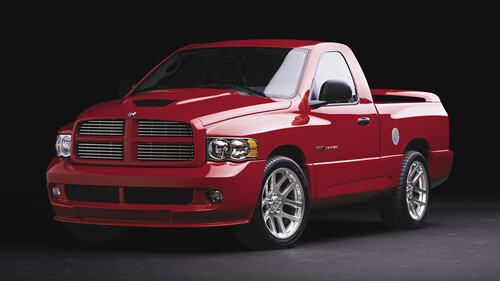
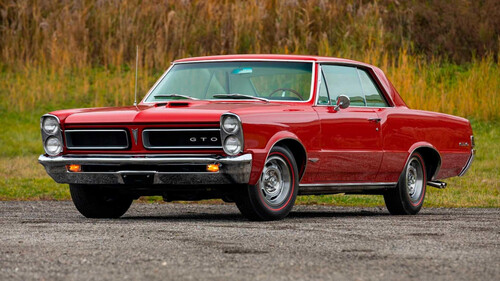
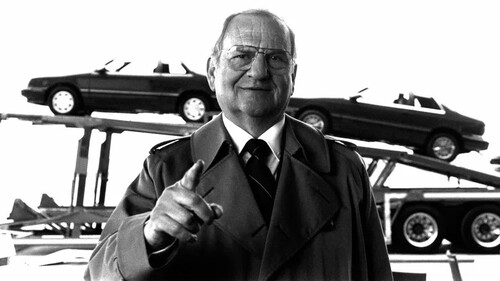
In the late 80s, America's performance car scene was in the dumps. The oil crisis of the '70s had all but killed off the muscle car. The Malaise Era didn't offer much to get excited about, and an influx of fast and cheap foreign cars didn't help. While US carmakers were fighting back with excellent turbocharged versions of muscle cars, you couldn't help but think that the original secret recipe had been somewhat lost. But like a caped crusader, Dodge was about to save the day with an all-new machine. It was overcomplicated and oversimplified in equal measures, and we totally adore it. UPDATE: 2026/04/02 03:35 EST BY JARED SOLOMON This article has been updated to include additional insights into the car's driving experience and its lasting impact on American performance car strategy. The Swinging '60s Seemed Like A Distant Memory Mecum America came up with its very own brand of performance machine in the '60s. The muscle car was the manufacturers' answer to a newly affluent and job-secure populace that was looking for excitement. As Ford put it with the Mustang: It was a "market looking for a car". After the Pontiac GTO kicked off the whole muscle car movement in 1964, the result of a weekend brainstorming session, every manufacturer in the country was rushing to bring its own take to the masses. What could possibly go wrong?Well, an oil crisis in the early '70s for starters, mixed with new emissions regulations and a clamping down on fast cars by insurance companies. By the mid-'70s, the Malaise Era was in full effect, with zombie models filling the showrooms. They looked a bit like muscle cars of old and had familiar names, but under the hood were reined-in V8, or even worse, four-bangers, that had as much muscle as a stratocumulus cloud. Bob Lutz Hadn't Forgotten The Good Old Days Bring a Trailer Not much gets past Bob Lutz. The president of Chrysler in the late '80s wasn't content that the muscle car era had ended with a plop, and American cars were playing catch up to new whizzy imports. What had happened to the era of world-beating cars like the AC Cobra? Now that was a car, a simple roadster fitted with a whacking great 7.0-liter V8 pushing out 485 horsepower and 480 pound-feet.The Cobra 427 wasn't just quick, it was the fastest car of the '60s. If only a US company like Chrysler could replicate that success, Lutz must have thought, "we'd be back on top of the world." The Dodge Viper Was Overengineered Simplicity Mecum Bob Lutz's plan came into fruition in the form of the Dodge Viper. This is a car that brilliantly defies all logic, and played a large part in kickstarting the American performance car market that enjoyed a renaissance in the 2000s. Here was a car that could have easily just utilized a warmed-up V8 and people would have probably bought it, but the back-to-basics Viper would have a far more complicated powertrain. The Engine Was A Masterpiece Of Overthinking Bring a Trailer Right from the beginning, Lutz had his mind set on a V10 for the Viper. This is a time when ten-cylinders were extremely rare, way before Audi and Lamborghini popularized V10s in the A6 and Gallardo. Interestingly, it was the Sant'Agata supercar maker who helped make the Viper V10 almost 12 years before the popular Gallardo was launched. Chrysler had recently purchased Lamborghini, and the Viper team hatched a plan to make an aluminum V10 on the same assembly line as the iron-block ten-pot that Chrysler would stick in the Ram pickup. The Viper’s Raw Driving Experience Set It Apart What truly made the early Viper special wasn’t just its unusual V10—it was the completely unfiltered driving experience. At a time when performance cars were beginning to adopt driver aids and electronic safety systems, the Viper deliberately went in the opposite direction.There was: No ABS braking system No traction control No stability control Not even airbags in early models This made the Viper one of the last truly analog performance cars, demanding full attention and respect from the driver at all times. The massive torque delivery, combined with a lightweight chassis and rear-wheel drive, meant that even small mistakes could quickly escalate. Why This Mattered In The Early '90s In the context of the early 1990s, this approach was almost rebellious. Competitors were becoming უფრო refined and user-friendly, but the Viper doubled down on rawness. It effectively created a modern interpretation of the classic American muscle ethos—big engine, minimal interference, maximum thrill.For enthusiasts, this was exactly the point. The Viper wasn’t designed to be easy—it was designed to be memorable.The Viper proved that a raw, uncompromising car could generate massive brand attention, while also showing that nostalgia-driven performance could still feel modern. It demonstrated that American automakers were capable of competing with exotic brands purely on excitement and emotional appeal. In many ways, the Viper didn’t just revive performance—it fundamentally changed the strategy behind it. Lamborghini Helped Create A New Version Of A Truck Engine Bring A Trailer The engineers at Lamborghini used their knowledge of V8 and V12 aluminum engines to create an 8.0-liter all-aluminum OHV V10 at 400 horsepower and 465 lb-ft of torque. This was the most powerful American production engine of its day, beating the Lotus-developed ZR-1 Corvette’s quad-cam LT5 engine, which made 375 horsepower.The V10 almost got exotic F1 elements such as shorter water jackets and an aluminum bedplate, put forward by Mauro Forghieri, the chief engineer of Lamborghini’s Formula 1 program. In the end, it was toned down to make it more usable on the street, but it was no less epic. The Rest Of The Car Lived In A Different Decade Altogether Bring a Trailer But while the engine was an exotic masterpiece developed by Lamborghini, the rest of the Viper RT/10 took a different path. When the original 1989 show car was unveiled, you might have been forgiven for thinking the pared-back aesthetic was just to get the project rolling.The first-gen Viper that arrived in January 1992 wasn't much different, with deep-dish tri-spoke wheels and very little in the way of tinsel. Well, actually, even standard elements such as door handles or air conditioning didn't exist. The vinyl windows zip on and off and the roof looked like it would detach at 30 mph. Then there was no ABS, no traction control; just you, a BorgWarner T56 manual gearbox, a go-pedal, and a V10 engine. What's not to love? The Viper Defied Logic...And We Love It Bring A Trailer Whatever you think of the Viper, you can't ignore it. In many ways, that was mission accomplished for Lutz and the crew. The Viper was designed to put American sports cars back on the map, making the world look twice, just like it did with the Mustang and Cobra. Yes, it was hard to drive if not on the right road, the interior was pretty undercooked, and it drinks fuel. But it was something to celebrate, especially with the economic downturn of the '90s, and a true exotic that cost $55,000, not $100,000.Bring A TrailerOne review wrote at launch: "The engine makes so much power and the tires generate so much grip that the car can work up tremendous speed without sweat or drama, and that could prove deceptive. High limits, once they're exceeded, mean big trouble. Yet isn't that much of the appeal? Not danger itself, but the awesome potential, the no-foolin' manner—those same qualities that demand respect also make a machine like this irresistible. It worked for the original Cobra, it still motivates lots of Cobra-replica buyers, and now it is firing enthusiasm for a wild new big-engined sports roadster from a highly unlikely source." The OG Viper also kicked off a whole line of cars carrying the same name, constantly evolving, right up to the giant-killing 8.4-liter V10 version that bowed out in 2017. The Viper Is The Most '90s Car You Can Buy Bring A TrailerHulk Hogan had one. Need we say more? The Dodge Viper RT/10 is unapologetic, showy, and just a whole load of fun. It's the supercar for the MTV era, when everything was zany and carefree, never taking itself too seriously. Dodge sold just under 6,000 examples of the first generation Viper (SR I) between 1992 and 1995. This means that the Viper is not everywhere, but you also won't pay a ridiculous amount for one.While 1992 cars possibly have the kudos of being the first year, with a $49,400 price tag to match, the Vipers from 1994 are just $34,800. When you think about it, there aren't many V10 sports cars around for that price. There aren't many cars that will turn heads like a Viper for less than $40K, either. The Viper isn't likely to go out of fashion any time soon, aging like fine wine and very much representing its era.How many other cars can you say helped to reboot an entire industry? In the words of Frank Sinatra, the Vipers very much did it their way.