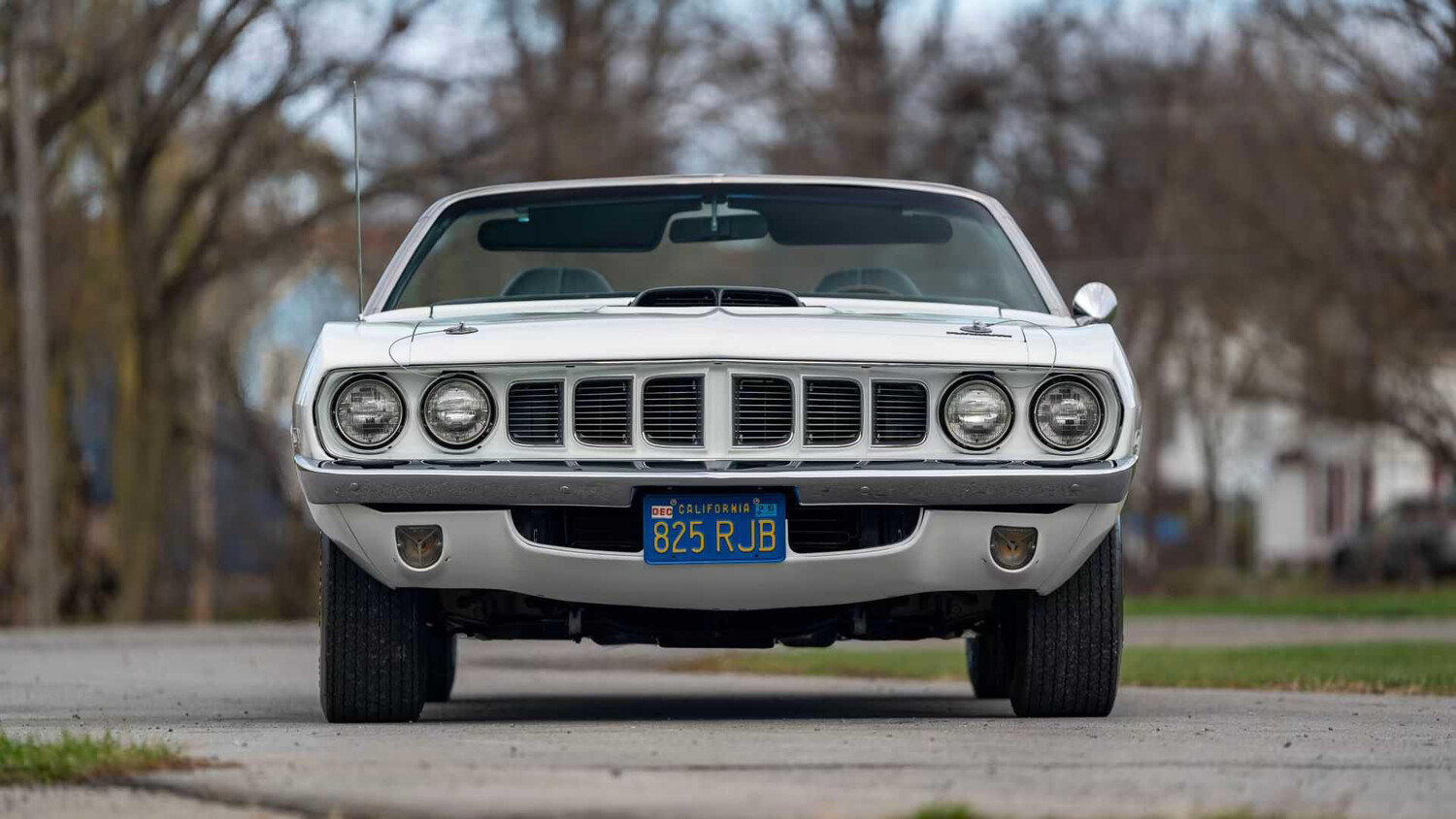
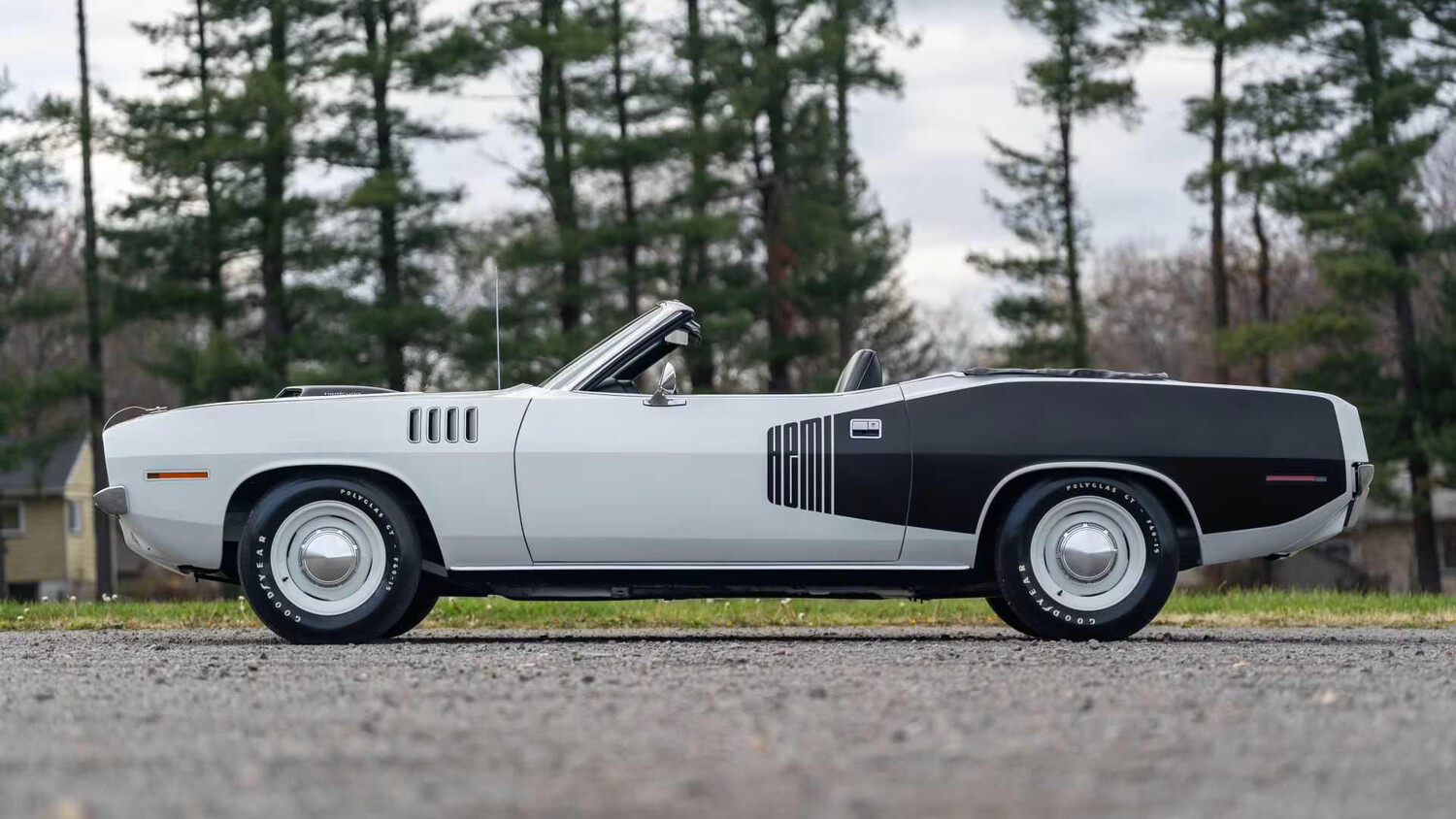
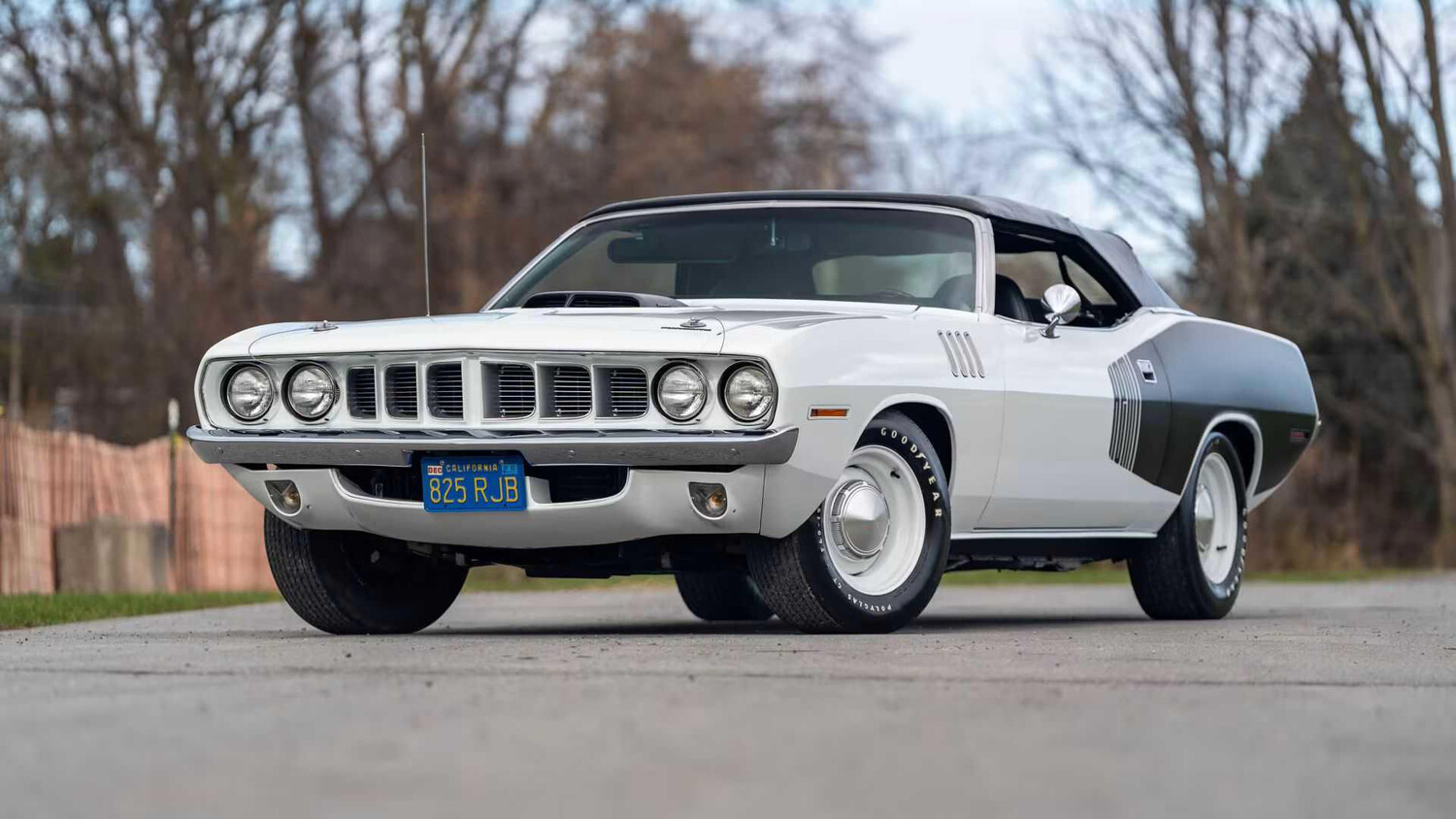
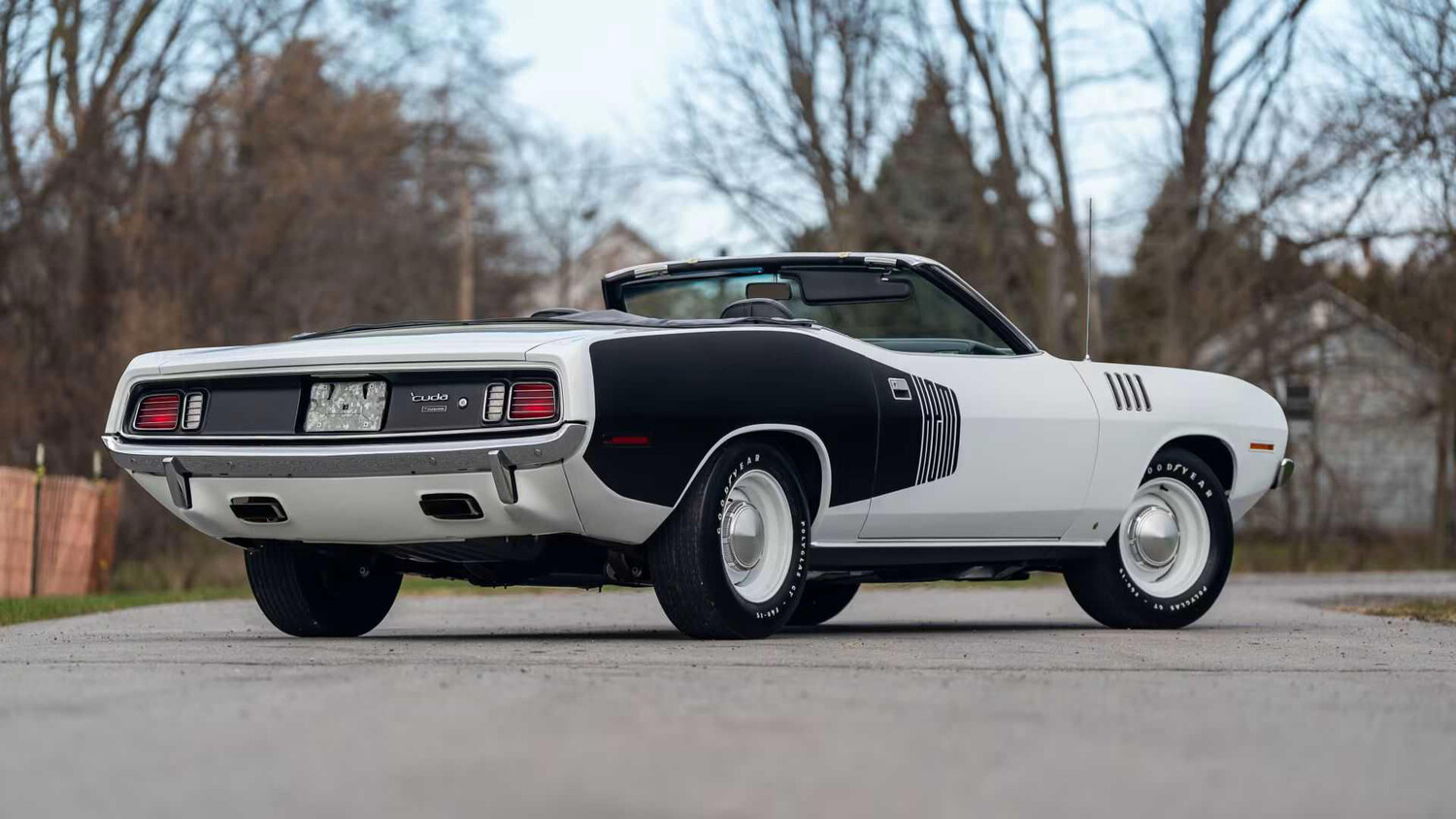
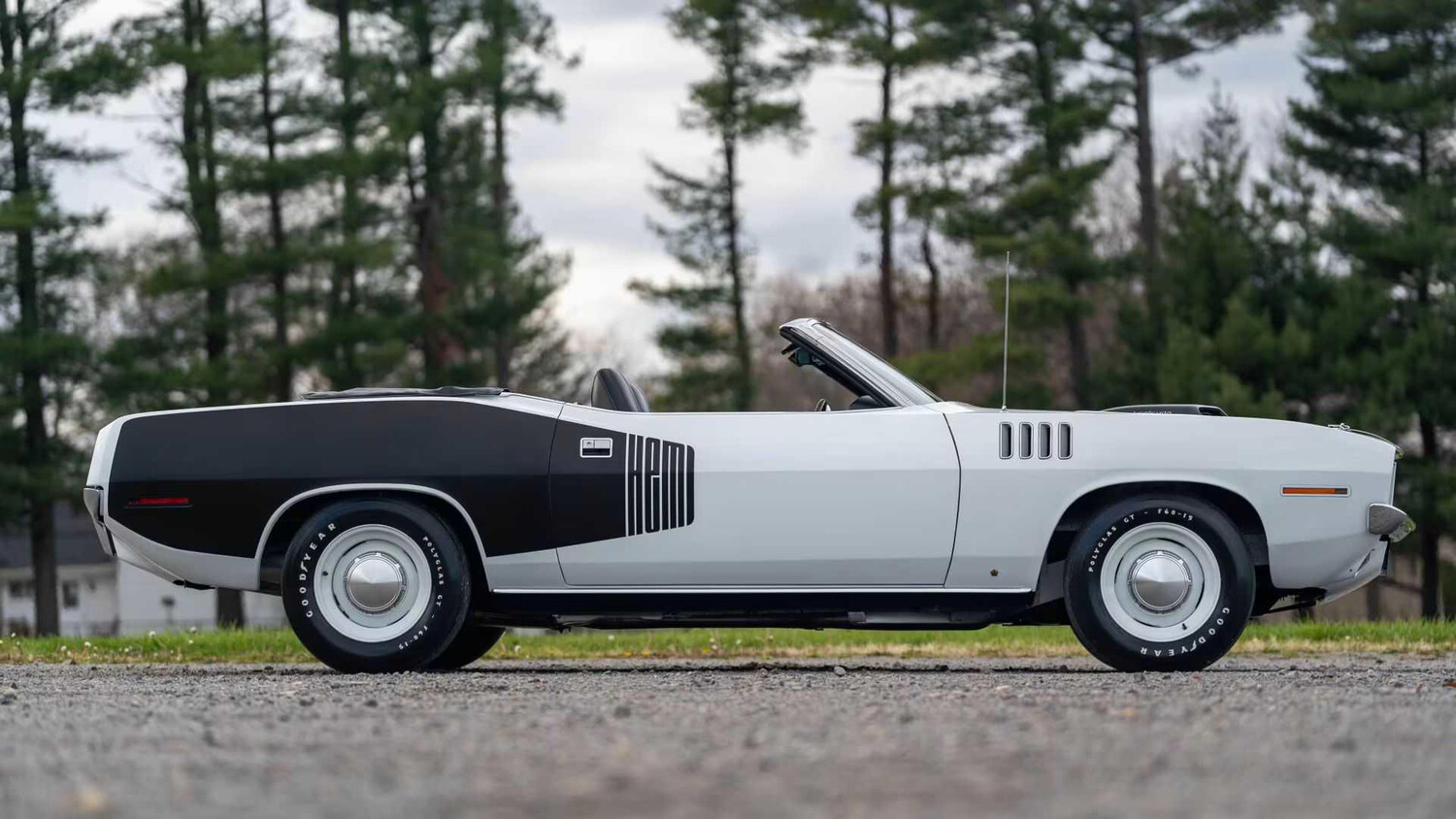
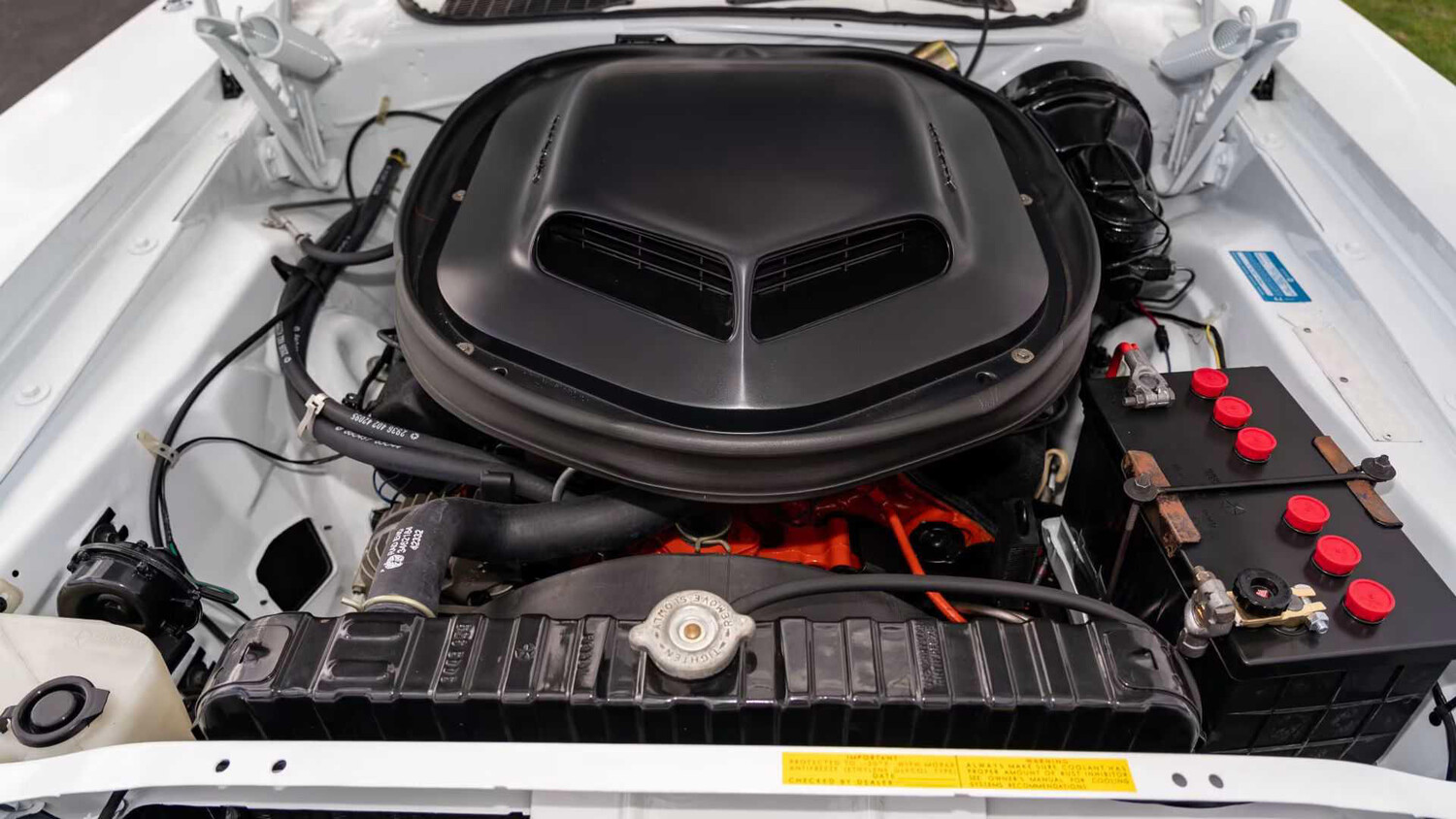
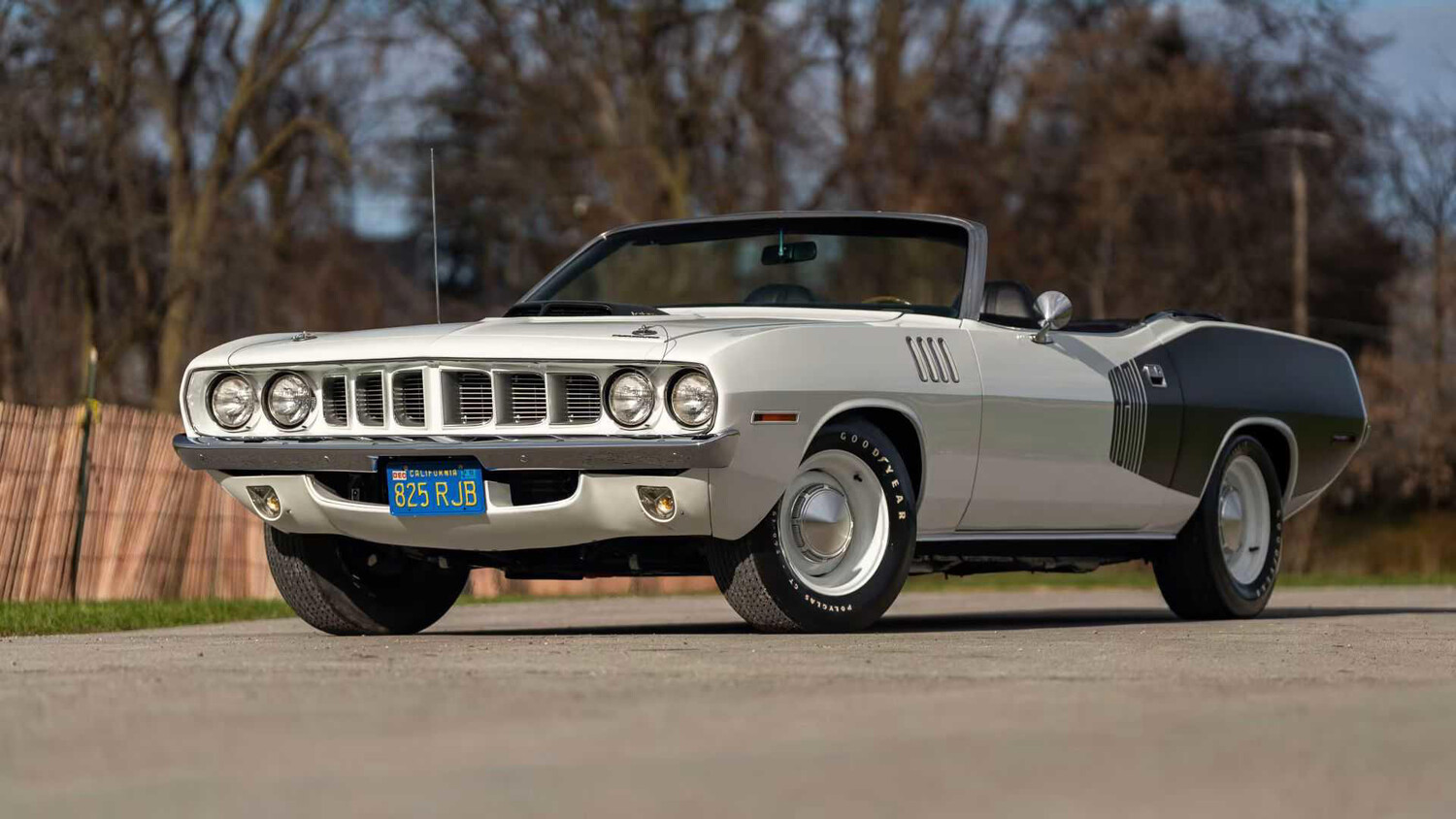
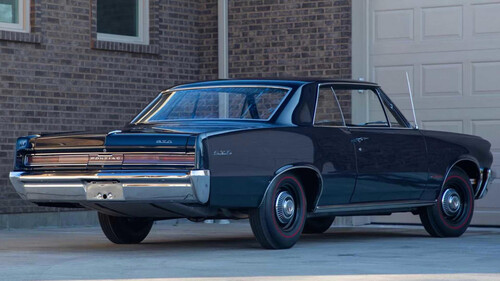
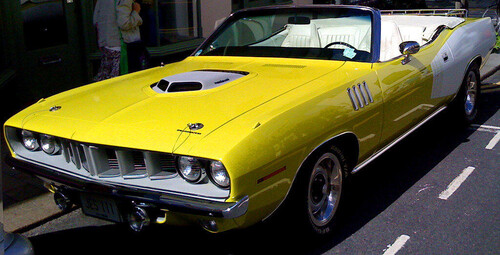
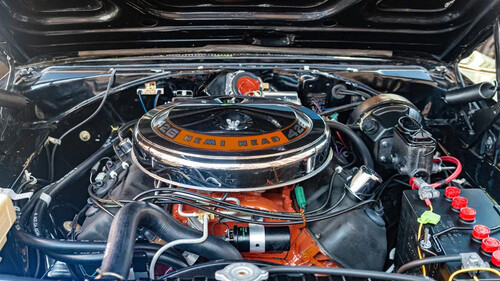
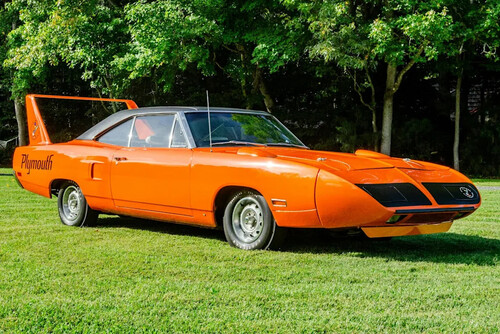
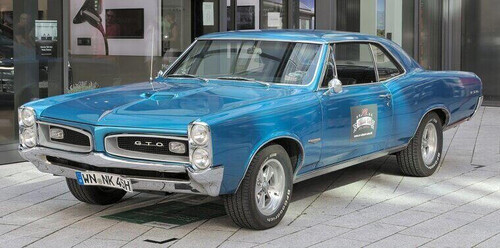
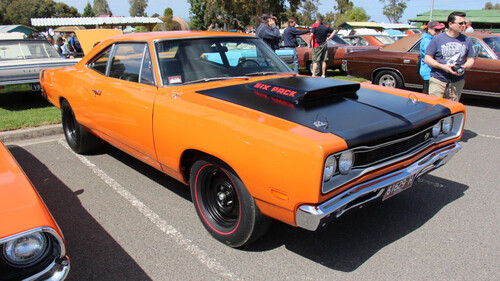
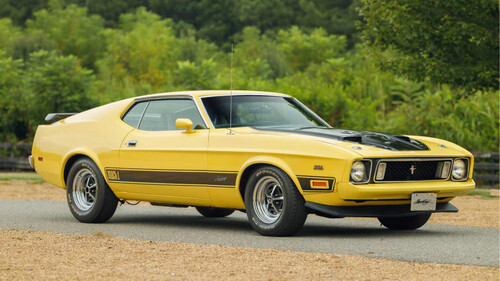
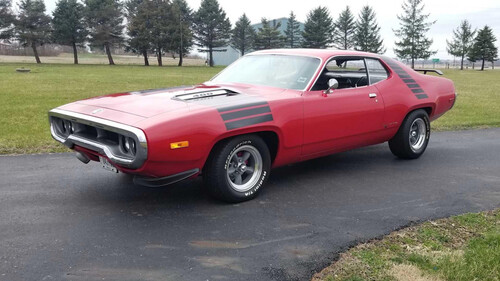
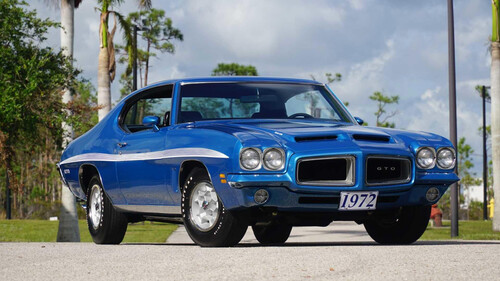
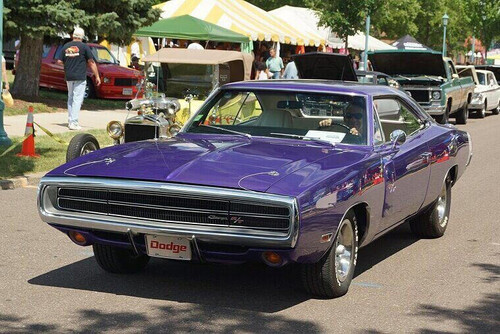
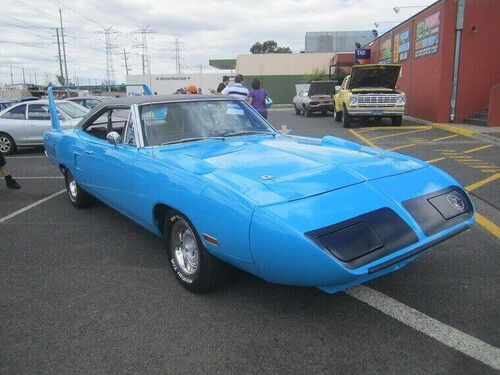
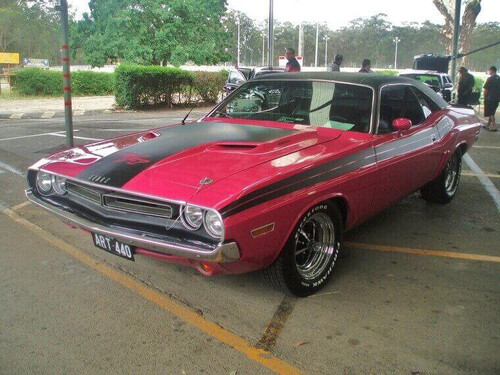
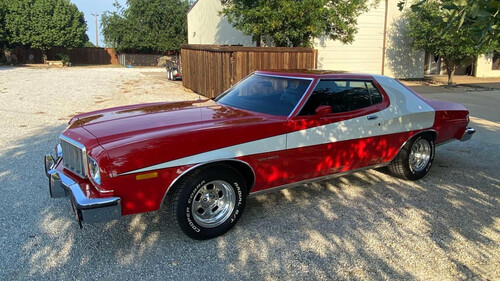
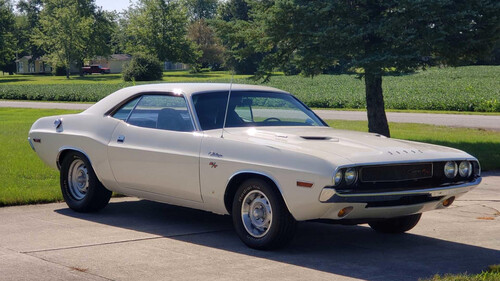
The 1970s often get a bad rap from Muscle Cars enthusiasts, and it's easy to see why. This decade marked the end of the muscle car golden era thanks to a perfect storm of regulations, rising insurance premiums, and fuel crises, and iconic powerhouses from the previous decade were transformed into sluggish, heavy shadows of their former selves.However, for a brief moment in the early 1970s, before regulations fully choked performance, one automaker built something outrageous. The ultimate example of Detroit's excess, this machine combined peak muscle car looks and race-bred power that allowed it to obliterate its rivals, but since automakers and buyers were already backing away from power, production ended up being so tiny that surviving examples now command millions. Muscle Cars Were Facing Extinction In The '70s While the muscle car formula had been seen in earlier cars, it wasn't until the Pontiac GTO's debut in 1964 that they became a distinct market category. From there, muscle cars exploded in popularity and kicked off the horsepower wars that defined the golden era. Unfortunately, as fantastic as muscle cars were, they started attracting attention from all the wrong places towards the end of the 1960s, starting with insurance companies, who raised premiums on the models they felt were getting too powerful and dangerous in the wrong hands.Then the 1970s arrived. Regulators began tightening emissions standards, introducing the Clean Air Act in 1970 that set strict emission targets and forced manufacturers to start detuning their engines. The final nail in the coffin came in 1973 when the oil crisis hit, and by that time, even the most performance-hungry gearheads viewed muscle cars as liabilities. Plymouth Wasn't Having It Via Mecum AuctionsFollowing the introduction of the Clean Air Act in 1970, the writing on the wall was clear for high-compression V8 engines: the era of unrestrained power was over. GM was among the first major automakers to fall in line when it mandated that all its engines must run on low-lead fuel, prompting its brands to lower compression ratios from the 1971 model year. Other automakers had no option but to follow suit, but Plymouth had other ideas.At the time, Plymouth still had the legendary 426 Hemi in its arsenal and faced a tough choice to either detune or discontinue it. Plymouth chose to discontinue the engine after the 1971 model year rather than strangle its performance, effectively ending the era on its own terms. Even with performance cars becoming harder to justify, Plymouth gave the Hemi a proper send-off with a special model sold only for 1970 and 1971. This insane car rewrote the rules of speed and achieved performance levels never seen before, but high prices and brutal insurance costs kept orders low. 1971 Plymouth Hemi 'Cuda Convertible: The Holy Grail Of American Muscle Cars Via Mecum AuctionsWhen Plymouth learned Ford was developing what would become the Mustang, it rushed to create its own compact performance car based on the A-body Valiant. The result was the Barracuda, which actually beat the Mustang to the market by about two weeks and represented Plymouth in the pony car wars that ensued throughout the '60s. But since its regular-production A-body architecture wouldn't accept the top-of-the-range 426 Hemi V8, even the performance-focused 'Cuda trim was outgunned by cross-town rivals.Fed up with losing to big-block rivals, Plymouth made huge changes to the Barracuda for its third generation, which debuted in 1970 just as the industry was starting to move away from performance cars. Plymouth moved the Barracuda to the slightly larger E-body platform, shared with the Dodge Challenger, finally making room for the 426 Hemi. Plymouth also restyled the car into one of the era’s most aggressive shapes, and the Hemi-powered ’Cuda quickly became the lineup’s ultimate expression. Unfortunately, with demand for performance cars waning in the early '70s and regulatory bodies cracking down on big-block engines, only about 114 Hemi 'Cudas were ordered in the final 1971 model year, and of those, only about 12 units were convertibles, which explains their holy grail status today. The Droptop That Became A Collector's Obsession Via Mecum AuctionsThe Hemi 'Cuda is often described as the most aggressive-looking muscle car ever created, and in convertible form, it was even more eye-catching. The 'Cuda Convertible sat on a shortened E-body platform and had the long hood, short deck proportions that defined muscle cars of the era and a "coke-bottle" profile with wide, muscular haunches over the rear tires.Buyers had multiple 'High Impact' color options that announced its arrival from afar, billboard side graphics, and an engine-mounted shaker hood that earned it even more points on the kickass scale. Both body styles are head-turners, but the convertibles have more collector pull since they're far rarer, have greater visual theater, and combine brute force with open-air glamor. The Small Changes That Made The '71 More Coveted Via Mecum AuctionsWhile the 1970 Hemi 'Cuda Convertible was sleek and clean, the '71 was redesigned to look like a predator and had several visual differences that made it a more eccentric and unmistakable collector version. Most notably, the front end gained quad headlights and a six-segment 'toothed' grille that gave it a wider, more menacing mouth that looked like a shark. The fender 'gills' and billboard side graphics gave it a unique side profile, while new taillights refreshed the rear profile.Despite the upgrades, Hemi 'Cuda production numbers plummeted by over 80 percent between 1970 and 1971, with a total of about 666 units built in 1970 versus roughly 114 in 1971. However, 1970 convertibles are just as rare, with only about 14 units built. Collectors Pay Millions For It Via Mecum AuctionsSource: Hagerty Valuation ToolThe 1971 Hemi 'Cuda Convertible combines the quintessential muscle car design with Hemi power and extreme scarcity, and that kind of combination doesn't come cheap. On average, the 1971 Hemi 'Cuda Convertible is valued at $2.5 million, a figure that rises to just under $4 million for one in concours condition.These figures track when you check auction results, even though they're few and far between. A Sno-White example recently sold for an eye-watering $3.3 million, and in 2021, a Winchester Gray unit failed to sell despite a stratospheric bid of $4.8 million. Yes, you read that right. The benchmark sale of a 1971 Hemi 'Cuda Convertible was in 2014 when a Bright Blue example sold for $3.85 million with buyer's premium, making it the most expensive muscle car ever at the time. The Hemi 'Cuda Was The Swan Song Of The Muscle Car Golden Era Via Mecum AuctionsWhile the Hemi 'Cuda Convertible arrived when the muscle car craze was dying down, it's often considered to be one of the purest expressions of the original muscle car formula. Everything about it captured the muscle car essence in a way that few cars built after it did: it had a giant race-sourced V8, rear-wheel drive, manual transmission availability, outrageous colors, and very little pretense of restraint.It matters today not only because it was powerful, but because it represented Detroit's refusal to go quietly. That last-of-an-era status helps explain its seven-figure appeal. The Engine That Made The Legend Inevitable Via Mecum AuctionsThe Hemi 'Cuda Convertible's main party piece was its engine, and what a masterpiece it was. Nicknamed the "Elephant Engine" for its size and weight, the 426 Hemi used hemispherical combustion chambers and huge angled valves to produce a factory-rated 425 horsepower and 490 pound-feet of torque, though most Mopar fans agree it was underrated. The mill was developed to withstand the extreme mechanical stress of high-rpm racing and featured cross-bolted main caps and heavy-duty internals like a forged steel crankshaft, forged steel connecting rods, and forged aluminum pistons.Introduced in the mid-1960s to replace the Max Wedge as Chrysler's top-tier engine, the Hemi was built with only one goal: to help Mopar establish dominance on the road and track, and it delivered exactly that. It powered famous competition machinery such as the Dodge Charger Daytona, the first NASCAR stock car to break 200 mph, and when it trickled down to road-going cars, it created legends like the Dodge Challenger R/T, the Hemi Dart, and the Hemi 'Cuda. It Reset The Performance Benchmark Via Mecum AuctionsThe combination of a relatively lightweight E-body and a racing engine created a brute that devoured drag strips and dominated stoplight-to-stoplight battles. The car also featured heavy-duty suspension, a massive 9.75-inch Dana 60 rear end with a 3.54:1 gear ratio, Sure-Grip limited-slip differential, oversized 11-inch drum brakes, a high-capacity radiator, and a shaker hood that fed cool air into the carburetors at high speeds, which further enhanced performance. Shifting duties were handled by either the A727 TorqueFlite three-speed automatic or the A833 four-speed manual with a floor-mounted Hurst Pistol-Grip shifter.In period tests, the Hemi 'Cuda could accelerate to 60 mph in under 6 seconds and recorded quarter-mile passes in the mid-13s to low-14s range from the factory, putting it in a class of its own. However, since it relied on drum brakes for stopping power and bias-ply tires, it required skill, restraint, and experience. After 1971, The Magic Was Gone Via Mecum AuctionsWith 426 Hemi gone after 1971, the 'Cuda became a shadow of its former self. A 340 cubic-inch small-block V8 became the top engine option and only offered 240 horsepower (net), and in just one year, the top-tier performance dropped from a mid-13-second quarter-mile to a mid-15-second range. Power figures also tumbled across the industry, and by the mid-'70s, many "muscle" names were applied to vehicles that prioritized luxury over speed.The 1971 Hemi 'Cuda marked the end of what many consider to be the greatest era of the American auto industry, and in convertible guise, it created a rarity and final-year overlap that pushed prices into the stratosphere as the years passed. As the most coveted, most symbolic, and most complete expression of an American muscle car, the Hemi 'Cuda will always be the poster child for the Golden Era.