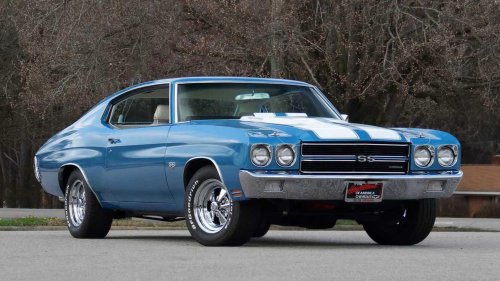
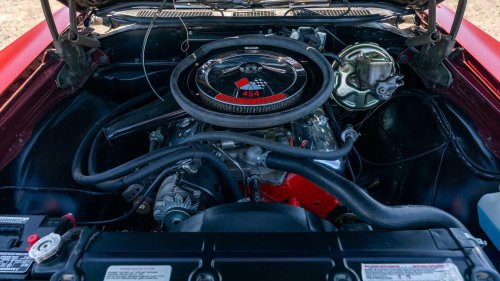
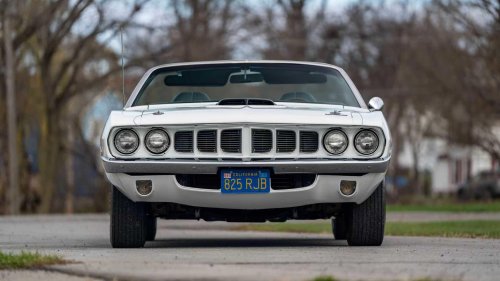
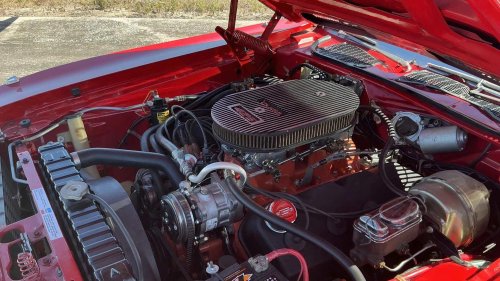
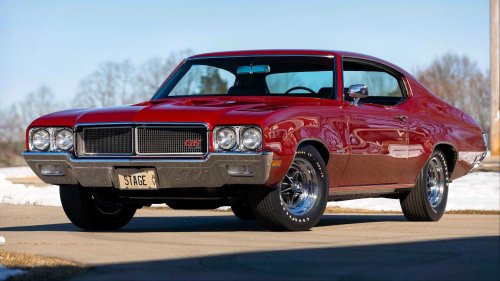
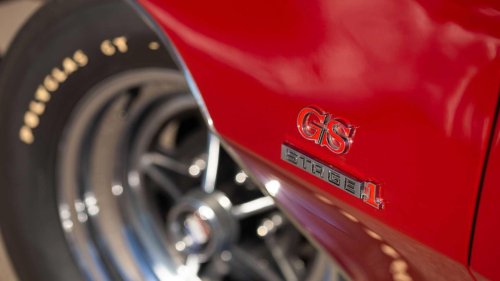
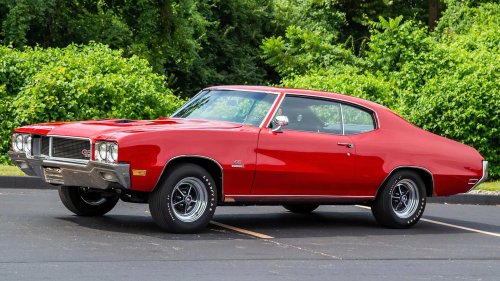
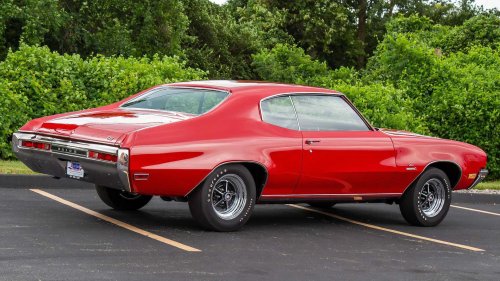
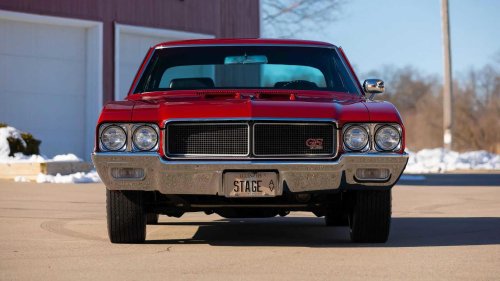
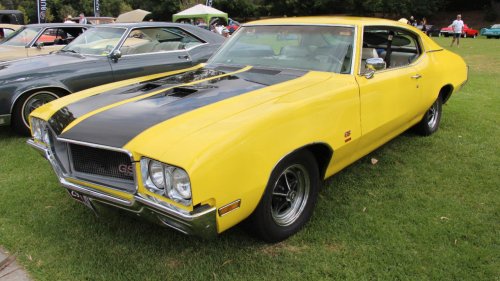
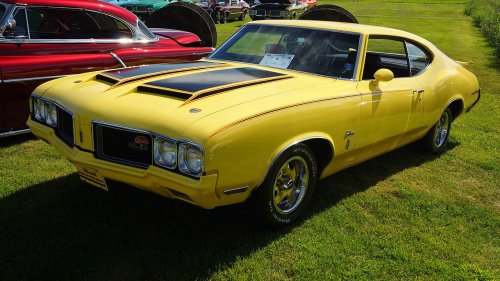
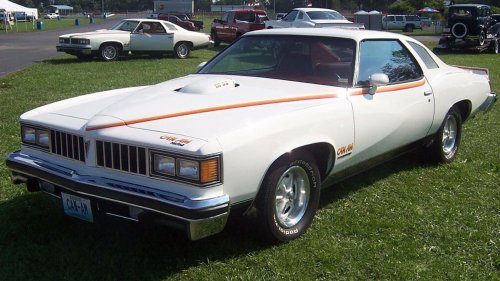
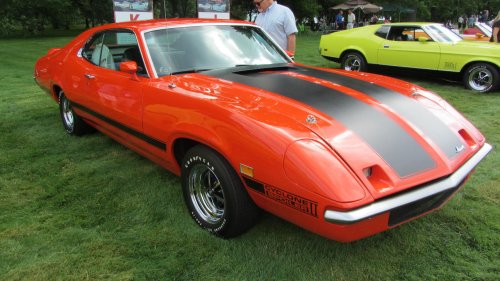
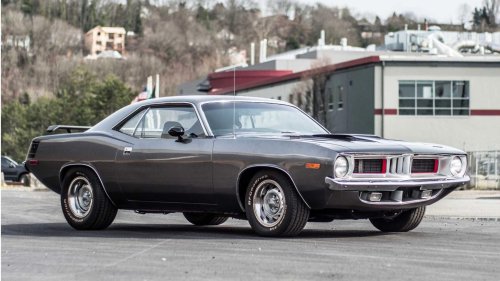
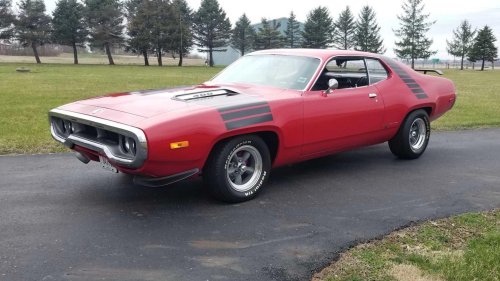
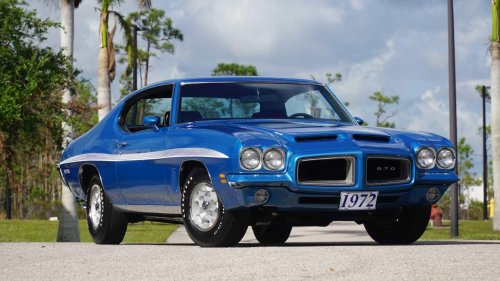
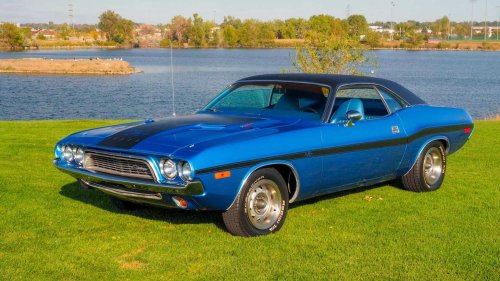
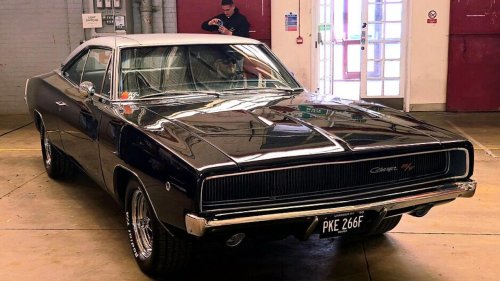
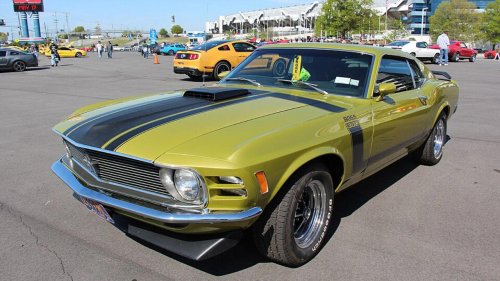
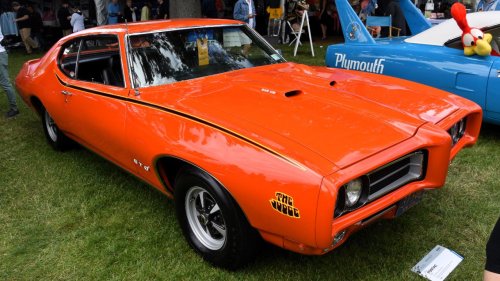
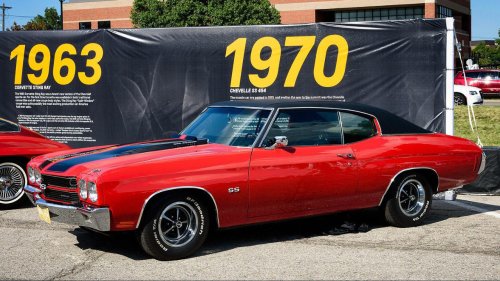
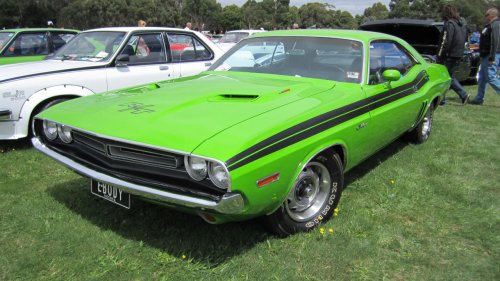
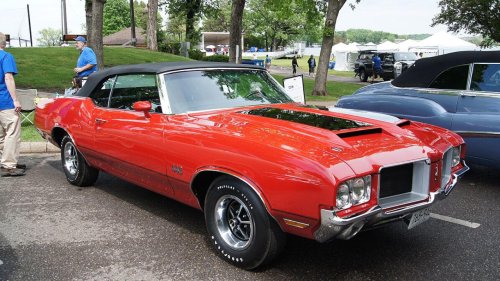
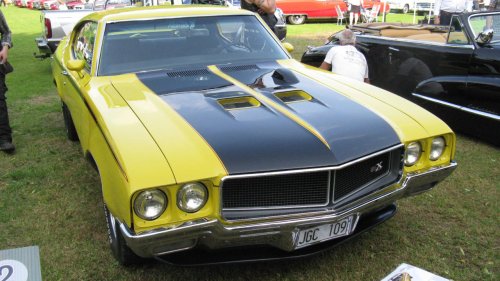
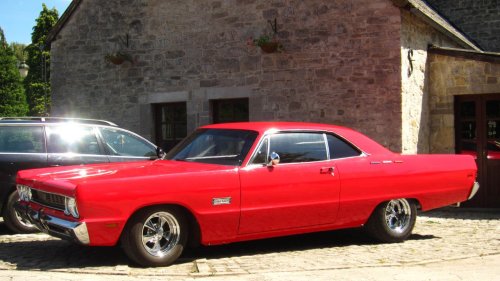
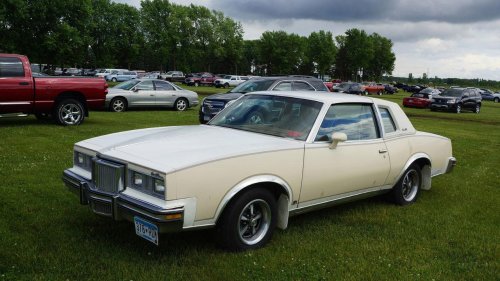
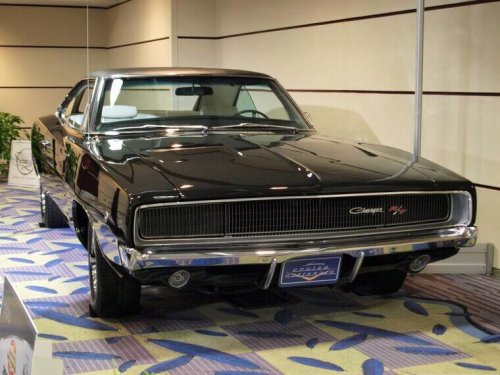
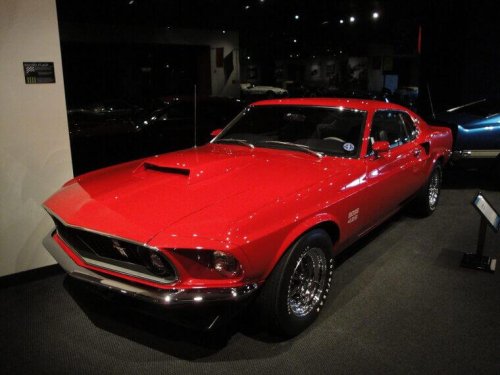
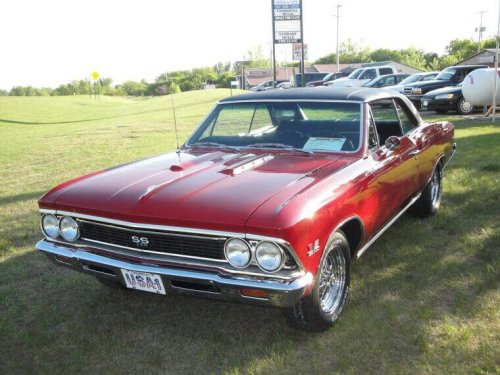
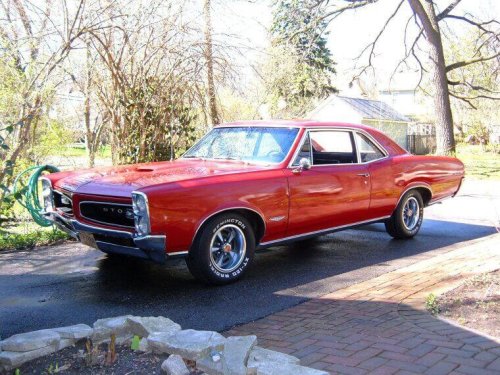
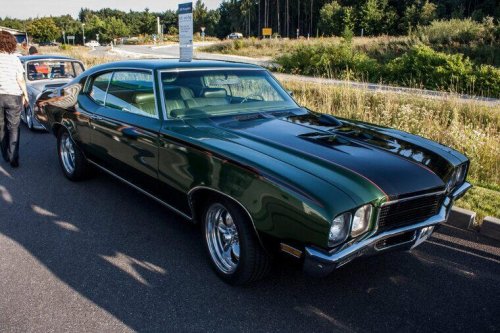
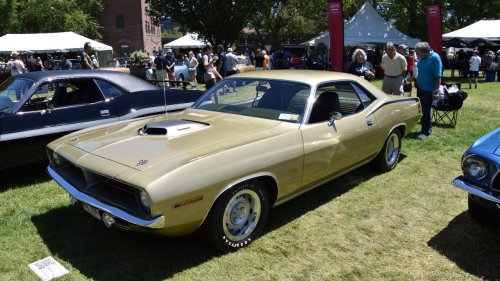
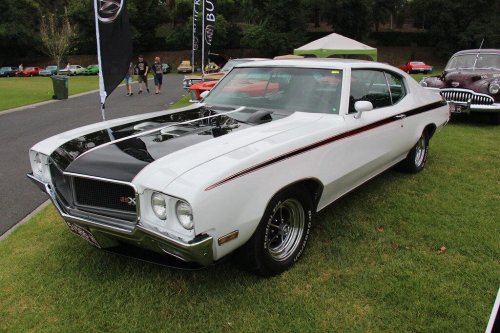
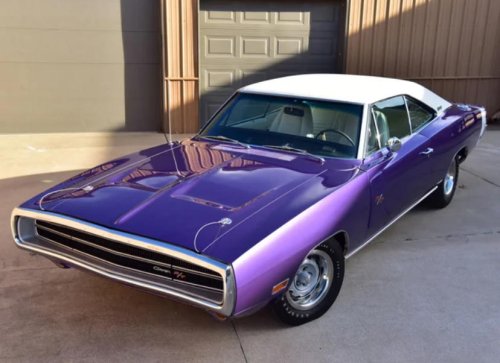
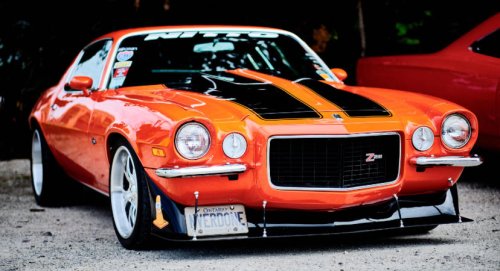
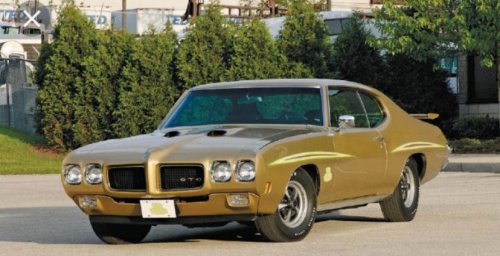
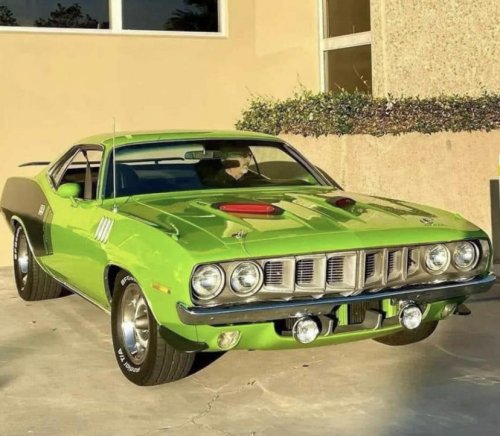
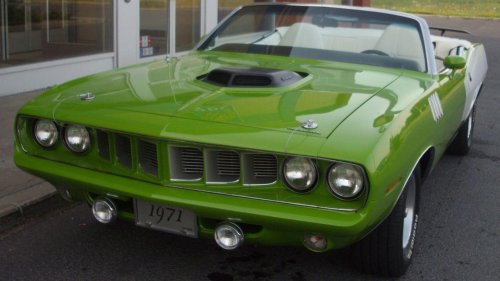
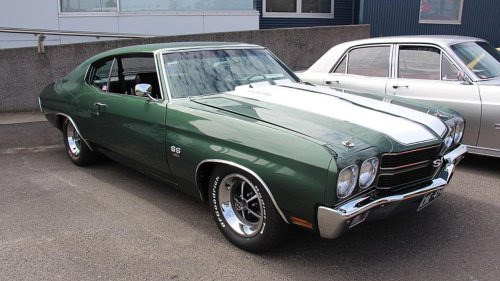
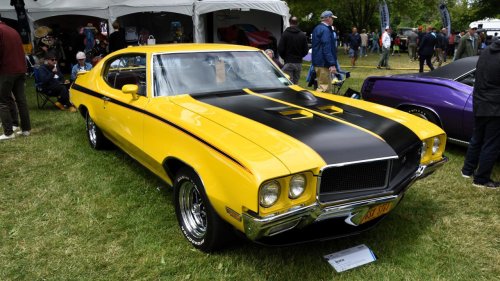
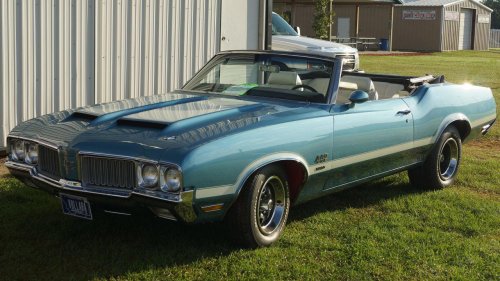
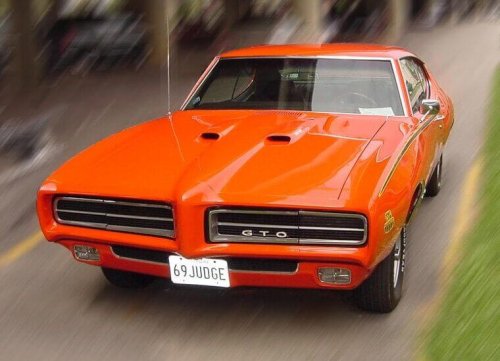
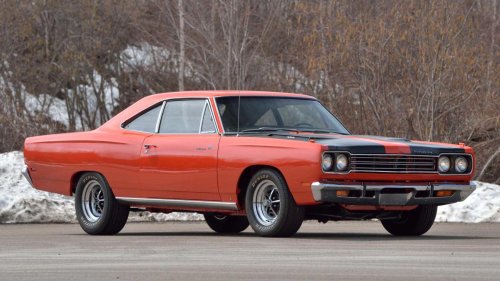
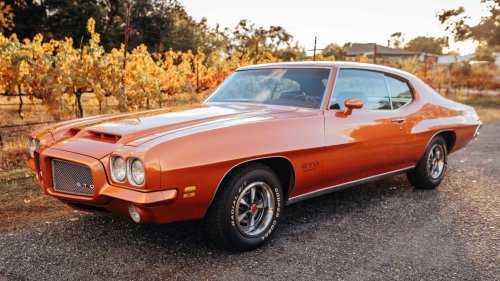
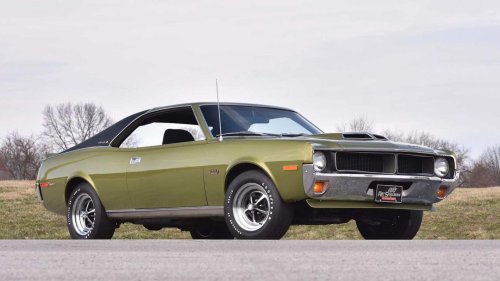
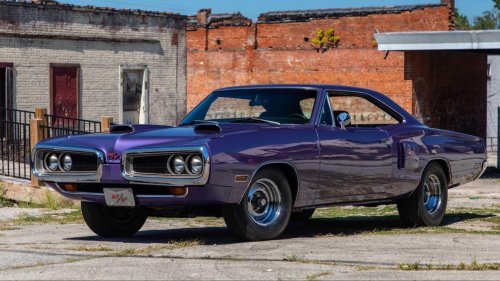
The golden age of muscle cars looked like a street fight dressed up as a marketing war. Chevrolet had the Chevelle, Plymouth had the Hemi ’Cuda, Pontiac had The Judge. Every brand pushed cubes, stripes, hood scoops, and horsepower numbers that sounded large enough to bend the calendar. In 1970, GM even dropped its over-400-cubic-inch limit for midsize cars, and the whole segment got louder, brasher, and a lot more serious in a hurry.However, the quickest car of the bunch, at least in period magazine testing, was not the one most people still brag about at every cars-and-coffee parking lot summit. One overlooked machine clicked off a 13.38-second quarter-mile at 105.5 mph, edging better-known heavy hitters like the Hemi ’Cuda and the LS6 Chevelle in comparable period tests. It embarrassed the legends, then hid in plain sight. Everyone Remembers The Icons, But That’s The Problem Mecum Ask a room full of muscle car fans to name the kings of 1970, and the same few cars usually stomp into the conversation first. The Hemi cars show up fast, so do the LS6 Chevelles and the wildest GTOs. That makes sense, of course – those cars had the poster power, the louder ad copy, and the kind of styling that looked fast even while parked. They owned the reputation game before the green light even dropped.But memory cheats. It hangs onto stripes, wings, and folklore, and tends to forget the cars that simply worked. The quarter-mile, on the other hand, acts like a rude lie detector – it does not care who got the bigger magazine cover or whose hood decal shouted the loudest. It only cares who got to the traps first.Mecum The other problem sits in the way the era sold power. Bench racers loved horsepower because the number looked clean and easy. A 425-hp Hemi or a 450-hp LS6 could win an argument before the engine ever fired, yet street performance rarely followed a neat ad-man script. Torque, axle ratio, traction, weight, and shift timing mattered just as much, sometimes more.Then there was brand baggage. Some divisions sold rebellion, others sold comfort, quiet, and a ride soft enough to keep coffee in the cup. The sleeper in this story came from the second camp, and period testers even played with that image, calling it an “old man’s car” while watching it rip off brutally quick numbers. The Numbers Often Tell A Different Story Via Mecum Auctions Once the time slips hit the table, the story gets awkward for the usual kings. Motor Trend tested that car at 13.38 seconds and 105.5 mph in the quarter. In a period Cars road test, the 1970 Hemi ’Cuda ran 13.45 at 105 mph, while Hot Rod’s 1970 LS6 Chevelle test posted a 13.44 at 108.7 mph. Motor Trend's Ram Air IV GTO test ran 13.87 seconds in the quarter-mile. All of them were serious machines, but one was still quicker than the rest of that group on paper.The real sting comes from the context. The quick car in question did not arrive as some stripped drag special. Motor Trend weighed the automatic version at 3,810 pounds and the four-speed at just under 3,750. It had a full interior, real street manners, and the kind of build quality the magazine praised as strong and solid. It could idle through traffic, then knock out a 13-second pass. That made it more dangerous than a one-trick bruiser.Bring A Trailer Its advertised horsepower also looked almost polite next to the brawlers of the day. The engine carried a factory rating of 360 horsepower, which sounded modest beside 425 from the Hemi and 450 from the LS6. Yet its torque figure sat at 510 pound-feet, and it peaked at just 2,800 rpm. That kind of low-speed twist could move a heavy A-body in a hurry.Then came the sneaky part. Motor Trend found that the automatic version actually got through the quarter quicker than the manual. Buick had recalibrated the automatic’s governor to allow higher-rpm shifts, and the magazine said the automatic shifted perfectly at 6,000 rpm. The stick car ran well too, but it had a habit of bogging near 5,500. The Quiet Killer Was The 1970 Buick GS 455 Stage 1 MecumThat car was the 1970 Buick GS 455 Stage 1, and the plain GS matters every bit as much as the louder GSX cousin. This was the Buick that slipped past the noise and landed the punch. Motor Trend’s 13.38-second run at 105.5 mph led Hot Rod, years later, to note that the magazine had proclaimed the Stage 1 the quickest American production vehicle it had tested at the time. That line still sounds absurd until the numbers show up and back it. Then it sounds absurd again.The hardware explains why it hit so hard. Buick's 455-cubic-inch V8 used a 4.3125-inch bore and 3.90-inch stroke, 10.5:1 compression in Stage 1 trim, a Rochester Quadrajet four-barrel, and a factory rating of 360 horsepower at 4,600 rpm with 510 pound-feet at 2,800 rpm. Stage 1 brought larger valves, relieved valve pockets in the heads, stronger springs, a hotter cam with more lift and duration, richer carb jetting, more ignition advance, and a low-restriction dual exhaust. Buick basically hid a fist inside a driving glove.Mecum The rest of the package looked just as smart. Buyers could pair the engine with a Turbo Hydra-Matic 400 automatic or a close-ratio four-speed. Stage 1 cars used a 3.64:1 performance axle in most cases, with a 3.42 available when air conditioning entered the picture. The automatic got specific internal tweaks for firmer shifts. Even the optional Rallye Ride package came cheap and added the kind of suspension help that made the big Buick more than a straight-line hammer.At the time, Buick charged $199.05 for the Stage 1 option on the GS 455. The wild GSX package could add the stripes, spoilers, hood tach, and billboard tires, but the regular GS 455 Stage 1 kept the same heart with far less theater. That subtlety made it the perfect sleeper. Why The Buick Got Overlooked Anyway Bring a Trailer | User: Stlcm First, Buick’s image got in its own way. The division built comfort cars and upscale cruisers. The brand’s dealers were more used to selling Electra 225s than explaining a street racer’s revolution on the showroom floor. In other words, the car arrived faster than the brand’s reputation could keep up. That happens all the time in performance history.Second, the flashy version stole some of the memory. The GSX, with its stripes, wing, hood tach, and two wild colors, looked like the kind of thing that begged for a magazine centerfold. But the standard GS 455 Stage 1 did most of its work without all that costume jewelry. Production numbers show 2,465 Stage 1 hardtops and 232 Stage 1 convertibles for 1970, while the GSX Stage 1 accounted for just 400 hardtops.Third, the Buick lost the bench-racing argument before the race started. A 360-hp rating looked tame parked next to 425 and 450 on a showroom window sticker. Most people saw the number and stopped thinking – they missed the 510 pound-feet torque peak at 2,800 rpm, the careful transmission tuning, and the way the car actually behaved on a drag strip. The GS 455 Stage 1 did not win the beauty contest or the shouting match, but it won the part that mattered. The Muscle Car That Proved Image Isn’t Everything Bring a Trailer | User: Stlcm That is why the 1970 Buick GS 455 Stage 1 still matters today. It proved that a muscle car did not need comic-book styling or a famous nickname to become a killer – it could carry a softer image, better manners, and a quieter cabin, then go out and run numbers that forced the whole room to recalculate. The formula was a rare one – a blend of abundant torque, strong power, and luxury. Buick built a luxury bruiser long before the phrase turned trendy.The market has started to catch on, though it still has not gone fully insane. Hagerty currently pegs a 1970 GS 455 Stage I sport coupe in good condition at about $50,300, while a Stage I convertible in good condition sits at about $103,000. Those numbers make a strong case for the Buick as one of the more interesting buys in serious muscle. The car offers real period performance, real rarity, and a story that still surprises people who think they already know 1970 by heart.Bring A Trailer The ceiling climbs far higher when the right car shows up. Hagerty says the highest public sale of a 1970 Buick GS 455 Stage I over the last three years reached $313,500. This is huge, and basically means collectors no longer treat these cars like background music. Not every Stage 1 will land in that zip code, of course, but the old “underrated Buick” line keeps getting harder to say with a straight face when six-figure bids start flying.In the end, the GS 455 Stage 1 did more than run quick. It exposed a blind spot in the whole muscle car myth – the era did not belong only to the loudest names or the flashiest sheetmetal, at least when it came to actual quarter-mile performance. It also belonged to one brutally smart Buick that used torque, gearing, and careful engineering to outrun its own reputation.