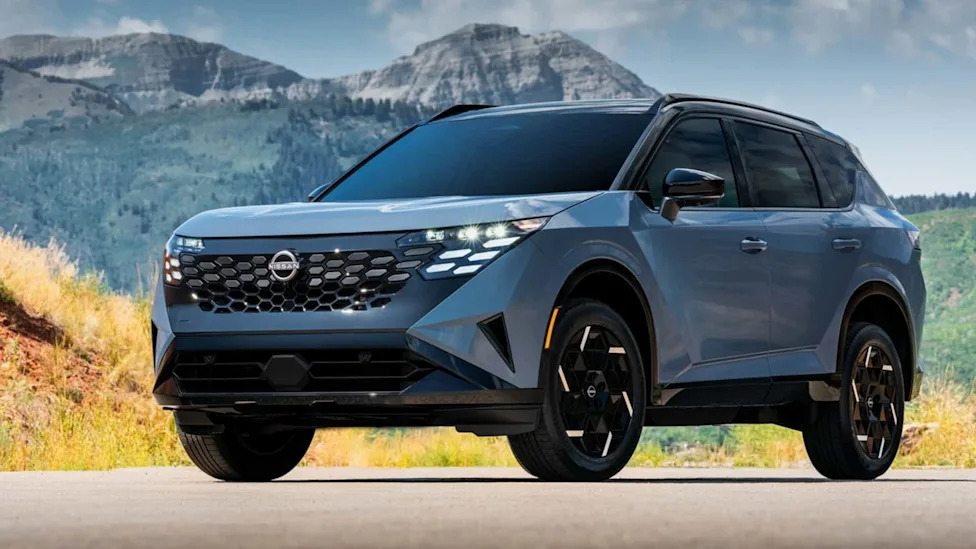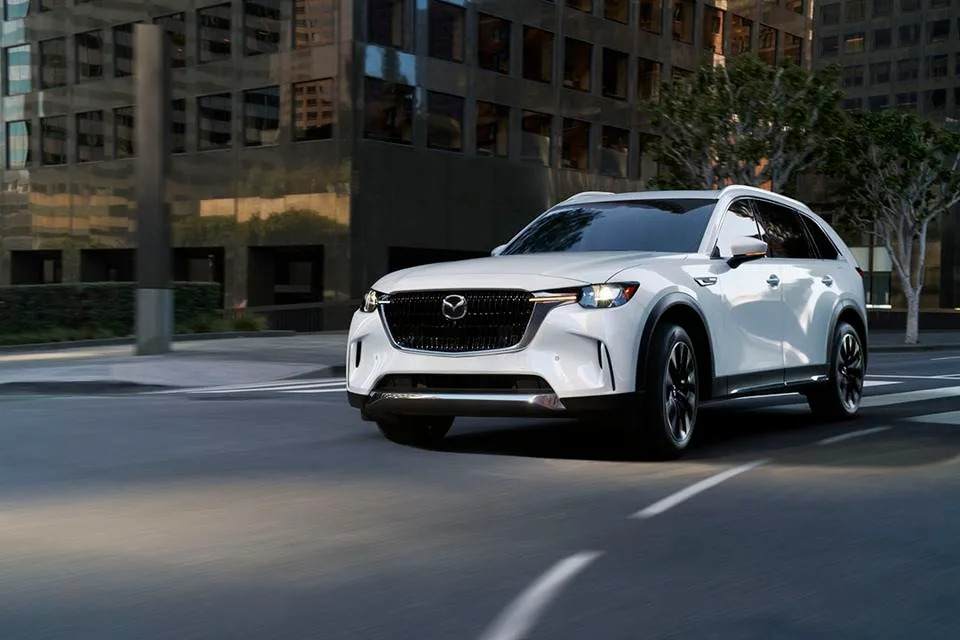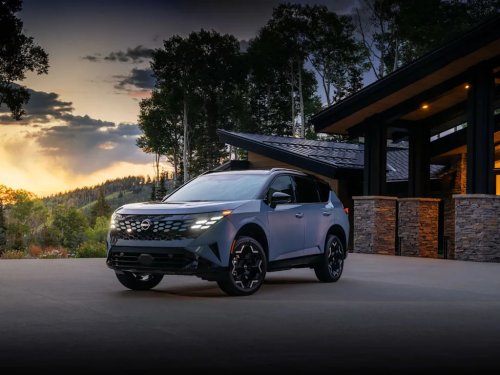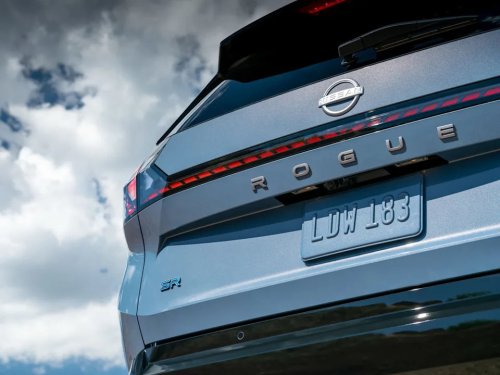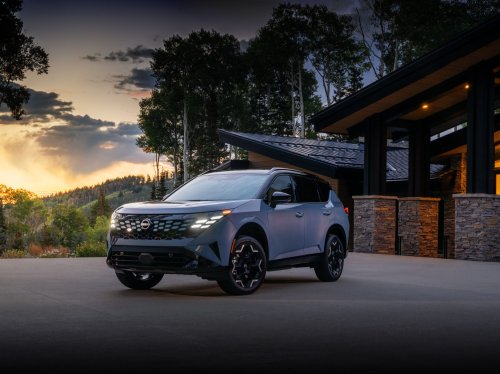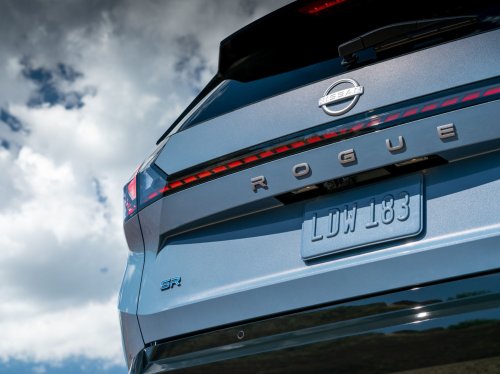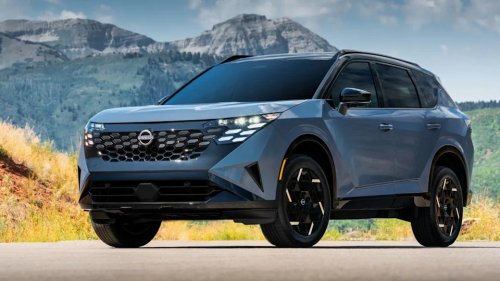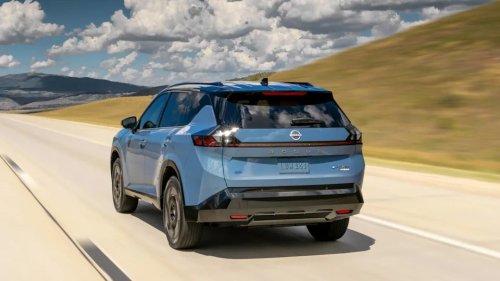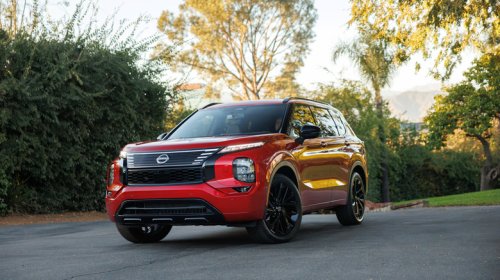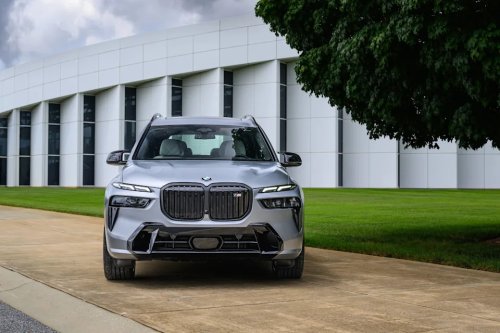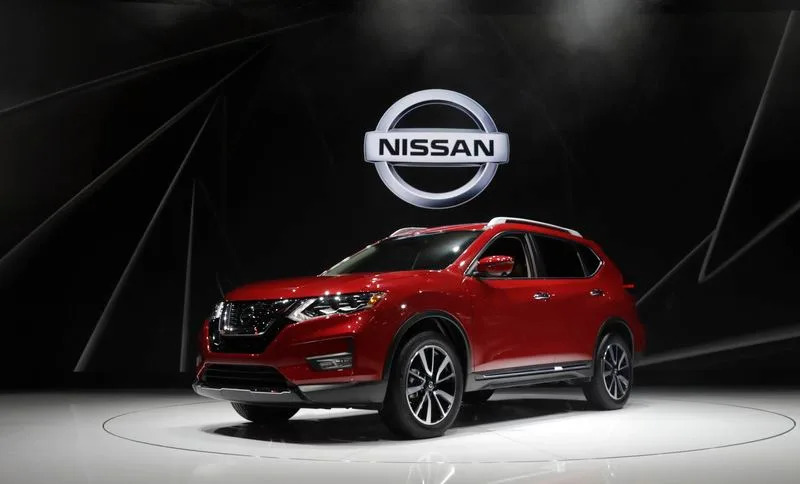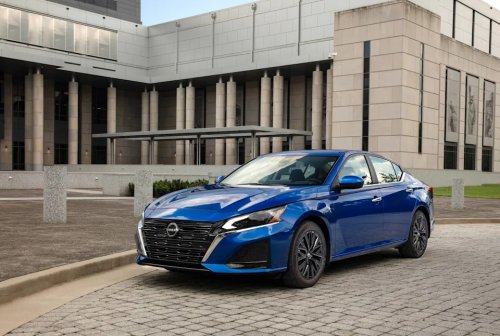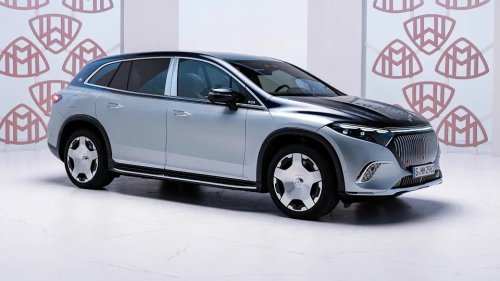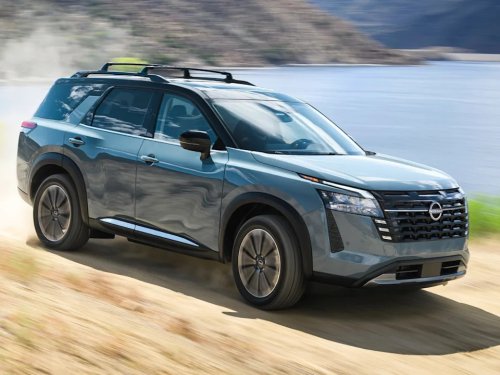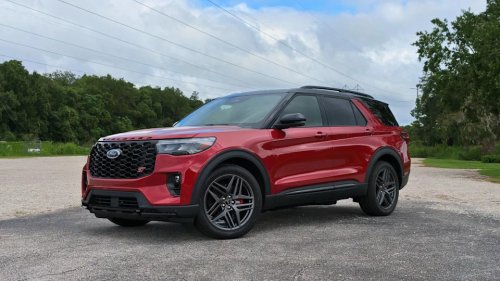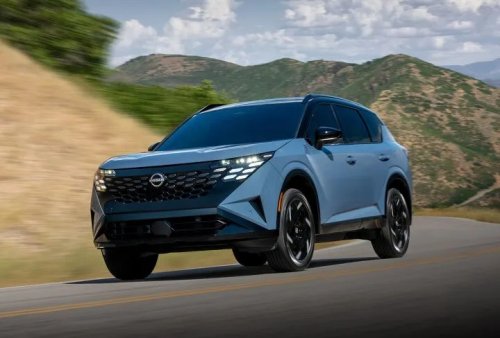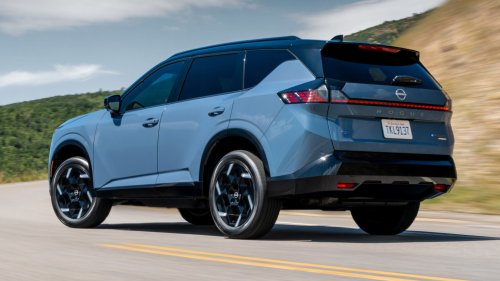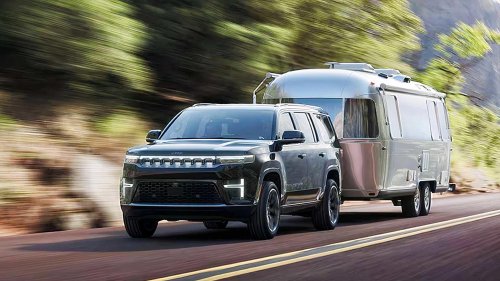
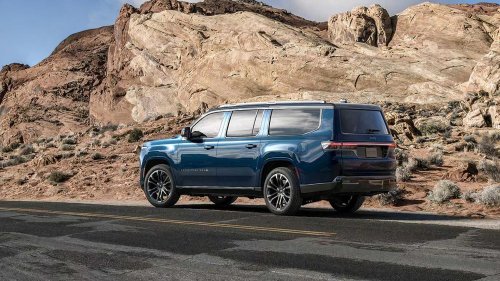
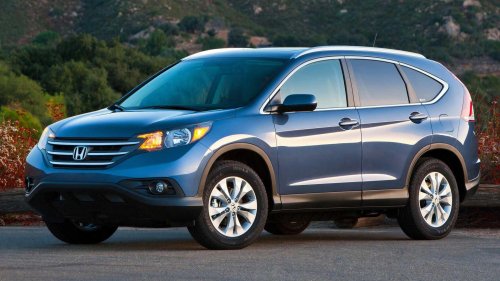
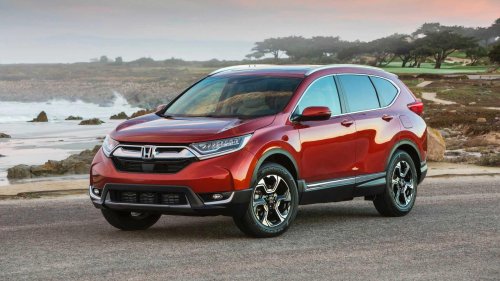
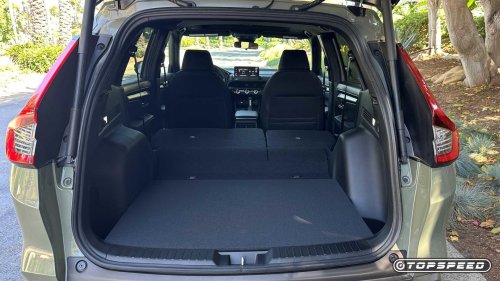
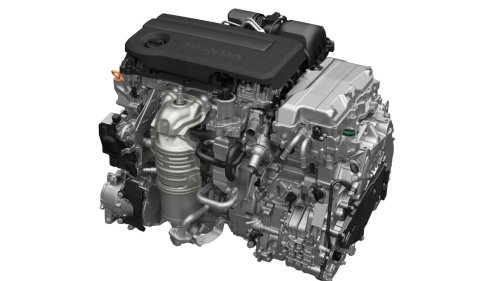
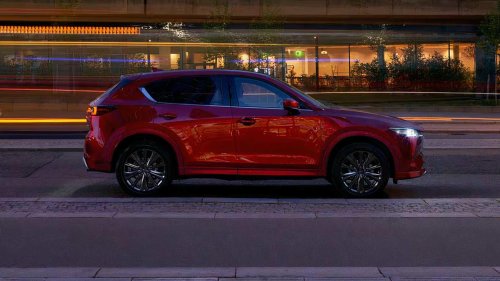
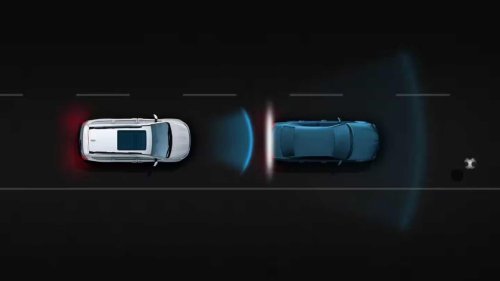
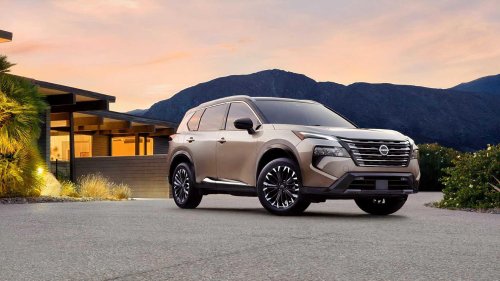
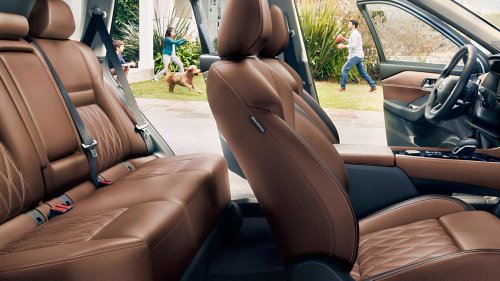
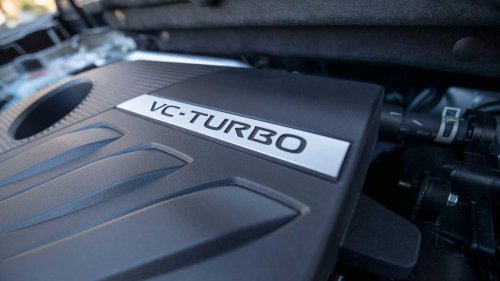
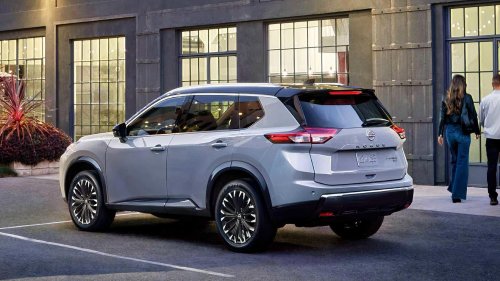
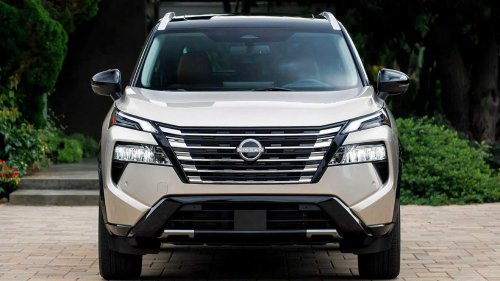
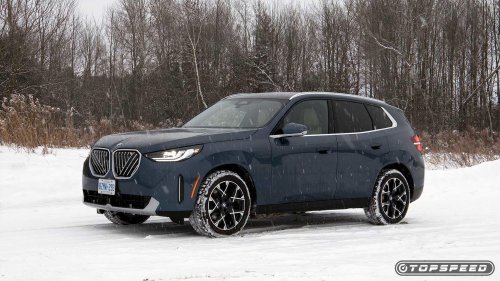
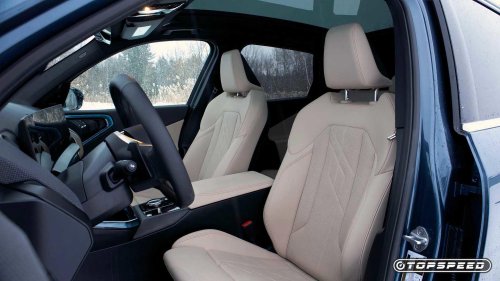
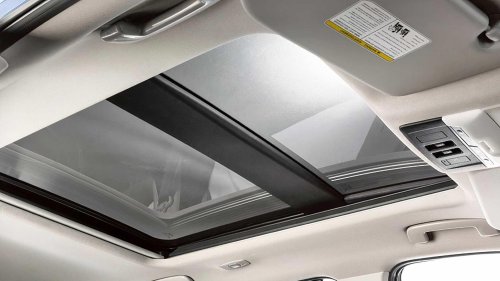
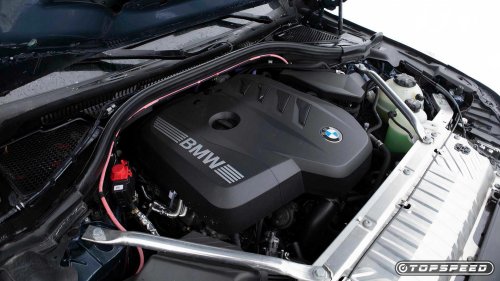



















Is it not obvious that the modern SUV market has become both bloated and overpriced in recent years? The fact is that consumers nowadays are paying more for prestige and size that they don't need. We know that big and imposing SUVs look cool, but at what cost? Like clockwork, every new SUV generation gets bigger and, of course, more expensive. There is one overlooked nameplate, however, that bucks this trend by delivering on every metric that actually matters without unnecessary price inflation. Most SUVs Are Too Big And Too Expensive JeepThe ideal SUV is a vehicle that excels at both versatility and value. The versatility part is certainly still there, but the value promise has quietly eroded. Most mainstream crossovers come loaded with features that inflate the base price without providing meaningful functionality. The Average Price Of A New SUV Is Unjustified JeepAs sticker prices for most crossovers have climbed past the $40,000 mark on average, the general affordability of new cars has never been worse. Consumers nowadays are taking on massive debt and stretching budgets further than ever just to get to work and back. Loan terms are longer than ever, with some contracts now extending to the 72-to-84 month range to make monthly payments seem more affordable. This strategy creates a psychological decoupling that makes consumers believe that as long as they can afford the monthly payment, the actual vehicle cost is irrelevant. The market is so disoriented that "affordable" is now a term used to describe $35,000 vehicles. Yet, average wages have remained stagnant while vehicle prices have exploded in the same time frame. Size Creep Makes SUVs Lose Practicality HondaAutomakers have spent millions on hammering the idea into your head that bigger is better. They want you to believe that the perception of value is dependent on physical size. That is why the average compact SUV has grown about six inches in length alone in the past decade. In truth, larger footprints mean parking is more difficult, fuel economy is worse, and interiors aren't proportionally roomier.HondaRarely do generational size increases focus on optimizing cargo room, but rather, wheelbase gains are created for appearance. For example, the 2024 Honda CR-V increased in length by 6.5 inches compared to the 2014 Honda CR-V, but it only gained 5.6 cubic feet of additional cargo room. For context, that is about one "extra-large" moving box in added space, despite the dramatically increased overall proportions. Efficiency, Comfort, And Cargo Are What Really Matter Nicole Wakelin | TopSpeedIf we take away the badges and bragging rights, most consumers want five things from an SUV: good fuel economy, a comfortable interior, functional cargo space, solid driver assistance, and a good price. Not every SUV has the same marketing budget, so sometimes, the best options aren't the ones you see promoted daily. The Current Benchmarks Of Segment Leaders 2025 Honda CR-V-04Let's take a look at some benchmarks for compact crossovers that dominate the segment, like the Toyota RAV4 and Honda CR-V. The 2025 Toyota RAV4 LE FWD and 2026 Honda CR-V LX FWD achieve 30 mpg combined while the 2025 Mazda CX-5 gets 29 mpg combined. The 2026 Honda CR-V has the most cargo room of the group, with 76.5 cubic feet, while the 2025 RAV4 offers 70 cubic feet, and the 2025 CX-5 offers 59.3 cubic feet.MazdaThe Mazda CX-5 offers the most comprehensive safety suite with standard i-Activsense, which includes blind-spot monitoring, rear cross-traffic alert, and rear automatic emergency braking. However, the CX-5 does lack lane-centering assist at the same level as the CR-V or RAV4, which feature active centering. The Standards Of Modern ADAS Tech ChryslerAdvanced driver assistance systems are now considered a core feature of modern crossover SUVs. Before, these features were considered luxury-level add-ons, but now mainstream brands are expected to offer a comprehensive suite at the base trim level. As a result, the brand that can offer the best driver assist tech wins the value war. One nameplate in particular has become the benchmark for standard tech at the sub-$35,000 price point. It offers hands-on highway assist with lane center and adaptive cruise, just like the CR-V and RAV4, but for less than its Japanese rivals. It has also been an IIHS Top Safety Pick+ for several years, but it rarely gets the attention that the segment leaders get. The Nissan Rogue Hits All The Right Marks That Most Buyers Need NissanYou may have guessed it by now, but the compact crossover we have been referencing is none other than the 2026 Nissan Rogue, which has quietly become one of the most complete options available in the segment. Why? Its engineering efforts are all focused on what everyday commuters actually need. 225 Lb-Ft Of Torque And Zero Gravity Seats NissanNissan's Zero Gravity seats might sound like a bunch of marketing mumbo-jumbo, but once you feel them for yourself, you will know the hype is real. Yes, they are derived from NASA research, and that sounds very cool, but these seats are still often overlooked in many reviews. They simply feel better than most offerings in the compact-SUV segment—you have to experience them to believe it.Nissan USAThen there is the performance offered by the Rogue's 1.5-liter VC-Turbo inline-three engine. This compact unit offers 225 lb-ft of torque at 2,800 RPM, which is leagues ahead of the 2025 RAV4's 184 lb-ft of torque at 5,000 RPM, and the 2026 CR-V's 179 lb-ft of torque at 1,700 RPM. Nissan's engine might be the smallest, but it feels the most confident of the trio under your foot. If you didn't know, you would never guess the VC‑Turbo is a three‑cylinder engine. Class-Leading Fuel Economy And Standard Tech Nissan The VC-Turbo engine only gets better once you consider that it also offers class-leading fuel economy in the Rogue: 32 mpg combined in FWD configuration with 87 octane gas. That's two mpg points better than the 2025 RAV4 or 2026 CR-V, but the Rogue costs less than either. The $30,490 Rogue SV offers standard ProPilot Assist, and to match its standard features, you would have to spend more on a $31,615 2025 RAV4 XLE or $33,150 2026 CR-V EX. The 2026 Rogue SV offers more value than either of its Japanese rivals, and if getting a good deal is a priority, it has a strong argument. The Rogue Beats Luxury Crossovers Where It Counts NissanAlthough we have been comparing the Nissan Rogue to its direct rivals so far, they aren't the Rogue's only competition. Let's consider how a fully loaded Rogue Platinum compares with an entry-level luxury crossover, like the 2026 BMW X3. The Rogue Platinum Vs. The X3 30 xDrive William Clavey | TopSpeedThe 2026 Nissan Rogue Platinum AWD comes to $40,935 after $1,545 in shipping and handling. The entry-level 2026 BMW X3 30 xDrive starts at $51,300, but to get it to have the same standard features as a Rogue Platinum, it will need a healthy amount of premium add-ons. This includes the $1,700 Driving Assistance Professional Package, the $3,450 Premium Package, the $500 front and rear heated seat package, the $200 rear climate control console, and the $900 Harman Kardon surround sound system. That brings the total price of the 2026 X3 to $59,400 after destination and handling—a $17,475 premium when compared to the Rogue Platinum. William Clavey | TopSpeedAs far as practical cargo room, the Rogue offers 71.4 cubic feet of max cargo room, while the X3 offers 62.7 cubic feet. The BMW seats may look nice, but are they that much more comfortable than Nissan's Zero Gravity seats? Not for the price difference you have to pay. The Value Argument Is About More Than Just Money NissanYou might think there is no way you would choose a Nissan over a BMW if you can afford the BMW. However, sometimes, choosing the reasonable option isn't a compromise—it's the right decision. The marketing campaigns will have you convinced you should shell out every dollar you have to buy the most premium SUV possible. Yet, if you evaluate the real-world merits of many premium options, they don't sound as convincing anymore.William Clavey | TopSpeedThe Rogue may not be thebest-selling SUVon the market, but it is consistently within the top five in the compact SUV segment. In a market that has continued to drift away from high-value products in exchange for unnecessary complexity, the Rogue presents a clear focus on providing everything you need while leaving out everything you don't.Sources: Nissan, Honda, Toyota, BMW, Mazda, fueleconomy.gov, NHTSA, IIHS, J.D. Power, Kelley Blue Book