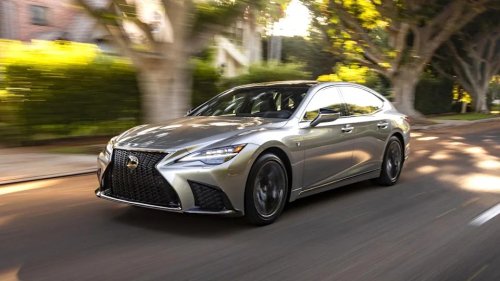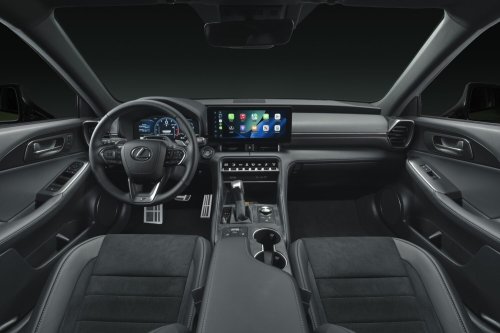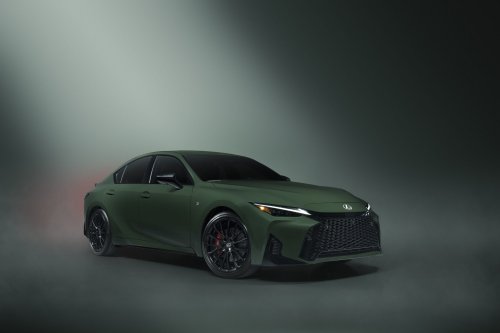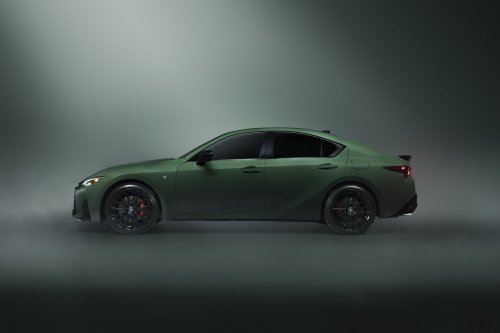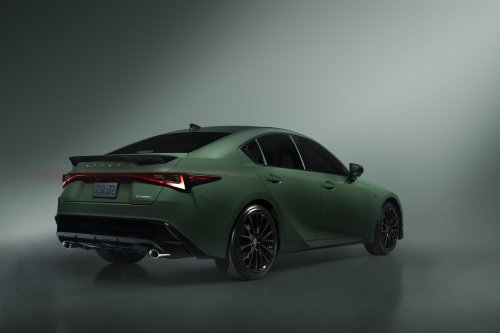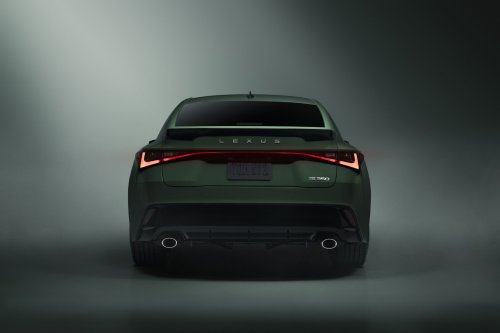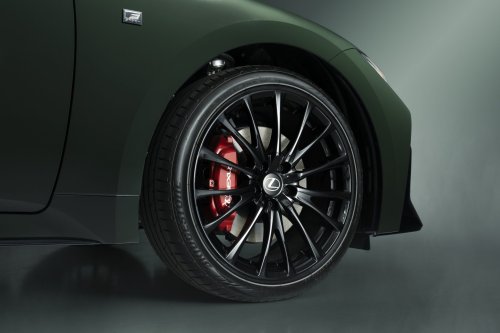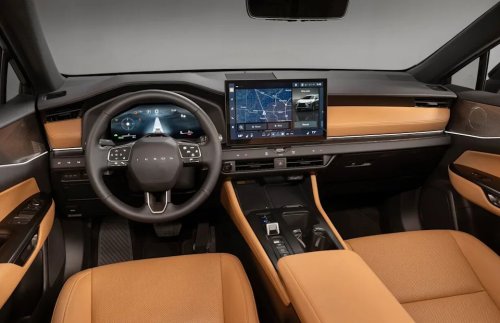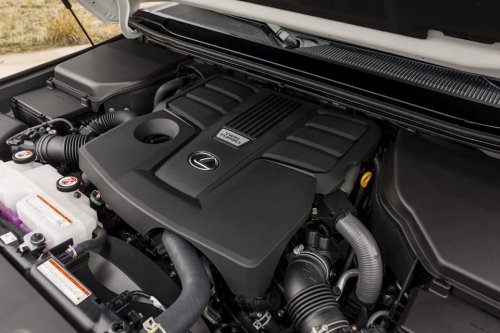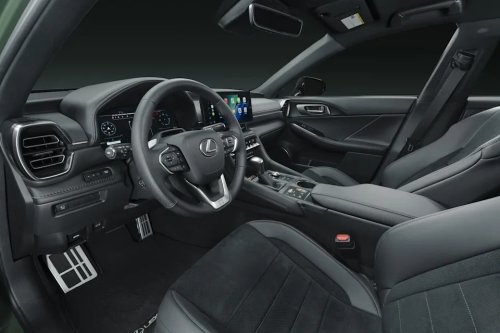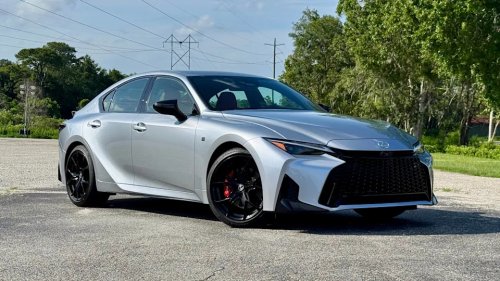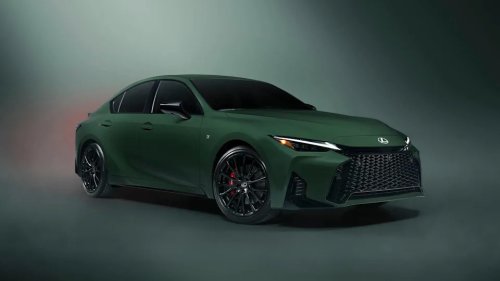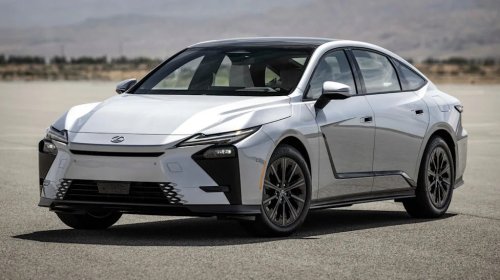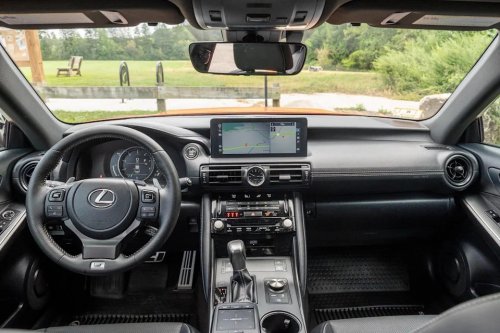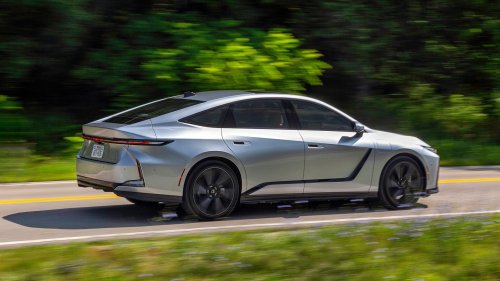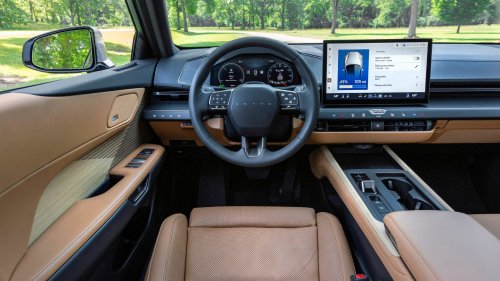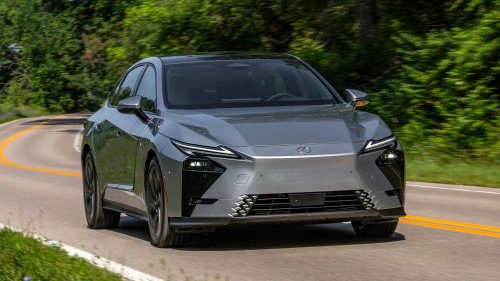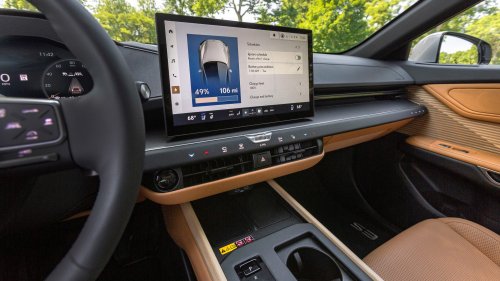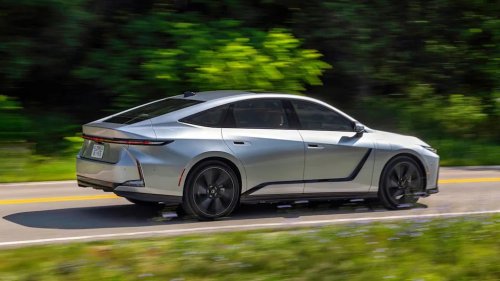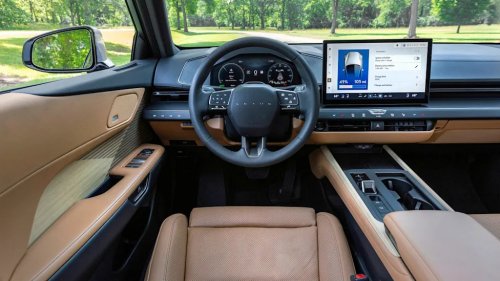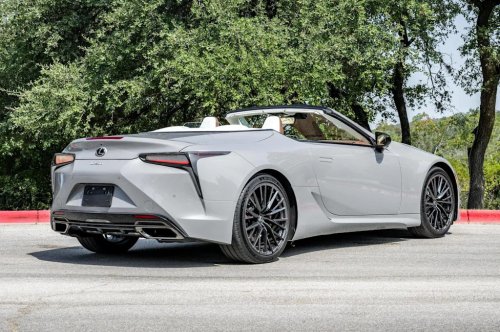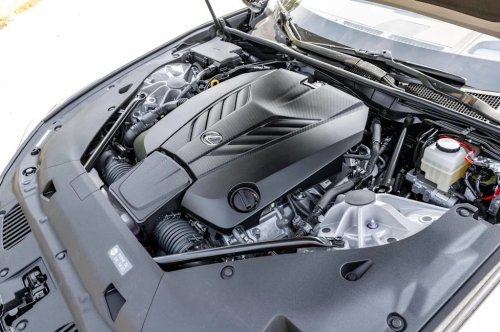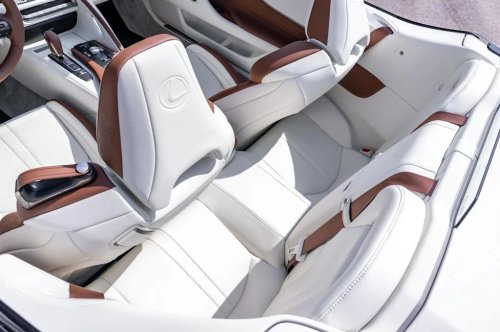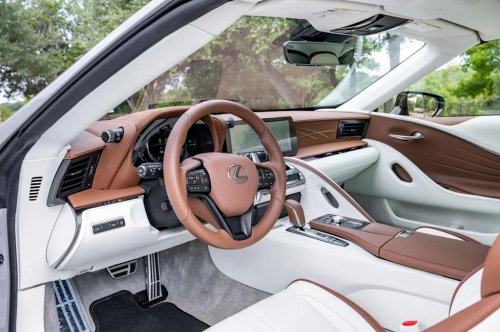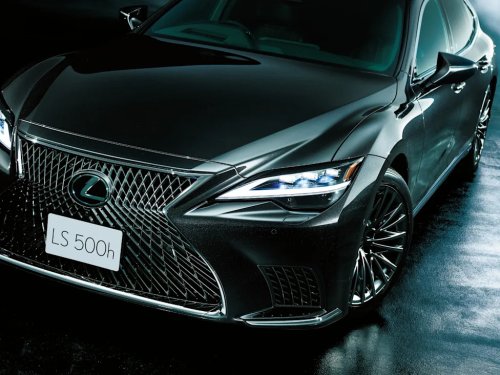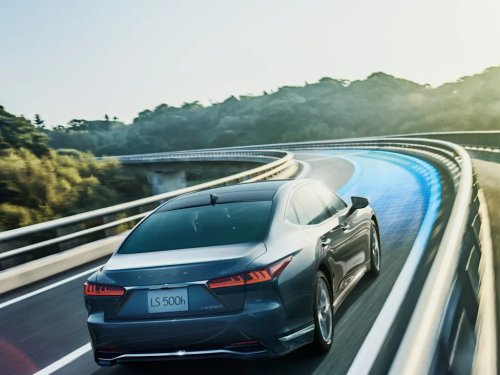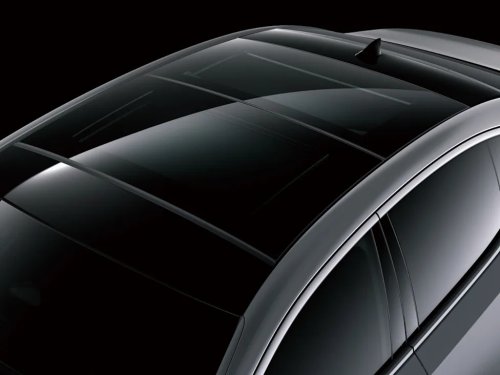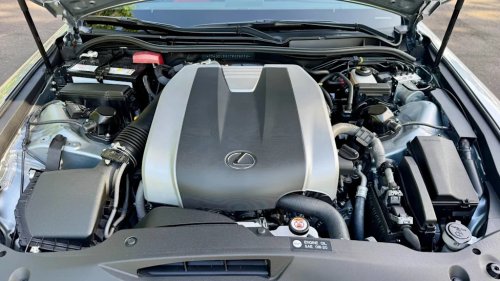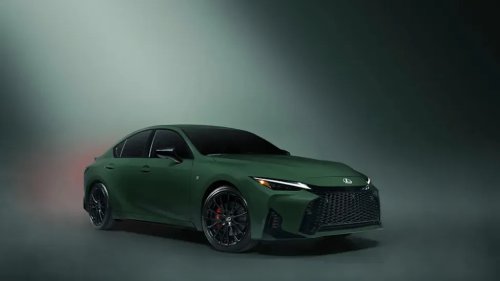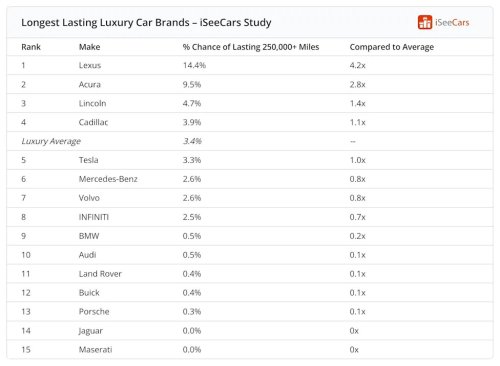
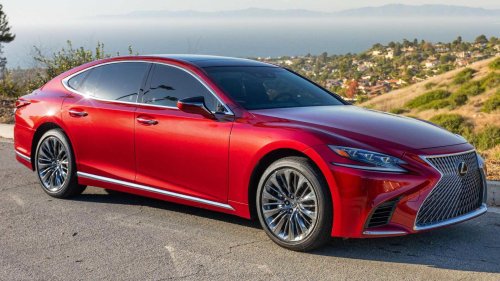
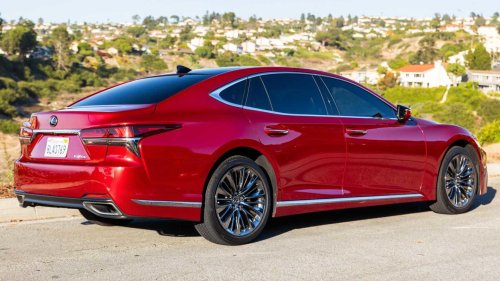
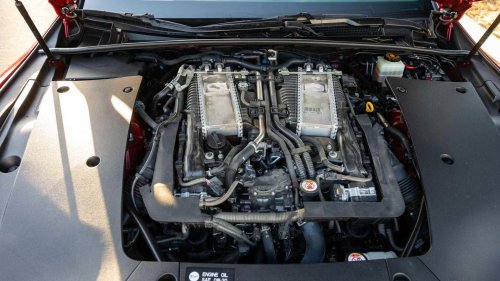
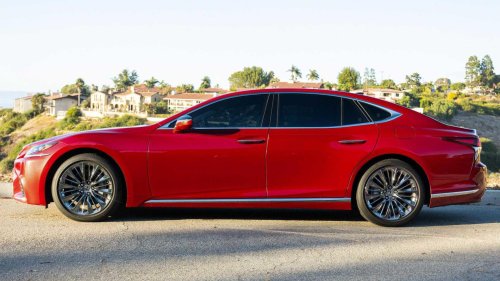
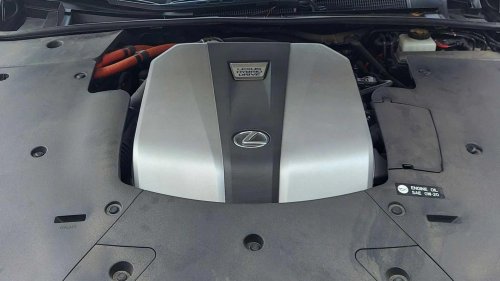
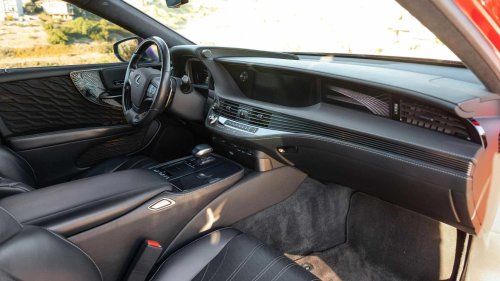
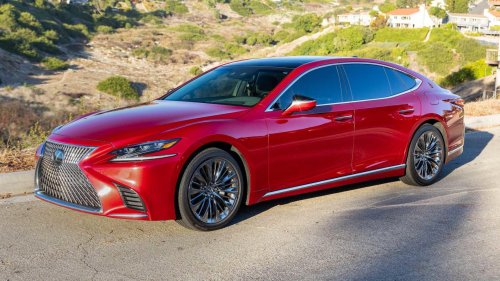



















Lexus has spent decades building a reputation that most luxury brands would trade anything for — cars that hold their value like few others on the road. Buy one new, drive it well, and the resale number rarely hurts. That is just how Lexus rolls. But there is one model in the lineup where that story gets complicated. It depreciated harder than anything else Lexus sells, and it did so quietly, without much fanfare, while the car itself stayed genuinely excellent.The interesting part is what that depreciation created on the used market. A window where buyers can access a proper flagship luxury sedan — the kind of car that costs serious money new — for a price that would have seemed impossible a few years ago. The used buyer did not cause this situation. They just get to benefit from it. A Lexus That Depreciates Is Rare Via Bring a TrailerLexus and depreciation are not words that usually share a sentence. The brand's resale strength is so consistent that buying used often means paying close to new-car money anyway. There is not much room for a deal. That changes when a Lexus actually drops in value. The car underneath does not change — the reliability, the refinement, and the build quality all stay exactly where they were. What changes is the price tag, and that gap between what the car is worth on paper and what it actually delivers is where the opportunity lives.The German luxury sedans have always had this problem in reverse. A used S-Class or 7 Series can look like a bargain on the sticker, but the ownership costs of an aging German flagship have a way of closing that gap fast. The car loses value, and reliability tends to go with it. One Lexus manages to thread that needle. It dropped far enough in value to genuinely surprise people, but it held onto the qualities that make Lexus ownership different from everything else. That combination does not come around very often. The LS 500 — Lexus's Flagship That Quietly Became A Used Car Bargain Via: Cars and Bids The car is the fifth-generation Lexus LS 500, which launched for the 2018 model year and brought a completely new platform, a new engine, and a new design language to a nameplate that had become too quiet and conservative.New, these cars started north of $80,000 and climbed well past $100,000 with packages. The LS 500 loses 42.4% of its value over five years, which on an $80,685 base price works out to roughly $34,210 gone. That is a significant hit by any standard, and it is exactly where the used buyer's opportunity begins.Right now, 2019–2021 examples in good condition with reasonable mileage are regularly available in the low-to-mid-$40,000s. That is a car that cost its first owner somewhere between $85,000 and $105,000 new, now priced alongside a base Mercedes C-Class or a loaded Honda Accord. The math is almost difficult to believe until you start checking listings.For most buyers, the standard LS 500 with its twin-turbo V6 is the cleaner choice. One important note on the hybrid variant. The LS 500h depreciates at 52.7% over five years from a starting price of $115,560, meaning over $60,000 evaporates. The used price looks even more remarkable on paper, but a high-mileage hybrid battery in an aging flagship is a variable worth taking seriously. It should also be noted that 2020+ models have a much better 150,000-mile warranty for the battery. The German Flagship Problem That Lexus Mostly Avoided Via: Cars and Bids Large luxury sedans are one of the worst new-car purchases you can make from a pure financial standpoint. The Mercedes-Benz S-Class, Audi A8, and BMW 7 Series are all celebrated cars, but they routinely shed 60% or more of their value within five years. That is not depreciation — that is a collapse.The problem is that the used prices on those cars rarely reflect the real cost of ownership. A five-year-old S-Class might list for $45,000, but it started life as a $120,000 car, which means the engineering, the parts, and the service costs were all built around a different budget entirely. Buyers find that out quickly. Lexus mostly avoids this trap. The RX holds value so well that finding a genuinely discounted used example requires patience and luck. The IS, the NX, and the RC tell a similar story — strong demand keeps used prices close to new, which is great for sellers and frustrating for buyers hunting a deal.Via: Cars and Bids Within the Lexus lineup, though, one model has always sat a little differently. It shares the same reputation for reliability and the same obsessive build quality as everything else Lexus makes. But it competes in the large flagship sedan segment, and that segment punishes every car that plays in it, regardless of the badge.So it depreciated more than its Lexus siblings — but meaningfully less than its German rivals. That left it stranded in a no-man's-land that turns out to be an excellent place to buy a used car. This Is What a $90,000 Car Feels Like When You Pay $42,000 for It Via: Cars and Bids The 2018 redesign was a complete reinvention. The LS 500 shares the GA-L platform with the LC coupe, giving the flagship a stiffer, lower, and more athletic foundation than any previous generation of the car. That means a used 2019 or 2020 does not feel like an old car underneath — the bones are genuinely modern.Via: Cars and Bids The 3.5-liter twin-turbo V6 produces 416 hp and 442 lb-ft of torque, paired to a 10-speed automatic that is smooth enough that most drivers will never feel it shift. The engine replaced the outgoing naturally aspirated V8 and actually improved on it in every measurable way — more power, more torque, and marginal gains in fuel economy.The interior is where the LS 500 makes its strongest case. The cabin is one of the quietest in any class, the rear seats offer a level of comfort that European rivals at twice this used price struggle to match, and the materials and construction quality feel built to last decades rather than years.Via: Cars and Bids The body style also ran essentially unchanged from 2018 through to 2023, which means a five-year-old example looks current on the road. Nobody walking past it in a parking lot is doing the mental math on what it cost its first owner. However, models after 2021 received a major interior overhaul, moving to a new modern touchscreen infotainment interface. The Model Years To Buy And What To Check Before You Do Via: Cars and Bids The 2019, 2020, and 2021 model years are where the valuation makes the most sense. The 2018 model was the first year of a new platform, which always carries slightly more risk with early production quirks. By 2019, Lexus had worked through the early teething issues, and those three model years hit a balance between age and asking price that is difficult to argue with. All three model years came standard with Lexus Safety System+, which includes pre-collision warning, automatic emergency braking, lane departure alert, and radar cruise control. The safety technology holds up well against newer cars, which matters for a vehicle buyers might plan to keep for another eight to ten years.The main thing to verify before buying is service history. A flagship sedan with a murky maintenance record is a different proposition from one with documented Lexus dealer servicing throughout. Buy from a private seller with receipts, a certified pre-owned example, or a dealer with a clean Carfax report — the extra diligence is worth it at this price point.The LS 500 did not lose its value because something went wrong with it. It lost value because large luxury sedans always do and because most buyers still chase something newer or German. The used buyer gets to walk in after that story has played out and take the better end of the deal.Sources: Lexus, Cars and Bids, iSeeCars, Club Lexus