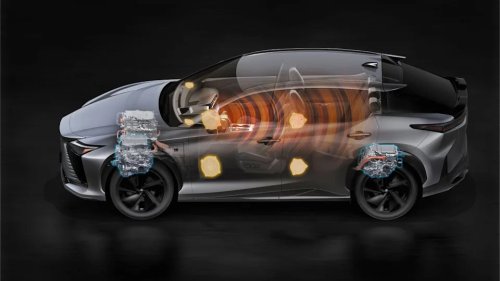
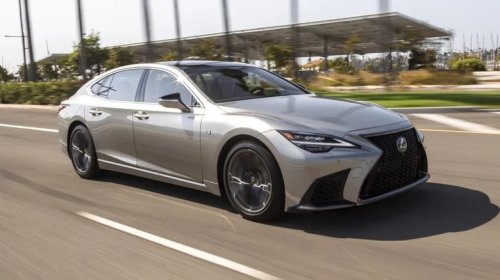
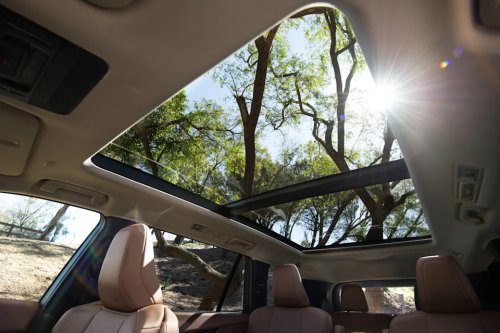
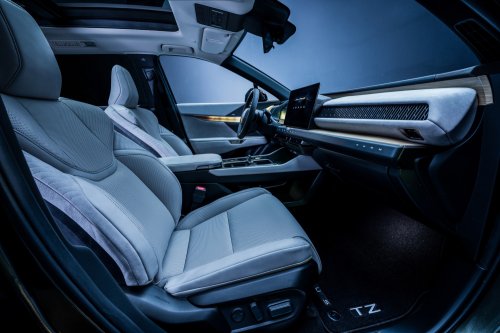
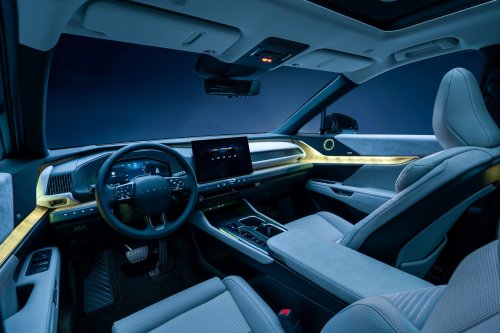
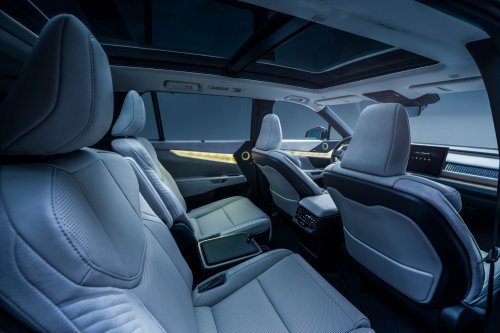
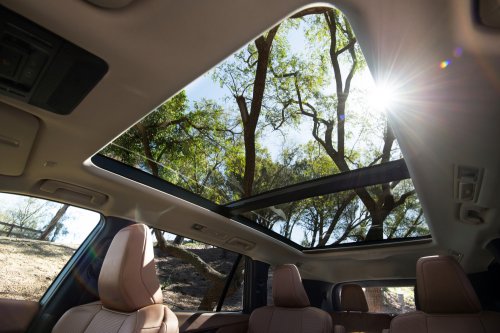
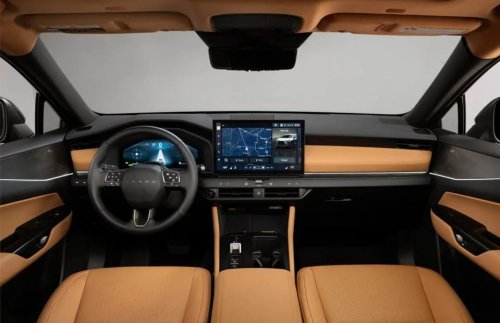
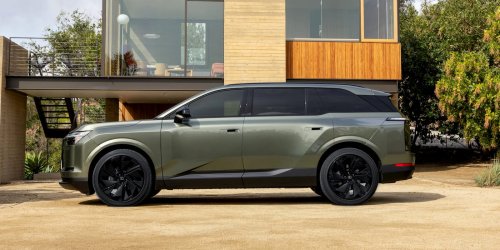
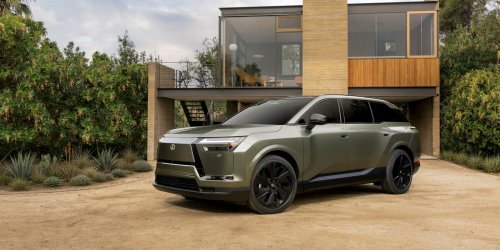
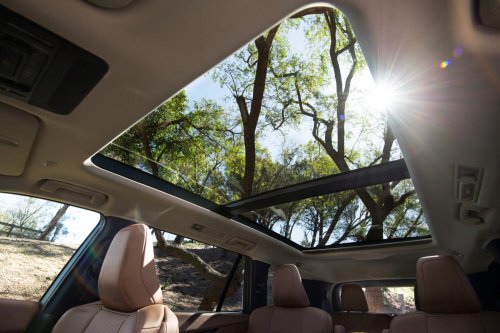
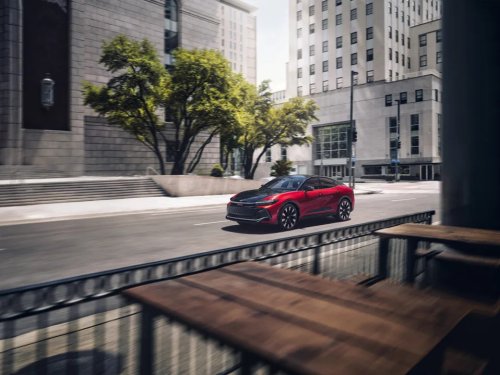
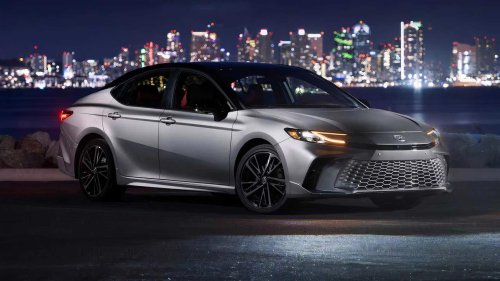
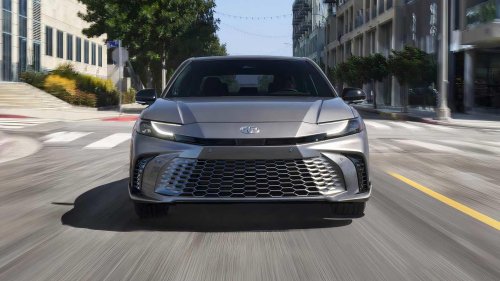
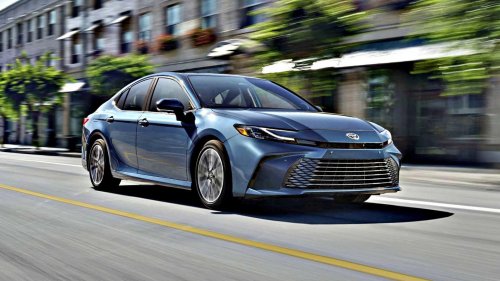
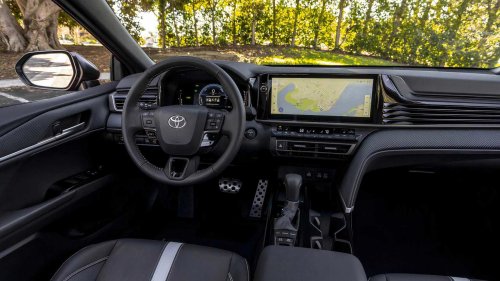
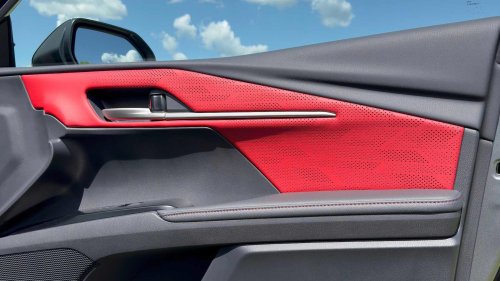
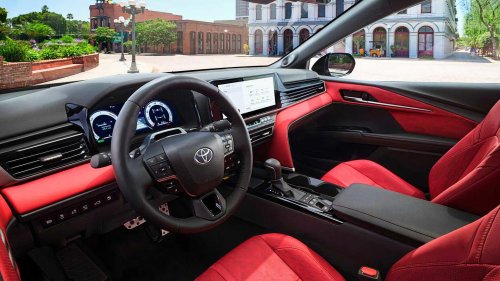
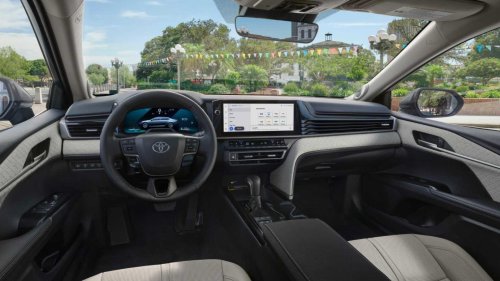
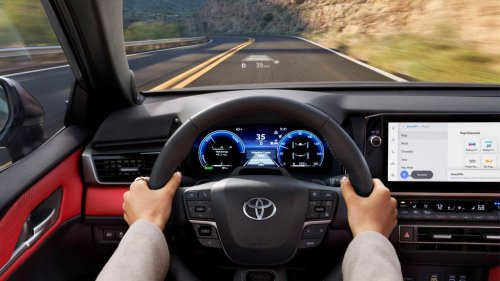
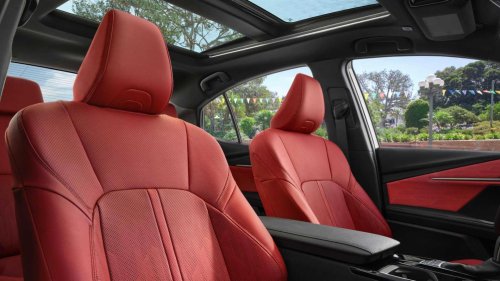
Once reserved for high-end luxury models, premium features are becoming increasingly common in mainstream vehicles. Large infotainment screens, advanced driver-assistance systems, panoramic sunroofs, and heated and ventilated seats — amenities that once signaled exclusivity and high MSRPs — are now available in run-of-the-mill cars. This change is shrinking the gap between luxury cars and affordable market entrants.The shift comes as automakers respond to consumer and regulatory demands for more tech and comfort at lower prices. Vehicle ubiquity is also a product of more manufacturers deploying modular vehicle platforms and cost-sharing across brands. Now, previously expensive features have become more accessible across different market segments. As a result, the distinction between mass-market and luxury vehicles has begun to blur. And, one ninth-generation hybrid model exemplifies this trend more than most. The Toyota Camry Feels Premium Without the Luxury Price-Tag Toyota Most car shoppers will avoid the Camry if they're in the market for an expensive name brand. However, they should reevaluate their perception of the Japanese bestseller. For between $28,400 and $34,600, Camry owners can enjoy a bevy of high-class features. Toyota's flagship sedan offers dual-climate controls, heated and ventilated leather seats, wireless device charging, and phone mirroring on the optional 12.3-inch infotainment screen. Drivers can also opt for a 12-inch digital gauge cluster and a heads-up display. The closest Lexus equivalent, the ES, starts at $42,040.The car also comes with standard features that have made the Camry a cornerstone vehicle in America's sedan market: ample seating for four adults (or five, with three kids in the rear), a decent-sized trunk, great front-row seating position, and some of the best reliability ratings on the market. Plus, all 2025 models are powered by Toyota's uber-efficient hybrid powertrain. Toyota Camry Specifications Toyota Decades Worth Of Reliability TOYOTA Since its inception in 1983, Toyota has sold over 10 million units of the Camry in the United States. During its 40-year sales history, many thousands of copies have lasted over 300,000 miles. The 2025 Camry is no different from previous models in terms of reliability. In RepairPal's reliability rankings, the sedan scored four out of five stars, third-best in the mid-size sedan market.The car is also powered by a hybrid drivetrain that pulls intelligence from Toyota's ultra-reliable Prius brand. In the worst-case scenario, Toyota covers its hybrid batteries with a 10-year, 150,000-mile warranty. One Of The Cheapest Cars to Own Over Its Lifetime Toyota Another practical reason to consider the Camry over luxury models is its cost of ownership. The sedan will likely last longer than other vehicles and won't cost a lot at the gas station, mechanic's shop, or with insurance rates.A survey by Self Financial calculated the cheapest cars to own in America, and the Camry came in ninth place. The test said an average Camry owner can expect to spend $1,712 on fuel, $1,598 on annual maintenance, and $1,544 a year on insurance. Well-Appointed Interior With High-Quality Materials Toyota The Camry is more than just a practical choice: it's a thoughtfully appointed sedan with convenient materials. The area under the infotainment center has an available wireless charging pad, several charging points, and space for a pair of sunglasses.Toyota also uses several easy-to-decipher buttons for its climate and audio controls. The interior is far more practical than many entry-level vehicles, which have attempted to cut costs by adding digital interfaces to their internal controls. Instead, drivers can easily decipher the buttons used for seat ventilation, fan speed, or steering wheel heating. Plus, climate comforts extend to the back seat. Rear-seat occupants also get air vents, a genuine luxury in this class. Soft-Touch Materials Throughout the Cabin Geoff Piehl For 2025, Toyota remodeled the interior, adding more soft-touch materials to the door panels and center console. The automaker also elongated the seat cushions on the car's front-row chairs and improved the angle of the headrests. The cabin also has laminated acoustic glass throughout the interior to limit road noise. Toyota Camry Interior Dimensions Added Features Feel High-End Toyota You can splurge on some genuinely luxurious features inside the 2025 Camry. Top-end trims get a microfiber-trimmed interior with premium stitching. Premium packages offer panoramic glass roofs, panoramic view monitoring, and parking assistance. Shoppers can even add custom LED light strips on the door sills and trunk to adapt to the ambient lighting. Feature-Packed Infotainment System Toyota The Camry jam packs features into its latest audio multimedia system. The big, bright 12-inch screen is designed for minimal distraction. Many of the features are also voice-activated. It’s the kind of hands-free convenience you’d expect in a luxury car — except here, it comes in a package that won’t break the bank.Music lovers can bump the volume on the available JBL Premium Audio system that plays through nine speakers and a subwoofer explicitly tuned for the Camry’s cabin. It’s all part of Toyota’s push to make even its most sensible sedan feel a little more high-end. Advanced Safety Comes Standard Toyota Inside, the tech keeps the driver informed without being overwhelming, especially if Camry owners shell out for the car's well-designed heads-up display. As expected, Toyota isn’t playing around with safety tech, and the 2025 Camry proves that by offering features you’d expect in higher-priced cars. All new Toyota cars come with blind-spot monitoring and rear and front-cross traffic alerts. Additional features include: Traffic jam assist Evasive steering Adaptive cruise control It Nearly Has The Same Drivetrain Lexus's mid-size sedan, the ES, is mechanically similar to the Toyota Camry. Base trims on the ES don't come with the benefits of a hybrid battery. Low-end Lexus owners will have to deal with automatic start/stop functions at red lights, worse gas mileage, and no noise-canceling batteries pinned underneath the cabin.Drivers hoping for a well-renowned Japanese sedan with higher performance ratings can opt for the Sport trims of the ES, increasing horsepower to over 300. But that will cost shoppers a decent penny. ES 350 F Sport models start at $45,600, which is more than $10,000 more than the top-end trim of the Camry.Drivers hoping for an in-between might also opt for the Toyota Crown or Crown Signia. The two new models feature sleek, surprisingly luxurious design details for a car carrying the Toyota badge. The brand's exceptional hybrid powertrain also powers them. However, both models also have a premium price tag, requiring Toyota owners to pay near Lexus prices. The Crown starts at $41,440, while the Crown Signia starts at $43,590. The Car Will Hold Its Value, Too Toyota A final practical plea for the Toyota Camry: luxury cars may offer excitement when handing the car keys over to the valet, but the Camry plays the long game. Leaning on its rock-solid reliability, the Camry consistently ranks among the best models for resale value, holding onto its worth better than many luxury-brand competitors. That’s largely thanks to Toyota’s reputation for durability — buyers know a well-maintained Camry can easily cross 200,000 miles, making used models highly sought after. Meanwhile, entry-level luxury sedans from brands like Lexus, BMW, or Acura often see sharper depreciation.The reliable hybrid powertrain only strengthens its resale appeal. Fuel-efficient cars retain their value longer, especially with today's fluctuating gas prices that are likely to climb further in a high-tariff environment. Combine that with lower maintenance costs, and the total cost of ownership looks even more attractive. So, while a base-model luxury sedan might feel like a premium choice today, a Camry represents sensible value for a vehicle owner who knows they'll make more vehicle purchases in the future.



















 +35 others