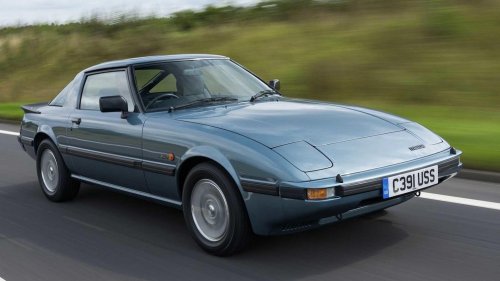
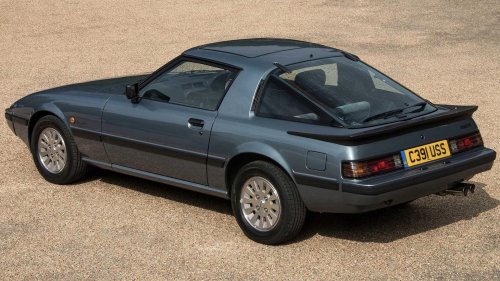
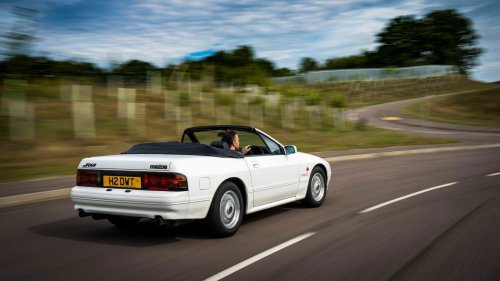
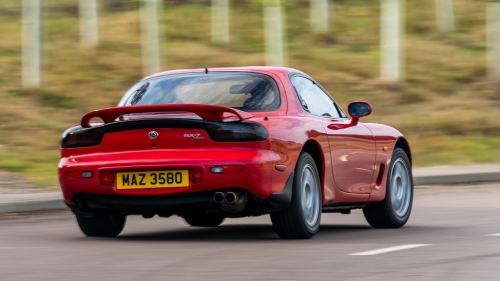
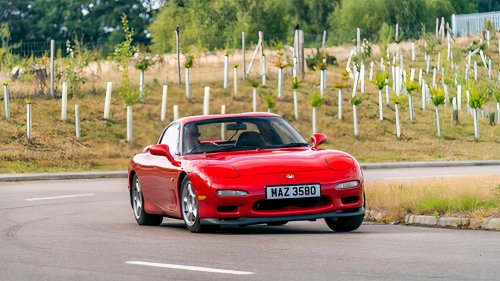
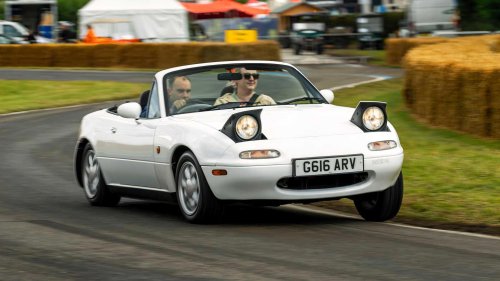
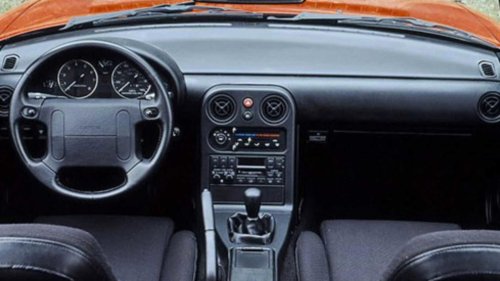
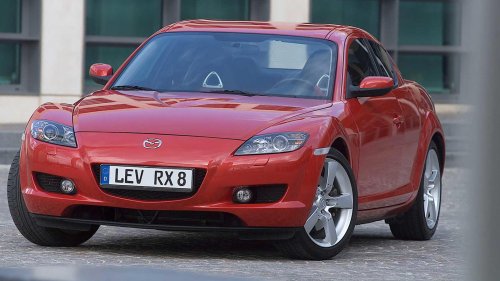
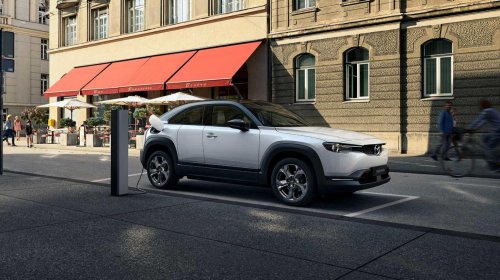
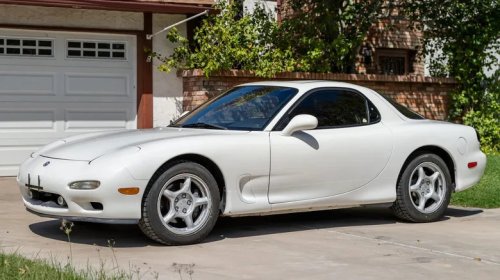
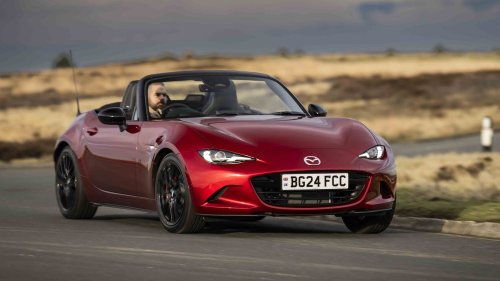
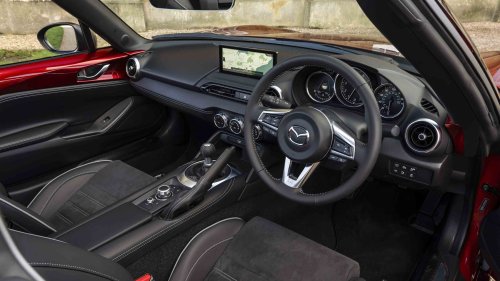
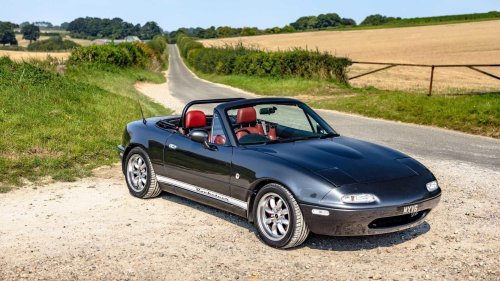
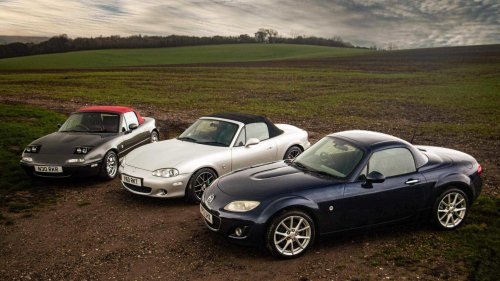
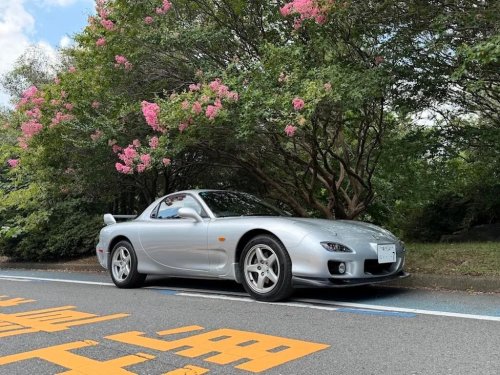
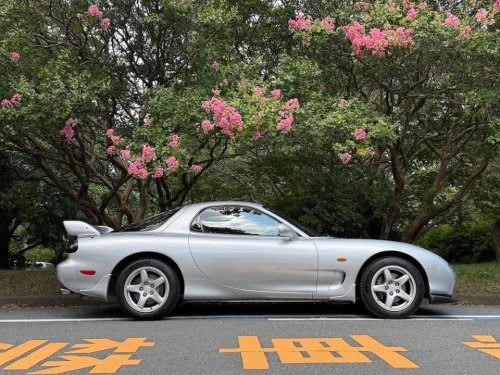
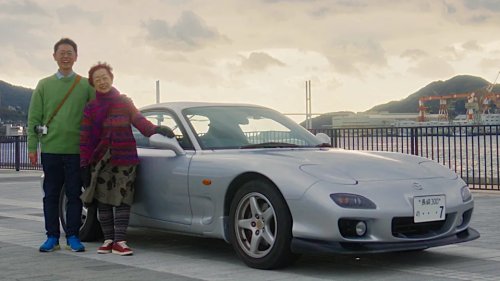
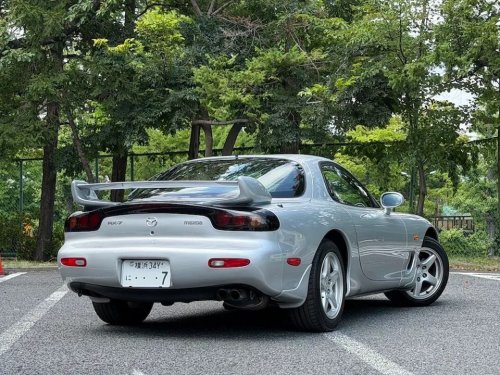
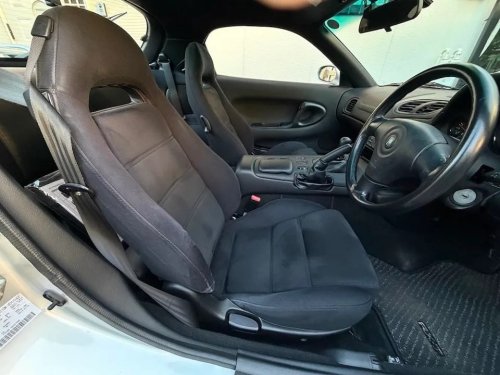
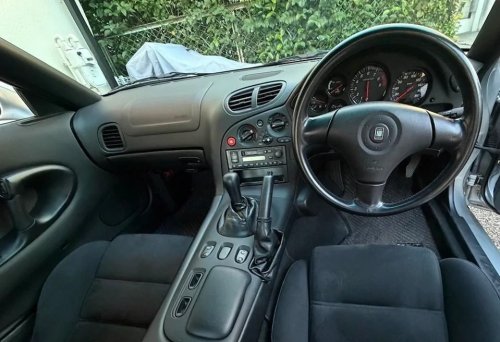
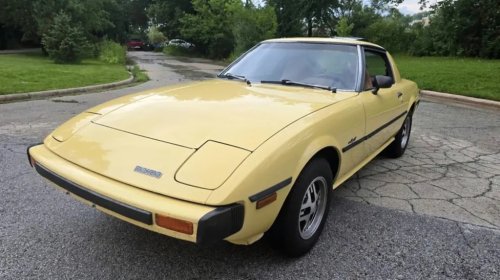
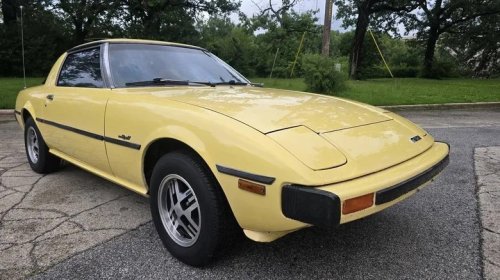
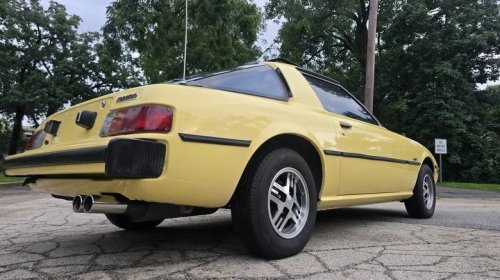
The Mazda RX-7 is the sports car that made the rotary engine cool. Like really, really cool. It powered the RX-7 for 24 years, bringing the revolutionary Wankel engine technology to the mass performance market, with more than 800,000 cars made. Towards the end of its life, the so-called FC convertible added a new dimension to the RX-7 package.But by the late '80s, the delightful FC faced off with a fierce new competitor, and it came from its own backyard. Mazda revealed the MX-5 concept in 1989, and the dynamic little convertible would go on to change the sports car world forever, selling by the million. This is the story of how the iconic Miata quietly killed off the iconic RX-7, including the cool convertible variant. The Legend Of RX-7 MazdaThe Mazda RX-7 is the best-selling rotary-powered sports car (and car) in the history of the automobile. Period. The first generation model was introduced in 1978, combining a lightweight design, a high-revving rotary engine, and a manual gearbox sending the power to the rear wheels. Back in the day, the marketing slogan of 'win a motor race on the weekend, sell a car on a Monday' rang very true, and the RX-7 soon started collecting motorsport trophies by the dozen, scoring some famous victories.Mazda Like a stunning overall win in the 1981 Spa 24 Hours race in Belgium, where the little Mazda, with its 1.3-liter Wankel rotary engine, was up against the likes of BMW's 530i, the Ford Capri V6 and the Chevrolet Camaro V8. The Mazda won the race by more than two laps, becoming the first Japanese car to win the prestigious event. The legend of the Mazda RX-7 was made.MazdaThe second-generation RX-7, called the FC, hit the road in 1985, and it was not as dynamically capable as its predecessor. Said to have been styled with a more European flavor, the second generation RX-7 was okay, but not as well-rounded as the original RX-7, having gained more weight, and going a little bit softer on the dynamic front.Coupe and convertible cars were available, and for the first time, the RX-7 could also be had with a turbocharger, boosting the legendary 13B rotary engine's power by about 25% to around 185 hp.MazdaThe third-generation RX-7, called the FD, hit showroom floors in 1993. It was available as a coupe or a convertible. It was powered by various iterations of Mazda's most iconic and best known rotary engine, the 13B. Peak 13B was the Spirit R limited edition version, which was only on sale in Japan. With twin turbochargers and an intercooler in the game, the 13B engine produced 276 hp and 231 lb-ft of torque.Mazda This final generation RX-7 was updated no less than eight times, up to the last Series 8 version, which was on sale until 2002, when Mazda pulled the plug on the legendary and award-winning RX-7. Over 800,000 RX-7 sports cars were made. It is the most popular rotary car of all time. Period. So, if it was so popular, why on earth did Mazda discontinue the brilliant RX-7? Well, two words: MX-5 Miata. The Miata ComethMazdaIn the '80s, Mazda started working on a compact and lightweight two-door sports car. The new player was not powered by a rotary engine, but initially had a naturally-aspirated 1.6-liter four-cylinder engine, producing just 116 hp. But it was the way the little Mazda drove, sending all the right signals and feels back to the driver, that would really set it apart from period sports cars, including Mazda's own RX-7.The story behind the creation of the MX-5 is a famed one. According to urban legend, American motoring journalist Bob Hall met up with some senior Mazda product planning folks. They quizzed the Motor Trend hack about what type of sports car he would make if he had a blank canvas.Hall apparently told them that he would create a compact, open-top sports car, true to the old British sports car tradition, that combined light weight and a small-capacity engine, providing miles and miles of grins and fun, and not just brute power. Hall went on to work for Mazda, helping turn his idea into reality. In doing so, Mazda created what would become the world's best-selling two-door convertible of all time, with millions sold around the world.Mazda The MX-5 went on sale in 1989, and changed the world of sports cars forever. It proved to be a massive commercial sales success for Mazda, with relatively low production costs and profit margins that made Mazda's executives smile all day long. Within a few years, the numbers were clear: The cool and quirky RX-7 was an expensive business to produce, with limited sales numbers. Meanwhile, the massively popular MX-5 was turning in big profit numbers, with the potential to go even bigger.As cool as the Mazda RX-7 convertible version may have been, providing the same kind of wind-in-the-hair thrills as the MX-5, profit margins and market positioning factors saw Mazda discontinue the RX-7 for good in 2002, with more than 800,000 cars made. The world had gained a magnificent sports car in the MX-5, but it also lost a magnificent sports car in the RX-7. Rotary On The Comeback Trail? MazdaMazda revealed the RX-8 in 2003. But the car that essentially replaced the RX-7 was no longer light and compact, nor was it a convertible. The four-door RX-8, powered by the latest version of Mazda's 13B rotary engine, packed up to 238 hp. Affordable, fast and with its (slightly weird) four-door layout, the RX-8 was cool, but it just couldn't match the rotary-powered, two-door sports car allure of the RX-7. Less than 200,000 cars were made before Mazda called it quits on final rotary powered production car in 2012.But Mazda never quite gave up on the rotary engine. Emission and consumption challenges aside, Mazda's engineers continued to work on solutions and options.Now it appears as if the revival of the rotary engine is well and truly underway. Well, for the European and Japanese markets, anyway. The Mazda MX-30 R-EV is a compact SUV coupe, with rear-hinged rear doors... just like the RX-8. But the MX-30 R-EV's biggest party trick is the tiny, 0.8-liter rotary engine producing just 74 hp, which serves only as a generator, and is not adding drive to the system at all. Instead, a 168 hp electric motor drives the front wheels.Mazda Thanks to the rotary engine's compact dimensions, both the electric motor and rotary generator fit under the hood. There is also a 17.8 kWh battery, and with a full battery charge and a 13.2 gallon fuel tank filled to the brim, the Mazda has a range of more than 350 miles. Interestingly, the MX-30 R-EV never sold as expected. Earlier this year, Mazda announced the discontinuation of the R-EV model, which sold in lower numbers than the EV version. It was on the market for only two years.The rotary engine, as always, seems to come standard with a dose of controversy and adversity. But trust Mazda to never give in, and never give up. The company is said to continue exploring opportunities to apply the rotary engine in a future sports car.