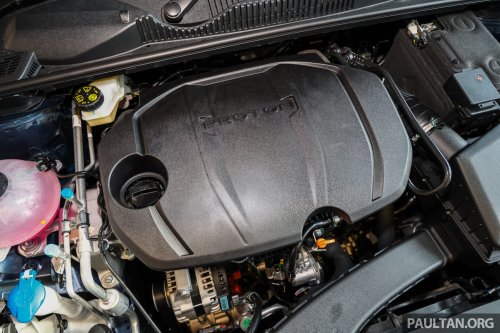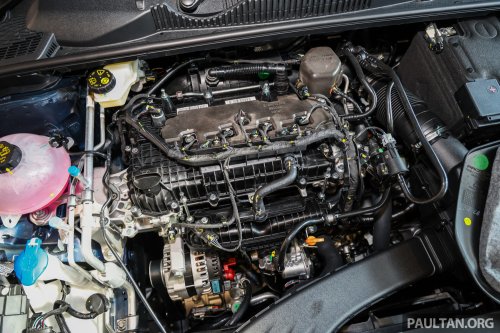



















So the diesel-powered Mercedes C-Class is officially dead in the UK. Some of our readers will consider this a good thing, but for many the news will be met with disappointment. There are many causes for diesel’s continued disenfranchisement in the UK, but the major one is the increasing tax burden being placed upon them – especially in terms of company car tax, or Benefit-in-Kind tax. For example, a previous-generation C 300e plug-in hybrid would represent a colossal 24 per cent tax break over the equivalent C 250d. The latter would mean hundreds of pounds’ worth of extra tax paid every month. This is despite the fact that in many cases, a diesel will actually be more efficient over the sort of motorway driving that drivers of these cars typically do. According to the new weighted WLTP fuel consumption cycles, a European-spec C 250d is actually about 20mpg more efficient than a battery-depleted C 300e. And it’s not like Merc’s diesels are yesterday’s technology, as this mid-life update has introduced two new units in other markets that have been designed to pass the forthcoming – and tough – Euro 7 emissions regulations. Unfortunately, the UK’s company car tax legislation isn’t quite sophisticated enough to take into consideration the real-world nuance of cars and their technology. This unfriendliness to diesel engines has taken its toll across the broader compact executive and company car market. While Mercedes does still offer a diesel E-Class, the other only holdouts are from Audi and Skoda. In other words, we’re dangerously close to the total demise of the diesel-powered company car. But I’m inclined to say this isn’t a bad thing. By taking diesel cars off the road now, it will help reduce the amount of poorly maintained diesels still in use in future. When new, well-maintained and working as intended, diesel is cleaner than the equivalent PHEV or petrol. But 10, 15 or 20 years down the line, once poor maintenance takes its toll, this is turned on its head and they become a real liability. For some level of pain now, the benefits in future are clear.