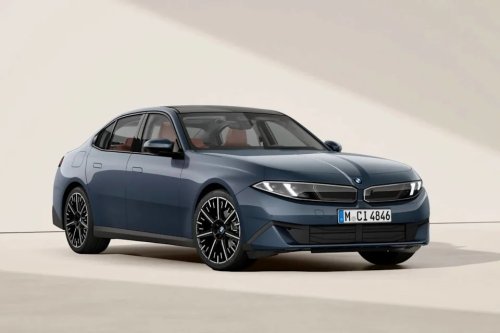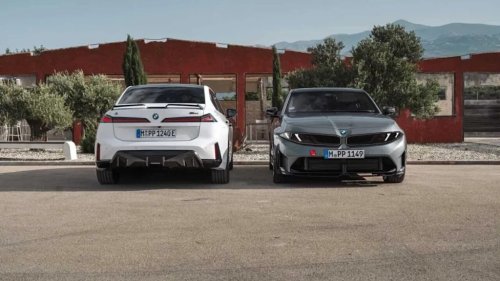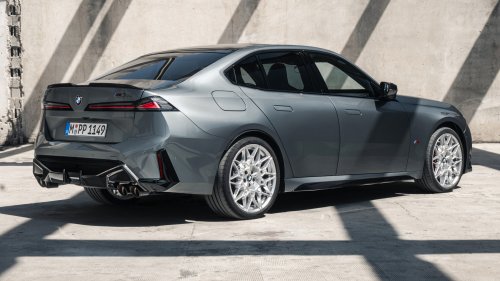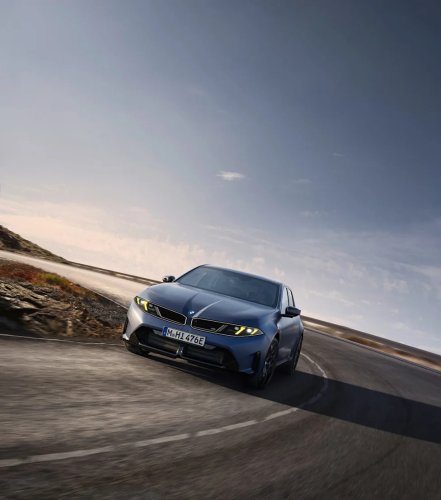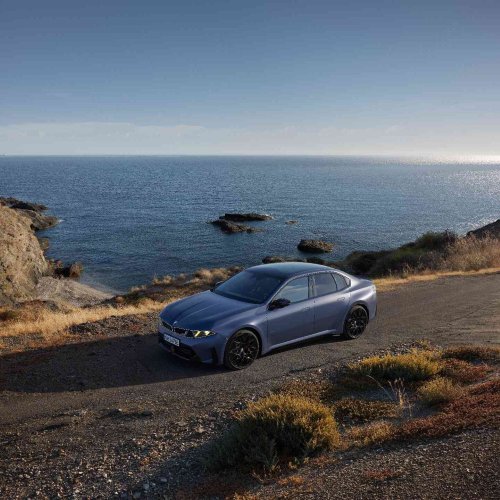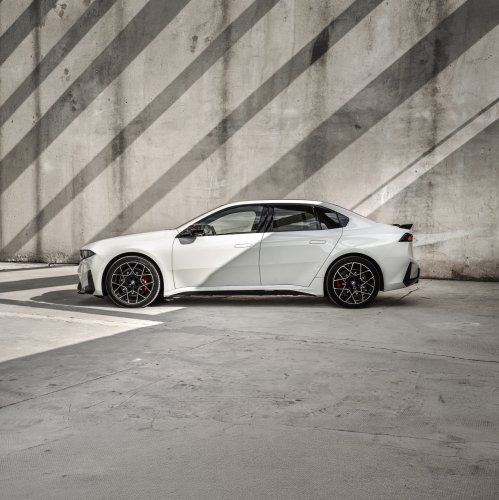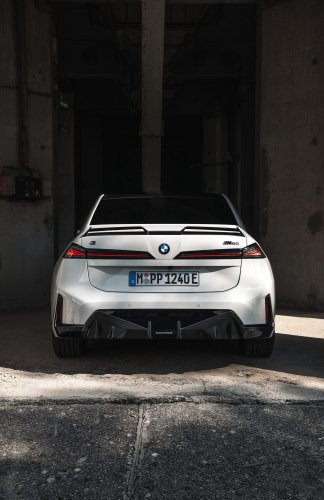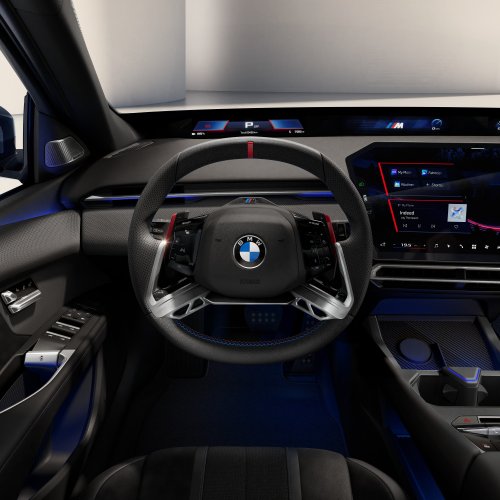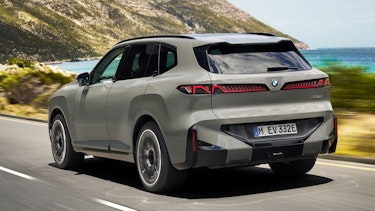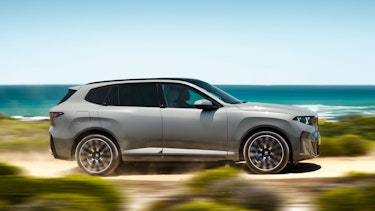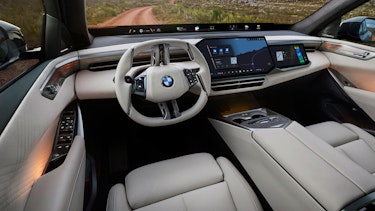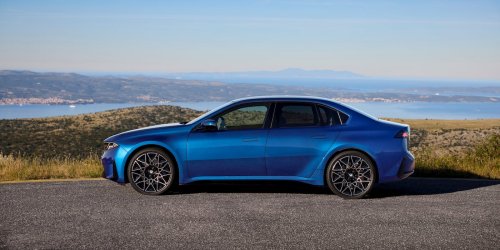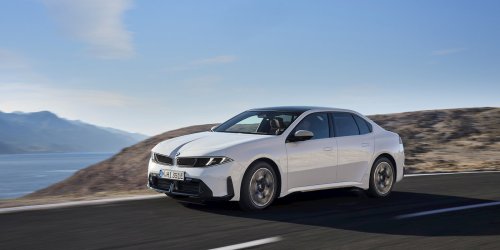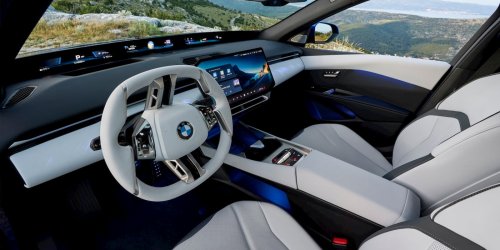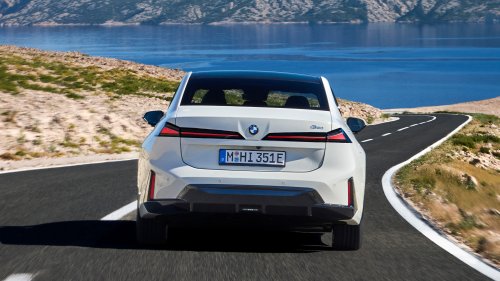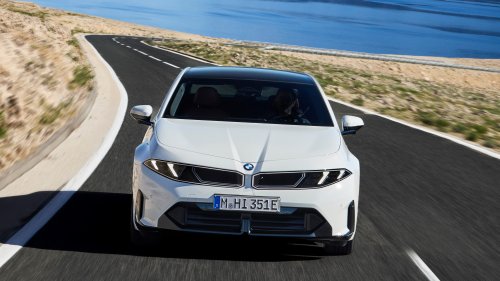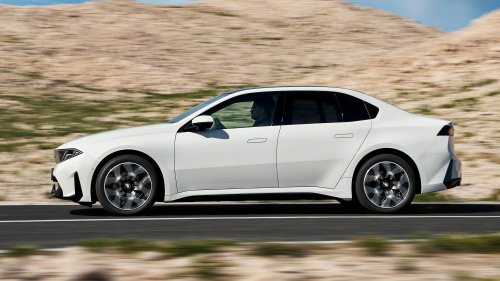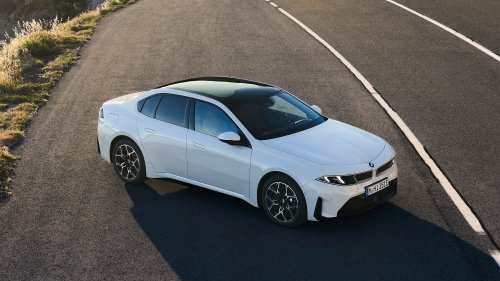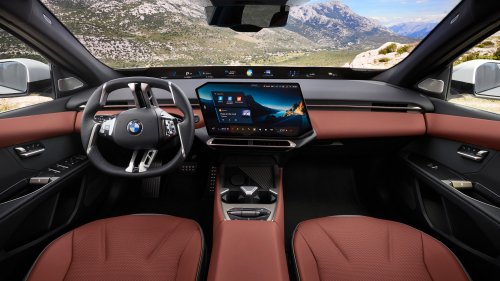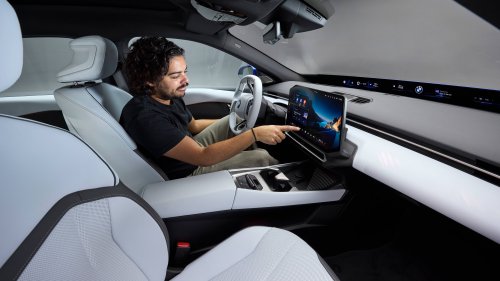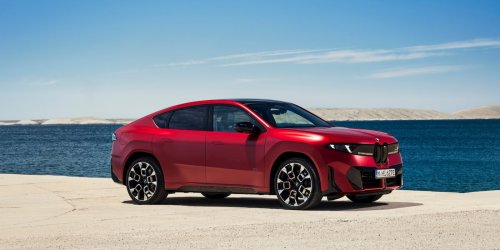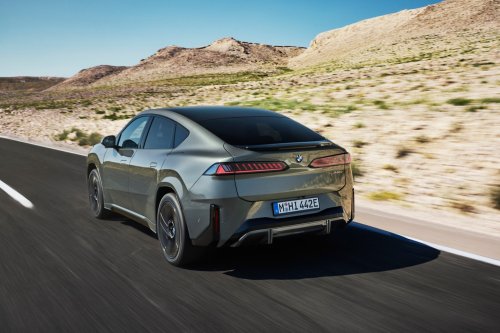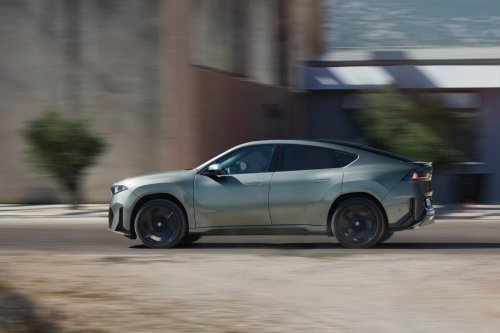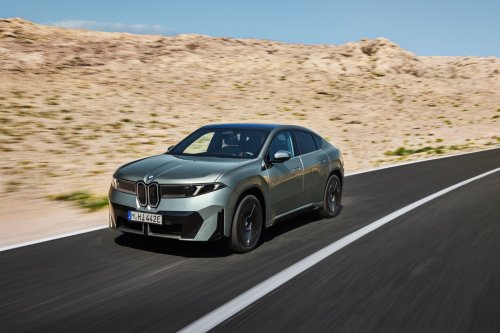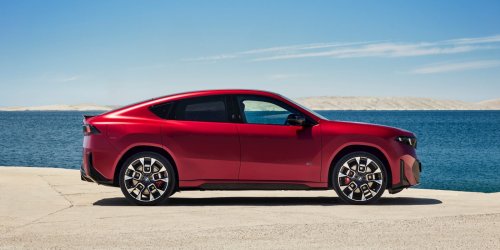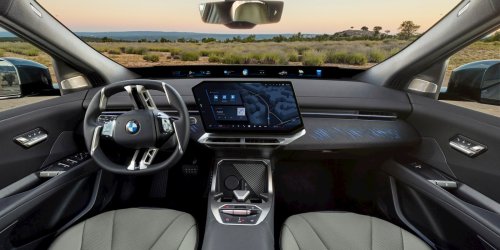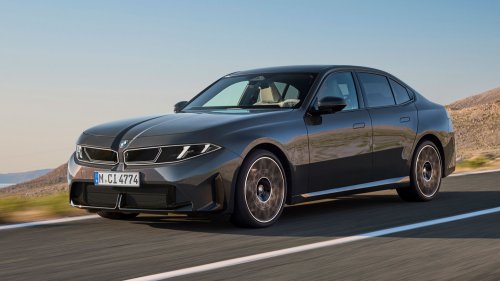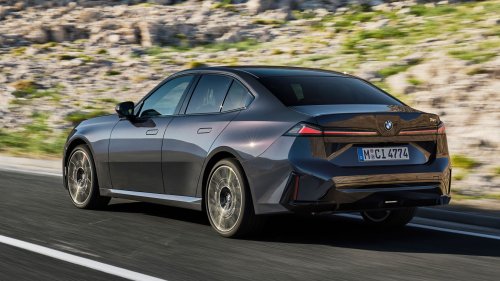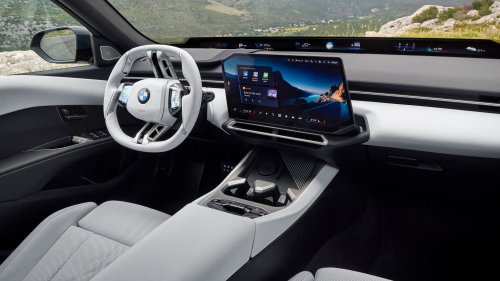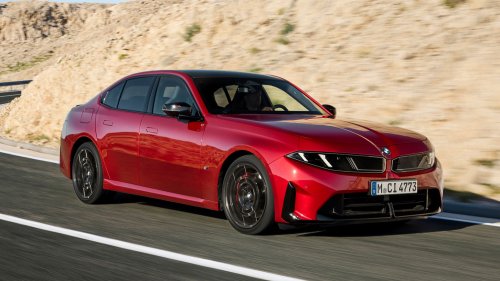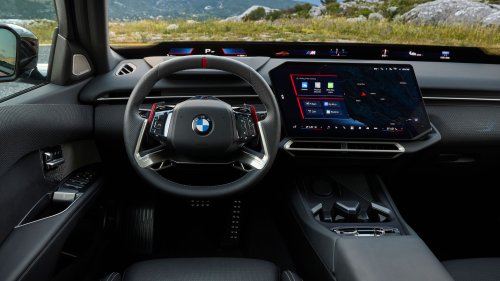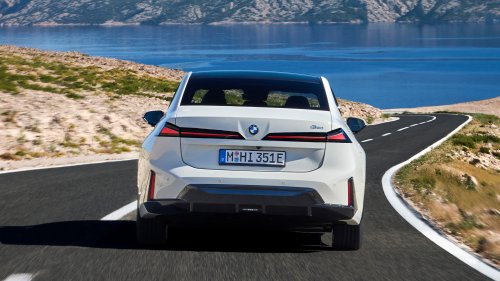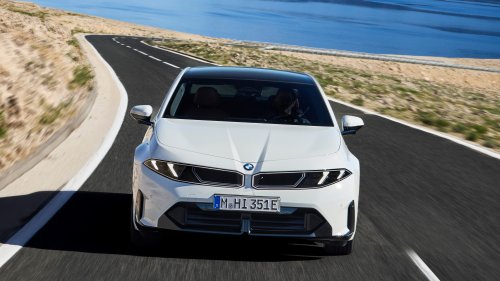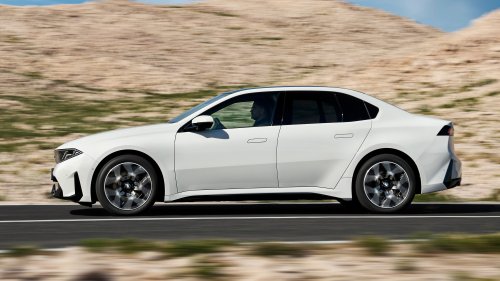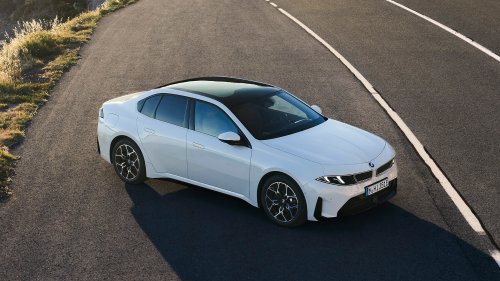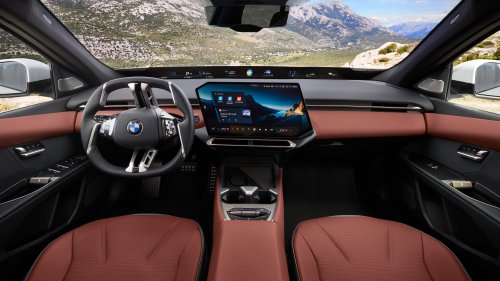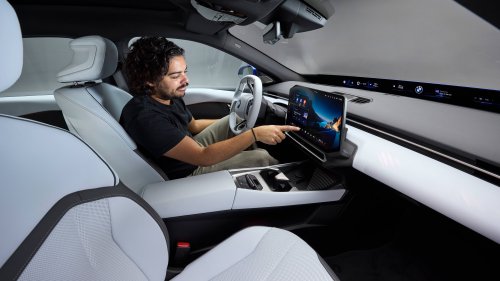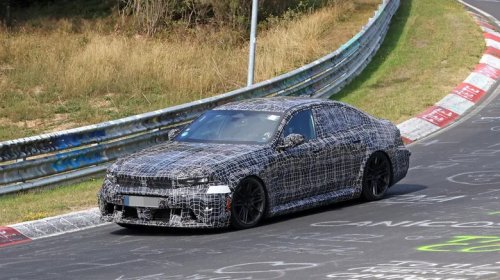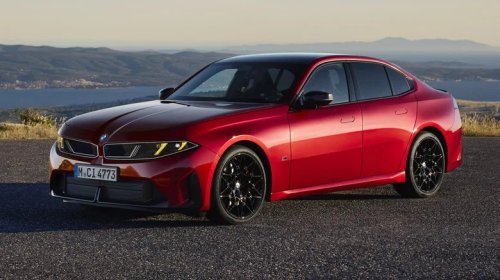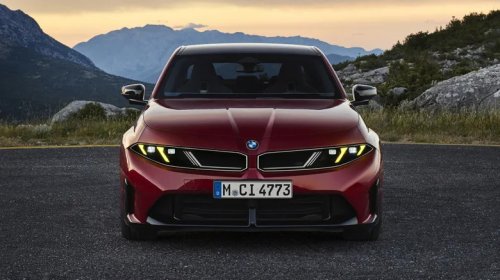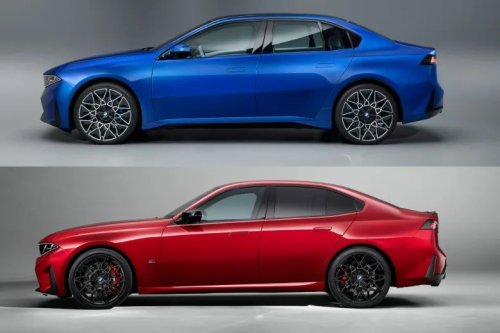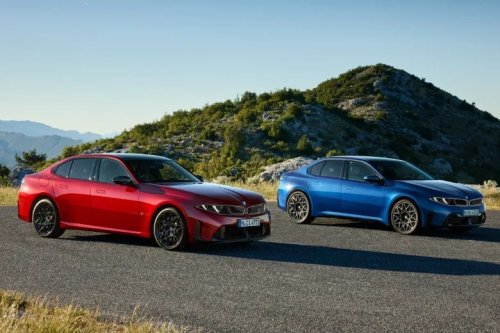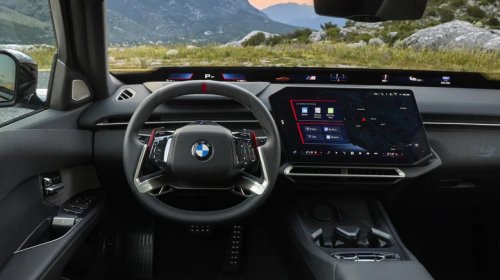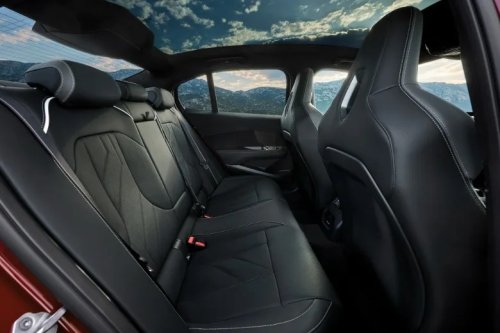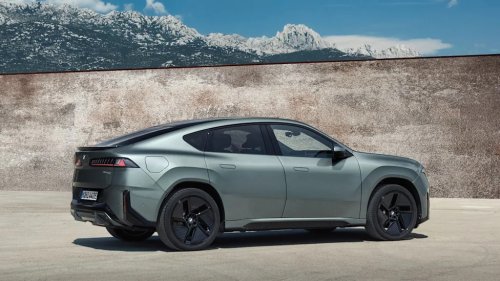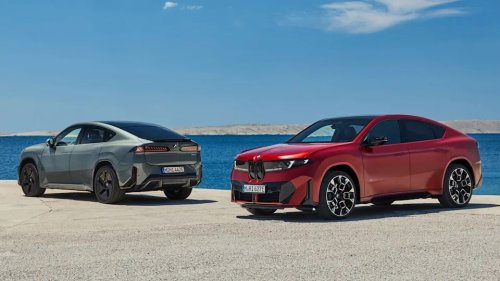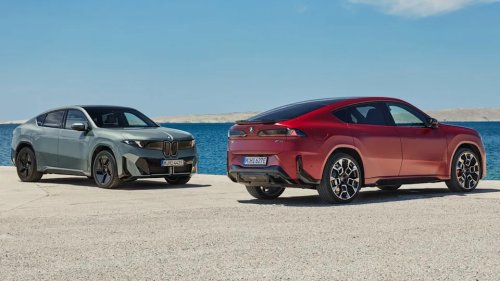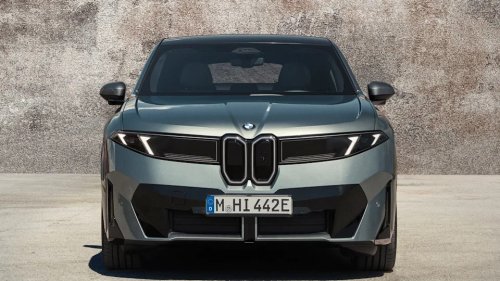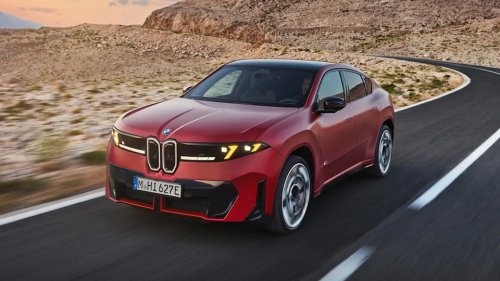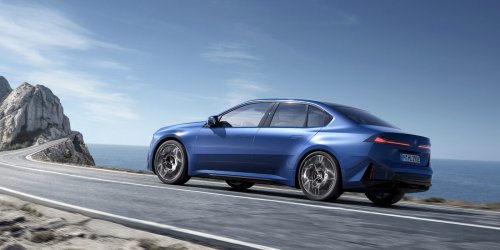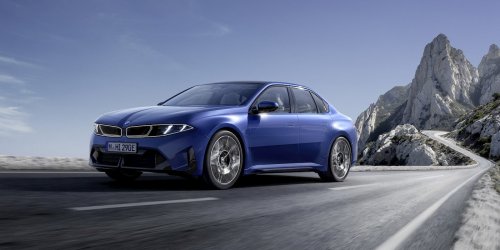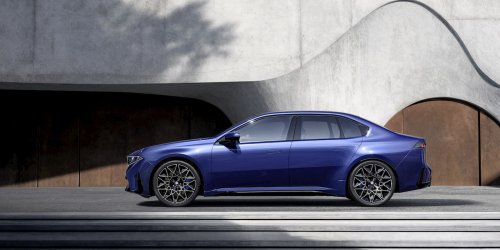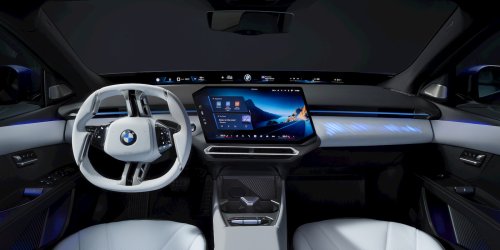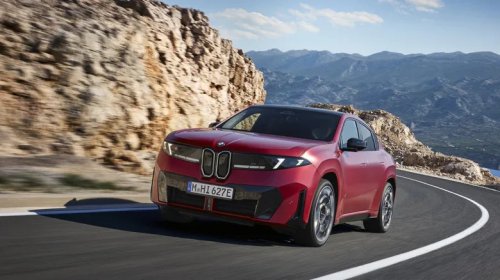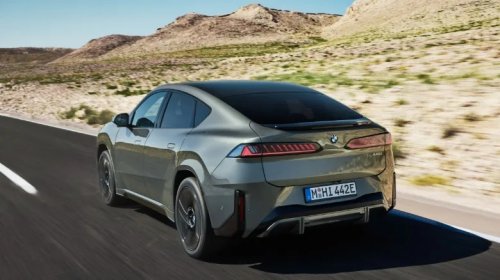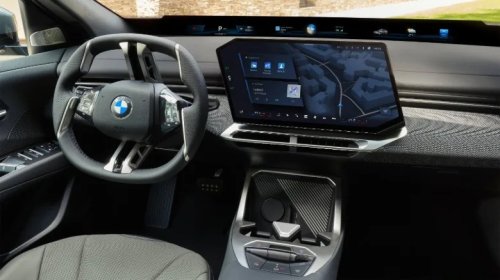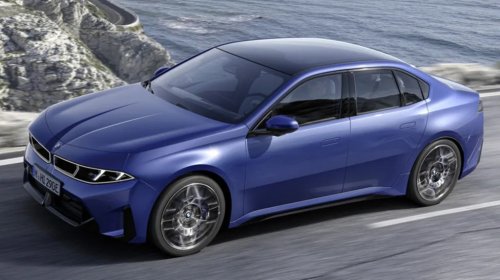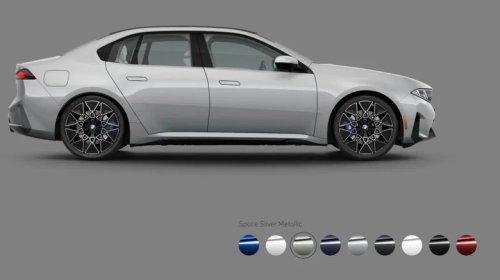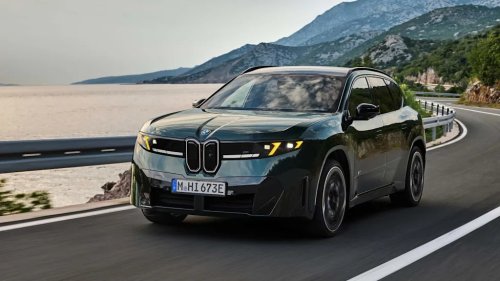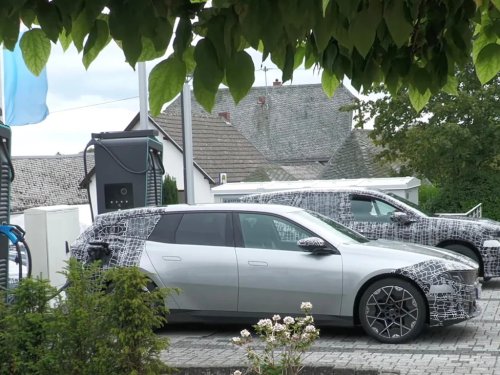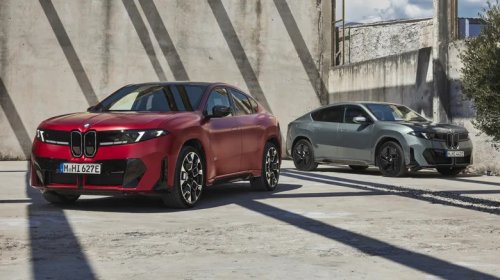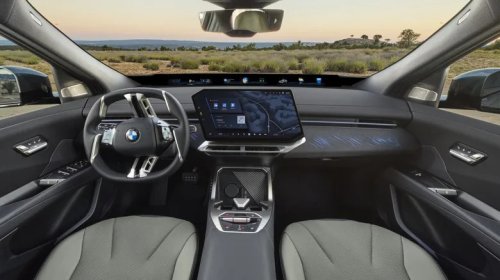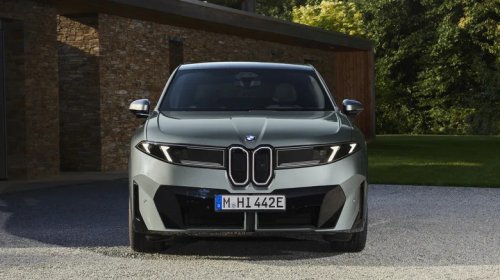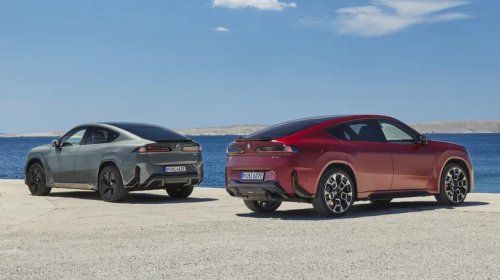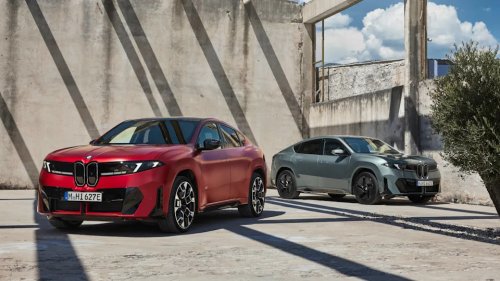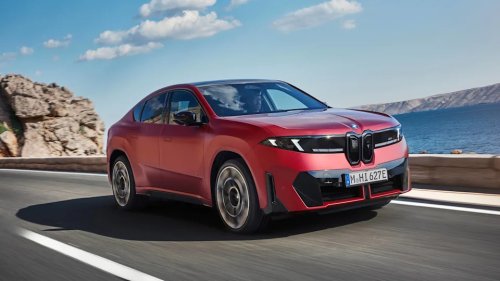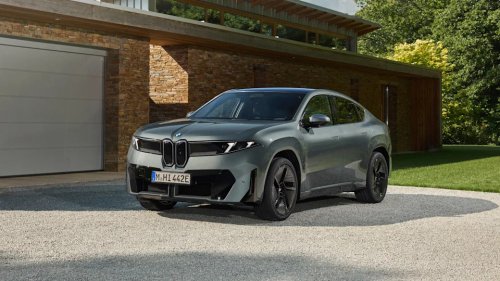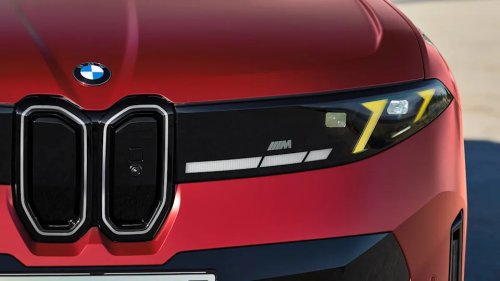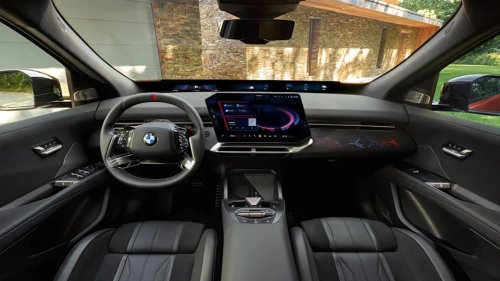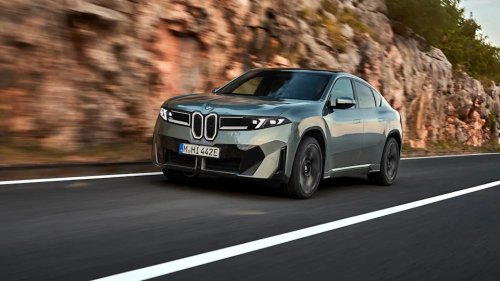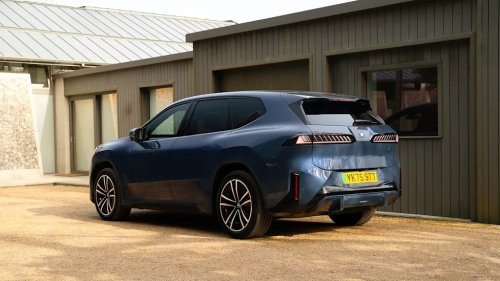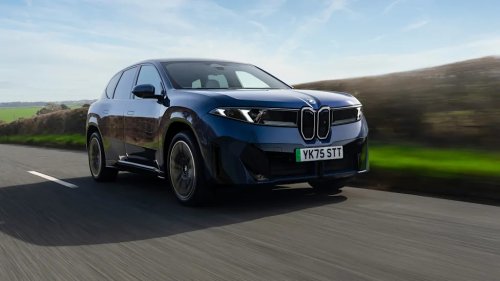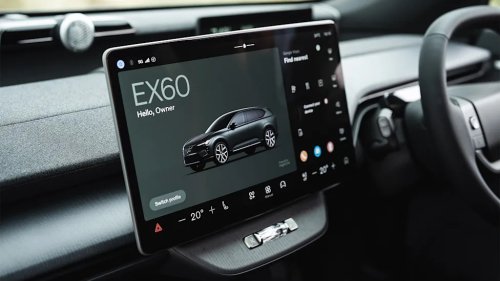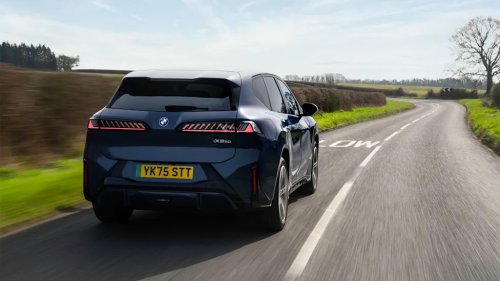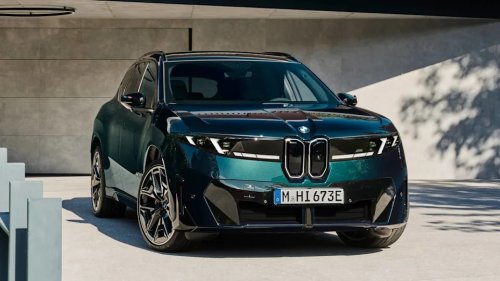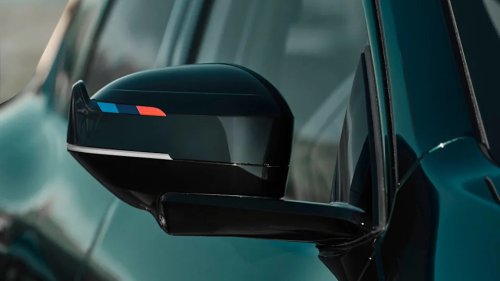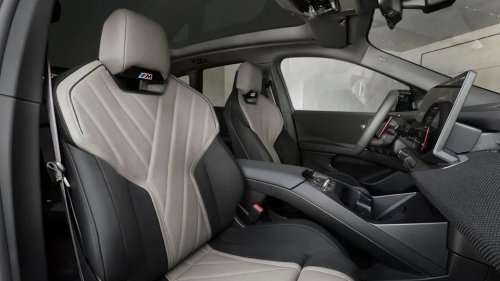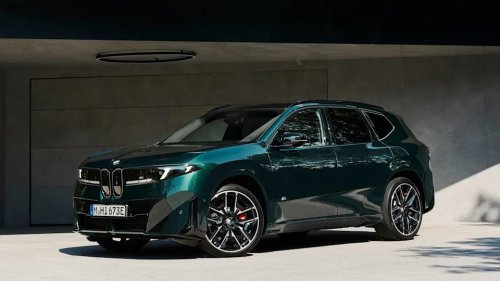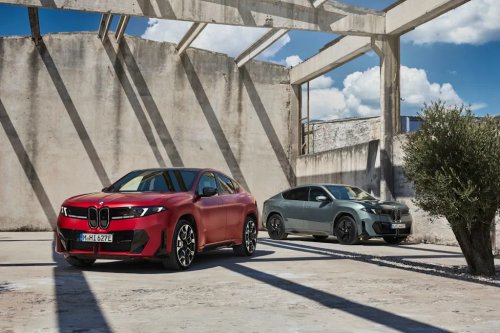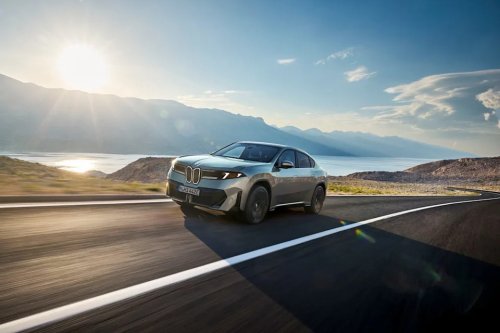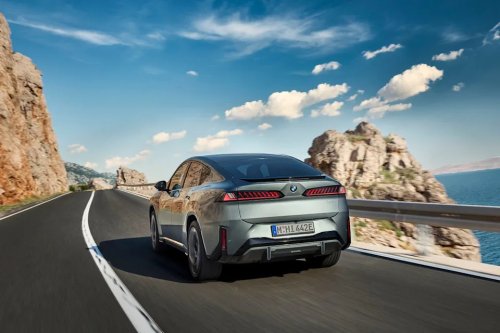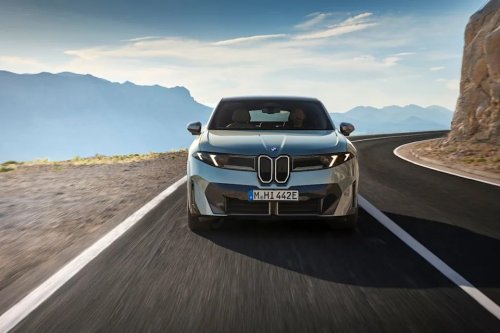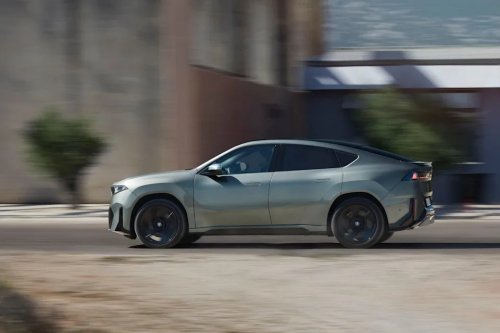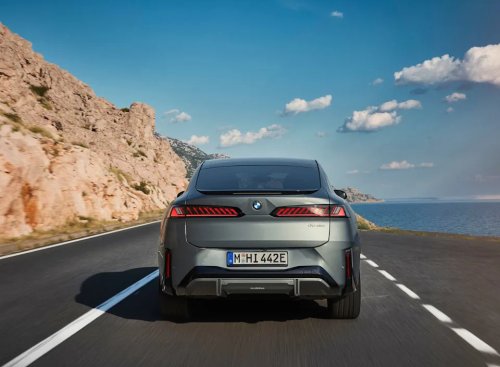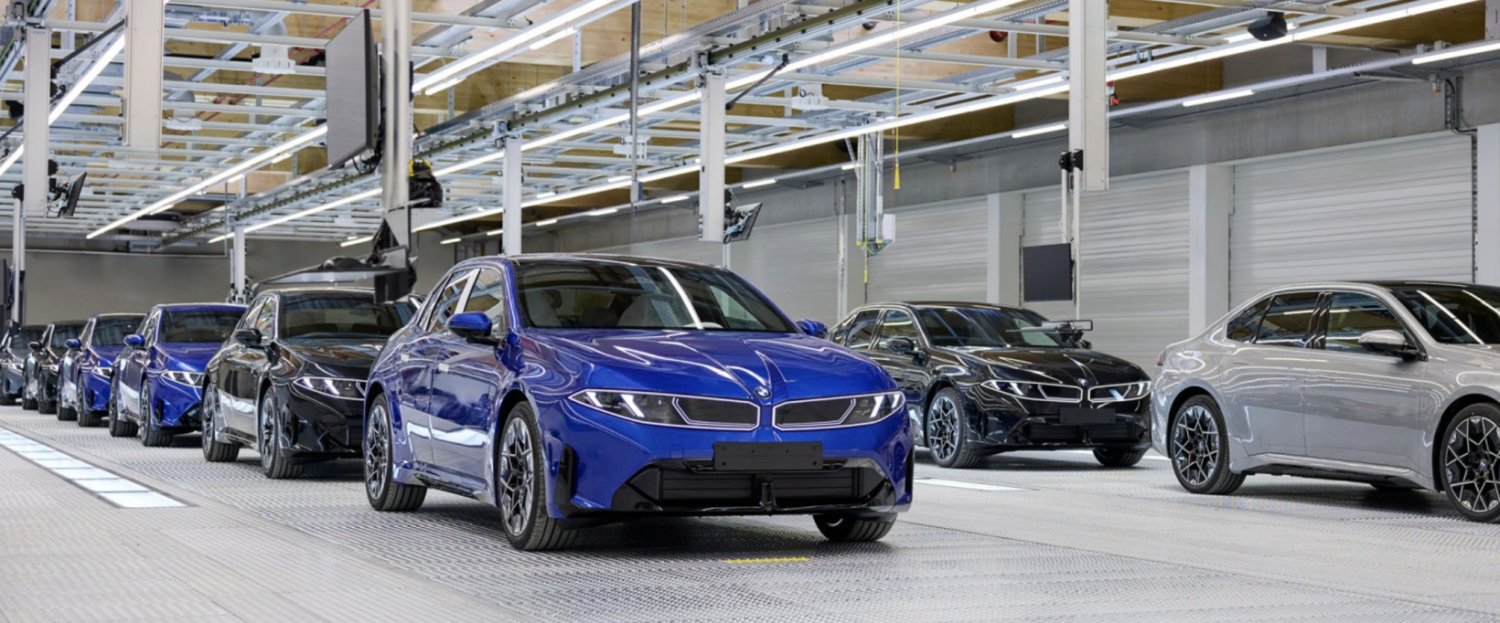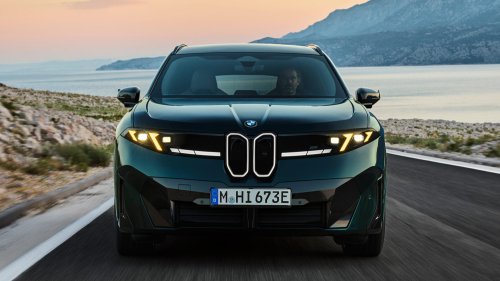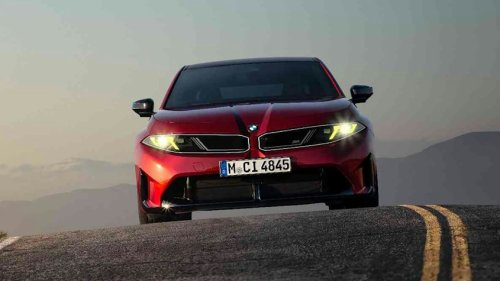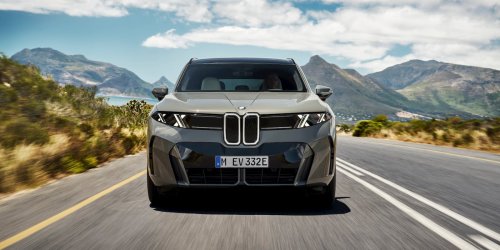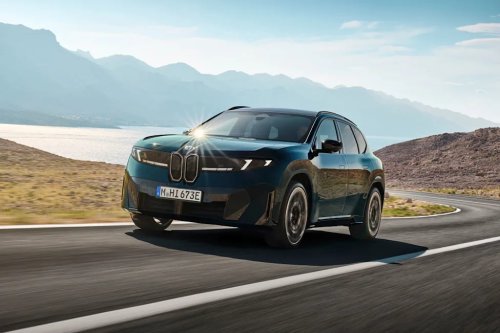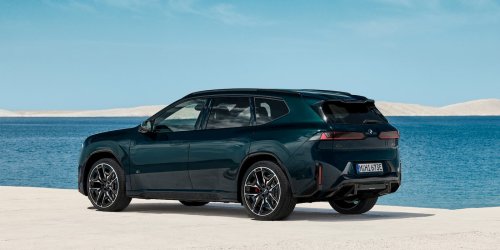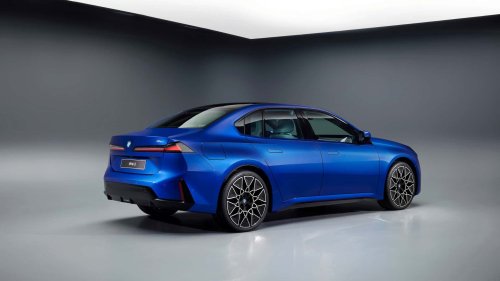
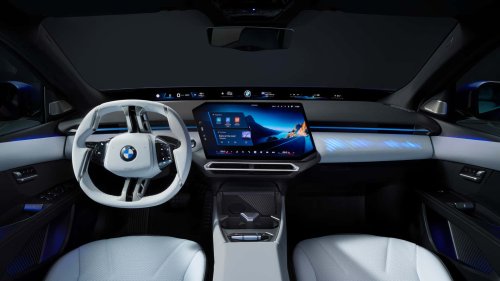
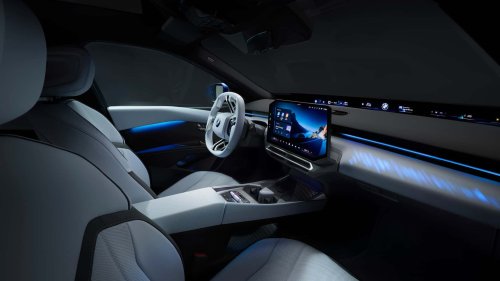
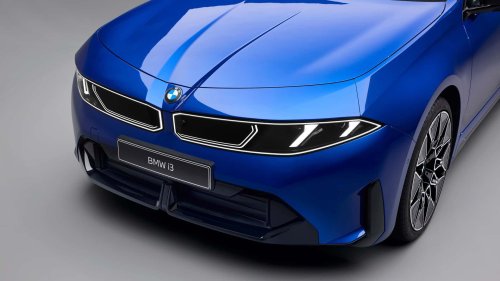
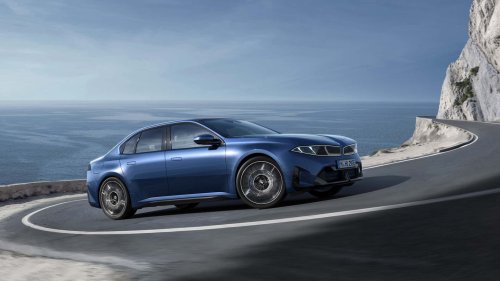
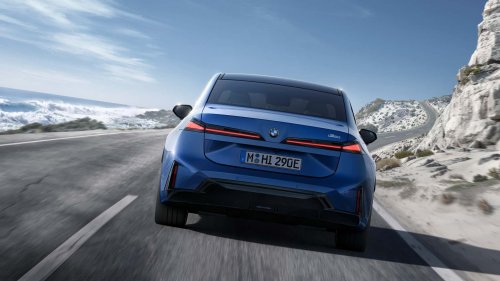
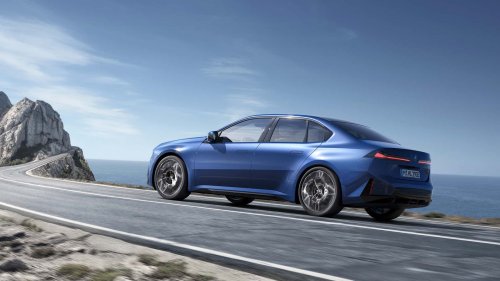
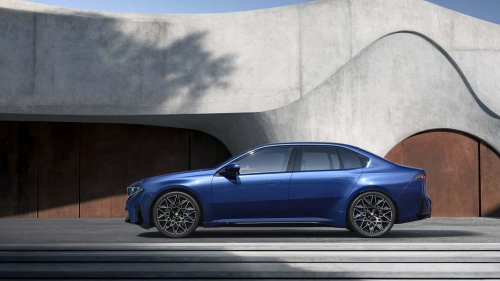
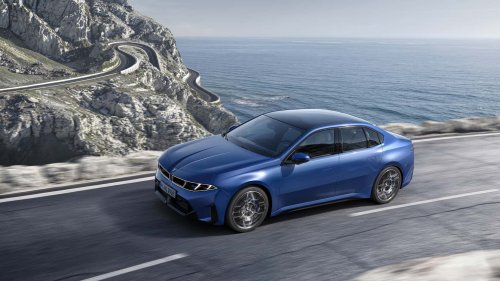
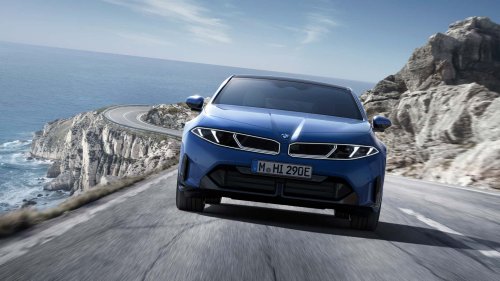
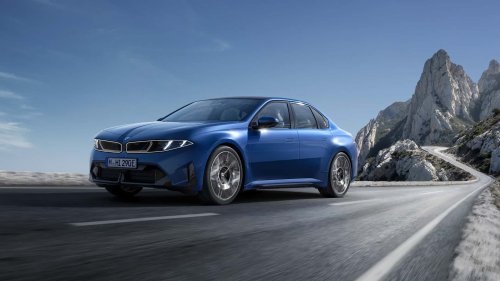
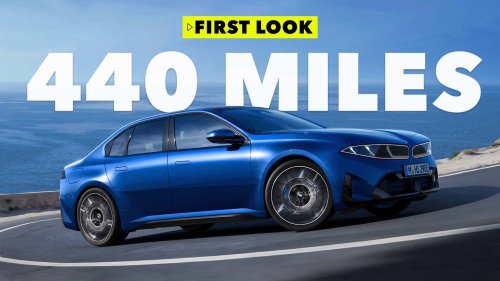



















The Breakdown The BMW i3 50 xDrive is the first all-electric New Class-era 3 Series. BMW promises 440 miles of driving range, fast charging times, and lots of tech onboard. The i3 50 xDrive delivers an impressive 463 horsepower and 476 pound-feet of torque. Since its inception, the BMW 3 Series has been the benchmark that all other sports sedans have followed. For the last few decades, the 3 Series has remained one of the top choices in the luxury sedan segment. Now, BMW is ushering its most iconic nameplate into a bold new era. Meet the BMW i3. With the arrival of the Neue Klasse design and engineering philosophy, the 3 Series undergoes one of its most significant transformations yet. Following the iX3 SUV before it, the i3 is BMW's new fully electric 3 Series and the first sedan to adopt the automaker's Neue Klasse design language. Even with a fully electric powertrain, though, the i3 promises to carry the spirit of the 3 Series in the future. And that's obvious when looking at the specifics. Good Power, Better Range Kicking things off is the BMW i3 50 xDrive. As the name suggests, it features all-wheel drive, thanks to an electric motor mounted on each axle. Together, they produce a healthy 463 horsepower and 476 pound-feet of torque—figures that firmly place this EV in performance sedan territory. Range is just as impressive. BMW estimates up to 440 miles on a full charge, and notably, that figure is based on EPA-style testing rather than the more lenient WLTP standard. If it holds up in real-world conditions, this could be one of the longest-range electric sedans available. 435 Horsepower 476 Pound-Feet 440 Miles Of Range 800-Volt Architecture The i3 also benefits from an 800-volt electrical architecture, enabling ultra-fast charging speeds of up to 400 kW. While BMW hasn’t released exact charging times or battery capacity details yet, this setup should significantly reduce time spent plugged in. Adding to its versatility, the i3 supports vehicle-to-load, vehicle-to-home, and vehicle-to-grid functionality. BMW hasn’t forgotten what makes a 3 Series feel like a 3 Series, though. The i3 features a five-link rear suspension and carefully tuned stabilizer bars designed to keep the car flat and composed during spirited driving. For those seeking even sharper dynamics, an adaptive M suspension is available. When it comes to braking, the electric motors handle most of the work through regenerative braking. BMW’s "Soft-Stop" system is designed to deliver smoother, more natural stops compared to traditional braking. The physical brakes primarily step in during aggressive driving or emergency situations, helping maintain efficiency without sacrificing control. A 'Neue' Design, Inside & Out Visually, the i3 introduces what BMW calls a modern "2.5-box" design. It features a long wheelbase, short overhangs, and clean, taut body lines that give it a planted, athletic stance. Up front, the design signals a shift toward more restrained kidney grilles, paired with BMW’s signature four-element lighting. At the rear, a horizontal light signature emphasizes width and mirrors the shape of the fenders, creating a cohesive and modern look. Subtle details—like the placement of the BMW roundel—tie the design together front to back. Photos by: BMW Inside, the cabin leans heavily into futuristic design and usability. The steering wheel stands out immediately, with a unique two-spoke layout that gives controls a floating appearance. Ahead of the driver sits BMW’s Panoramic Vision display, projecting key information further into the driver’s line of sight for easier, safer viewing. An optional 3D head-up display enhances this effect even further, while most other functions are handled through a large 17.9-inch central touchscreen. Serious Computing Power Unsurprisingly, the i3 is packed with technology. It features BMW’s latest iDrive system, an integrated AI assistant, and Digital Key functionality. Underpinning it all is the new BMW Operating System X, supported by four high-performance computers delivering up to 20 times more processing power than previous systems. The car also uses a four-zone electrical architecture, which simplifies wiring, reduces weight, and improves overall efficiency—small changes that add up to meaningful gains in range and performance. There are two clear takeaways from the new BMW i3: impressive electric performance and a bold new design direction. With up to 440 miles of range, strong power figures, and BMW’s well-earned reputation for chassis tuning, the i3 has the potential to redefine what an electric sport sedan can be. If BMW has successfully translated the essence of the 3 Series into this new electric format, the i3 won’t just be a worthy successor—it could set a new benchmark all over again. Motor1's Take: I think BMW is moving in a far better direction with this New Class design language. The kidneys got out of control. The face of the XM, for example—yeesh. But here? This almost feels like a quasi-futuristic take on a BMW 2002, in a very good way. It doesn’t go too far towards a concept design, but a real-deal production car built in the modern day. It will be interesting to hear about other versions of the i3 as BMW shares more information. And I’m extremely curious to know how much this thing will actually cost. But this i3 signals a fresh move for the 3 Series overall: the upcoming M version should be a blast, and I also can’t wait to see this design direction applied to the future gas-powered versions of the next-gen 3 Series. We want your opinion! What would you like to see on Motor1.com? Take our 3 minute survey. - The Motor1.com Team